These Pennsylvania Plants Fill Shady Spots Better Than Hostas
Hostas are the default answer for shade in Pennsylvania, and at this point that reputation is so deeply entrenched that most gardeners stop looking for alternatives the moment a shady spot appears in their yard.
Hostas go in, the problem feels solved, and the possibility that something more interesting might work just as well or better in that space never really comes up.
The thing is, Pennsylvania’s shaded garden spots are capable of supporting a much more varied and visually interesting plant palette than a yard full of hostas suggests.
There are native plants, underused perennials, and shade-adapted species that bring texture, seasonal color, wildlife value, and a kind of naturalistic beauty to dim corners and woodland edges that even the most impressive hosta variety struggles to match on its own.
If shade gardening in Pennsylvania has started feeling like it begins and ends with hostas, these plants are about to change that perspective completely.
1. Wild Ginger
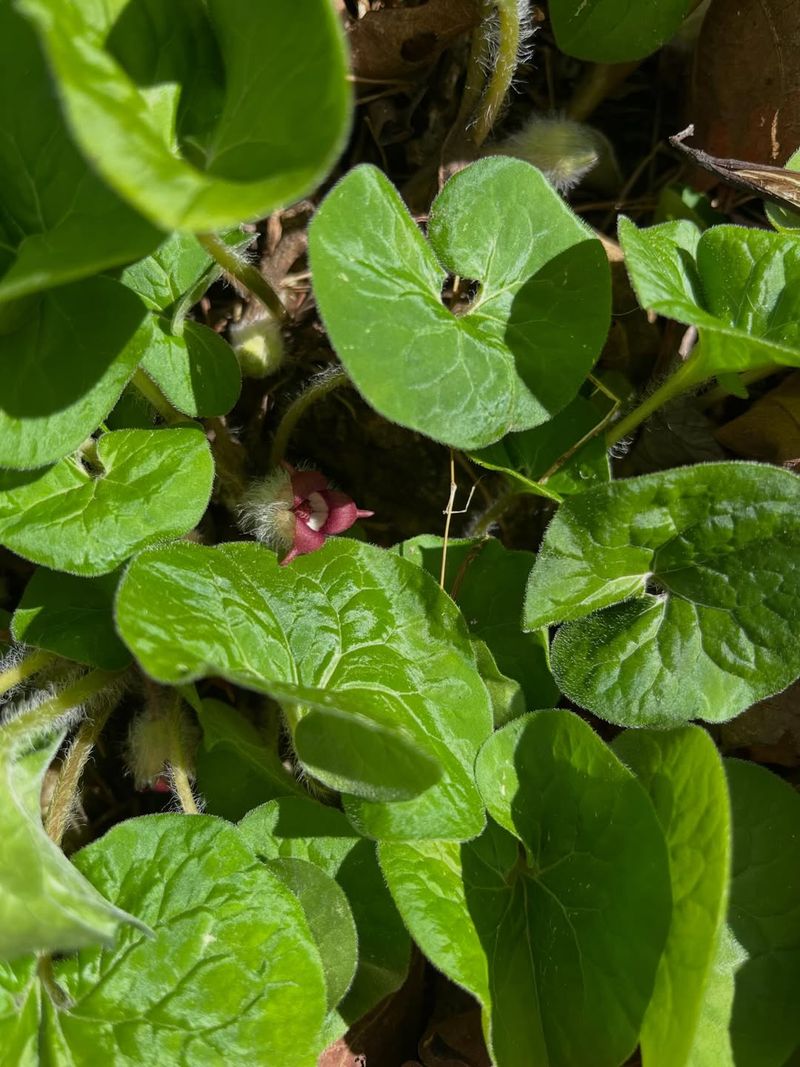
Walk through any shaded Pennsylvania woodland in spring and you might spot a thick carpet of heart-shaped leaves hugging the ground. That is wild ginger, and it is one of the most impressive groundcovers you can grow in a shady garden.
Its leaves are dark, glossy, and dense, forming a lush mat that crowds out weeds naturally. That alone makes it worth planting.
Wild ginger grows slowly at first, but once it gets established, it spreads steadily through underground rhizomes. You will not need to replant it every year.
It is a true perennial that comes back reliably, even through Pennsylvania winters. The plant stays low, usually only about six inches tall, which makes it perfect for filling space under trees or along shaded walkways.
One fun fact most people do not know is that wild ginger does bloom. The flowers are tiny, reddish-brown, and hidden beneath the leaves close to the ground.
They are pollinated by small insects that crawl along the forest floor. You probably will not see the blooms unless you look for them, but they are there.
In Pennsylvania, wild ginger pairs beautifully with ferns and other woodland natives. It handles dry shade surprisingly well once established, which is a tough condition that many plants struggle with.
It also attracts native ants, which help spread its seeds. If you want a no-fuss, weed-smothering groundcover for a shady spot, wild ginger is hard to beat.
2. Foamflower
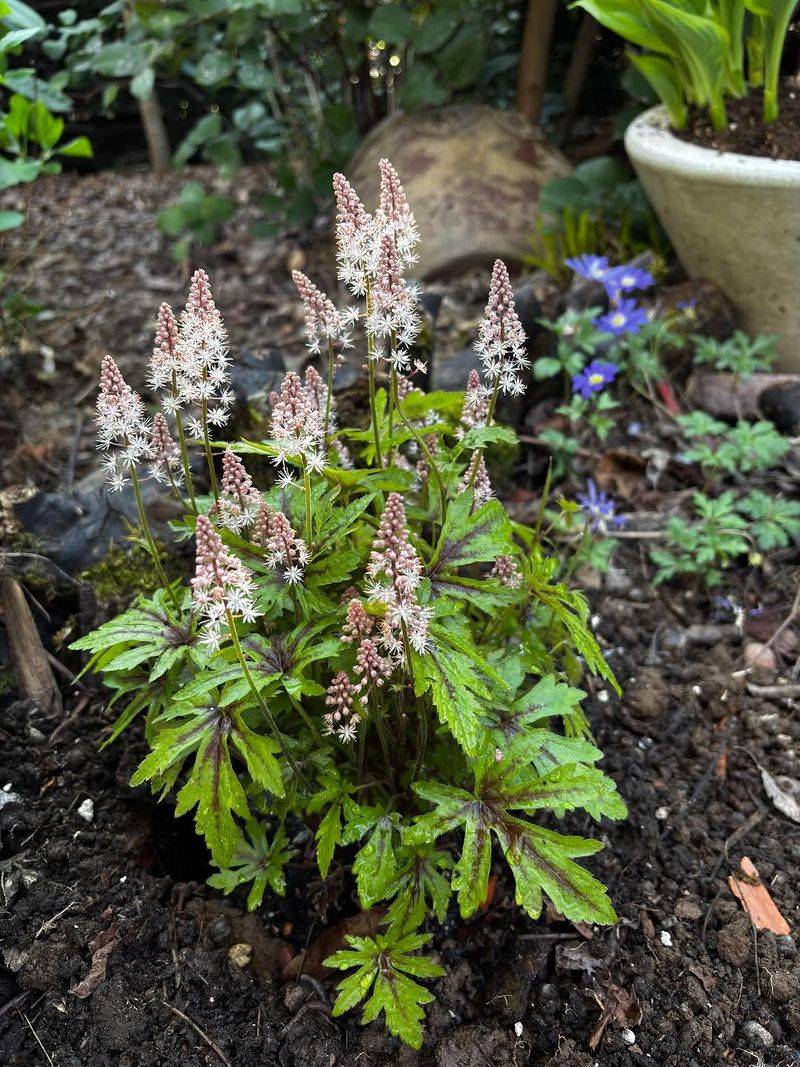
Few native plants put on a spring show quite like foamflower. When it blooms, it sends up feathery spikes covered in tiny white or pink flowers that seem to float above the foliage like foam on water.
That is exactly how it got its name. In Pennsylvania gardens, foamflower is one of the most charming plants you can add to a shady bed.
Beyond the blooms, the leaves are just as attractive. They are deeply lobed, almost maple-shaped, and often have interesting markings or reddish veining depending on the variety.
Even after the flowers fade in late spring, the foliage stays attractive all season. Some varieties even hold their leaves well into winter, giving your garden something to look at even in the colder months.
Your Pennsylvania Garden Changes Every Week. Your Plan Should Too.
Gardening in Pennsylvania changes quickly throughout the season. Every Friday you’ll receive a simple weekly plan showing exactly what to plant, prune, fertilize, harvest, and protect so you never miss the right timing.
Foamflower is a native perennial that grows naturally in moist, shaded woodlands across Pennsylvania. It spreads gently by runners, slowly filling in bare spots without taking over aggressively.
You can control its spread easily by trimming back the runners if needed. It is a well-behaved plant that plays nicely with neighbors like ferns, sedges, and wild ginger.
Pollinators love foamflower. Bees and small butterflies visit the flowers regularly in spring, making it a great choice for gardeners who want to support local wildlife.
It prefers consistently moist, rich soil and does best in full to partial shade. Plant it near a downspout or in a low area where moisture collects, and it will reward you generously every spring.
3. Pennsylvania Sedge
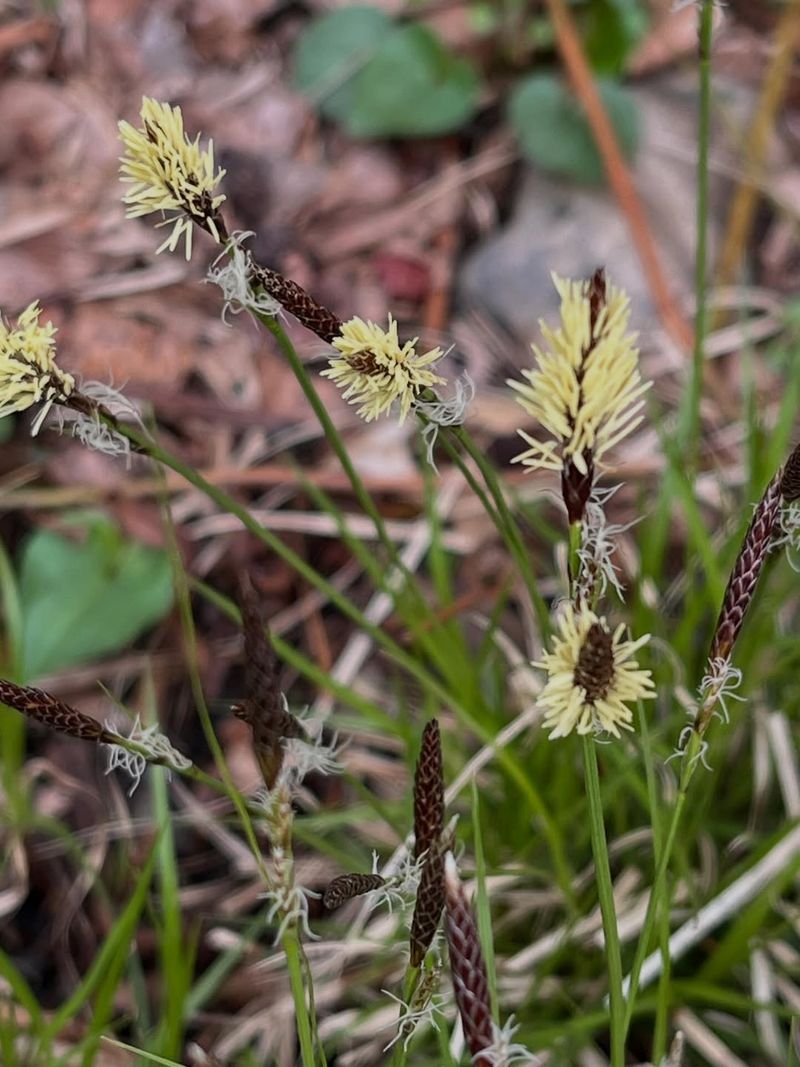
If you have ever tried to grow grass in a heavily shaded spot, you know the frustration. Grass just does not want to cooperate without sun.
Pennsylvania sedge, on the other hand, was practically made for those conditions. It is a native, fine-textured plant that forms soft, arching clumps of green blades, creating a flowing groundcover that looks almost like a low, ornamental grass.
What makes Pennsylvania sedge stand out is how well it handles dry shade. That combination of low light and dry soil is one of the hardest conditions for plants to manage. Most groundcovers give up. Pennsylvania sedge keeps going.
Once established, it is remarkably drought-tolerant and requires very little care. You can mow it once a year in late winter to tidy it up, or just leave it alone and let it do its thing.
Across Pennsylvania, this sedge grows naturally under oak trees and in dry woodland settings. It is perfectly adapted to the region’s climate and soil.
That natural fit means it rarely struggles with pests or disease. It just quietly does its job, season after season, without demanding much attention from you.
Pennsylvania sedge also stays evergreen in milder winters, which is a real bonus for shady areas that tend to look bare and sad once the leaves drop. It grows about six to twelve inches tall and spreads slowly by seed and short rhizomes.
Plant it in masses for the best visual effect, and enjoy a lush, low-maintenance carpet that makes hostas look like extra work.
4. Christmas Fern
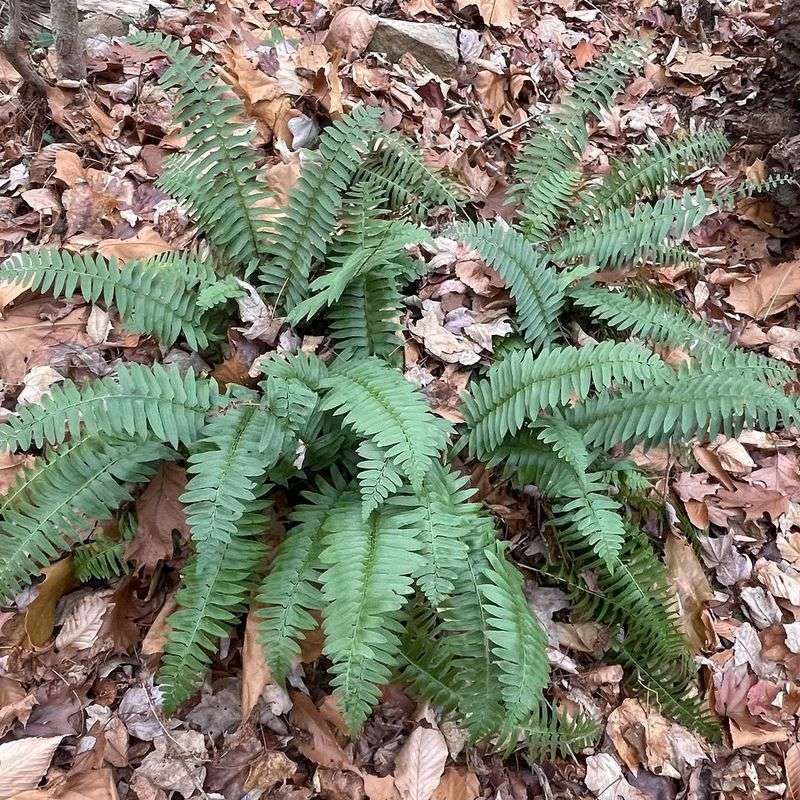
Here is something you do not get with most shade plants: year-round good looks. Christmas fern earned its festive name because its fronds stay green straight through winter, even when snow is sitting on top of them.
Early American settlers reportedly used the evergreen fronds for holiday decorations, and that tradition gave the plant its cheerful name. In Pennsylvania, it is one of the most reliable native ferns you can grow.
The fronds are dark, glossy, and leathery with a texture that looks polished even in low light. Each frond is made up of small, individual leaflets that have a slightly boot-shaped look at the base.
The plant grows in a graceful vase shape, with fronds arching outward from a central crown. It typically reaches one to two feet tall, making it a great mid-layer plant in a shaded garden bed.
Christmas fern is incredibly tough. It handles dry shade, rocky soil, and steep slopes where other plants struggle to hold on.
Pennsylvania homeowners often use it on shaded hillsides to control erosion because its roots grip the soil well. It is also deer-resistant, which is a huge bonus in areas where deer pressure is high.
Planting Christmas fern is straightforward. It prefers well-drained soil with some organic matter, and it does best in partial to full shade.
Once established, it needs almost no supplemental watering. It spreads slowly over time, gradually filling in shaded areas with its rich, deep green fronds.
For a plant that looks great twelve months a year with minimal effort, Christmas fern is genuinely hard to top.
5. Solomon’s Seal
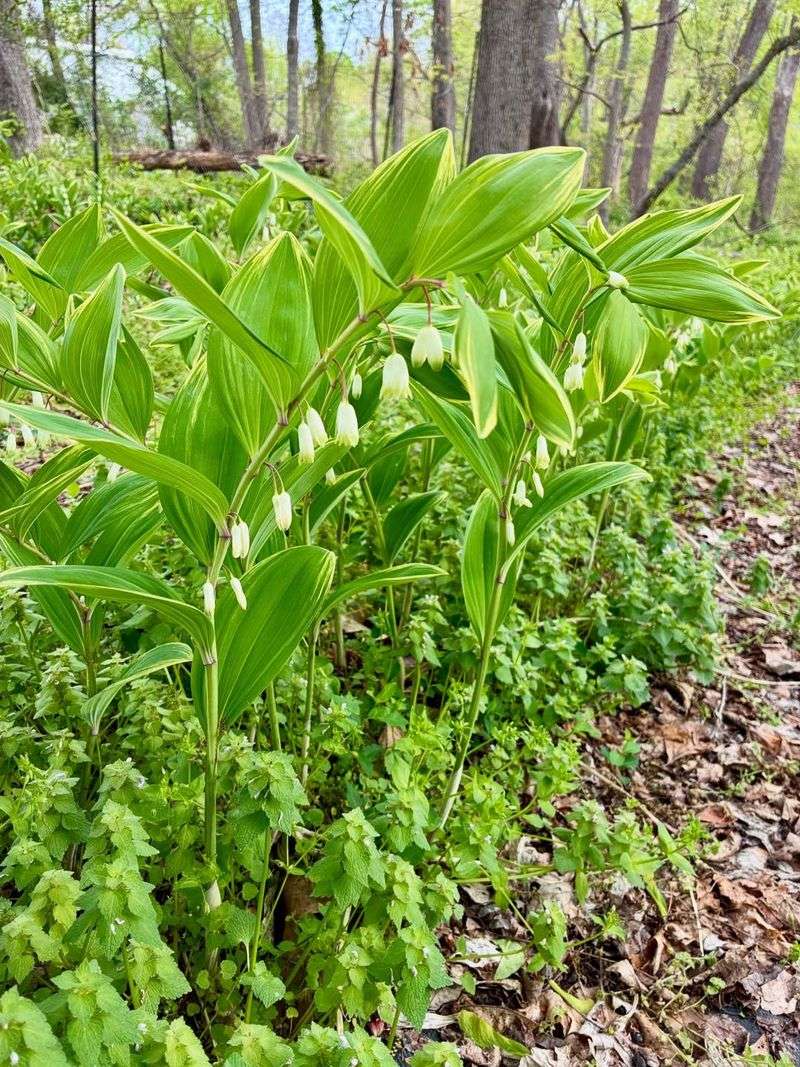
There is something almost poetic about Solomon’s seal. The long, arching stems curve gracefully outward, and from beneath each pair of broad, oval leaves hang small, white bell-shaped flowers in spring.
The whole plant has a rhythm to it, like a gentle wave frozen in place. It brings a kind of quiet elegance to shaded garden beds that very few other plants can match.
Solomon’s seal is a native perennial that grows naturally in Pennsylvania woodlands. It spreads steadily underground through rhizomes, slowly expanding its colony year after year.
Once you plant it, you will likely have it for a very long time. In fall, the leaves turn a warm golden yellow before the stems fade back for winter. Then in spring, fresh new shoots push up from the ground like little green fists uncurling.
Beyond its good looks, Solomon’s seal is genuinely useful in the garden. It grows well in both moist and moderately dry shade, making it adaptable to a range of conditions across Pennsylvania.
It pairs beautifully with ferns, hostas, and wild ginger, creating layered, naturalistic plantings that look like they belong in the forest.
Hummingbirds and bumblebees visit the hanging flowers in spring, and birds eat the small blue-black berries that form in late summer. So the plant is not just decorative.
It actively supports local wildlife. If you want movement, layered texture, and seasonal interest all wrapped up in one low-maintenance package, Solomon’s seal belongs in your shade garden.
6. Golden Ragwort
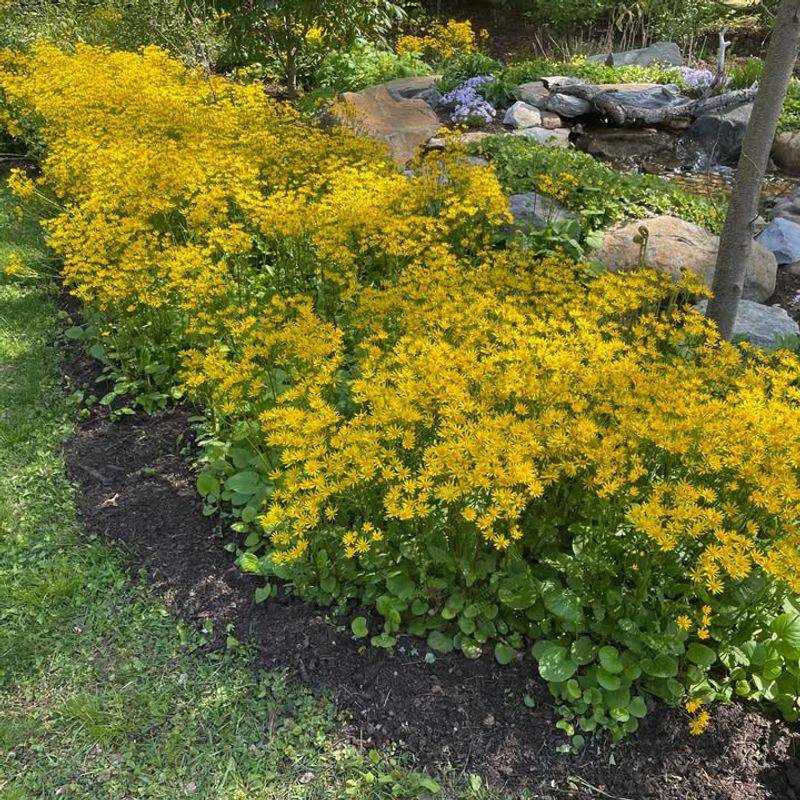
Bright yellow flowers in a shady garden might sound too good to be true, but golden ragwort delivers exactly that. Every spring, this native Pennsylvania plant erupts in cheerful, daisy-like blooms that light up dark corners of the garden.
Even after the flowers fade, the dense rosettes of rounded, dark green leaves stay attractive all season long, forming a thick mat that suppresses weeds effectively.
Golden ragwort is a spreading perennial that fills in shady gaps steadily over time. It moves through the garden by sending out runners and self-seeding lightly, so it gradually knits together into a seamless groundcover.
It is not aggressive, but it is persistent, which is exactly what you want in a plant that is supposed to cover ground. You can always pull out extra plants if it moves into areas where you do not want it.
One of its best qualities is adaptability. Golden ragwort handles a wide range of soil conditions, from moist streamside settings to average garden beds in partial shade.
It is native to Pennsylvania and much of the eastern United States, so it is already well-suited to the local climate. It rarely needs supplemental fertilizer or special soil preparation.
Pollinators are big fans of golden ragwort. Early spring bees visit the flowers regularly, making it an excellent choice for gardeners who want to support native bee populations.
It also provides good habitat for ground-nesting insects. Plant it in masses under trees or along shaded borders for a natural, woodland-inspired look that practically takes care of itself through the seasons.
7. Ostrich Fern
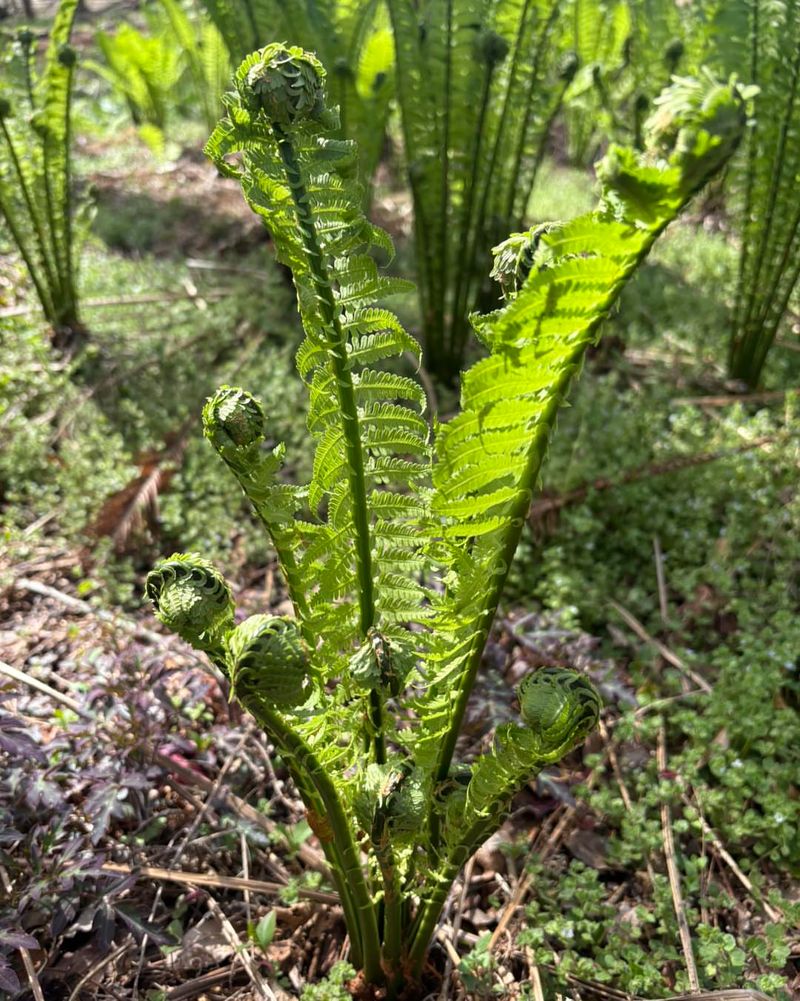
Few plants make a statement quite like ostrich fern. The fronds are enormous, sometimes reaching five or even six feet tall, and they arch outward in a graceful vase shape that really does look like a cluster of ostrich feathers.
Plant a few of these in a moist, shaded corner of your Pennsylvania yard and you will instantly have a bold, dramatic focal point that stops people in their tracks.
Ostrich fern is native to moist woodlands and streambanks across Pennsylvania and much of the northeastern United States. It loves consistently moist soil and partial to full shade.
If you have a low-lying area that tends to stay wet, or a shaded spot near a downspout, ostrich fern will absolutely thrive there. It is one of those plants that turns a problem area into a showpiece.
Come spring, ostrich fern produces tightly coiled fiddleheads before the fronds unfurl. Those fiddleheads are actually edible and are considered a regional delicacy in parts of the northeastern United States.
Foragers harvest them young and cook them like asparagus. So beyond looking spectacular, this plant can actually contribute something to your kitchen.
Ostrich fern spreads by underground rhizomes and can colonize a shaded area fairly quickly in the right conditions. Once it gets going, it forms a dense, weed-blocking mass of lush greenery that looks full and tropical even in a Pennsylvania shade garden.
It dies back in winter but returns with impressive speed each spring. For sheer visual impact in a moist shady spot, nothing else on this list comes close.