How To Care For Anthurium And Keep It Blooming Strong In A North Carolina Home
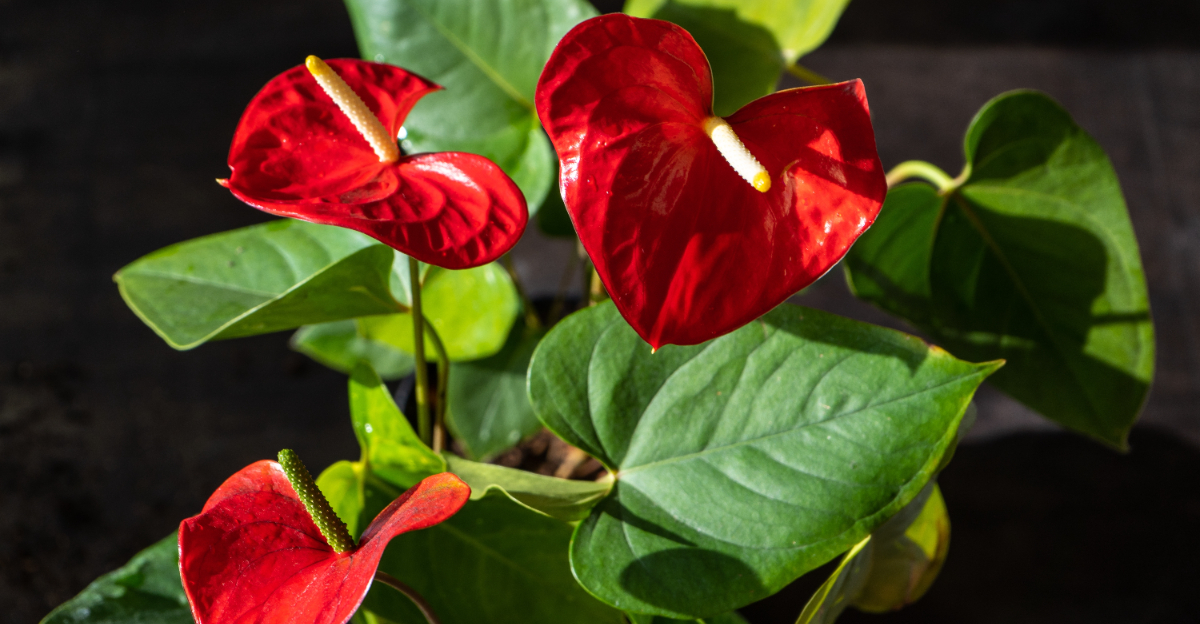
Anthurium is the kind of houseplant that earns attention without trying.
Those waxy, heart shaped spathes in deep red, coral, or white have a boldness that most flowering houseplants cannot match, and when the plant is healthy it produces them in a near continuous cycle that keeps the display going for months.
Getting it to that point in a North Carolina home takes understanding what anthurium is actually asking for, which is different from what a lot of general houseplant advice suggests.
The humid summers here can actually work in anthurium’s favor if the plant is in the right spot, but the dry air that heating and air conditioning both create indoors creates real challenges across different parts of the year.
Light placement, watering consistency, and a few specific care habits separate the anthuriums that bloom reliably from the ones that produce a flower or two and then sit there looking healthy but quiet.
Once the conditions are right for your specific home environment, keeping this plant blooming strong becomes considerably more straightforward.
1. Give Bright Indirect Light For Strong Blooms
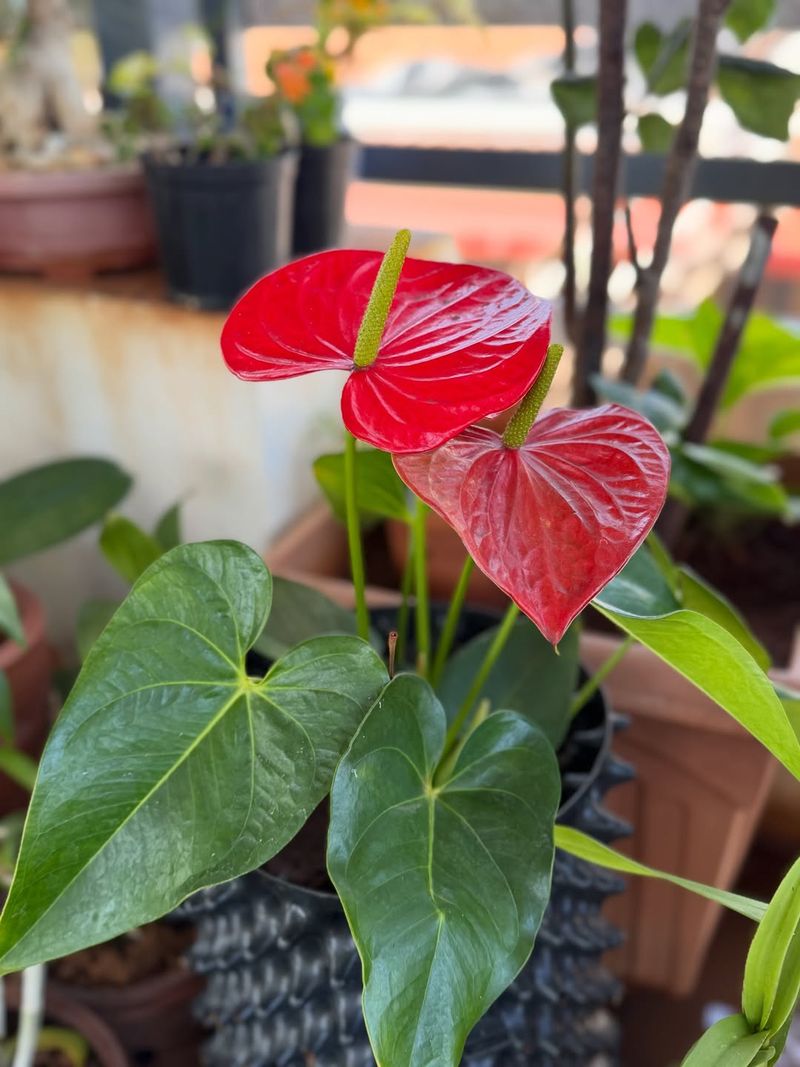
Sunlight is everything when it comes to getting your anthurium to bloom consistently indoors. Anthuriums, specifically the popular Anthurium andraeanum hybrids, are naturally found growing under the shade of tropical forest canopies.
They are built for bright, filtered light rather than direct sun exposure. In a North Carolina home, afternoon sun coming through south or west-facing windows can be surprisingly harsh, especially during the long summer months.
That intense direct light will scorch the broad leaves and cause the vivid blooms to fade much faster than they should.
Placing your plant near an east-facing window or a few feet back from a brighter window works really well.
Sheer curtains are a great tool for filtering light in rooms where the sun hits hard. The more consistent the light your anthurium receives, the more reliably it will push out new flower spikes throughout the year.
A plant sitting in a dim corner will survive but rarely bloom with any real energy or color. Bright indirect light is honestly the single biggest factor in keeping those gorgeous waxy flowers coming back strong season after season inside your home.
2. Keep Soil Light And Fast Draining
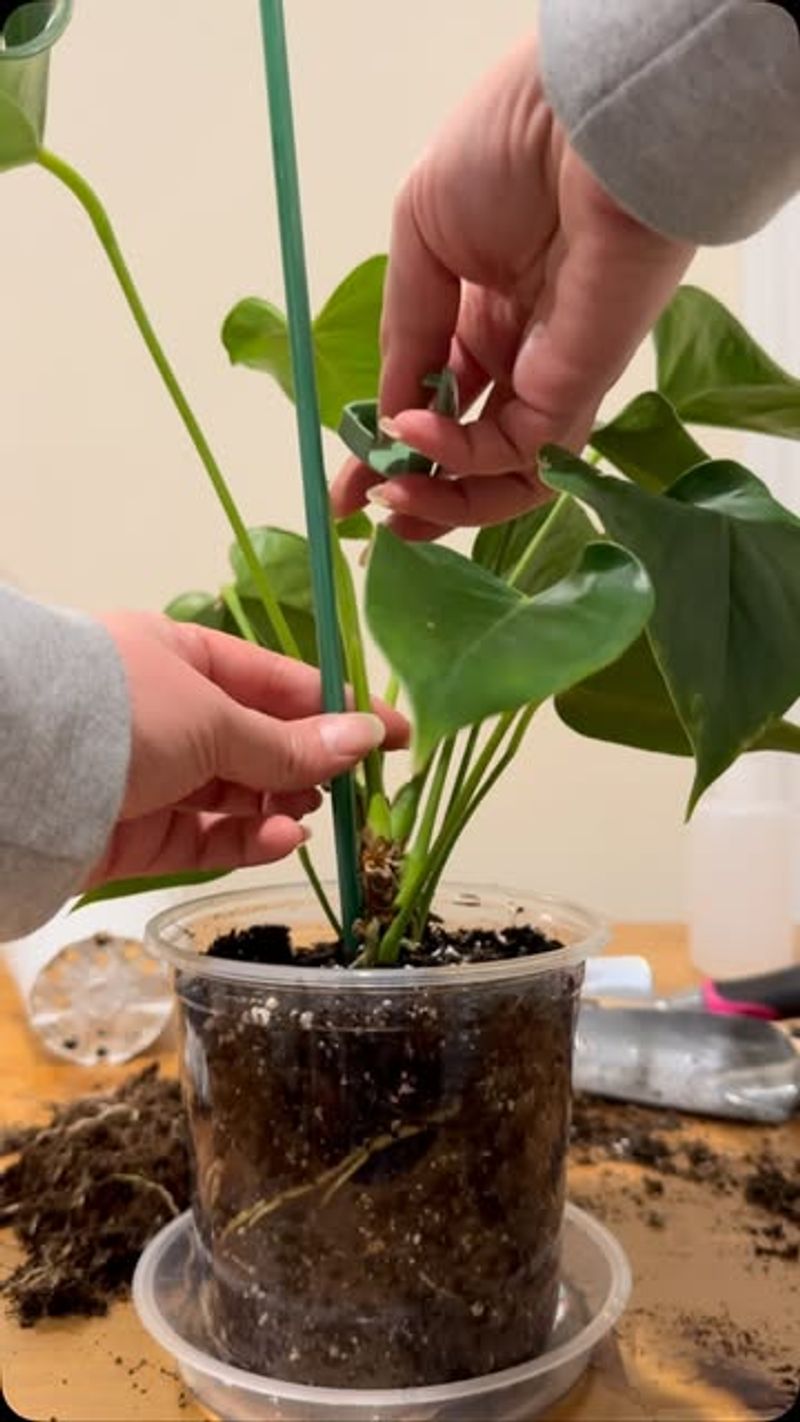
Most standard potting soils hold way too much moisture for anthuriums, and that extra wetness around the roots leads to serious problems over time.
Anthuriums are actually epiphytic plants in nature, meaning they often grow on tree surfaces rather than in deep ground soil. Their roots are designed to breathe and drain freely.
A great mix for growing anthuriums indoors combines regular potting soil with orchid bark, perlite, or coarse perlite in roughly equal parts.
This type of blend stays loose and airy, letting water drain through quickly while still holding just enough moisture to keep the roots happy.
You can find these ingredients easily at most garden centers across North Carolina.
When you repot your anthurium, always choose a container with drainage holes at the bottom. A pot without drainage will trap water no matter how good your soil mix is, and that standing moisture creates the perfect environment for root rot.
Your North Carolina Garden Changes Every Week. Your Plan Should Too.
Gardening in North Carolina changes quickly throughout the season. Every Friday you’ll receive a simple weekly plan showing exactly what to plant, prune, fertilize, harvest, and protect so you never miss the right timing.
Terracotta pots work especially well because they absorb excess moisture through their walls, which adds another layer of protection.
Getting the soil right from the start saves you a lot of trouble and keeps your anthurium growing with strong, healthy roots throughout every season.
3. Water When The Upper Soil Starts To Dry
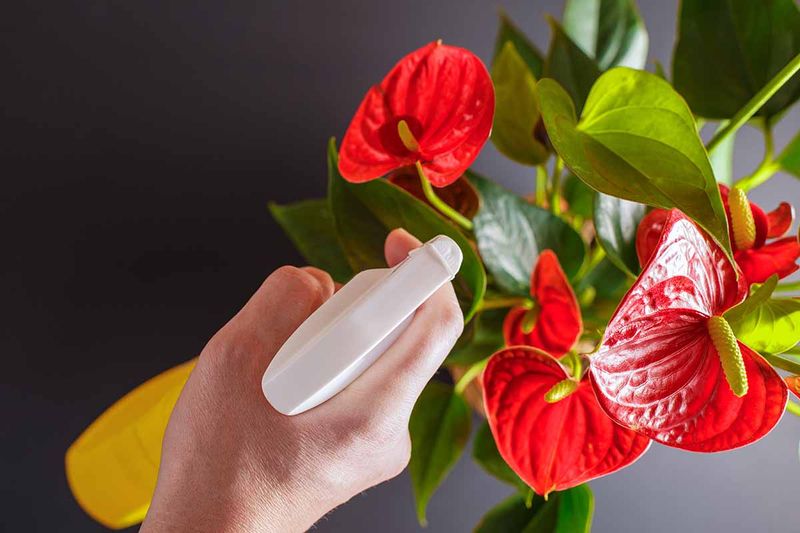
Watering an anthurium incorrectly is one of the most common mistakes indoor plant owners make, and it usually goes in one of two directions: too much or too little. Both extremes stress the plant and slow down blooming significantly.
Finding the right rhythm takes a little attention at first, but it quickly becomes second nature.
The best approach is to check the top inch or two of soil with your finger before reaching for the watering can. When that upper layer feels dry to the touch, go ahead and water thoroughly until it drains out the bottom of the pot.
Then let the soil begin drying again before the next watering session.
During North Carolina winters, indoor heating systems pull moisture from the air and can cause soil to dry out faster than expected, so check your plant a bit more frequently during those months.
In summer, humidity is higher and the soil may stay moist a little longer depending on your home conditions.
Always pour out any water that collects in the saucer beneath the pot after watering, because sitting water at the base keeps roots too wet for too long.
Consistent, attentive watering truly makes a massive difference in how often your anthurium blooms and how vibrant it looks all year.
4. Maintain Moderate Indoor Humidity Year-Round
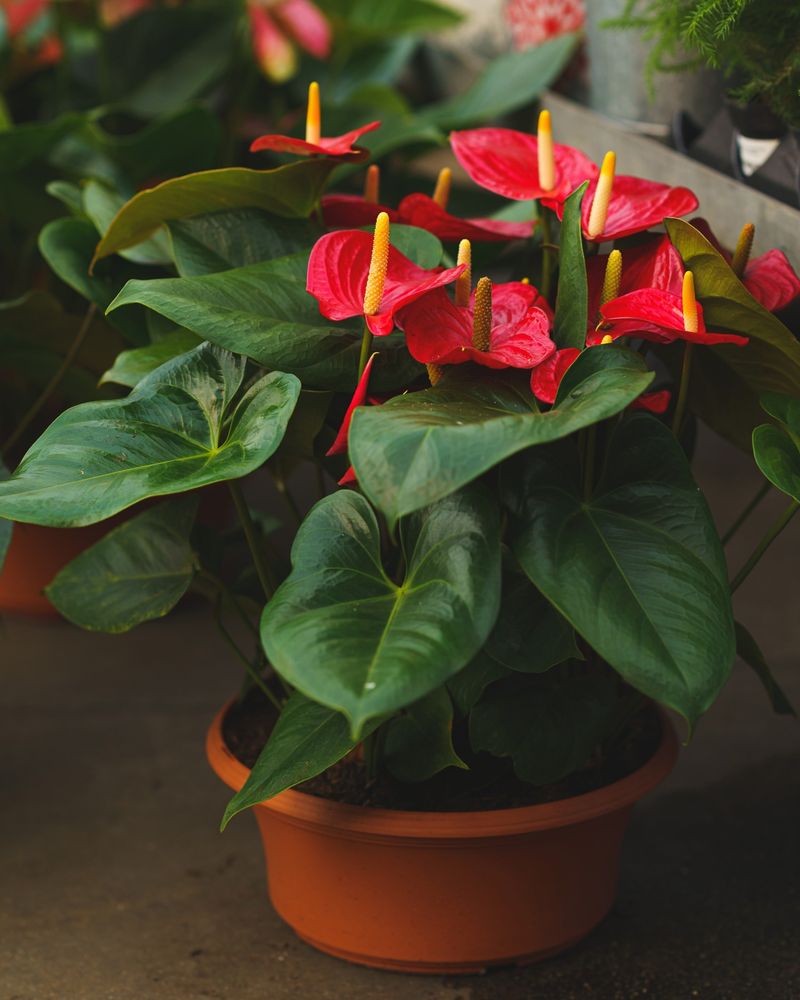
Anthuriums come from tropical regions where the air stays consistently warm and moist, so they genuinely love humidity. In a North Carolina home, summer air is naturally humid and your anthurium will feel right at home during those warmer months.
Winter is a completely different story, though. When heating systems run through the colder months, indoor air becomes noticeably dry, and that dryness causes anthurium leaves to develop brown, crispy edges.
Low humidity also slows down the plant’s overall growth and can reduce how often it produces new flower spikes.
Keeping humidity levels somewhere between 50 and 70 percent is the sweet spot for these plants.
A small humidifier placed near your anthurium is one of the most effective ways to maintain that moisture in the air around it. Grouping several houseplants together also raises local humidity naturally as they release moisture through their leaves.
Some people use a shallow tray filled with pebbles and water placed beneath the pot, which adds a gentle, steady source of humidity without wetting the roots.
Misting the leaves directly is less effective and can sometimes encourage fungal spots if the leaves stay wet too long.
Keeping the air around your anthurium consistently moist is one of the smartest moves you can make for its long-term health and bloom production in a North Carolina home.
5. Protect Your Plant From Cold Drafts And Temperature Swings
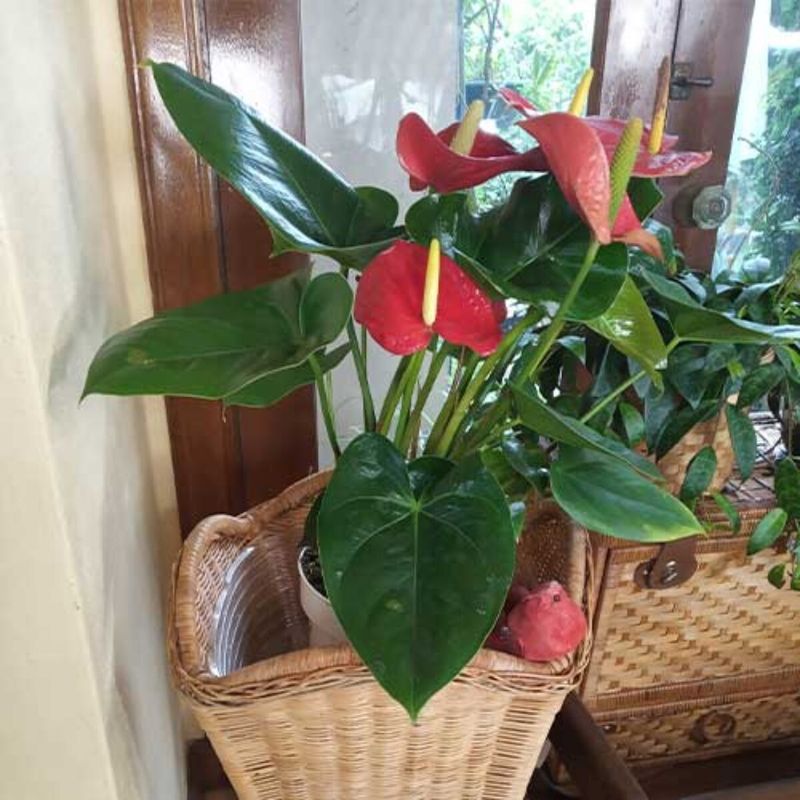
Anthuriums are truly tropical at heart, and they have very little tolerance for cold air or sudden temperature changes. In North Carolina, winters bring cold snaps that can push indoor temperatures near windows and exterior walls much lower than you might expect.
That cold air creeping in around window frames is a real threat to your anthurium’s health.
Temperatures below 55 degrees Fahrenheit will noticeably slow your anthurium’s growth and stress the foliage. Prolonged exposure to cold drafts can cause leaves to yellow and new growth to stall completely.
The ideal indoor temperature range for anthuriums sits between 65 and 85 degrees Fahrenheit, which most North Carolina homes hit comfortably during spring, summer, and fall.
Watch out for air conditioning vents blowing directly onto your plant during those hot North Carolina summers, because cold forced air from a vent is just as damaging as a winter draft.
Move your anthurium away from exterior doors that open frequently in cold weather, and keep it off windowsills where glass temperatures drop sharply on cold nights. Consistency is what this plant craves above almost everything else.
When temperatures stay stable and warm, your anthurium channels all its energy into producing those stunning, long-lasting blooms that make it such a popular choice for indoor plant lovers across the state.
6. Fertilize Lightly During Active Growing Season
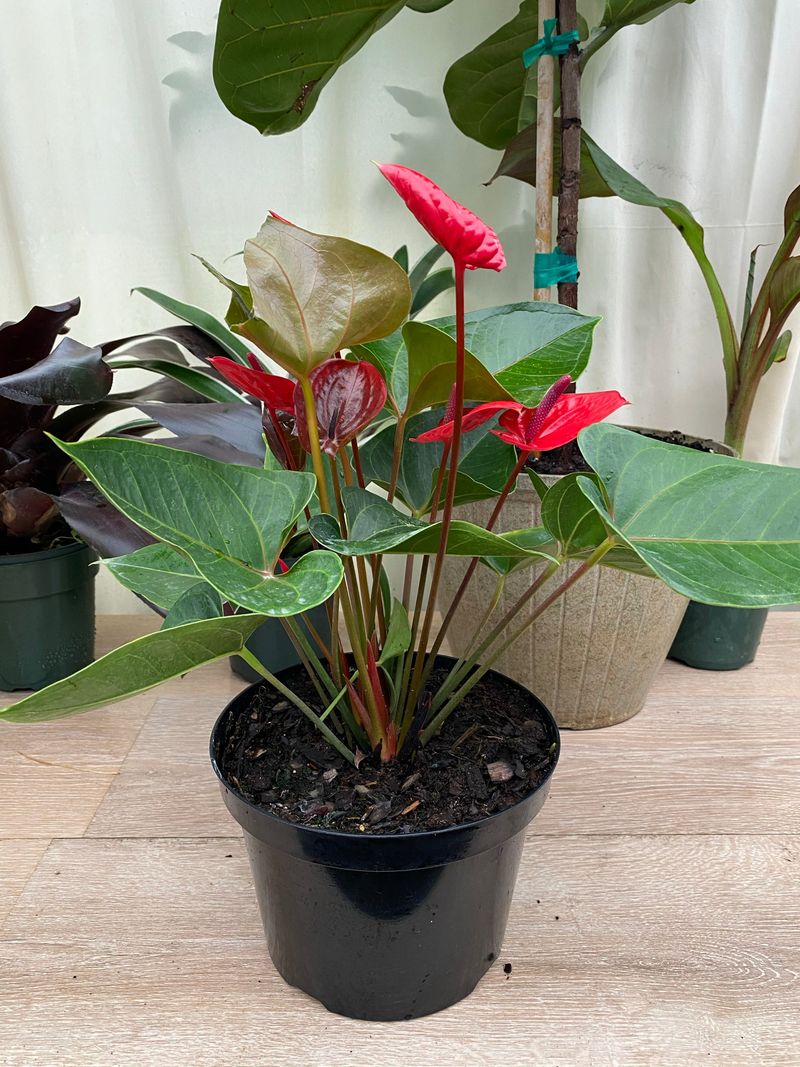
Feeding your anthurium the right way during its active growing season can make a noticeable difference in how many blooms it produces.
Spring and summer are when anthuriums push out the most new growth, and a little extra nutrition during those months gives the plant fuel to develop strong flower spikes and healthy foliage.
A balanced liquid fertilizer with equal parts nitrogen, phosphorus, and potassium works really well for anthuriums.
Dilute it to about one quarter of the recommended strength on the label, because anthuriums are sensitive to heavy feeding and too much fertilizer causes salt to build up in the soil.
That salt buildup burns roots and leads to weak, stressed growth rather than the lush blooms you are aiming for.
Fertilize roughly once a month during spring and summer, and then stop or reduce feeding significantly once fall arrives and growth slows down.
In North Carolina, the growing season aligns well with the warmer months, so following the natural rhythm of the seasons makes timing easy.
Always water your anthurium thoroughly before applying fertilizer, because feeding into dry soil concentrates the minerals and increases the risk of root burn.
Light, consistent feeding paired with good light and proper watering creates the ideal conditions for your anthurium to bloom repeatedly and stay strong and vibrant throughout the year.
7. Remove Fading Blooms And Damaged Leaves Regularly
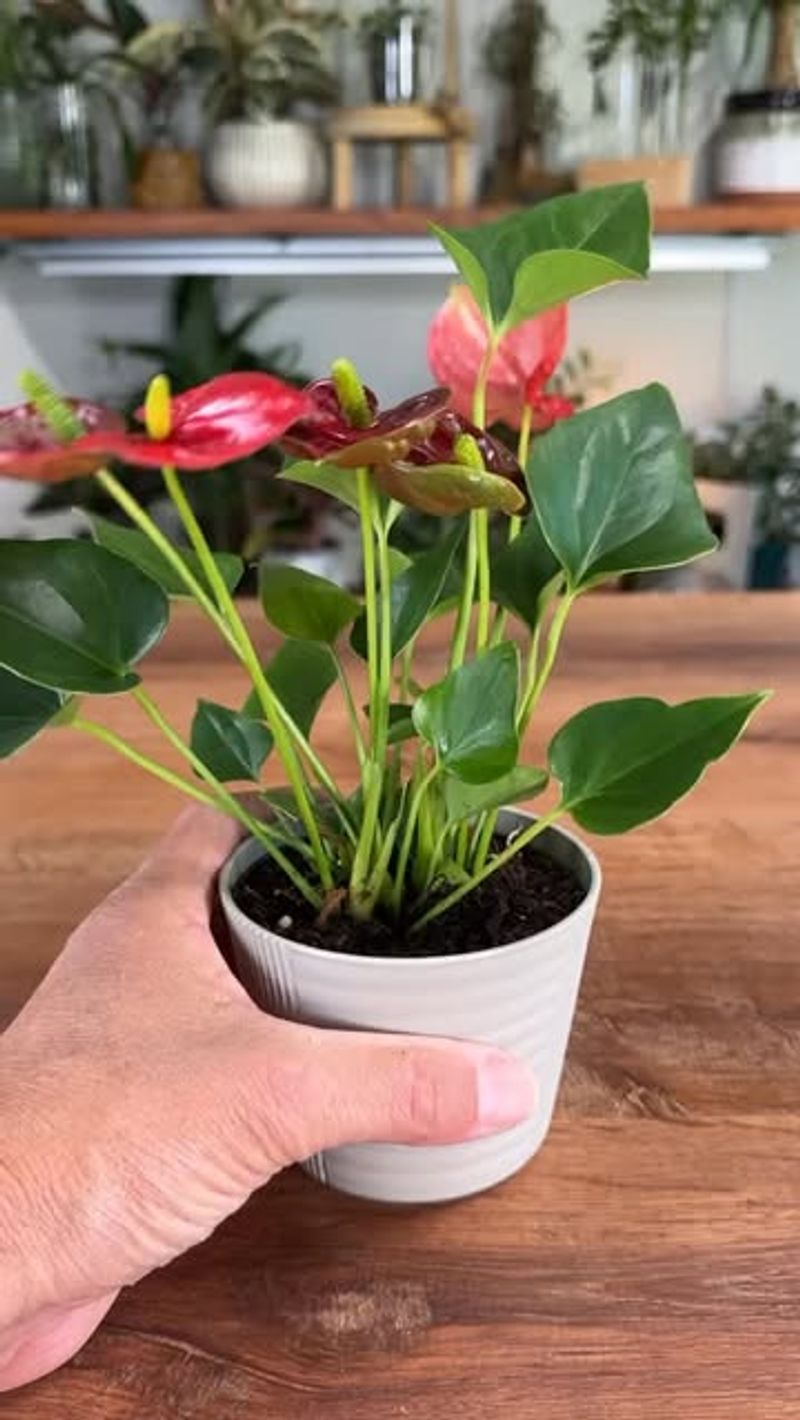
There is something deeply satisfying about giving your anthurium a little grooming session, and the plant genuinely rewards you for it.
Fading flower stalks and yellowing or damaged leaves pull energy away from the rest of the plant, slowing down the production of new growth and fresh blooms. Removing them regularly keeps the plant focused and thriving.
When an anthurium bloom starts to fade and lose its color, trace the flower stalk down to where it meets the base of the plant and cut it off cleanly with a pair of sterilized scissors or pruning shears.
Leaving old stalks in place does not benefit the plant at all and can sometimes invite unwanted pests or fungal issues. Clean cuts made close to the base heal quickly and keep the plant looking neat.
Yellowing leaves are a normal part of a plant’s life cycle, and removing them as they appear keeps the anthurium looking its best while directing nutrients toward healthy new growth instead.
In a North Carolina home where seasonal changes affect indoor conditions, regular grooming also gives you a chance to closely inspect your plant for any early signs of pests or stress.
Make this a habit every week or two and you will notice your anthurium staying fuller, healthier, and far more productive with its beautiful blooms throughout every season of the year.