This Arizona Native Flower Keeps Blooming Even After Most Spring Plants Fade
Arizona gardens can look a little tired once spring flowers start fading and the heat begins cranking up. Beds thin out, colors disappear, and suddenly the yard feels like it needs a pep talk.
Then along comes desert marigold, glowing bright yellow like it completely missed the memo about summer stress. This native wildflower seems perfectly happy soaking up blazing sunshine while other plants slow down for the season.
Gravel beds, rocky corners, dry slopes, and low-water landscapes all become a lot more cheerful once those golden blooms start showing up. Honestly, it is hard to have a bad mood around a plant that looks this sunny all the time.
Desert marigold also fits naturally into Arizona yards without demanding much attention, which is a pretty impressive personality trait for any garden plant.
1. Desert Marigold Brings Sunshine After Spring Blooms Fade
Once the bluebells and poppies of early spring begin to fade across Arizona hillsides, a golden shift takes over in dry native beds. Desert marigold, known botanically as Baileya multiradiata, steps into the spotlight right when most spring bloomers are wrapping up.
Its cheerful yellow flowers open wide under the blazing Arizona sun and seem almost energized by the rising heat.
Many Arizona gardeners are surprised to discover that this native wildflower can bloom from early spring well into fall, depending on conditions.
That extended season of color is one of the main reasons it has become a favorite in low-water landscapes and native plant borders.
Unlike many cool-season flowers that fade by late April or May, desert marigold keeps going strong through the warmer months.
Planting it alongside other late-season natives can create a layered look that carries your garden through the heat with minimal effort. Gardeners who grow it in gravel beds or sunny slopes often notice new blooms opening just as older ones finish.
That steady cycle of flowering makes desert marigold one of the most reliable sources of warm-season color in Arizona native gardens.
2. Bright Yellow Flowers Stand Out In Dry Arizona Beds
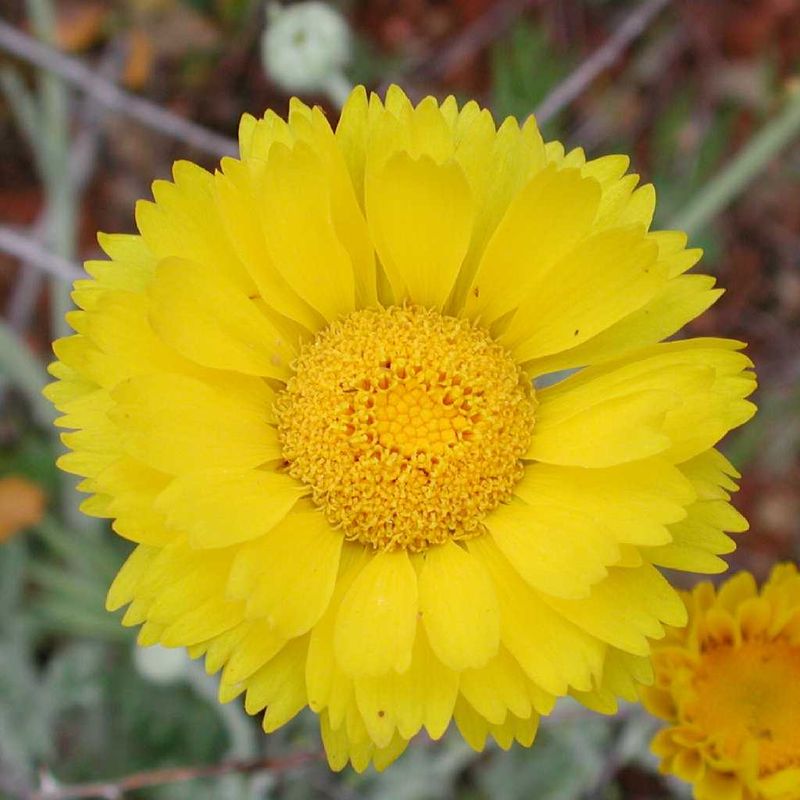
Few flower colors pop quite like the sunny yellow of desert marigold against a backdrop of pale gravel and sandy Arizona soil.
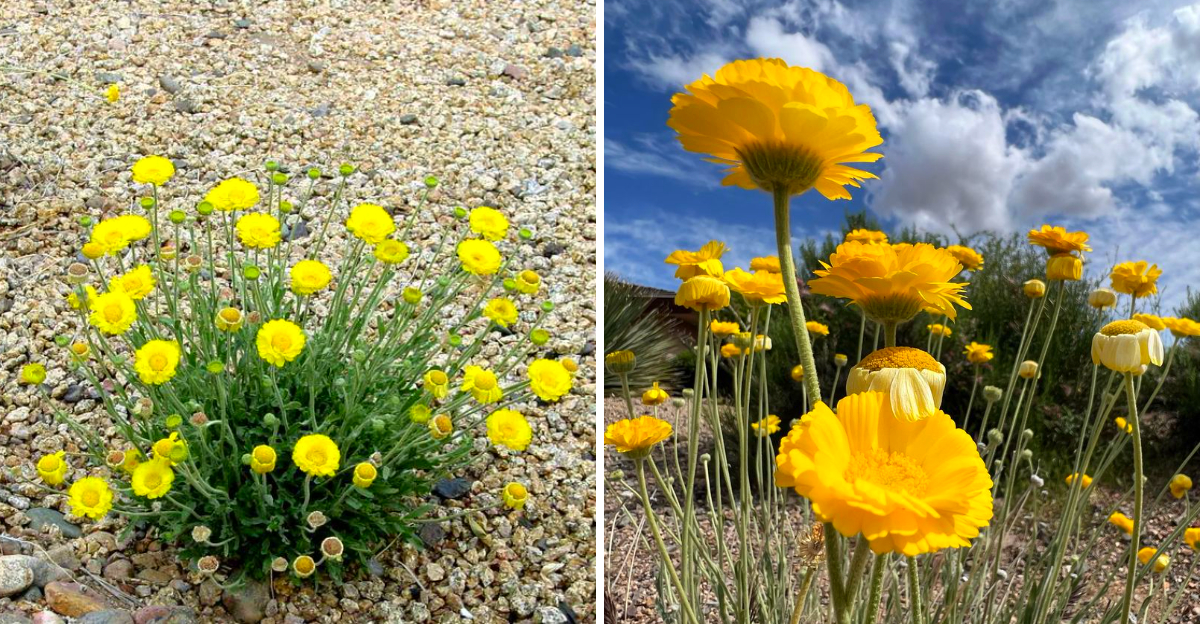
The blooms are daisy-like, with broad petals radiating outward from a golden center, and they tend to face upward toward the sun in a way that makes them easy to spot from a distance.
In a gravel bed or rock garden, a cluster of these flowers can light up an entire corner of the yard.
The flower heads typically measure about one to two inches across, which gives them enough presence to be noticed without overwhelming nearby plants.
When several plants grow together, the effect is a soft, natural-looking sweep of yellow that feels at home in the Arizona desert.
The color does not fade quickly in the sun, which is a welcome trait in a region where intense UV exposure can bleach out less resilient blooms.
Arizona gardeners who use desert marigold in front yard borders or along walkways often appreciate how the flowers hold up even during stretches of dry, hot weather.
Your Arizona Garden Changes Every Week. Your Plan Should Too.
Gardening in Arizona changes quickly throughout the season. Every Friday you’ll receive a simple weekly plan showing exactly what to plant, prune, fertilize, harvest, and protect so you never miss the right timing.
The blooms stay open during the day and tend to close slightly at night, giving the plant a lively, responsive quality that many gardeners find charming and easy to enjoy throughout the season.
3. Silvery Foliage Adds Soft Texture Between Blooms
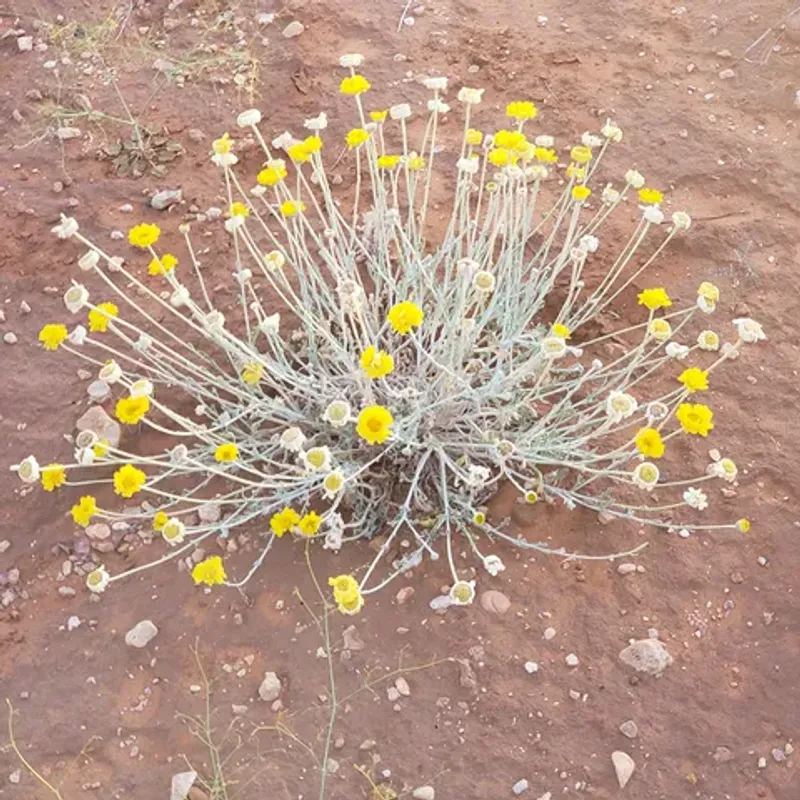
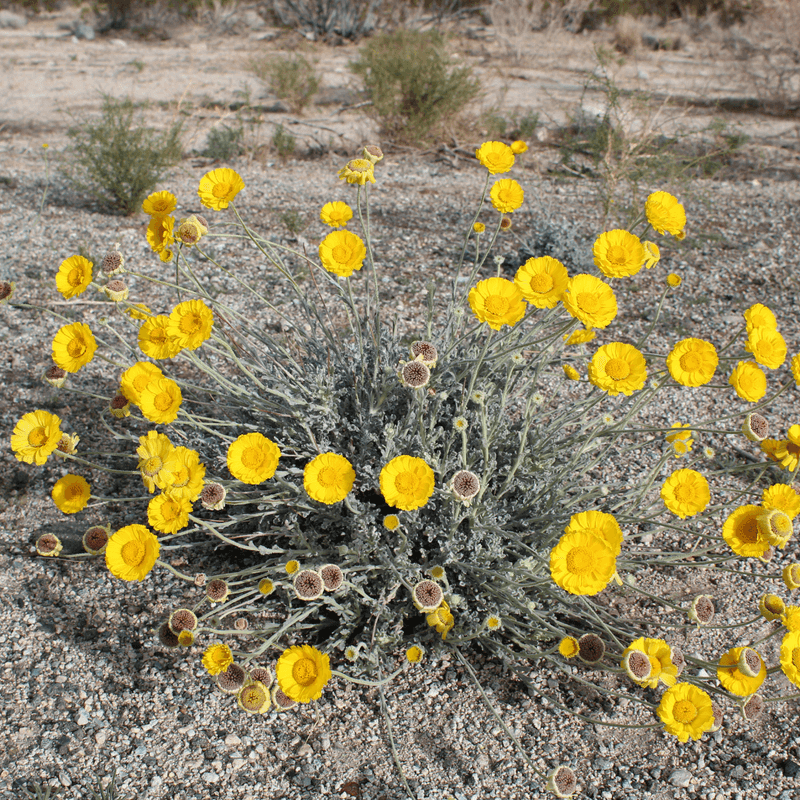
Between flowering cycles, the silvery-gray foliage of desert marigold keeps the plant looking interesting and intentional in the garden. The leaves are covered in fine, woolly hairs that give them a soft, almost frosted appearance.
This texture contrast works beautifully alongside darker green succulents or the rough bark of native shrubs in an Arizona landscape.
That woolly coating is not just for looks. It serves a practical purpose by helping the plant manage water loss in the dry Arizona heat.
The hairs reflect some sunlight and slow down evaporation from the leaf surface, which is one of the reasons desert marigold handles hot, dry conditions so well. You can think of the fuzzy leaves as the plant’s own built-in sun protection.
Gardeners who design with texture as well as color often find that desert marigold earns its place in the garden even during the short gaps between bloom flushes.
The silvery mounds stay relatively tidy and compact, usually reaching about one to two feet in height and spread.
In a mixed native planting, that soft, mounded shape provides a gentle visual break between bolder, spiky plants like agave or yucca, adding balance and softness to the overall Arizona garden design.
4. Long Blooming Stems Keep The Garden Looking Lively
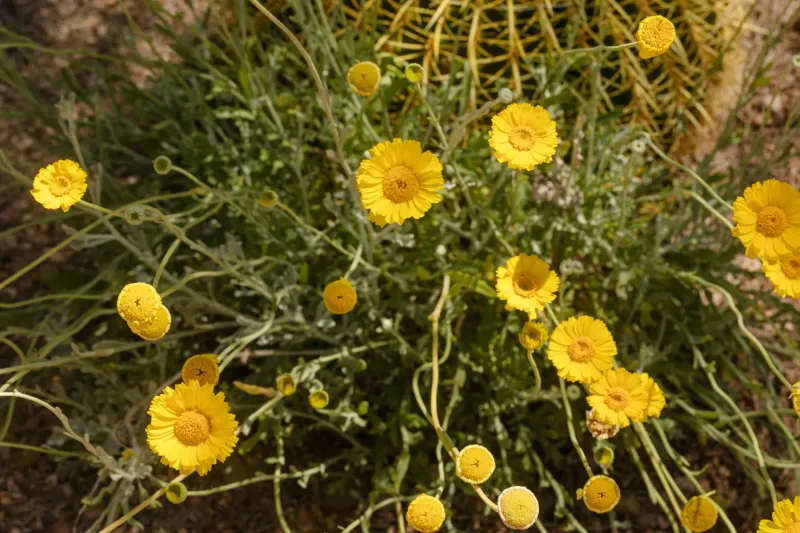
Slender, upright stems carry the bright yellow blooms of desert marigold well above the silvery foliage, giving the plant an open, airy look that feels light and natural in the garden.
These stems can reach about twelve to eighteen inches above the base of the plant, lifting the flowers into full view where they catch both sunlight and the eyes of passing pollinators.
That lifted height is one of the reasons desert marigold looks so lively even when surrounded by lower-growing groundcovers.
As one set of blooms finishes, new stems are often already forming lower in the plant. This overlapping cycle of growth means the garden rarely looks bare or spent when desert marigold is in its element.
Deadheading, or removing spent flower heads, can encourage even more blooms to develop, though many Arizona gardeners let some seed heads form naturally to support self-seeding and wildlife.
The stems are sturdy enough to hold their shape in gentle breezes but flexible enough to sway a little in the wind, which adds movement to the garden.
That gentle motion, combined with the steady production of new flower heads, makes a planting of desert marigold feel alive and dynamic throughout the warm season in Arizona landscapes and native plant beds.
5. Full Sun Helps Desert Marigold Show Its Best Color
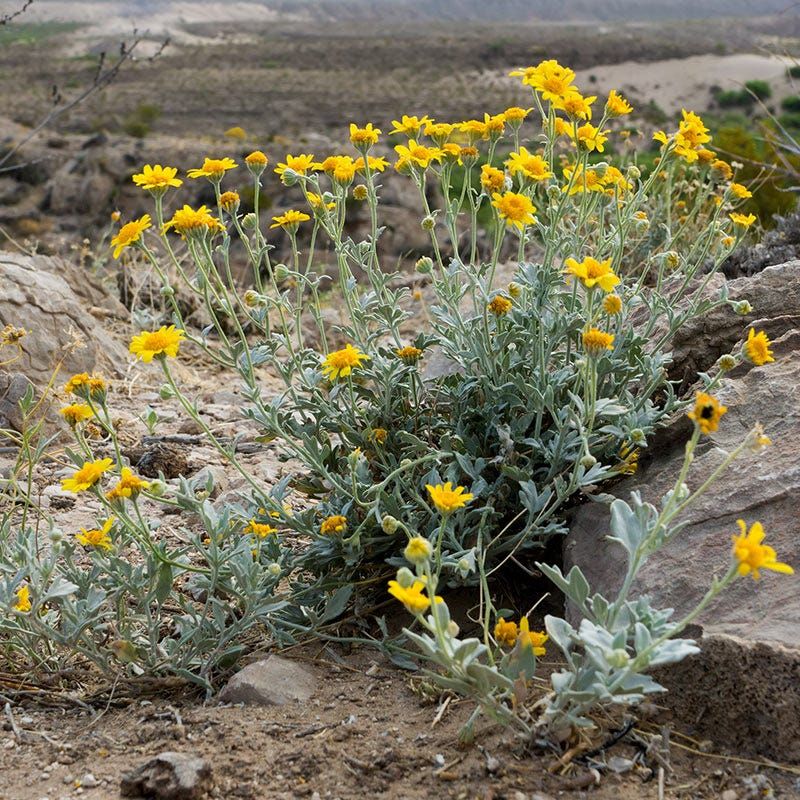
Arizona is famous for its intense sunshine, and desert marigold is one of the few flowering plants that genuinely thrives under those conditions.
Give it a spot with six or more hours of direct sun each day, and it will reward you with the most vivid, plentiful blooms it can produce.
Shaded spots or areas with filtered light tend to result in fewer flowers and a leggier, less compact plant overall.
Full sun exposure also helps keep the foliage healthy and the plant’s natural shape intact. In low-light conditions, the stems may stretch toward available light and lose the tidy, mounded form that makes desert marigold so appealing in a designed landscape.
Sunny south-facing slopes, open front yards, and unshaded rock gardens in Arizona are among the best spots to showcase this wildflower at its finest.
Interestingly, the same intense Arizona sun that challenges many garden plants seems to energize desert marigold. Gardeners who plant it in the sunniest corners of their yards often notice the most consistent blooming through late spring and into summer.
Pairing it with other full-sun natives like brittlebush or globe mallow can create a warm-toned, heat-loving border that thrives under the Arizona sun without needing extra care or supplemental shade.
6. Low Water Needs Make It A Smart Desert Choice
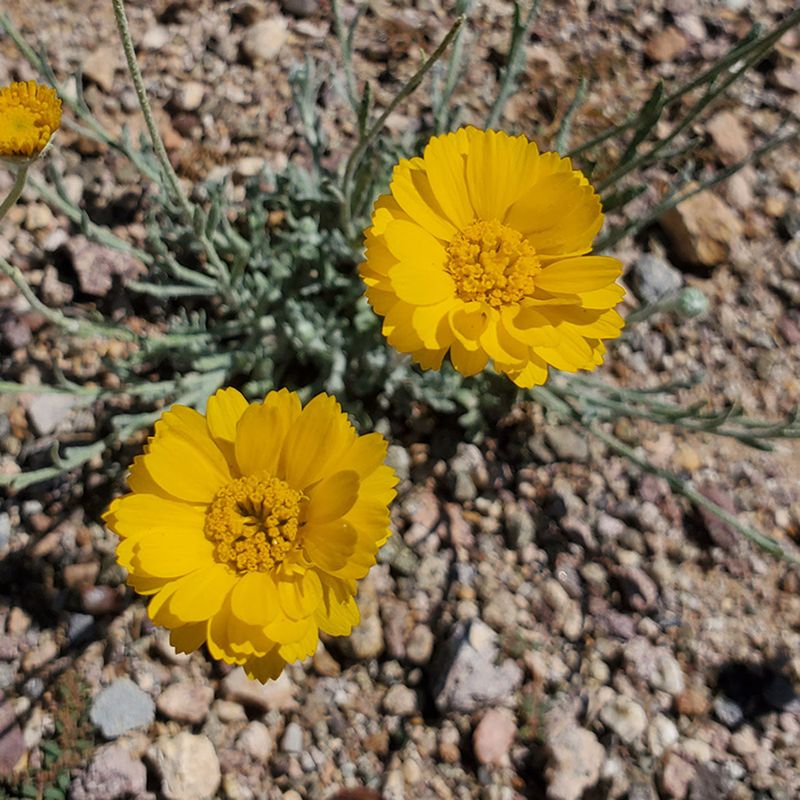
Water conservation is a real priority for Arizona homeowners, and desert marigold fits naturally into that mindset.
Once established, this native wildflower gets by on rainfall alone in many Arizona regions, making it an outstanding choice for low-water or xeriscape landscapes.
During the first growing season, some supplemental watering helps the roots settle in, but after that the plant becomes remarkably self-sufficient.
Overwatering is actually one of the more common mistakes gardeners make with desert marigold. Soggy or poorly drained soil can cause root problems and reduce the plant’s vigor over time.
Well-draining gravel, sandy, or rocky soil suits it far better than heavy clay or consistently moist ground.
Arizona gardeners who use decomposed granite or native gravel mulch around their desert marigold plants often find the plants perform better and look healthier through the warm season.
During Arizona’s monsoon season, natural rainfall often provides enough moisture to trigger a fresh flush of blooms. That seasonal response to rain is one of the most satisfying things about growing this native plant.
It syncs naturally with Arizona’s weather patterns, blooming and resting in rhythm with the desert climate rather than requiring a gardener to maintain an artificial watering schedule throughout the year.
7. Poor Soil Does Not Stop Its Cheerful Growth
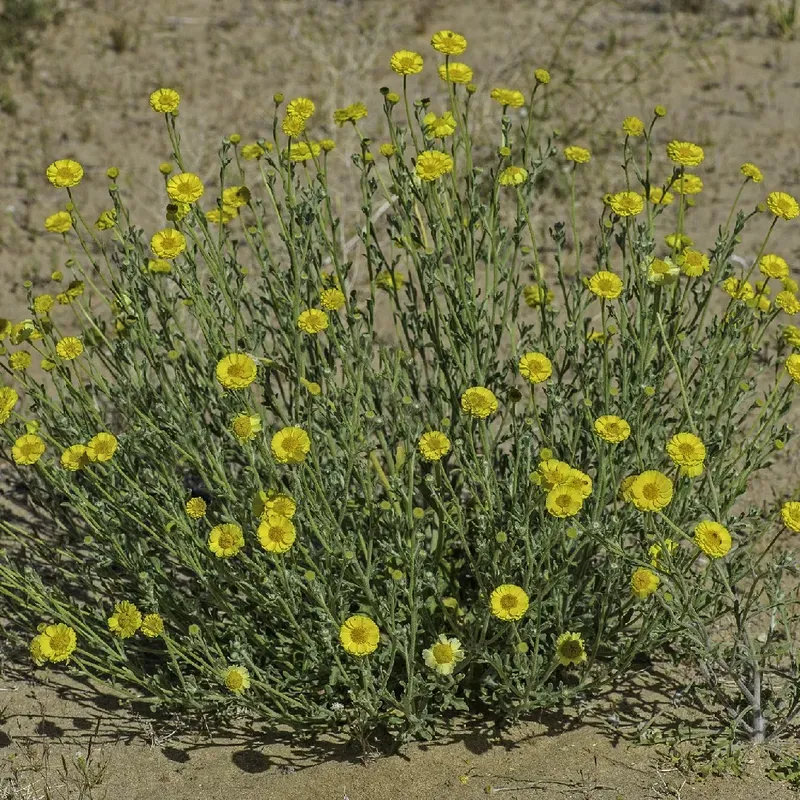
Gardening in Arizona often means working with soil that is rocky, sandy, alkaline, or low in organic matter. Many ornamental plants struggle under those conditions, but desert marigold seems almost indifferent to soil quality.
It has evolved to grow in the native desert soils of the Southwest, which means it is well adapted to the kinds of challenging ground that frustrate gardeners who try to grow more demanding plants.
Amending the soil with compost or fertilizer is generally not needed and can sometimes do more harm than good. Rich, heavily amended soil tends to produce lush but floppy growth that does not reflect the plant’s natural, compact habit.
Lean native soil keeps desert marigold growing in the tidy, upright form that looks best in Arizona rock gardens and native plant borders.
That adaptability to poor conditions makes it a practical option for slopes, roadsides, and areas of the yard where improving the soil would be difficult or expensive.
Arizona homeowners who have challenging spots with thin, rocky ground often find that desert marigold fills those spaces cheerfully without demanding any special soil preparation.
Planting it in a spot with good drainage and full sun is usually all the setup it needs to get growing and start producing blooms.
8. Pollinators Visit The Golden Blooms Through Warm Months
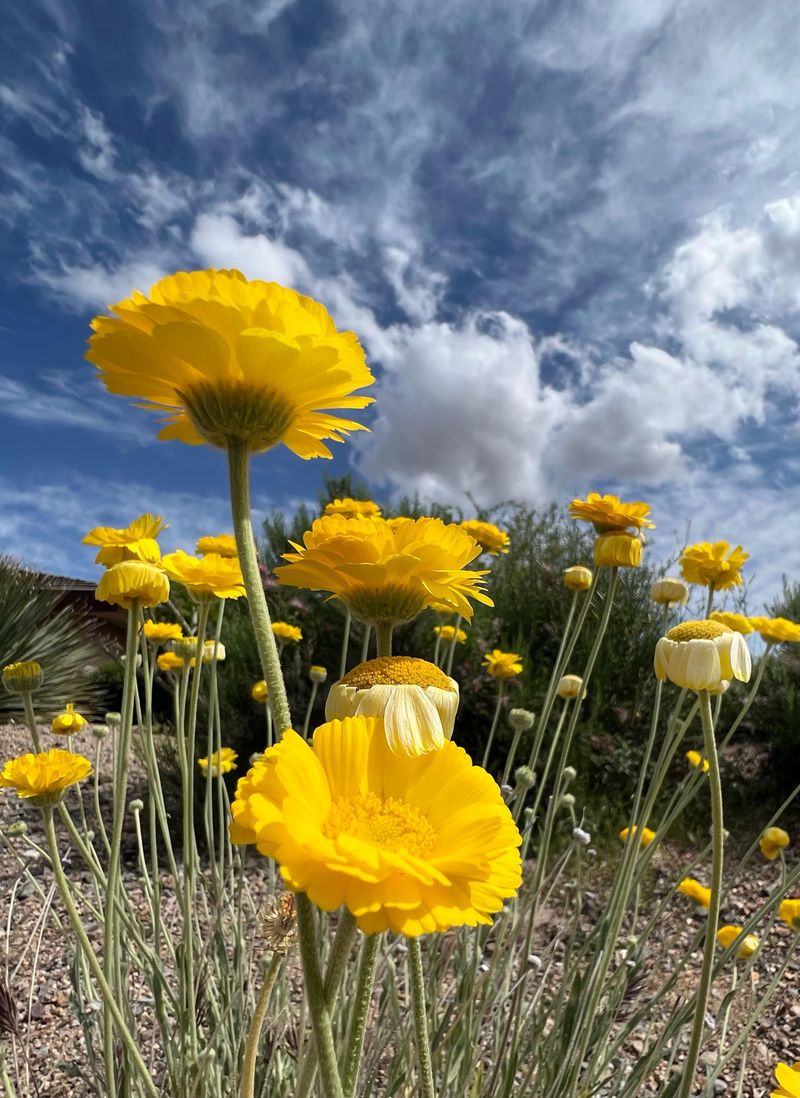
Native bees, honeybees, and butterflies are regular visitors to desert marigold blooms throughout the warm months in Arizona.
The wide, open flower heads make landing and foraging easy for a variety of pollinator species, and the blooms provide both nectar and pollen during a season when many other flower sources have already faded.
That extended availability of resources makes desert marigold a valuable plant for supporting local pollinator populations.
Gardeners who want to attract more wildlife activity to their Arizona yards can pair desert marigold with other native flowering plants to create a season-long buffet for bees and butterflies.
Plants like penstemon, desert milkweed, and globe mallow bloom at slightly different times and can extend the pollinator-friendly season even further.
Desert marigold fills the warm-season gap with reliable color and consistent floral resources.
Watching pollinators move through a patch of golden blooms is one of the quieter pleasures of maintaining a native plant garden in Arizona.
On warm mornings, the activity around desert marigold plants can be quite lively, with multiple bee species working the flowers at the same time.
Including this wildflower in a pollinator planting is a low-effort way to bring more beneficial insects and butterflies into the garden through summer and into early fall.
9. Desert Marigold Fits Naturally Into Gravel Gardens
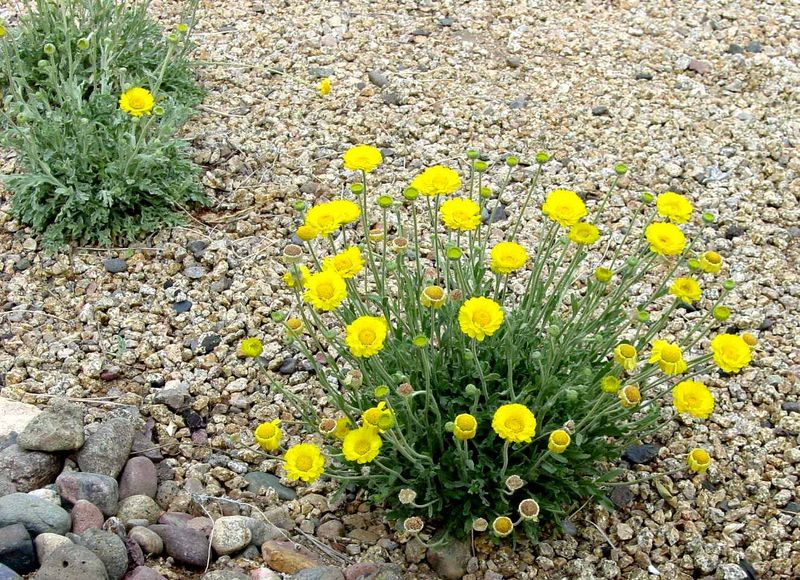
Gravel gardens have become a defining feature of Arizona landscaping, and desert marigold looks completely at home in that setting.
The contrast between the plant’s silvery foliage, bright yellow blooms, and a bed of pale decomposed granite or natural river rock creates a clean, cohesive look that feels native and intentional.
That visual harmony is one of the reasons landscape designers in Arizona reach for this plant when putting together low-water gravel designs.
The plant’s root system handles the dry, fast-draining conditions of a gravel bed without trouble, and it does not require the kind of soil improvement that some ornamental plants demand before they will settle in.
Spacing desert marigold plants about eighteen to twenty-four inches apart in a gravel bed gives each one room to develop its natural mounded shape while still creating a full, connected look across the planting area.
Combining desert marigold with other gravel-garden staples like blackfoot daisy, penstemon, or trailing lantana can build a layered, colorful planting that covers the ground with texture and seasonal interest.
In Arizona front yards where water use is a concern and curb appeal still matters, a well-designed gravel garden anchored by desert marigold can check both boxes with ease, bringing cheerful color through the warmer months without demanding much in return.