If You Think This Fuzzy Little Guy Roaming Virginia Gardens Is Adorable, Your Fingers Might Disagree
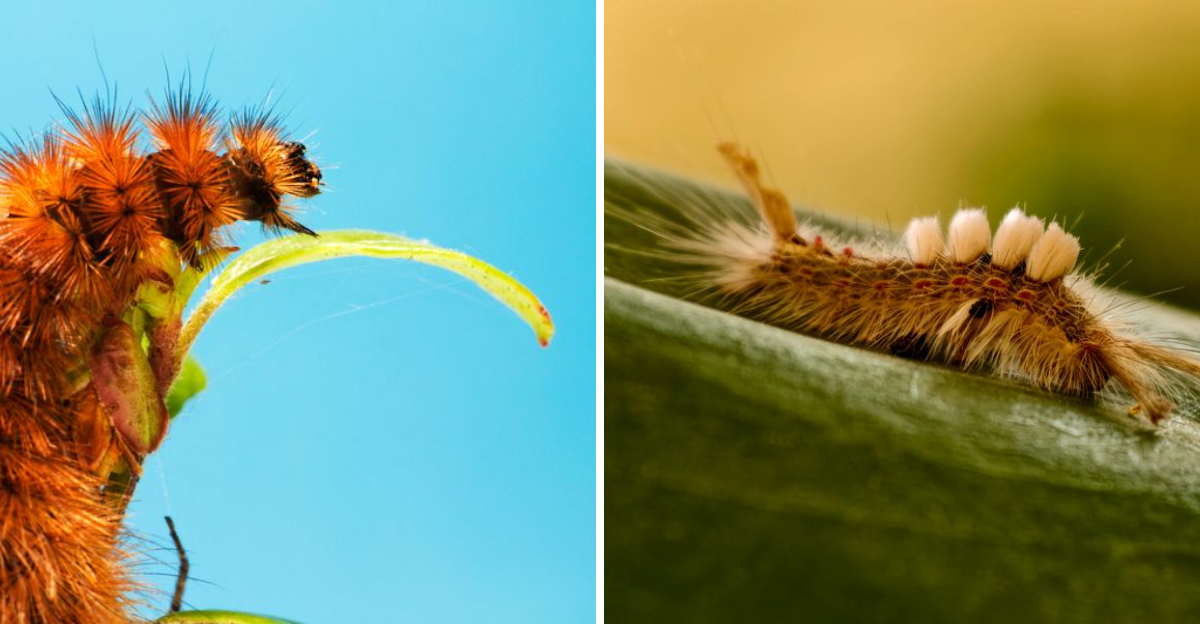
Walking through a Virginia garden and spotting a tiny, fluffy creature clinging to a leaf might seem like a delightful surprise. It looks soft, almost like a miniature fur coat crawling across your oak tree. But before you reach down to touch it, you need to know the truth. It is one of the most venomous caterpillars found in North America. Virginia gardeners, parents, and outdoor lovers should pay close attention, because this little creature is showing up more frequently across the state.
The sting it delivers is nothing like what its innocent appearance suggests. Understanding what this bug is, why it is dangerous, and how to handle an encounter could save you from a seriously painful experience. Already had a run-in with this fuzzy troublemaker or simply want to stay one step ahead this season? This guide covers everything you need to know about the puss caterpillar from identification to treatment. How well do you really know what is crawling through your Virginia garden?
1. Virginia’s Most Deceptive Garden Visitor
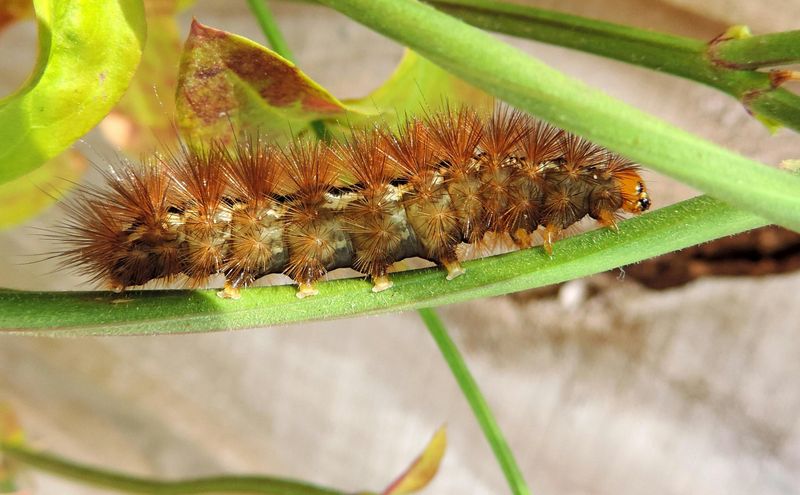
With its round eyes and fluffy exterior, it practically begs you to reach out. A mistake you’ll only make once.
Nature, it turns out, is a master of disguise, and this particular critter has perfected the art of looking innocent right up until it isn’t.
The puss caterpillar has many names.
Virginia gardeners have settled on just one: trouble.
It is the larval stage of the southern flannel moth, known scientifically as Megalopyge opercularis.
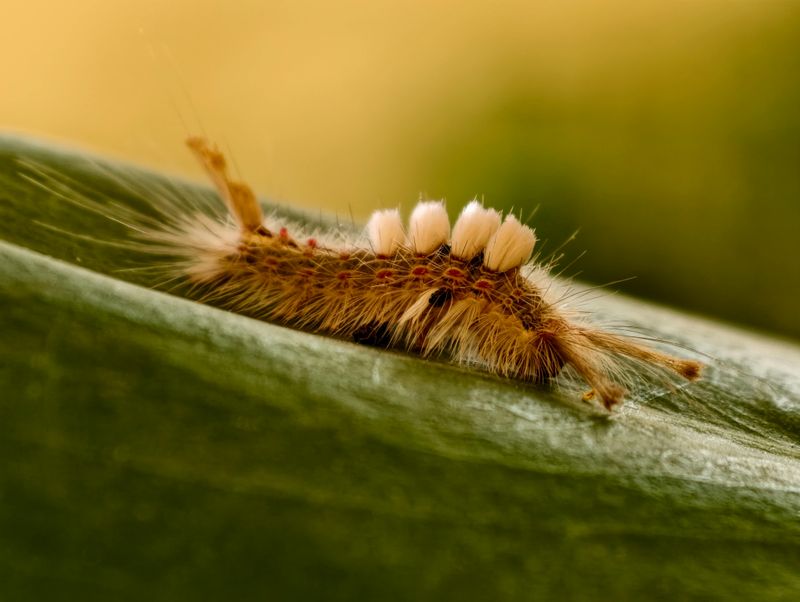
This caterpillar measures about one to one and a half inches long and is covered in soft-looking, teardrop-shaped fur that ranges from grayish tan to golden brown.
Some people compare its appearance to a tiny Persian cat, which explains the name.
Virginia sees this caterpillar most often during late summer and early fall, when it tends to crawl along oak, elm, and sycamore trees in residential gardens and wooded backyards.
What makes the puss caterpillar so deceptive is how harmless it looks compared to how harmful it actually is.
Unlike brightly colored insects that signal danger through vivid markings, the puss caterpillar uses its soft, furry disguise to blend in and avoid suspicion.
Adults are not immune to this instinct either.
Reports and warnings tend to increase during peak season, when people are more likely to notice them.
They may be found in yards, parks, school grounds, and wooded residential areas.
Knowing what this creature looks like before you encounter one is the first and most important step toward staying safe in your own outdoor space.
2. Why Is It Dangerous?
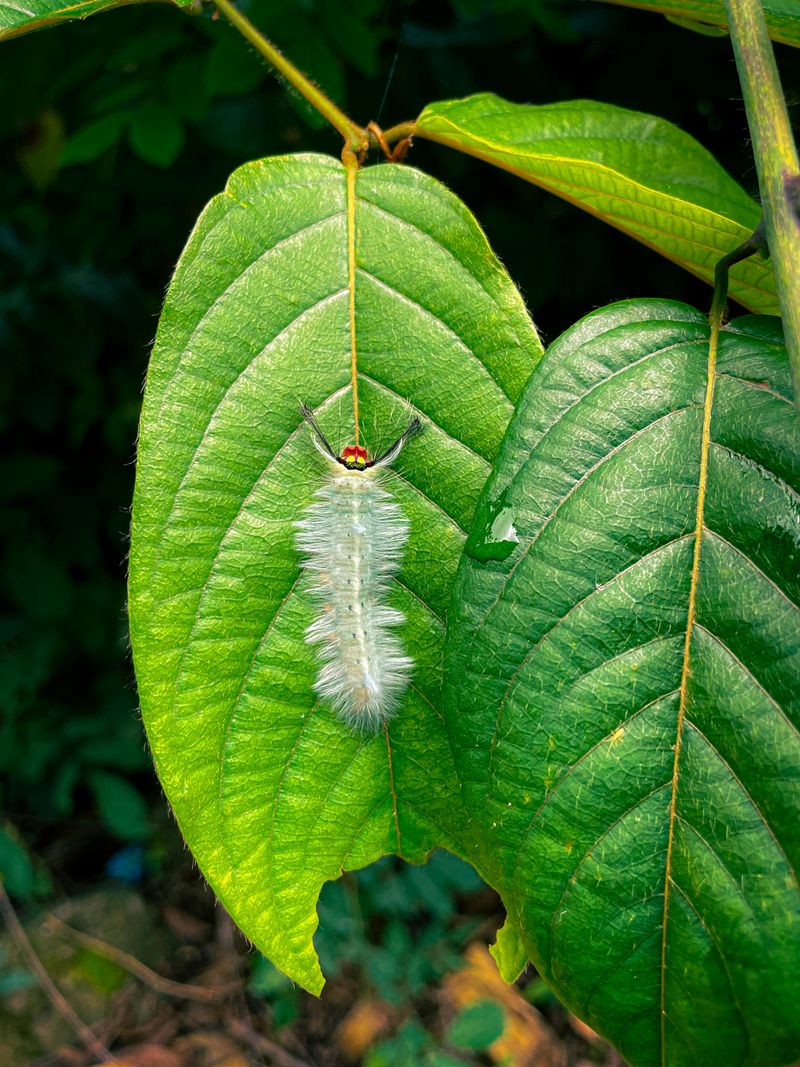
Most garden insects either fly away, curl up, or simply ignore you when disturbed.The puss caterpillar does something far more alarming: it stings, and it does so without any obvious warning.
Unlike bees or wasps that require provocation, all it takes is a single brush of skin against this caterpillar’s fur to trigger a painful reaction.
The danger lies in what is hidden beneath that fluffy exterior.Concealed under the soft hairs are rigid, hollow venomous spines connected to poison glands.
Your Virginia Garden Changes Every Week. Your Plan Should Too.
Gardening in Virginia changes quickly throughout the season. Every Friday you’ll receive a simple weekly plan showing exactly what to plant, prune, fertilize, harvest, and protect so you never miss the right timing.
When those spines make contact with human skin, they break off and release venom directly into the tissue.The result is immediate and intense, often described as a burning, throbbing pain that spreads rapidly from the contact point.
Virginia’s warm, humid summers create ideal conditions for the southern flannel moth to breed and lay eggs.As caterpillar populations grow, more Virginians are encountering them in everyday outdoor settings.
Parks, home gardens, and even school campuses have reported sightings, raising concern among local health officials and gardening communities.
What makes the situation more complicated is that the puss caterpillar does not behave aggressively.It simply sits on a leaf or branch, looking soft and still.
People accidentally brush against it while pruning shrubs, picking vegetables, or letting children play near trees.The sting happens before anyone realizes the danger is present.
Understanding that this caterpillar is passively dangerous, not actively aggressive, is key to changing how you approach your Virginia garden during peak season.
3. Those Adorable Fluffy Hairs Are Actually Venomous Spines
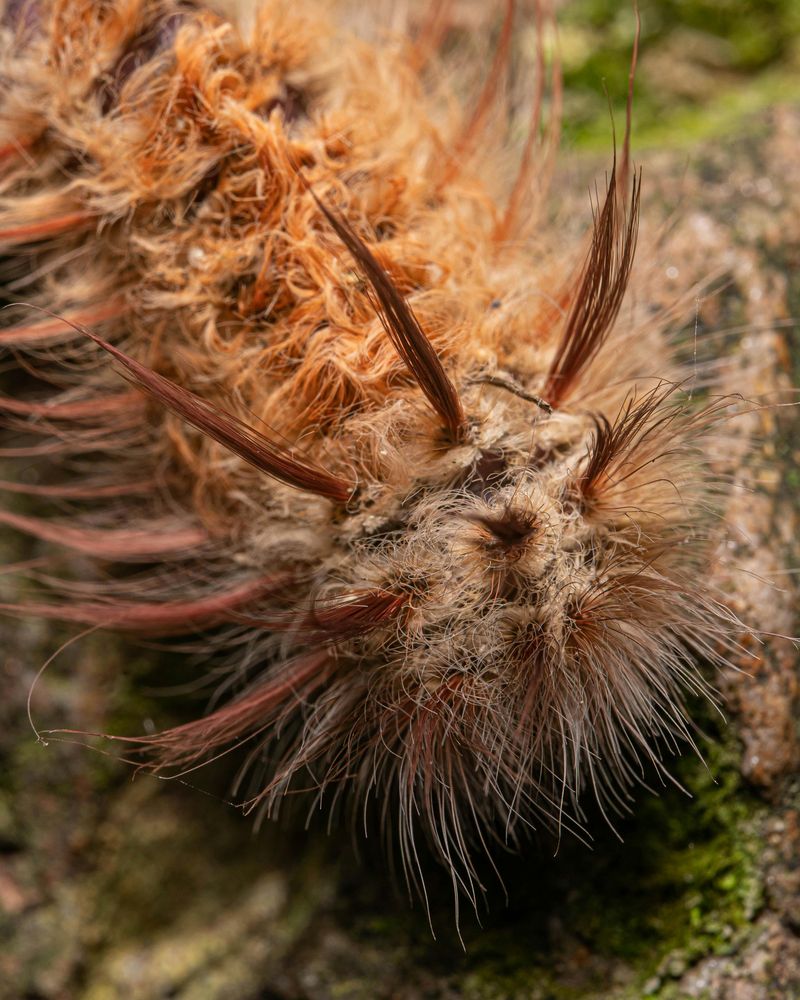
Looks can be incredibly misleading in the insect world, and the puss caterpillar is one of the best examples of nature’s deceptive design.
What appears to be a soft, touchable coat of fur is actually a dense layer of modified hairs called setae.
Beneath those setae sit sharp, hollow spines loaded with venom, ready to detach on contact.
When a spine pierces the skin, it acts almost like a tiny hypodermic needle, delivering venom directly beneath the surface.
The body responds quickly, often within minutes, with sharp burning pain, swelling, and redness spreading outward from the contact point.
Some people also develop a grid-like rash that mirrors the caterpillar’s spine pattern, which doctors sometimes use to confirm a sting diagnosis.
The venom itself is not fully understood by scientists, but researchers know it contains proteins and peptides that trigger a strong inflammatory response.
For most healthy adults, the pain peaks within an hour and begins to ease after several hours.
For children, elderly individuals, or people with allergies, the reaction can be significantly more severe and may require medical attention.
One thing that surprises many Virginia residents is that the spines can remain active even after the caterpillar has moved on.
Spines left on clothing, garden gloves, or garden furniture can still cause stings when touched later.
Before you grab those gardening gloves give them a good shake.
Puss caterpillar season in Virginia means a quick check of your outdoor furniture could save you a whole lot of pain.
4. Widely Considered One Of The Most Painful Caterpillar Stings In North America
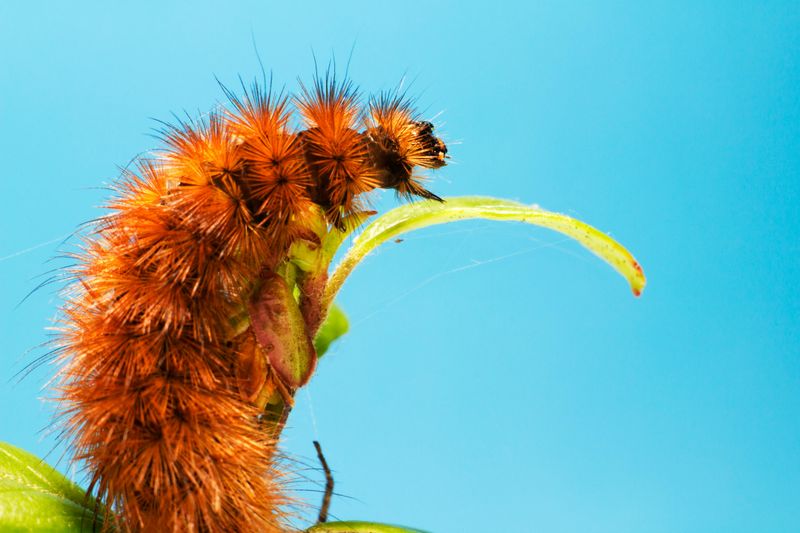
Among the hundreds of caterpillar species found across the continent, very few earn the label of medically significant.
The puss caterpillar holds that distinction firmly and is widely regarded as producing one of the most painful stings of any caterpillar in North America.
That is not a claim made lightly, especially given how many stinging insects share the same ecosystems.
When poison control centers in Virginia,Texas, and Florida keep getting calls about the same caterpillar, you know it is not messing around.
The puss caterpillar consistently tops the charts for the most intense sting reports.
Victims have described the sensation as intense burning, throbbing pain that can radiate up the limb from the sting site.
While most healthy adults experience significant discomfort that peaks within an hour, some have reported more severe reactions depending on individual sensitivity and the number of spines involved.
The pain is not localized either.
It often radiates up the limb from the sting site.
Beyond the immediate pain, serious stings can trigger symptoms that go well beyond the skin.
Nausea, headaches, swollen lymph nodes, abdominal cramping, and in rare cases difficulty breathing have all been documented following puss caterpillar stings.
People with underlying health conditions or severe allergic sensitivities face a higher risk of these extended reactions.
Seasonal sightings can increase in some areas, especially when conditions favor caterpillar activity.
This makes awareness especially urgent for families with young children or pets that spend time outdoors.
The caterpillar tends to drop from trees unexpectedly, sometimes landing on a person’s arm or shoulder without warning.
Its combination of passive delivery, potent venom, and innocent appearance is precisely what earns it such a serious reputation among North American pest experts and medical professionals alike.
5. Simple And Effective Ways To Remove Puss Caterpillars Safely
Finding puss caterpillars in your garden does not mean you have to abandon your outdoor space.
With the right approach, you can manage them effectively and keep your garden both beautiful and safe.
The most important rule is straightforward: never touch them with bare hands, no matter how harmless they appear.
Thick leather gloves are your best friend during removal.
Standard gardening gloves may not be thick enough to block the spines, so opt for heavy-duty leather or puncture-resistant gloves when working near trees or shrubs where caterpillars are spotted.
Use a stick or tongs to dislodge them from leaves and drop them into a sealed container or bucket of soapy water.
For larger infestations try Bt, a natural soil bacteria that targets caterpillars while leaving your birds bees and non-caterpillar beneficial insects completely unharmed.
Keep in mind that Bt does affect all caterpillars including beneficial ones like monarch butterfly larvae. Apply it carefully and only directly to the foliage where puss caterpillars are actively feeding.
It is available at most Virginia garden centers and is safe for use around children and pets once dry.
Spray it directly on the foliage where caterpillars are feeding.
Another practical step is to inspect your garden trees regularly during late summer and early fall.
Check the undersides of leaves on oak, elm, and rose bushes, which are favorite host plants for the southern flannel moth.
If you find egg clusters or young caterpillars early, removal becomes much easier before numbers grow.
Want nature to do the hard work for you?
Invite parasitic wasps and birds into your Virginia garden and let them keep those puss caterpillar numbers in check naturally.
6. Here’s How To Protect Your Garden
Prevention is far easier than dealing with an infestation once it takes hold.
Being proactive about your Virginia garden before peak puss caterpillar season arrives, typically late August through October, gives you a real advantage.
A few consistent habits can significantly reduce the chances of these caterpillars becoming a recurring problem in your outdoor space.
Start by monitoring your trees, especially oaks and elms, which are among the most common host trees for the southern flannel moth.
Walking through your garden once a week and checking the undersides of leaves takes only a few minutes but can catch an early population before it spreads.
Spotting a handful of caterpillars early is much easier to manage than discovering dozens later.
Reducing outdoor lighting near trees at night can also help.
Adult southern flannel moths are attracted to light and are more likely to lay eggs on trees near illuminated areas.
Switching to yellow or amber bulbs outdoors during moth season is a low-effort change that may reduce egg-laying activity near your home.
Keeping your garden tidy matters too.
Removing fallen leaves and debris from the base of trees reduces sheltered spots where caterpillars and pupae can hide.
Regular pruning of dense shrubs and lower tree branches also limits the shaded, sheltered environments these caterpillars prefer.
Puss caterpillars do not stop at your property line so why should your prevention efforts?
Share what you know with your Virginia neighbors and tackle this problem as a community.
7. Stung By A Puss Caterpillar? Follow These Steps To Treat The Pain Fast

Getting stung by a puss caterpillar is a shock, and the pain hits fast.
Your first instinct might be to rub the area, but that is one of the worst things you can do because rubbing pushes the spines deeper into the skin.
It makes the venom spread further.
Stay calm, resist the urge to scratch or rub, and move to a clean area immediately.
The very first step is to remove the embedded spines.
Use tape, preferably packing tape or duct tape, and press it firmly against the sting site, then peel it away quickly.
Repeat this several times to pull out as many spines as possible.
Some people also use a commercial facial peel strip with good results.
Avoid using tweezers directly on the skin, as they can break spines and push fragments deeper.
Once you have removed the spines, wash the area thoroughly with soap and water.
Apply an ice pack wrapped in a cloth to help reduce swelling and numb the burning sensation.
Over-the-counter antihistamines like diphenhydramine can help reduce the allergic response, and hydrocortisone cream applied to the site may ease redness and itching.
Most stings from puss caterpillars in Virginia resolve within a few hours to a day with proper home treatment.
However, if you experience chest pain, difficulty breathing, severe swelling, or symptoms that spread beyond the sting site, seek emergency medical care right away.
If a child is stung on the face or neck your first step should be to call Poison Control.
They can guide you on whether an in-person medical visit is needed based on the symptoms present.
Only head to the emergency room if you develop breathing difficulty, severe swelling or symptoms that spread rapidly beyond the sting site develop.
Look the puss caterpillar has already won the first round so there is no shame in letting your doctor help you win the second.
Even the bravest Virginia gardeners know when to tag in a professional.