8 Fast-Growing Pennsylvania Vines That Create Shade Before Peak Summer
Shade in a Pennsylvania garden is something most people wish they had more of by the time July arrives, and by then it’s far too late to do anything about it for that season.
The time to solve a summer shade problem is spring, when fast-growing vines can put on enough coverage over a trellis, pergola, or arbor to make a real difference before the hottest weeks of the year show up and make outdoor time genuinely uncomfortable.
Vines are one of the most underutilized tools in Pennsylvania garden design, and the fast-growing ones in particular offer a kind of seasonal payoff that trees and shrubs simply can’t match on the same timeline.
A well-chosen vine planted in May can be providing meaningful shade coverage by late June or early July, turning an exposed outdoor space into something genuinely usable during the peak of Pennsylvania’s summer heat.
These are the vines worth getting in the ground right now if summer shade is the goal.
1. Virginia Creeper
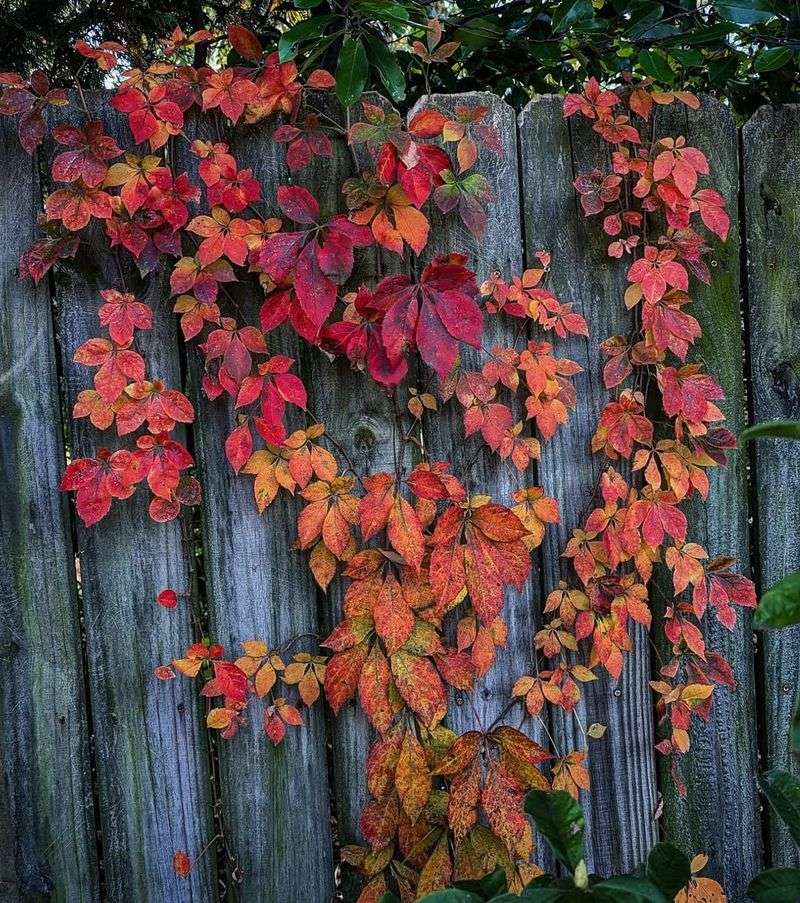
Walk through almost any Pennsylvania neighborhood in late spring and you will likely spot Virginia Creeper climbing up fences, stone walls, and old trees.
This native vine is one of the fastest and most reliable climbers you can plant in the region. It attaches itself using tiny adhesive pads, so it does not need much help getting started.
Virginia Creeper can grow up to 10 feet in a single season once it is established. That kind of speed means you can have a fully shaded trellis or pergola well before the hottest July days roll in.
The leaves are bold and bright green throughout summer, then turn a stunning deep red in fall, giving your yard two seasons of great color.
Because it is a native plant, Virginia Creeper supports local Pennsylvania wildlife including birds and pollinators. It thrives in both sun and partial shade, making it flexible for many yard layouts.
Plant it near a fence or wall in spring, water it regularly for the first few weeks, and watch it take off. Pruning keeps it manageable if it starts spreading too far.
For Pennsylvania gardeners who want fast, low-maintenance shade coverage, Virginia Creeper is a top pick that rarely disappoints.
2. Trumpet Vine
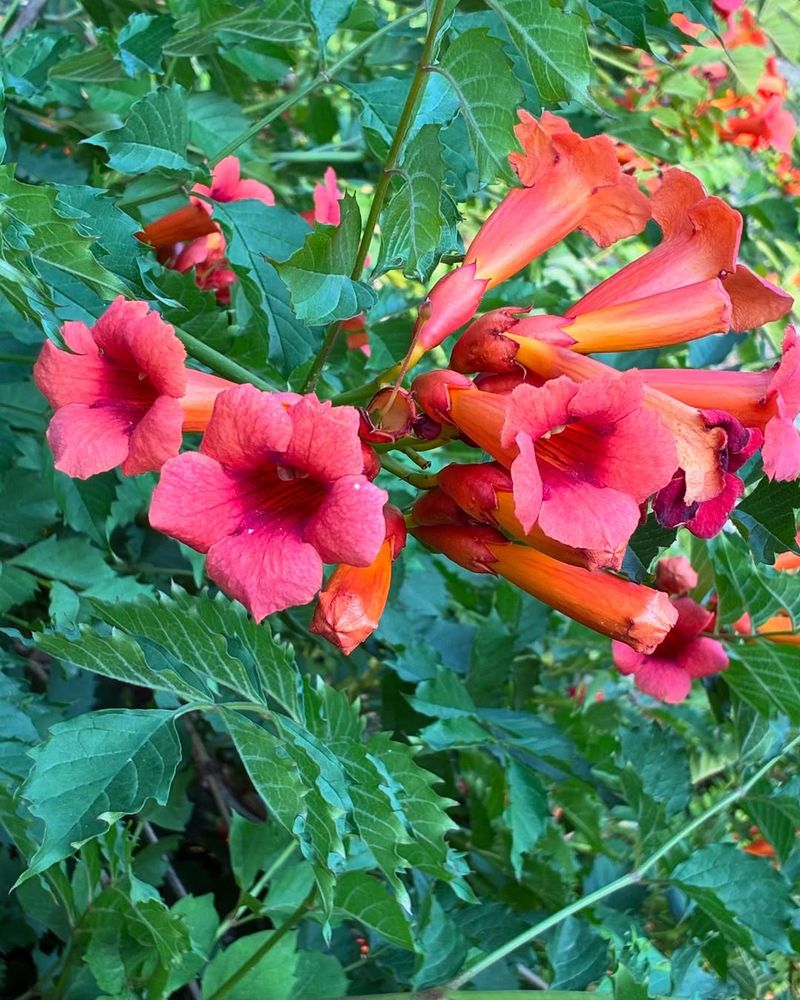
Few vines put on a show quite like Trumpet Vine. The bold, tube-shaped orange and red flowers practically glow in the summer sun, and hummingbirds absolutely love them.
If you have ever wanted to attract more wildlife to your Pennsylvania yard, planting Trumpet Vine near a window or patio is a smart move.
Growth-wise, Trumpet Vine does not mess around. It can add 10 feet or more of new growth each year, easily covering a large fence or pergola by midsummer.
Plant it in a sunny spot with well-drained soil and give it a strong support structure, because this vine gets heavy and vigorous fast.
One thing to keep in mind is that Trumpet Vine spreads aggressively through underground runners. In Pennsylvania, it is best to plant it somewhere you can keep an eye on it, and trim back new shoots regularly to prevent it from taking over nearby garden beds.
Your Pennsylvania Garden Changes Every Week. Your Plan Should Too.
Gardening in Pennsylvania changes quickly throughout the season. Every Friday you’ll receive a simple weekly plan showing exactly what to plant, prune, fertilize, harvest, and protect so you never miss the right timing.
Despite its bold personality, it is surprisingly drought-tolerant once established. If you want fast shade plus nonstop summer color and a steady stream of hummingbird visitors, Trumpet Vine delivers all three without much fuss.
Just be ready to stay on top of the pruning shears throughout the growing season to keep things tidy.
3. Clematis
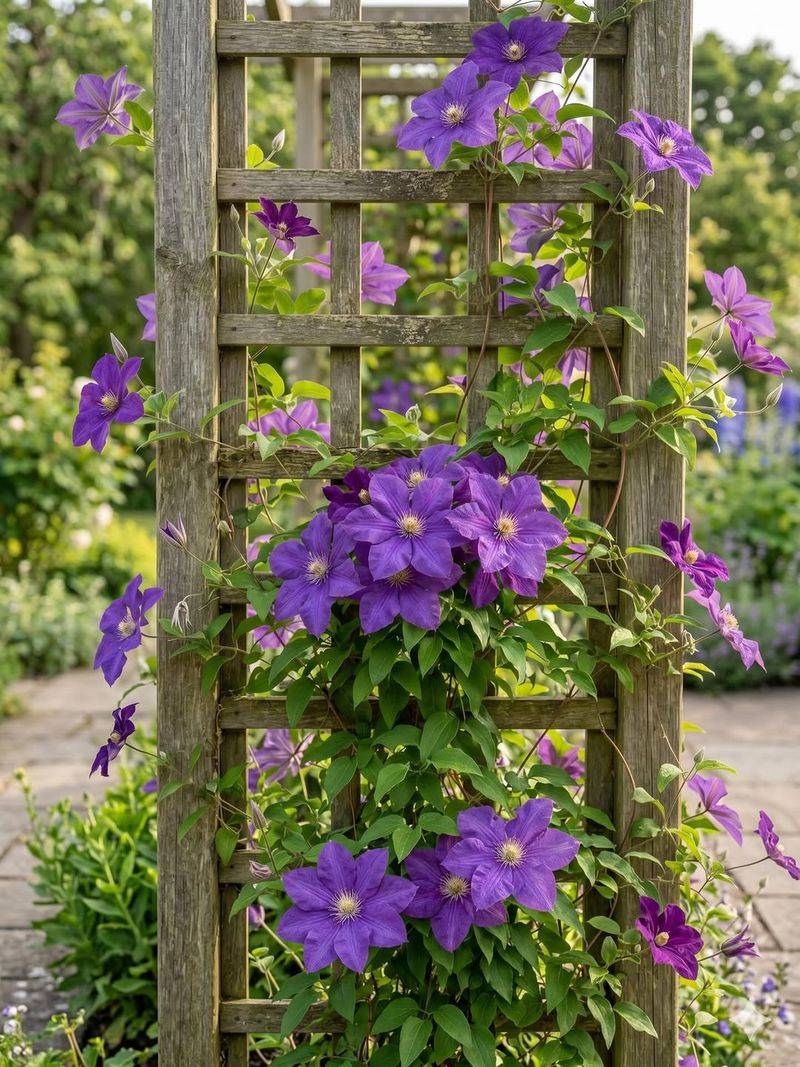
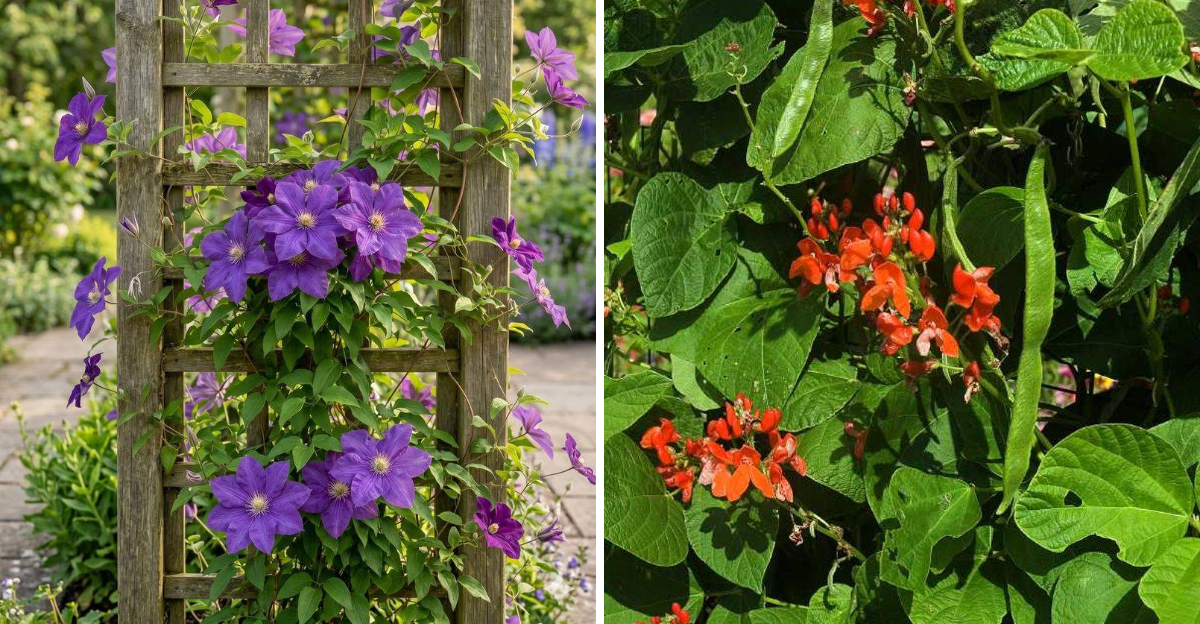
Clematis has a reputation for being fancy, but many varieties are actually quite easy to grow in Pennsylvania.
Some of the faster-growing types, like Clematis montana or sweet autumn clematis, can cover a trellis or fence post surprisingly quickly once the weather warms up in late spring.
The flowers come in purple, pink, white, and blue, so you have plenty of options to match your outdoor style.
What makes clematis a smart choice for creating shade early in the season is its eagerness to climb. It wraps its leaf stems around supports naturally, meaning you just need to point it in the right direction and it does the rest.
Plant it where the roots stay cool and shaded but the top growth reaches full sun, a classic gardening tip often called “feet in the shade, head in the sun.”
Pennsylvania summers suit clematis well, especially in the eastern and central parts of the state. Water it consistently during the first growing season and add a layer of mulch around the base to keep moisture in.
Pruning rules vary by variety, so check your specific type before cutting back in fall or early spring. With the right care, clematis rewards you with lush, colorful vertical coverage that makes any garden wall or fence look absolutely beautiful.
4. American Wisteria
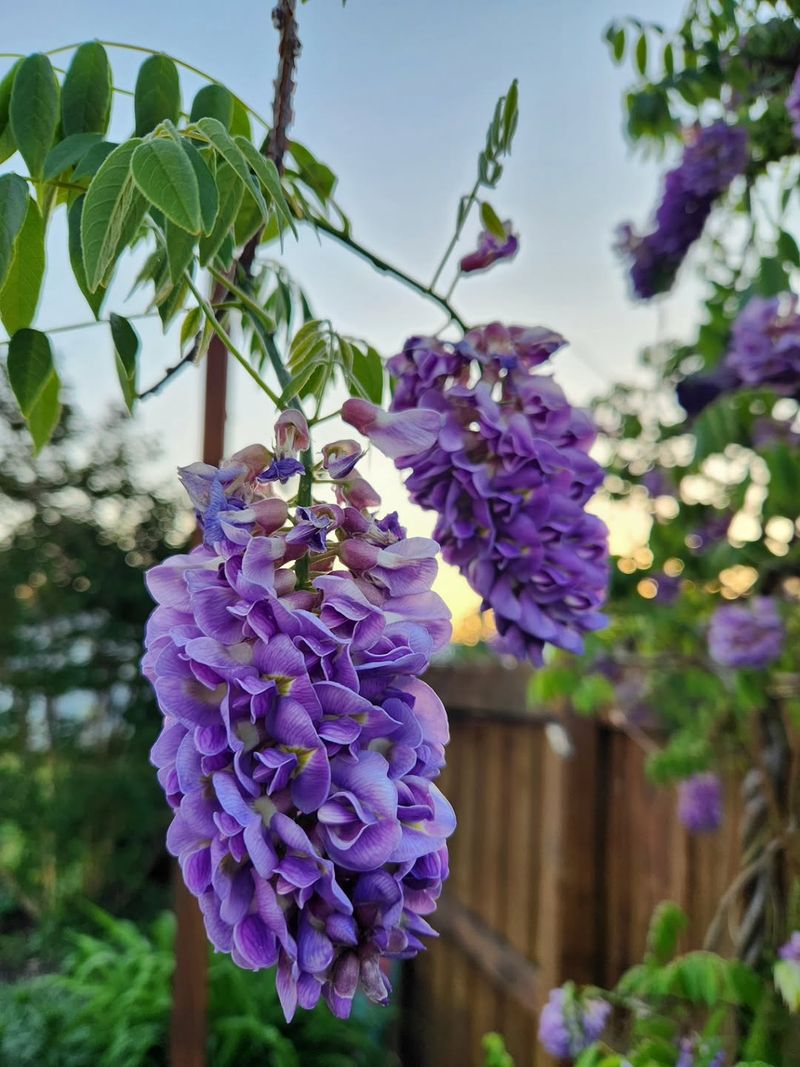
You have probably seen photos of wisteria-covered porches dripping with long purple flower clusters and thought it looked like something out of a fairy tale.
American Wisteria gives you that same dreamy look without the aggressive takeover problems that come with its Asian cousins. For Pennsylvania gardeners, that is a huge advantage.
American Wisteria, specifically Wisteria frutescens, is a native species that grows vigorously but stays much more manageable than Japanese or Chinese wisteria.
It blooms in late spring with fragrant, lilac-colored flower clusters, and the dense leafy coverage that follows creates excellent shade through the rest of summer. It grows best in full sun with moist, well-drained soil.
Give it a sturdy pergola, arbor, or fence to climb, because mature plants can get quite heavy. In Pennsylvania, American Wisteria is a fantastic choice for covering large outdoor structures like patios or garden arches.
It also supports native bees and other pollinators, which is a bonus for any garden ecosystem. Pruning twice a year, once after blooming and once in late summer, keeps it blooming well and prevents it from getting out of hand.
For a vine that is both stunning and responsible for Pennsylvania landscapes, American Wisteria checks every box worth checking.
5. Hops
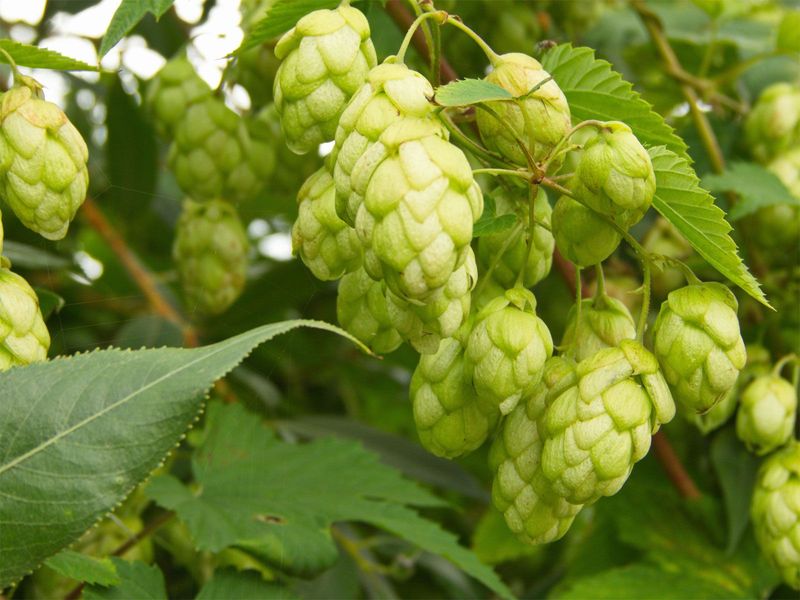
Here is a fun fact: hops vines, the same plant used to flavor beer, are some of the fastest-growing vines you can plant in Pennsylvania. Under good conditions, hops can shoot up one foot per day during peak growing season.
That is not a typo. One foot per day. If you need shade in a hurry, hops might be your best friend this summer.
These vines grow from underground rhizomes and come back every year, making them a perennial option for long-term shade coverage. The large, textured leaves create a thick, lush canopy that blocks sunlight effectively.
They work great on trellises, pergolas, or any sturdy vertical structure in a sunny Pennsylvania yard. Plant them in spring after the last frost and get ready to watch them climb.
Hops prefer full sun and well-drained soil. They need consistent watering during dry spells, especially in the hot Pennsylvania summers.
At the end of the season, the vines will die back to the ground, but the roots survive and come back strong the following spring. If you grow the right variety, you will also get actual hop cones in late summer that you can use for home brewing.
Fast shade, interesting foliage, and a fun harvest make hops one of the most unique vines on this entire list.
6. Scarlet Runner Bean
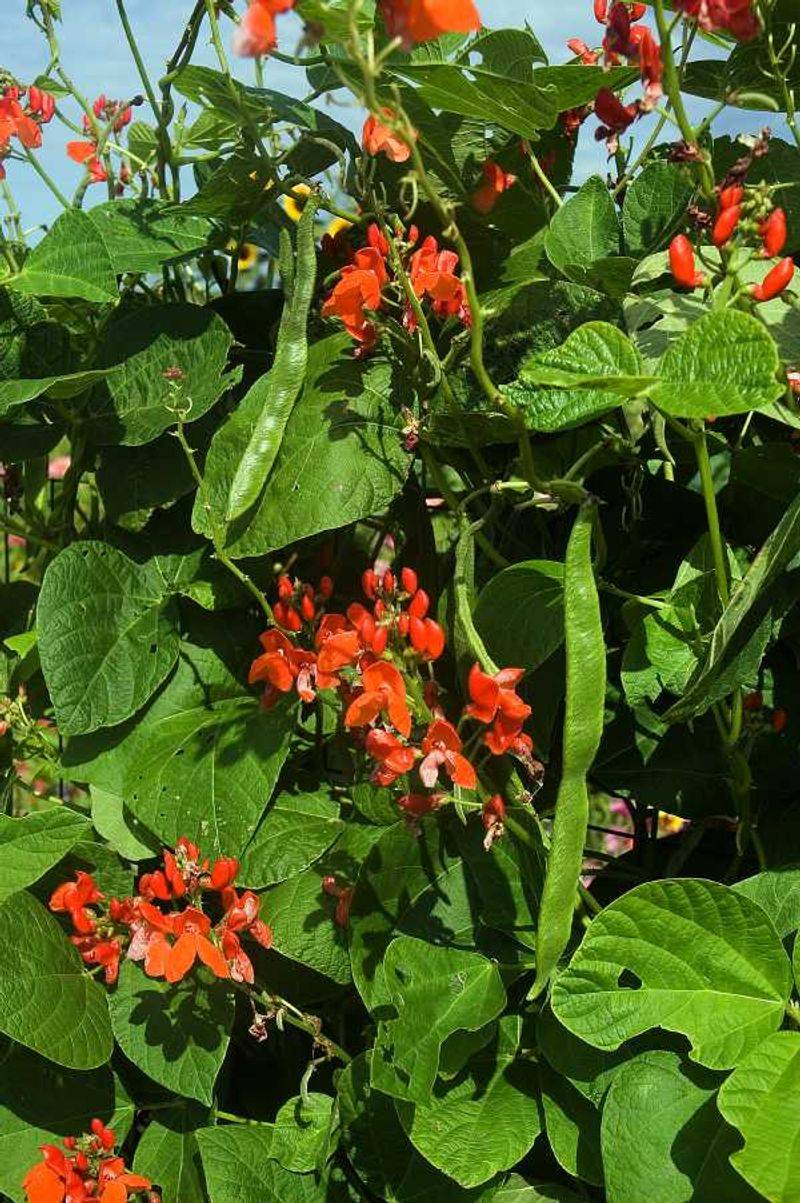
Scarlet Runner Bean is the overachiever of the annual vine world. It grows fast, blooms bright red, and then hands you a crop of edible beans on top of all that.
For Pennsylvania gardeners who want shade, beauty, and something practical all in one plant, this is a seriously satisfying choice for the summer garden.
Plant the seeds directly in the ground after the last frost in Pennsylvania, usually around mid-May. Within just a few weeks, the vines will begin climbing whatever support you give them.
By midsummer, they can easily reach 10 to 15 feet tall, creating a thick green curtain of foliage. The scarlet flowers show up around the same time and keep blooming all season long, attracting hummingbirds and bumblebees to your yard.
Because Scarlet Runner Bean is an annual, you will need to replant it each spring. The good news is that seeds are inexpensive and easy to save from year to year.
The beans themselves are edible when young and tender, or you can let them mature and dry for use in soups and stews during fall.
This vine is also a great choice for gardening with kids in Pennsylvania because it grows so fast and rewards patience with visible results in just days after planting.
7. Passionflower
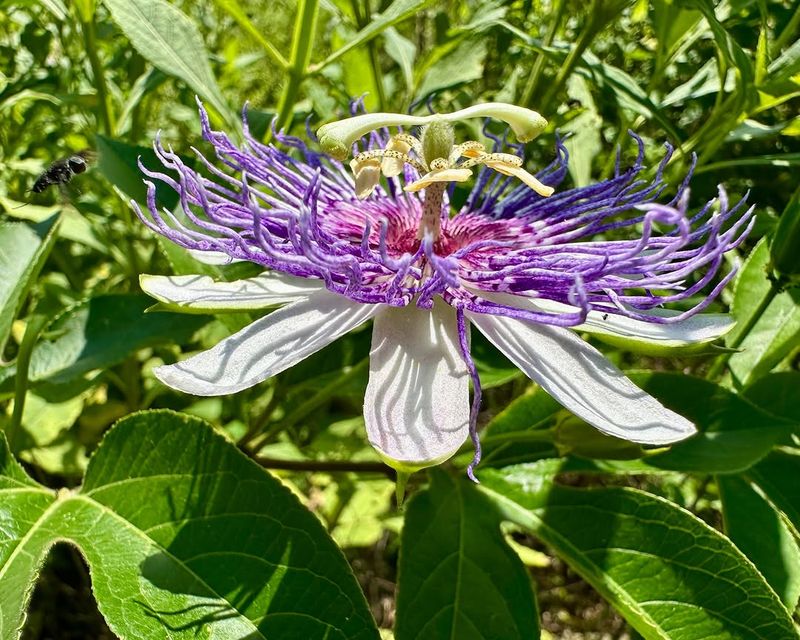
Nothing stops visitors in their tracks quite like a passionflower bloom. The flowers look like something from a tropical rainforest, with intricate purple and white petals arranged around a starburst center.
It is almost hard to believe this exotic-looking plant grows so happily in Pennsylvania backyards, but it absolutely does.
Passiflora incarnata, the native American passionflower, thrives in Pennsylvania’s warm summers and is hardy enough to come back each year from its roots even after cold winters.
It spreads quickly through underground runners and can cover a sunny fence or trellis with dense, attractive foliage in a single growing season.
The leaves are bold and deeply lobed, giving the vine a lush, tropical feel even in a mid-Atlantic yard.
Passionflower grows best in full sun and tolerates a range of soil types, including sandy or dry conditions. It is also a host plant for the Gulf Fritillary butterfly, making it a great choice for anyone interested in supporting local pollinators in Pennsylvania.
The plant produces small, egg-shaped fruits later in summer that are edible and mildly sweet.
Give it a trellis or chain-link fence to climb and it will reward you with one of the most visually striking displays of any vine on this list. It is genuinely one of a kind.
8. Climbing Hydrangea
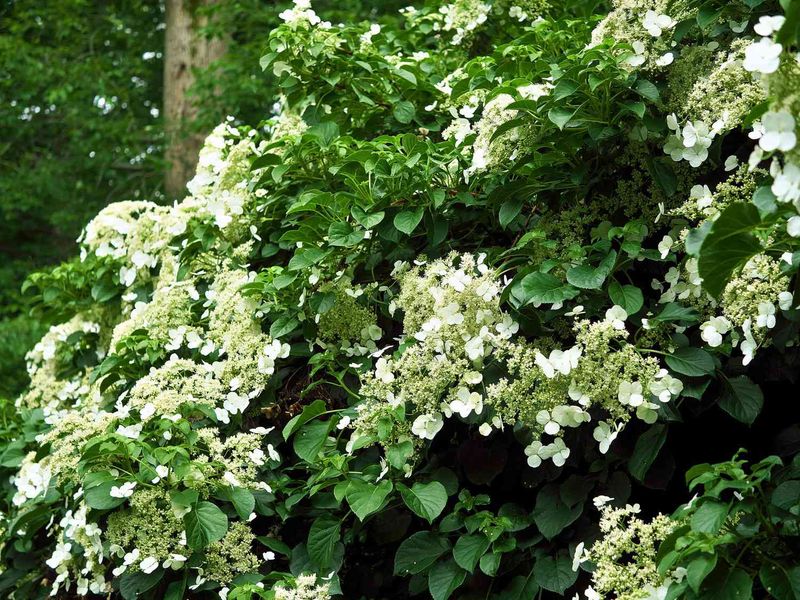
Patience pays off with Climbing Hydrangea. Unlike the other vines on this list, this one takes a couple of years to really get moving.
There is even an old saying among gardeners about it: first year it sleeps, second year it creeps, third year it leaps. Once it finally takes off, though, it becomes one of the most impressive vines you can grow in Pennsylvania.
Climbing Hydrangea attaches to walls, fences, and tree trunks using tiny root-like holdfasts, meaning it needs no wire or trellis support. The large, flat-topped white flower clusters appear in early summer and last for weeks.
The glossy green leaves create dense, layered shade coverage that is especially welcome in partial shade spots where other vines might struggle to perform.
This vine is an excellent choice for the north or east side of a Pennsylvania home, where the light is gentler and most other fast-growing vines would not thrive. It handles cold winters well and comes back reliably each spring.
The peeling cinnamon-colored bark adds winter interest long after the leaves fall. Plant it near a solid structure like a brick wall or large wooden fence and give it a few seasons to establish.
The long wait is genuinely worth it when you see a mature Climbing Hydrangea in full bloom covering an entire wall with elegant, lacy white flowers.