Native Flowering Plants That Establish Fast When Planted In Spring In Oregon
Some plants take forever to get going. They sit in the ground looking unbothered for an entire season while you water them, wait, and wonder if anything is actually happening down there.
Native flowering plants that establish fast are the complete opposite of that experience. They root quickly, they grow with purpose, and they start looking like they belong within weeks rather than years.
Oregon’s spring conditions are genuinely ideal for getting natives in the ground. The soil is moist, temperatures are manageable, and there’s enough of the growing season left for roots to develop real depth before summer arrives.
A native that goes in now has months to settle before it faces any real stress. That head start matters more than most people expect, and the payoff shows up faster than you’d think possible for plants that are supposed to take years to establish.
1. Rosy Plectritis
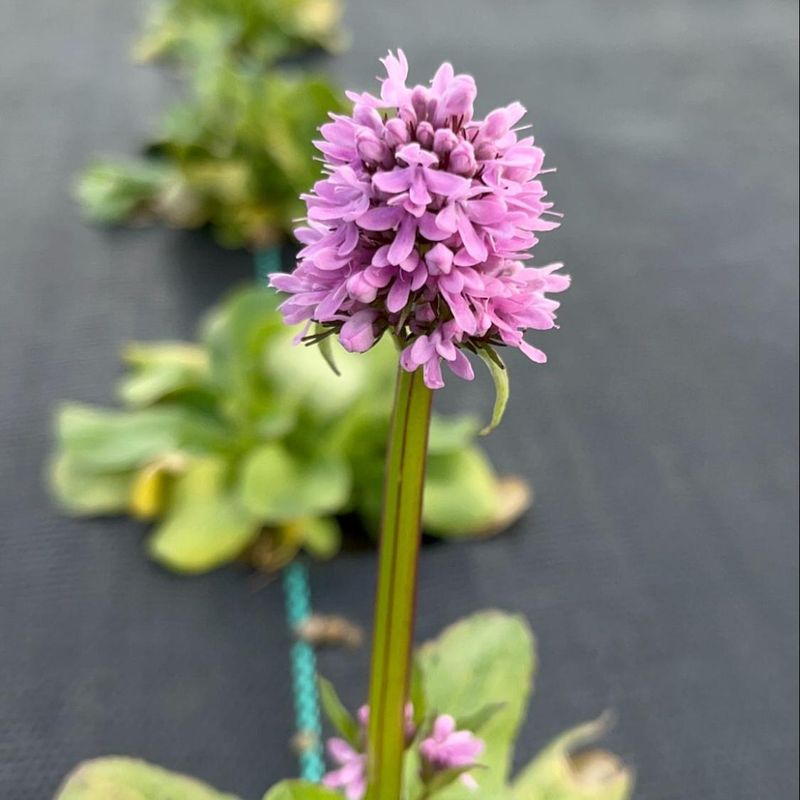
Few things say “Oregon spring” quite like a meadow blushing pink with Rosy Plectritis. This cheerful little annual is one of the quickest to establish from seed when sown directly in early spring.
It thrives in open, sunny spots with well-drained soil, and it asks for very little in return.
Rosy Plectritis (Plectritis congesta) is native to the Pacific Northwest and grows naturally in grasslands, rocky outcrops, and along roadsides throughout Oregon. It produces small, rosy-pink flowers in tight clusters at the tops of slender stems.
The blooms attract native bees and tiny pollinators that are crucial to Oregon’s ecosystems.
Because it is a true annual, it completes its life cycle in one season and readily self-seeds. That means once you plant it, it often comes back on its own year after year.
Scatter seeds on bare soil in a sunny bed and water lightly. Germination typically happens within two to three weeks in mild Oregon spring temperatures.
It pairs beautifully with other native annuals like Slender Phlox or Douglas Meadowfoam for a wildflower mix that feels completely at home in an Oregon garden. It grows to about 6 to 16 inches tall, making it great for borders or naturalized areas.
2. Large-Flowered Blue-Eyed Mary
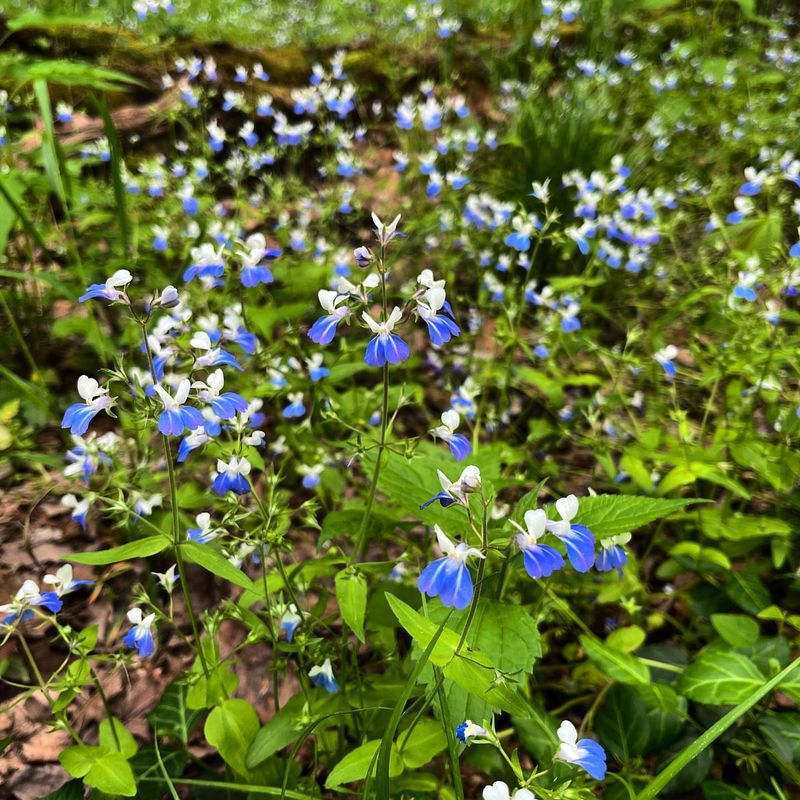
Bright blue flowers are not always easy to find among native plants, which makes Large-Flowered Blue-Eyed Mary a real standout. Known scientifically as Collinsia grandiflora, this native Oregon annual produces striking two-toned flowers in blue and white.
It is one of those plants that makes people stop and stare.
It grows naturally in open forests, grassy slopes, and rocky areas across Oregon and the Pacific Northwest. When planted in spring, seeds germinate quickly in cool, moist soil, which is exactly what Oregon’s early spring delivers.
It prefers partial shade to full sun and does well in areas with light, well-drained soil.
Reaching about 4 to 16 inches tall, it fits nicely into woodland garden edges, rock gardens, or naturalized meadows. The flowers bloom from March through June depending on elevation and location.
Like Rosy Plectritis, it self-seeds reliably, so a single planting can result in a recurring spring display. Native bees absolutely love the blooms, and the plant adds a pop of cool color to gardens across Oregon that tend to be dominated by yellows and pinks in early spring.
Your Oregon Garden Changes Every Week. Your Plan Should Too.
Gardening in Oregon changes quickly throughout the season. Every Friday you’ll receive a simple weekly plan showing exactly what to plant, prune, fertilize, harvest, and protect so you never miss the right timing.
Scatter seeds in fall or early spring for the best results, and let nature do the rest.
3. Slender Phlox
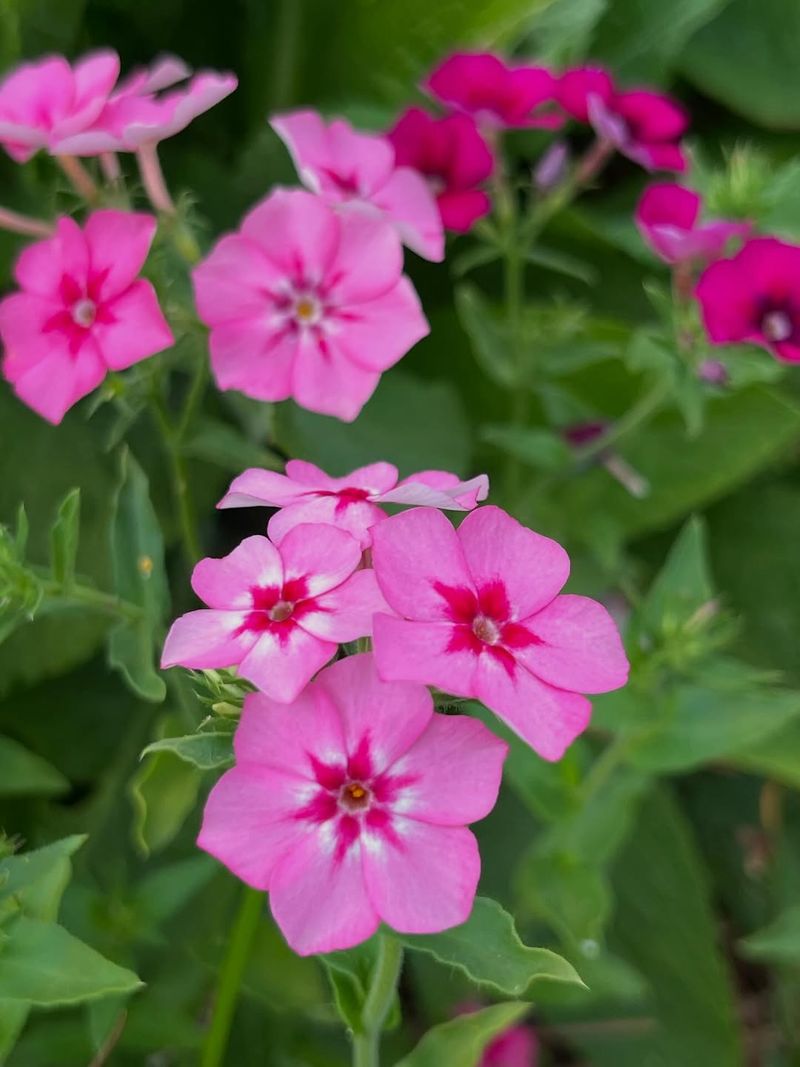
Tough, delicate-looking, and surprisingly fast to establish, Slender Phlox is a native Oregon annual that punches above its weight. Microsteris gracilis, its scientific name, might not roll off the tongue easily, but gardeners who have grown it tend to remember it fondly.
It is the kind of plant that surprises you with how much beauty it packs into such a small frame.
Found naturally in dry, open habitats across Oregon, including rocky slopes, sagebrush flats, and disturbed soils, Slender Phlox handles tough conditions without complaint. Its tiny pink to white flowers appear in spring and early summer, covering the plant in a soft cloud of color.
It grows only 2 to 10 inches tall, making it perfect for filling gaps between rocks or at the front of a native plant border.
Sow seeds directly on the soil surface in early spring in Oregon, and expect germination within a couple of weeks. It needs very little water once it gets going and thrives in poor, well-drained soils where many other plants struggle.
Because it is so small and undemanding, it works wonderfully as a companion to taller natives. It also attracts small native bees and flies, adding ecological value to any Oregon garden space where it grows.
4. Douglas Meadowfoam
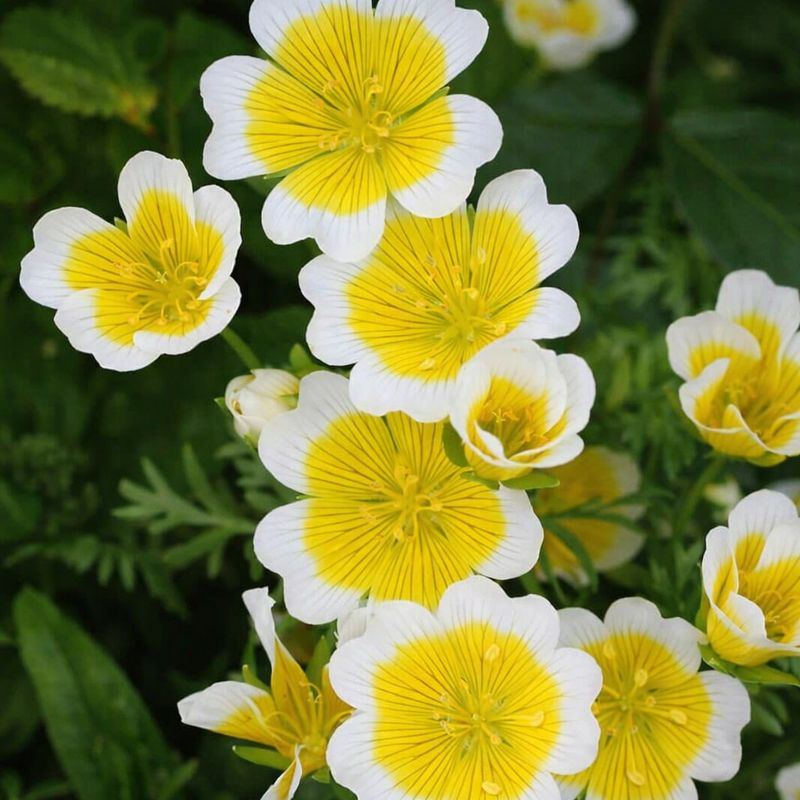
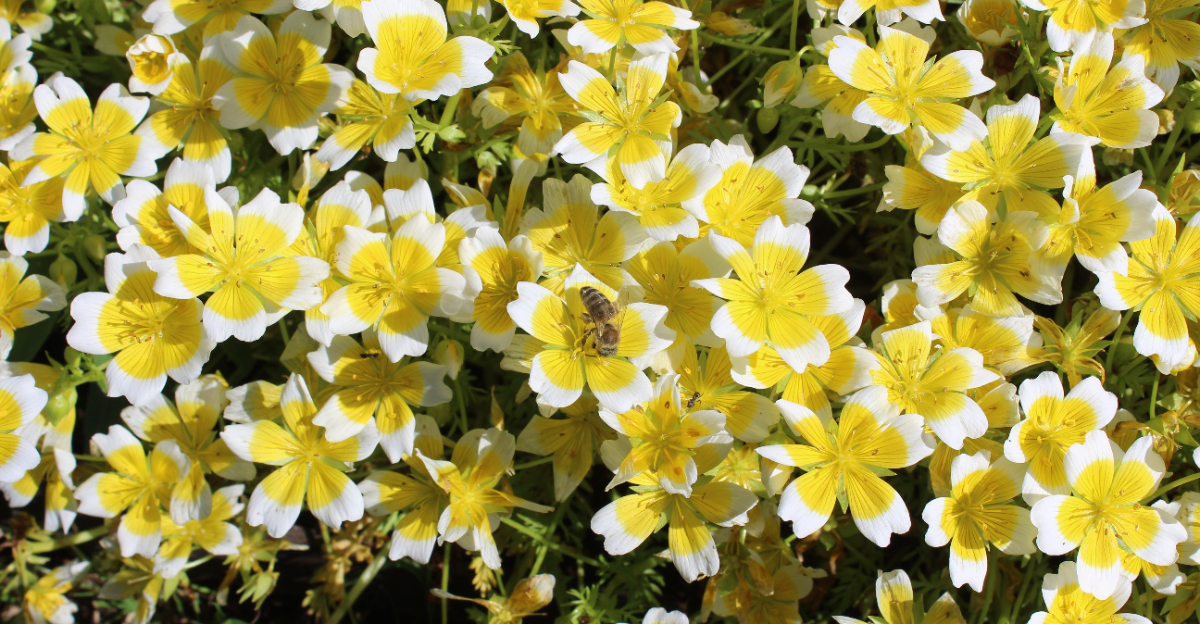
There is something wonderfully whimsical about Douglas Meadowfoam. When it blooms en masse in a wet Oregon meadow, it really does look like foam floating across the landscape.
Limnanthes douglasii is its scientific name, and it is a springtime favorite among native plant enthusiasts throughout the Pacific Northwest.
This Oregon native annual thrives in moist, low-lying areas, wet meadows, and seasonally flooded spots. It is one of the fastest-establishing native annuals you can plant in spring, especially in areas with naturally moist soil.
Seeds sown in late winter or early spring germinate quickly and plants grow fast, blooming in as little as six to eight weeks from germination.
The flowers are cheerful white with yellow centers, or sometimes entirely yellow, and they are absolutely irresistible to native bees and syrphid flies. In Oregon, it grows naturally in the Willamette Valley and coastal areas where seasonal wetness supports its lifecycle.
It reaches about 6 to 12 inches in height and spreads nicely to form a ground-covering mat of blooms. Douglas Meadowfoam self-seeds readily, so once you establish a patch, it tends to return each spring without any extra effort.
It is a brilliant choice for rain gardens or low spots in your Oregon yard where water tends to collect.
5. Small-Flowered Tonella
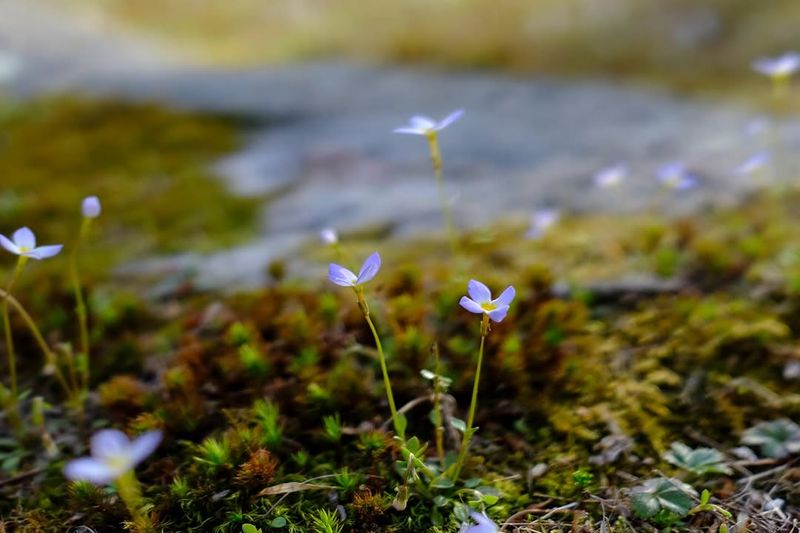
Not every native plant needs to be showy to be special. Small-Flowered Tonella, or Tonella tenella, is a quiet little gem that many Oregon gardeners have never heard of, but those who know it appreciate its subtle charm.
It is a delicate annual that tucks itself into shaded woodland spots and blooms with tiny purple and white flowers that reward a close look.
In Oregon, it grows naturally in moist, shaded forests, particularly under deciduous trees where dappled light filters through the canopy. It establishes quickly from seed in spring when soil temperatures are cool and moisture is plentiful, which describes most of Oregon’s spring season perfectly.
It is not a plant that takes over or competes aggressively; instead, it fills in gently around other plants.
Reaching only 2 to 8 inches tall, Small-Flowered Tonella is best suited for woodland garden floors, shaded rock gardens, or naturalized areas under native shrubs and trees. It self-seeds modestly, so populations slowly build over time in favorable spots.
While it does not attract attention from across the yard, it supports tiny native pollinators that many gardeners overlook. Adding this native annual to an Oregon woodland garden brings an authentic, natural feel that is hard to achieve with non-native plants.
It is a true Pacific Northwest original.
6. Sea Blush
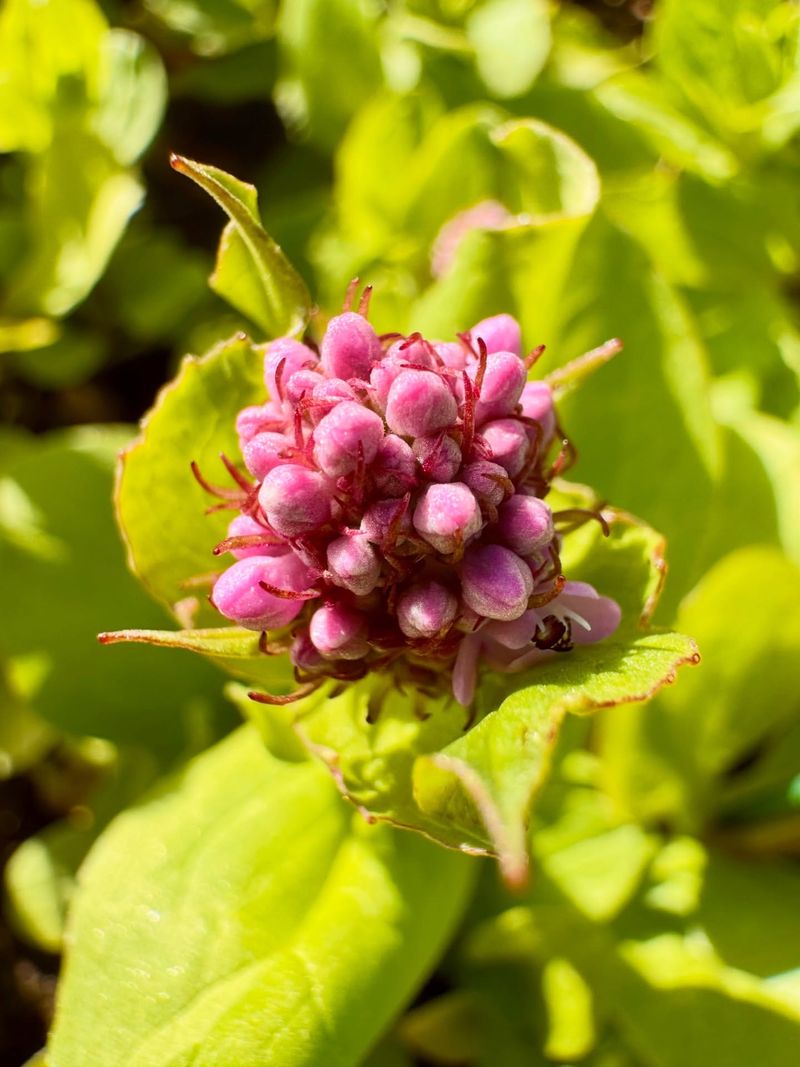
Along rocky bluffs and coastal grasslands in Oregon, Sea Blush paints the landscape in vivid pink every spring. Plectritis congesta is sometimes used interchangeably with Rosy Plectritis, but Sea Blush refers to coastal populations that tend to grow in especially exposed, wind-swept spots.
It is a tough, fast-growing annual that looks far more delicate than it actually is.
Sea Blush thrives in rocky, well-drained soils with full sun exposure, conditions that are common along Oregon’s coastline and in the Columbia River Gorge. Seeds scattered on bare soil in early spring germinate quickly and plants grow rapidly, producing their characteristic bright pink flower clusters within weeks.
It is one of the most reliably fast-establishing native annuals available to Oregon gardeners.
Growing 6 to 20 inches tall, Sea Blush works well in naturalized coastal gardens, rock gardens, and sunny native plant borders. It self-seeds freely, building up a seed bank in the soil that produces new plants each spring.
Native bees, especially small solitary species, are frequent visitors to the flowers. If you garden anywhere along Oregon’s coast or in areas with rocky, exposed soils, Sea Blush is a must-try plant.
It brings a burst of color to challenging spots where many ornamental plants simply would not survive Oregon’s coastal conditions.
7. Large-Flowered Collomia
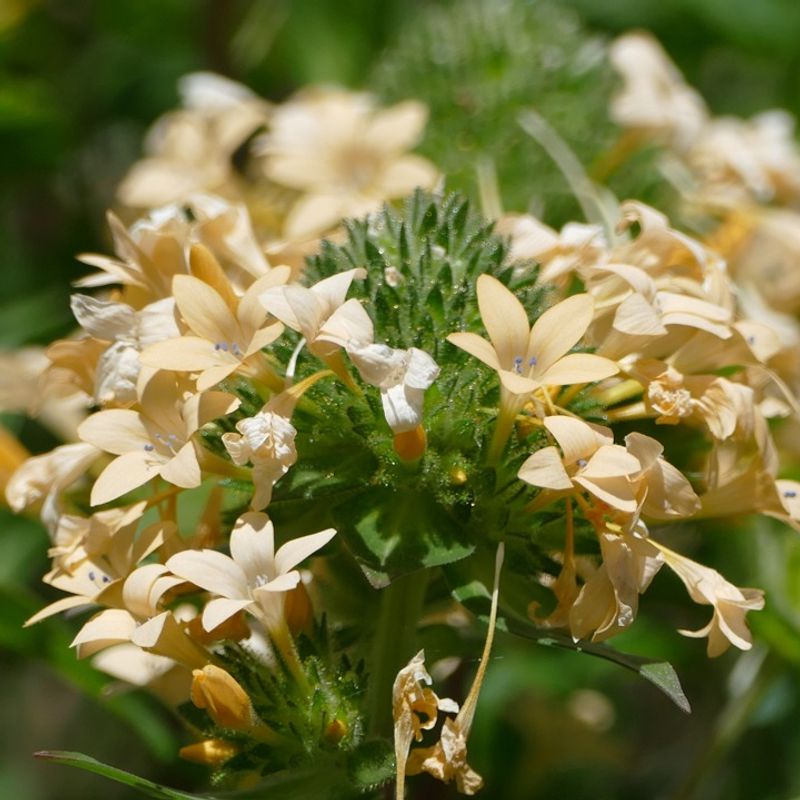
Salmon-pink trumpet flowers clustered at the top of a straight green stem, Large-Flowered Collomia has a look that feels almost tropical, even though it is completely at home in Oregon’s native landscapes. Collomia grandiflora is a fast-growing annual that brings warm, rich color to spring gardens across the Pacific Northwest.
It grows naturally in open woodlands, forest edges, and disturbed areas throughout Oregon, from the Cascades foothills to the eastern high desert. It is one of the taller native annuals on this list, reaching 8 to 36 inches in height depending on conditions.
Seeds sown directly in spring germinate readily in well-drained, sandy, or loamy soils. It actually prefers a bit of drought stress once established, so it is a great choice for Oregon gardens that dry out in summer.
The flowers bloom from late spring through early summer and attract hummingbirds, native bees, and butterflies. Because of its height and upright habit, Large-Flowered Collomia works well as a mid-border plant or in a naturalized meadow setting.
It self-seeds generously, so populations tend to grow and spread on their own over time. For Oregon gardeners who want something a little different from the typical blue and pink native annuals, the warm salmon tones of this plant offer a refreshing and eye-catching change of pace.
8. Woolly Sunflower
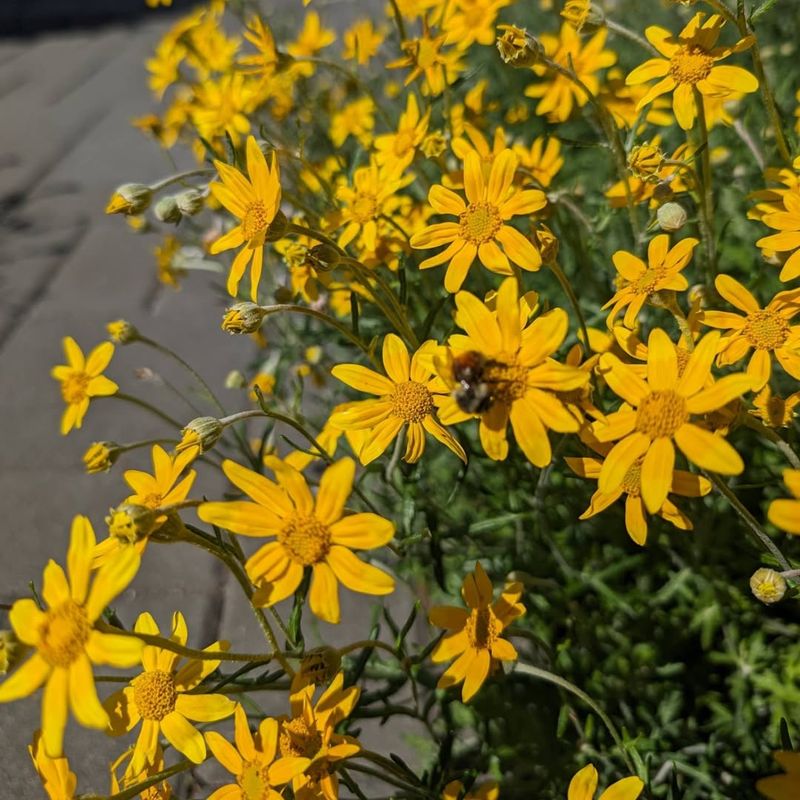
Bold, bright yellow, and built for dry conditions, Woolly Sunflower is one of the most cheerful native plants you can add to an Oregon garden. Eriophyllum lanatum is a perennial native to Oregon and the broader Pacific Northwest, and it is known for establishing quickly when planted in spring from either seed or transplant.
The silvery, woolly leaves are just as attractive as the flowers, giving the plant a soft, textured look even when it is not in bloom. It thrives in dry, rocky, or sandy soils with full sun exposure, which makes it a natural fit for Oregon’s dry summer conditions.
Once established, it needs almost no supplemental watering, making it an excellent low-maintenance choice for water-conscious gardeners across the state.
Woolly Sunflower blooms from late spring through summer, producing an abundance of bright yellow daisy-like flowers that attract native bees, butterflies, and other beneficial insects. It grows 6 to 24 inches tall depending on the variety and location, and it spreads gradually to form attractive clumps.
It is widely available at Oregon native plant nurseries and is one of the most recommended plants for beginners getting started with native gardening. Whether you are in the Willamette Valley, southern Oregon, or the eastern high desert, this tough and beautiful plant will reward you generously.
9. Oregon Checkerbloom
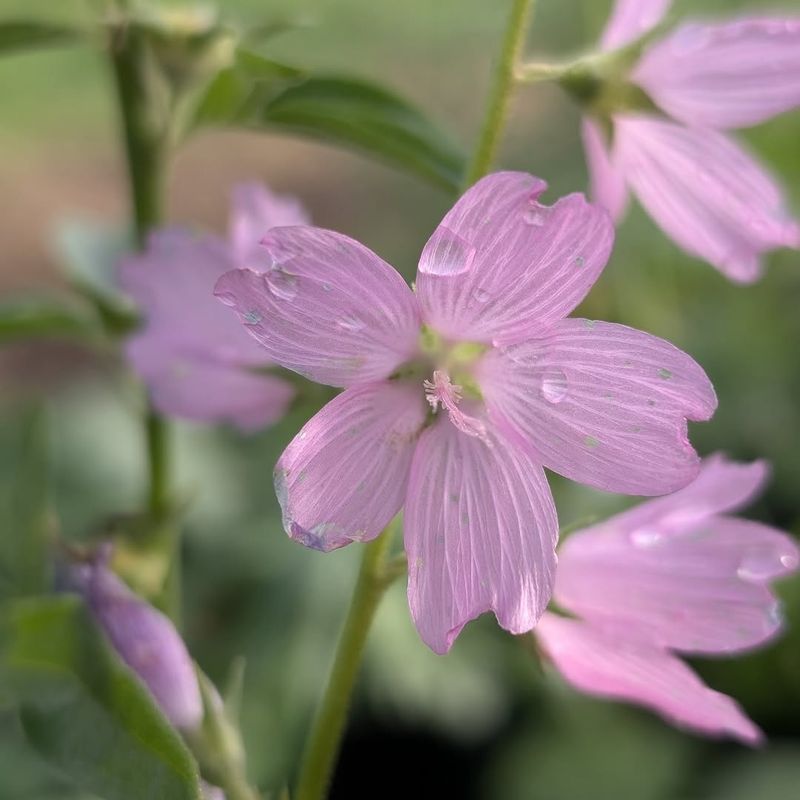
Named for the state it calls home, Oregon Checkerbloom is a native perennial with a lot of personality. Sidalcea oregana produces tall, elegant spikes of pink to rose-purple flowers that resemble small hollyhocks.
It is the kind of plant that draws compliments from neighbors and questions from curious passersby.
Found naturally in moist meadows, streambanks, and open forests across Oregon, it establishes surprisingly well when planted in spring as a nursery transplant or from seed started indoors. It prefers moist, well-drained soil and full to partial sun.
Once it settles in, it grows vigorously and returns reliably each year, getting bigger and more floriferous with time.
Oregon Checkerbloom grows 1 to 4 feet tall and blooms from late spring through midsummer, providing a long season of color in Oregon gardens. It is a favorite of native bumblebees, which are important pollinators for many Oregon crops and wildflowers.
The plant also supports checkerspot butterfly larvae, adding even more ecological value to your yard. For gardeners in the Willamette Valley or western Oregon, it is especially well-suited to the regional climate and soil types.
Pairing it with Woolly Sunflower or Douglas Meadowfoam creates a dynamic native plant garden that looks stunning and supports local wildlife from spring through the end of summer.