The Fast Growing Herbs Georgia Gardeners Still Have Time To Plant In May
May has a way of making Georgia gardeners suddenly believe they can grow absolutely everything. One trip to the garden center turns into armfuls of herbs, a few extra pots, and ambitious plans for homemade pasta sauce and fresh summer drinks.
It happens fast. Warm weather and bright sunshine make herb gardening feel almost irresistible this time of year.
The good news is that many herbs still have plenty of time to take off before Georgia’s summer heat settles in for the long haul.
Fast growers like basil, dill, mint, and chives can fill containers and raised beds surprisingly quickly with the right mix of sun, moisture, and decent drainage.
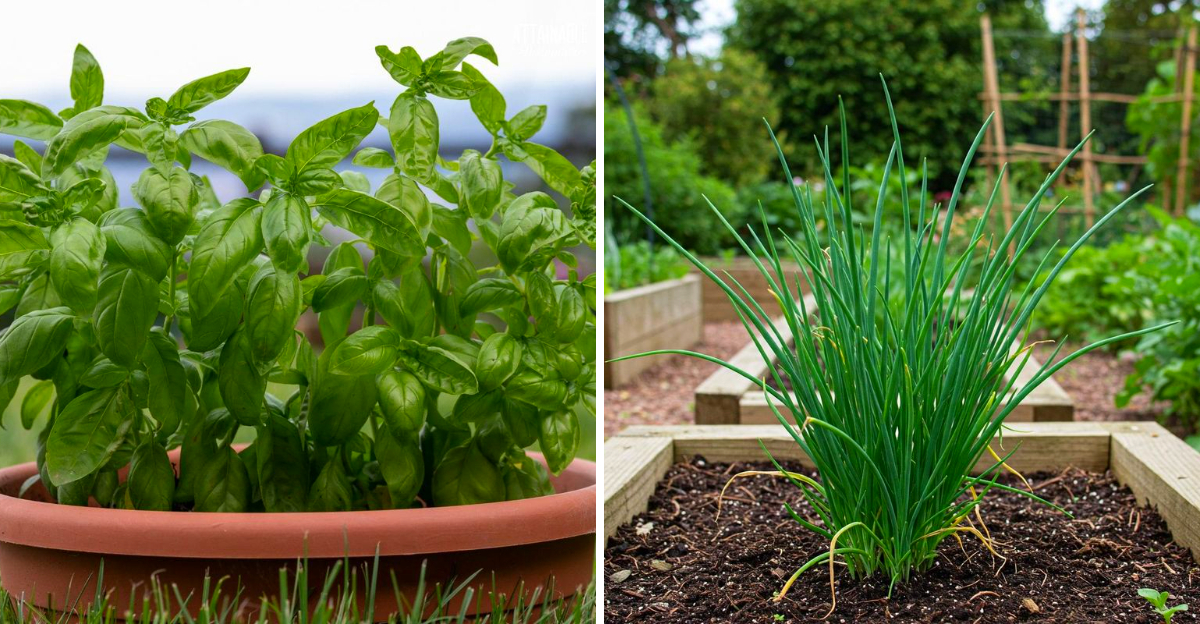
Even a tiny patio corner can turn into a productive herb spot in May. Plus, walking outside to snip fresh herbs for dinner makes people feel much fancier than they actually are.
1. Basil Grows Fast In Warm May Weather
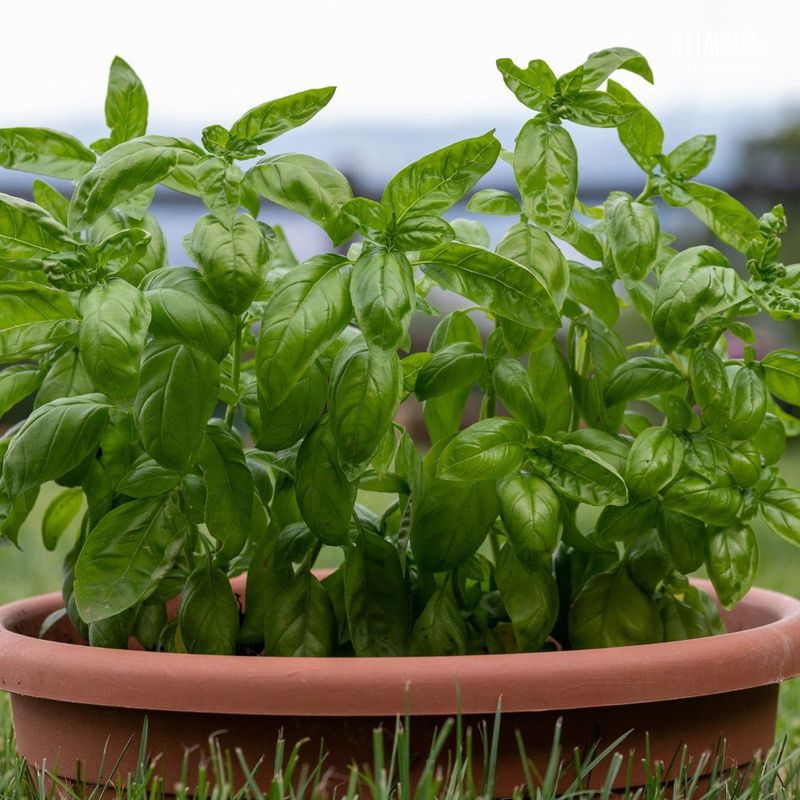
Warm May temperatures in Georgia are practically made for basil. This herb responds quickly once the soil stays consistently warm, and gardeners who plant it in mid-to-late May can often begin harvesting within three to four weeks.
Basil loves full sun, so placing it in a spot that gets at least six hours of direct light each day gives it the best chance to fill out fast.
In Georgia, basil does well in both raised beds and containers on sunny patios or porches. A pot with good drainage holes and a well-draining potting mix can keep basil healthy and productive through the early summer months.
Watering at the base of the plant rather than overhead helps reduce the chance of leaf issues in humid conditions.
Pinching off the top sets of leaves regularly encourages the plant to branch out rather than bolt to seed too quickly. Once flower buds start appearing at the top, pinching them off can extend the harvest window noticeably.
Keeping the plant trimmed and bushy is one of the easiest ways to get more leaves for cooking throughout the season.
Genovese basil is a popular variety for Georgia gardeners who want classic flavor, but Thai basil and lemon basil also do well in May plantings.
A few well-placed basil plants near tomatoes in a Georgia garden bed can make the whole kitchen garden feel complete.
Fresh basil from the backyard adds something special to summer meals that store-bought simply cannot match.
2. Tarragon Adds Fresh Growth In Sunny Pots
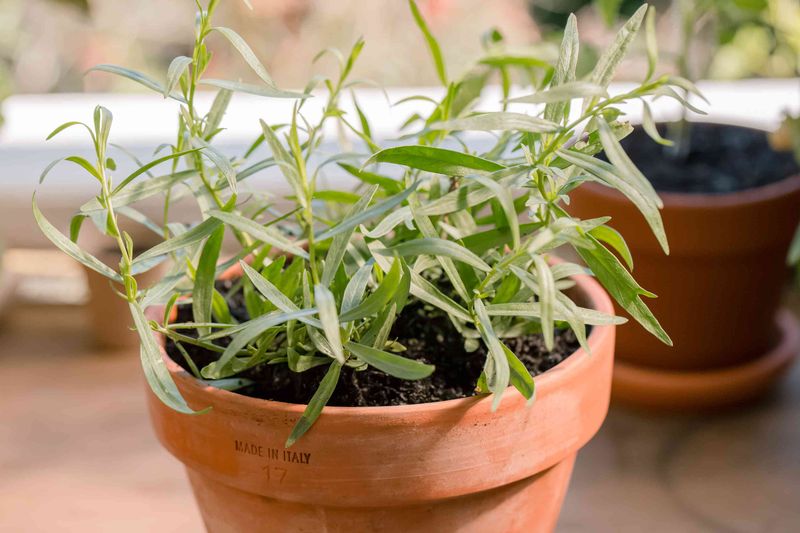
Sunny pots on a Georgia porch or patio can be an ideal home for tarragon when planted in May. French tarragon, in particular, is known for its narrow, glossy leaves and the subtle anise-like flavor that makes it a favorite in the kitchen.
It tends to grow at a moderate pace but can fill out a container nicely within a few weeks of being established.
French tarragon does not grow reliably from seed, so purchasing a small nursery transplant is the practical route for Georgia gardeners.
Planting it in a container with well-draining potting mix and placing it in a spot with full to partial sun gives it what it needs to settle in and begin producing fresh growth.
Your Georgia Garden Changes Every Week. Your Plan Should Too.
Gardening in Georgia changes quickly throughout the season. Every Friday you’ll receive a simple weekly plan showing exactly what to plant, prune, fertilize, harvest, and protect so you never miss the right timing.
Containers with drainage holes are especially helpful since tarragon does not appreciate sitting in waterlogged soil.
Once established, tarragon benefits from light, regular trimming to keep growth tidy and encourage fresh leaves to emerge. Harvesting small sprigs frequently rather than cutting large amounts at once tends to keep the plant producing well through the season.
In Georgia’s warm spring climate, consistent watering without overdoing it helps tarragon stay comfortable in its pot.
Tarragon pairs naturally with chicken, fish, and egg dishes, making it a genuinely useful herb to have close to the kitchen door.
A single container of French tarragon on a Georgia porch can supply enough fresh sprigs to flavor meals regularly throughout late spring and into early summer.
3. Dill Shoots Up With Room To Grow
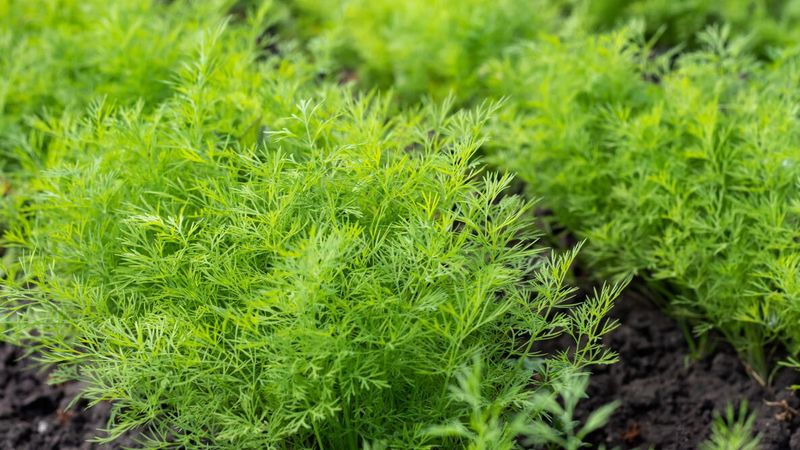
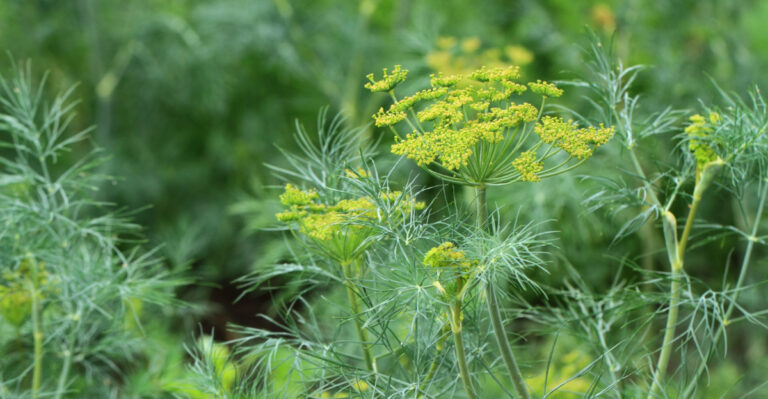
Few herbs move as quickly from seed to harvest as dill, and Georgia gardeners planting in May can take advantage of that speed. Dill can germinate within one to two weeks under warm conditions and begins producing its feathery fronds not long after.
Direct sowing dill seeds into a raised bed or a deep container gives the taproot room to develop without being disturbed.
Because dill does not transplant particularly well, starting seeds directly where the plant will grow tends to produce better results.
Choosing a sunny spot with well-draining soil and spacing seeds a few inches apart allows each plant enough room to stand upright and fill out.
Once seedlings are a few inches tall, thinning them to about twelve inches apart helps prevent overcrowding as they get taller.
Dill can reach two to four feet tall, so placing it toward the back of a raised bed or in a container with some depth and stability keeps it from flopping over in Georgia’s spring breezes.
Watering consistently but avoiding soggy soil encourages steady growth without stressing the roots.
Mulching around the base can help retain moisture during warmer May days.
Both the feathery leaves, called dill weed, and the seeds are useful in the kitchen for pickling, salads, and fish dishes. Harvesting a few fronds at a time while the plant is young keeps it productive longer before it bolts to flower.
Georgia gardeners who love homemade pickles especially appreciate having fresh dill growing just steps from the kitchen.
4. Mint Fills Containers With Fresh Leaves
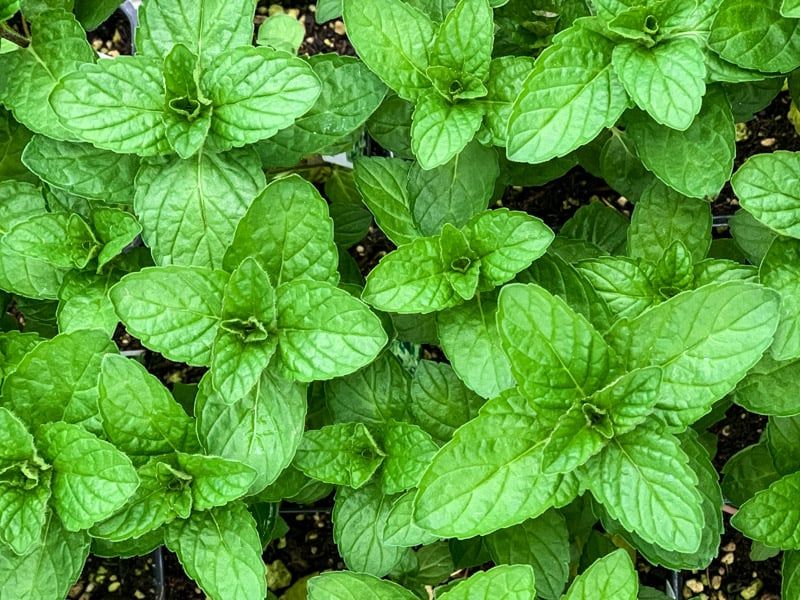
Plant mint in the ground just once in Georgia and it may spread further than expected by the following season.
That vigorous spreading habit is exactly why containers are the go-to choice for Georgia gardeners who want fresh mint without it taking over the entire herb bed.
A large pot with drainage holes gives mint the room it needs while keeping its enthusiastic growth contained and manageable.
May is a comfortable time to get mint established in Georgia because the soil is warm and the days are long enough to support quick leafy growth.
Spearmint and peppermint are two of the most common varieties, and both settle into containers easily with regular watering and a spot that gets morning sun with some afternoon shade.
In Georgia’s warmer months, afternoon shade can help mint stay productive and prevent the leaves from wilting under intense heat.
Mint grows quickly and can be harvested regularly once stems reach several inches in length. Snipping stems just above a leaf node encourages the plant to branch and produce more fresh growth.
Keeping the container from drying out completely between waterings tends to give mint the consistent moisture it prefers.
Fresh mint is endlessly useful in the kitchen and beyond, from summer drinks and fruit salads to marinades and garnishes. Georgia gardeners who keep a pot of mint near the back door often find themselves reaching for it several times a week.
One healthy container can supply more than enough fresh leaves throughout the season for a busy household.
5. Chives Send Up Tender Green Growth
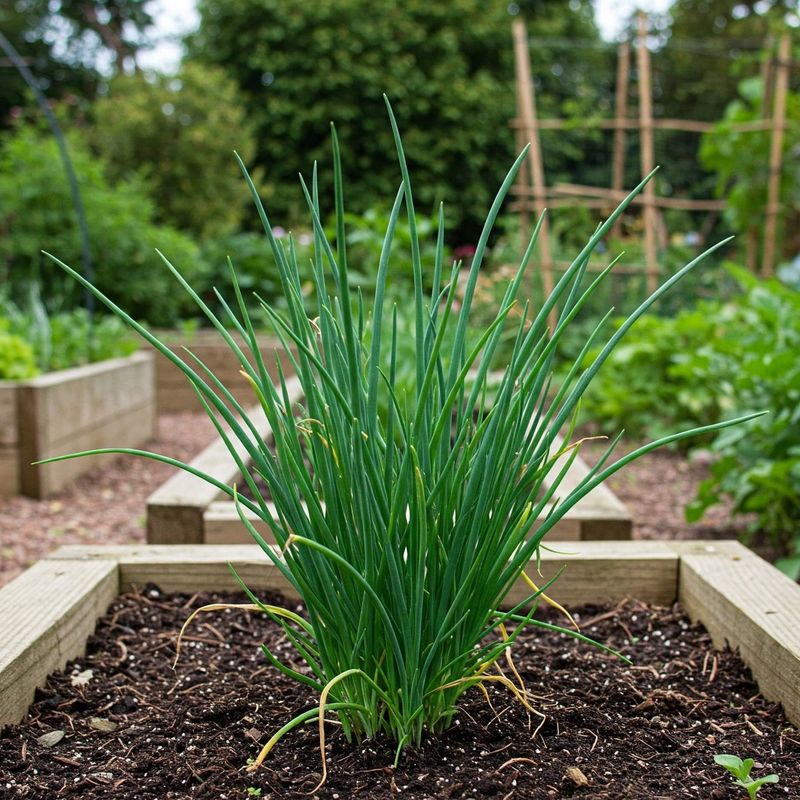
Chives are one of those quietly reliable herbs that Georgia gardeners can count on to deliver fresh growth with very little fuss.
By May, the soil is warm enough for chive clumps to send up steady flushes of slender, hollow green stems that are ready to snip and use in the kitchen almost as soon as they appear.
Starting with a small transplant from a local nursery rather than seeds can shave several weeks off the waiting time.
In Georgia, chives grow comfortably in both garden beds and containers and do well with at least four to six hours of sunlight each day.
A moderately sized pot with good drainage and a quality potting mix can keep chives thriving on a sunny windowsill, porch railing, or patio table.
Watering when the top inch of soil feels dry tends to keep the plant looking tidy and producing well.
Harvesting chives is as simple as snipping the stems down to about two inches above the soil level with clean scissors. The plant responds by sending up fresh new growth within days, making it one of the most reliably productive herbs in a May herb garden.
Avoiding cutting more than one-third of the plant at once gives it enough energy to recover and regrow quickly.
The mild onion flavor of fresh chives works beautifully in scrambled eggs, baked potatoes, soups, and salads.
Georgia gardeners who grow chives in containers near the kitchen find them incredibly convenient for adding a fresh, savory note to everyday meals without any extra effort.
6. Parsley Adds Fresh Leaves In Part Shade
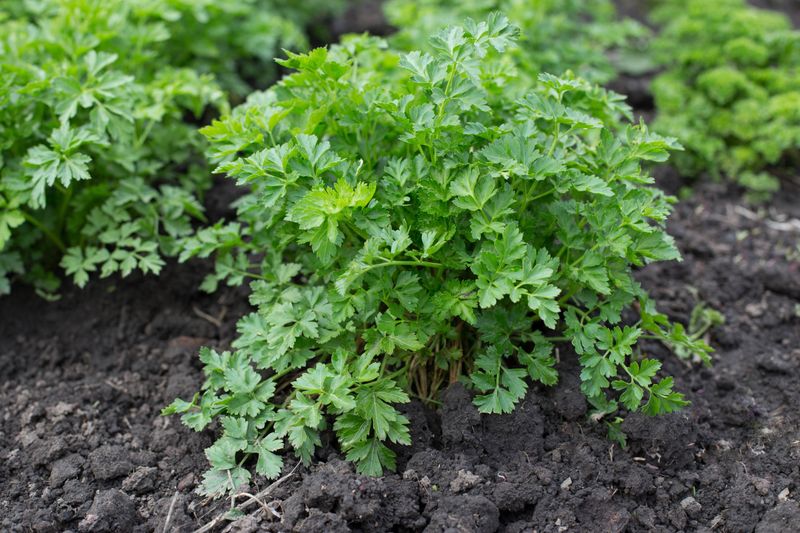
Parsley has a quiet versatility that makes it one of the most practical herbs a Georgia gardener can tuck into a partially shaded corner of the yard.
Unlike many herbs that demand full sun all day, parsley can manage comfortably with three to four hours of direct light and some dappled shade during the hottest part of the afternoon.
That flexibility makes it a natural fit for spots under a porch overhang, near a fence line, or beside taller plants in a raised bed.
May planting works well for parsley in Georgia because the soil temperature supports steady root development without the extreme heat that can stress young plants later in summer.
Starting with a nursery transplant rather than seeds saves time, since parsley is known for slow germination when started from seed.
Placing it in well-draining soil or a container with good drainage and consistent moisture gives it a solid foundation for the season.
Both curly parsley and flat-leaf Italian parsley are reliable performers in Georgia gardens. Flat-leaf varieties tend to have a stronger flavor, while curly parsley makes an attractive garnish.
Harvesting outer stems first and working toward the center of the plant encourages continuous new growth throughout the season.
Parsley is a genuinely useful kitchen herb that works in sauces, salads, soups, and marinades. Georgia gardeners who plant it in May can expect a steady supply of fresh leaves through summer if the plant is kept watered and trimmed.
A single healthy clump near the kitchen door can handle a surprising amount of regular harvesting.