Native Oregon Groundcovers That Outperform Mulch As Weed Barriers In Tough Spots
Mulch has its place. But it breaks down over time and does absolutely nothing to stop determined weeds once the layer thins out.
In the tougher spots of an Oregon garden, shaded corners, dry slopes, compacted soil under trees, mulch is often just a temporary fix that creates more work down the line. Native groundcovers are a different story entirely.
They spread into the spaces where weeds would otherwise take hold, shade the soil with living foliage, and get more effective every single season instead of less.
The right native groundcover in the right tough spot is one of those garden decisions that genuinely pays off for years without asking much in return.
Oregon has some exceptional options that were built for exactly these conditions, and once they’re established, the difference compared to bare mulched soil is hard to argue with.
1. Vanilla Leaf
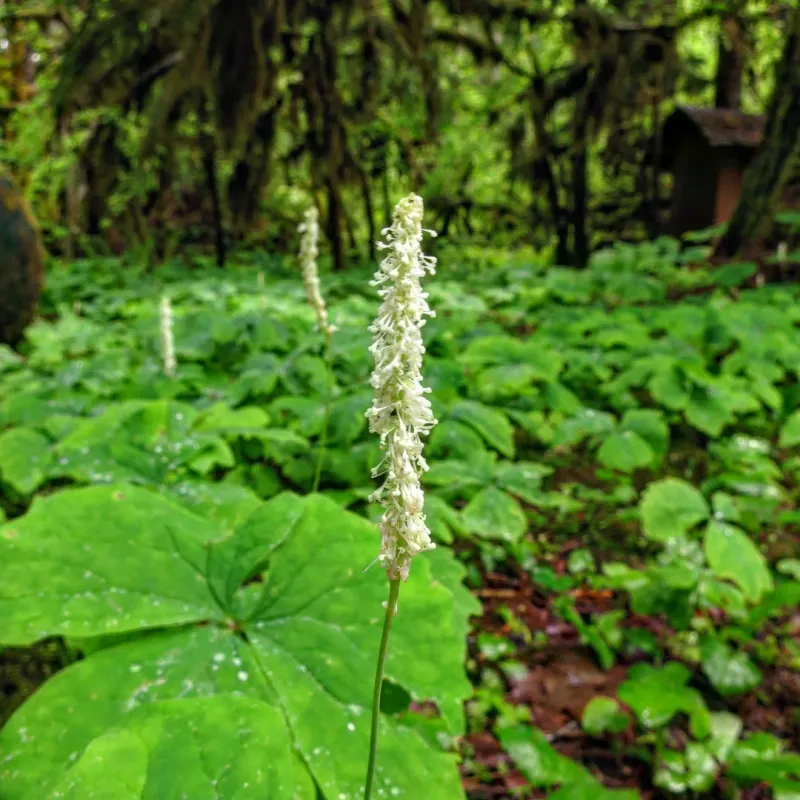
Walk through a shaded Oregon forest in spring and you might catch a faint, sweet smell drifting up from the ground. That scent comes from Vanilla Leaf, a native plant with large, fan-shaped leaves that spread into a lush, weed-smothering carpet.
It is one of the most underrated groundcovers in the Pacific Northwest.
Vanilla Leaf thrives in deep shade, which makes it perfect for spots under big trees where almost nothing else grows. It spreads slowly through underground rhizomes and builds up a dense layer of foliage that blocks sunlight from reaching weed seeds below.
Mulch simply cannot do that as effectively.
In Oregon’s wetter regions, this plant really shines. It handles moist, well-drained soil beautifully and can cover large areas over a few seasons.
The white flower spikes that appear in spring add a nice decorative touch on top of its weed-fighting abilities.
Plant it in groups for the fastest coverage. Once it gets going, you will spend very little time weeding.
Vanilla Leaf is a smart, natural solution for shaded problem spots in Oregon gardens where mulch keeps washing away or breaking down too fast.
2. Pacific Waterleaf
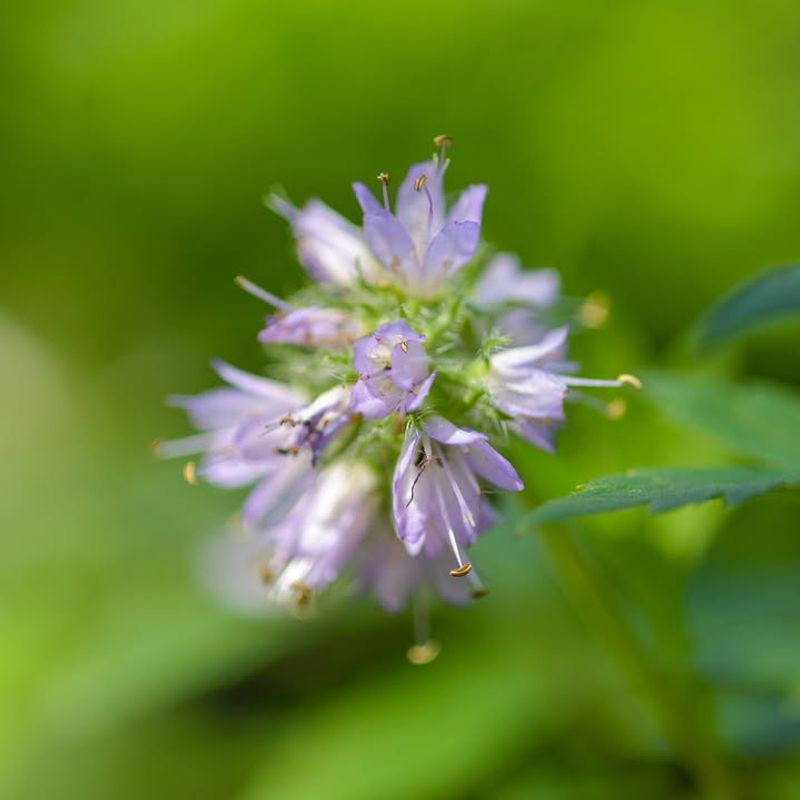
Some plants look delicate but are surprisingly tough. Pacific Waterleaf is exactly that kind of plant.
Its deeply lobed, light-green leaves have a soft texture, but underneath that gentle appearance is a plant built to handle Oregon’s challenging shaded and moist environments with ease.
Found naturally along stream banks and forest edges across Oregon, Pacific Waterleaf spreads quickly through both seeds and rhizomes. It fills in bare soil fast, which means weeds have very little room or light to establish themselves.
Unlike mulch, which only sits on top of the soil, this plant actively competes with and shades out unwanted growth.
The plant does best in moist to wet soils with partial to full shade. If you have a low-lying area that stays soggy after Oregon’s rainy winters, Pacific Waterleaf is one of the best options available.
It handles standing water far better than most groundcovers.
The small purple and white flower clusters that bloom in late spring attract native pollinators, giving your garden extra ecological value. Plant it in masses for the strongest weed-suppression effect.
Your Oregon Garden Changes Every Week. Your Plan Should Too.
Gardening in Oregon changes quickly throughout the season. Every Friday you’ll receive a simple weekly plan showing exactly what to plant, prune, fertilize, harvest, and protect so you never miss the right timing.
It is a reliable, hard-working native that earns its place in any Oregon landscape.
3. Foothill Sedge
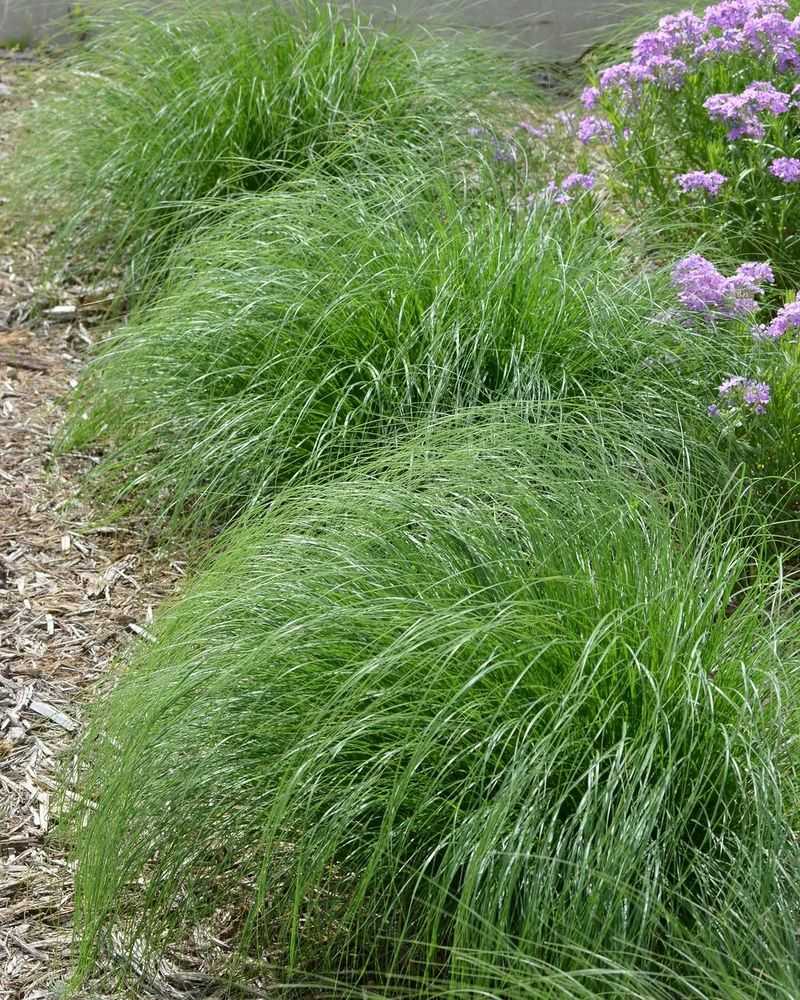
Not every tough spot in Oregon is wet and shady. Some are dry and shaded, which is one of the hardest combinations to handle.
Foothill Sedge was practically made for that exact situation. This native sedge forms beautiful, arching clumps of fine green blades that stay attractive through most of the year.
It grows naturally on dry, rocky slopes and under oaks across Oregon and the broader Pacific Northwest. Once established, Foothill Sedge spreads slowly to form a dense, grass-like mat that shades out weeds without needing irrigation.
Mulch in dry areas tends to blow away or compact, but this plant holds its ground season after season.
Foothill Sedge is semi-evergreen, meaning it keeps its color through mild Oregon winters. That gives it a big advantage over deciduous groundcovers that leave bare soil exposed during the cooler months when weeds can sneak in.
It works well on slopes, under deciduous trees, and in rain gardens. Spacing plants about a foot apart gives them room to fill in within two to three growing seasons.
If you want a low-water, low-maintenance solution for a dry shaded problem area in your Oregon yard, Foothill Sedge is a top choice worth considering.
4. Evergreen Violet
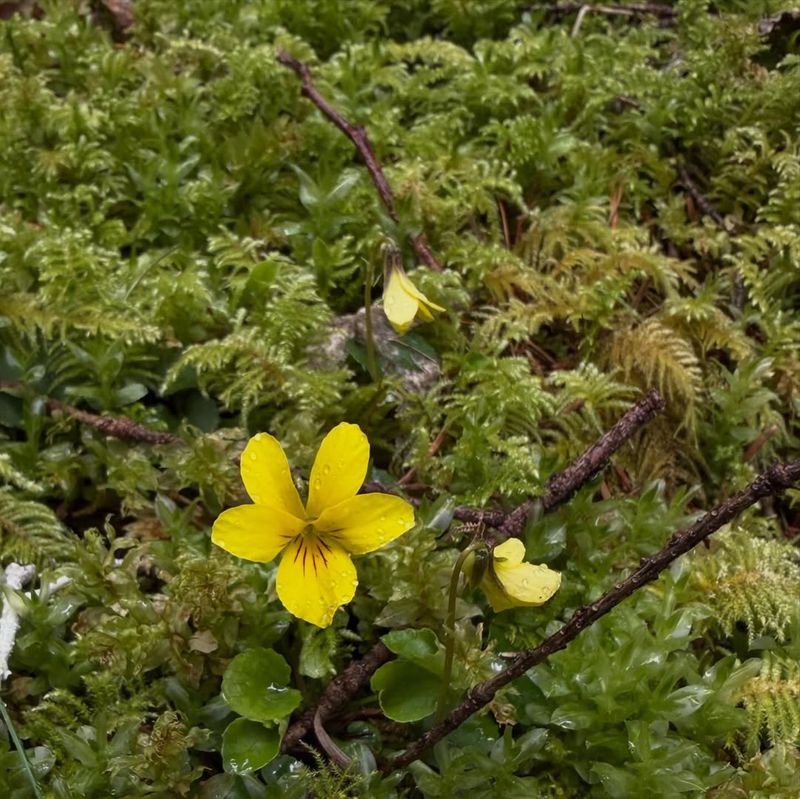
There is something cheerful about a plant that keeps its leaves all year long and still manages to bloom. Evergreen Violet does both, and it does them well.
This tough little native is one of the best weed-suppressing groundcovers you can plant in shaded Oregon gardens, especially in spots where the soil stays reasonably moist.
The heart-shaped, glossy leaves form a thick layer that blocks light from reaching the soil surface. Weed seeds need light to sprout, so once Evergreen Violet fills in, the weed pressure drops dramatically.
It handles deep shade under conifers and also tolerates partial shade near the edges of tree canopies.
Small yellow flowers appear in early spring, adding seasonal color before many other plants wake up. The flowers are followed by small seed capsules that help the plant spread naturally.
Over time, Evergreen Violet colonizes an area without becoming aggressive or invasive.
Oregon gardeners dealing with shaded slopes or compacted soil under large trees will find this plant especially useful. It tolerates some foot traffic and bounces back quickly.
Unlike organic mulch that needs annual refreshing, Evergreen Violet just keeps growing, thickening, and doing its job without any help from you.
5. Oregon Stonecrop
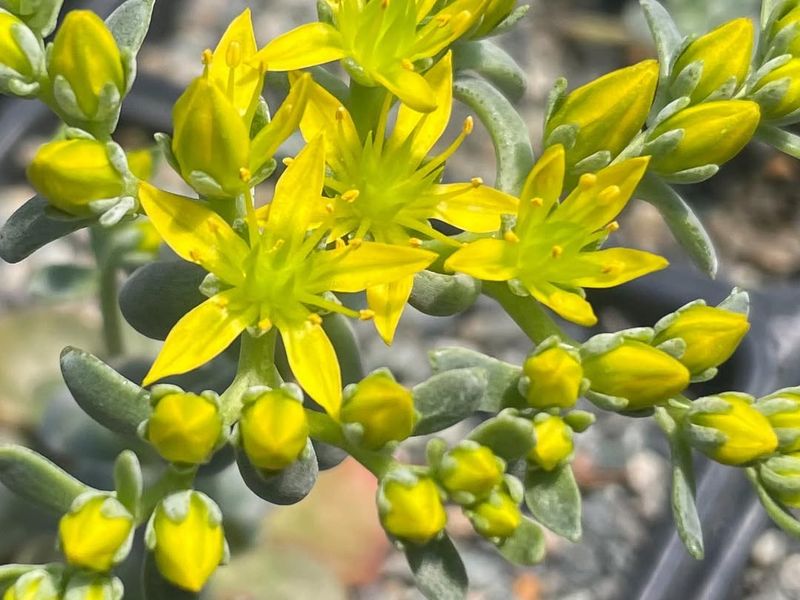
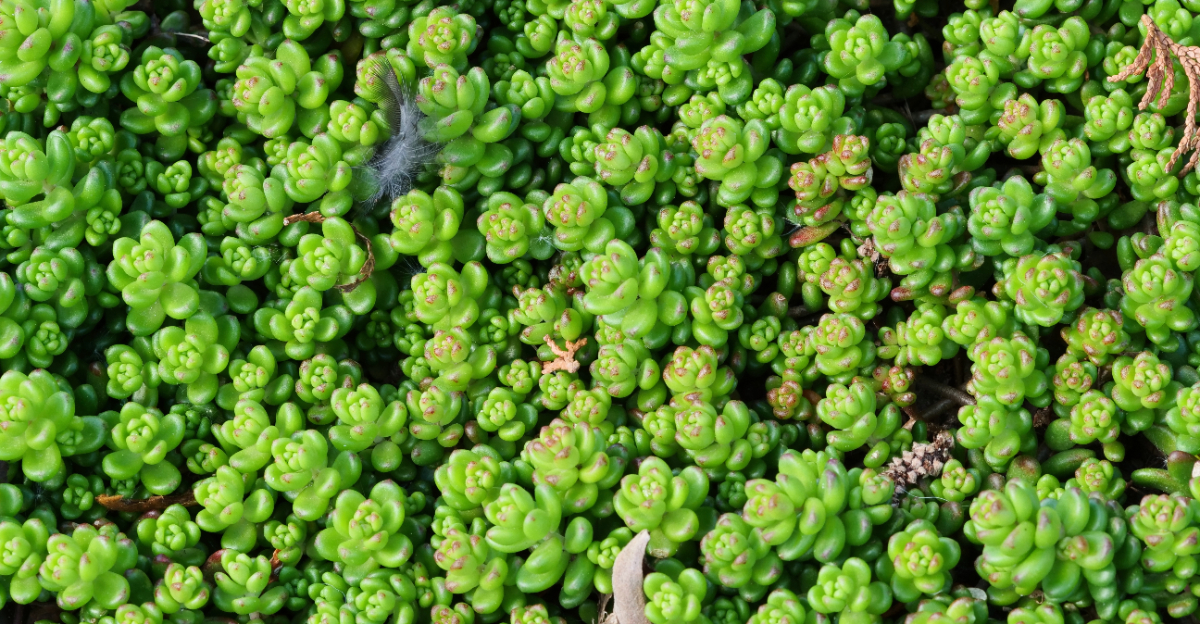
Rocky, sun-baked areas with thin, poor soil are the kind of spots that make most gardeners give up. But Oregon Stonecrop was built for exactly those conditions.
This native succulent spreads across rocky outcrops, gravel beds, and dry slopes like a slow-moving green tide, filling every crack and gap with its fleshy little leaves.
Oregon Stonecrop stores water in its thick stems and leaves, which means it barely needs any irrigation once it gets established. In Oregon’s dry summers, that is a huge advantage.
Mulch in sunny, dry spots tends to fade, scatter, and need constant replacement, while Oregon Stonecrop just keeps growing season after season.
The bright yellow star-shaped flowers that appear in late spring are a real bonus. They attract native bees and other pollinators, turning a bare, weedy patch into a lively little ecosystem.
The plant spreads by rooting wherever its stems touch the ground, so coverage expands naturally over time.
Plant it in rock gardens, along sunny pathways, or on dry slopes that erode in winter rain. It grows well in gritty, well-drained soil and handles full sun without complaint.
For tough, dry, sun-exposed problem areas in Oregon, Oregon Stonecrop is genuinely hard to beat.
6. Fringecup
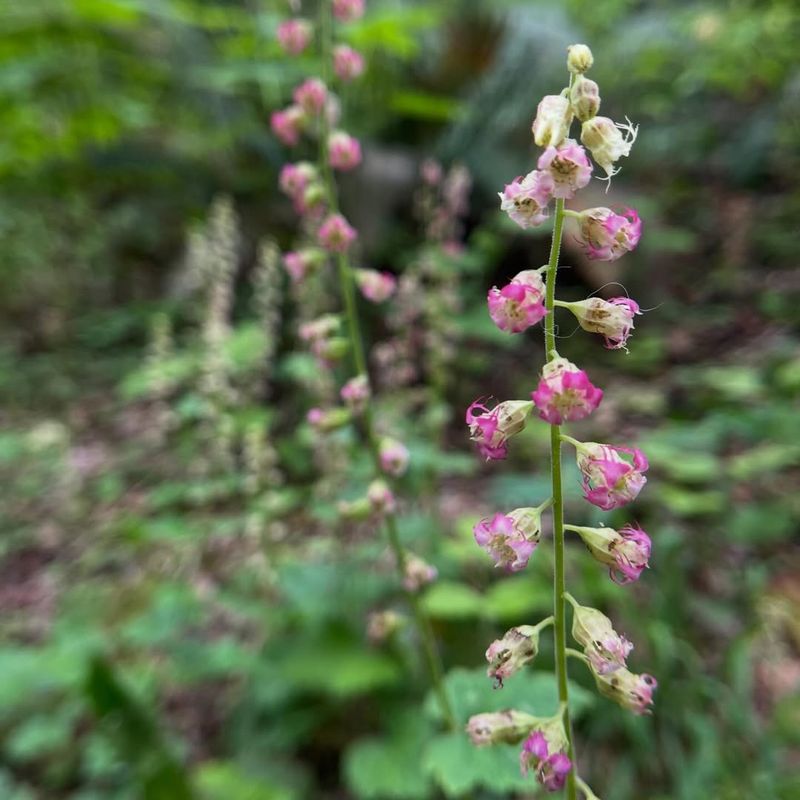
Fringecup has a look that is all its own. The scalloped, hairy leaves form a low rosette close to the ground, and in spring, tall slender stalks rise up covered in tiny, fringed flowers that range from white to soft pink.
It is a native Oregon plant that is as pretty as it is practical.
What makes Fringecup stand out as a weed barrier is how quickly it spreads by self-seeding. Once you plant a few, they fill in a shaded area over the course of two to three seasons.
The dense leaf coverage at ground level prevents weeds from getting the light and space they need to establish.
It thrives in moist, shaded spots, making it ideal for the north-facing sides of buildings, shaded fence lines, and areas under large Oregon trees. The plant handles a range of soil types, from clay to loamy forest soil, without much fuss.
Fringecup is also a great plant for attracting hummingbirds and native bees during its bloom period. It bridges the gap between ground-level coverage and vertical interest.
If you want a native that looks good, suppresses weeds reliably, and brings wildlife to your Oregon garden, Fringecup checks every single box.
7. Pacific Silverweed
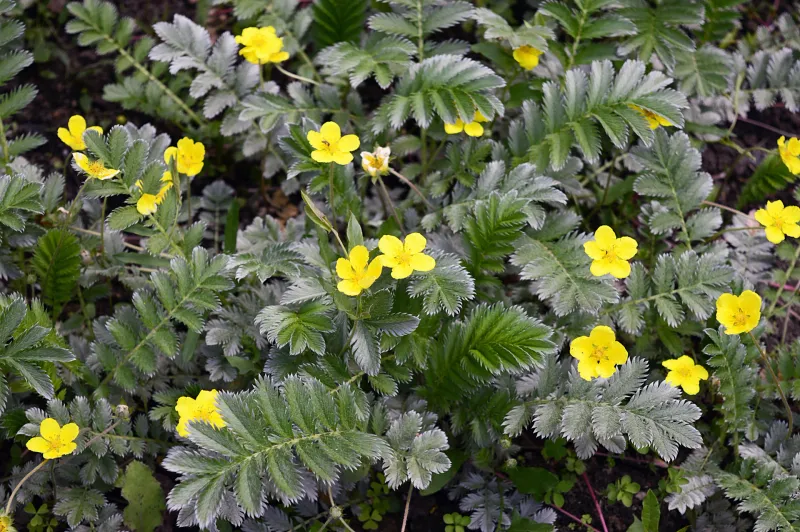
Along Oregon’s coast and in wet meadows inland, Pacific Silverweed spreads across the ground like a silver-green quilt. The undersides of its pinnate leaves have a silky, almost metallic sheen that catches the light in a really striking way.
It is one of those plants that looks too good to be a weed fighter, but it absolutely is.
Pacific Silverweed spreads aggressively through runners, similar to strawberries. It sends out long horizontal stems that root at intervals, quickly covering large areas of moist or wet ground.
In Oregon’s wetter zones, this makes it an incredibly effective living mulch that out-competes almost any weed.
It handles flooding, salt spray, and compacted soils, which makes it a top choice for problem areas near Oregon’s coast or in low spots that stay wet after rain. Mulch in those areas gets waterlogged and washed away, but Pacific Silverweed just keeps spreading.
The bright yellow flowers that bloom from late spring through summer attract native pollinators and add color to what might otherwise be a dull, wet patch of ground. Plant it where you need fast, aggressive coverage in moist conditions.
For coastal Oregon gardens and wet problem spots, Pacific Silverweed is a powerhouse native groundcover that rarely gets the credit it deserves.
8. Native Self-Heal
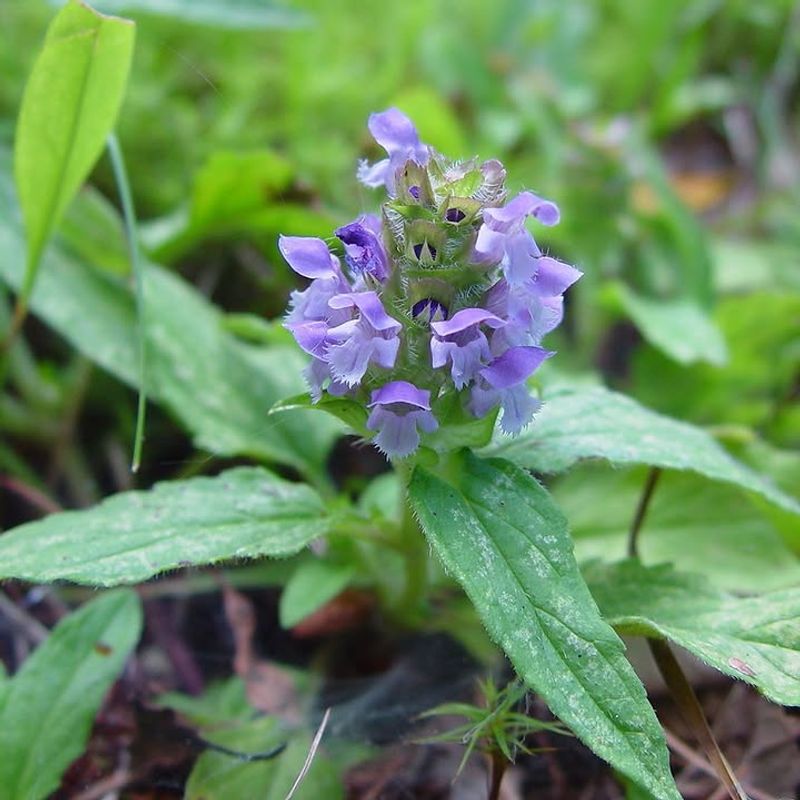
Healers come in all shapes and sizes, and Native Self-Heal is one of the most charming. This compact little plant has been used in herbal traditions for centuries, but in Oregon gardens today, it earns its place by doing something very practical: covering bare ground and shutting weeds out of sunny, moist spots.
Native Self-Heal grows low to the ground, usually no more than six inches tall. Its oval leaves form a tight mat that is surprisingly effective at blocking light from reaching the soil below.
It spreads by both runners and self-seeding, so once established, it fills in steadily without becoming a problem plant.
The dense purple flower spikes that appear in late spring and summer are loved by bumblebees and other native pollinators. That ecological benefit sets it apart from plain mulch in a big way.
You are not just suppressing weeds; you are feeding wildlife too.
Native Self-Heal works well in lawns as a grass alternative, along pathways, and in moist, sunny borders. It tolerates some foot traffic and mowing, which makes it surprisingly versatile.
Oregon gardeners looking for a low-growing, pollinator-friendly native that outperforms mulch in open, sunny spots will find Native Self-Heal a genuinely rewarding plant to grow.
9. Creeping Snowberry
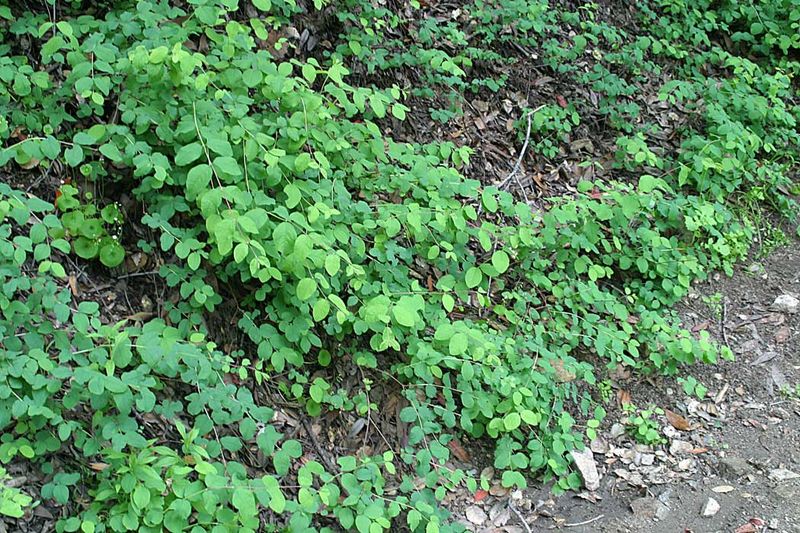
Few native plants look as charming in winter as Creeping Snowberry. The small white berries that dot its trailing stems stay on the plant well into the cold months, giving the garden color and texture when most other groundcovers have gone quiet.
But beyond its good looks, this plant is a serious performer in tough spots.
Creeping Snowberry is a low-growing shrubby plant that spreads steadily across shaded, dry ground. It handles the deep, dry shade under conifers in Oregon far better than most groundcovers, and certainly better than mulch, which tends to blow away or become hydrophobic in those conditions.
The plant grows naturally in Oregon’s dry forests and open woodlands, so it is perfectly suited to the challenging summer-dry conditions common across much of the state. Once established, it needs almost no supplemental water, making it one of the most drought-tolerant native groundcovers on this list.
Birds love the white berries, adding wildlife value to your planting. Creeping Snowberry pairs beautifully with Foothill Sedge and Evergreen Violet for a layered, diverse groundcover planting under large trees.
If you have a dry shaded slope or a difficult area under conifers in your Oregon yard, Creeping Snowberry is a smart, long-lasting solution.
10. Redwood Sorrel
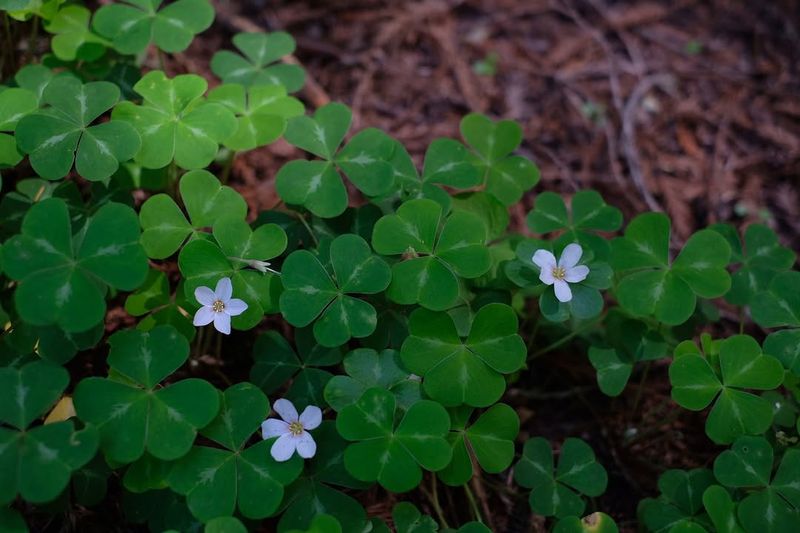
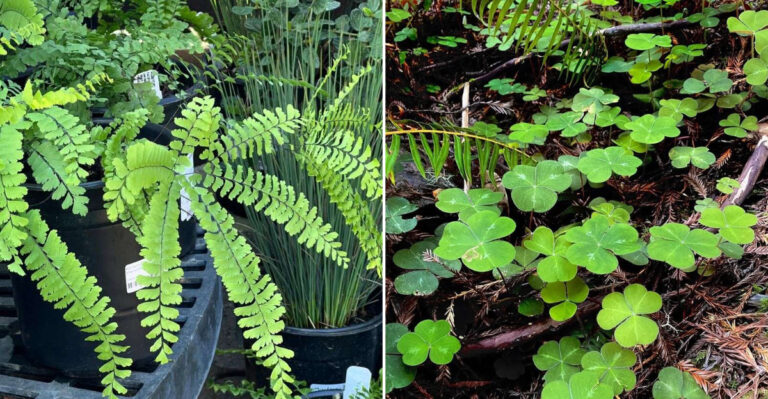
Stepping into an Oregon forest and seeing the floor carpeted in Redwood Sorrel is one of those quiet, beautiful moments that sticks with you. The clover-like leaves fold gently in bright light, giving the plant a soft, animated quality.
And when the pale pink or white flowers appear in spring, the whole forest floor seems to glow.
Redwood Sorrel is one of the most effective native groundcovers for deep shade in Oregon. It spreads through rhizomes and forms a thick, continuous mat that leaves almost no room for weeds to establish.
In truly shaded spots where even mulch breaks down quickly, Redwood Sorrel thrives and expands year after year.
It prefers moist, acidic, humus-rich soil, which describes the ground under Oregon’s coastal redwoods and Douglas firs perfectly. That makes it an ideal plant for gardens in western Oregon where these tree types dominate the landscape.
It handles the root competition and low light that come with large conifers better than almost any other groundcover.
Redwood Sorrel is also a great companion plant for ferns and Vanilla Leaf in shaded native plant gardens. Together, they create a layered, weed-resistant carpet that is both ecologically rich and visually stunning.
For deep shade challenges in Oregon, this plant is truly one of the best tools you have.