Do These Hydrangea Tasks In Ohio This May And Enjoy Gorgeous Summer Blooms
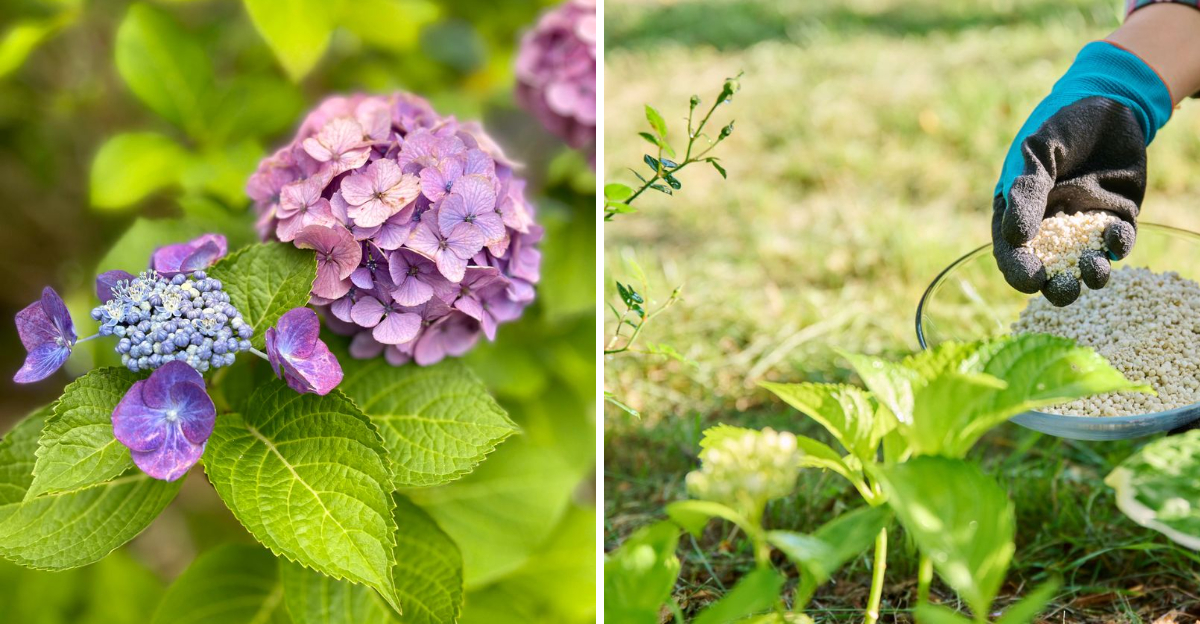
Hydrangeas reward gardeners who pay attention in May. Not because the plant is fussy or demanding, but because a few straightforward tasks done at the right time genuinely make a difference in how well they bloom come summer.
Skip them and the season still moves forward, just with less to show for it by July. Ohio’s climate works reasonably well for hydrangeas once you understand which varieties suit the conditions and what they actually need going into the growing season.
The soil is warming up, new growth is underway, and the plant is at a stage where a little focused attention lands with more impact than the same effort applied later in the year. Most of what May calls for is not complicated.
Some light pruning decisions, a feeding at the right time, a look at the soil, and a few adjustments based on how the winter treated the plant. None of it requires a lot of time or specialized knowledge.
Get these tasks sorted now and the hydrangeas tend to take care of the rest on their own terms through the rest of the season.
1. Check Which Hydrangea Type You Are Growing
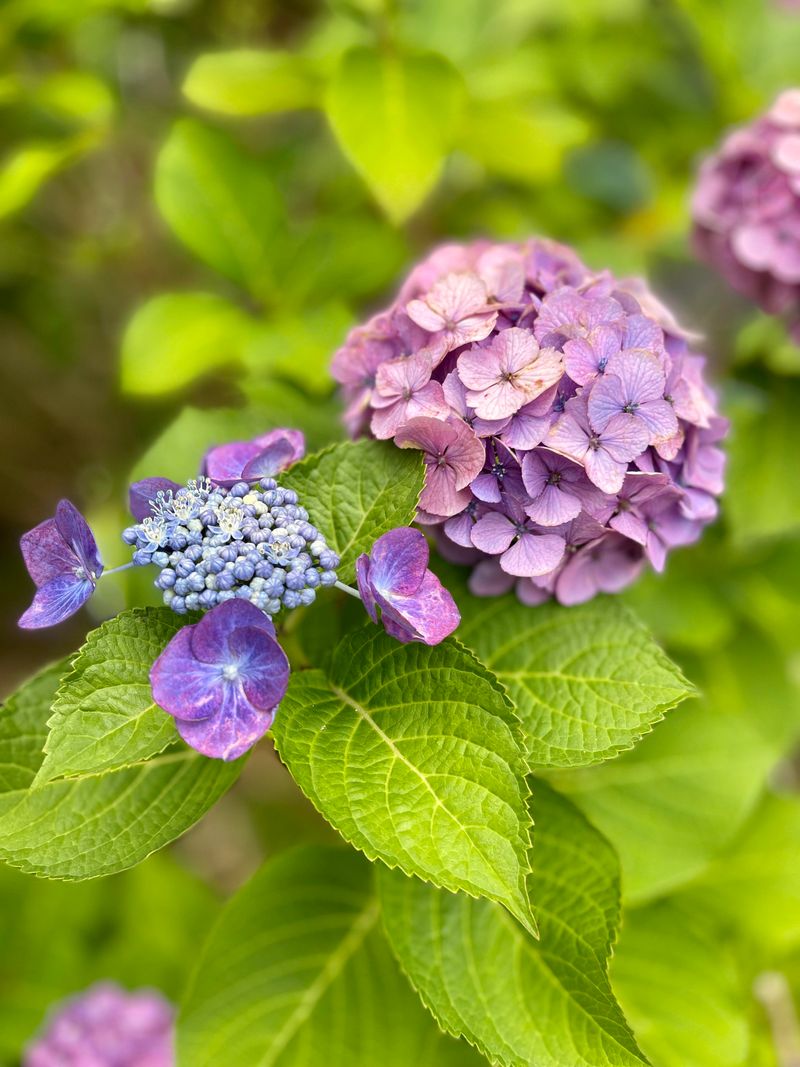
Before touching a single stem, walk up to your hydrangea and really look at it. Knowing which type you have is the single most important step in May, because the wrong move on the wrong plant can cost you an entire summer of flowers.
Ohio yards commonly host four main types: smooth hydrangeas, panicle hydrangeas, bigleaf hydrangeas, and oakleaf hydrangeas.
Smooth hydrangeas, like the familiar Annabelle, produce large round white blooms and have soft, simple leaves. Panicle hydrangeas, such as Limelight, carry cone-shaped flower clusters and tend to be very upright and sturdy.
Both of these types bloom on new wood, meaning they form flower buds on the current season’s fresh growth.
Bigleaf hydrangeas are the classic mophead or lacecap types, often in pink or blue, and they usually bloom on old wood from last year’s stems. Oakleaf hydrangeas have deeply lobed leaves that resemble oak leaves and also bloom on old wood.
Check your original plant tag if you still have it, look up the variety name online, or contact your local Ohio State University Extension office for help with identification before making any pruning decisions.
2. Prune Only The Varieties That Bloom On New Wood
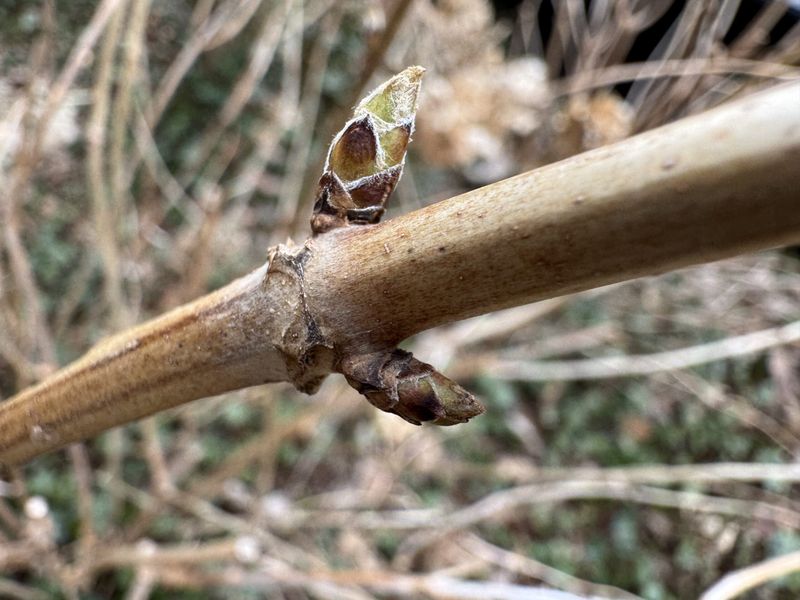
Smooth and panicle hydrangeas are the forgiving ones when it comes to spring pruning.
Because they push out flower buds on fresh new stems each year, cutting them back in late winter or early spring does not remove the coming season’s blooms.
If you missed that window and it is already May, you can still clean up these plants carefully without causing too much harm.
Focus on removing stems that are clearly weak, spindly, crossing awkwardly, or damaged from winter. Avoid heavy shearing or cutting everything back hard once you can see strong new growth already underway.
At that point, the plant is putting energy into building the stems that will carry flowers, and aggressive cutting just sets it back without real benefit.
Your Ohio Garden Changes Every Week. Your Plan Should Too.
Gardening in Ohio changes quickly throughout the season. Every Friday you’ll receive a simple weekly plan showing exactly what to plant, prune, fertilize, harvest, and protect so you never miss the right timing.
Always use clean, sharp pruners when cutting any hydrangea stem. Dull or dirty blades can crush tissue or spread disease from plant to plant.
Wipe blades with rubbing alcohol between cuts if you are moving between shrubs.
For smooth hydrangeas especially, removing about one-third of the oldest, weakest stems at the base can improve airflow and encourage stronger flowering stems without sacrificing your summer show.
3. Leave Old Wood Hydrangeas Alone For Now
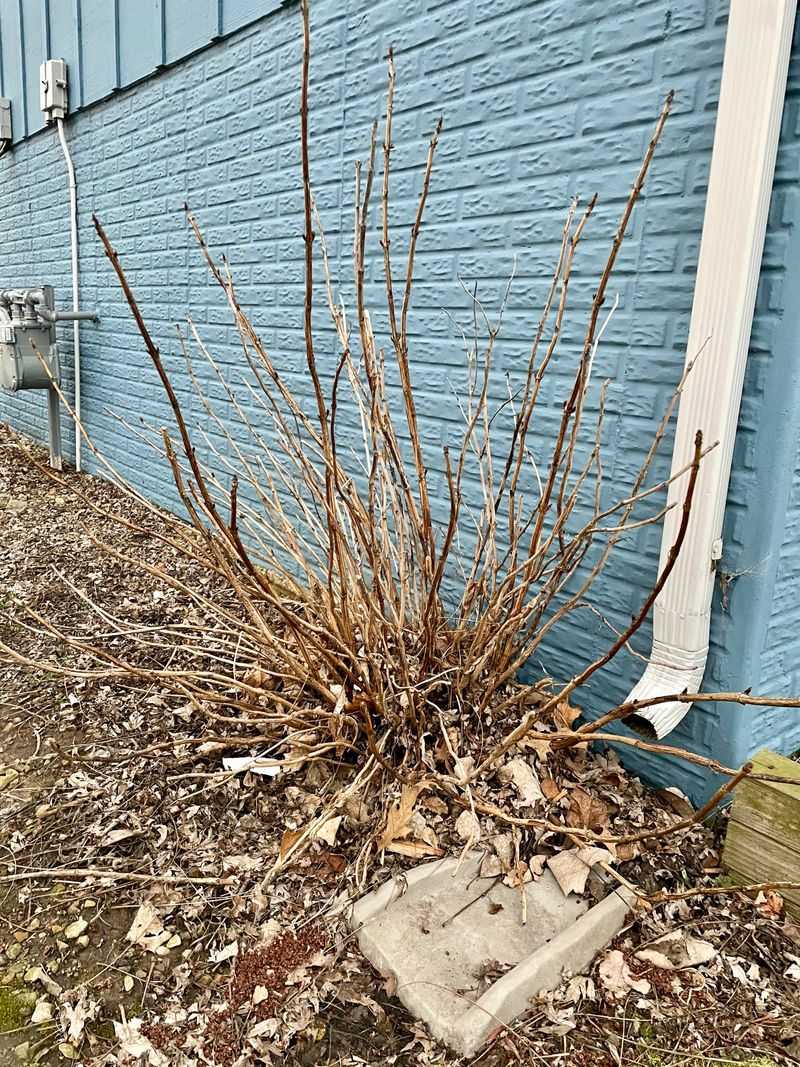
One of the most common hydrangea heartbreaks in Ohio happens when a gardener gives a bigleaf or oakleaf hydrangea a tidy haircut in May, then waits all summer for flowers that never come.
Those missing blooms were already there, quietly forming inside the buds on last year’s stems, right up until the moment the pruners came out.
Bigleaf hydrangeas, including the beloved mophead and lacecap varieties, store their flower buds on old wood through winter and into spring. Oakleaf hydrangeas follow the same pattern.
Cutting these stems back in May means removing the exact buds that would have opened into flowers by July. The plant will survive and push new growth, but blooms on old wood types will be sparse or absent for that season.
The right approach for May is to leave these shrubs largely alone. Look carefully for stems that are clearly broken, completely hollow, or showing no signs of life at all, and remove only those with careful cuts close to healthy growth.
Save any shaping or size reduction for after the plant has finished blooming later in the season. Patience now pays off with a full flush of summer color.
4. Feed Lightly Before Summer Growth Takes Off
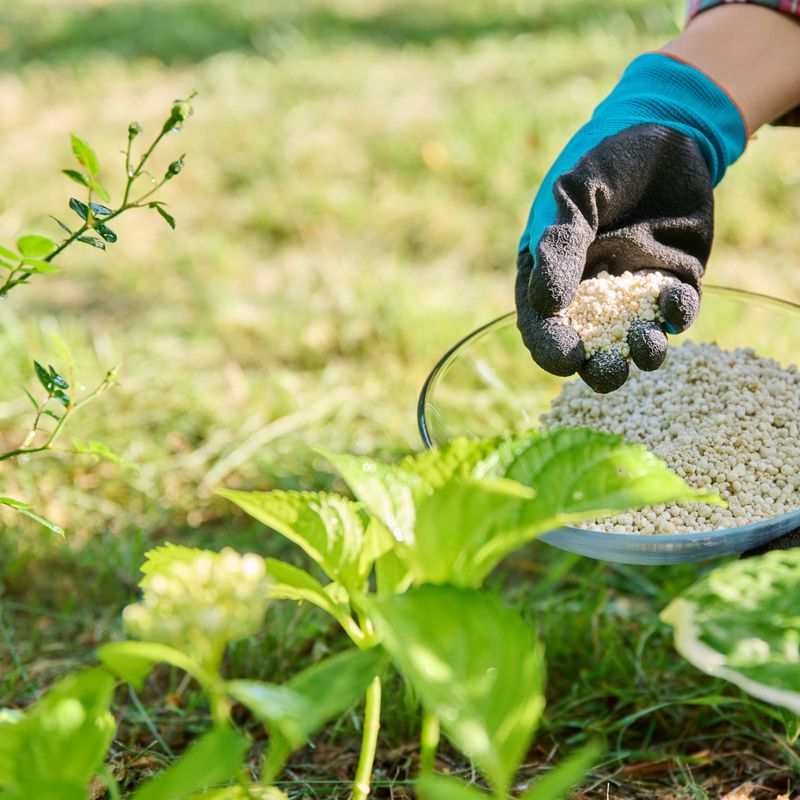
Fertilizing hydrangeas in spring can support healthy growth, but more is rarely better with these shrubs.
Dumping a heavy dose of high-nitrogen fertilizer around the base in May might seem like a generous gesture, but it can push a flush of lush leafy growth at the expense of flower production in some situations.
Balanced, moderate feeding based on actual plant needs is a smarter approach.
Soil testing is the most reliable way to know what your hydrangeas actually need before you add anything.
Ohio State University Extension offers soil testing through local county Extension offices, and the results can guide you toward the right nutrients and amounts for your specific soil.
Without testing, a balanced slow-release granular fertilizer applied according to label directions is a reasonable general option for established shrubs in spring.
Newly planted hydrangeas generally do not need heavy feeding in their first season. Focus on watering and establishment instead.
For all hydrangeas, avoid fertilizing late in the season, because pushing soft new growth too close to fall can make plants more vulnerable to cold damage. Feeding lightly and thoughtfully in May, rather than aggressively, tends to produce healthier shrubs with better long-term flowering potential over time.
5. Add Mulch Before Ohio Heat Builds
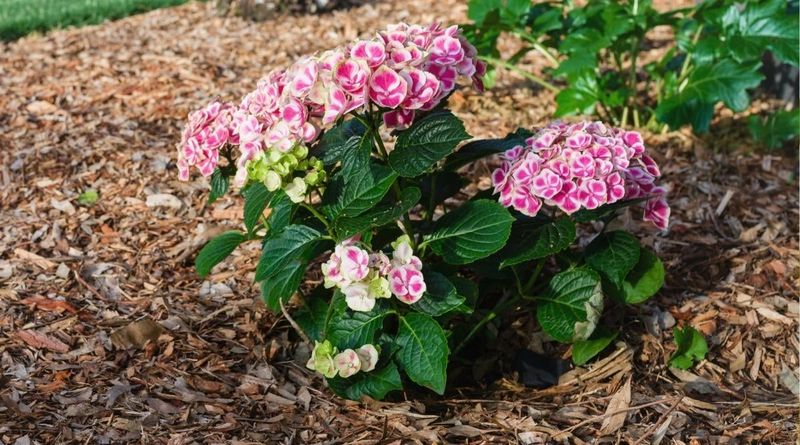
May is the right time to get mulch down around your hydrangeas before Ohio summer heat starts to stress shallow roots.
A good layer of organic mulch acts like a blanket for the soil, slowing moisture loss on dry days, moderating soil temperature swings, and reducing the weeds that compete for water and nutrients.
It is one of the simplest and most effective things you can do for these shrubs before summer arrives.
Shredded bark, leaf mold, composted wood chips, or similar organic materials work well around hydrangeas. Aim for a layer about two to three inches deep, spread out to the drip line of the plant if possible.
One detail that matters: keep the mulch a few inches away from the base of the stem. Piling mulch directly against the crown can trap moisture and create conditions favorable for rot or fungal problems.
Fresh mulch also gives planting beds a neat, finished look that many Ohio homeowners appreciate heading into the growing season. As organic mulch breaks down over time, it gradually improves soil structure and adds small amounts of nutrients.
Refresh the layer each spring rather than piling new mulch on top of thick old layers, which can become compacted and actually repel water instead of holding it.
6. Water Deeply During Dry May Stretches
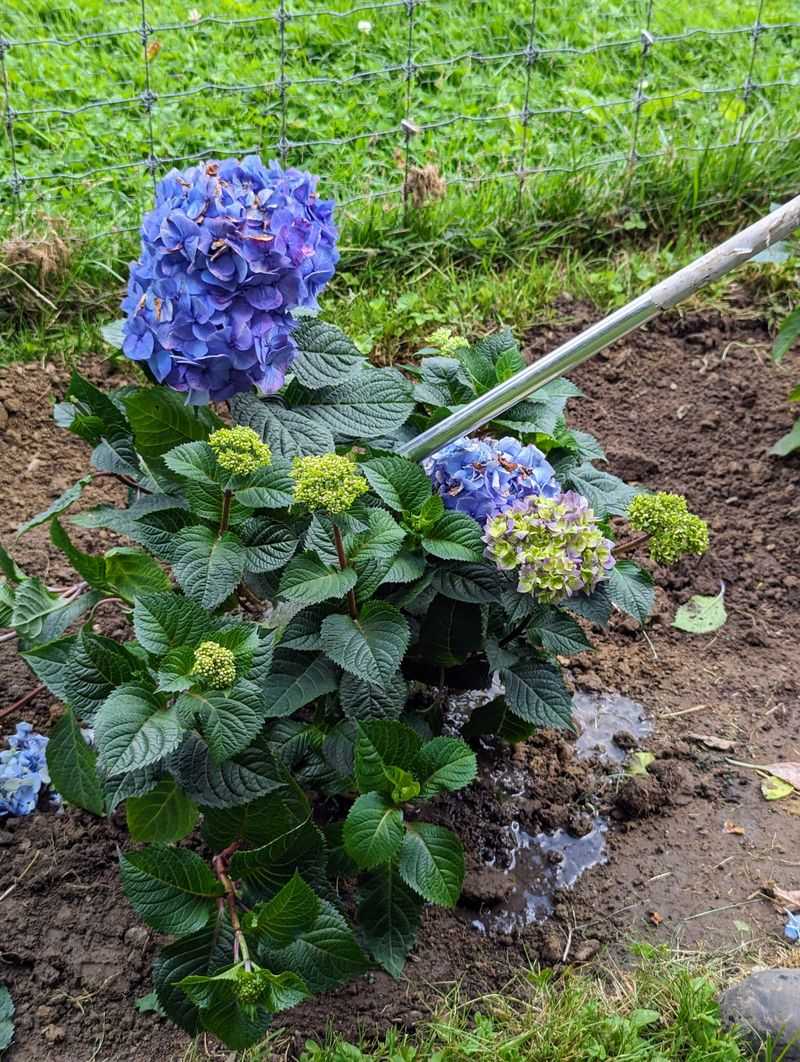
Ohio May weather does not follow a script. Some years bring steady rain every few days, while other years deliver warm, windy stretches that dry out soil surprisingly fast.
Hydrangeas are not drought-tolerant shrubs, and they will let you know when they are thirsty by wilting dramatically, especially during warm afternoons. The good news is that they often recover quickly once they get a deep drink.
Rather than watering on a fixed schedule, check the soil before reaching for the hose. Push a finger two to three inches into the ground near the base of the plant.
If the soil feels dry at that depth, it is time to water. If it still feels cool and moist, wait another day.
Watering deeply and less frequently encourages roots to grow deeper into the soil, which builds more drought resilience over time.
Direct water at the base of the plant rather than overhead. Wet foliage sitting overnight can encourage fungal leaf diseases that are already common on hydrangeas in humid Ohio summers.
Newly planted shrubs need more frequent monitoring than established ones, because their root systems have not yet spread wide enough to access moisture from a larger area. Container-grown plants need checking even more often than those growing in the ground.
7. Watch For Late Frost Damage On Tender Buds
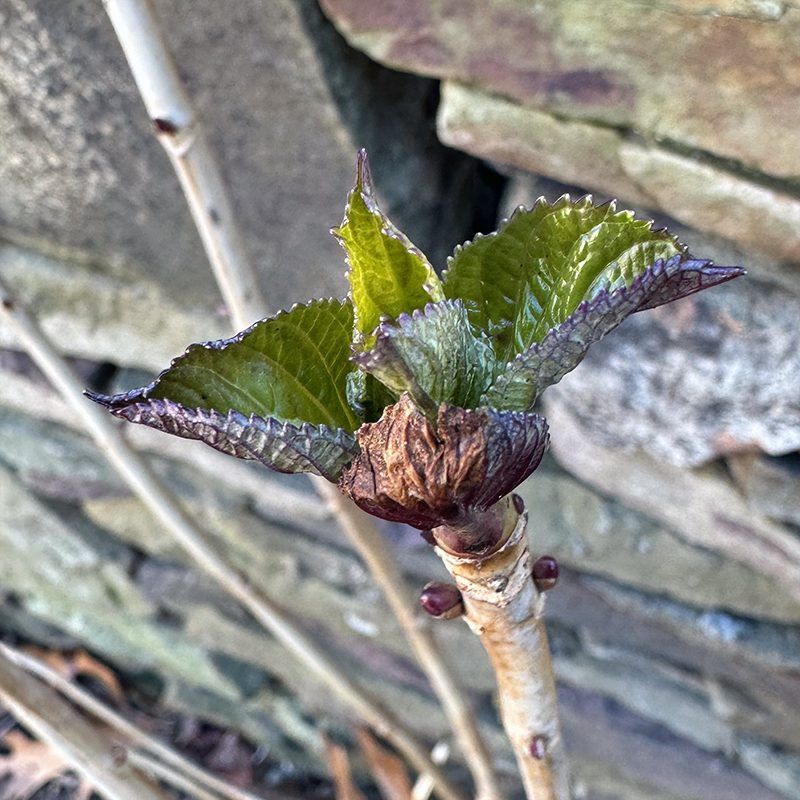
A warm week in early May can make it feel like winter is completely finished in Ohio, but experienced gardeners know better.
Late frost events are not unusual across the state, and they can be especially damaging to the tender new growth and flower buds that hydrangeas push out during mild spring spells.
Northern Ohio and areas away from the lake’s moderating influence can face frost risk well into May.
Bigleaf hydrangeas are particularly vulnerable because their buds break early and the new growth is soft and easily damaged by even a light freeze.
If a frost is forecast after your hydrangeas have leafed out, covering plants overnight with a lightweight frost cloth or even old bedsheets can provide meaningful protection.
Remove covers during the day so plants get air and light.
If frost damage does occur, wait before reacting. Damaged tissue turns brown or black, but that does not mean the entire stem or plant is lost.
Give it a week or two of warmer weather and look for signs of recovery lower on the stem before cutting anything away.
Cutting too aggressively after frost damage can remove stems that were still capable of producing some flowers later in the season, so patience is genuinely useful here.
8. Give Potted Hydrangeas Extra May Attention
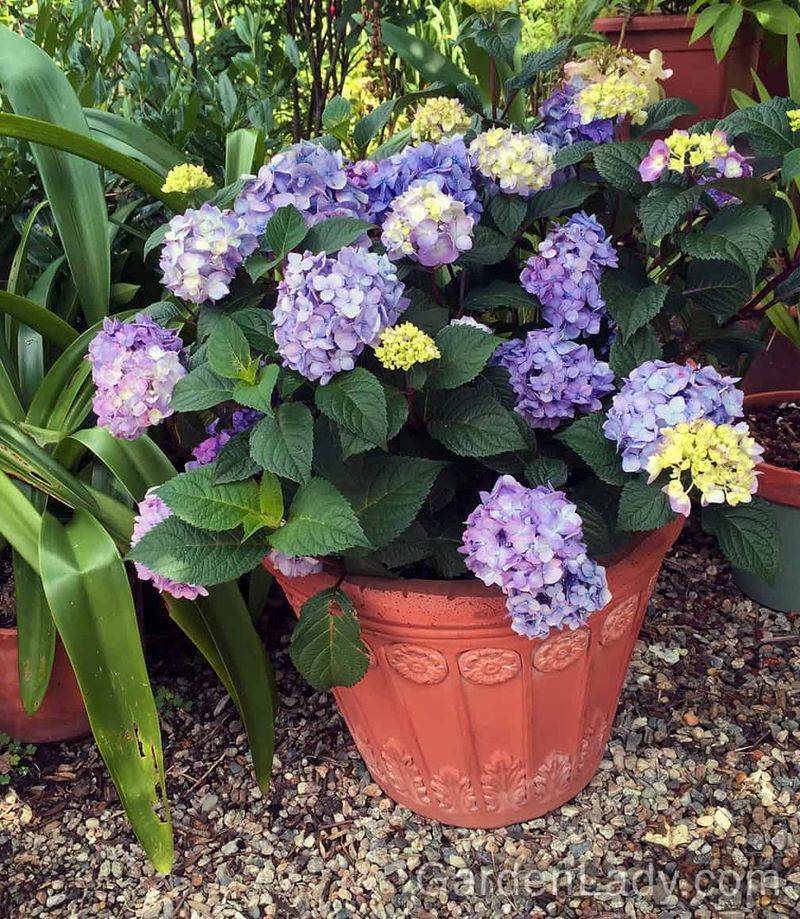
Growing a hydrangea in a container comes with a different set of challenges than planting one in the ground.
Pots heat up faster on warm days and cool down faster on cold nights, which means container hydrangeas experience more temperature stress than their in-ground neighbors.
In Ohio’s variable May weather, that can add up quickly if you are not paying close attention.
Drainage is non-negotiable for potted hydrangeas. A pot without proper drainage holes will hold water around the roots after heavy spring rains, and that soggy condition causes root problems that weaken the plant over time.
Avoid leaving saucers filled with standing water under pots for more than a day. Check the soil moisture in containers more often than you would for in-ground plants, because pots dry out faster, especially on windy days.
If a hard frost is in the forecast and your potted hydrangea has already pushed tender new growth, moving the container to a sheltered garage, covered porch, or shed overnight can prevent damage.
Containers are one of the few situations where that kind of temporary relocation is practical.
Position pots where they receive morning sun and some afternoon shade, and make sure they are not sitting in a wind tunnel that will dehydrate the plant faster than you can keep up with watering.
9. Protect Blooms With The Right Sun And Shade Balance
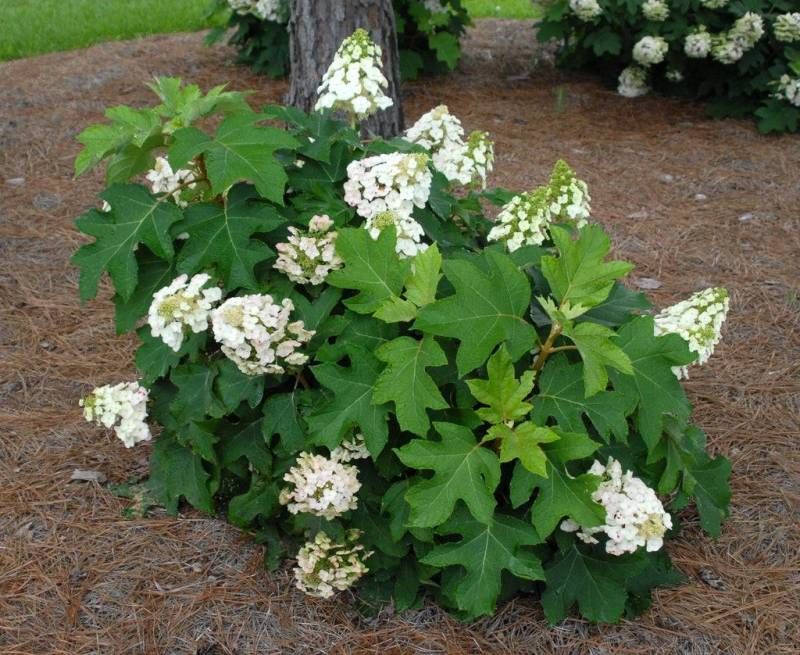
Light placement affects how well hydrangeas bloom more than many gardeners realize. A bigleaf hydrangea that gets blasted by hot afternoon sun in an exposed Ohio yard may wilt repeatedly, produce fewer flowers, and show scorched leaf edges by midsummer.
Moving or adjusting the light environment is not always possible, but understanding what your plant prefers helps you manage the situation better.
Most bigleaf and oakleaf hydrangeas perform best with morning sun and afternoon shade, especially in warmer or more exposed Ohio locations.
Morning light supports photosynthesis and flower development, while afternoon shade reduces heat stress during the hottest part of the day.
Panicle hydrangeas are more sun-tolerant and can handle full sun in most Ohio sites as long as they receive consistent moisture through dry stretches.
Watch your plants in May for early clues about whether light conditions are working.
Wilting that does not recover after evening watering, pale or yellowing leaves, weak and spindly stem growth reaching toward light, or very few flower buds forming can all signal that the light balance is off.
Shade that is too dense can reduce blooming just as much as too much direct sun. Young transplants and recently divided shrubs are especially sensitive to light stress while they are still getting established in a new spot.