5 Tulip Varieties That Return Reliably In Michigan And 4 That Bloom Once And Don’t Come Back
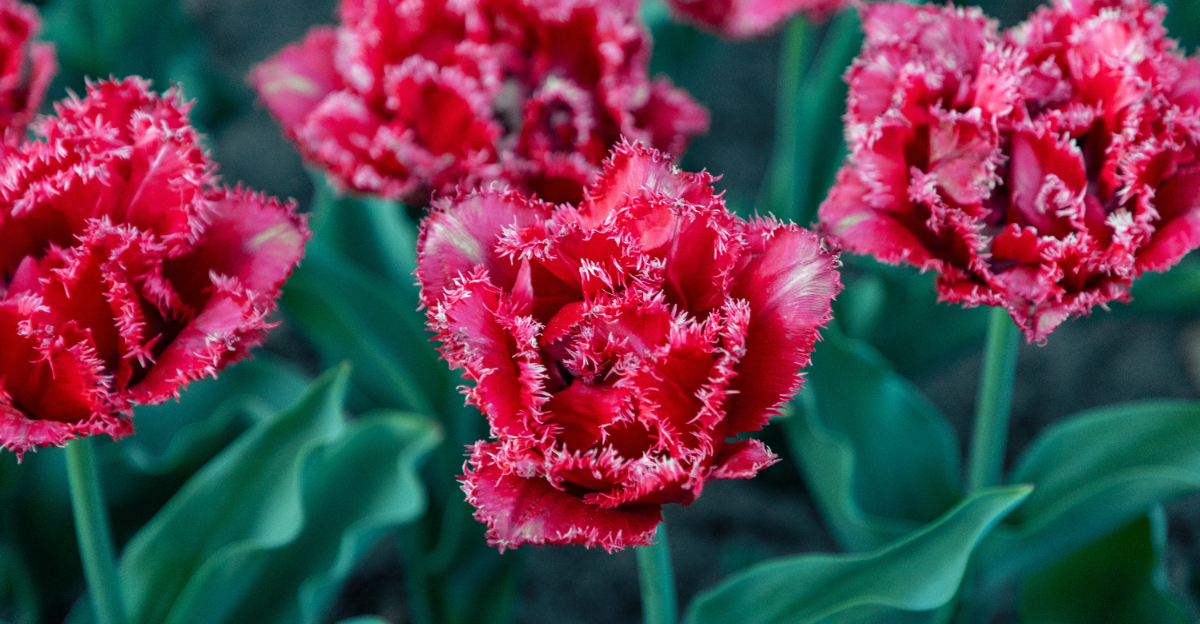
Tulips are one of the great disappointments of Michigan gardening, and most people don’t find out why until after the first season.
You plant a bag of bulbs in the fall, get a beautiful show in spring, and then spend the next year waiting for a repeat performance that never quite arrives.
Some varieties come back strong. Others put on one spectacular show and then fade into smaller, weaker growth until there’s nothing worth watching anymore. The frustrating part is that the bulb bag rarely tells you which kind you’re buying.
So gardeners keep replanting the same varieties, wondering what they’re doing wrong, when the real issue is simply that some tulips are built to naturalize and return and others are not.
Knowing the difference before you plant saves you money, effort, and a fair amount of confusion when spring rolls around and only half your garden shows up.
1. Darwin Hybrid Tulips (Tulipa Darwin Hybrids)
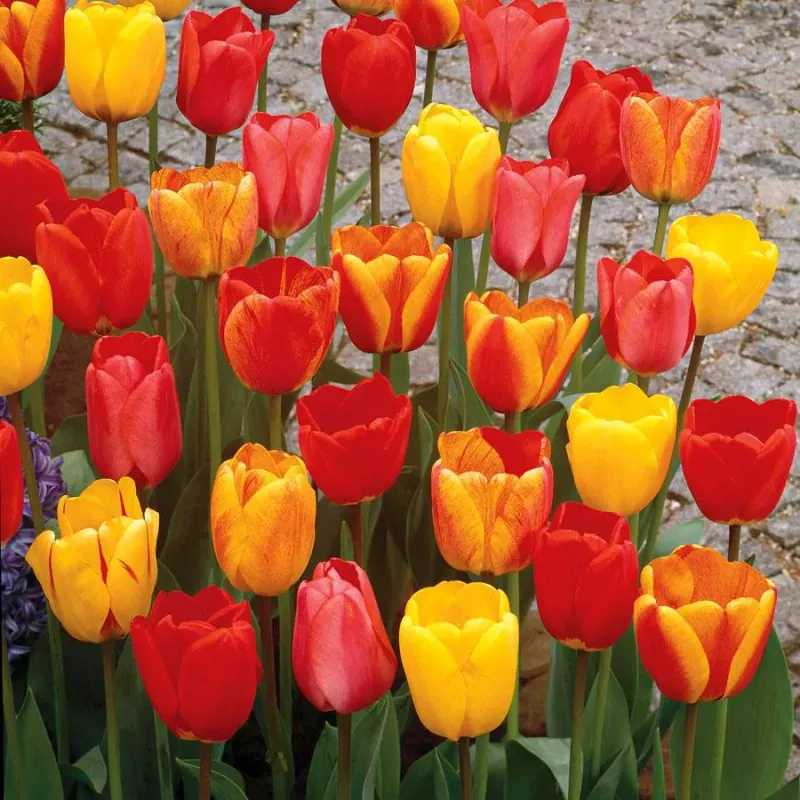
Few tulips have earned their reputation quite like Darwin Hybrids. Year after year, Michigan gardeners count on these bold, large-cupped beauties to push through the cold spring soil and deliver a stunning show.
They are widely considered one of the most reliably returning tulip varieties in the entire Midwest, and for good reason.
Darwin Hybrids were created by crossing Fosteriana tulips with classic Darwin tulips, resulting in a bulb that is both vigorous and surprisingly tough.
The flowers can grow around 20 inches tall with blooms that stretch wide in shades of red, orange, yellow, and pink.
Planted in full sun with well-drained soil, they thrive in Michigan’s climate better than almost any other hybrid tulip.
The secret to keeping them coming back strong is letting the foliage fully yellow before removing it after bloom. This process helps the bulb store energy for the next season.
Planting in raised beds or slopes where water drains away quickly during summer dormancy also makes a big difference. Many gardeners in Michigan report seeing their Darwin Hybrids return reliably for five or more years when given proper care.
If you want a tulip that truly delivers season after season across Michigan landscapes, Darwin Hybrids are your most dependable starting point.
2. Fosteriana Tulips (Tulipa Fosteriana Hybrids)
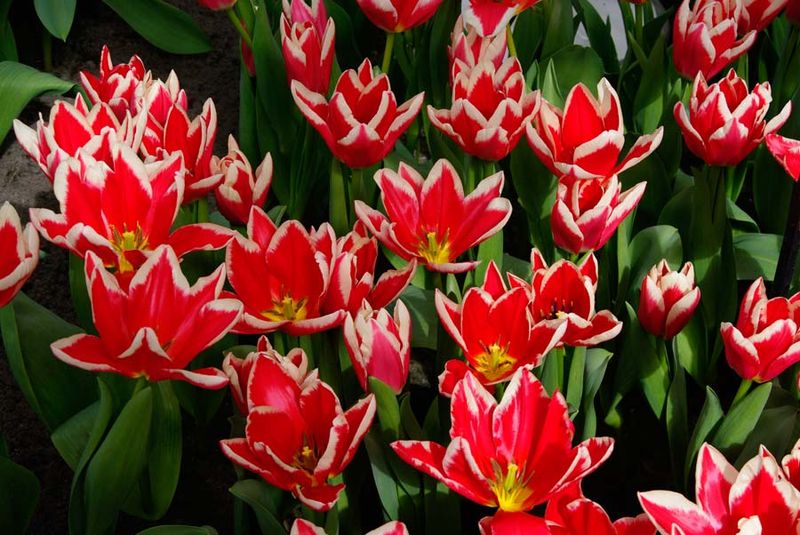
Fosteriana tulips are a hidden gem that many Michigan gardeners overlook when planning their spring garden.
These early-blooming beauties open up weeks before other tulips even think about budding, bringing bold color to the yard when most plants are still waking up from winter. Their large, wide petals and sturdy stems make them a real standout in any garden setting.
What makes Fosteriana tulips especially valuable in Michigan is their stronger bulb structure compared to many modern bedding tulips.
They have a natural tendency to return and multiply over time, especially when planted in sunny spots with soil that drains well.
The famous variety called Red Emperor is one of the most recognized Fosteriana types, known for its massive scarlet blooms that practically glow in early spring light.
Your Michigan Garden Changes Every Week. Your Plan Should Too.
Gardening in Michigan changes quickly throughout the season. Every Friday you’ll receive a simple weekly plan showing exactly what to plant, prune, fertilize, harvest, and protect so you never miss the right timing.
Fosteriana tulips originated in Central Asia, where they evolved to handle dry summers and cold winters, which is part of why they adapt so well to Michigan conditions.
Giving them a spot where the soil stays fairly dry during summer dormancy encourages stronger bulb development for the following year. Avoid heavy clay soils, which can cause bulbs to rot before they get a chance to rebloom.
With just a little attention to drainage and sunlight, Fosteriana tulips reward Michigan gardeners with beautiful, reliable blooms that come back more consistently than most other tulip types.
3. Greigii Tulips (Tulipa Greigii Hybrids)
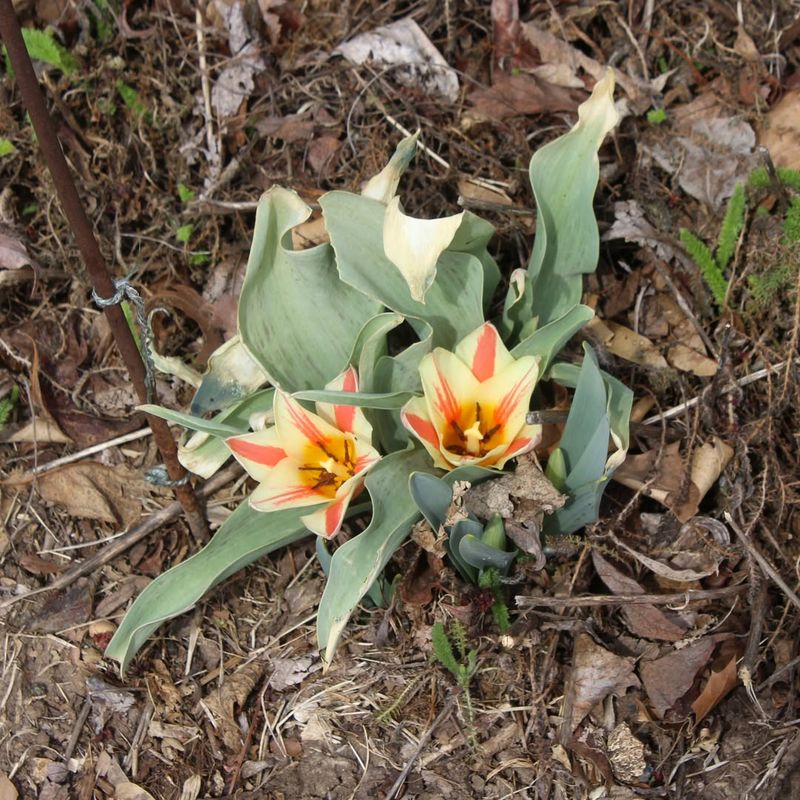
Greigii tulips bring something extra to the garden that most other tulips simply cannot offer.
Beyond their cheerful, cup-shaped flowers in shades of red, orange, yellow, and coral, these tulips come with beautifully mottled or striped leaves that look ornamental even before the blooms appear.
In Michigan gardens, that extra visual interest is a welcome bonus during the slow transition from late winter to spring.
Shorter than many garden tulips, Greigii varieties typically grow between six and ten inches tall, which makes them more wind-resistant and better suited for exposed spots in Michigan yards.
Their compact size also makes them excellent for container planting on patios or along garden borders where taller tulips might flop or struggle.
The strong, sturdy stems hold up well even in early spring weather that can turn blustery without much warning.
Greigii tulips tend to return more reliably than tall, heavily bred varieties because their bulbs hold energy more efficiently. Planting them in full sun with sandy or loamy, well-drained soil gives them the best chance of coming back each year.
Named after Russian botanist Samuel Greig, these tulips have Central Asian roots that give them a natural resilience to cold winters and dry summers.
Michigan gardeners who have tried them often say they are pleasantly surprised by how well these compact, colorful tulips perform across multiple growing seasons.
4. Kaufmanniana Tulips (Tulipa Kaufmanniana Hybrids)
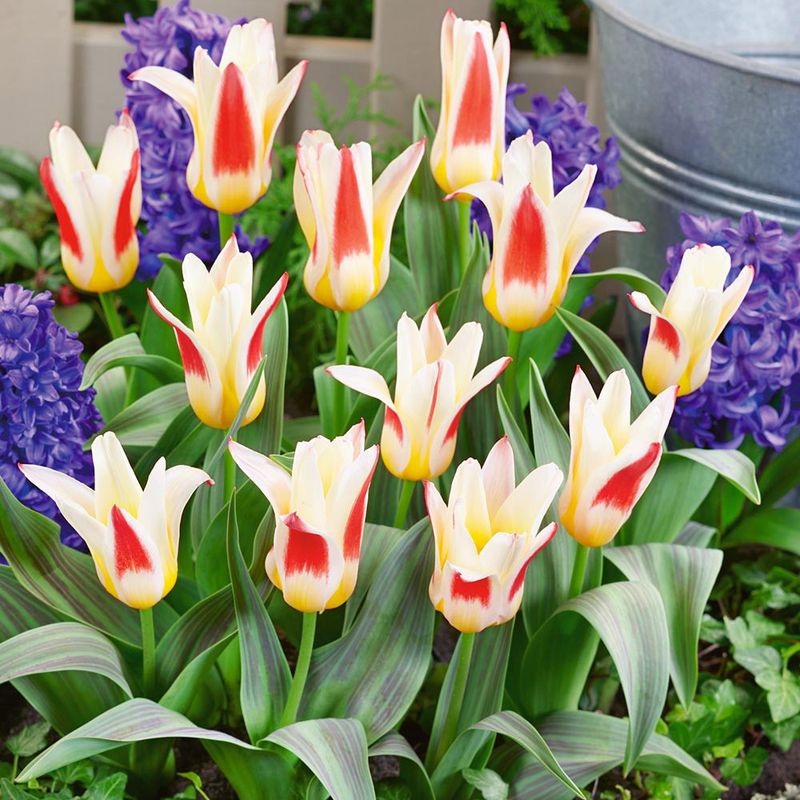
Sometimes called the waterlily tulip, Kaufmanniana tulips have a charm that is completely their own. When the sun hits them just right, their wide, star-shaped blooms open nearly flat, revealing a brilliant two-toned interior that looks almost too beautiful to be real.
Michigan gardeners who plant them for the first time are usually amazed by how early they bloom, often appearing in March before most other spring flowers have even stirred.
Kaufmanniana tulips are one of the best choices for naturalizing in Michigan landscapes, meaning they spread and return more reliably over time than many standard garden tulips.
Their bulbs are compact and strong, and they prefer the kind of dry, well-drained soil that Michigan’s sandy regions naturally provide.
Planting them in rock gardens, sloped beds, or raised planters gives them the drainage they need to stay healthy through summer dormancy.
These tulips were named after Eduard von Kaufmann, a Russian official, and they originate from the Tian Shan mountain region of Central Asia.
That high-altitude background gives them a natural tolerance for cold snaps and fluctuating spring temperatures, which is exactly what Michigan throws at gardeners every year.
Varieties like Ancilla, Shakespeare, and Stresa are popular choices that perform especially well across the state. Low-maintenance and long-lasting, Kaufmanniana tulips are a smart investment for any Michigan garden looking for dependable early color.
5. Species Tulips (Tulipa Species)
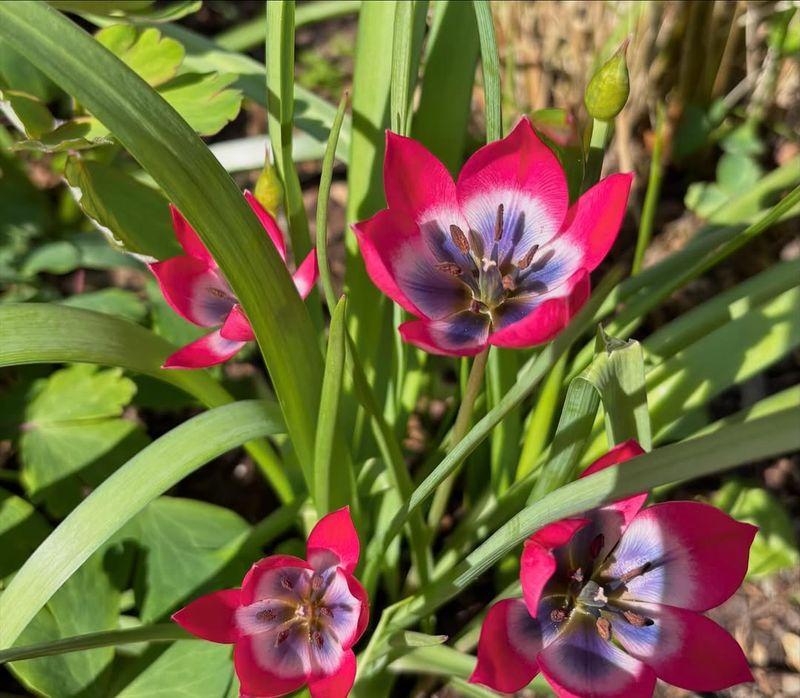
If you want tulips that truly feel at home in Michigan soil and keep coming back without much fuss, species tulips are the answer.
These small botanical tulips are the wild ancestors of all the big showy hybrids we know today, and they carry a natural toughness that modern cultivars simply cannot match.
Planted in the right spot, they can naturalize beautifully and spread across a garden over many years.
Species tulips stay small, usually between three and eight inches tall, but what they lack in size they make up for in personality.
Varieties like Tulipa humilis, Tulipa clusiana, and Tulipa tarda produce delicate star-shaped or goblet-shaped flowers in soft pinks, bright yellows, crisp whites, and vivid reds.
Their petite size makes them perfect for rock gardens, gravel paths, and sunny borders where their charm really shines through.
Sharp drainage is the single most important factor for keeping species tulips thriving in Michigan. They evolved in rocky, arid mountain environments across Central Asia and the Middle East, so soggy soil is their biggest enemy.
Full sun, lean soil, and a dry summer rest period are what these little tulips truly love. Unlike many large-flowered hybrids that fade after one or two seasons, species tulips can persist and multiply for a decade or longer when conditions are right.
For Michigan gardeners seeking the most long-lasting tulip investment, species tulips are the clear winner.
6. Parrot Tulips (Tulipa Parrot Hybrids)
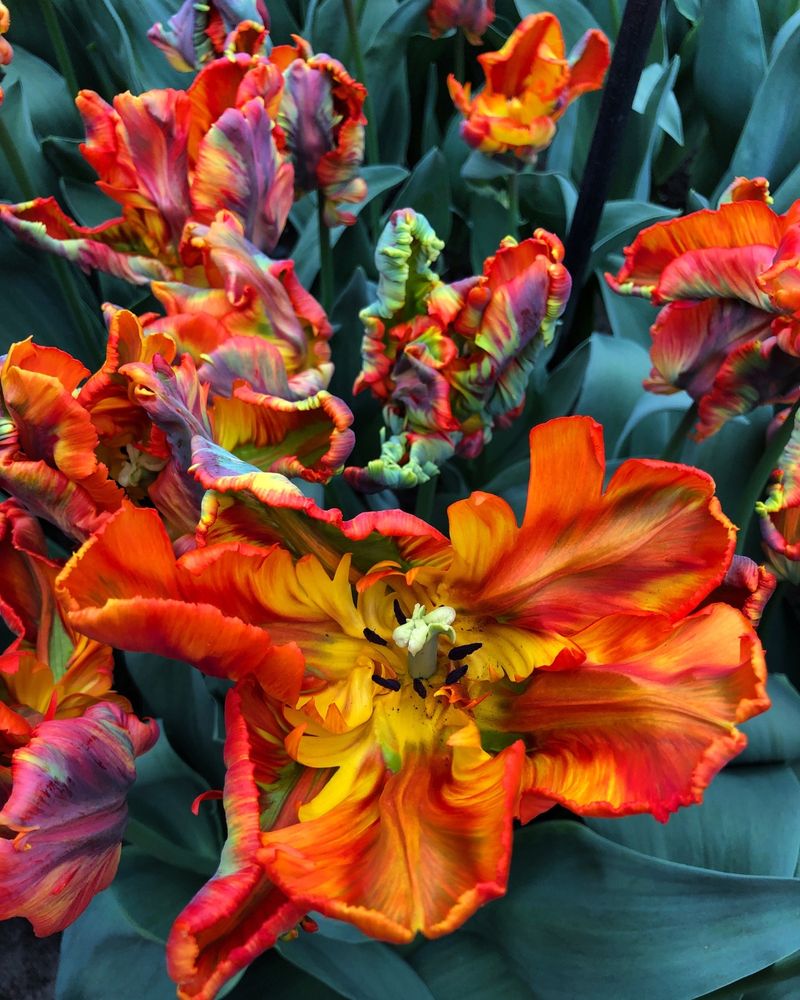
Parrot tulips are easily the most dramatic flower in the tulip world. Their wildly ruffled, feathery petals look like something out of a tropical painting, with swirling combinations of red, pink, orange, purple, green, and white that stop people in their tracks.
In Michigan gardens, they create an instant focal point and draw compliments from anyone who passes by the yard.
The downside of all that visual drama is that Parrot tulips are not strong performers when it comes to returning reliably.
Their bulbs tend to be weaker than those of species or Darwin Hybrid tulips, and the heavy flower heads can strain the plant’s energy reserves significantly.
Many Michigan gardeners find that Parrot tulips put on a spectacular first-year show but come back thinner and less impressive in following seasons before eventually fading out altogether.
Parrot tulips developed as natural mutations of other tulip varieties, and their unusual petal shape comes from a genetic quirk that also makes the bulbs less vigorous over time.
If you love them and want to enjoy them year after year, the most practical approach is to treat them as annuals and replant fresh bulbs each fall.
Buying high-quality bulbs from a reputable supplier and planting them in well-drained soil with full sun gives you the best possible first-year display. For Michigan gardeners, they are a gorgeous seasonal treat rather than a long-term garden resident.
7. Double Late Tulips (Tulipa Double Late Hybrids)
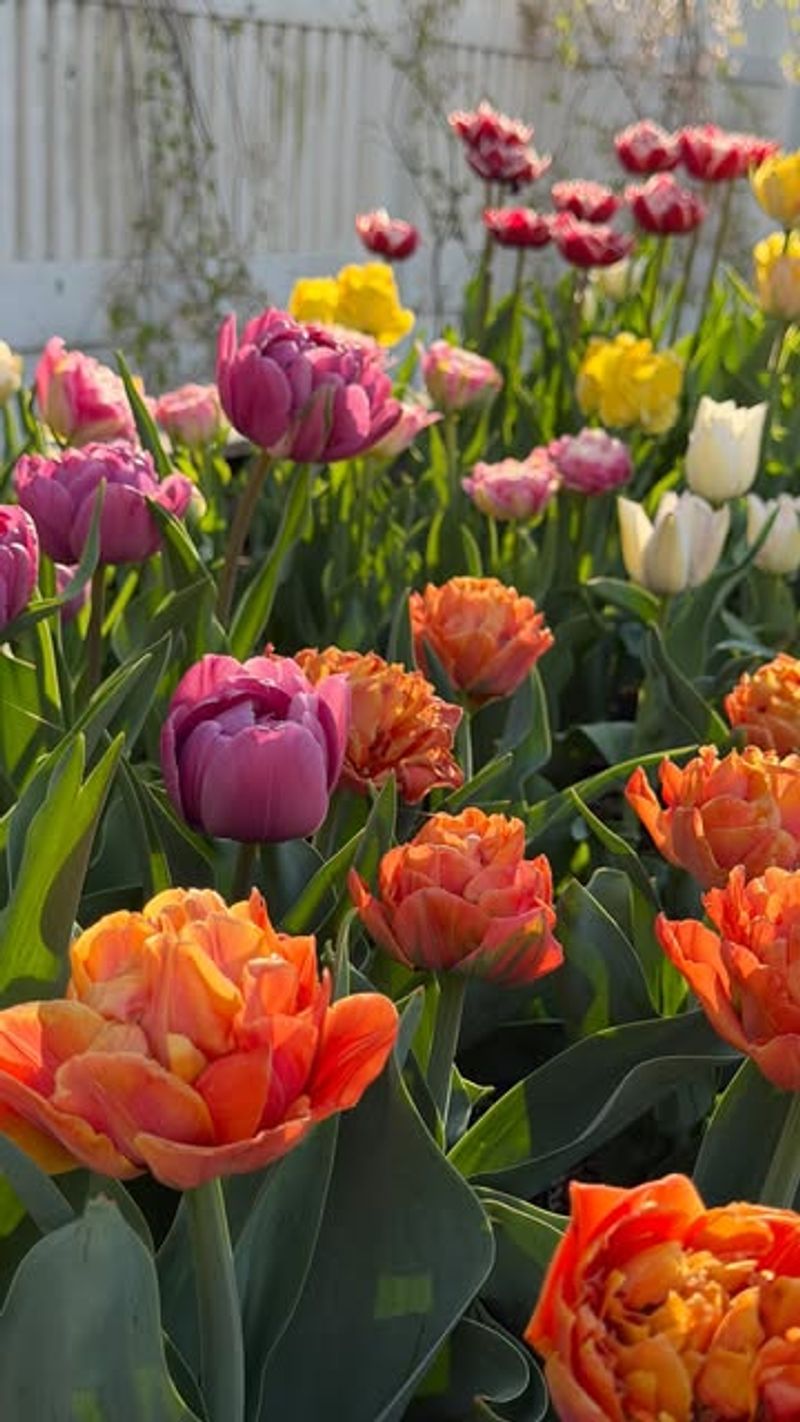
Double Late tulips are often called peony-flowered tulips, and once you see them in bloom, the nickname makes perfect sense.
Their thick, layered petals stack up into enormous, lush blooms that look more like peonies than tulips, creating a truly luxurious effect in any garden setting.
Michigan gardeners who want a show-stopping late-season display often reach for these beauties without hesitation.
The problem is that all those gorgeous extra petals come at a cost to the bulb. The energy required to produce such large, heavy flowers leaves very little reserve for the bulb to rebuild itself for the following season.
As a result, Double Late tulips rarely return with the same strength and fullness after their first year in Michigan gardens. Some bulbs may push up a few leaves or smaller flowers in year two, but the full, dramatic display is usually a one-time event.
Heavy rain and strong wind can also cause these tall-stemmed, heavy-headed tulips to flop over, especially in Michigan’s unpredictable late spring weather. Planting them in a sheltered spot near a fence or hedge helps protect the blooms from wind damage.
Many experienced Michigan gardeners simply enjoy Double Late tulips as a luxurious annual treat, pulling the bulbs after bloom and replacing them each fall with fresh stock.
Varieties like Angelique, Mount Tacoma, and Black Hero are especially popular choices for their breathtaking flower forms and rich, jewel-toned colors.
8. Fringed Tulips (Tulipa Fringed Hybrids)
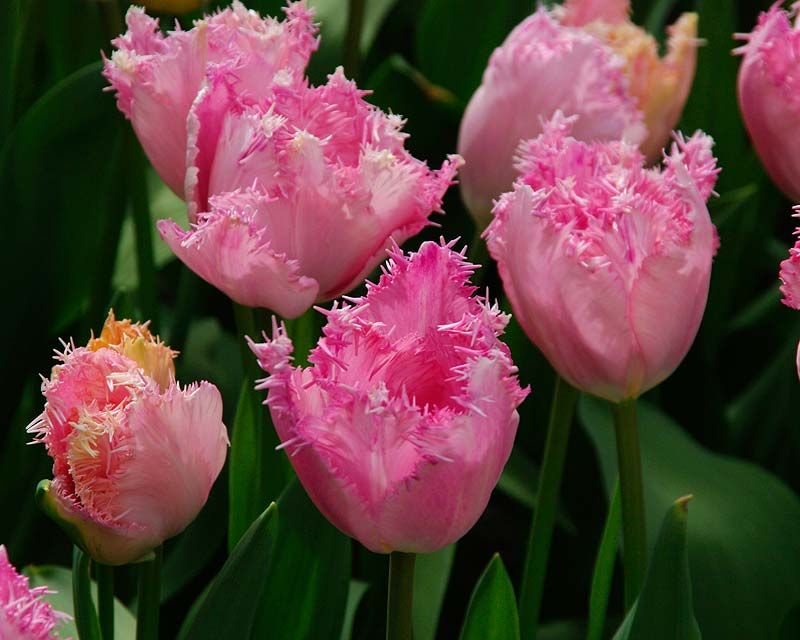
Fringed tulips look like they were trimmed by a fairy with a pair of tiny scissors. The edges of each petal are delicately cut into fine, crystal-like fringe that catches the light and gives the flowers an almost jeweled appearance.
In a Michigan garden, they stand out from every other tulip in the bed and spark curiosity from anyone who sees them up close for the first time.
Despite their stunning looks, Fringed tulips are generally grown more for their ornamental flower form than for long-term garden performance.
Their bulbs tend to be moderately vigorous at best, and repeat blooming in Michigan gardens is often inconsistent from year to year.
Some gardeners report decent returns in the second season, while others find the bulbs produce only foliage or much smaller blooms after the first year.
Fringed tulips belong to Division 7 in the official tulip classification system and are typically late-season bloomers, which means Michigan gardeners get to enjoy them just as the spring garden is reaching its peak.
Popular varieties include Burgundy Lace, Swan Wings, and Blue Heron, each offering its own unique color and fringe texture.
Planting them in full sun with excellent drainage and feeding the soil with a balanced bulb fertilizer in fall can improve their chances of returning.
Even so, most Michigan gardeners find it worthwhile to treat them as short-term investments and refresh the planting every two to three years.
9. Triumph Tulips (Tulipa Triumph Hybrids)
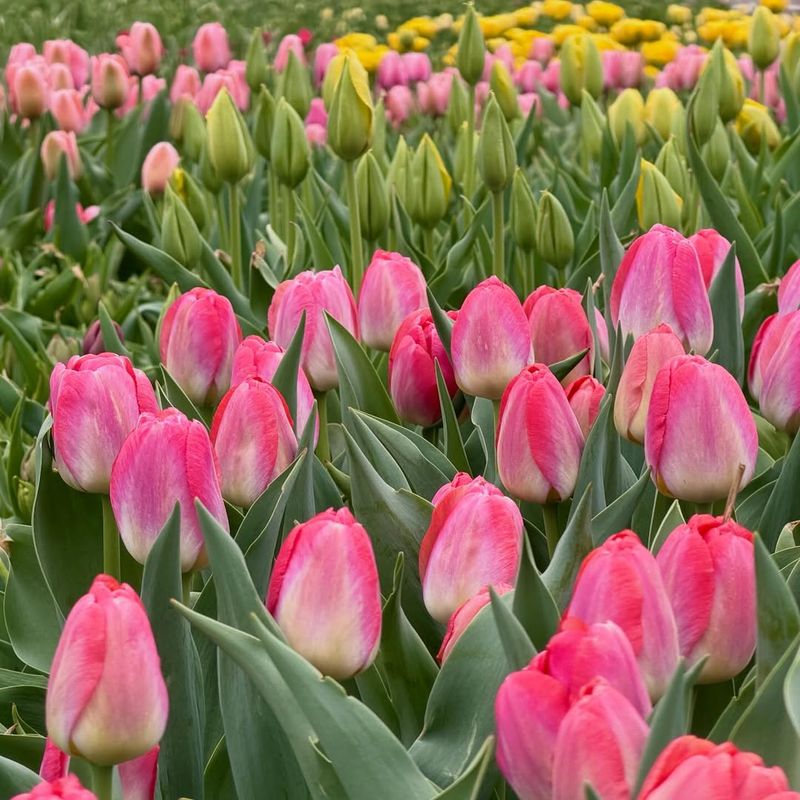
Walk through any garden center in Michigan each fall, and Triumph tulips will be everywhere. They are the most widely sold tulip variety in the world, and it is easy to see why.
Strong stems, classic cup-shaped blooms, and an incredible range of colors from pure white to deep purple make them the go-to choice for gardeners who want a reliable, beautiful spring display without a lot of guesswork.
Triumph tulips were developed by crossing early single tulips with late Darwin tulips, producing a mid-season bloomer that is sturdy, colorful, and easy to grow.
In Michigan, they perform beautifully in their first spring, filling beds and borders with bold, upright flowers that hold up well even in cool, breezy weather.
The first-year show is genuinely impressive and well worth the investment of planting them each fall.
The honest reality is that most Triumph tulips behave more like annuals in Michigan gardens than true perennials. After the first season, many bulbs produce smaller flowers or skip blooming entirely, especially in heavier soils or areas with wet summers.
Experienced Michigan gardeners often treat them as seasonal bedding plants, pulling the bulbs after the foliage fades and replacing them with fresh ones every autumn.
Varieties like Apricot Beauty, Purple Flag, and Negrita are perennial favorites that deliver gorgeous results. For pure first-year impact and color variety, Triumph tulips remain one of Michigan’s most beloved spring garden staples.