Why Allium Is The One Bulb North Carolina Gardeners Plant Once And Enjoy Year After Year
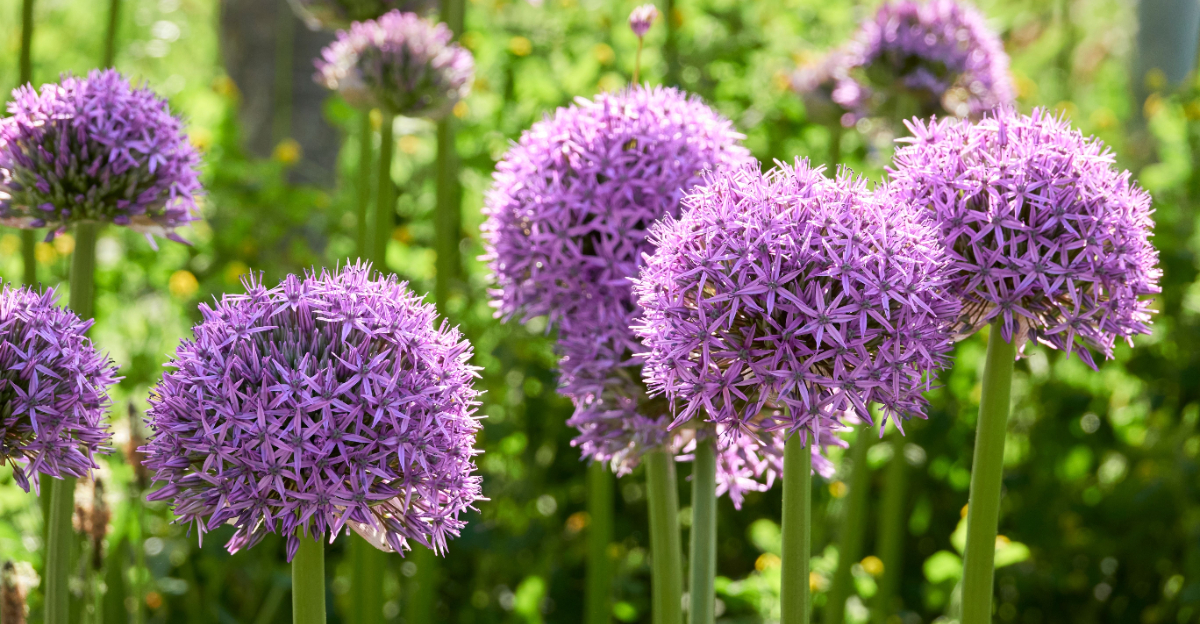
Most bulbs come with an unspoken expectation. You plant them, enjoy the show, and then do it all over again next season.
Allium works differently. Put it in the ground once and it starts taking care of itself, coming back reliably each year and slowly spreading into larger, more impressive clumps over time.
For North Carolina gardeners, that kind of low maintenance payoff is hard to find. Allium also blooms at a useful moment, right when spring flowers are fading and summer hasn’t fully arrived yet, filling a gap that most gardens struggle with.
On top of that, deer and squirrels tend to leave it completely alone, which solves another problem without any extra effort. It’s not the flashiest bulb in the catalog.
But it might be the smartest one to plant, especially if you’d rather spend your weekends enjoying your garden instead of constantly replanting it.
1. Many Ornamental Alliums Return Reliably In North Carolina
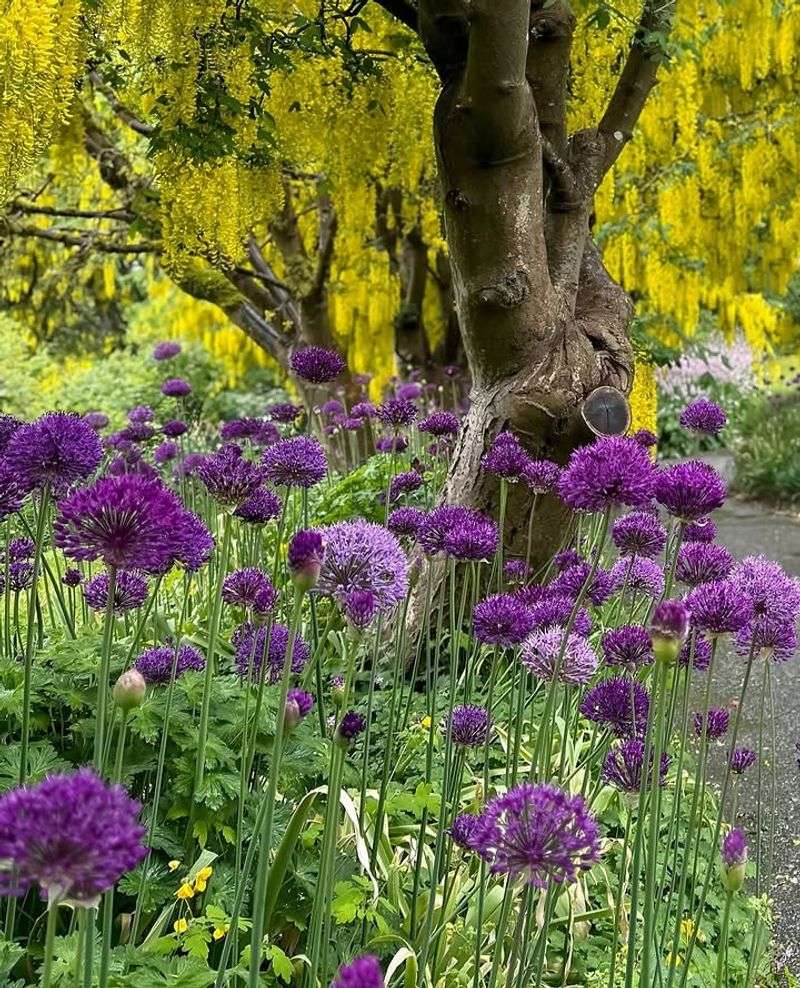
Few things feel as rewarding as planting a bulb once and watching it come back stronger every single year. Ornamental alliums have earned a loyal following among North Carolina gardeners because so many varieties do exactly that.
Given the right conditions, these bulbs settle in, multiply slowly, and put on a bigger show with each passing season.
Well-drained soil is the most important factor for long-term success with alliums. North Carolina’s clay-heavy soils in the Piedmont region can hold too much moisture, so amending beds with compost or coarse sand makes a real difference.
Raised beds and sloped planting areas also work beautifully because water moves away from the bulbs naturally.
Varieties like Allium ‘Purple Sensation’ and Allium christophii have proven themselves especially reliable in North Carolina’s climate. They handle the region’s warm summers and mild winters with ease.
Planting bulbs at the right depth, usually two to three times their diameter, gives them the best possible start.
Once established, these plants reward patience with dependable blooms that return faithfully, making them one of the smartest investments any North Carolina gardener can make for a colorful, long-lasting spring display.
2. Deer And Rabbits Usually Leave Them Alone
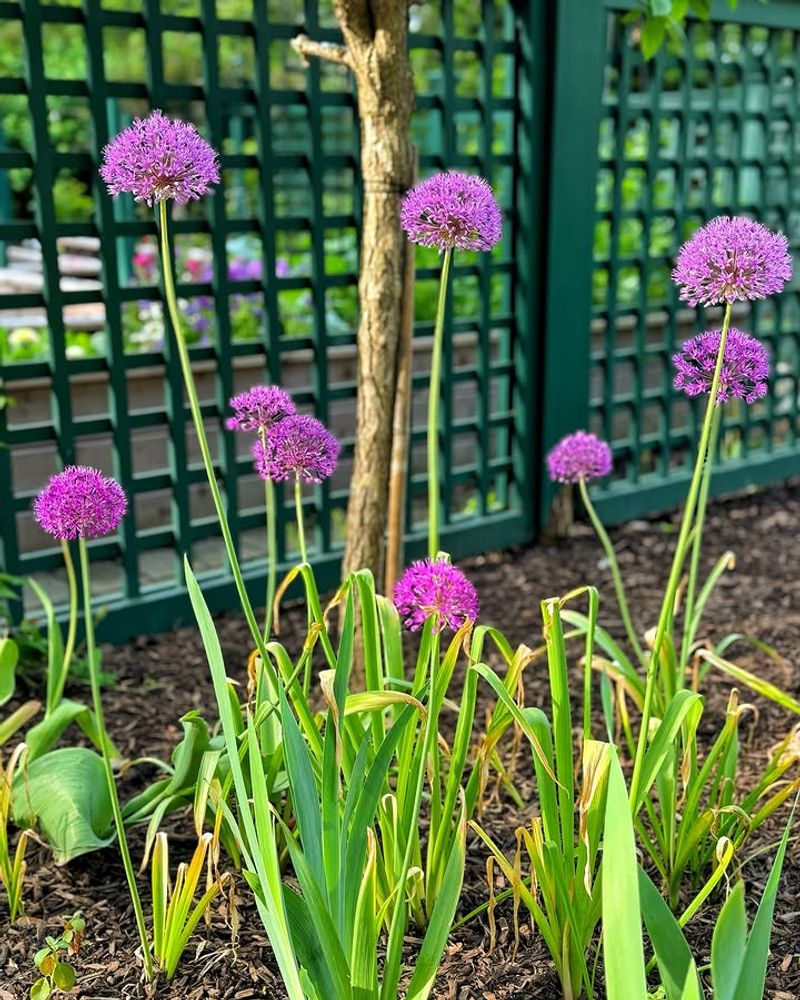
Anyone who has watched deer stroll through a tulip bed knows the heartbreak of waking up to bare stems. Alliums offer a welcome solution to that frustration.
The same compounds that give onions and garlic their sharp scent make ornamental alliums far less appealing to hungry deer, rabbits, and other browsing animals that roam through North Carolina neighborhoods and rural properties.
That natural protection comes from sulfur-containing compounds in the bulbs and foliage. Most wildlife simply find the smell unpleasant and move on to tastier options.
Gardeners in areas with heavy deer pressure, especially in the foothills and mountain regions of North Carolina, often call alliums one of the few bulbs they can actually grow without worry.
Planting alliums alongside more vulnerable plants like tulips or hostas can even offer some indirect protection. Deer tend to avoid whole sections of a garden when they detect that sharp allium scent nearby.
Your North Carolina Garden Changes Every Week. Your Plan Should Too.
Gardening in North Carolina changes quickly throughout the season. Every Friday you’ll receive a simple weekly plan showing exactly what to plant, prune, fertilize, harvest, and protect so you never miss the right timing.
While no plant is completely immune to a very hungry animal, alliums consistently outperform most other spring bulbs when it comes to staying untouched.
For North Carolina gardeners tired of losing their favorite flowers to wildlife, switching to alliums feels less like a compromise and more like a genuine upgrade with serious visual rewards.
3. The Flowers Stay Decorative For A Long Time
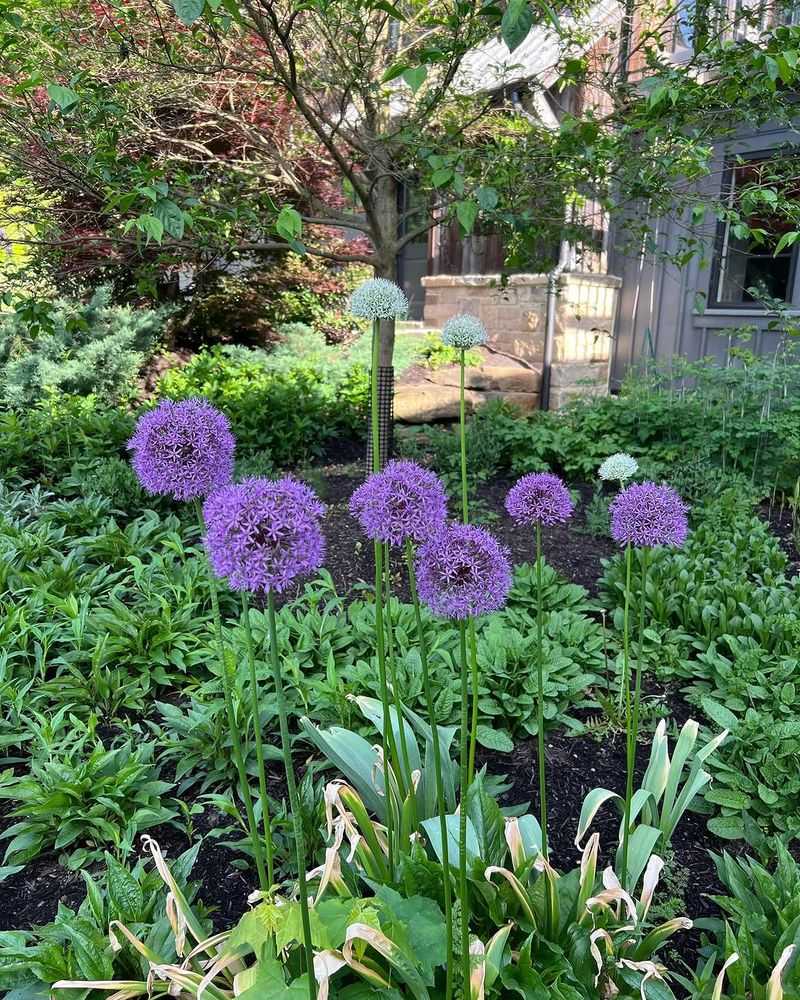
Most spring flowers bloom beautifully for a week or two and then fade into the background. Alliums play a completely different game.
Their large, globe-shaped blooms look stunning when fresh, but they also hold their structure beautifully as they dry on the stem, extending their visual appeal far beyond the typical spring flower season.
The papery dried heads of varieties like Allium giganteum or Allium ‘Globemaster’ add incredible texture to a garden bed throughout summer.
They catch the light in a unique way, especially in the early morning or late afternoon, casting interesting shadows and giving the garden a sculptural quality that most other plants simply cannot match.
Many North Carolina gardeners intentionally leave the dried heads standing rather than cutting them back.
Bringing those dried stems indoors is another popular option. Allium seed heads make gorgeous additions to dried flower arrangements and can last for months without losing their shape.
Craft-minded gardeners in North Carolina often harvest them at peak dryness and spray them with a light coat of hairspray to preserve them even longer.
Whether left in the garden or brought inside, allium flowers deliver far more value per bulb than most other spring-blooming plants, making every dollar spent on bulbs stretch in the most satisfying way.
4. Pollinators Strongly Use Allium Flowers
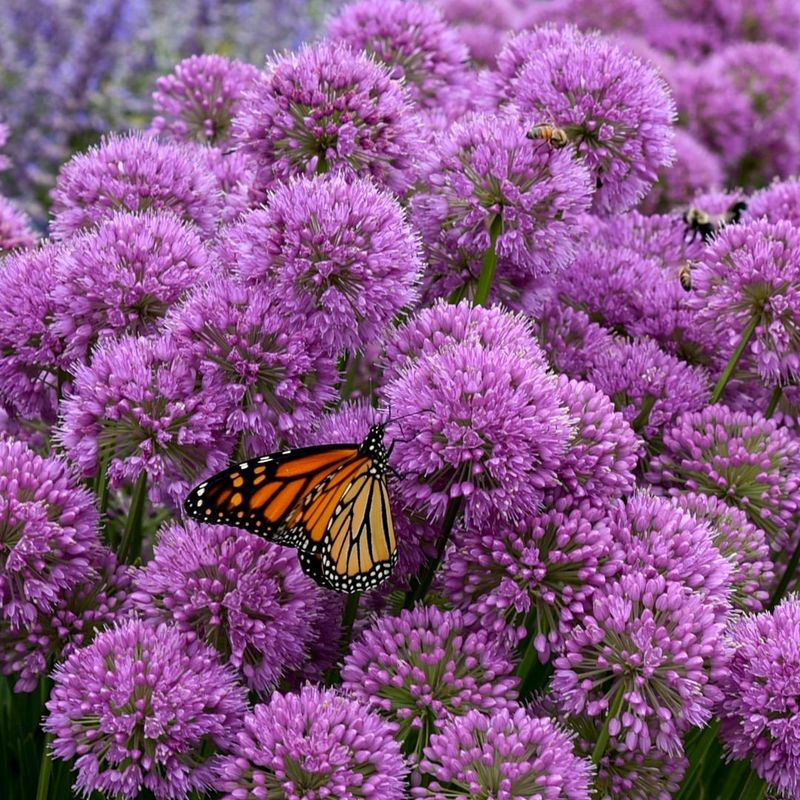
Watch an allium bloom for just a few minutes and you will quickly understand why pollinators go absolutely wild for these flowers.
Bees, butterflies, and hoverflies flock to allium blooms because the tiny individual florets packed into each globe are easy to land on and loaded with accessible nectar and pollen. Few other spring bulbs attract this level of pollinator activity.
North Carolina is home to dozens of native bee species, and alliums are among the best plants you can add to support them during the spring and early summer bloom window.
Honeybees are frequent visitors, but you will also spot bumblebees, small native bees, and various butterfly species working the blooms on warm sunny days.
Gardeners who grow alliums often describe the buzzing activity around the flowers as one of the most satisfying sights in their yards.
Adding alliums to a pollinator garden in North Carolina is one of the easiest ways to boost overall garden health. When pollinators thrive, vegetable gardens, fruit trees, and flowering perennials all benefit from increased pollination activity nearby.
Planting a mix of early and mid-season allium varieties extends the bloom window and keeps pollinators returning to your yard over a longer period. A handful of allium bulbs can genuinely transform the ecological value of any North Carolina garden in a very meaningful way.
5. Most Types Prefer Excellent Drainage
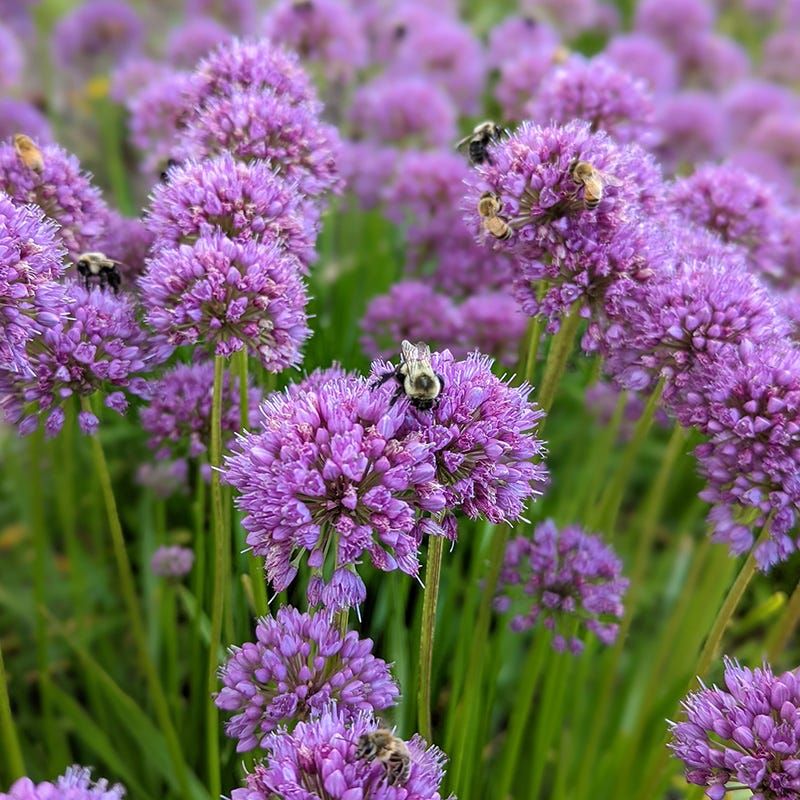
Soil drainage might sound like a technical detail, but it is honestly the single biggest factor that determines whether your alliums thrive for years or struggle after just one season.
Allium bulbs sitting in soggy soil during their dormant summer period are far more likely to rot, which means they never get the chance to bloom again the following spring. Getting drainage right from the start changes everything.
North Carolina gardeners dealing with heavy clay soil have several solid options. Mixing generous amounts of compost and coarse grit into planting beds loosens the soil and improves drainage significantly.
Planting on a gentle slope takes advantage of natural water movement. Raised beds are another popular solution, especially in neighborhoods across the Piedmont and Triangle areas where clay soil is extremely common.
Choosing planting spots near the base of walls, under eaves, or in areas that naturally stay drier during summer rainy periods can also help bulbs survive and return reliably.
Gardeners sometimes add a small handful of grit directly into each planting hole before placing the bulb to create an immediate drainage buffer around the base.
Alliums are wonderfully forgiving plants in most ways, but they are firm about one thing: they want their feet dry when they are resting. Respect that one requirement and they will reward you generously every spring.
6. Full Sun Produces The Best Flowering
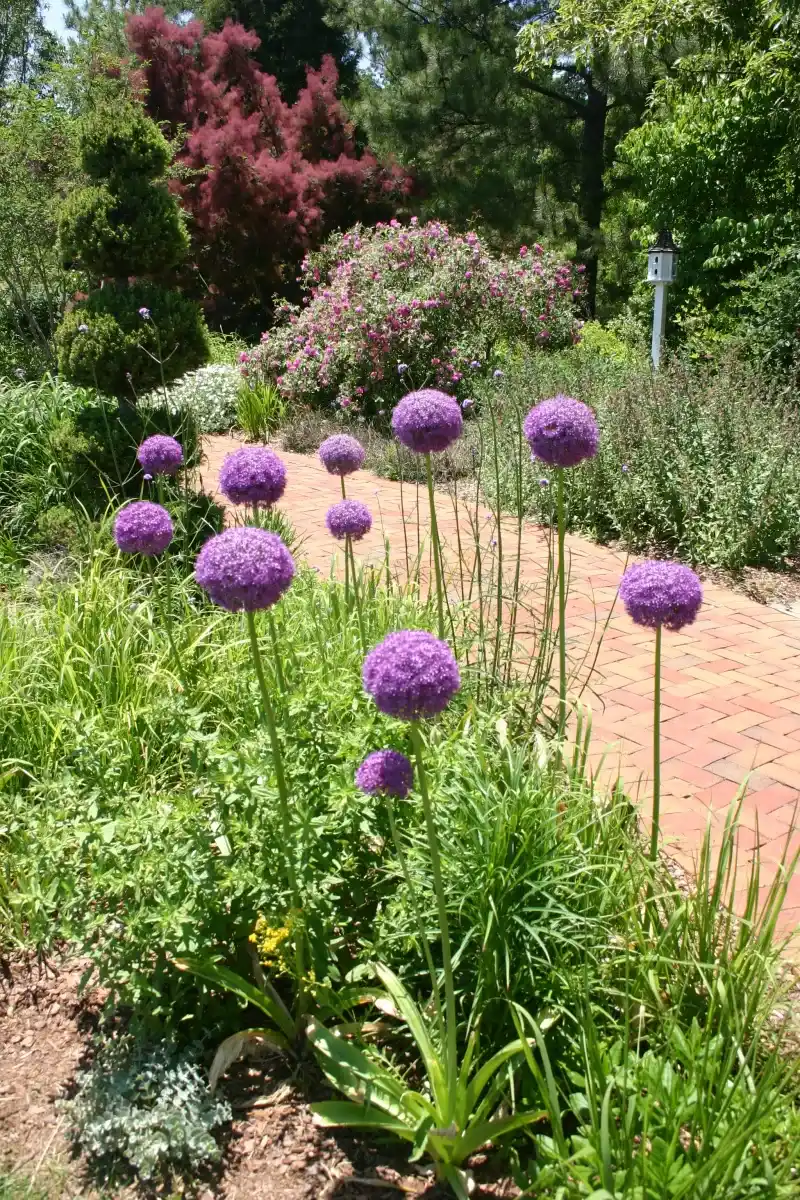
Sunlight is everything when it comes to getting the most out of your allium bulbs. Plants grown in full sun, meaning at least six hours of direct light per day, produce taller stems, larger blooms, and stronger bulbs that are far more likely to return the following year.
Shaded spots might allow alliums to survive, but they rarely put on the kind of show that makes these flowers so special.
North Carolina’s long, sunny spring days are actually a big advantage for allium growers. The combination of warming temperatures and bright sunlight in April and May creates nearly ideal conditions for many popular ornamental allium varieties.
Gardeners in the Piedmont and coastal plain regions often find that their alliums perform exceptionally well when planted in open, south-facing beds that receive maximum daily sun exposure.
Choosing the right planting location before you ever put a bulb in the ground is worth taking seriously. Walk around your yard on a sunny day and notice where the light falls most consistently.
Front borders, open lawn edges, and spots away from large trees are usually excellent candidates. Strong stems that stand tall without flopping are a clear sign that your alliums are getting enough light.
When sun conditions are right, North Carolina gardens filled with alliums in spring look nothing short of spectacular, with bold purple globes rising proudly above everything else.
7. Foliage Naturally Declines Before Or During Bloom
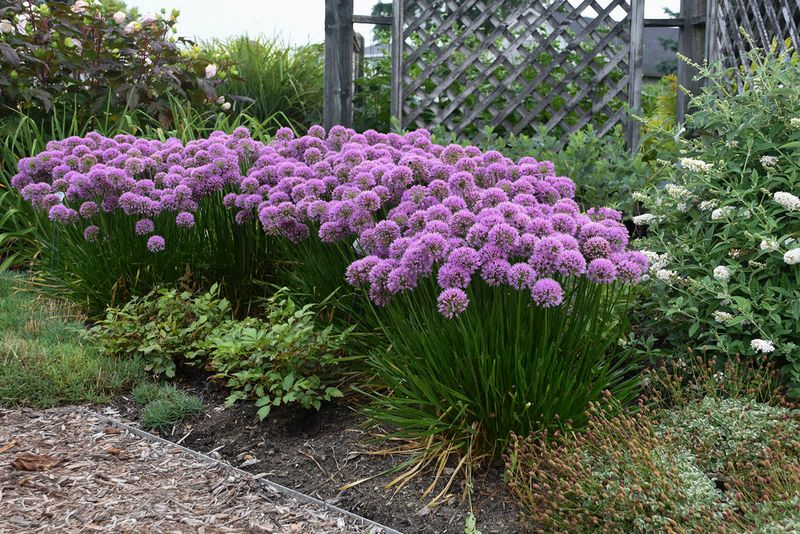
Spotting yellowing leaves on a plant usually sends gardeners into a mild panic, but with alliums, it is completely normal and nothing to worry about.
Many ornamental allium species begin to show yellowing or fading foliage right around the time their flowers are opening, or even slightly before.
This is simply how the plant works, pulling energy upward into the bloom rather than maintaining green leaves below.
Understanding this quirk ahead of time saves a lot of confusion and prevents gardeners from making the mistake of removing bulbs they assume are failing. The flowers themselves remain vibrant and attractive even as the lower foliage looks a bit ragged.
Experienced North Carolina gardeners actually plan for this by surrounding alliums with companion plants that fill in and cover the fading leaves naturally.
Catmint, salvia, and ornamental grasses are all popular choices for this purpose across North Carolina gardens. These plants grow quickly enough in spring to hide aging allium foliage without crowding the flower stems.
The visual result is a seamless, layered garden bed that looks intentional and polished rather than messy. Leaving the foliage in place until it fully yellows and pulls away easily is always the best approach, since the leaves continue feeding the bulb even as they fade.
Patience here pays off with stronger blooms the following season.
8. They Combine Well With Later Emerging Perennials
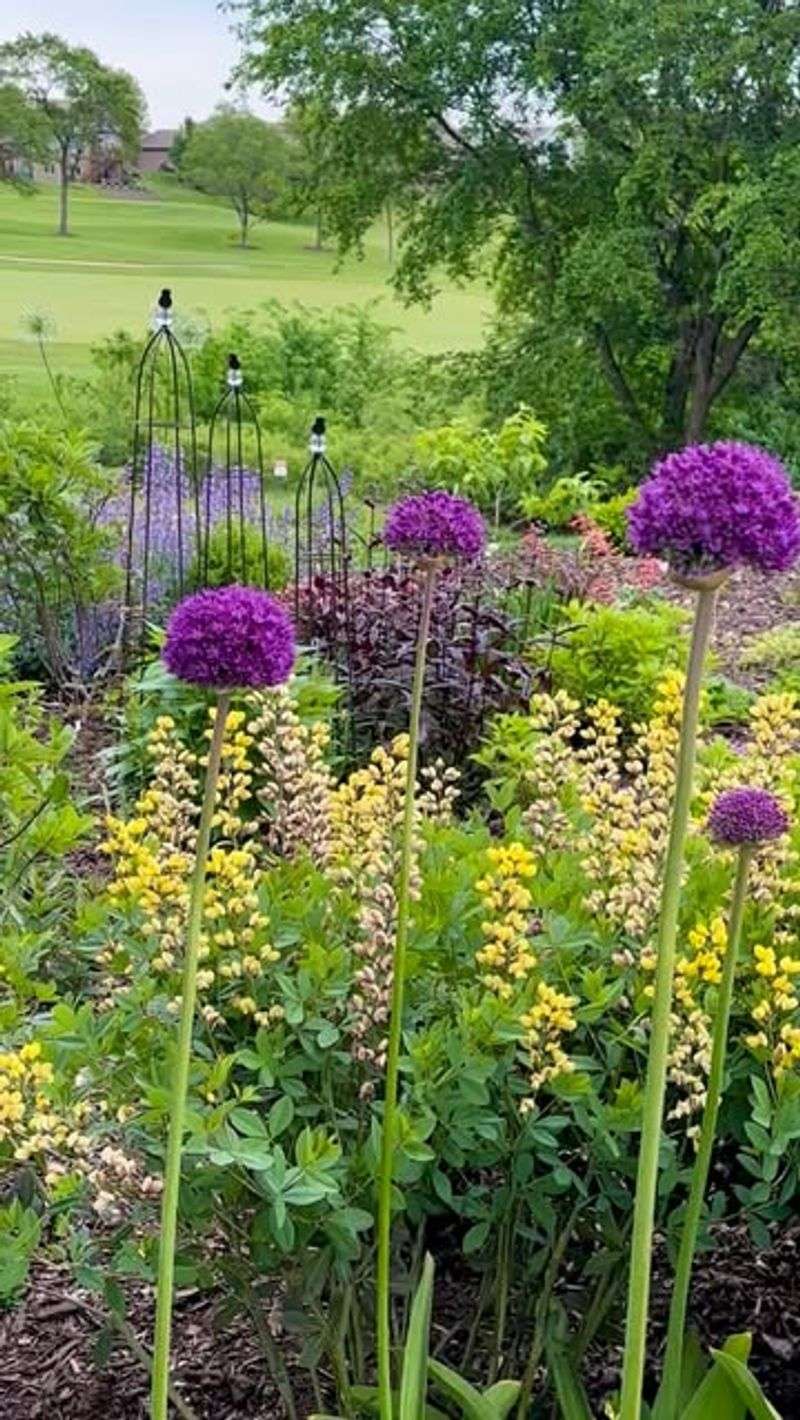
One of the smartest things about planting alliums is how naturally they fit into a well-planned perennial garden.
Because allium foliage tends to fade early, pairing them with plants that emerge a little later in the season creates a garden design that looks full and intentional from spring straight through summer.
The timing works out almost perfectly without much extra effort.
Catmint is one of the most popular companions for alliums in North Carolina gardens. Its soft purple flowers and silvery foliage complement allium globes beautifully while also growing quickly enough to cover fading allium leaves.
Ornamental grasses like blue oat grass or feather reed grass add movement and texture while filling the gaps left by dormant allium foliage as summer arrives.
Salvia, coneflowers, and black-eyed Susans are other excellent choices that thrive in North Carolina’s climate and bloom after alliums finish. Layering these plants creates a garden that transitions smoothly from season to season without any awkward bare patches.
Many experienced gardeners in the Triangle and Charlotte areas use alliums as the anchor of their spring display, building entire planting schemes around them.
The result is a garden that feels cohesive, colorful, and surprisingly easy to maintain, because each plant supports the others in a natural, flowing rhythm throughout the growing season.
9. Dividing Is Rarely Needed
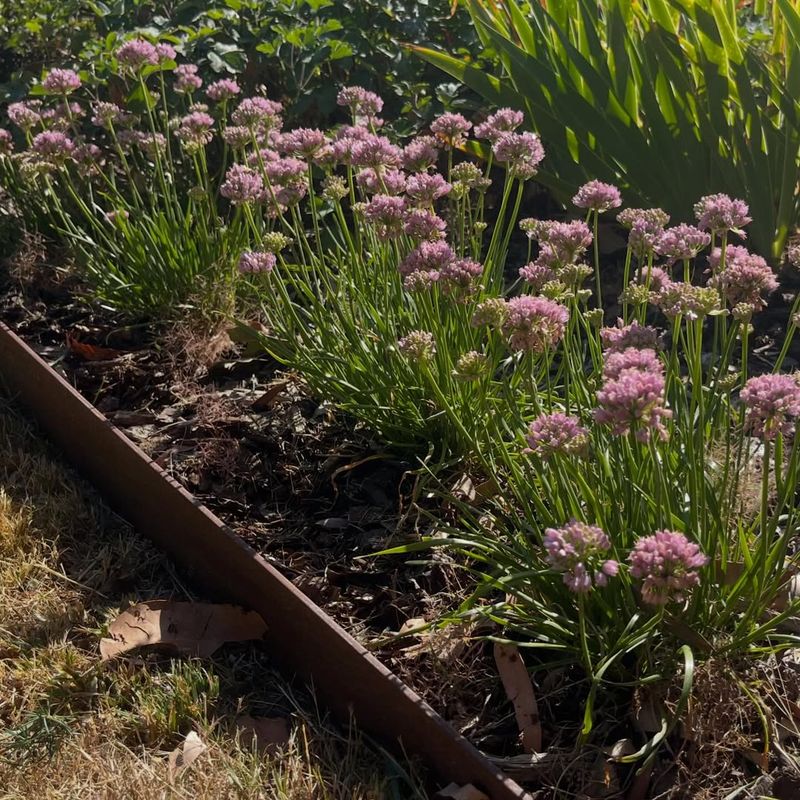
Gardening is a hobby that can sometimes feel like a lot of work, which is exactly why alliums are such a breath of fresh air.
Unlike many perennials that need regular dividing to stay healthy and vigorous, ornamental alliums are perfectly happy being left alone for years at a time.
They slowly multiply on their own, gradually filling a space without ever becoming overcrowded or aggressive.
This low-maintenance quality makes alliums especially popular among busy North Carolina gardeners who want a beautiful yard without spending every weekend digging and dividing.
Once the bulbs are planted in a suitable spot with good drainage and full sun, the main job is simply to enjoy the show each spring.
There is no need to lift bulbs in summer or provide winter protection in most parts of North Carolina, since the climate is mild enough for most ornamental varieties.
If clumps do eventually become very dense after many years, a simple division in fall can refresh them and even give you extra bulbs to spread around the garden or share with neighbors. But for most North Carolina gardeners, that moment takes a long time to arrive.
Alliums quietly do their own thing underground, storing energy and slowly expanding without any fuss. That easygoing, self-sufficient nature is a big part of why so many people fall in love with them after just one season.
10. Not Every Allium Naturalizes Equally Well
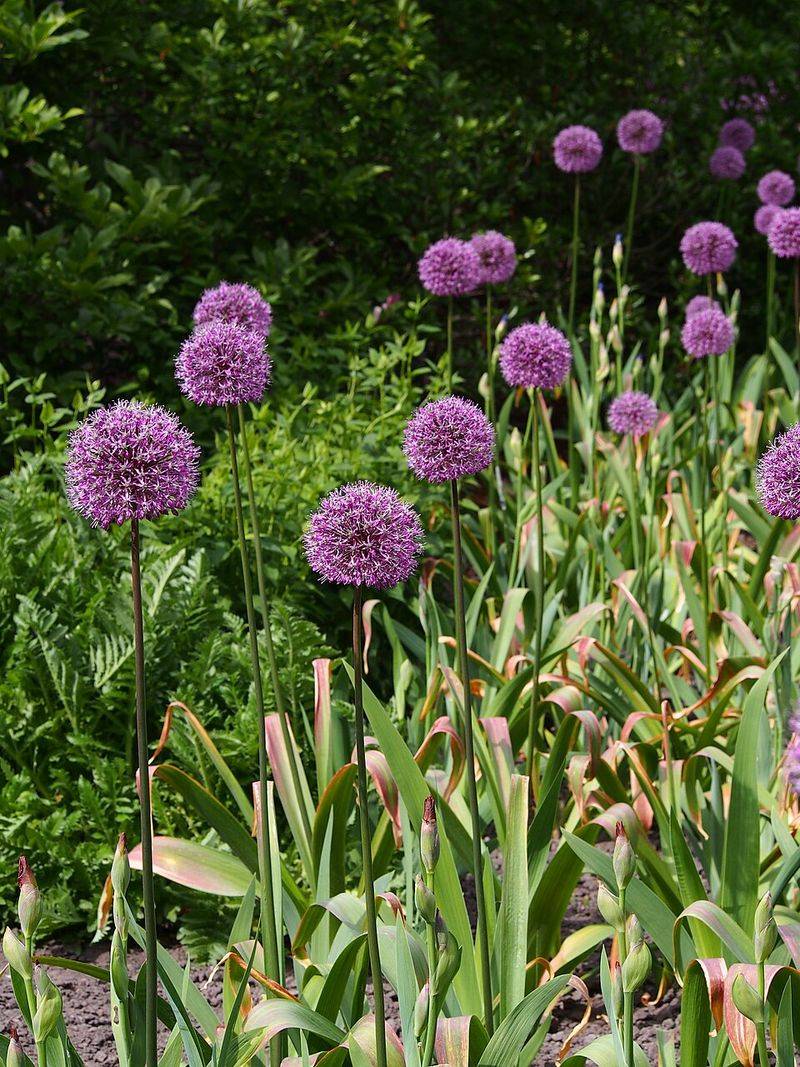
Alliums are a wonderfully diverse group of plants, but not every variety performs the same way in North Carolina’s specific climate.
Some ornamental hybrids are bred for showiness rather than long-term durability, which means they may put on a gorgeous display in year one but gradually fade out over the following seasons.
Knowing which varieties tend to naturalize well is genuinely useful information before you spend money on bulbs.
Allium christophii, commonly called star of Persia, is widely regarded as one of the most reliable naturalizers in Southern gardens. Its large, open flower heads and tolerance for heat make it a strong performer across much of North Carolina.
Allium ‘Purple Sensation’ and Allium hollandicum are also frequently recommended for their consistent return rates in well-drained beds throughout the region.
Fancy hybrid varieties with very large blooms, like Allium ‘Gladiator’ or Allium ‘Globemaster,’ can sometimes be shorter-lived in North Carolina’s humid summers, especially if soil drainage is not ideal.
Treating those as shorter-term investments while relying on more reliable species types for long-term color is a practical strategy many experienced gardeners use.
Reading plant labels carefully, asking local nursery staff for advice, and choosing varieties proven to perform in North Carolina conditions gives you the best possible foundation for a stunning, low-effort allium display that genuinely gets better with every passing year.