Why Your Virginia Tomatoes Split And Can’t Hold It Together
You walk out to your garden on a warm Virginia morning, coffee in hand, ready to pick the tomatoes you have been watching all season.
Then you see it. A beautiful, almost-ripe tomato sitting there with a crack running right down its side like someone drew a line through your hard work. Tomato splitting is one of the most frustrating things that can happen to a home gardener.
If you grow tomatoes in Virginia, chances are it has happened to you more than once. The good news is that splitting is not random, and it is not your fault entirely. Virginia’s unpredictable weather, clay-heavy soils, and sudden summer rainstorms create conditions that make tomatoes especially vulnerable to cracking.
Understanding why it happens is the first step toward actually stopping it. This guide breaks down the real reasons your tomatoes are splitting and gives you practical, straightforward strategies to protect your harvest from here on out.
1. The Reason Tomatoes Split
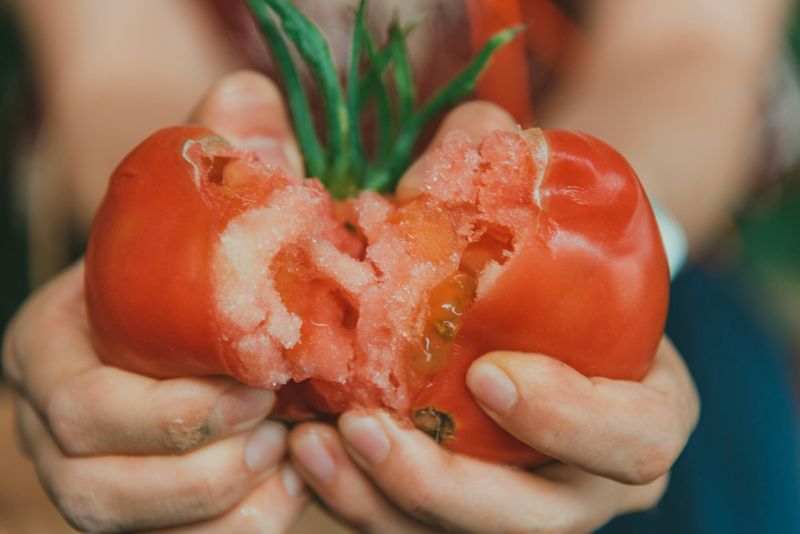
Tomato splitting happens when the inside of the fruit grows faster than the outside skin can stretch to keep up.Think of it like blowing up a balloon too quickly.
At some point, the pressure wins and something has to give.
There are two main types of splits you will see on tomatoes.Radial cracking runs from the stem down toward the bottom of the fruit, like lines on a globe.
Concentric cracking forms rings around the stem end, almost like a bullseye pattern.
Both types are caused by sudden changes in water availability.When a tomato plant has been a little dry and then suddenly receives a large amount of water, the roots suck up moisture rapidly.
That water rushes into the fruit faster than the skin can expand.
The skin of a tomato becomes less flexible as the fruit ripens.Earlier in the season, the skin has more elasticity and can handle some swings in moisture.
But as the tomato gets closer to fully ripe, the skin tightens up and becomes much more prone to cracking under pressure.
Temperature swings also play a role.Hot days followed by cool nights cause the fruit to expand and contract in ways that stress the skin.
In Virginia, where summer afternoons can hit the nineties and evenings drop considerably, this kind of stress is very common.
Understanding this basic biology helps you see why consistent watering and temperature management matter so much for keeping your tomatoes intact through harvest.
2. Why Virginia Weather Makes It Worse
Months of watering, waiting, and watching, and your reward is a perfectly cracked-open tomato staring back at you.
Congratulations, Virginia. You did it again.
That sinking feeling is something almost every gardener in this state knows by heart, whether you are growing in Richmond, Roanoke, or out on the Northern Neck.
And here is the thing, it is probably not your fault.
Virginia’s summer weather has a particular talent for making tomatoes miserable, and it does it in style.
Your Virginia Garden Changes Every Week. Your Plan Should Too.
Gardening in Virginia changes quickly throughout the season. Every Friday you’ll receive a simple weekly plan showing exactly what to plant, prune, fertilize, harvest, and protect so you never miss the right timing.
First comes the heat. Days of blazing sunshine push temperatures into the upper eighties and nineties, baking the soil and leaving your plants quietly desperate for water.
Then, right on cue, the sky opens up and drops a month’s worth of rain in about forty minutes.
Have you ever watched a Virginia afternoon storm roll in and thought, well, at least the garden is getting a good drink?
Your tomato roots, parched and eager, drink it all in as fast as they possibly can.
The fruit swells. The skin, which has been quietly tightening as the tomato ripens, does not have time to catch up.
Something has to give, and that something is your dinner.
If the rainstorms were not enough, Virginia nights have a habit of cooling down fifteen to twenty degrees after those scorching afternoons. It makes the fruit expand and contract like it cannot make up its mind.
Over time, that back and forth wears the skin down. More stable climates do not put tomatoes through this kind of drama on a weekly basis.
Virginia does. Knowing that the weather is working against you is not an excuse to give up.
It is actually the first step toward outsmarting it.
3. Mistake 1: Inconsistent Watering
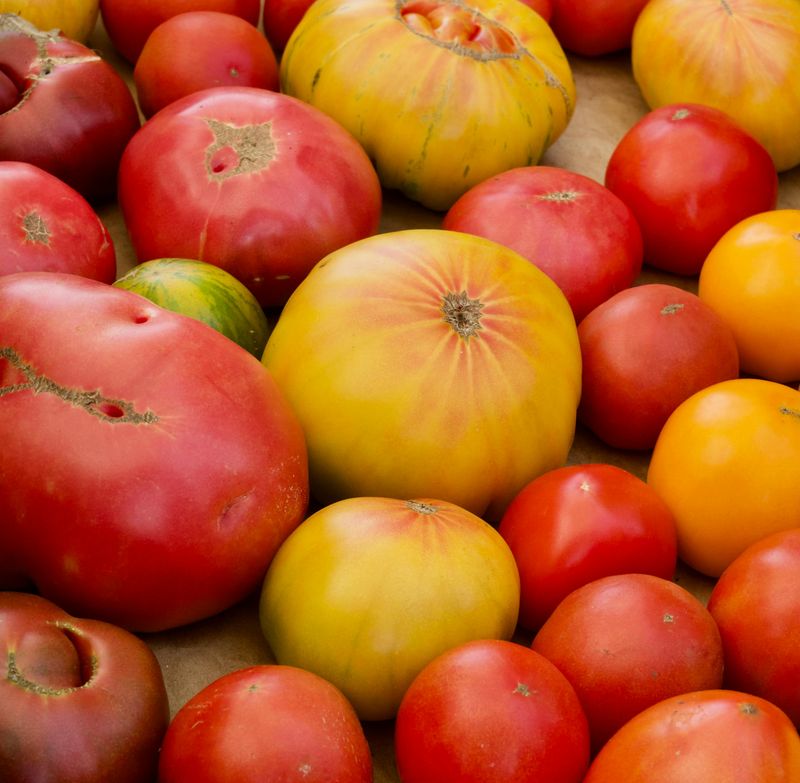
Of all the things splitting your tomatoes, inconsistent watering is the one you actually have control over. Which is both good news and slightly uncomfortable news.
It usually does not look like neglect.
It looks like a busy week, a forgotten hose, and a guilt-watering session on Saturday that was really more for you than for the tomatoes.
Or it looks like trusting the forecast, because surely Virginia will deliver something reasonable this time. Spoiler: it delivered a biblical downpour in thirty minutes, and your tomatoes were not impressed.
Either way, your tomato plant goes from parched to practically drowning, the roots panic-drink every drop they can find, and the fruit swells faster than the skin can handle.
Think of it like eating nothing all day and then inhaling an entire pizza in ten minutes.
Something is going to give, and it is not going to be pretty.
The feast-or-famine pattern that Virginia’s weather already serves up uninvited is the last thing your plants need you to volunteer on top of.
Matching the weather’s chaos with your own unpredictable watering schedule is essentially a tag-team attack on your harvest.
The fix, thankfully, is not complicated. Slow down, pick a time, water at the base of the plant, and do it consistently.
Give your tomatoes a steady, predictable supply of moisture and the skin will keep up with what is growing inside it. No drama.
No cracks. Just tomatoes that actually make it to the table.
4. Mistake 2: No Mulch Or Poor Soil Drainage
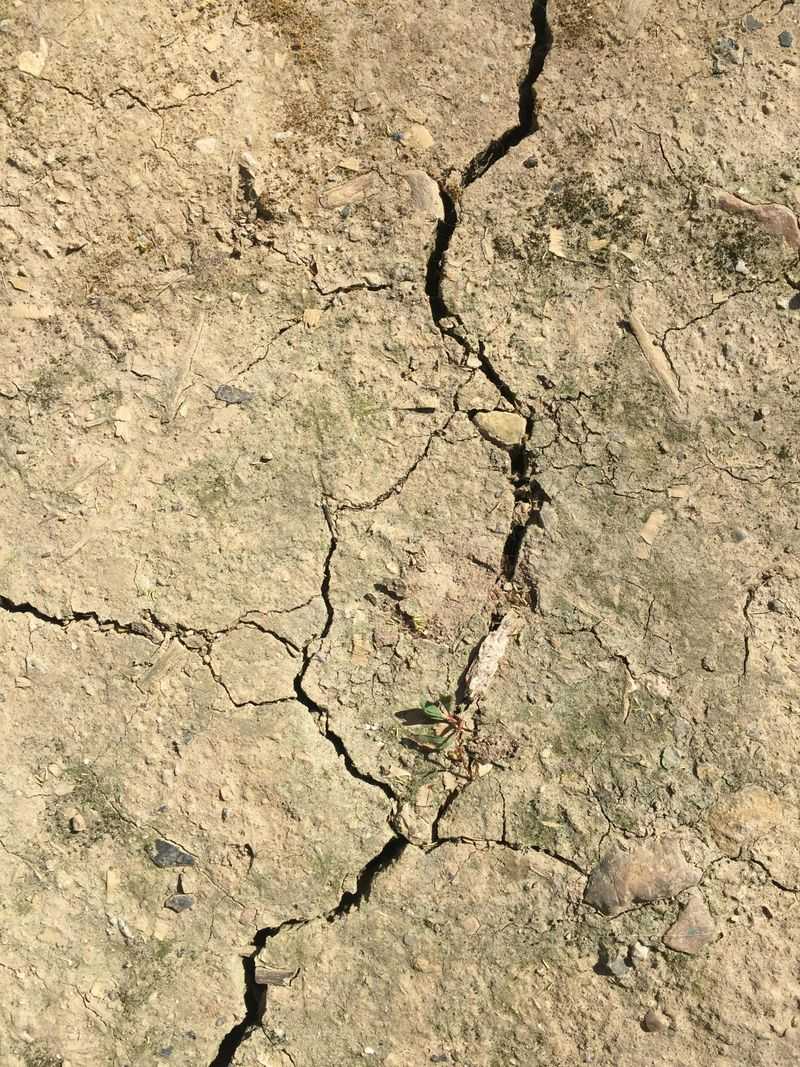
No mulch, poor drainage, and Virginia’s weather walking around unsupervised.
What could possibly go wrong?
Skipping mulch is one of those mistakes that feels harmless right up until it is not.
Without a layer of mulch around your tomato plants, the soil surface bakes hard under Virginia’s summer sun, repelling water instead of absorbing it slowly and evenly.
When the rain finally comes, it will not ease in gently. This is Virginia, and gentle is not really its style.
It will arrive all at once, uninvited and unapologetic, dumping weeks worth of water in a single afternoon.
With nowhere to go and no mulch to slow it down, that water rushes straight to the roots, and your tomatoes drink like they have never seen rain before. Until something splits.
Mulch acts like a buffer between your tomatoes and the weather’s mood swings.
It slows water absorption, keeps soil temperature more stable, and holds moisture in during dry stretches. Your plants are not swinging between desperate and drowning every other week.
Two to three inches of straw, wood chips, or shredded leaves around the base of each plant makes a genuinely surprising difference.
Poor drainage compounds the problem further. Clay-heavy soil, which covers a good portion of Virginia, drains slowly and holds water near the surface long after a storm.
Roots sitting in waterlogged ground absorb moisture aggressively and unevenly, putting the kind of pressure on developing fruit that the skin simply cannot handle.
Improving drainage with compost worked into the soil before planting gives roots a more balanced environment to work with.
Less drama underground means fewer cracks above it.
5. Mistake 3: Waiting Too Long to Pick
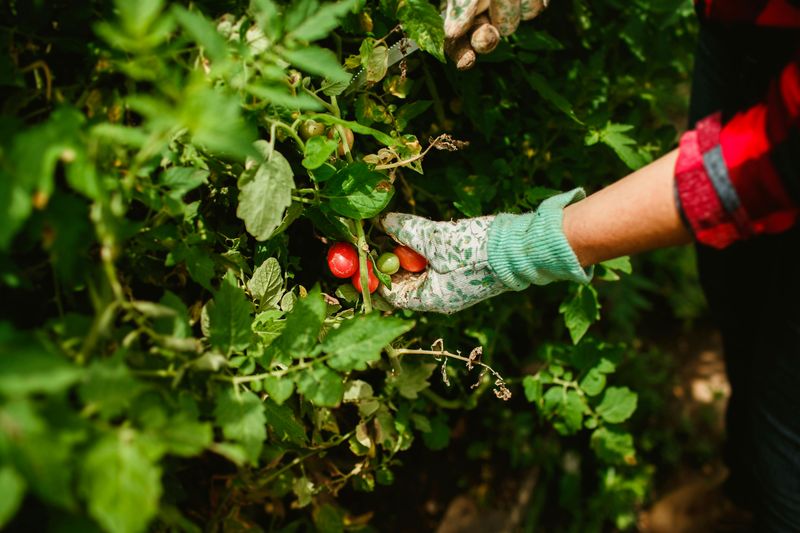
Picking tomatoes before they’re fully ripe might feel like giving up, but in Virginia, it’s often the smartest move you’ll make all season.
That little kiss of pink or orange at the bottom of your tomato?
That’s nature’s way of saying it’s done with the vine, even if you’re not quite ready to let go.
From that point on, it’ll ripen perfectly well on its own indoors.
You lose almost nothing in terms of flavor and gain a lot in terms of protection from splitting.
The breaker stage is the point at which the tomato has already stopped taking in nutrients from the plant.
Leaving it on the vine past this point does not improve the final flavor, but it does expose the fruit to more rain, heat fluctuations, and humidity.
All of those things increase the risk of cracking before you ever get to enjoy it.
Ripening tomatoes indoors is straightforward.
Set them stem side down on a countertop at room temperature, away from direct sunlight.
Direct sun does not speed up ripening in a useful way and can actually cause uneven color development.
Do not put them in the refrigerator.
Cold temperatures break down the compounds that give tomatoes their flavor and change the texture in ways that are hard to reverse.
A cool kitchen counter is all they need.
During Virginia’s peak storm season in July and August, checking your garden every day and pulling any tomatoes that are showing color is a practical habit that can save a significant portion of your harvest from ending up split and wasted on the vine.
6. Mistake 4: Choosing Crack-Prone Varieties
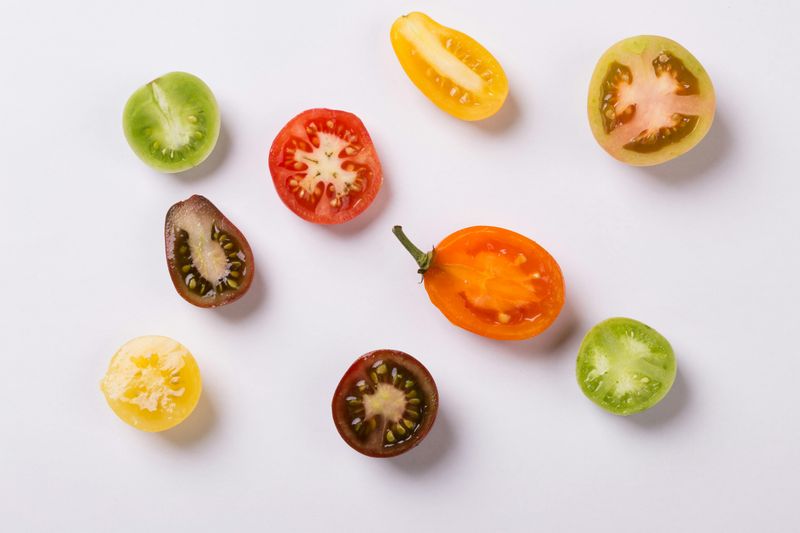
Some tomatoes crack at the first sign of rain. Others shrug it off like it’s nothing.
The difference? It starts with what you plant.
Some types are built with thicker, more elastic skin that holds up better under pressure.
Others, especially many beloved heirloom varieties, are gorgeous but notoriously fragile.
Large heirloom tomatoes like Brandywine and Cherokee Purple are famous for their flavor but are among the most crack-prone fruits you can grow.
Their thin skins and rapid fruit development make them especially sensitive to moisture swings.
Growing them in Virginia requires extra attention to watering consistency.
Beefsteak varieties fall into a similar category.
They grow big and fast, and their size means any internal pressure has a lot of fruit to work with before the skin finally gives way.
The results can be dramatic cracks that run deep into the flesh.
Cherry tomatoes are surprisingly split-prone despite their small size.
Because they ripen quickly and have high sugar content, they respond fast to any sudden moisture change.
Leaving them on the vine even a day past peak ripeness significantly increases splitting risk.
On the more resilient side, varieties like Juliet, Mountain Fresh Plus, and Celebrity have been specifically developed with crack resistance in mind.
According to Virginia Cooperative Extension, Mountain fresh Plus is among the varieties recommended for Virginia home gardeners. It can adapt to humid summers and variable rainfall.
These types tend to perform better in Virginia’s unpredictable summer climate.
If splitting has been a recurring problem in your garden, switching to one of these varieties can produce noticeably better results without changing anything else about your routine.
7. Quick Fixes During Storm Season
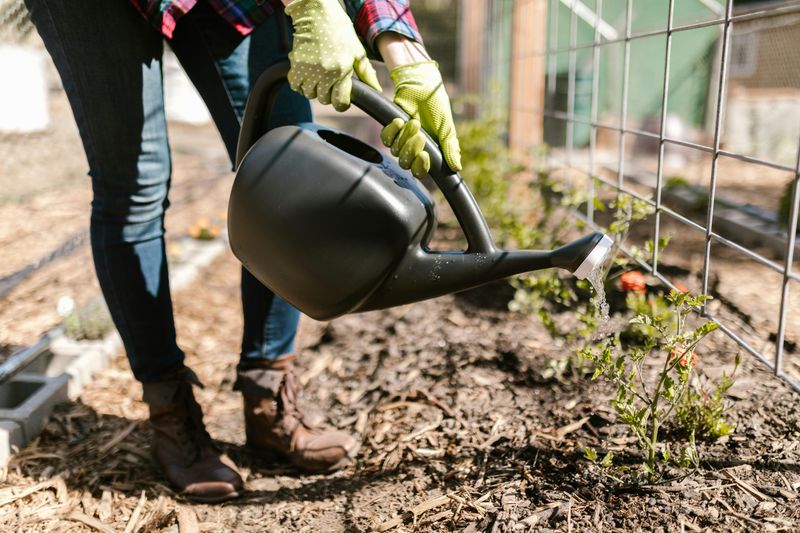
Your tomatoes are cracking, the sky looks suspicious, and you need answers that do not involve waiting until next April.
Good news: there are a few things you can do right now, today, mid-season, mid-chaos, that will actually make a difference before the next storm shows up uninvited.
The key is knowing which moves actually move the needle immediately.
A quick fix that works surprisingly well is simply picking any tomato that is showing color.
Getting it off the vine before the next rain event removes it from harm’s way entirely.
That one habit alone, repeated every day during peak storm season, can save a meaningful portion of your harvest before Virginia’s weather even gets the chance to ruin it.
Applying mulch immediately is another fast-acting move.
Even if you skipped it at planting time, laying down a few inches of straw or wood chips now will start moderating soil moisture within a day or two.
It will not undo past stress, but it slows down the cycle going forward.
Think of it as damage control with a side of redemption. Adjusting your watering schedule right away also helps.
If you have been watering inconsistently or relying entirely on rainfall, switching to every-other-day routine during dry stretches can stabilize things quickly.
Small, consistent amounts of water are far better than large, infrequent ones.
None of these moves require a trip to a specialty store or a complete garden overhaul.
They just require showing up and making a few deliberate choices before the next storm rolls in.
8. Long-Term Prevention For Virginia Gardens
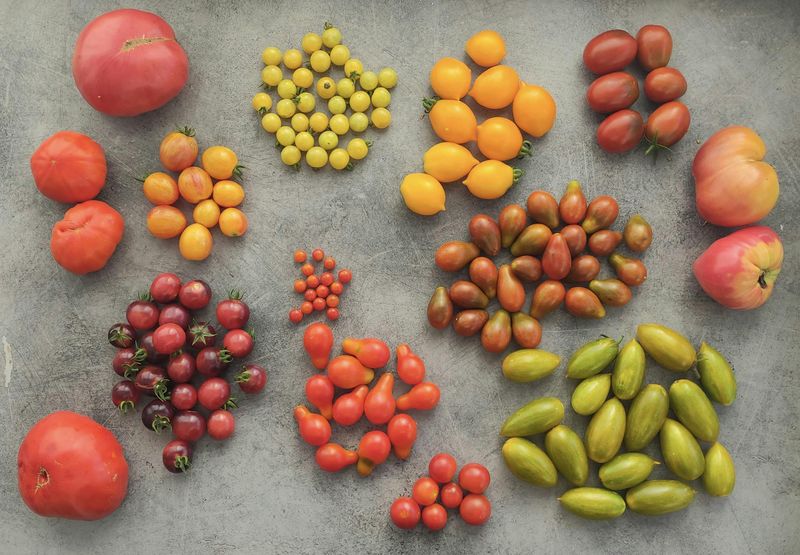
Virginia is not the easiest place to grow tomatoes, but it is far from impossible.The state’s heat, humidity, and unpredictable rainfall are real challenges, but they are challenges you can plan around once you understand what is actually happening in your garden.
Splitting is not random bad luck. It is a predictable response to specific conditions, and that means you have real power to reduce it.
The gardeners who consistently bring in clean, uncracked tomatoes in Virginia are not doing anything magical.They are watering consistently, mulching heavily, choosing varieties suited to the local climate, and staying ahead of the harvest by picking at the breaker stage.
Those are learnable habits, not innate talents.
Soil health is worth mentioning one more time because it underlies almost every other strategy.Virginia’s clay soils benefit enormously from regular compost additions.
Better-draining soil means more even moisture delivery to roots, which means less internal pressure in your fruit, which means fewer cracks.
Pay attention to your specific microclimate too.A garden in the Shenandoah Valley behaves differently from one in Virginia Beach or Fredericksburg.
Learning how your particular spot handles rain and heat helps you fine-tune your approach year after year.
Tomato growing in Virginia rewards patience and observation.Each season teaches you something new about your soil, your varieties, and your local weather patterns.
The gardeners who stick with it and keep adjusting their approach are the ones who eventually fill their kitchen counters with beautiful, crack-free tomatoes every August.You can absolutely be one of them.