If You Find This Worm in Your Illinois Garden Do Not Touch It, You Might Wish You Hadn’t
Something strange is slithering through Illinois gardens, and no, you are not imagining things.
A flat, slimy, shovel-headed nightmare that looks like it took a wrong turn out of a sci-fi horror movie and somehow ended up in your tomato patch.
With its bizarre spade-shaped head, ribbon-like body, and a survival trick that would make your skin crawl, this is not your average garden worm. This is the uninvited guest that refuses to leave. Gardeners across Illinois are stumbling across these creepy crawlers in flower beds, vegetable patches, and front lawns, usually stopping right in their tracks and wondering if their eyes are playing tricks on them.
Spoiler alert, they are not. This creature is very real, very invasive, and very much making itself at home in the Midwest. And here is the part that really gets people, these worms do not just sit there looking weird. They may respond when they feel threatened. Touch one, and things get a whole lot more interesting, and not in a good way.
Before you reach down and learn that lesson the hard way, here’s what you need to know: what it is, why it’s here, why it’s bad news for your garden, and what to do if you find one. Consider yourself warned. This one is wild.
1. What Is This Strange Worm Taking Over Illinois Gardens And Why Are People So Alarmed?
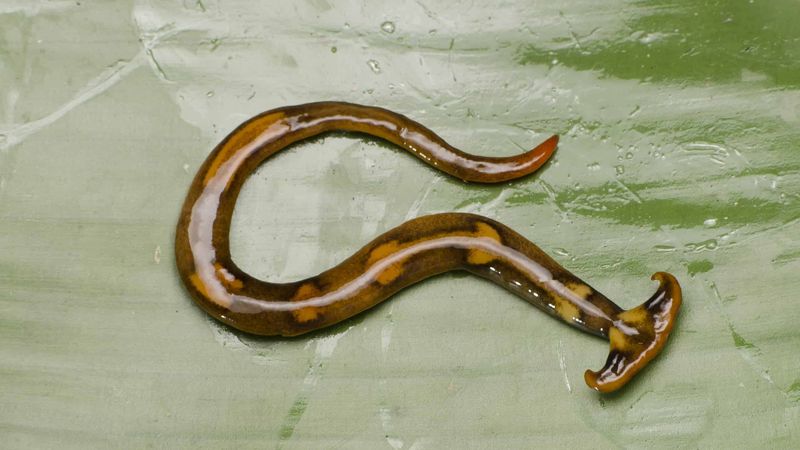
Somewhere between a flatworm and something out of a horror film, the hammerhead worm stands apart.
It has become one of the most unsettling creatures Illinois gardeners have ever encountered.
It’s a sight that stops people cold the moment they notice it.
Its scientific name is Bipalium, and it belongs to a group called land planarians, which are predatory flatworms originally from Southeast Asia.
Unlike the earthworms you might toss aside while digging, this one has a purpose, and that purpose is not friendly.
The hammerhead worm can grow anywhere from a few inches to over a foot long in some cases.
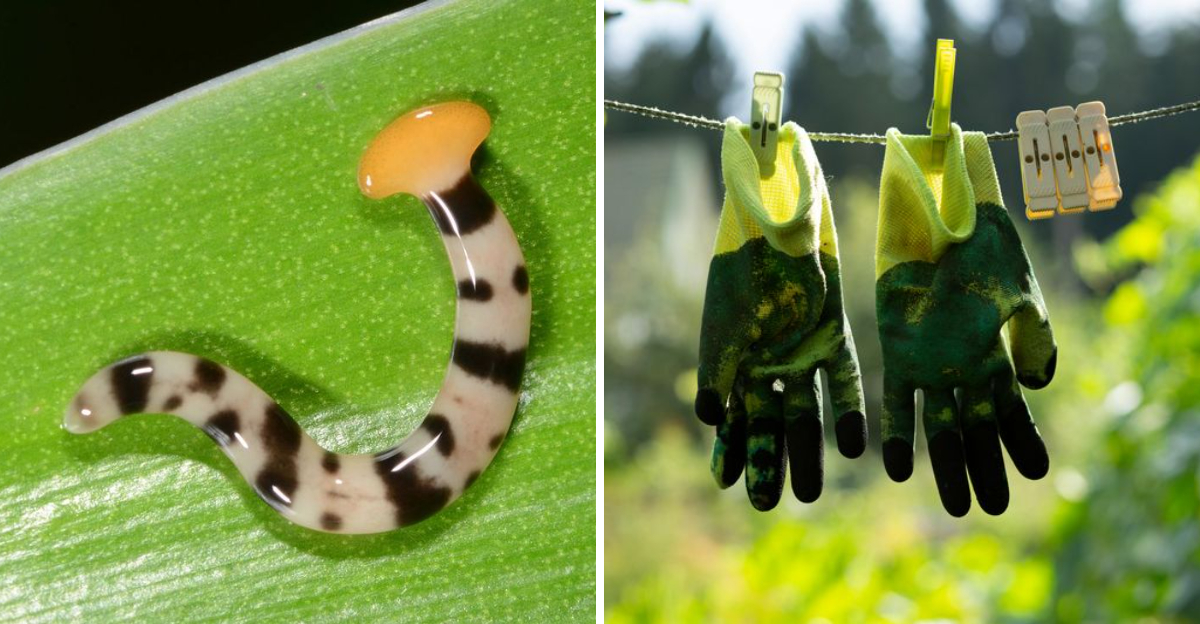
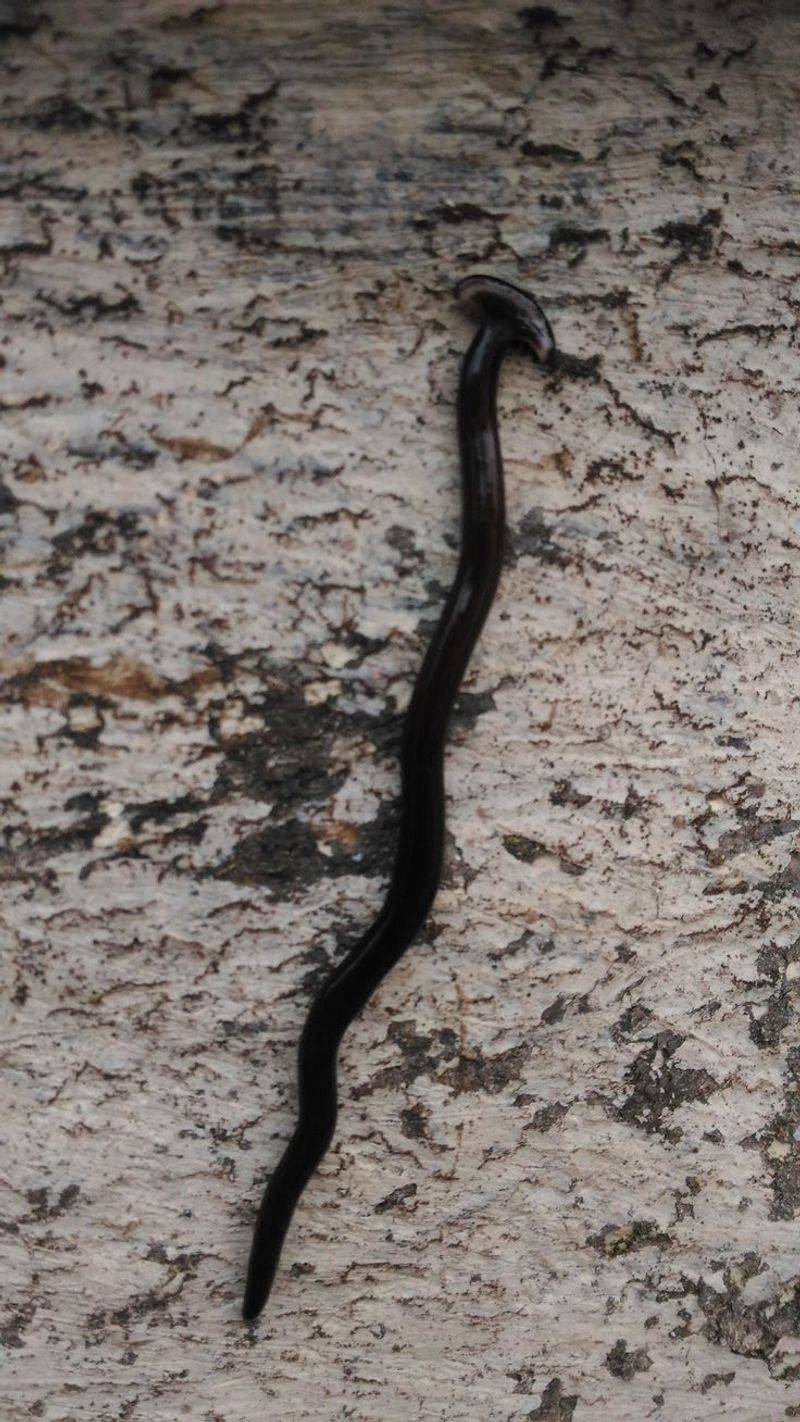
Its body is flat and ribbon-like, with a fan-shaped or hammer-shaped head that makes it instantly recognizable once you know what to look for.
The coloring usually ranges from tan to brown or even grayish, sometimes with a darker stripe running down the center of its back.
So why is it showing up in Illinois gardens now?
Experts believe it has been quietly spreading through the nursery trade, hitchhiking in contaminated soil and potted plants for years.
Illinois is not alone in this problem, but the state’s mix of warm summers, moist soil, and active gardening culture creates ideal conditions for these worms to settle in and multiply.
Unlike many invasive species that need specific climates, the hammerhead worm is surprisingly adaptable.
It thrives in garden beds, compost piles, and any place where earthworms are plentiful, since earthworms are its primary food source.
Recognizing what this creature is and why it is here is the first step toward protecting your Illinois garden from its growing presence.
Your Illinois Garden Changes Every Week. Your Plan Should Too.
Gardening in Illinois changes quickly throughout the season. Every Friday you’ll receive a simple weekly plan showing exactly what to plant, prune, fertilize, harvest, and protect so you never miss the right timing.
2. How To Identify A Hammerhead Worm Before It Is Too Late
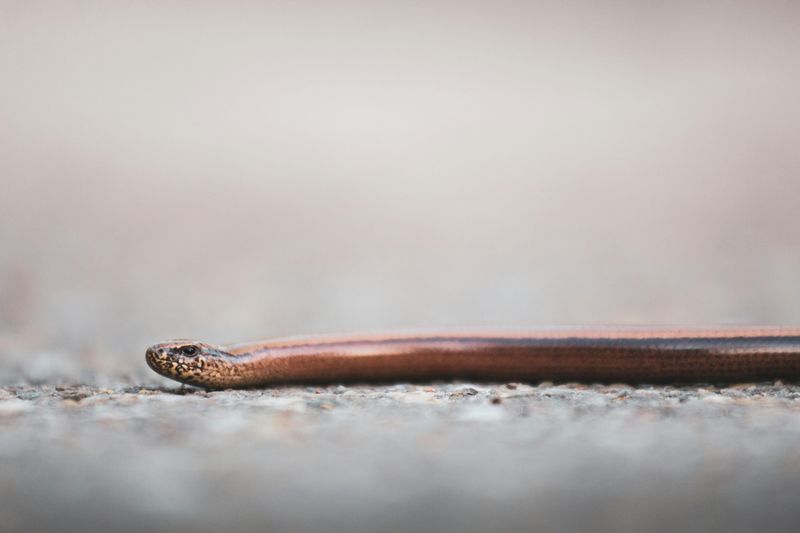
Spotting a hammerhead worm before you accidentally pick it up could save you a lot of trouble.The most obvious feature is that wide, flattened head, shaped like a half-moon or the head of a hammerhead shark.
That alone sets it apart from every common earthworm or garden pest you have probably seen before in an Illinois yard.
The body is long and slender, often described as ribbon-like or shoelace-shaped when it stretches out.Most hammerhead worms found in Illinois range from about four to fifteen inches long, though some species can grow even larger under the right conditions.
The skin has a slightly shiny, mucus-covered appearance, which makes it look wet even when the surrounding soil is dry.Colors vary by species, but tan, brown, and olive tones with a dark dorsal stripe are most common in the Midwest.
One useful identification clue is movement.Hammerhead worms move slowly and deliberately, almost like they are gliding rather than crawling.
They tend to come out at night or after heavy rain, which is when many Illinois gardeners first notice them near garden beds or on sidewalks and patios.If you see what looks like a very long, flat worm with a spatula-shaped head moving across damp ground after a storm, trust your instincts.
Do not touch it, do not cut it, and do not assume it is harmless.Taking a photo with your phone from a safe distance is the smartest first move you can make when identifying this creature in your Illinois garden.
3. How Did The Hammerhead Worm Get To Illinois And How Fast Is It Spreading?
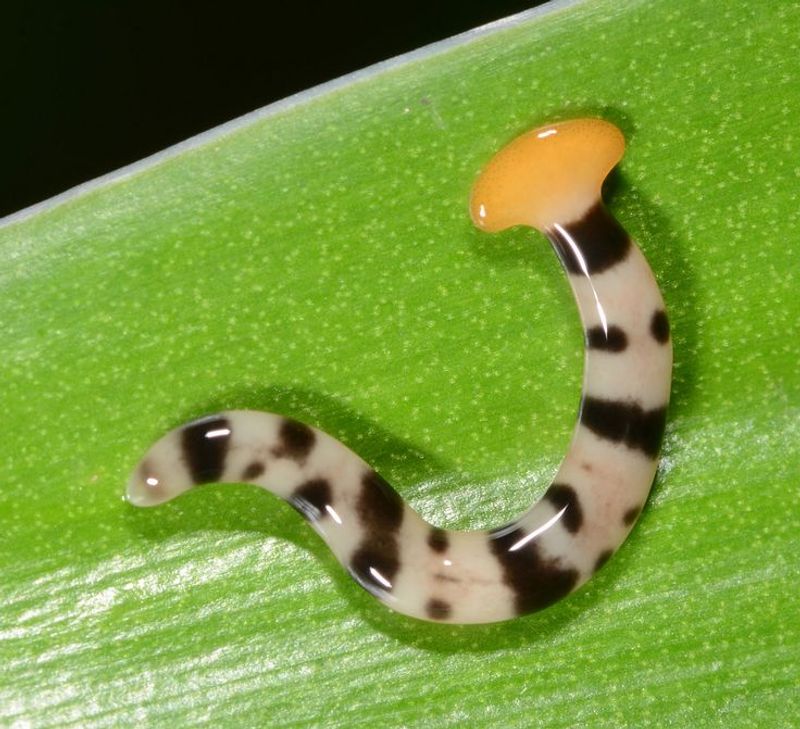
The hammerhead worm did not walk to Illinois on its own.
It got a ride, most likely tucked inside the soil of imported tropical plants or nursery stock that traveled across state and international borders.
The global plant trade has been quietly moving invasive species around the world for decades, and the hammerhead worm is one of the more successful stowaways.
Originally native to parts of Southeast Asia, these flatworms were first documented in the United States in the early 1900s, when they began appearing in greenhouse collections.
Since then, they have been slowly expanding their range, and in recent years, sightings across Illinois have increased noticeably.
Gardening communities, social media groups, and university extension services in Illinois have all reported a rise in confirmed hammerhead worm encounters over the past several years.
Warmer winters and milder temperature swings may also be helping them survive seasons they once could not.
The spread is accelerating for a simple reason: people share plants.
When an Illinois gardener passes along a division of hostas or a pot of herbs to a neighbor, any hammerhead worms or their eggs hiding in that soil come along for the trip.
They do not need a mate to reproduce either, which makes population growth fast and hard to control.
A single worm can regenerate into multiple worms if cut or injured, meaning well-meaning attempts to remove them can accidentally make the problem worse.
Understanding how they travel helps Illinois gardeners take smarter precautions when buying, trading, or moving plants between locations.
4. Here Is Why The Hammerhead Worm Is So Dangerous
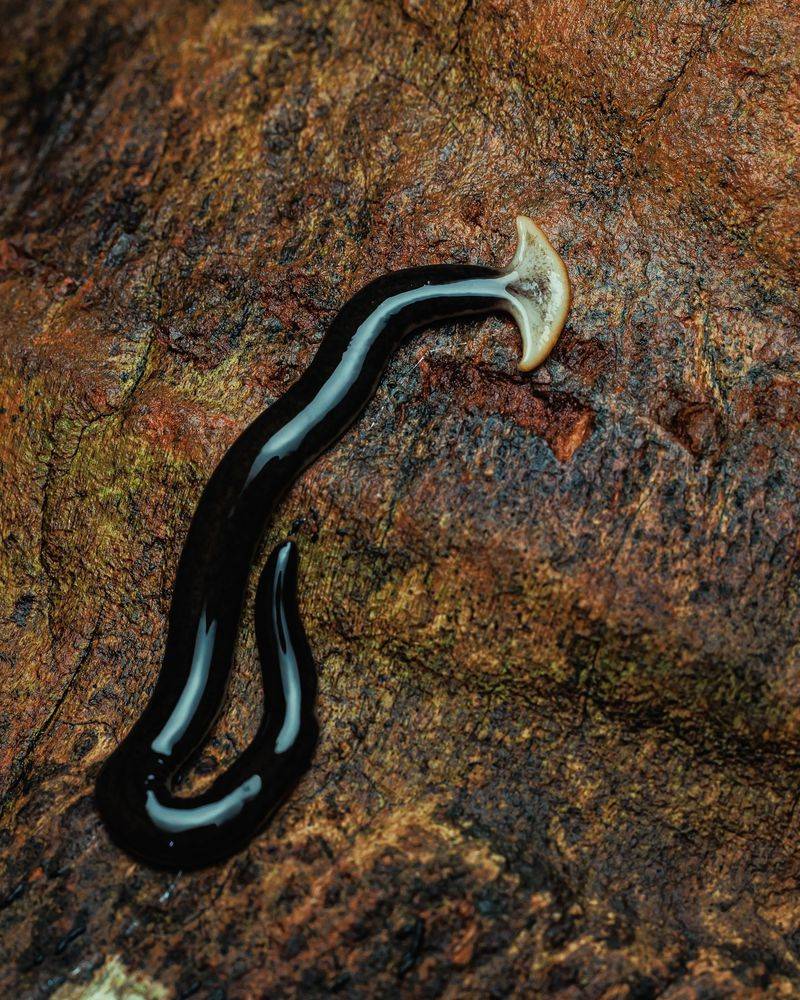
At first glance, a worm does not seem like much of a threat.
But the hammerhead worm has a chemical trick up its sleeve that makes it unlike anything else crawling through Illinois gardens.
It produces a compound called tetrodotoxin, the same substance found in puffer fish, which it uses primarily to subdue prey and deter predators.
Now, before you panic, here is the important context.
The concentration of tetrodotoxin in hammerhead worms is extremely low, far below levels that would cause serious harm to a healthy adult through casual skin contact.
You are not going to pick one up and collapse.
However, that does not mean you should handle one bare-handed either.
Some people with sensitive skin may experience mild irritation after contact, and touching your face or mouth without washing your hands thoroughly afterward is always worth avoiding.
Where caution becomes more meaningful is with small pets.
Dogs and cats that sniff, lick, or mouth a hammerhead worm may experience temporary discomfort.
If your pet has contact with one, rinsing the area and monitoring for unusual behavior is a sensible precaution, though serious reactions are not commonly documented.
Beyond the toxin, the worm also secretes a thick, sticky mucus from its skin when disturbed.
This substance clings stubbornly to fingers and is not easy to wipe off quickly.
It is unpleasant, it is the worm’s way of saying back off, and it is reason enough to keep your bare hands away from one entirely.
5. The Hammerhead Worm Is Silently Harming Illinois Ecosystems
The damage a hammerhead worm causes is not loud or obvious.You will not wake up one morning to find your garden destroyed overnight.
Instead, the harm builds quietly beneath the surface, in the soil, where it matters most for the long-term health of any Illinois garden or natural area.
Hammerhead worms are voracious predators of earthworms.Earthworms are the unsung heroes of healthy soil, aerating the ground, breaking down organic matter, and improving drainage and nutrient availability.
When hammerhead worms move into an area in large numbers, they can significantly reduce local earthworm populations.Fewer earthworms means compacted, less fertile soil, which leads to weaker plants, slower decomposition, and reduced water absorption.
For Illinois gardeners who have spent years building rich, productive soil, a hammerhead worm infestation quietly unravels that work.
The impact extends beyond individual gardens.In natural areas across Illinois, including forest preserves, prairie restorations, and wetland edges, healthy soil ecosystems depend on a balanced population of soil organisms.
Hammerhead worms disrupt that balance in ways that ripple upward through the food chain.Birds, moles, and other animals that rely on earthworms as a food source may find their prey disappearing from areas where hammerhead worms have established themselves.
Researchers are still studying the full ecological footprint of this invasive species in the Midwest, but early findings point to real and lasting consequences.Illinois naturalists and conservation groups are increasingly concerned about the long-term effects on native landscapes if populations continue to grow unchecked.
6. Why Touching A Hammerhead Worm Is A Mistake You Do Not Want to Make
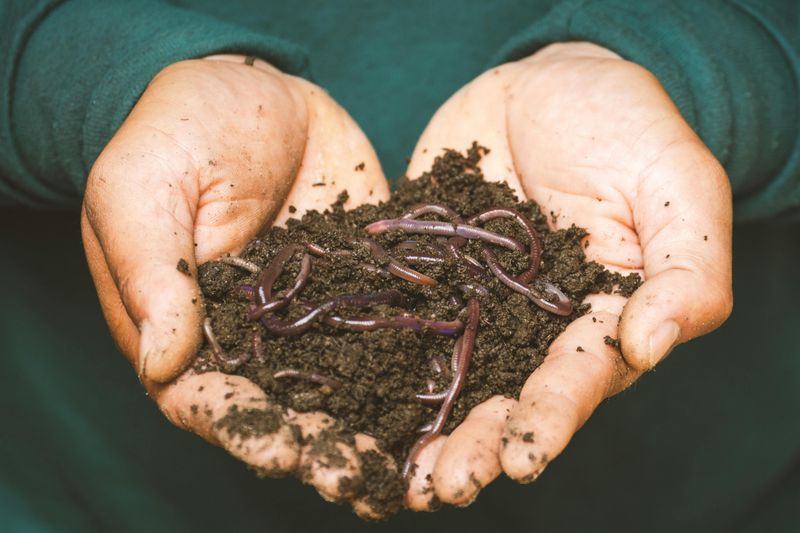
Most people who encounter a hammerhead worm for the first time reach for it out of curiosity.
It looks strange, it moves slowly, and it does not seem aggressive.
But picking one up bare-handed is one of those garden mistakes that teaches a lesson you will not forget quickly.
The first thing you notice when you touch a hammerhead worm is the mucus.
It is thick, sticky, and surprisingly hard to wipe off.
That slime is not just unpleasant, it contains the tetrodotoxin the worm uses as a defense, and it stays active on your skin until you wash it off thoroughly with soap and water.
Some people report mild skin irritation or a burning sensation after contact, similar to what you might feel after handling certain plants with irritating sap.
For most healthy adults, this may be temporary and mild, but the reaction can vary depending on individual sensitivity.
Cutting or chopping a hammerhead worm is one of the worst mistakes you can make, and it is worth clearing up a popular myth while we are here.
Many people believe that cutting any worm in half produces two living worms.
For common earthworms, that is mostly false. In most earthworm species, only the head-end segment has a chance of surviving, and even then it is not guaranteed.
For the hammerhead worm, however, the story is genuinely different.
Each fragment has the potential to regenerate into a new individual.
One careless chop with a shovel could turn your single worm problem into several.
This is why gardeners in Illinois are strongly advised to never use shovels, hoes, or any cutting tool to deal with these creatures.
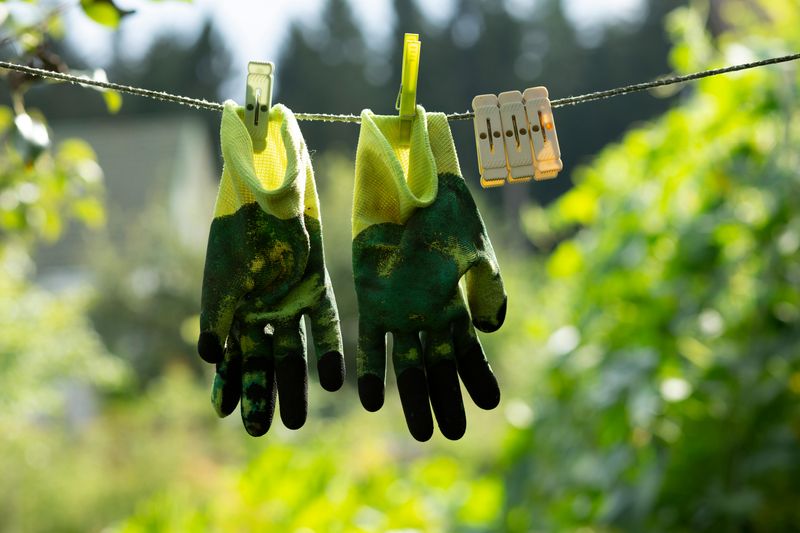
Always wear gloves when working in areas where hammerhead worms have been spotted.
Treat any contact with the same caution you would give to handling an unknown chemical in your yard.
7. If You Spot A Hammerhead Worm, Here Is Exactly What You Should Do Right Now

Finding a hammerhead worm in your Illinois garden does not have to turn into a panic.
There is a clear, safe process for dealing with one, and following it protects both you and the surrounding ecosystem.
The key is to act carefully and methodically rather than reacting on impulse.
Start by putting on thick rubber or latex gloves before you do anything else.
Never handle a hammerhead worm with bare hands, even if it looks motionless or small.
Once gloved, you can use a stick, tongs, or a plastic bag turned inside out to pick up the worm without direct skin contact.
Place it into a sealed plastic bag or a container with a lid.
From there, the recommended approach from many university extension services is to add salt or rubbing alcohol to the bag.
It will neutralize the worm without creating fragments that could regenerate.
Do not cut it, do not throw it into a compost pile, and do not release it somewhere else in Illinois, as that only spreads the problem further.
After handling the worm or anything it touched, wash your hands thoroughly with soap and water for at least thirty seconds.
If you believe a child or pet had contact with a hammerhead worm, rinse the affected area with water and contact a medical professional or veterinarian if symptoms appear.
Reporting your sighting to the Illinois Department of Natural Resources or a local university extension office is also encouraged.
Every confirmed sighting helps researchers track how far this invasive species has spread across the state.
8. You Can Fight Back Against This Invasive Predator
Prevention is the most powerful tool Illinois gardeners have against the hammerhead worm.Once a population gets established in your yard, managing it takes consistent effort.
Building good habits now is far easier than trying to reclaim your garden later.
Start with the plants you bring home.Before introducing any new plant into your Illinois garden, inspect the root ball and surrounding soil carefully.
Look for flat, ribbon-like worms or anything that does not look like a typical earthworm.If you are buying from a local nursery or receiving plants from a friend, ask where the plants were grown and whether they have had any pest issues.
Buying from reputable, locally sourced nurseries reduces the risk of importing contaminated soil into your yard.Avoiding the transfer of soil between garden areas is another simple but effective barrier against spreading these worms unintentionally.
For gardeners who have already spotted hammerhead worms in Illinois, regular monitoring is essential.Walk your garden beds after rain, especially in the evening when these worms are most active.
Keep a pair of gloves and a container nearby so you are ready to act when you find one.Some gardeners have had success reducing populations over time through persistent removal, though complete elimination from an established garden is difficult.
Participating in local invasive species reporting programs and connecting with other Illinois gardeners through extension services or community garden groups can also provide updated strategies as researchers learn more.Staying informed and staying consistent gives your garden the best chance of holding its ground against this unusual and persistent invader.