Native North Carolina Shrubs That Outperform Hydrangeas In Heat And Humidity
Hydrangeas are basically the celebrities of North Carolina gardens, and honestly, the hype is deserved. Those big, dramatic blooms photograph beautifully and look stunning in just about any front yard setting.
But here is something worth thinking about: North Carolina summers are no joke. The heat gets intense, the humidity is relentless, and dry spells can stretch on longer than anyone wants.
Some planting spots around your property will test even the toughest shrubs. And while hydrangeas are genuinely gorgeous, a handful of North Carolina native shrubs can actually handle those brutal summer conditions with a lot less fuss.
Not because hydrangeas are a bad choice, mind you, but because these natives grew up here. They know the heat, they know the humidity, and they show up every season ready to perform without much drama at all.
1. Appalachian Mock-Orange Keeps Its Cool In Heat
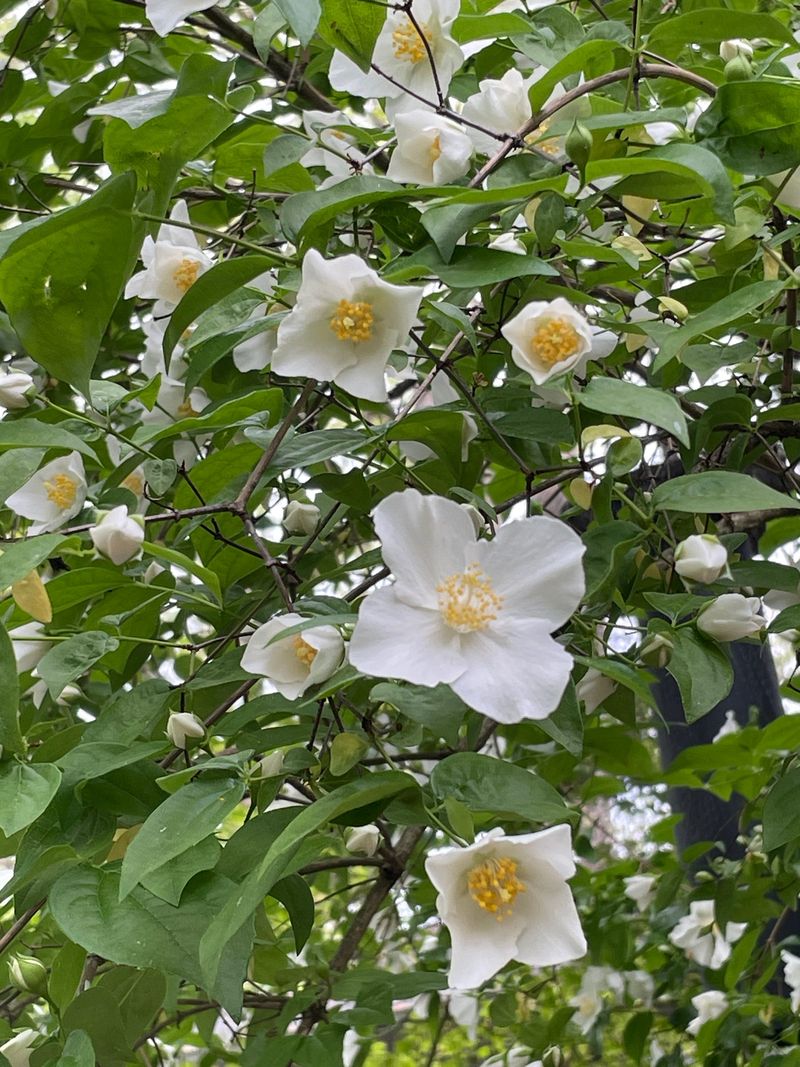
Few things in a summer garden stop people in their tracks quite like the sweet, clean fragrance drifting off a blooming Appalachian mock-orange.
Native to the mountains and upper piedmont of North Carolina, this tough deciduous shrub produces clusters of white, four-petaled flowers that carry a scent often compared to citrus blossoms.
It typically blooms in late spring to early summer, putting on a show right when the heat starts building.
What makes this shrub especially useful in North Carolina landscapes is its ability to handle heat and humidity without looking ragged by midsummer.
Unlike some shrubs that drop leaves or develop scorched edges when temperatures climb, Appalachian mock-orange tends to stay relatively tidy through the season, particularly when planted in a spot with good air circulation.
It can manage in full sun to partial shade, though afternoon shade in hotter sites may help it look its best.
Mature plants can reach six to ten feet tall and wide, so it works well as a back-of-border shrub or a naturalized hedge in larger yards. It is not especially fussy about soil as long as drainage is reasonable.
One thing worth noting is that established plants are more drought-tolerant than young ones, so some supplemental watering during dry spells in the first couple of seasons can help the shrub settle in.
For gardeners wanting fragrance, native habitat value, and summer resilience in a single package, this is a shrub that earns its space.
2. Common St. John’s Wort Handles Summer With Ease
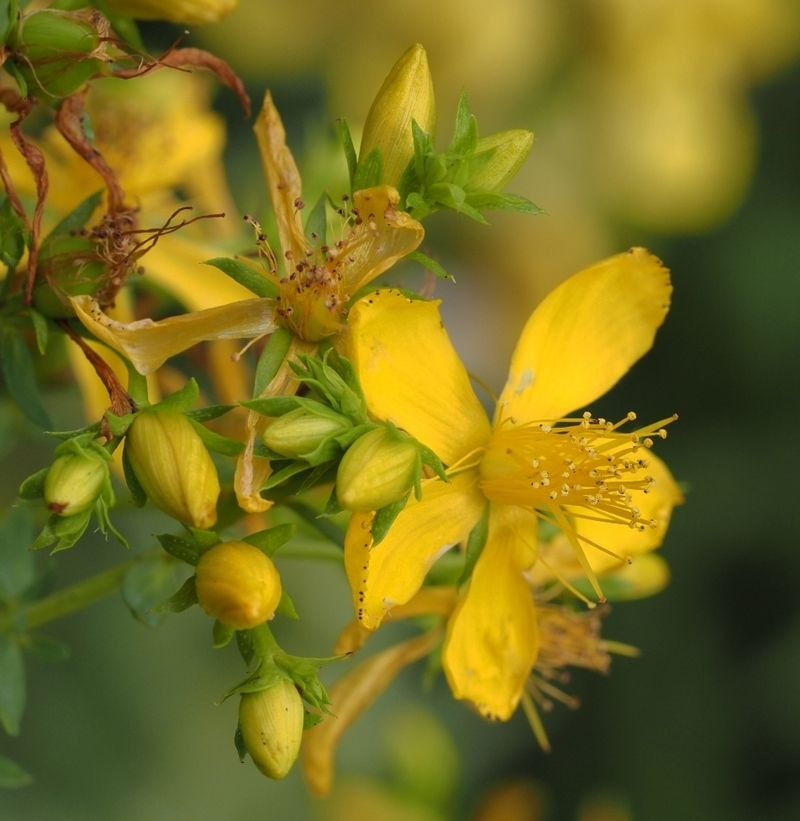
Bright yellow flowers in the thick of a North Carolina summer are not always easy to find, but Common St. John’s Wort delivers them reliably, even when the heat and humidity are at their most intense.
This native shrub blooms from late June through August, producing cheerful, five-petaled yellow flowers with showy stamens that give each bloom a slightly feathery look.
It is one of those plants that seems genuinely unbothered by the conditions that stress other shrubs.
Growing typically two to three feet tall and spreading a bit wider over time, Common St. John’s Wort fits well into sunny borders, rocky slopes, and dry edges where other shrubs might struggle.
Your North Carolina Garden Changes Every Week. Your Plan Should Too.
Gardening in North Carolina changes quickly throughout the season. Every Friday you’ll receive a simple weekly plan showing exactly what to plant, prune, fertilize, harvest, and protect so you never miss the right timing.
It handles poor, well-drained soils with a kind of ease that feels almost unfair compared to more finicky options.
In North Carolina, it is especially useful in spots with reflected heat, such as areas near driveways, walls, or south-facing slopes where summer temperatures can feel punishing.
The foliage is a soft blue-green that looks tidy through the growing season, and in fall the leaves take on warm orange and red tones before dropping. Pollinators, including native bees, visit the flowers regularly, adding wildlife value to its ornamental appeal.
Pruning lightly in early spring can help keep the plant looking full and encourage strong new growth.
For a low-maintenance, heat-loving native that fills a sunny spot with summer color, Common St. John’s Wort is a smart and underused choice in North Carolina gardens.
3. New Jersey Tea Stays Strong In Tougher Spots
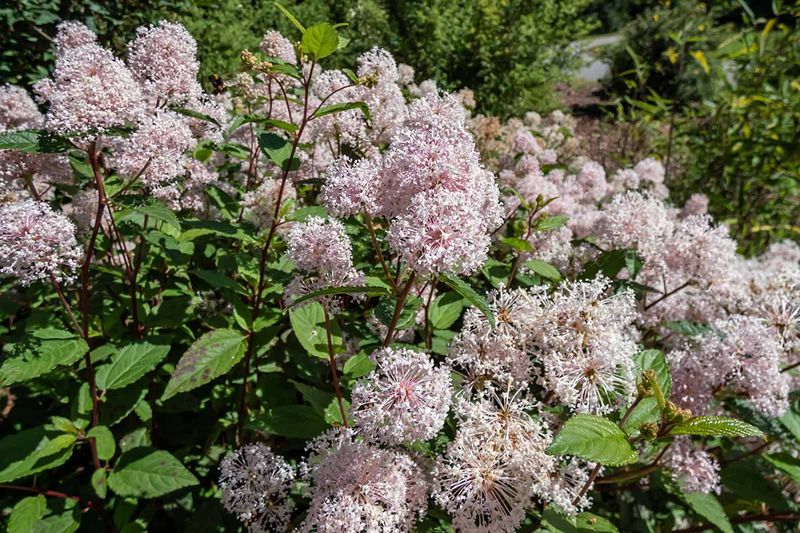
Gardeners who have struggled with dry, compacted, or nutrient-poor soil know that finding a shrub willing to thrive in those conditions is genuinely exciting.
New Jersey Tea is a low-growing native shrub that seems to shrug off the kinds of site challenges that send other plants into decline.
Reaching about three to four feet tall and wide at maturity, it stays tidy and manageable without much intervention, making it a practical fit for mixed borders and naturalized areas across North Carolina.
In late spring and early summer, New Jersey Tea produces fluffy clusters of tiny white flowers that attract an impressive range of pollinators, including specialist native bees that rely on this plant specifically.
That ecological value alone makes it worth considering, but its summer toughness is what really sets it apart.
The deep taproot this shrub develops over time helps it access moisture even during extended dry spells, which is a meaningful advantage in North Carolina summers that can swing between humid and dry within the same month.
Full sun to light shade works well, and the plant tends to perform better in well-drained soils rather than consistently wet ones.
It is worth knowing that young plants establish slowly and may not look impressive in the first season or two, but patience pays off as the root system matures.
Once settled, this shrub brings consistent summer interest and resilience that makes it a genuinely valuable addition to tougher spots in North Carolina landscapes where other shrubs may not hold up as well.
4. Carolina Allspice Brings Beauty Without The Fuss
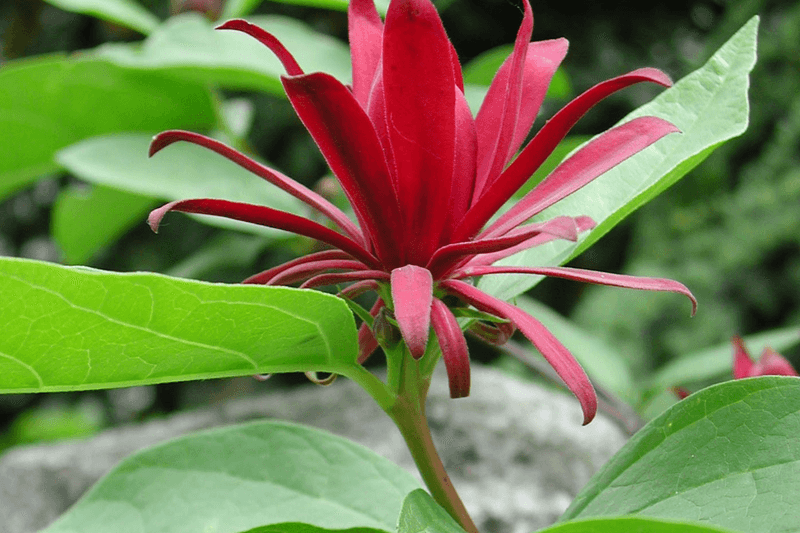
Walking past a Carolina allspice in bloom is one of those small garden moments that tends to catch people off guard.
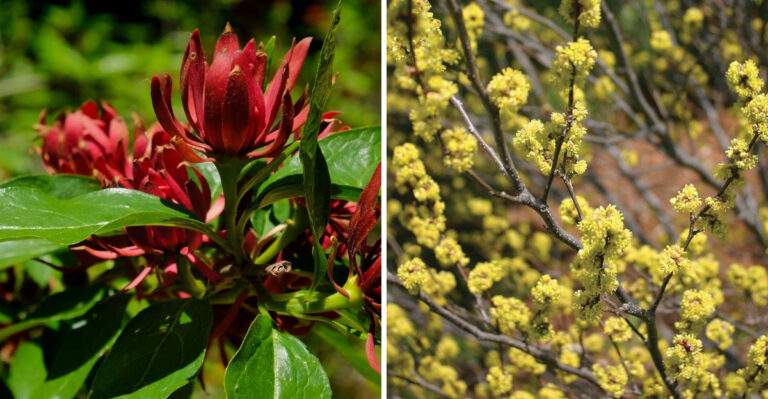
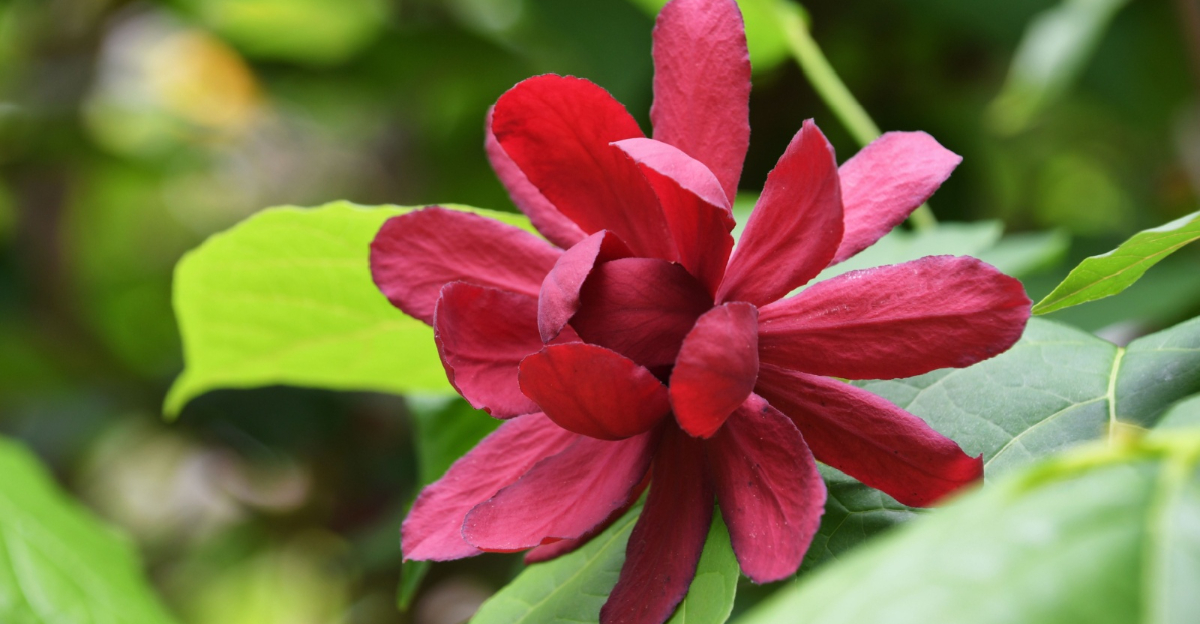
The flowers are unusual, with deep burgundy, strap-like petals that spiral together in a way that looks almost tropical, and they carry a rich, spicy fragrance that is hard to describe but easy to enjoy.
Native to the southeastern United States, including parts of North Carolina, this shrub has been winning over gardeners for generations without ever needing much attention to do so.
Carolina allspice typically grows six to nine feet tall and spreads freely through root suckers, forming a loose, multi-stemmed colony over time.
That spreading habit can be an asset in naturalized areas or woodland edges, though gardeners who want a more contained shape may want to remove suckers occasionally.
It handles summer heat and humidity with quiet confidence, particularly in partial to full shade, where it fills in beautifully beneath taller trees or along shaded foundation beds.
The large, textured leaves stay attractive through the growing season and turn yellow in fall before dropping. Soil moisture is flexible, as this shrub tolerates both moderately dry and somewhat moist conditions, though consistently waterlogged soil is not ideal.
For North Carolina gardeners working with shaded spots where summer can feel airless and oppressive, Carolina allspice offers fragrance, interesting flowers, and good foliage.
Its relaxed toughness also makes it a dependable and underappreciated choice in the native shrub landscape.
5. Buttonbush Shines In Hot Moist Spaces
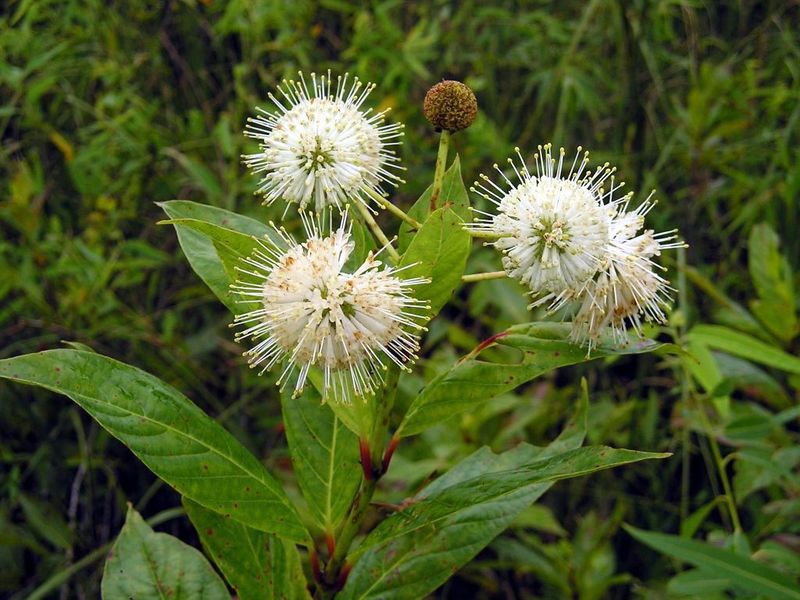
Some garden spots are not just hot and humid, they are also consistently moist, sitting near downspouts, in low-lying areas, or along the edges of ponds and rain gardens. Buttonbush was practically made for those places.
This native shrub produces some of the most distinctive flowers in the southeastern landscape. Its round, white, globe-shaped flower heads look a bit like pincushions.
They bloom from summer into early fall, right when heat and humidity are often at their peak in North Carolina.
Pollinators absolutely flock to buttonbush flowers.
Bees, butterflies, and hummingbirds visit regularly, and the plant also provides habitat and food for waterfowl and other wildlife, making it a meaningful addition to rain gardens, retention areas, or naturalized wetland edges.
It can grow anywhere from six to twelve feet tall depending on moisture levels and light, with richer soil and more sun typically producing larger, more vigorous plants.
Full sun to partial shade both work, and the plant is notably tolerant of extended flooding, which is a quality few ornamental shrubs can claim.
In North Carolina, where heavy summer rain events can saturate low spots for days at a time, that kind of resilience is genuinely useful.
The glossy green foliage looks fresh through the season, and while the plant is deciduous, its sculptural branching adds winter interest.
For wet, hot, and humid corners of North Carolina landscapes where other shrubs may not hold up, buttonbush is a standout native option worth planting with confidence.
6. Swamp Titi Thrives Where Soil Stays Damp
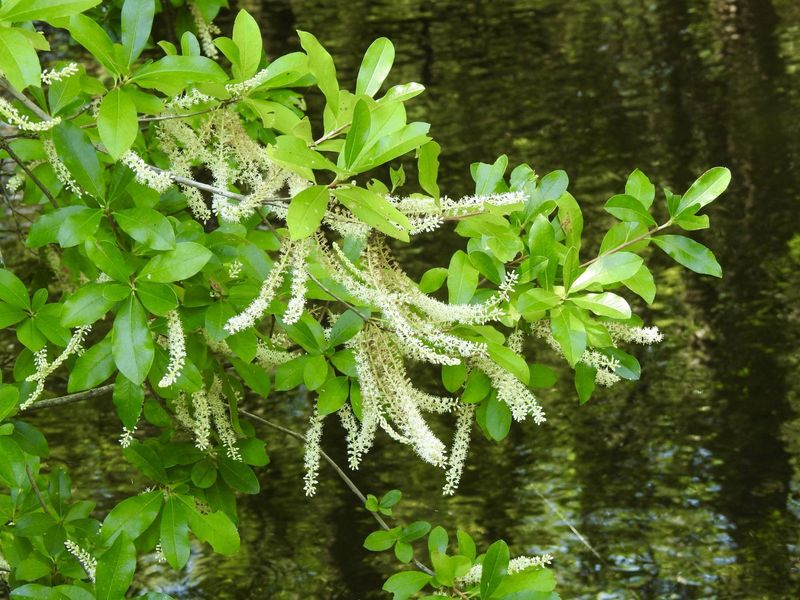
Along the coastal plain and lower piedmont of North Carolina, there are stretches of landscape where the soil rarely dries out, where water lingers after rain and the air hangs thick with humidity well into September.
Swamp titi is one of the few native shrubs that genuinely thrives in those conditions rather than simply tolerating them.
It is a plant that rewards gardeners who work with their wet sites rather than fighting them, and in the right spot it can be quietly spectacular.
In late spring, swamp titi produces long, drooping clusters of small white flowers that carry a pleasant fragrance and attract native pollinators in good numbers. The blooms emerge before the leaves fully develop, giving the plant a soft, airy look that is easy to appreciate.
As summer settles in, the glossy, semi-evergreen foliage fills out and stays looking clean even during stretches of heat and high humidity that would cause stress on many other shrubs.
Mature plants can reach ten to fifteen feet tall in favorable conditions, though they tend to stay more compact in drier or shadier spots. Full sun to partial shade works, and consistently moist to wet, acidic soils are where this shrub performs most comfortably.
It is not a good fit for dry or well-drained garden beds.
But for rain gardens, pond edges, wet woodland borders, and low-lying naturalized areas in North Carolina, swamp titi brings beauty, native habitat value, and genuine summer resilience to places where few ornamental shrubs can hold their own.