Oregon Plants You’ll Never Need To Replant In Your Garden
Some plants feel like a one-season fling, pretty for a while, then gone before you can really count on them. Others settle in like dependable old friends, returning year after year with fresh growth, familiar color, and almost no drama.
Isn’t that the dream for a garden that feels full without constant replanting? Long-lived perennials, self-renewing natives, sturdy shrubs, and reliable bulbs can make outdoor spaces feel easier, more natural, and a lot more rewarding.
Around Oregon, where conditions can shift between soggy spells, dry summers, coastal breezes, and mountain chill, choosing plants with staying power can save time, money, and plenty of frustration. The best part?
Many of these garden workhorses look anything but boring. They can feed pollinators, soften borders, fill empty corners, and come back with quiet confidence each year, giving your yard a lasting sense of rhythm, beauty, and surprise.
1. Great Camas
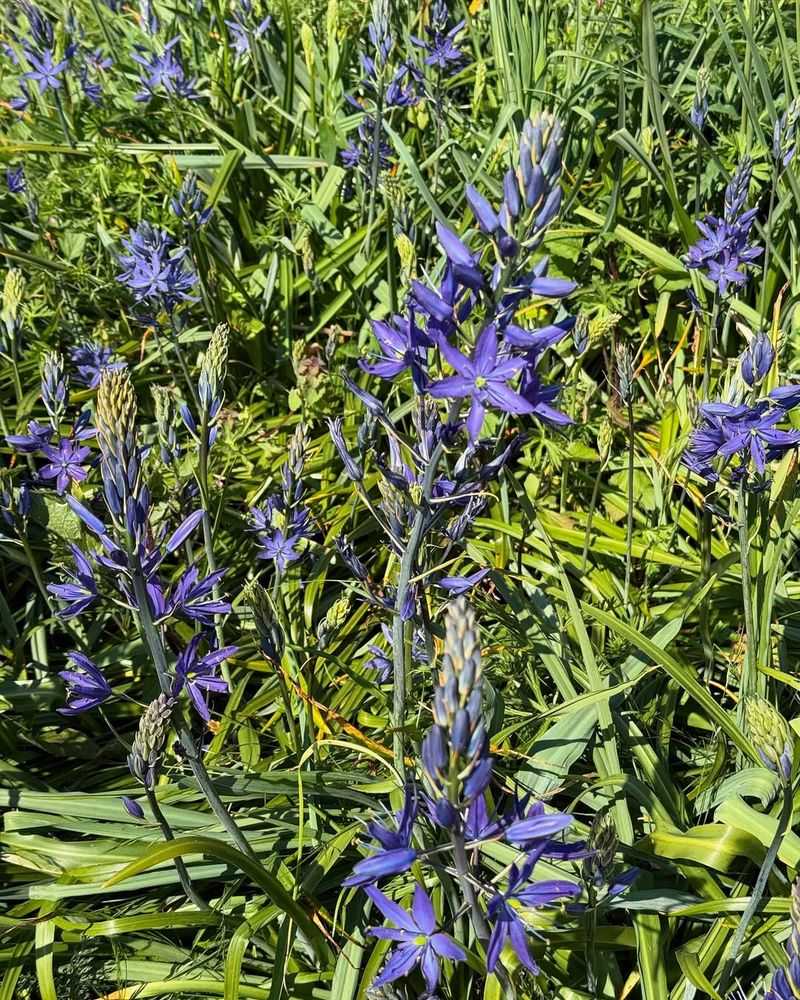
Few plants carry as much history as Great Camas. Native to Oregon’s wet meadows and prairies, this stunning bulb plant produces tall spikes covered in rich blue-violet flowers every spring.
Indigenous peoples of the Pacific Northwest harvested its bulbs as a major food source for thousands of years, making it one of the most culturally significant plants in the region.
Great Camas is a true set-it-and-forget-it plant. Once you plant the bulbs in a sunny to partly shaded spot with moist, well-drained soil, they multiply on their own year after year.
Over time, a single bulb can grow into a large, spreading clump that fills your garden with color without any extra effort from you.
It grows best in areas that stay moist in spring but dry out a bit in summer, which matches Oregon’s natural weather patterns perfectly. Plant it near a rain garden, along a stream, or in a low-lying area of your yard.
Pollinators like native bees absolutely love the flowers. Great Camas is proof that some of the most rewarding garden plants are the ones that have always belonged here.
2. Red Huckleberry
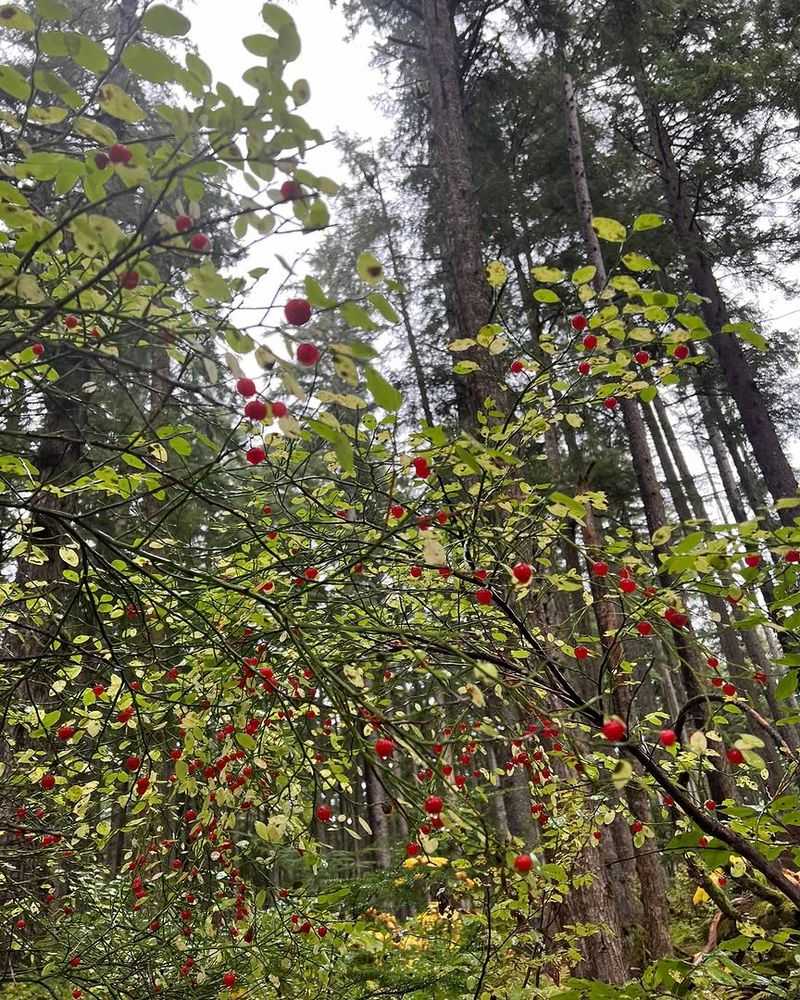
Walk through almost any shaded Oregon forest and you will likely spot the cheerful red berries of Red Huckleberry glowing like tiny jewels among the green. This native shrub is a beloved part of the Pacific Northwest landscape, and it brings that same wild beauty right into your backyard.
Birds, bears, and people have been enjoying its tart, flavorful berries for generations.
Red Huckleberry thrives in partial to full shade and loves acidic, well-drained soil. It often grows naturally on old rotting logs and stumps, which makes it a fantastic plant for woodland gardens.
Once established in the right spot, it spreads slowly and steadily, returning each year with fresh foliage and a new crop of berries without any replanting needed.
The shrub can grow anywhere from three to twelve feet tall, making it a great choice for adding vertical interest to a shaded corner of your Oregon garden. Its small, oval leaves turn beautiful shades of yellow and orange in fall, giving you seasonal color all year long.
Your Oregon Garden Changes Every Week. Your Plan Should Too.
Gardening in Oregon changes quickly throughout the season. Every Friday you’ll receive a simple weekly plan showing exactly what to plant, prune, fertilize, harvest, and protect so you never miss the right timing.
Planting Red Huckleberry is one of the best decisions any Pacific Northwest gardener can make. It feeds wildlife, looks gorgeous, and practically takes care of itself.
3. Slough Sedge
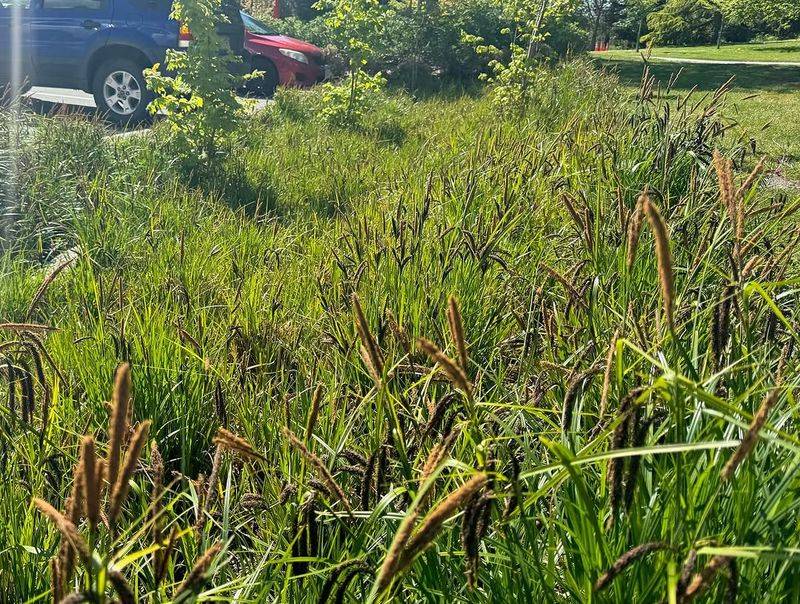
Not every garden hero has showy flowers. Slough Sedge earns its place through sheer toughness and usefulness.
This native Oregon sedge grows naturally along streams, ponds, and wetland edges across the Pacific Northwest, making it one of the most water-smart plants you can choose for a wet or poorly drained area of your yard.
Slough Sedge forms dense, arching clumps of deep green, grass-like leaves that can reach three to four feet tall. It spreads gradually by underground runners, slowly filling in bare, soggy spots where other plants struggle to survive.
Once it gets going, it creates a lush, textured groundcover that stays green through much of Oregon’s rainy season.
Beyond looking great, Slough Sedge does important work in the garden. Its thick root system helps prevent erosion along slopes and stream banks, and its dense clumps provide shelter and nesting material for birds and small wildlife.
It pairs beautifully with other Oregon natives like Great Camas and Nootka Rose. If you have a wet, shady spot that has always been a problem area, Slough Sedge might be exactly the solution you have been looking for.
It asks for very little and gives back a lot.
4. Oregon Geranium
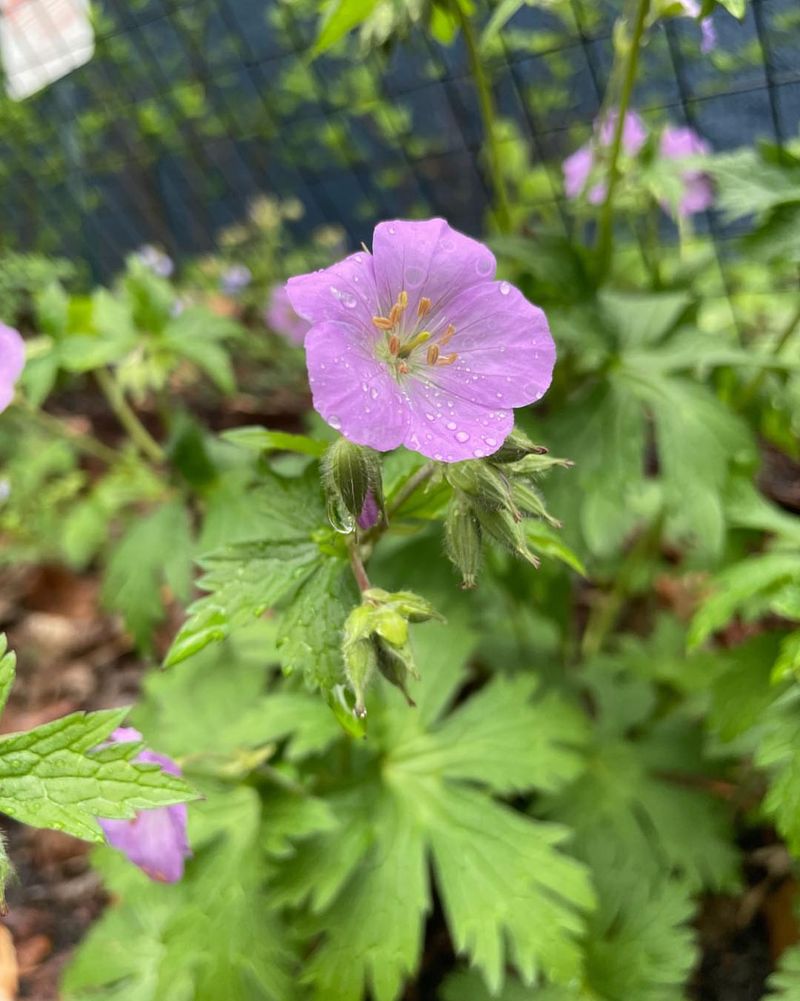
Oregon Geranium is one of those plants that surprises people every single spring. After a quiet winter underground, it pushes up fresh, deeply lobed leaves and produces a cheerful display of pink to lavender flowers that pollinators can not resist.
It is a true native wildflower of the Pacific Northwest, found naturally in open forests and meadows throughout Oregon and beyond.
What makes Oregon Geranium so great for home gardens is how easy it is to grow. It handles sun and partial shade equally well and adapts to a wide range of soil types as long as drainage is decent.
Once planted, it self-seeds reliably, meaning new plants pop up nearby each year and gradually fill in open spaces without any help from you.
The foliage itself is attractive even when the plant is not in bloom. The leaves are deeply cut and slightly fuzzy, giving them a soft, textured look that adds interest to garden beds.
In fall, the leaves often turn shades of red and orange before fading back for winter. Oregon Geranium works beautifully as a groundcover, border plant, or filler between larger shrubs.
It is low-maintenance, wildlife-friendly, and genuinely lovely, everything a great Oregon garden plant should be.
5. Foothill Sedge
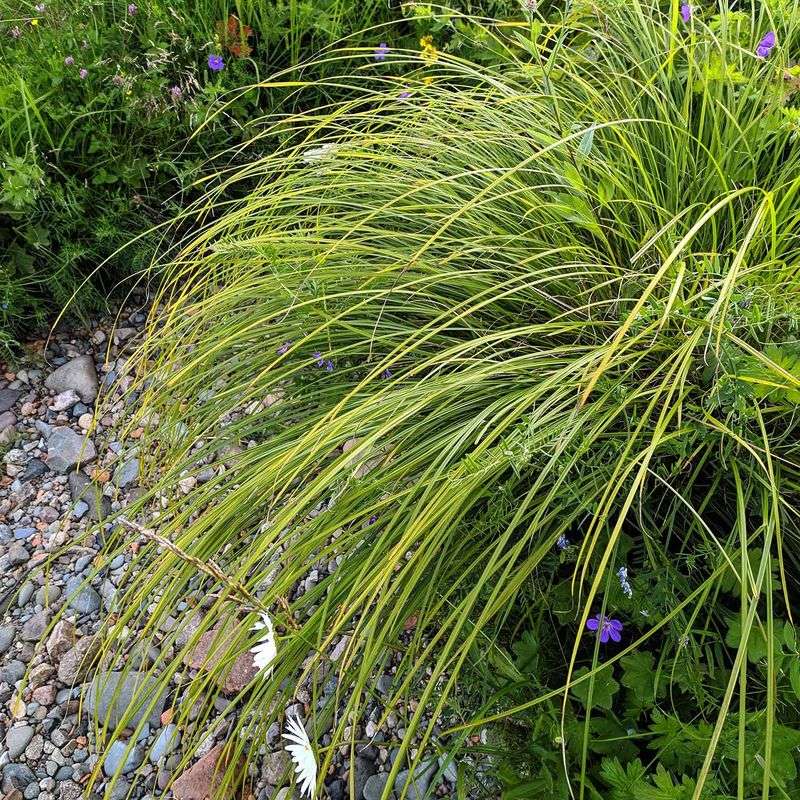
If you have ever struggled to grow anything under a big tree or in a dry, shady corner of your yard, Foothill Sedge is about to become your new favorite plant. This tough Oregon native thrives in exactly the conditions that defeat most other groundcovers.
It handles dry shade better than almost anything else available for Pacific Northwest gardens.
Foothill Sedge forms low, spreading mounds of fine-textured, bright green foliage that stay attractive throughout the year. It grows slowly but steadily, eventually creating a dense, weed-suppressing mat that reduces the need for mulching and weeding.
In many Oregon gardens, it works as a lawn alternative in areas where traditional grass simply refuses to grow.
One of the best things about Foothill Sedge is how little water it needs once established. Unlike many plants, it actually prefers to dry out between waterings, making it a smart choice for water-conscious gardeners across Oregon.
It rarely needs fertilizing, never needs mowing, and comes back reliably every year without any replanting. Small birds love to nest near its clumps, and it pairs well with native ferns and woodland wildflowers.
For low-effort, high-reward gardening in tricky spots, Foothill Sedge truly delivers season after season.
6. Large-Flowered Blue-Eyed Mary
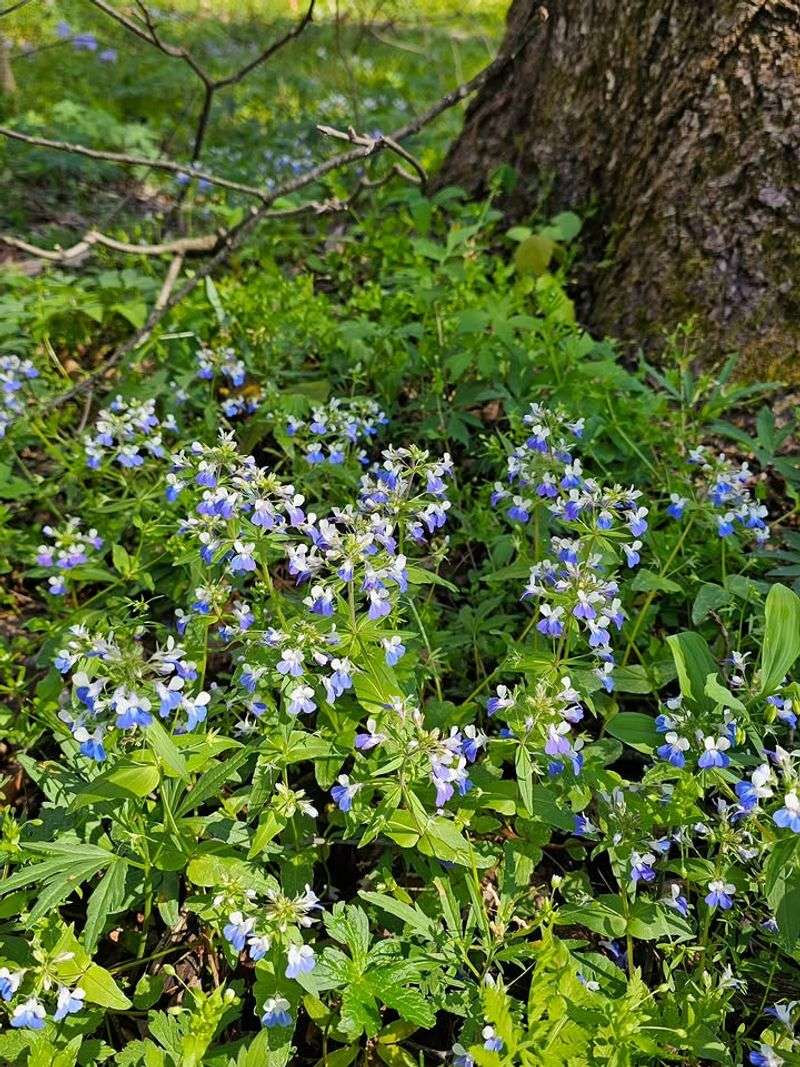
Spotting Large-Flowered Blue-Eyed Mary in bloom feels like finding a tiny treasure. Its flowers are small but absolutely stunning, with bright blue upper petals and crisp white lower petals that look almost painted on.
This cheerful annual wildflower is native to Oregon and the broader Pacific Northwest, where it carpets open slopes and forest edges in breathtaking color each spring.
Even though it is technically an annual, Large-Flowered Blue-Eyed Mary self-seeds so reliably that it behaves just like a perennial in your garden. Once you scatter seeds or plant a small start in a sunny, well-drained spot, it comes back faithfully every year on its own.
It spreads gradually across open areas, creating a naturalistic wildflower look that is hard to replicate with anything else.
It grows best in lean, gritty soil and does not need fertilizing. Rich, overly amended soil can actually reduce its flowering.
This plant wants things simple, and that simplicity is exactly what makes it so easy to love. Pollinators flock to its blooms, and it mixes beautifully with other Oregon spring wildflowers.
If you want a plant that rewards neglect with beauty, Large-Flowered Blue-Eyed Mary is a perfect fit for any Oregon garden with a sunny spot to spare.
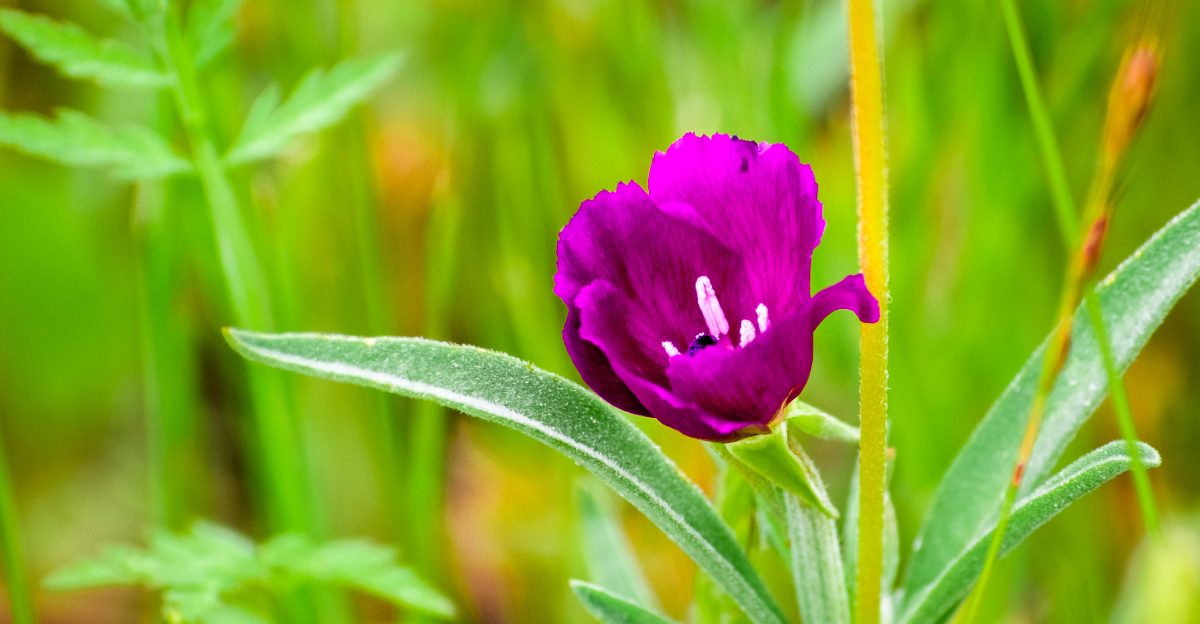
7. Winecup Clarkia
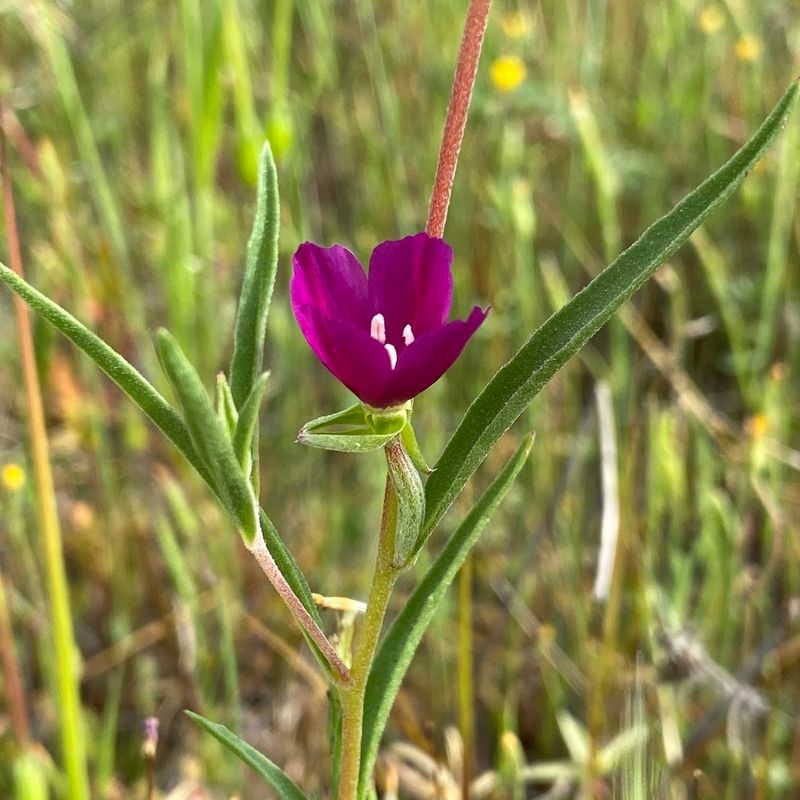
There is something almost electric about Winecup Clarkia in full bloom. Its rich, deep pink to magenta cup-shaped flowers light up sunny garden beds in summer with a color intensity that stops people in their tracks.
Named in honor of explorer William Clark of the Lewis and Clark Expedition, this Oregon native has been turning heads since long before it ever made it into a garden bed.
Winecup Clarkia is another self-seeding annual that behaves like a perennial once established. It thrives in dry, sunny spots with well-drained soil, which makes it a natural fit for the drier parts of Oregon’s summer season.
After the flowers fade, the plants drop plenty of seeds that sprout reliably the following spring, keeping the show going year after year without any extra planting from you.
It works especially well in wildflower meadow plantings or as a colorful filler between perennial plants. Because it blooms in summer when many spring wildflowers have already faded, Winecup Clarkia helps extend the season of color in your Oregon garden.
Bees and butterflies are regular visitors to its blooms. It is tough, beautiful, and completely self-sufficient once it gets going.
Few plants offer this level of seasonal payoff for so little effort.
8. Goat’s Beard
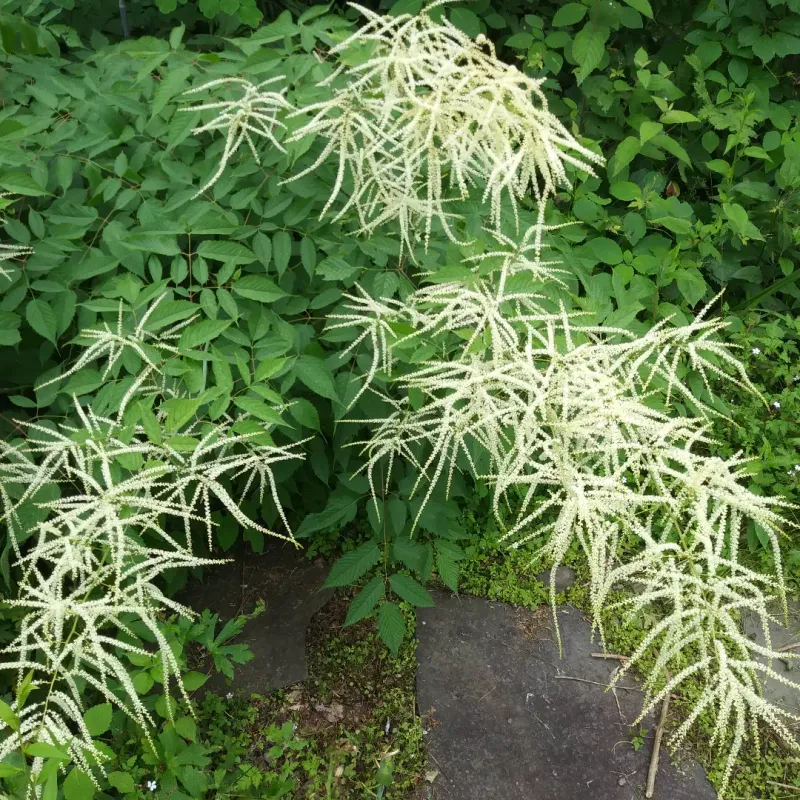
Bold, dramatic, and completely unforgettable, Goat’s Beard is the kind of plant that makes visitors stop and ask what it is. Its tall, arching plumes of creamy white flowers can reach six feet or more in height, creating a statement in shaded or partly shaded Oregon gardens that few other plants can match.
It looks exotic, but it is completely at home in the Pacific Northwest.
Goat’s Beard grows naturally in moist, shaded forests and streamside areas across Oregon, which tells you exactly what conditions it prefers. Plant it in a spot with rich, consistently moist soil and some protection from harsh afternoon sun.
Once it gets settled in, it spreads slowly into a large, impressive clump that returns bigger and better every single year without any replanting.
The flowers appear in early summer and last for several weeks, attracting a wide range of pollinators. After blooming, the fluffy seed heads add texture and interest to the garden well into fall.
The large, compound leaves also create beautiful shade and texture at the base of the plant throughout the growing season. Goat’s Beard pairs wonderfully with ferns, hostas, and other shade-loving Oregon natives.
If you have a big, shady space that needs a showstopper, this plant is exactly what you have been looking for.
9. Pacific Coast Trillium
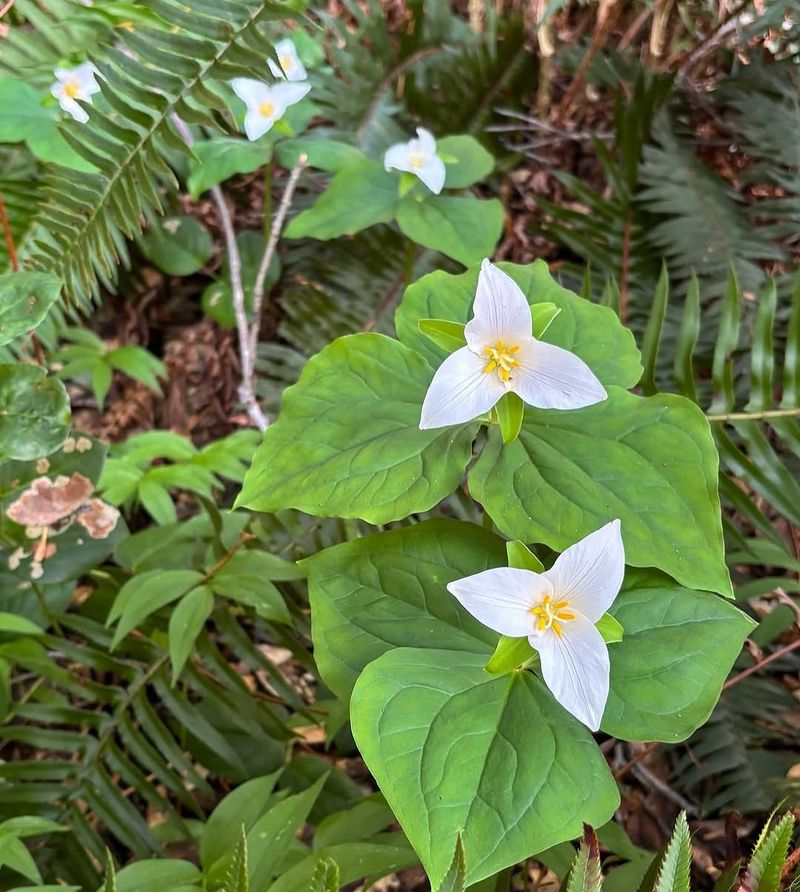
Some plants feel like they belong to the forest itself, and Pacific Coast Trillium is one of them. This iconic wildflower of the Pacific Northwest emerges from the shaded forest floor each spring with three broad leaves and a single stunning white flower that slowly ages to pink or deep rose as the season progresses.
Seeing it bloom in an Oregon woodland garden feels genuinely magical.
Pacific Coast Trillium grows from underground rhizomes that spread very slowly over many years. It takes patience to establish, but once it settles in, it comes back reliably every spring without fail.
It prefers deep shade, rich organic soil, and consistent moisture, conditions that are easy to create under large trees or along north-facing slopes in Oregon gardens.
Because it spreads gradually on its own, you never need to replant it. Each year, the clump grows a little larger and produces a few more flowers, rewarding your patience in a deeply satisfying way.
Pacific Coast Trillium is also a protected wildflower in Oregon, so it should always be purchased from reputable native plant nurseries rather than collected from the wild. Plant it, leave it alone, and let it do what it has been doing in Oregon’s forests for thousands of years.
10. Nootka Rose
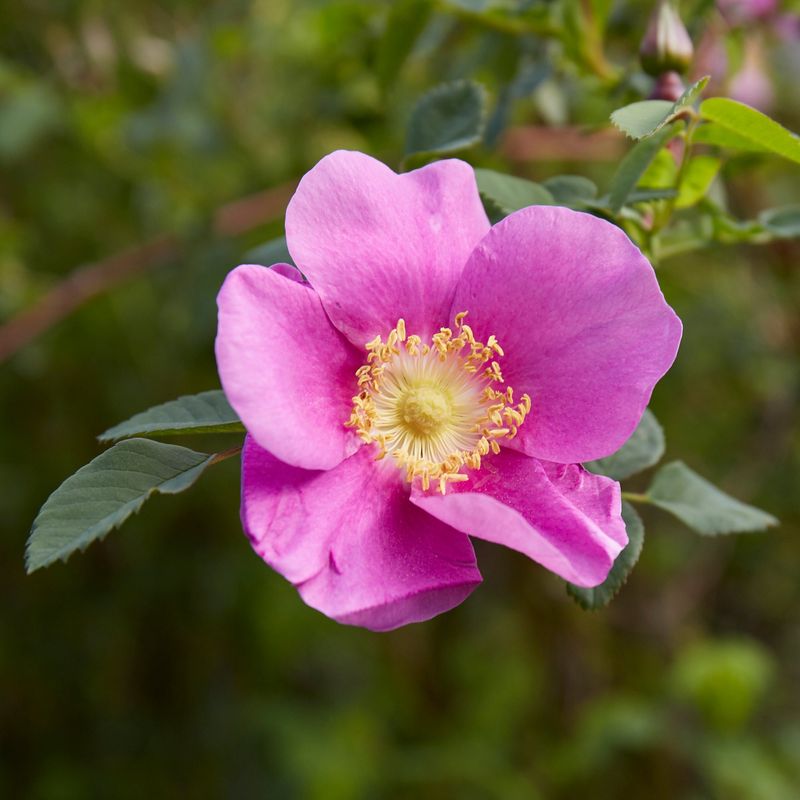
Wild, fragrant, and wonderfully tough, Nootka Rose is one of Oregon’s most beloved native shrubs. Its large, soft pink flowers fill the air with a sweet, classic rose scent each June, and when the petals fall, they leave behind bright orange-red rose hips that feed birds and wildlife well into winter.
This plant gives your Oregon garden something beautiful to offer in every season.
Nootka Rose grows naturally in a wide range of habitats across the Pacific Northwest, from open meadows to forest edges and stream banks. That adaptability carries right into garden settings.
It handles sun or partial shade, tolerates wet or dry soil once established, and spreads by underground runners to form a dense, wildlife-friendly thicket over time. It truly needs very little from you once it gets going.
The thorny canes also provide excellent shelter and nesting sites for birds, making Nootka Rose a fantastic choice for wildlife-focused gardens. Its foliage turns golden yellow in fall before dropping, giving you one last burst of seasonal color before winter arrives.
Nootka Rose pairs beautifully with other Oregon natives like Slough Sedge and Great Camas. If you want a plant that looks stunning, smells amazing, feeds wildlife, and never needs replanting, Nootka Rose checks every single box.