8 Arizona Backyard Changes That Help Birds During Extreme Heat
Let’s be honest, an Arizona summer is brutal even for those of us with air conditioning. Now imagine being a tiny bird trying to navigate 110-degree heat, bone-dry air, and a backyard full of scorching gravel and sun-baked walls.
Not exactly a relaxing afternoon.
The truth is, most Arizona backyards are not exactly bird-friendly once peak summer rolls in, and the birds that stick around, including Gambel’s quail, curve-billed thrashers, hummingbirds, and house finches, are out here doing their absolute best with whatever they can find.
The great news is that you don’t need to overhaul your entire yard to make a real difference. A few smart, simple changes can turn your outdoor space into a legitimate summer refuge for Arizona’s most charming backyard visitors.
Your birds will thank you. Probably not verbally, but still.
1. Add A Shallow Birdbath In The Shade
On a hot Arizona patio where afternoon temperatures can push past 110 degrees, even a small pool of cool water can feel like a lifeline for a thirsty bird.
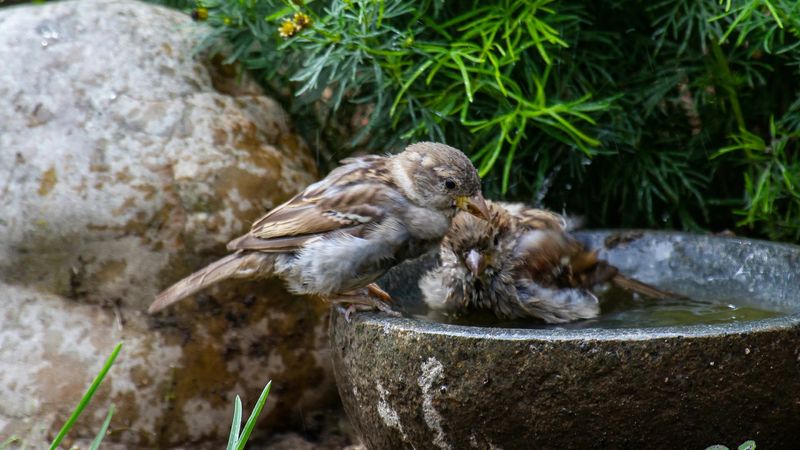
A shallow birdbath placed in a shaded spot gives birds a safe place to drink and cool down without baking in direct sun.
The shade helps keep the water cooler longer, which makes birds more likely to stop and use it.
Birdbaths that are too deep can actually discourage smaller birds from using them. A depth of about one to two inches works well for most Arizona backyard birds, including finches, sparrows, and warblers.
Adding a flat rock or two inside the bath gives birds a secure place to stand while drinking.
Placement really matters in Arizona yards. Tucking a birdbath under a desert willow, palo verde, or large native shrub keeps the water shaded during the hottest part of the afternoon.
Birds tend to feel safer drinking near plants that offer quick cover if a predator appears nearby. A shaded, shallow birdbath is one of the most straightforward upgrades an Arizona homeowner can make to support backyard wildlife during extreme heat.
2. Refresh Water Often During Hot Weather
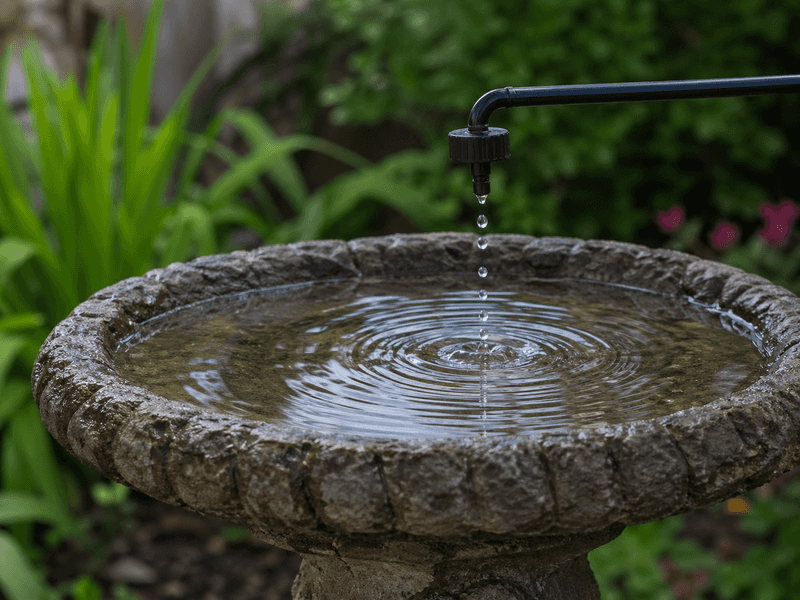
Standing water in the Arizona summer sun heats up fast. A birdbath that starts the morning at a comfortable temperature can turn uncomfortably warm by midday, making it less useful for birds looking to cool off.
Refreshing the water at least once or twice a day helps keep it at a temperature birds will actually want to use.
Hot, stagnant water also becomes a breeding ground for bacteria and algae more quickly than cooler water does. During extreme heat, birds are already stressed, and drinking from a dirty or overheated water source can make things worse for them.
A quick empty, rinse, and refill takes just a few minutes and makes a real difference.
Some Arizona homeowners add a small solar-powered dripper or mister to their birdbath setup. Moving water stays cooler than still water, and the sound of dripping attracts birds from a surprising distance.
Hummingbirds especially enjoy misting setups, using them to cool their feathers on hot afternoons. Keeping water fresh and moving is one of the simplest and most effective ways to support Arizona backyard birds when summer heat peaks.
Your Arizona Garden Changes Every Week. Your Plan Should Too.
Gardening in Arizona changes quickly throughout the season. Every Friday you’ll receive a simple weekly plan showing exactly what to plant, prune, fertilize, harvest, and protect so you never miss the right timing.
Even small, consistent efforts throughout the day help birds stay hydrated and comfortable during the most challenging weeks of the year.
3. Plant Native Trees And Shrubs For Shade
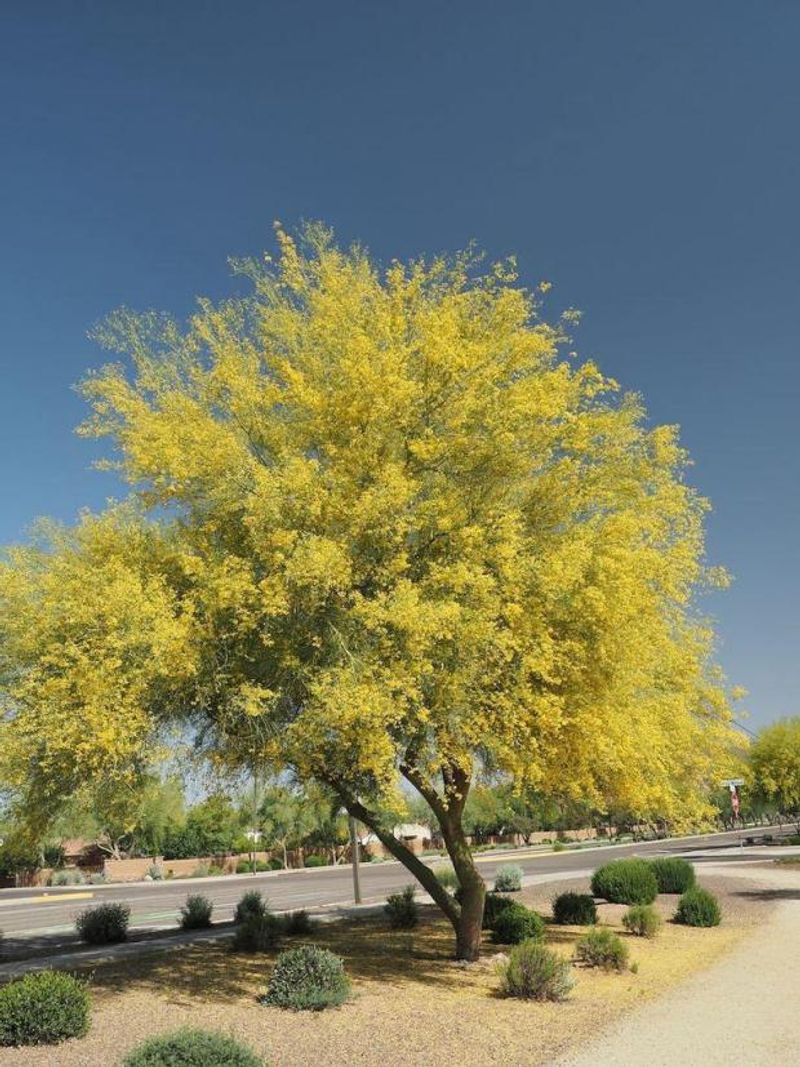
Quiet summer yards in Arizona can feel almost empty by late morning, with birds retreating into whatever shade they can find.
Native trees like palo verde, desert willow, and blue elderberry create natural canopy cover that helps birds rest during the hottest hours of the day.
Unlike non-native ornamental trees, these species are adapted to Arizona’s intense sun and dry conditions, so they tend to thrive with minimal extra water once established.
Shade from native trees does more than just block sunlight. It lowers the ground temperature underneath, which makes the surrounding area more comfortable for birds foraging along the surface.
Ground-feeding birds like Gambel’s quail and white-winged doves are more likely to visit shaded areas of a yard than open, sun-exposed gravel stretches.
Shrubs like wolfberry, desert hackberry, and chuparosa add mid-level shade that complements taller trees. Together, they create a layered canopy effect that benefits many different bird species.
Planting even one or two native trees in a strategic spot, such as on the west side of a yard to block afternoon sun, can noticeably change how usable the space feels for birds.
Arizona’s native trees grow slowly in some cases, but the long-term habitat value they provide is well worth the wait.
4. Choose Native Plants That Provide Food And Cover
Birds in Arizona do not just need water and shade during extreme heat. They also need reliable food sources and places to take cover quickly when something startles them.
Native plants fill both roles better than most non-native landscaping choices because they evolved alongside Arizona’s native bird species over thousands of years.
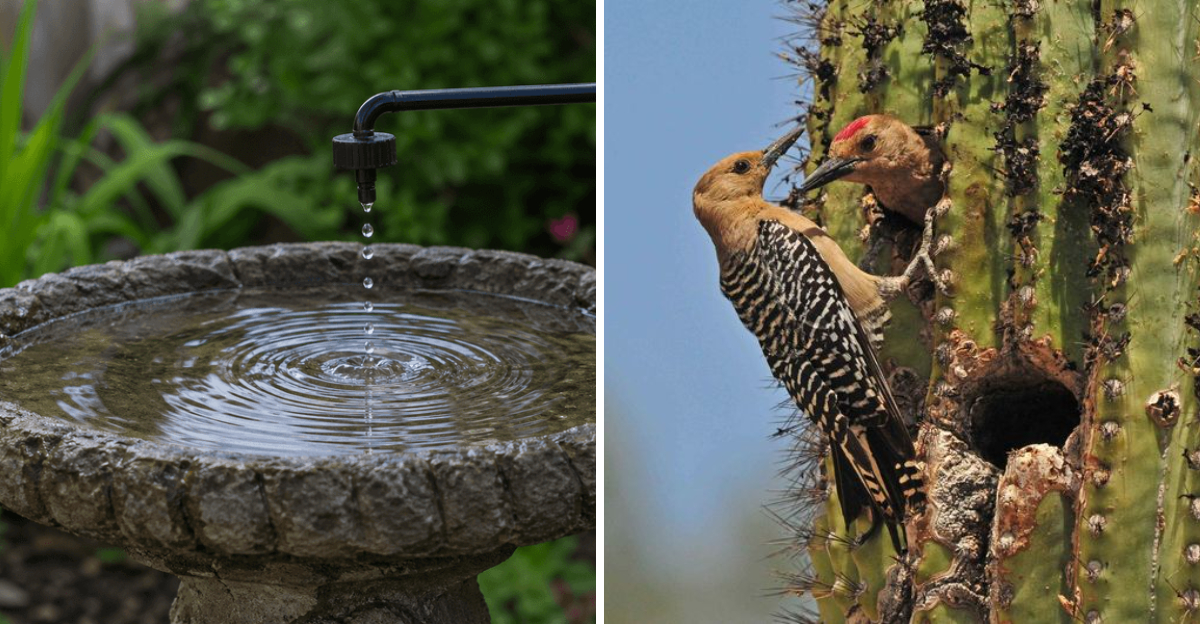
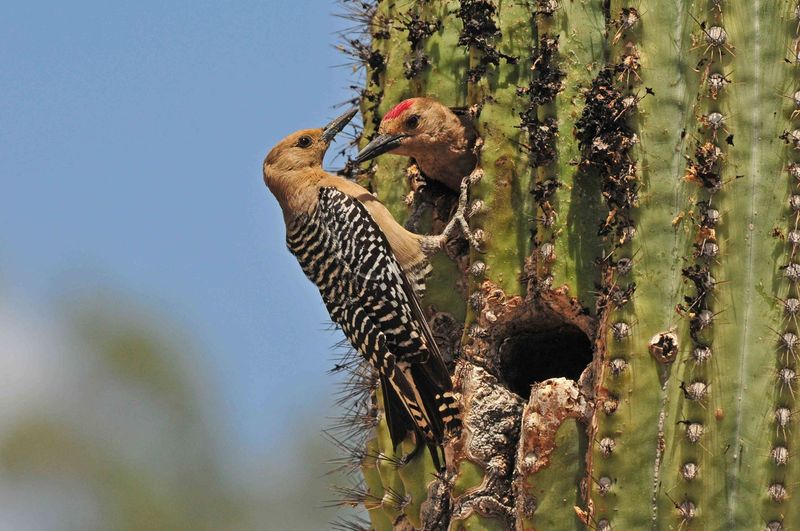
Plants like saguaro cactus provide nesting cavities for Gila woodpeckers and elf owls, as well as fruit that many other birds eat. Brittlebush, globe mallow, and fairy duster attract insects that insect-eating birds depend on during the breeding season.
Chuparosa and desert honeysuckle produce tubular red flowers that hummingbirds visit repeatedly throughout the warm months.
Cover matters just as much as food. Dense native shrubs give birds a quick escape from hawks and other predators, which is especially important in open Arizona yards with block walls and gravel that offer little natural hiding space.
When birds feel safe, they spend more time in a yard and use its resources more fully. Replacing even a small section of a gravel yard or unused patio border with native flowering plants can attract noticeably more bird activity over time.
Choosing plants native to your specific Arizona region, whether Sonoran Desert, high desert, or riparian area, helps ensure the best match for local bird species.
5. Keep Birdbaths And Water Dishes Clean
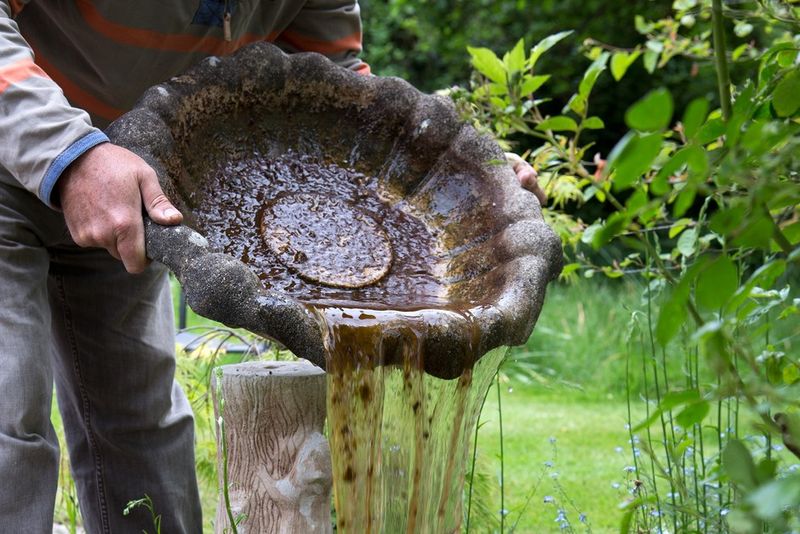
A birdbath that looks clean from a distance might still be harboring algae, mold, or bacteria that can make birds sick. In Arizona’s extreme summer heat, water sources warm up quickly, which speeds up the growth of harmful microorganisms.
Cleaning birdbaths and water dishes every two to three days during the hottest months helps keep the water safe for birds to drink and bathe in.
Scrubbing with a stiff brush and rinsing thoroughly removes algae buildup and organic material that accumulates from feathers, droppings, and debris. Avoid using harsh chemical cleaners that leave residue, since birds are sensitive to many household cleaning products.
A diluted white vinegar solution works well for routine scrubbing and is safe for birds once the bath is thoroughly rinsed.
Positioning birdbaths away from overhanging trees can reduce how quickly leaves and droppings accumulate in the water, though some shade is still worth the tradeoff in Arizona heat.
Checking the water daily also gives homeowners a chance to spot any cracks or rough edges that could injure birds’ feet.
Multiple small water dishes placed around an Arizona yard can spread out bird traffic, reducing crowding and keeping individual stations cleaner longer.
Consistent maintenance turns a birdbath from a simple decoration into a genuinely useful resource for local wildlife during the most demanding season of the year.
6. Place Water Away From Hiding Spots For Predators
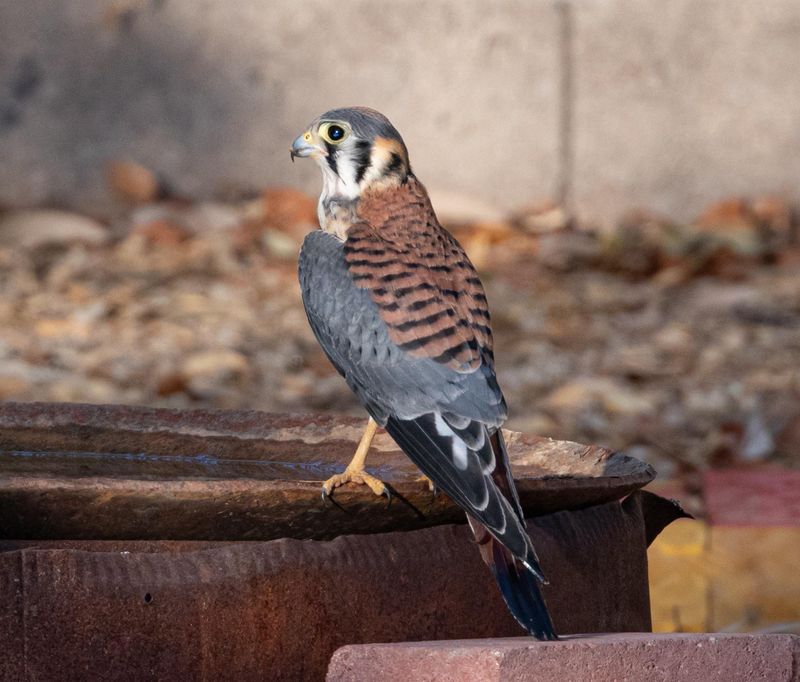
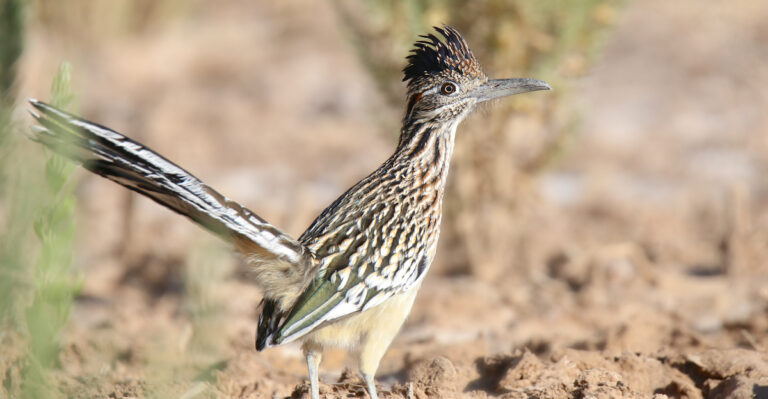
Birds are cautious by nature, and in Arizona backyards where cats, hawks, and roadrunners are common visitors, a poorly placed water source can put birds in a vulnerable position.
Water stations set too close to dense shrubs, block walls, or areas with heavy ground cover give predators an easy place to crouch and wait while birds are distracted drinking or bathing.
A good rule of thumb is to place birdbaths and water dishes in open areas where birds have clear sightlines in multiple directions.
About ten feet of open space between the water source and any dense vegetation or structure gives birds enough reaction time to spot a threat and fly off.
This does not mean the water needs to be fully exposed to the sun. A single overhanging tree branch above the bath can provide shade without creating a hiding spot at ground level.
In Arizona yards with block walls, dense native hedges, or covered patios along one side, placing water toward the center or open end of the yard tends to work better for bird safety.
Some birds, like Gambel’s quail, will approach water in small groups with a few individuals watching for danger while others drink.
Respecting this natural wariness by keeping the area around water open and clear encourages more birds to use the space regularly and confidently throughout the hot Arizona summer.
7. Reduce Pesticide Use Around Bird Habitat
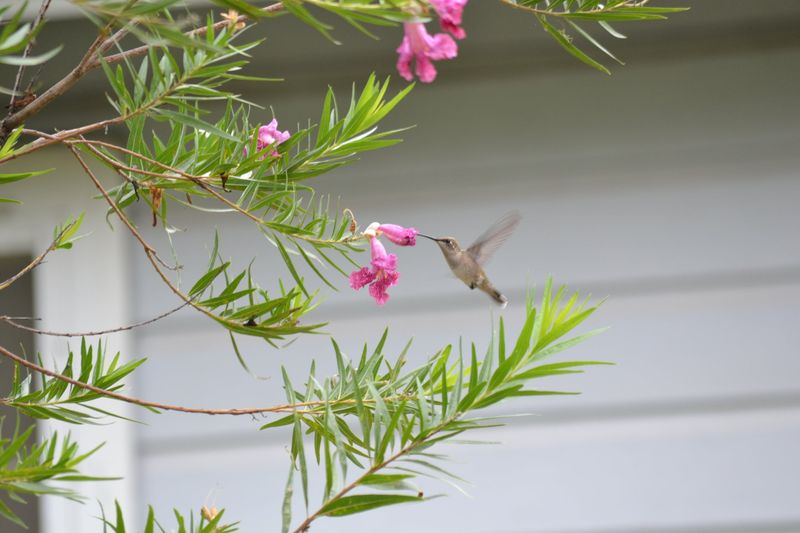
Insects are a critical food source for many Arizona backyard birds, especially during the summer breeding season when parent birds are feeding nestlings.
Pesticide use around yards and gardens can reduce insect populations significantly, leaving birds with fewer food options at the time they need them most.
Reducing or eliminating pesticide use near bird habitat helps protect this food supply.
Many common lawn and garden pesticides can also affect birds directly. Birds that eat treated insects or drink water contaminated by chemical runoff may experience health problems.
In Arizona yards with limited natural buffers like lawns or dense ground cover, pesticide residue can concentrate quickly around water sources and soil where birds forage.
Switching to hand-picking pests, using physical barriers, or encouraging natural predators like insectivorous birds themselves creates a healthier yard cycle.
Native plants generally attract fewer invasive pest insects than non-native species, so expanding a native plant garden can naturally reduce the need for chemical intervention over time.
If pest pressure becomes difficult to manage without treatment, choosing products labeled as lower risk for wildlife and applying them carefully, away from water sources and active bird areas, helps limit the impact.
Arizona homeowners who reduce pesticide use often notice an increase in bird activity fairly quickly, as insect populations rebound and birds recognize the yard as a reliable and safe foraging area during extreme heat months.
8. Create Layered Shelter With Trees, Shrubs, And Cacti
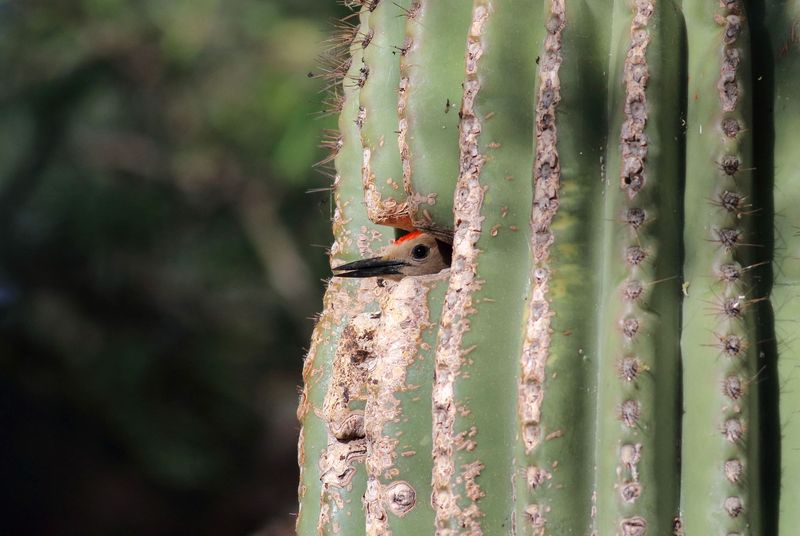
One of the most effective things an Arizona homeowner can do for backyard birds is create layered shelter that mimics the structure of natural desert habitat.
In healthy Sonoran Desert landscapes, birds move between tall saguaros, mid-height trees, and low shrubs depending on what they need at any given moment.
Recreating this layered structure in a backyard gives birds more options for resting, foraging, nesting, and escaping heat.
Tall elements like saguaro cactus or desert willow provide high perches and nesting sites. Mid-level native shrubs such as desert hackberry, wolfberry, and jojoba offer cover for smaller birds like sparrows and warblers that prefer to stay closer to the ground.
Low-growing plants and ground-level rocks create foraging habitat for ground-feeding species like towhees and thrashers.
In Arizona yards that currently feature mostly open gravel or a single type of plant, adding just one or two new layers can noticeably increase bird variety.
Block walls along yard edges can be softened with climbing native vines like desert honeysuckle, adding vertical cover without taking up much ground space.
Cacti like prickly pear and cholla also provide nesting and roosting spots that many predators avoid due to the spines. A layered yard does not require a large space.
Even a modest Arizona courtyard or side yard can support meaningful habitat when plants are chosen and arranged thoughtfully.