7 Garden Habits That Attract Fireflies To Pennsylvania Backyards
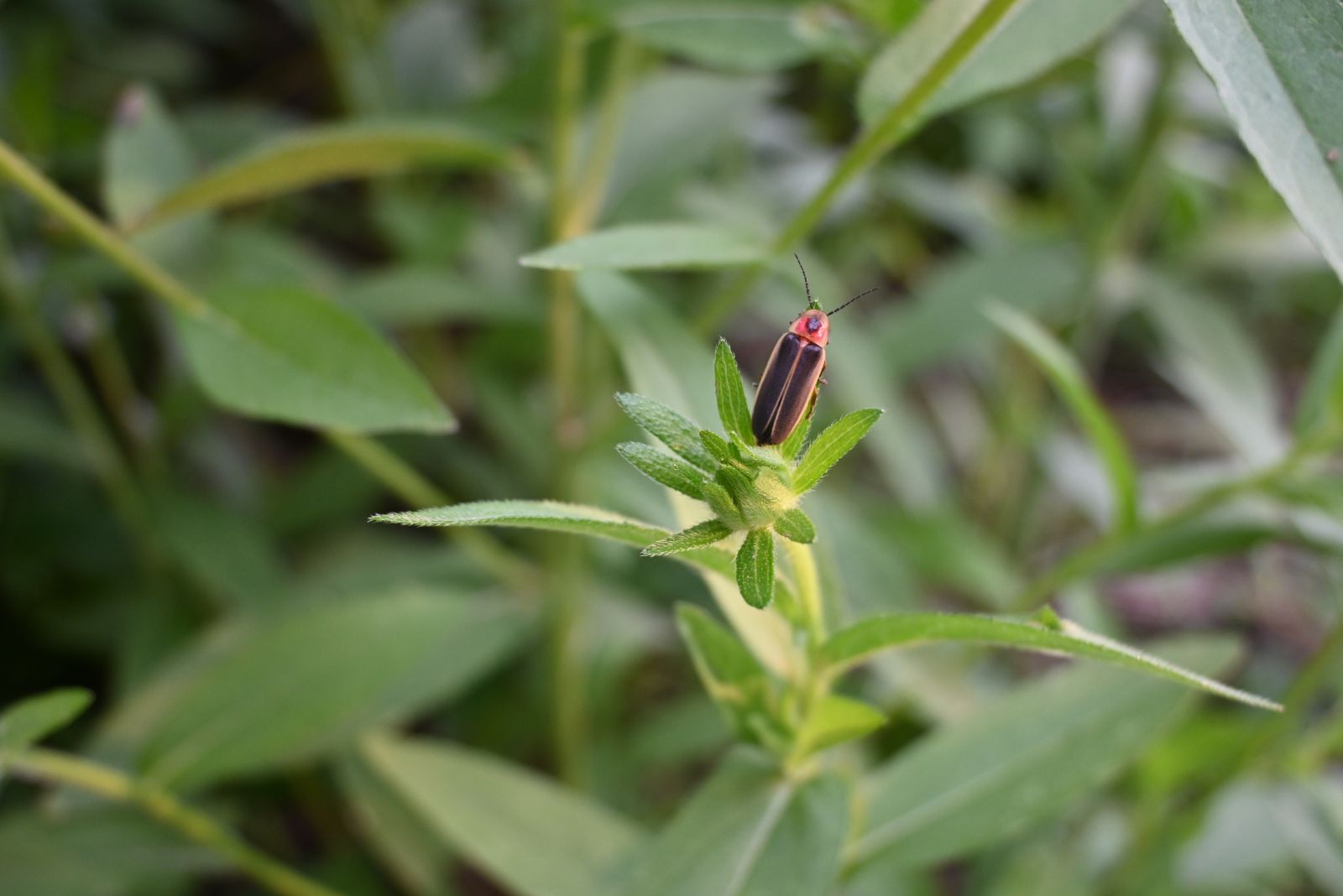
When did fireflies stop being a regular part of your Pennsylvania summer evenings?
For a lot of homeowners, the answer is somewhere in the last decade or two, and the disappearance happened so gradually that most people didn’t notice until the summer nights that used to look like scattered living lights started feeling noticeably darker and quieter.
Firefly populations across Pennsylvania have been declining, and the culprits are largely found in the way suburban yards are being managed. The encouraging part is that fireflies respond to habitat changes faster than most people expect.
Create the right conditions and they come back, sometimes in the kind of numbers that turn an ordinary backyard into something that feels genuinely magical on a warm July evening.
Pennsylvania’s landscape is well suited to supporting healthy firefly populations, and the changes required to attract them overlap almost entirely with garden habits that are good for the yard in general.
A few intentional shifts in how you manage your outdoor space could bring those summer light shows back for good.
1. Leaving Parts Of The Yard Slightly Wild
Most people think a perfect yard means short, neat grass everywhere. But fireflies actually love the opposite. They are drawn to areas that feel more like nature and less like a golf course.
Fireflies prefer spots with taller grass, tangled weeds, and patches of dense vegetation. These areas give them shelter during the day and safe spaces to rest between flashing at night.
Female fireflies often stay low to the ground or hide in vegetation while males fly around flashing their lights.
You do not need to let your whole yard go wild. Just pick one corner or a strip along the fence and let it grow a little more freely.
Allow some native wildflowers to come in naturally. Let the grass grow a few inches taller in that spot.
This kind of habitat also supports firefly larvae, which spend most of their lives underground or in leaf litter before becoming the glowing adults we love to watch.
Without those natural, slightly messy areas, the larvae have nowhere safe to grow and develop. Think of it as giving your yard a little breathing room. A wild patch is not a sign of laziness.
It is actually a sign that you care about the wildlife around your home. Even a small section of natural growth can make a big difference in attracting fireflies to your Pennsylvania backyard over the summer months ahead.
2. Reducing Outdoor Lighting At Night
Fireflies have a secret language made entirely of light. Each species has its own special flash pattern, and they use those patterns to find mates in the dark. When your yard is flooded with artificial light, that conversation gets completely drowned out.
Bright outdoor lights from porch fixtures, landscape spotlights, and security lamps make it nearly impossible for fireflies to see each other’s signals. Studies have shown that firefly populations tend to be lower in neighborhoods with heavy outdoor lighting.
Your Pennsylvania Garden Changes Every Week. Your Plan Should Too.
Gardening in Pennsylvania changes quickly throughout the season. Every Friday you’ll receive a simple weekly plan showing exactly what to plant, prune, fertilize, harvest, and protect so you never miss the right timing.
This is one of the biggest reasons firefly numbers have dropped in many suburban areas over the years.
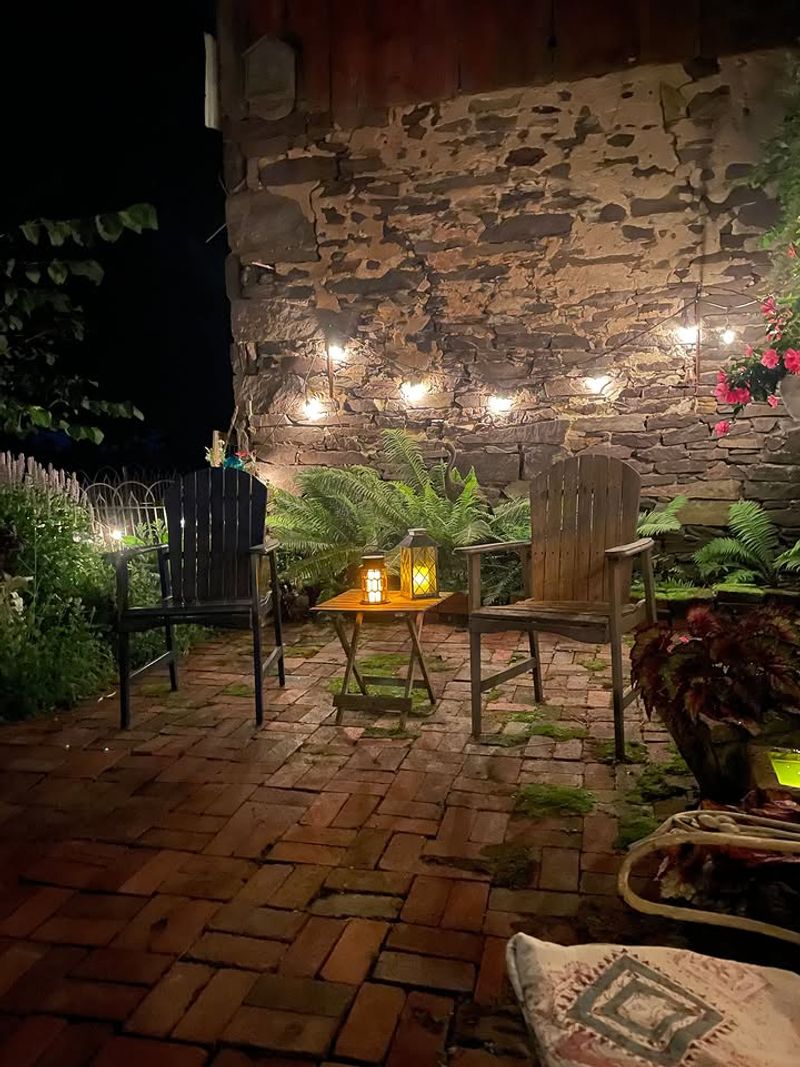
Reducing your outdoor lighting at night is one of the easiest and most effective things you can do. Start by turning off unnecessary lights after dark.
If you need some light for safety, try using motion-activated fixtures that only turn on when needed.
Warm-toned bulbs with lower brightness are much less disruptive than bright white or blue-toned lights. You can also use shielded fixtures that direct light downward instead of spreading it in all directions across your yard.
Even small changes make a real difference. Try turning off your backyard lights for just one or two nights a week during firefly season, which typically runs from late May through July in Pennsylvania.
You may be surprised by how quickly the fireflies respond. A darker yard is an open invitation for them to come out and put on a show.
3. Keeping Soil Moist During Dry Weather

Long before fireflies flash across the summer sky, they spend most of their lives as larvae crawling through the soil. These larvae need moist, cool ground to survive and grow. When the soil dries out for too long, it becomes much harder for them to thrive.
During dry stretches in summer, make a habit of giving your garden beds and shaded lawn areas a good, deep watering. Focus on spots that already have shade, organic matter, or ground cover plants.
These areas naturally hold moisture longer and are exactly the kind of places firefly larvae prefer.
You do not need to overwater your whole yard. Just pay attention to the areas where you want fireflies to hang out.
A consistent watering routine during dry weather goes a long way toward keeping the soil conditions right for larval development.
Adding a layer of mulch around garden beds is another smart move. Mulch holds moisture in the soil, keeps the ground cooler, and creates a soft, organic layer that larvae can move through easily.
It also breaks down slowly over time and adds nutrients back into the soil. Think of your soil as a nursery for the next generation of fireflies. The adults you see flashing in July were once tiny larvae living just beneath your feet.
Keeping that underground environment healthy and moist during dry Pennsylvania summers is one of the most impactful habits you can build to support a growing firefly population in your backyard.
4. Planting Native Pennsylvania Flowers And Grasses
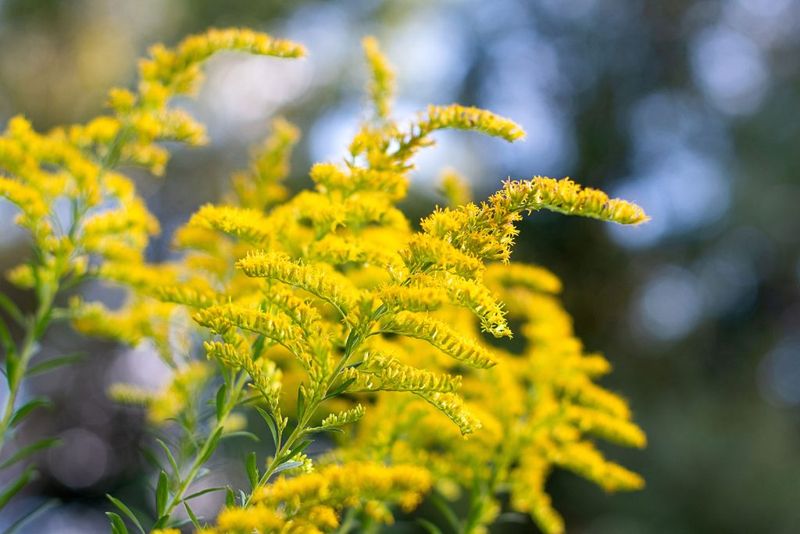
Native plants are like a welcome mat for local wildlife. When you fill your yard with flowers and grasses that naturally belong in Pennsylvania, you create a healthier, more balanced ecosystem that supports all kinds of insects, including fireflies.
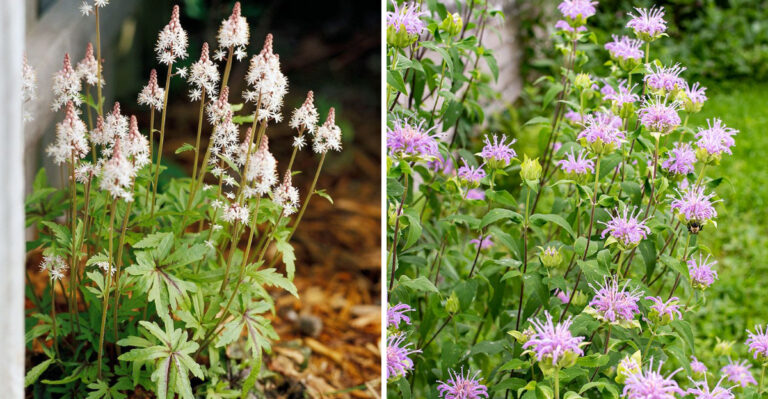
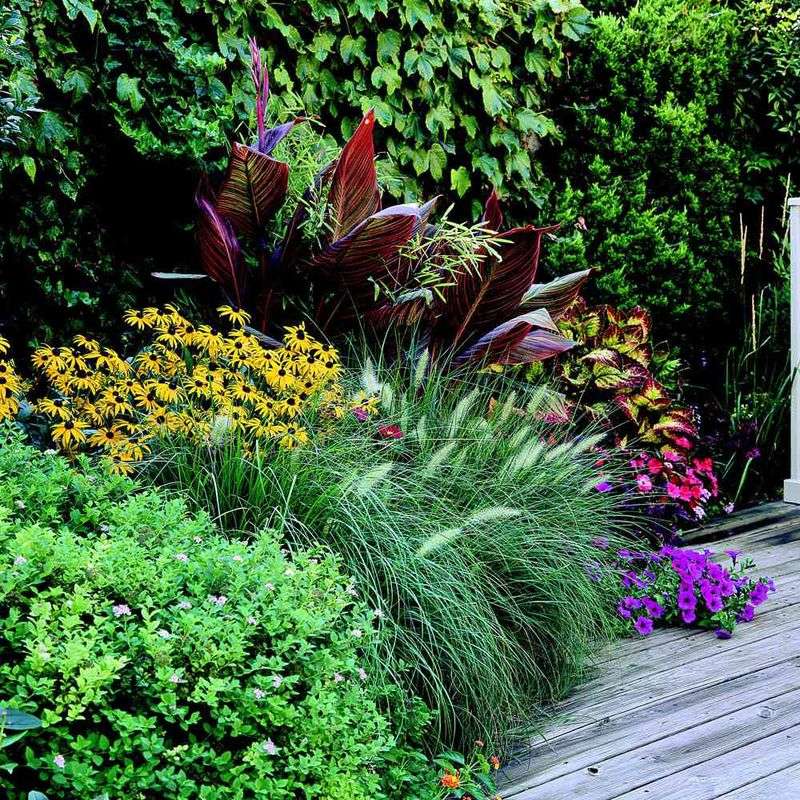
Plants like black-eyed Susans, wild bergamot, goldenrod, and little bluestem grass are excellent choices for Pennsylvania gardeners. These plants attract the small insects and worms that firefly larvae feed on underground.
More food in the soil means more larvae can survive and eventually become the glowing adults you hope to see.
Native grasses are especially valuable because they provide cover at the base of the plant where female fireflies like to rest and lay eggs.
Dense clumps of grass also trap humidity near the ground, keeping the microclimate moist and comfortable for insects active at night.
Another great benefit of native plants is that they require far less maintenance once established. They are already adapted to Pennsylvania’s climate, soil, and rainfall patterns.
You spend less time watering and fertilizing while still giving local wildlife exactly what they need.
Try replacing a portion of your lawn or a garden bed with a mix of native flowers and ornamental grasses this season. Even a small native planting area can attract more fireflies than a large expanse of plain turf grass.
Local nurseries across Pennsylvania often carry native plant selections, and many conservation organizations offer free guides to help you get started with native gardening in your region.
5. Avoiding Chemical Pesticides
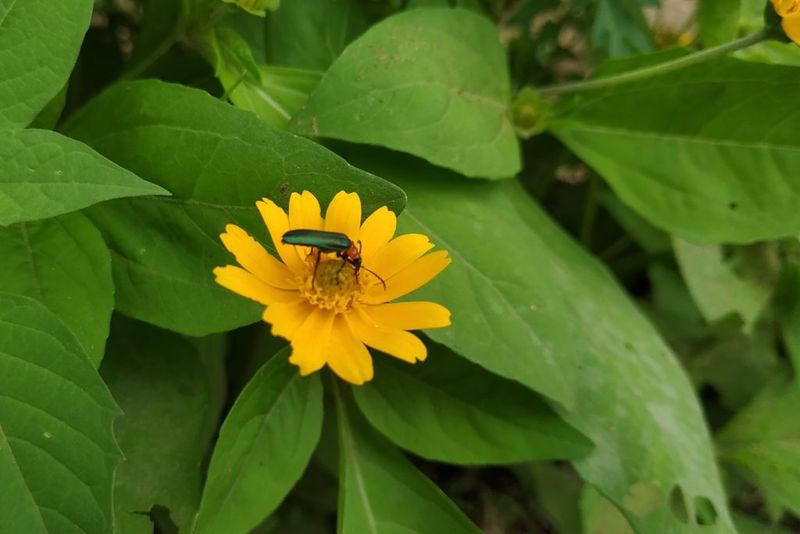
Pesticides are designed to eliminate insects, but they rarely stop at just the ones you are targeting.
Broad-spectrum sprays and granular treatments spread through the soil, water, and plants in ways that affect many more creatures than intended. Fireflies are highly sensitive to these chemicals at every stage of their lives.
Firefly larvae spend months crawling through the soil eating small prey like worms, snails, and soft-bodied insects. When pesticides soak into the ground, they can affect the larvae directly or reduce the food sources they depend on.
Adult fireflies are also vulnerable when they land on treated vegetation or fly through areas recently sprayed.
Skipping chemical pesticides does not mean you have to accept a damaged garden. There are plenty of natural alternatives that work well without the harmful side effects.
Encouraging birds, toads, and spiders in your yard naturally keeps many pest populations in check. Companion planting with herbs like basil and lavender can also deter common garden pests.
If you do need to treat a specific problem, choose targeted, organic options that break down quickly and have minimal impact on non-target insects.
Apply treatments only in the morning or midday when fireflies are not active, and never spray near areas where you want fireflies to gather.
Cutting back on pesticide use is one of the most straightforward ways to protect firefly populations. A yard that avoids heavy chemical use becomes a refuge for fireflies and dozens of other beneficial insects that make the whole garden healthier and more alive.
6. Adding Shrubs And Groundcovers
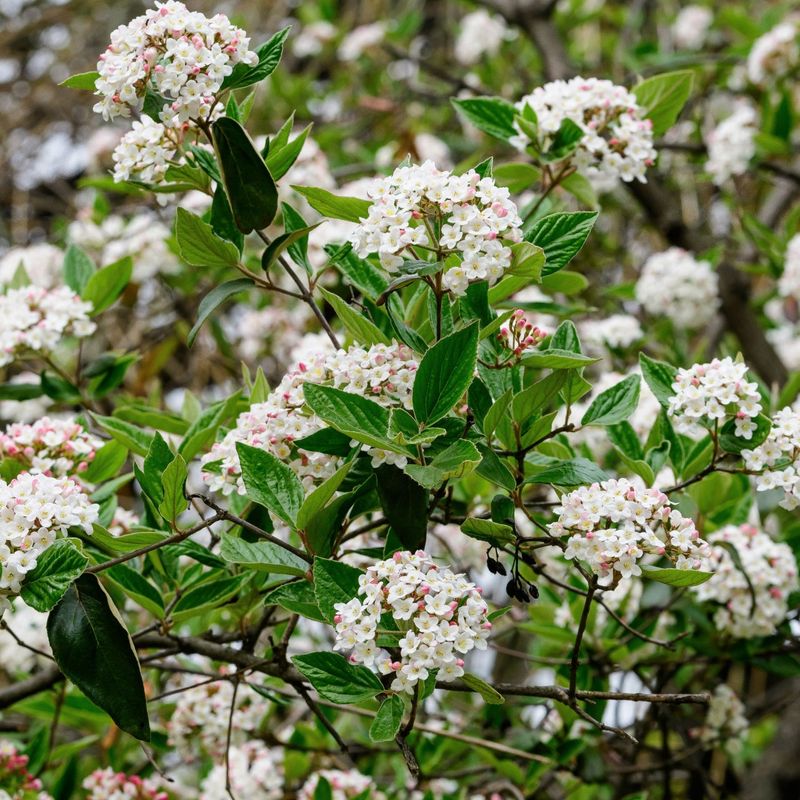
On a hot July afternoon in Pennsylvania, the last thing a firefly wants is to sit in direct sunlight on a dry patch of ground.
Fireflies are nighttime creatures, and they spend their days hiding in cool, shaded, humid spots. That is exactly what dense shrubs and groundcovers provide.
Shrubs like native viburnums, buttonbush, or inkberry create layered canopies that trap moisture and lower the temperature close to the ground. Fireflies rest in these sheltered spots during the day and emerge from them at dusk, ready to start flashing.
The more comfortable and protected your yard feels during the day, the more likely fireflies are to stick around through the night.
Groundcovers like wild ginger, creeping phlox, or pachysandra fill in the spaces under trees and shrubs where grass struggles to grow.
These low plants hold moisture in the soil, prevent erosion, and create a soft, organic layer that benefits both adult fireflies and their larvae below the surface.
Mixing shrubs of different heights also creates what ecologists call structural complexity. This means your yard has multiple layers of vegetation, which supports a wider variety of insects and wildlife.
More biodiversity in your yard generally means better conditions for fireflies and the creatures they depend on for food.
Adding just a few well-placed shrubs and some groundcover plantings can transform a flat, exposed yard into a layered, welcoming habitat. It is a garden upgrade that looks beautiful and works hard for the firefly population in your neighborhood every single summer.
7. Leaving Some Fallen Leaves And Mulch Undisturbed

Every fall, millions of Pennsylvania homeowners rake up every last leaf and haul them away. It feels tidy and satisfying, but for fireflies, that leaf cleanup removes something absolutely essential.
Fallen leaves and mulch are where firefly larvae live, feed, and shelter through the cooler months.
Firefly larvae are hunters. They crawl through moist organic matter searching for snails, worms, and other small prey.
A thick layer of undisturbed leaves under a tree or along a garden border is basically a full buffet and a cozy home rolled into one. Without it, larvae have nowhere safe to develop between seasons.
You do not have to skip raking entirely. Just leave some leaf litter in low-traffic areas like under shrubs, along fence lines, or in the back corners of your yard.
These out-of-the-way spots are perfect for larvae and will not interfere with your regular lawn care routine.
Wood chip mulch works the same way. A two to three inch layer of mulch in garden beds holds moisture, moderates soil temperature, and gives larvae the soft, organic environment they need.
Over time, the mulch breaks down and enriches the soil, creating an even better habitat for the next generation.
Leaving some natural debris in your yard is not neglect. It is a quiet act of conservation that costs nothing and requires almost no effort.
Those small undisturbed piles of leaves tucked under your trees could be the reason your backyard lights up with fireflies on warm Pennsylvania summer evenings for years to come.