Tennessee Homeowners Are Pulling Out This Popular Shrub And Most Never Knew Why Until Now
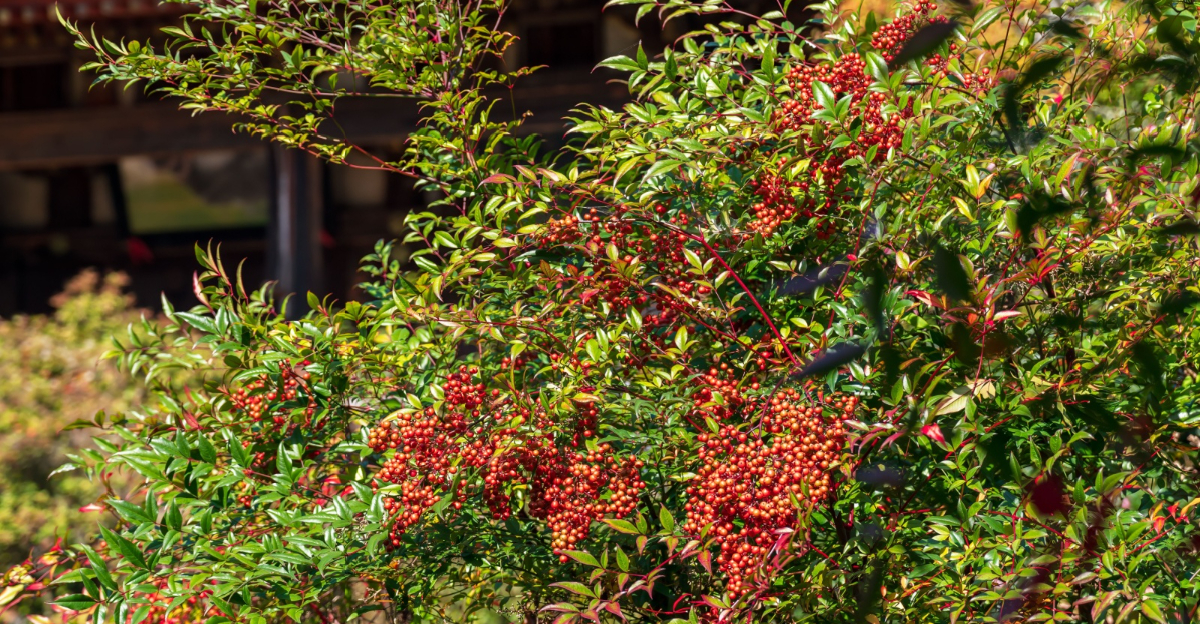
You have probably walked past it a hundred times without giving it a second thought. It just sits there looking festive and well-behaved, with its delicate leaves and bright red berries, asking nothing of you except maybe a little water.
For decades it has been one of the most popular shrubs in Tennessee yards, and honestly, it is not hard to see why. The problem is that all that charm comes with a catch, and most homeowners have no idea it is even there.
Those berries can harm birds, especially when cedar waxwings eat them in large quantities. The plant itself is quietly spreading into wild areas and shouldering out the native species that belong there.
And yet there it sits, looking completely innocent in your front yard. If you have one growing near your home, keep reading.
What looks like a simple landscaping choice turns out to have consequences nobody warned you about.
The Shrub That Took Over Tennessee Yards
Spend an afternoon in almost any Nashville or Knoxville neighborhood and chances are you will come across it.
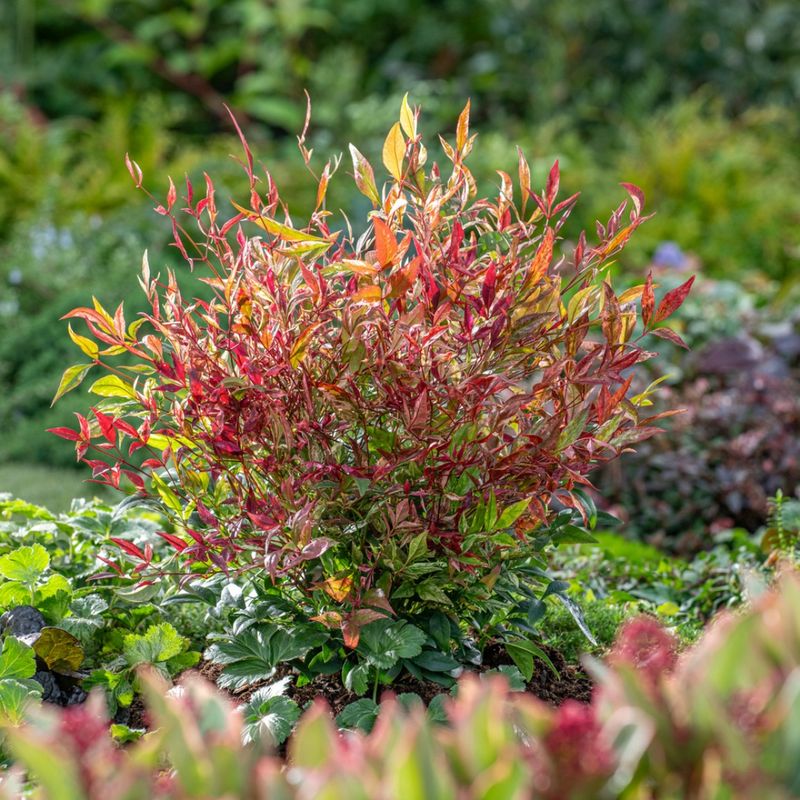
Nandina, also called heavenly bamboo, has become one of the most common landscape plants across the state.
Its glossy leaves, bright red berries, and low-maintenance reputation made it a go-to choice for homeowners for over three decades.
Nurseries promoted it as incredibly low maintenance, and homeowners quickly agreed.
Nandina thrives in full sun, deep shade, drought, and soggy soil without missing a beat.
It stays green through winter when most other plants have given up entirely.
Planted along fences, foundations, and driveways, it spread from yard to yard faster than anyone expected.
Many Tennessee homeowners did not even choose it on purpose since it came with the house and they just kept watering it.
But beneath that tidy, attractive appearance, nandina has been steadily causing serious damage that researchers and wildlife experts are now sounding alarms about.
The plant contains compounds called cyanogenic glycosides throughout its berries, leaves, and stems.
When animals or people consume parts of it, those compounds can release toxic cyanide.
Knowing what is growing in your yard is the first step toward making smarter choices for your family and your neighborhood.
What Makes Nandina So Appealing
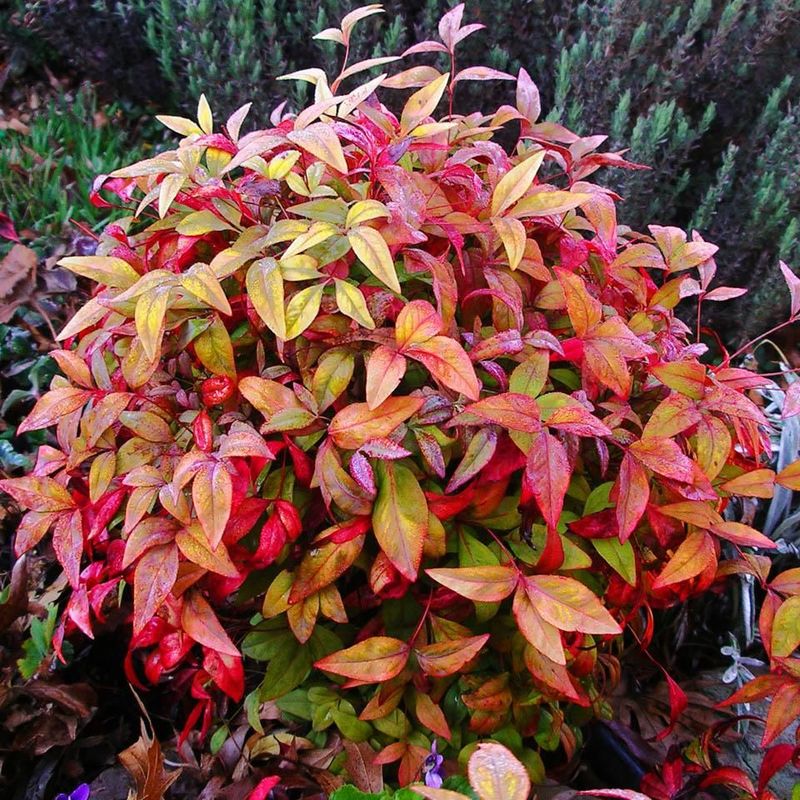
It is hard not to appreciate a shrub that seems to have an answer for everything a homeowner could throw at it.
The leaves shift from green to deep red in fall and winter, giving yards a pop of color when everything else fades.
Clusters of bright berries hang on through the coldest months, making the whole plant look festive and alive.
Beyond the looks, nandina barely needs any care at all.
Homeowners who forget to water for weeks come back to find it completely unfazed.
Pest insects tend to leave it alone, and it rarely gets diseases that require expensive treatments.
Garden centers across the South have sold enormous numbers of nandina plants because customers kept asking for them.
Prices stay low, the plants establish quickly, and they fill in bare spots along walkways and fences with almost no effort.
Your Tennessee Garden Changes Every Week. Your Plan Should Too.
Gardening in Tennessee changes quickly throughout the season. Every Friday you’ll receive a simple weekly plan showing exactly what to plant, prune, fertilize, harvest, and protect so you never miss the right timing.
For busy families, that kind of plant feels like a gift.
Landscape designers loved using it for borders, mass plantings, and foundation beds because it held its shape without constant pruning.
Some popular varieties stay compact and tidy, which made them even more attractive to homeowners who wanted clean, polished outdoor spaces.
Understanding why nandina became so popular helps explain why removing it now feels like such a difficult conversation.
The Birds That Are Paying The Price
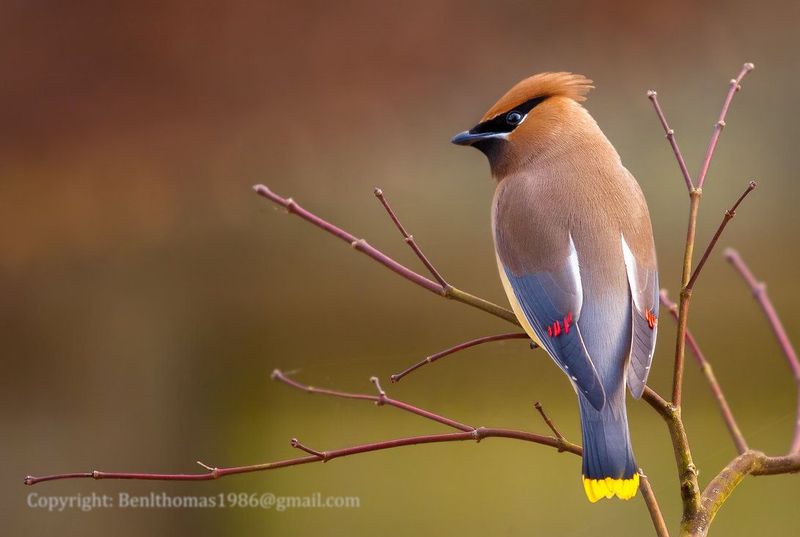
Cedar waxwings are some of the most beautiful birds in North America. Sleek crests, bright yellow tail tips, and a quiet elegance that stops you in your tracks.
They travel in flocks and feed heavily on berries during winter when other food sources run low.
When a flock lands on a nandina bush loaded with red berries, the results can be devastating.
Entire flocks have been found motionless beneath nandina bushes, with no obvious explanation until wildlife officials took a closer look.
Necropsies, which are animal autopsies, revealed the berries had released compounds into their systems that small birds simply cannot handle.
For a small bird, even a modest amount of nandina berries can overwhelm the body quickly.
Robins, bluebirds, and mockingbirds also eat nandina berries, putting more species at risk than most people realize.
Birds cannot taste the bitterness that might warn other animals away, so they consume berries freely and in large quantities.
A single shrub can hold hundreds of berries through winter, which is exactly when hungry flocks are searching for food.
Backyard bird lovers who spent money on feeders and baths to attract wildlife may unknowingly be harming the same birds they love.
Replacing nandina with native berry-producing plants keeps birds fed safely and supports the local ecosystem in a meaningful way.
Is Nandina Also A Problem For Pets And Children
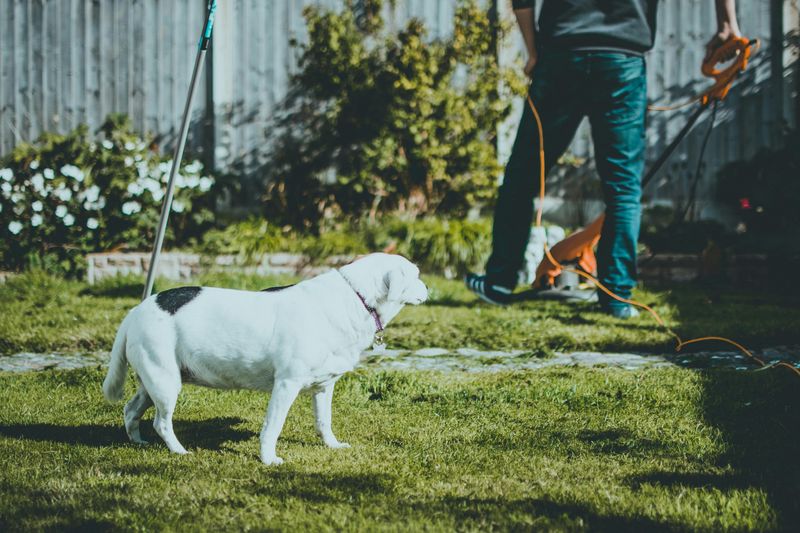
Bright red berries are practically irresistible to toddlers and curious dogs, which is exactly what makes nandina so concerning in family yards.
A child who pops a few berries into their mouth or a puppy that chews on a branch could be exposed to cyanogenic glycosides.
These compounds break down into hydrogen cyanide inside the body, which interferes with the ability of cells to use oxygen.
Symptoms of nandina toxicity in pets can include weakness, labored breathing, tremors, and in severe cases, collapse.
Cats and dogs that chew on stems or leaves can still be exposed to harmful compounds, though the berries carry the greatest risk.
Veterinarians who treat those cases often note that lighter animals are at greater risk simply because of their body size.
For children, the American Association of Poison Control Centers lists nandina as a plant that warrants immediate medical attention if ingested.
Parents are often surprised to learn that a plant so commonly sold at garden centers carries this kind of risk.
Most warning labels on nandina plants are small, easy to miss, and long gone by the time the shrub is established in the yard.
Keeping nandina away from play areas and pet zones is a smart short-term step.
But removal is the safest long-term solution for households with young children or animals.
Why Nandina Is Also An Invasive Threat
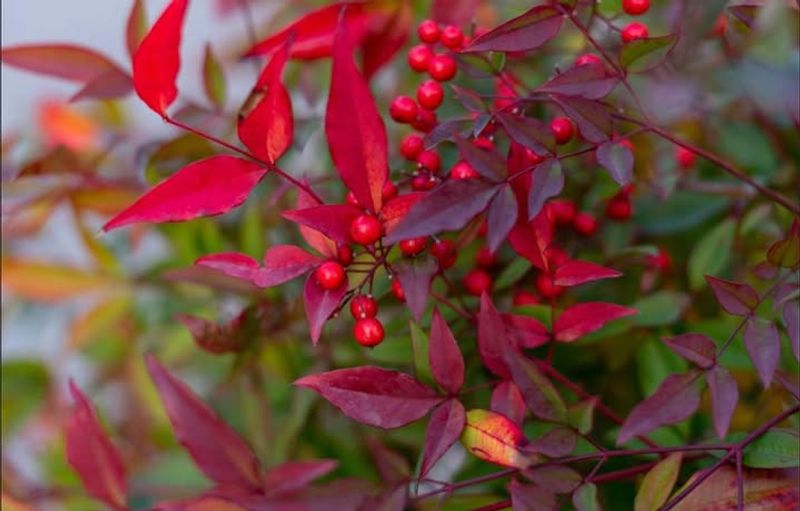
Birds eat nandina berries and then fly off, dropping seeds in forests, stream banks, and natural areas far from any yard.
That simple process has turned nandina into an invasive plant in many parts of the southeastern United States.
Once it takes root in a natural area, it crowds out native plants that local wildlife depend on for food and shelter.
Nandina grows in dense thickets that block sunlight from reaching the forest floor.
Native wildflowers, ferns, and seedlings that need that light simply cannot compete and begin to disappear.
Over time, a stretch of healthy woodland understory can transform into a monoculture of nandina with very little else growing beneath it.
Tennessee sits within one of the most biodiverse regions in North America, with native plants found nowhere else on Earth.
When invasive species like nandina spread unchecked, that biodiversity takes a real hit that is hard to reverse.
State conservation groups have been tracking nandina populations in natural areas with growing concern over the past decade.
Homeowners often do not think of their landscaping choices as having an impact beyond their property line.
But every nandina plant that produces berries is a potential seed source for wild areas nearby.
Choosing non-invasive alternatives is one of the easiest ways to protect local ecosystems without giving up a beautiful yard.
What Tennessee Officials And Wildlife Groups Are Saying
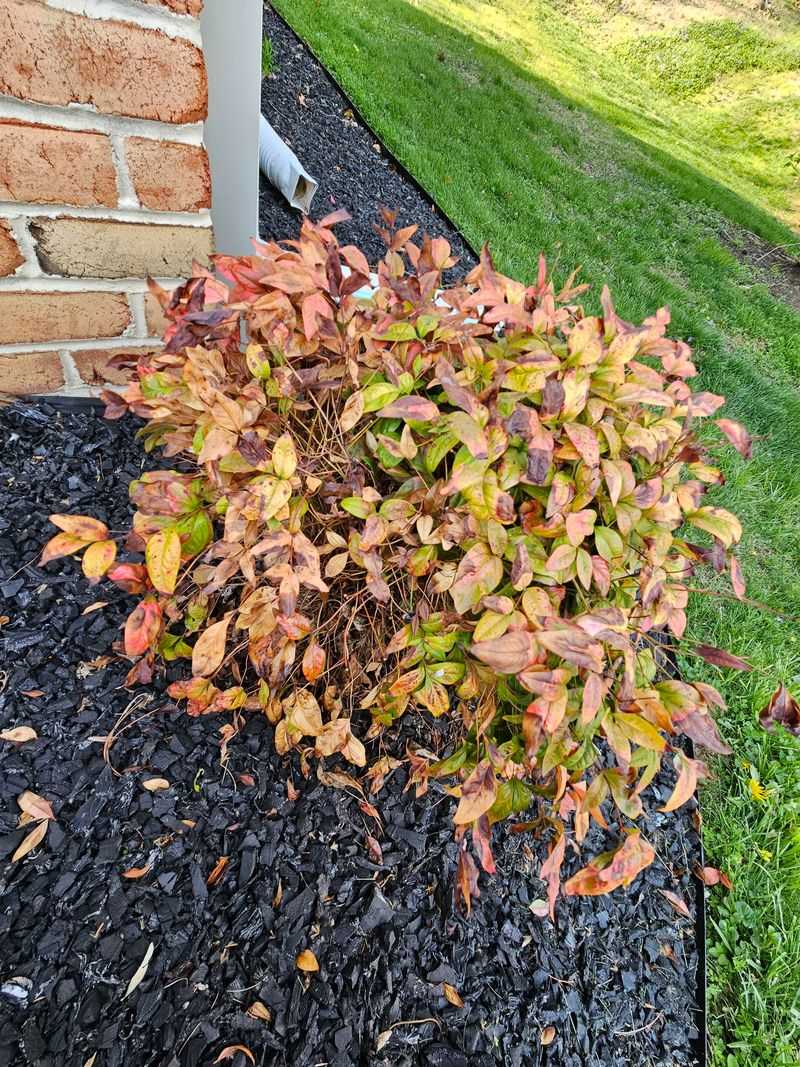
Tennessee invasive-plant and native-plant groups have raised concerns about nandina in recent years.
Officials are not yet at the point of banning the plant outright, but public education campaigns have ramped up considerably.
The message is clear: homeowners need to understand what this plant does beyond their fence line.
The Tennessee Exotic Pest Plant Council, known as TN-EPPC, has listed nandina as a plant of concern due to its invasive behavior in natural areas.
Groups like the Tennessee Native Plant Society have published guides encouraging residents to swap nandina for safer, native alternatives.
Some landscape professionals across the state have started steering clients away from nandina as awareness has grown.
Wildlife rehabilitators across the state report treating birds with symptoms consistent with berry ingestion during winter months.
Confirmation takes time and resources. But the pattern emerging across Tennessee has caught the attention of ornithologists and conservation biologists alike.
Several university extension programs in the state now include nandina warnings in their homeowner landscape guides.
The shift in tone from garden-friendly to cautionary has surprised many longtime homeowners who planted nandina in good faith.
Experts are quick to point out that blame is not the goal, understanding the problem and acting on it is.
Small changes made by thousands of homeowners across the state can add up to a meaningful win for wildlife.
How To Safely Remove Nandina From Your Yard
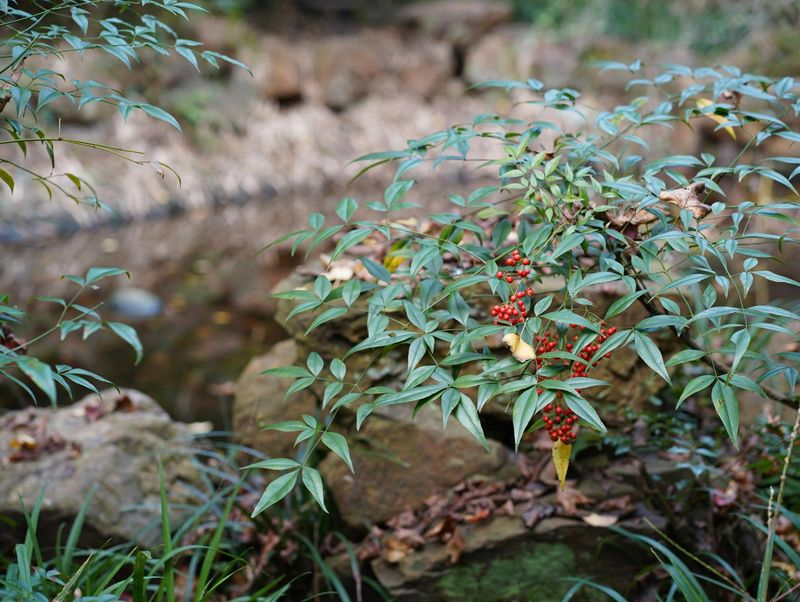
Pulling nandina out by hand sounds simple, but the root system on a mature plant can go surprisingly deep and wide.
Small plants pulled up in spring before they set berries are the easiest to manage without much equipment.
For larger, established shrubs, cutting the stems down to ground level is the recommended first step.
After cutting, apply an herbicide containing triclopyr directly to the freshly cut stumps within thirty minutes of cutting.
Timing matters here because the plant absorbs the treatment best when it is applied immediately after cutting.
Without treating the stump, nandina will send up new shoots from the roots within weeks.
Bag all removed plant material, including berries, stems, and leaves, and place it in sealed trash bags for regular garbage pickup.
Do not compost nandina since the seeds and plant parts can survive and sprout in compost piles.
Avoid leaving cut branches on the ground where birds might still pick at leftover berries.
Wear gloves and wash your hands after handling nandina, especially if you have been working around the berries.
Repeat monitoring of the removal site for at least one full growing season to catch any regrowth early.
Clearing nandina is not a one afternoon job but the results are worth every bit of effort.
What To Plant Instead Of Nandina
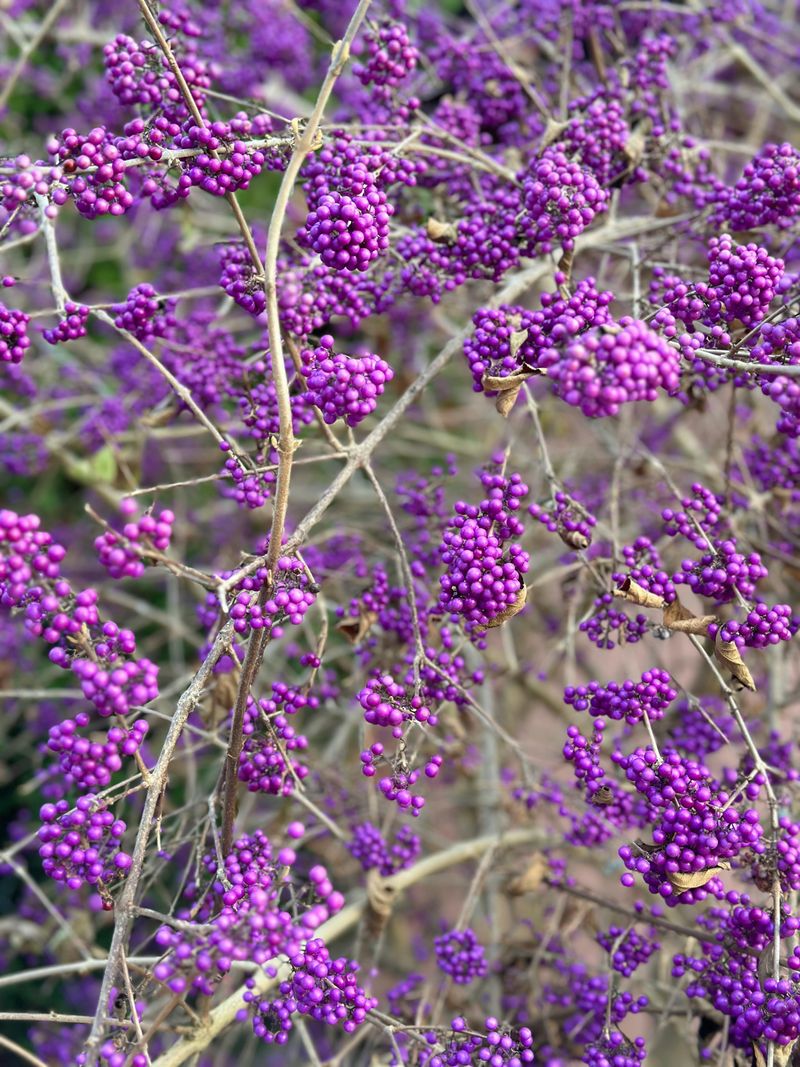
Swapping out nandina does not mean sacrificing beauty or easy care in your yard.
Native plants have spent thousands of years adapting to Tennessee soil, rainfall, and temperatures, which means they often need less attention than exotic imports.
Many of them also produce berries and colorful foliage that rival nandina in the looks department.
American beautyberry produces stunning clusters of vivid purple berries in fall that stop people in their tracks.
Birds love the berries, pollinators visit the flowers in summer, and the shrub stays manageable in most yards.
It handles both sun and partial shade without complaint, making it flexible enough for many different spots.
Winterberry holly is another excellent choice, especially for yards with wetter soil near downspouts or low spots.
The bright red berries last well into winter and draw in robins and other fruit-eating birds safely.
Unlike nandina, winterberry supports native insects and contributes positively to the local food web.
Inkberry holly, native azaleas, and Virginia sweetspire are also strong candidates depending on your light and moisture conditions.
Local native plant nurseries across Tennessee carry these options and staff can help match the right plant to your specific yard.
Swapping out nandina is simpler than you think. And the birds in your neighborhood will thank you faster than you expect.