These Are The Warning Signs A California Tree Is Under Heat And Drought Stress
California summers do not give trees much of a break. The heat builds fast and the dry stretch that follows can last longer than most trees are prepared to handle.
The problem is that most stress damage builds up quietly before it becomes obvious. By the time a tree looks truly bad, it has usually been struggling for a while.
Learning to spot the early warning signs changes everything. A few small clues in the leaves, bark, or soil can tell you exactly what a tree needs before the situation gets serious.
Some signs are easy to miss because they look like normal seasonal changes. Others are more urgent and need a fast response.
California homeowners who catch these signals early almost always save their trees with simple adjustments. Those who wait too long often face much bigger problems.
Knowing what to look for puts you in control before the heat does real damage.
Leaves Wilting During The Hottest Part Of The Day
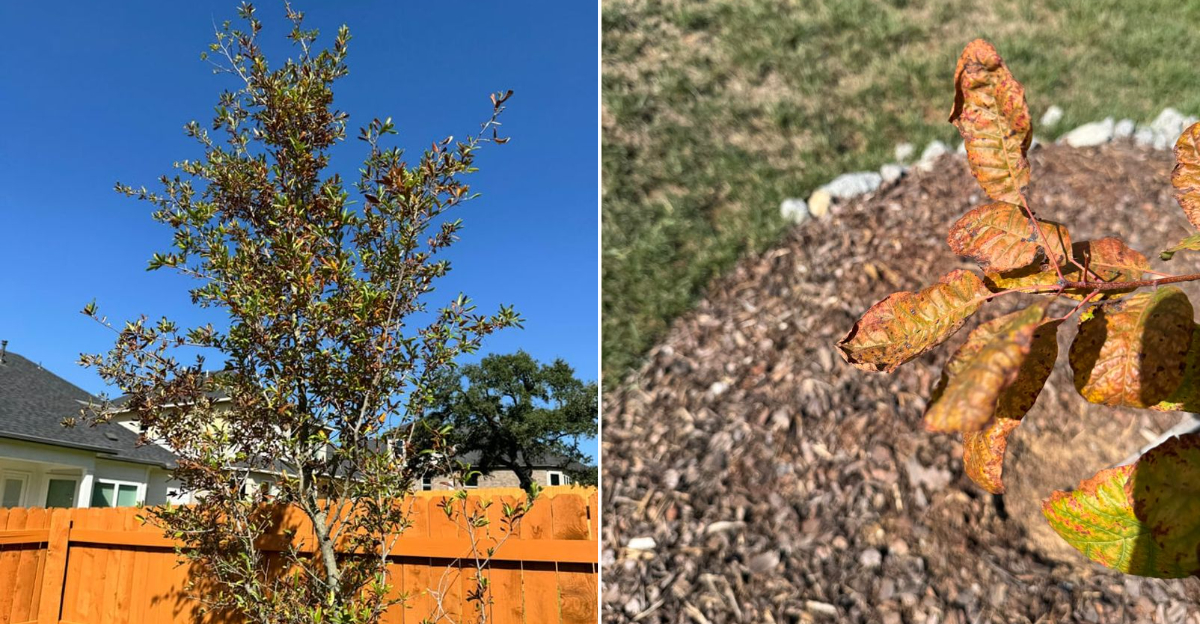
Hot afternoons in California can be punishing, and your tree’s leaves are often the first to show the strain. When temperatures spike, trees sometimes cannot pull up enough water from the soil to keep their leaves firm and upright.
The result is wilting, where leaves hang limp and look exhausted.
Some wilting in the middle of the day is normal during a heat wave. The key thing to watch is whether the leaves bounce back in the evening or early morning when temperatures cool down.
If they perk back up overnight, the tree is managing, but struggling.
If the leaves stay wilted even after the sun goes down, that is a serious red flag. It means the tree’s root system is not finding enough moisture in the soil to recover.
At that point, deep watering becomes urgent.
Try watering slowly and deeply at the base of the tree, not just a quick spray on the surface. Surface watering does not reach the deep roots where it matters most.
A slow soak once or twice a week during hot spells can make a real difference for trees across California.
Leaf Edges Turning Brown Or Crispy
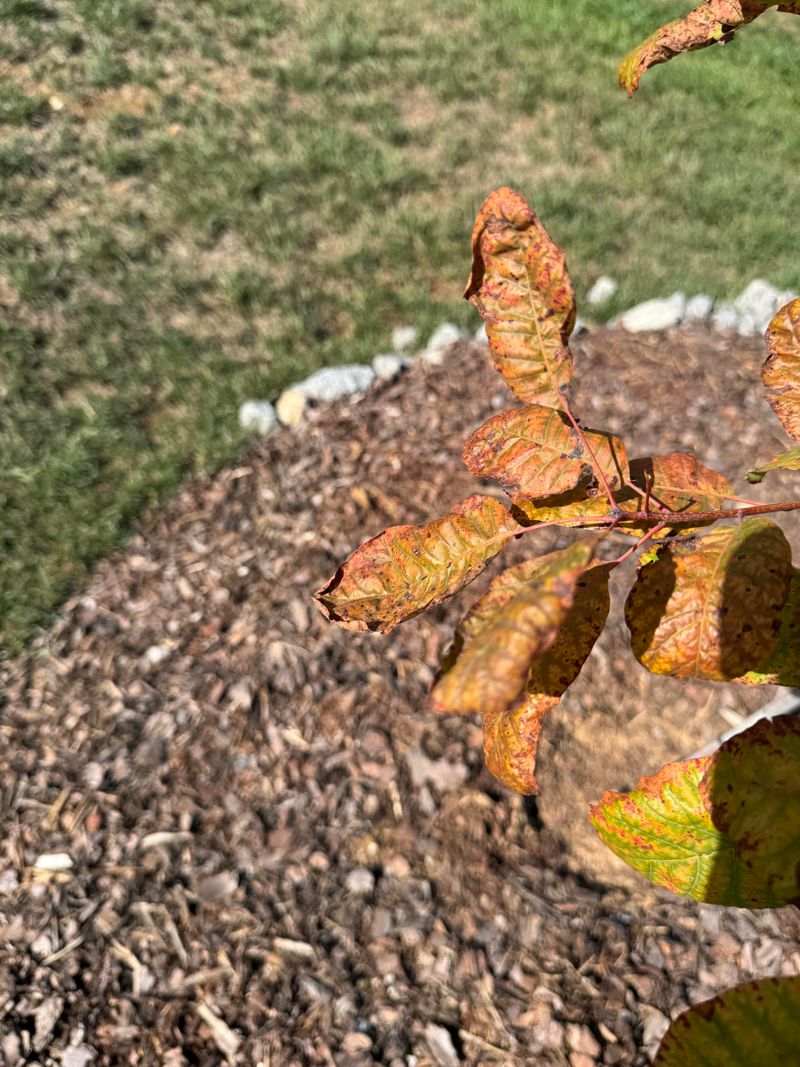
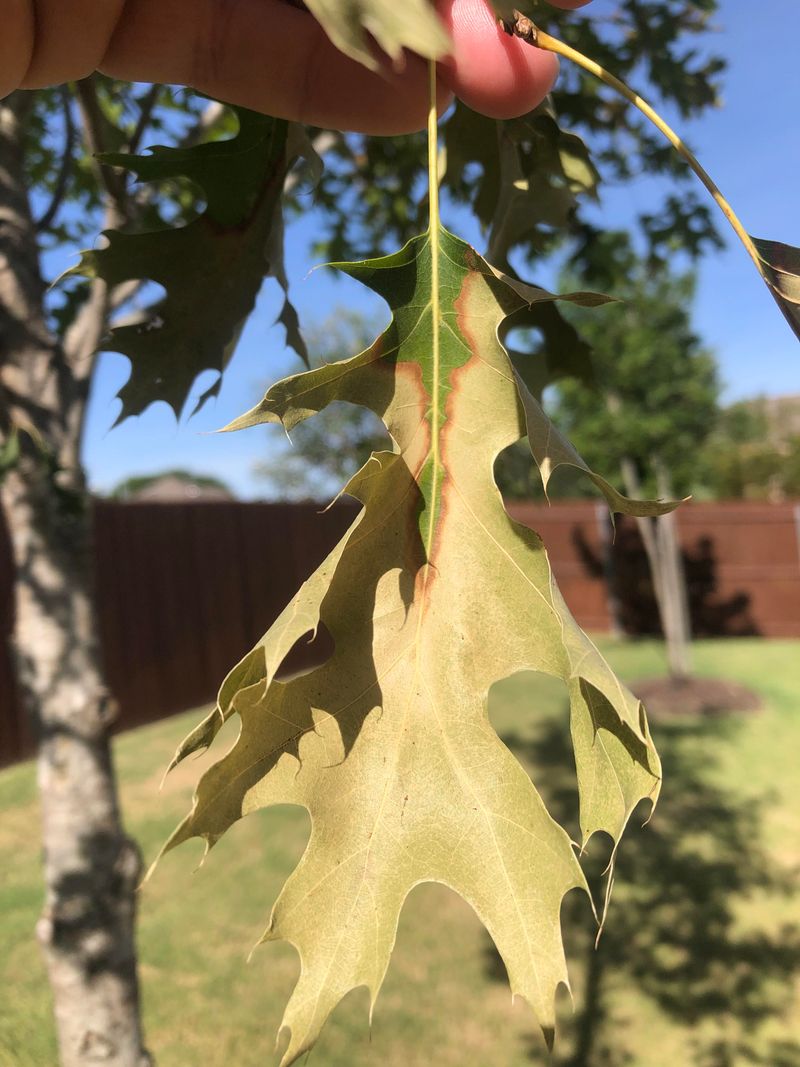
Brown, crispy leaf edges are one of the most recognizable signs that a tree is not getting enough water during hot weather. This condition is called leaf scorch, and it happens when the leaf tissue dries out faster than the roots can replace the moisture.
It often starts at the tips and edges before spreading inward.
Leaf scorch can look a lot like a disease or pest problem at first glance, which is why many homeowners miss the real cause. The browning is actually the leaf tissue breaking down because cells are dehydrating under extreme heat.
Once the edges turn brown and crispy, that tissue will not recover.
The good news is that catching it early means you can stop it from spreading. Check whether the browning is only on the outer edges or moving toward the center of the leaf.
Your California Garden Changes Every Week. Your Plan Should Too.
Gardening in California changes quickly throughout the season. Every Friday you’ll receive a simple weekly plan showing exactly what to plant, prune, fertilize, harvest, and protect so you never miss the right timing.
If it is still contained to the edges, increasing your watering schedule may slow or stop the damage.
California homeowners should also check soil moisture a few inches below the surface before assuming drought is the cause. Sometimes poor drainage or compacted soil prevents water from reaching the roots even when you are watering regularly.
Leaves Curling Inward To Save Moisture
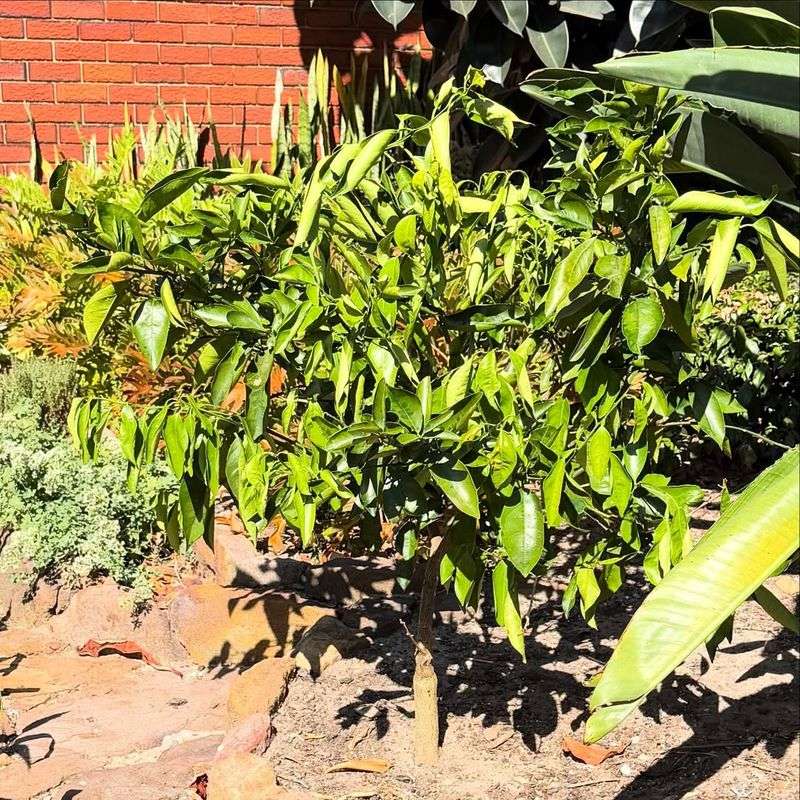
Here is something many people do not realize: when a tree curls its leaves inward, it is actually trying to protect itself. Curling reduces the surface area exposed to the sun and wind, which slows down water loss.
It is a survival response built right into the tree’s biology.
You might notice this curling most on the outer branches where leaves get the most direct sunlight. The curl can be subtle at first, almost like the leaf is just slightly folded along its midrib.
Over time, if conditions do not improve, the curl becomes more dramatic and the leaf may start to look almost tube-shaped.
Leaf curling can happen on many types of trees, including oaks, maples, and fruit trees commonly found in California yards. It is one of the earlier warning signs, often showing up before browning or drop begins.
That makes it a valuable clue to catch early.
When you spot curling leaves, check the soil around the base of the tree right away. Dry, cracked soil is a clear sign the tree needs water.
A layer of mulch around the base can also help retain soil moisture and keep roots cooler during hot spells.
Foliage Looking Dull Gray Green Instead Of Healthy
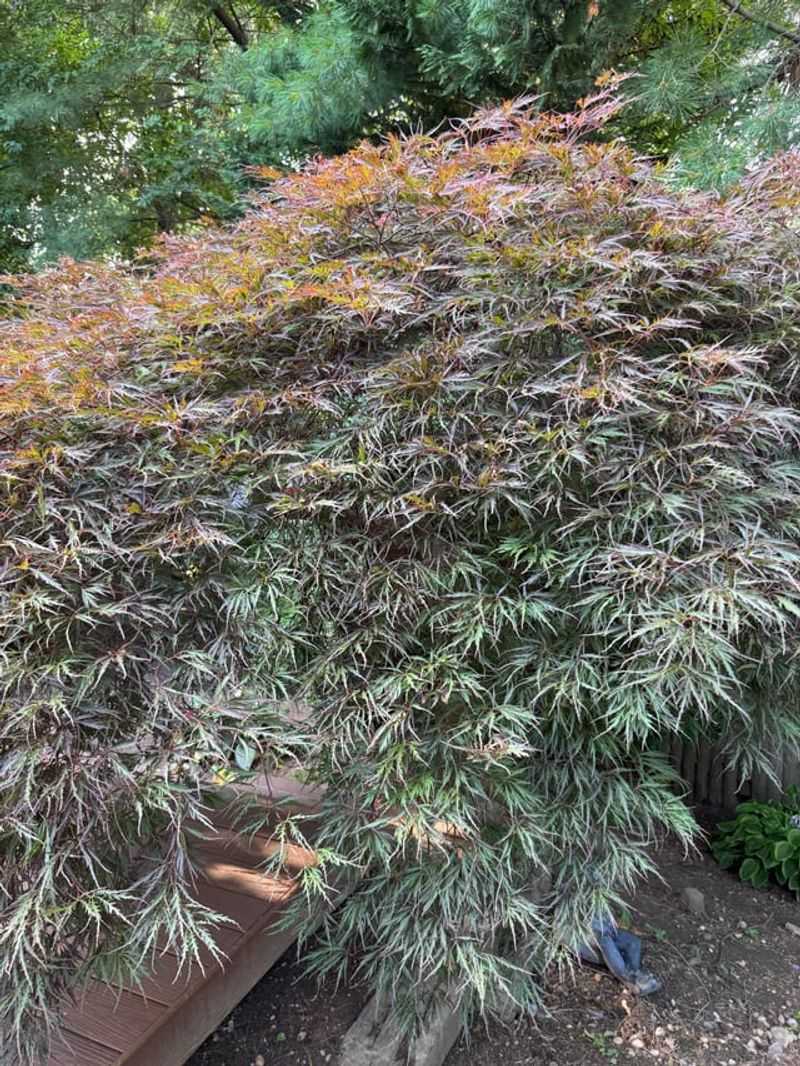
Healthy tree leaves should have a rich, vibrant green color. When a tree starts to look dull, almost grayish or faded, it is often a sign that something is off beneath the surface.
This color change happens because the tree is conserving energy and redirecting resources away from maintaining its foliage.
Many people mistake this dull color for a nutrient deficiency or a sign of aging. While those can be factors, during California’s hot and dry summers, the most likely cause is water stress.
The cells in the leaves are not getting enough hydration to keep their normal color and structure.
Unlike brown edges or wilting, dull foliage can be easy to overlook. It is a gradual change that sneaks up on you, especially if you see the tree every day.
Comparing photos from earlier in the season can help you notice the difference more clearly.
Watering more consistently and checking the tree for signs of root compaction or poor drainage can help restore color over time. Adding a balanced, slow-release fertilizer can also support the tree’s recovery, but always address the water issue first.
A well-hydrated tree is a much more resilient tree in the long run.
Early Leaf Drop Before Fall Arrives
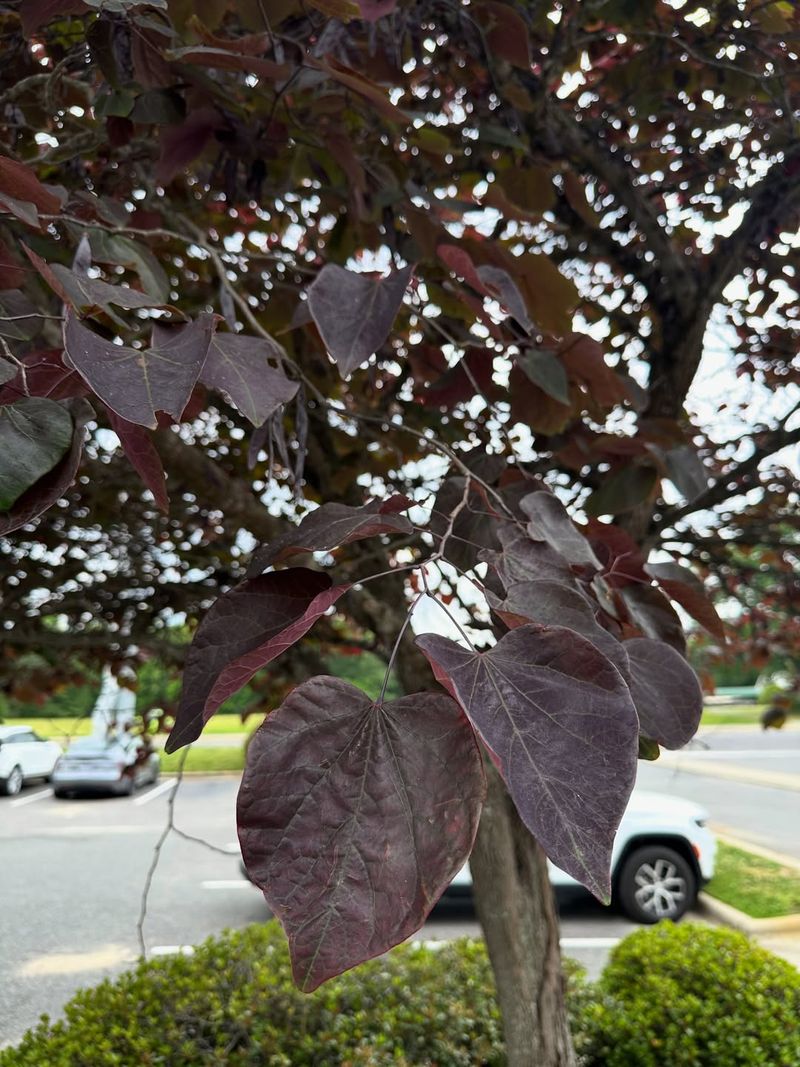
Seeing leaves fall in the middle of summer is never a good sign. Trees are wired to hold onto their leaves through the growing season, so when they start shedding early, it usually means they are under serious stress.
Early leaf drop is the tree’s way of reducing the amount of tissue it has to keep alive when resources are scarce.
Think of it like a ship throwing cargo overboard to stay afloat. The tree is choosing to let go of some leaves so it can focus its remaining energy and water on keeping its core structure alive.
It is a dramatic response, but it can actually help the tree survive a severe drought if conditions improve.
In California, early leaf drop often happens during extended heat waves or after a long stretch without rain or irrigation. If you notice leaves piling up under your tree in July or August, take it seriously.
Check the soil, increase watering depth, and look for other signs of stress on the branches.
Keep in mind that not all early leaf drop means the tree is beyond help. With consistent deep watering and some shade protection for the root zone using mulch, many trees can bounce back and push out new growth once temperatures ease up.
Small Or Stunted New Growth On Branches
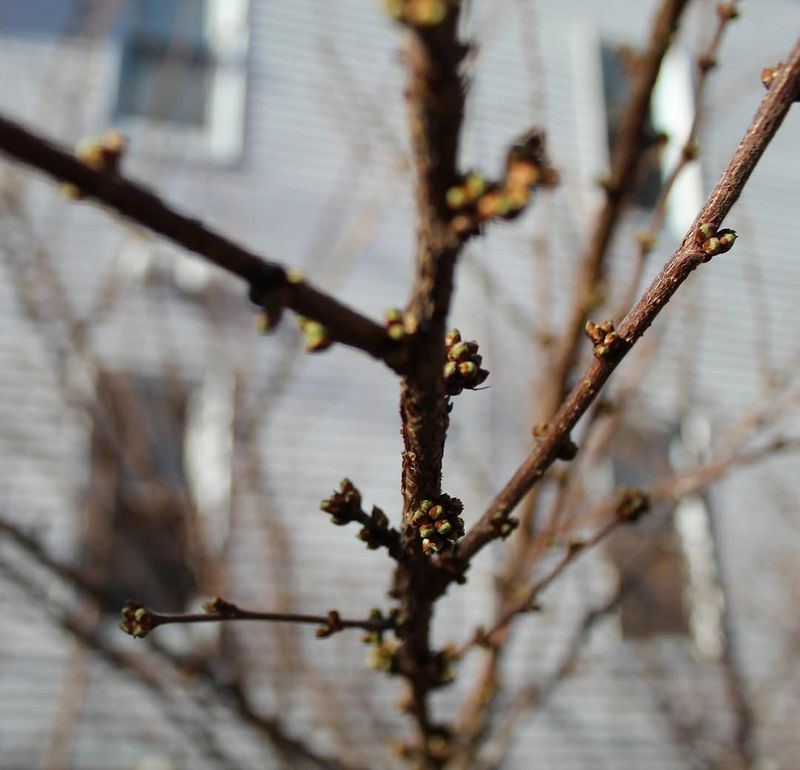
Every spring, healthy trees push out fresh new growth, small shoots and tender leaves that signal the tree is thriving. But when a tree is struggling with heat or drought, that new growth can be noticeably smaller than usual.
The shoots may be short, sparse, or barely visible at all.
Stunted growth happens because the tree is rationing its energy. Growing new tissue requires water and nutrients, and when both are in short supply, the tree slows down or stops putting energy into new growth altogether.
It prioritizes keeping existing branches and roots alive instead.
You can check for this by comparing this year’s new growth to photos from previous years or by looking at the length of new branch extensions. Healthy new growth can add several inches in a season.
Stressed trees may only push out half an inch or less.
This sign is especially common in ornamental and fruit trees across California that rely heavily on consistent irrigation. If your tree’s new growth looks weak or thin, it is worth adjusting your watering routine.
Deep, infrequent watering encourages roots to grow deeper into the soil where moisture stays longer, which helps the tree become more resilient over time.
Fruit Dropping Before It Has Time To Ripen
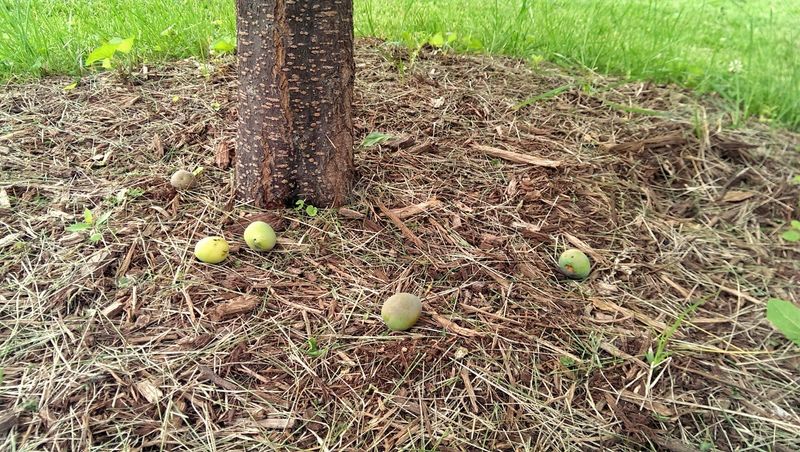
Finding unripe fruit on the ground beneath your tree is frustrating, but it is also a useful warning sign. When a tree is under drought or heat stress, it often drops fruit early as a way of cutting its losses.
Developing fruit requires a huge amount of water and energy, and a stressed tree simply cannot keep up.
This response is sometimes called June drop, even though it can happen at different times depending on the tree type and local conditions. It is the tree’s built-in system for prioritizing survival over reproduction.
By dropping fruit, the tree reduces its workload and focuses on keeping itself alive.
California fruit trees like citrus, peach, plum, and apple are especially prone to early fruit drop during hot, dry summers. If you are seeing a lot of small, underdeveloped fruit on the ground, check your irrigation schedule and soil moisture levels right away.
Mulching around the base of the tree can help retain soil moisture and reduce ground temperature, which takes some pressure off the roots. Make sure your irrigation is reaching deep enough into the soil, at least 12 to 18 inches down, so the roots have a reliable water source even when the surface dries out quickly.
The Tree Failing To Recover Overnight After Heat
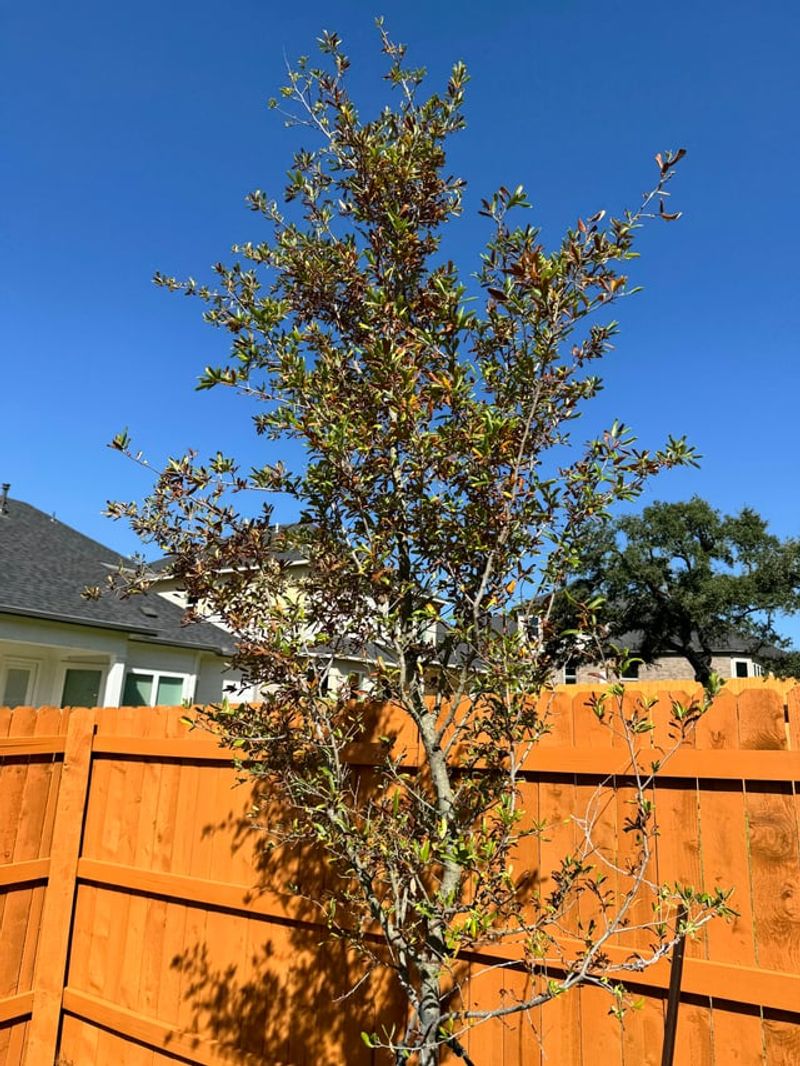
One of the clearest signs that a tree has moved beyond mild stress into serious trouble is when it stops bouncing back after a hot day. Trees that are mildly stressed will usually recover overnight when temperatures drop and the pressure on their water system eases.
A tree that still looks wilted, dull, or droopy in the morning has crossed an important line.
Overnight recovery is a good benchmark to check regularly during California’s hot season. Before you go to bed on a hot day, take a quick look at your tree.
Then check again early the next morning before the heat builds up again. If the leaves are still limp or the foliage still looks stressed, the tree needs help fast.
This failure to recover usually means the roots are severely depleted of moisture or that the root system has been damaged. Compacted soil, shallow roots, or prolonged dry conditions can all lead to this point.
Once a tree reaches this stage, recovery is possible but requires consistent effort.
Start with slow, deep watering immediately and keep it up over several days. Adding a thick layer of mulch around the base helps lock in moisture.
If the tree still does not improve after a week of consistent care, consider calling a certified arborist in California to assess the root health and overall condition.