Plants You’ll Never Need To Replant In Your North Carolina Garden
Replanting the same spots every spring takes time and money that adds up fast.
North Carolina gardeners who have switched to long-lived perennials, tough native shrubs, and reliable groundcovers know how much easier the season feels when the garden holds itself together year after year.
These are plants that establish deeply, return reliably, and keep performing without needing to be replaced. North Carolina’s climate works in their favor.
Mild winters across much of the state and a long warm growing season give these plants everything they need to settle in and stay. Some spread gradually and fill in bare spots over time.
Others hold their ground and simply keep growing stronger each season. Plant them once, give them a season to establish, and they become permanent fixtures that shape the garden for years to come.
1. Oakleaf Hydrangea
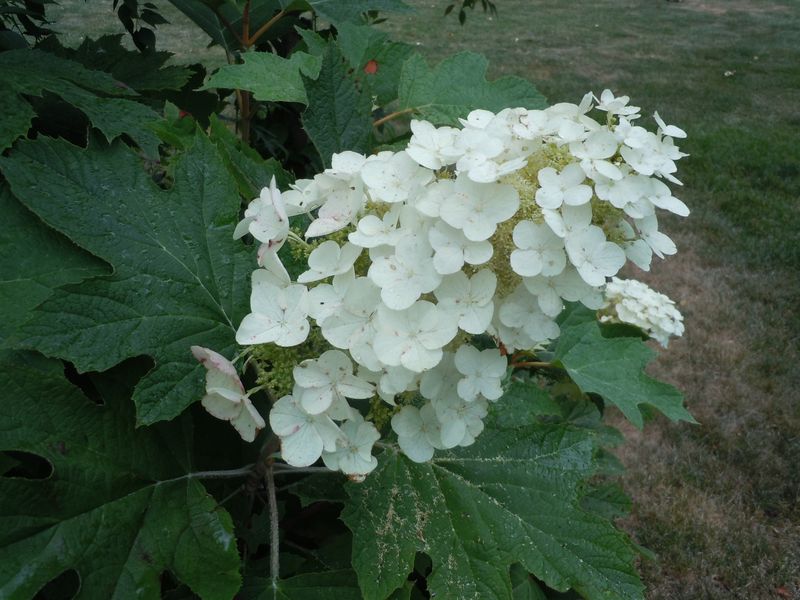
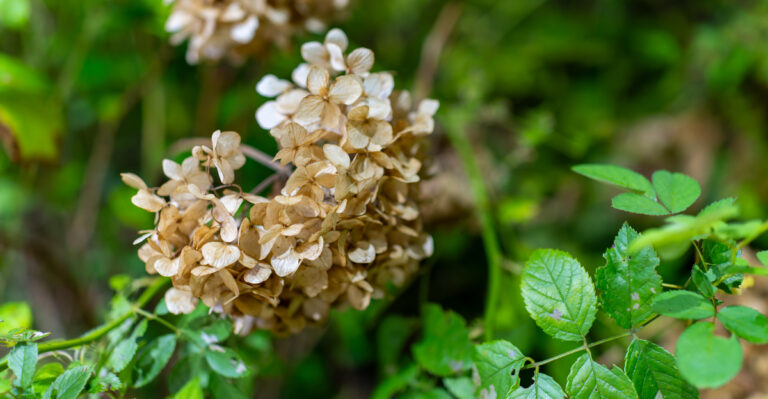
Few shrubs earn their place in a garden the way Oakleaf Hydrangea does. This native beauty puts on a show all four seasons, starting with enormous white flower clusters in early summer that slowly fade to a warm pinkish-tan as the weeks pass.
Come fall, the foliage turns deep red and burgundy before the leaves drop to reveal peeling, cinnamon-colored bark that looks stunning all winter long.
North Carolina gardeners love it because it handles the state’s heat and humidity without missing a beat. Once established, it tolerates drought surprisingly well and bounces back from cold snaps that would stress less hardy shrubs.
It grows naturally along forest edges and stream banks, so it already knows how to work with the local climate.
Plant it in a spot with morning sun and afternoon shade for the best performance. In the Piedmont and mountains, full sun works if watering is consistent during the first season.
Coastal gardeners should provide a bit more shade to protect the large flower heads from intense afternoon heat.
Water deeply once a week during the first growing season to help roots establish. After that, rainfall usually handles the rest.
Prune right after flowering if needed, since Oakleaf Hydrangea blooms on old wood. Skip the fall pruning, or you’ll remove next year’s flower buds. This shrub rewards patience generously.
2. Autumn Fern
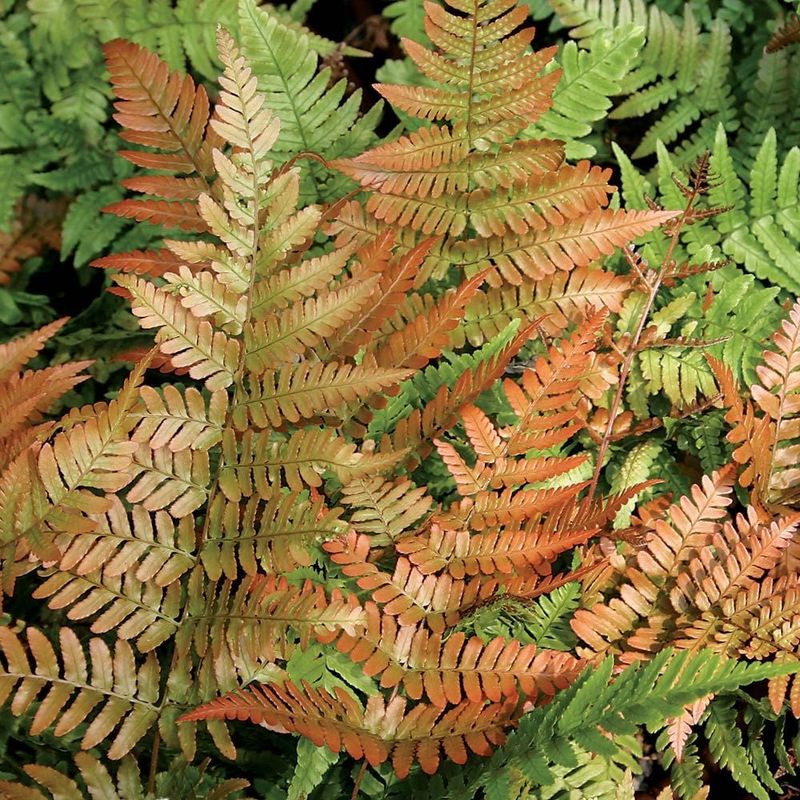
Walk into a shaded North Carolina garden and chances are you will spot an Autumn Fern holding its own while everything around it struggles. What makes this fern so special is the color show it puts on when new fronds emerge.
Fresh growth comes in glowing shades of copper, bronze, and soft orange before gradually maturing into a rich, glossy green. That seasonal color contrast is something most shade plants simply cannot match.
Autumn Fern handles the humidity that North Carolina summers dish out with ease. Unlike some delicate fern varieties that brown out or go dormant during dry spells, this one stays looking full and healthy through most of the warm season.
In the milder parts of the state, including the Piedmont and coastal plain, it stays evergreen well into winter, giving the garden structure even when other plants have gone quiet.
Your North Carolina Garden Changes Every Week. Your Plan Should Too.
Gardening in North Carolina changes quickly throughout the season. Every Friday you’ll receive a simple weekly plan showing exactly what to plant, prune, fertilize, harvest, and protect so you never miss the right timing.
Plant it in well-drained soil with plenty of organic matter worked in. A shaded bed under tall trees or along a north-facing wall works beautifully.
Space plants about 18 to 24 inches apart so the arching fronds have room to spread naturally without crowding.
Mulch around the base to keep moisture in and soil temperature steady. Water regularly during the first summer, then back off as roots settle in.
Remove old or tattered fronds in early spring before new growth emerges. Beyond that, this fern basically takes care of itself year after year.
3. Eastern Bluestar
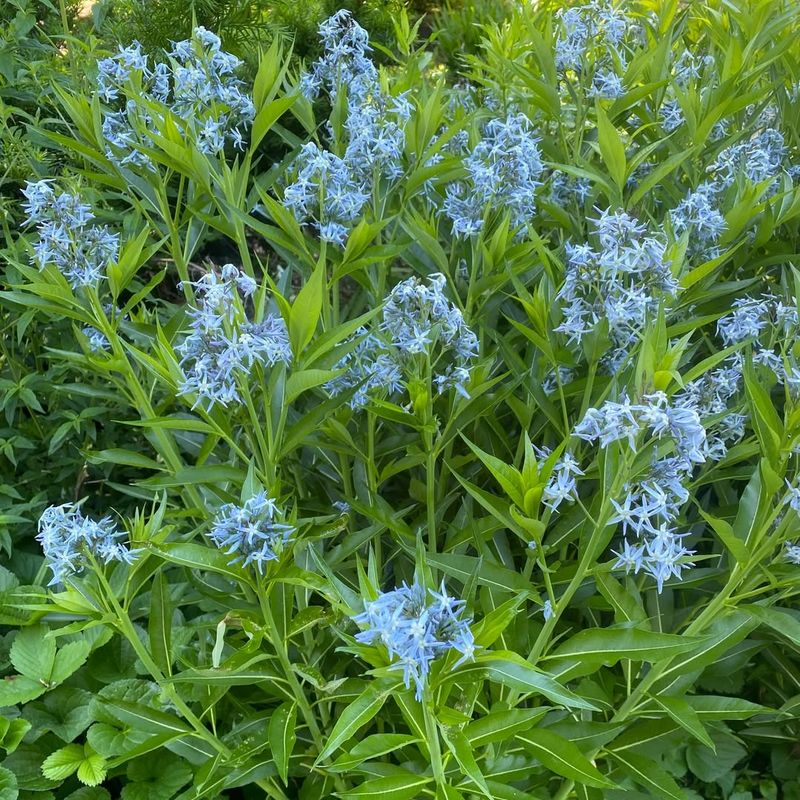
Eastern Bluestar is one of those plants that garden designers quietly rely on because it never lets anyone down. Native to the eastern United States, it has been growing in North Carolina’s woodlands and meadow edges for centuries.
That long history with the local climate means it already knows how to handle clay soil, summer humidity, and the occasional dry stretch without any extra help from you.
Spring is when Eastern Bluestar really grabs attention. Clusters of small, pale blue, star-shaped flowers cover the plant in April and May, creating a soft and cheerful display that pairs beautifully with spring bulbs and early perennials.
The flowers are modest in size but stunning in quantity. Then summer brings fine-textured, willow-like foliage that stays clean and full all season long.
When fall arrives, something magical happens. The foliage turns a brilliant golden yellow that rivals any ornamental grass or autumn shrub in the garden.
That three-season performance is rare in a single plant, and it is a big reason why gardeners rarely remove it once it is established.
Plant in full sun to part shade and space plants about 24 to 36 inches apart, since they grow into good-sized clumps over time. Water during the first season to help roots settle, then rainfall usually handles things.
Cut stems back by half after flowering to keep the plant compact and tidy through the rest of the growing season.
4. Christmas Fern
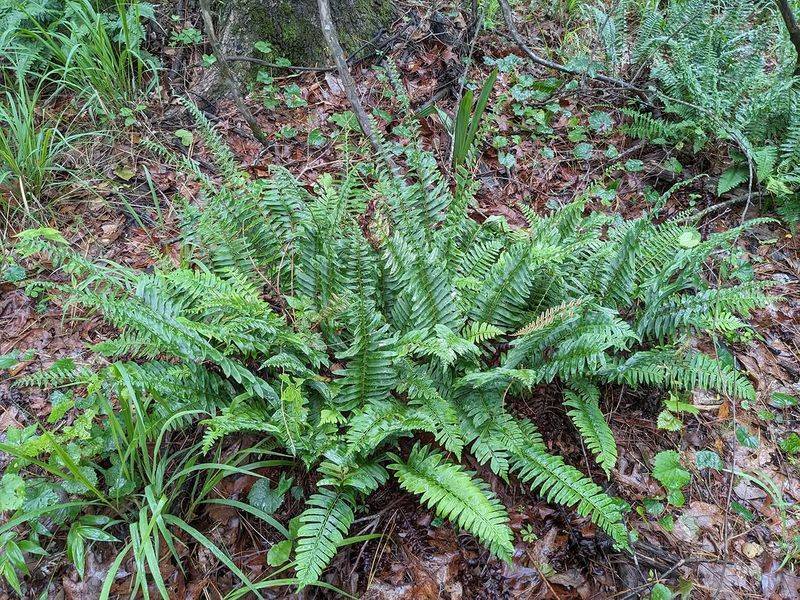
Christmas Fern earned its name because early settlers noticed that its fronds stayed green and fresh-looking all the way through December, even under a dusting of snow.
That evergreen toughness is exactly what makes it such a reliable choice for North Carolina shade gardens.
While other plants go dormant and leave bare patches through the cooler months, Christmas Fern keeps its rich, dark green color and holds the garden together visually.
One of its best qualities is its ability to handle dry shade, which is one of the hardest gardening conditions to work with. Beneath large trees where roots compete for water, many plants struggle or fade out.
Christmas Fern roots down and adapts, making it ideal for planting under oaks, maples, and pines where other groundcovers give up.
Prepare the soil before planting by loosening it well and mixing in compost or leaf mold to improve drainage and organic content. Plant in groups of three or five for a natural woodland look.
Space plants about 18 inches apart and mulch generously around each one to retain moisture and protect roots during winter cold snaps.
Watering during the first summer is important while roots establish. Once settled, supplemental watering is rarely needed except during extended dry stretches.
In early spring, old fronds may flatten from winter weather. Simply cut them back to make room for fresh new growth that emerges shortly after. This fern asks for very little and gives back beautifully every single year.
5. Purple Coneflower
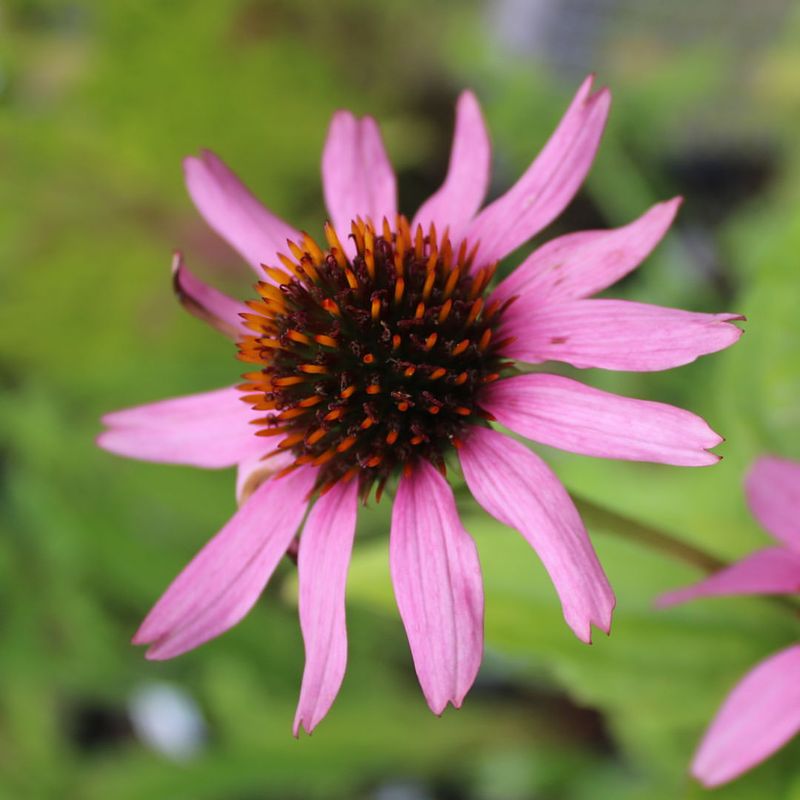
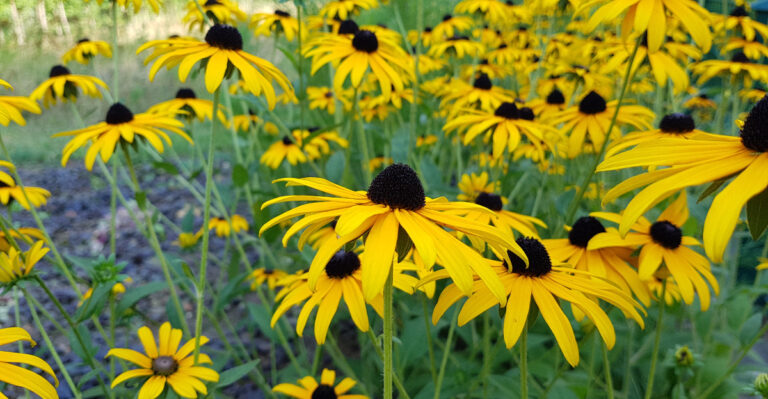
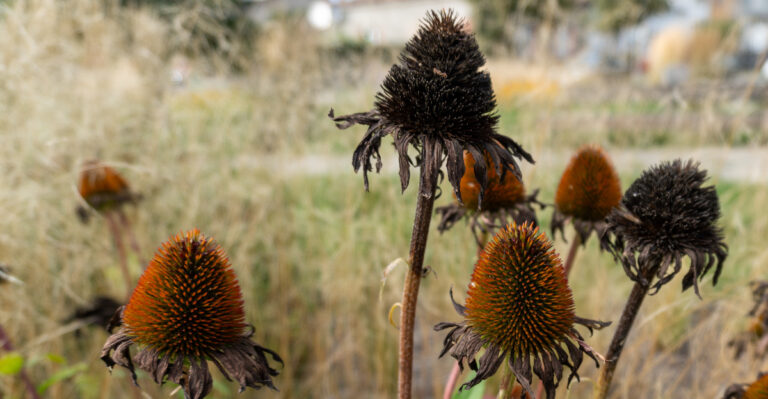
Purple Coneflower is the kind of plant that makes a garden feel alive. On any given summer afternoon, you will find bumblebees, butterflies, and goldfinches all competing for a spot on those spiky orange-brown seed heads.
Native to the central and eastern United States, this cheerful perennial has been thriving in North Carolina’s climate long before anyone thought to put it in a garden bed.
The flowers are bold and long-lasting, opening in June and continuing well into September if conditions cooperate. Each bloom features swept-back pink-purple petals surrounding a raised, cone-shaped center that hardens as the season progresses.
Those dried seed heads are not just decorative. They are a reliable food source for birds heading into fall and winter, so resist the urge to cut everything back too early.
Heat and humidity do not slow this plant down at all. Once established, Purple Coneflower handles dry stretches with impressive ease, making it a smart choice for gardeners who want beauty without constant irrigation.
Plant in full sun with well-drained soil for the strongest performance. Avoid heavy clay without amendment, as wet roots through winter can weaken the plant over time.
Space plants 18 to 24 inches apart to allow good air circulation and reduce any chance of mildew. Water regularly during the first season, then taper off.
Deadhead spent blooms to extend flowering, but leave some seed heads standing for wildlife. Divide clumps every three to four years to keep plants vigorous and blooming at their best.
6. Adam’s Needle
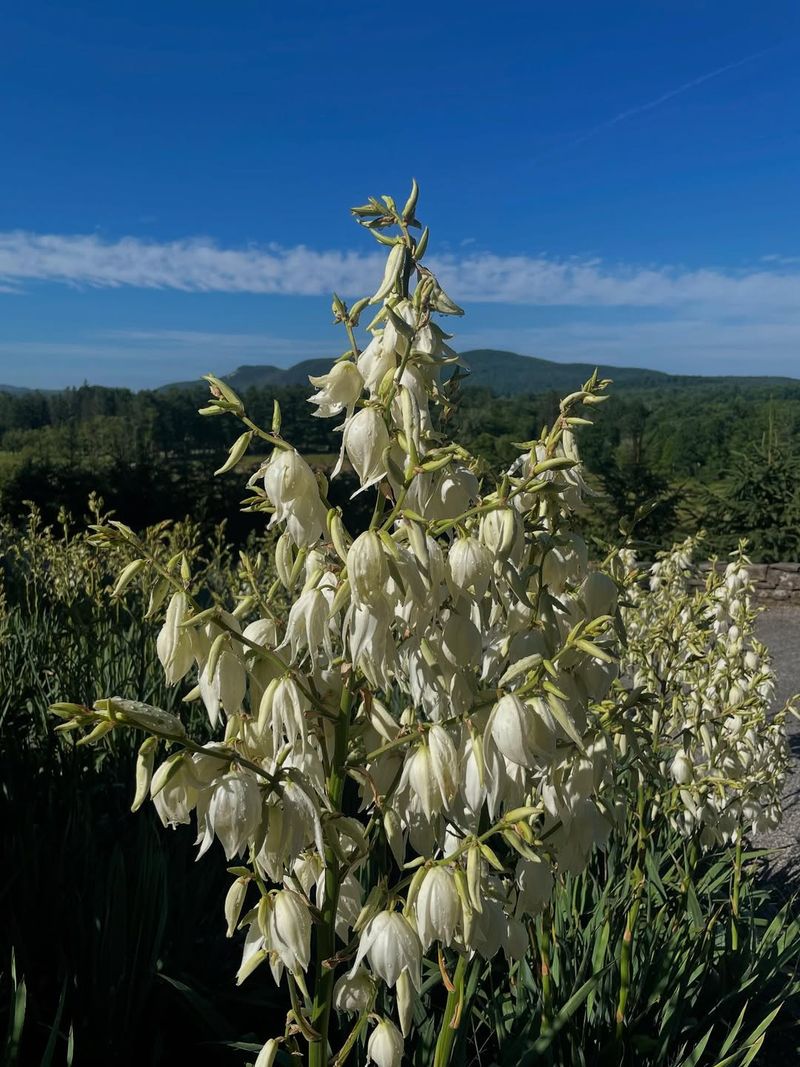
If you planted Adam’s Needle tomorrow and then completely forgot about it, it would probably be fine. That is not an exaggeration.
This native yucca is one of the most self-sufficient plants you can put in a North Carolina garden, thriving in conditions that would challenge almost anything else.
Sandy coastal soils, heavy Piedmont clay, rocky slopes, full blazing sun, and extended drought are all conditions this plant handles without complaint.
The foliage alone makes a statement. Long, sword-shaped leaves with curling white threads along the edges form a bold rosette that adds dramatic structure to any planting.
Then, usually in early summer, a tall flower spike shoots up, sometimes reaching six feet or more, and opens dozens of creamy white bell-shaped flowers that attract hummingbirds and moths. It is a spectacular event, and it happens reliably every year.
Placement is key with Adam’s Needle. Choose a spot with full sun and excellent drainage, and avoid planting it near walkways or play areas since the leaf tips are sharp.
It works beautifully as a focal point in a dry garden, along a sunny fence line, or in a mixed border where its architectural form provides contrast against softer plantings.
No irrigation system needed once it is settled in. No fertilizer required. No replanting, ever. Offsets form around the base over time, slowly expanding the clump.
You can remove these pups and share them with neighbors, or simply leave them to fill in naturally. Adam’s Needle is truly a plant-it-and-forget-it success story in North Carolina.
7. Carolina Jessamine
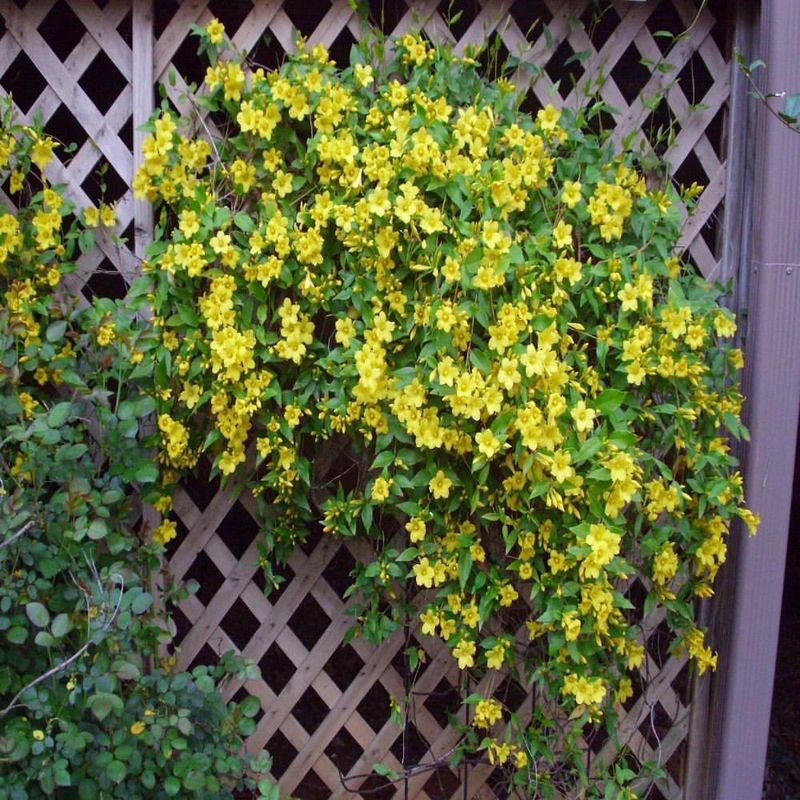
Carolina Jessamine is the official state flower of South Carolina and a beloved native vine across much of the Southeast, including nearly every corner of North Carolina. Gardeners who grow it quickly understand why it has earned such a devoted following.
Every late winter to early spring, this twining evergreen vine explodes into a cascade of bright, trumpet-shaped yellow flowers that fill the air with a sweet, light fragrance. It is one of the first signs that warm weather is on its way.
Heat and humidity are no problem at all for this vine. It grew up in the Southeast and genuinely thrives here.
Mild winters along the coast keep it looking lush year-round, while mountain gardeners may see some leaf drop during colder snaps, but the plant bounces back reliably each spring. Established plants rarely need replacing and often outlive the structures they climb.
Give it a sturdy fence, trellis, arbor, or mailbox post to climb, and it will reward you with years of reliable coverage and seasonal flowers. Plant in full sun to part shade with well-drained soil.
Water regularly the first season to get roots established, then rainfall usually takes over from there.
Prune right after flowering finishes in spring to shape the vine and encourage fuller growth. Avoid heavy pruning in fall, since you may cut off next season’s flower buds.
One important note: all parts of Carolina Jessamine are toxic if eaten, so keep that in mind when placing it near areas where young children or pets spend time.
8. Hellebore
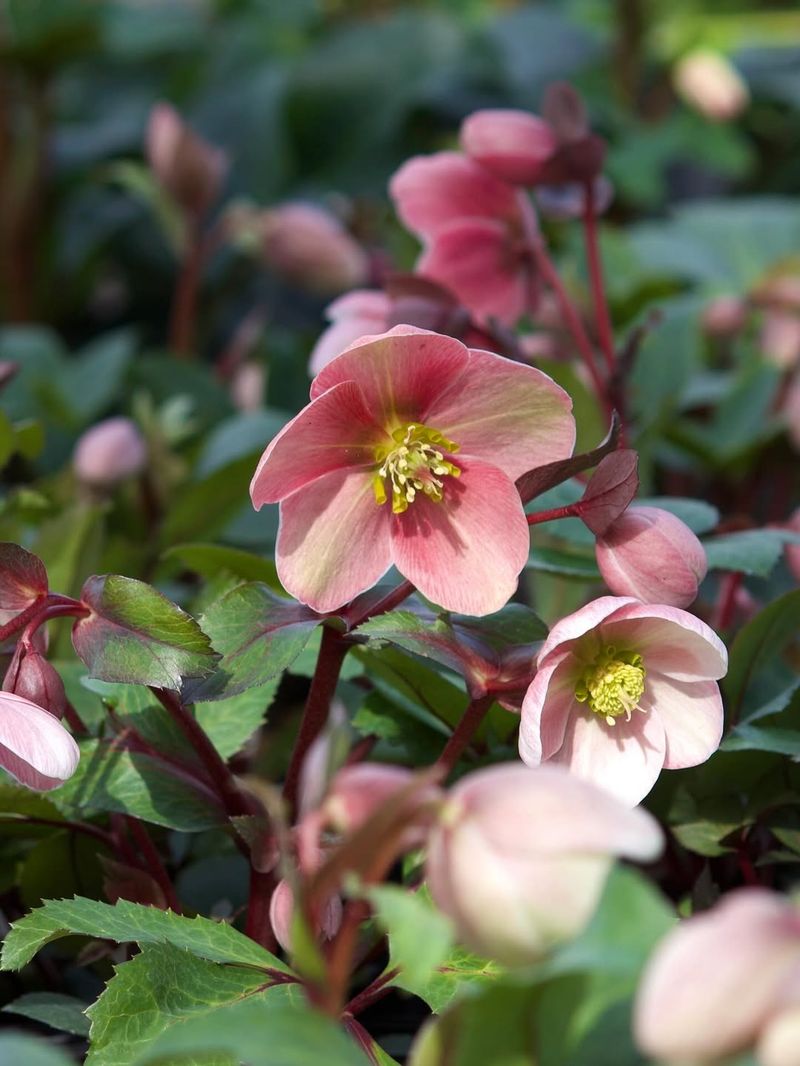
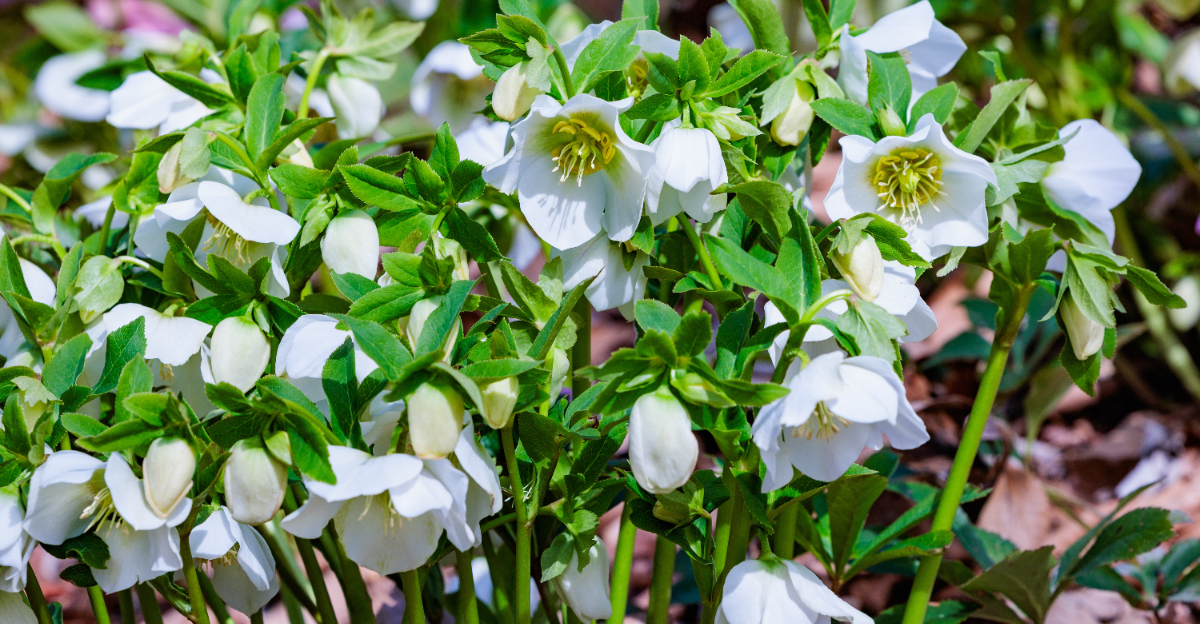
Hellebores have a quiet kind of magic about them. While most of the garden is still bare and waiting for spring, these low-growing perennials are already opening their beautiful, nodding flowers in shades of deep plum, creamy white, dusty rose, and spotted burgundy.
Blooming from late January through March across most of North Carolina, they bring color to the garden at the exact moment when you need it most.
Part shade with rich, well-drained soil is the sweet spot for Hellebores. They perform beautifully under deciduous trees, where they get winter sun when the canopy is bare and welcome shade once summer leaves fill in.
That combination of conditions mirrors their natural woodland habitat and keeps them healthy and blooming year after year without much intervention.
Cold winters across the Piedmont and mountains do not faze established Hellebore plants at all. The evergreen foliage may look a bit tired by late winter, but that is completely normal.
Cutting back the old leaves in January or February before new growth emerges keeps plants looking clean and allows the flowers to stand out without competition.
Space plants about 18 inches apart and mulch well to retain moisture and protect roots. Water during dry stretches, especially in summer when they can stress without adequate moisture.
Hellebores spread slowly by self-seeding, meaning new seedlings pop up nearby over time and gradually fill in a shaded bed. Once you plant them, they tend to stay and grow for decades with very little fuss.
9. Little Bluestem
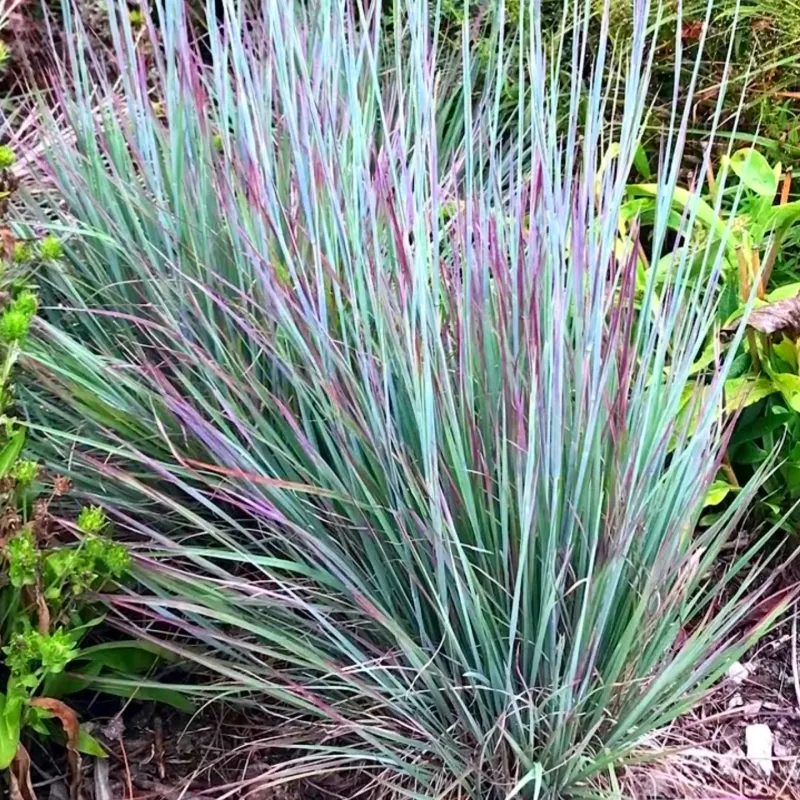
Little Bluestem might just be the most underrated plant in North Carolina gardening. It does not demand attention, does not need rich soil, and does not require regular watering once it gets going.
What it does offer is four full seasons of visual interest, a deep root system that holds soil and resists erosion, and an absolute refusal to give up no matter how hot or dry things get.
In summer, the upright clumps carry blue-green foliage that catches light beautifully and creates a soft, airy texture in the garden. Then fall arrives and everything changes.
The grass transforms into warm shades of copper, burnt orange, and russet red that glow in the afternoon sun. Feathery seed heads catch the light and attract birds looking for an easy meal through the colder months.
Full sun and lean, well-drained soil produce the best results. Avoid rich, heavily amended soil, since too many nutrients cause the stems to flop rather than stand upright.
This is one plant where poor conditions actually work in your favor. Sandy soils, rocky slopes, and dry sunny borders are all places where Little Bluestem genuinely shines.
Plant in spring after the last frost and space clumps about 18 to 24 inches apart to allow room for natural spread. Cut back to about four to six inches in late winter before new growth pushes up from the base.
No division needed for years. No irrigation system required. Little Bluestem is native, tough, and completely at home in North Carolina from the coast to the foothills.
10. Green And Gold
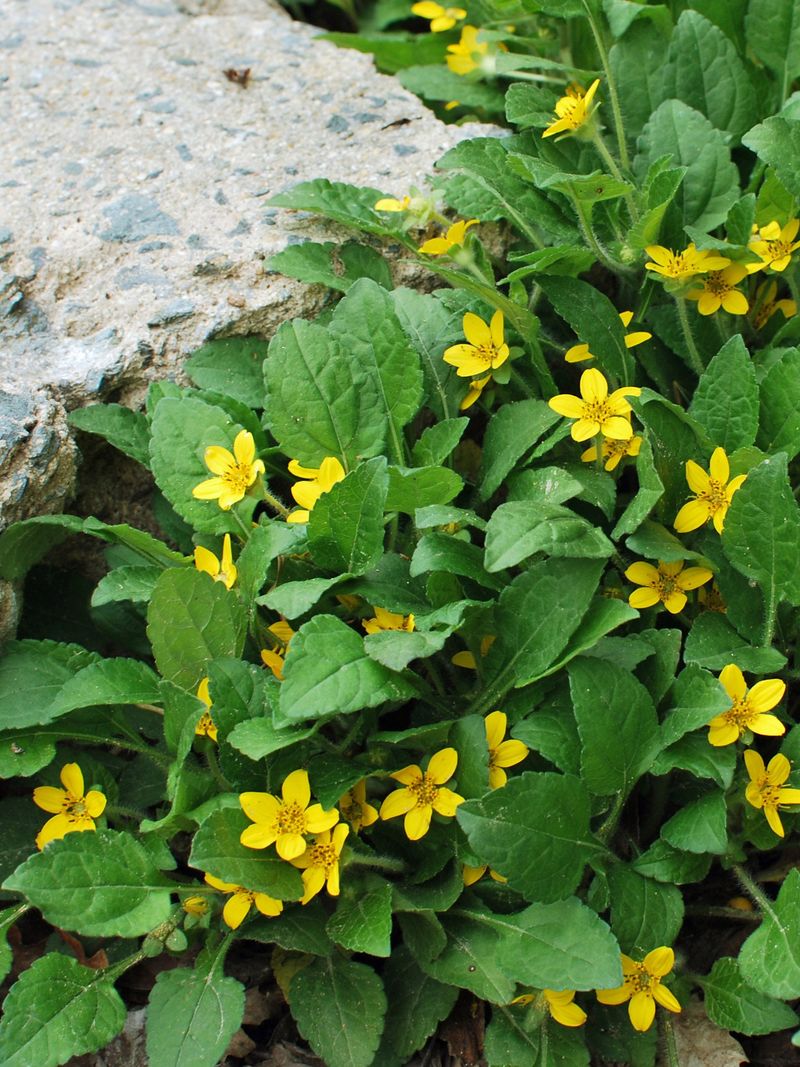
Green and Gold is one of those native groundcovers that experienced North Carolina gardeners keep coming back to because it simply works.
Named for its combination of bright yellow flowers and rich green foliage, this low-growing perennial spreads gradually to fill in shaded spaces where lawn grass struggles and bare soil invites weeds.
Once it settles in, it creates a dense, attractive mat that handles the garden’s problem areas with ease.
The cheerful yellow flowers appear in spring and often continue sporadically through summer and into fall, especially in gardens with consistent moisture and some filtered light. Each bloom is small and star-shaped, hovering just above the foliage on short stems.
The overall effect is charming rather than flashy, and it pairs naturally with ferns, Hellebores, and hostas in a layered woodland-style planting.
Part shade with moist, well-drained soil produces the strongest growth. Morning sun with afternoon shade works well across much of the Piedmont and coastal plain.
Heavy clay soil benefits from a generous addition of compost before planting to improve drainage and give roots a better start.
Plant in fall or early spring and space individual plants about 12 to 18 inches apart. They spread by runners and will fill in gaps over time without becoming invasive or aggressive.
Mulch lightly around new plants to retain moisture and suppress weeds while the groundcover fills in. Water regularly during the first growing season, then taper back.
Once established, Green and Gold returns faithfully every year with almost no maintenance required.