The Ohio Backyard Spots Where Mosquitoes Breed Without Homeowners Realizing It
Most Ohio homeowners think they run a tight ship in the backyard. Trimmed lawn, clean patio, maybe a citronella candle on deck.
So why does every summer cookout turn into a slapping contest? Mosquitoes are not random.
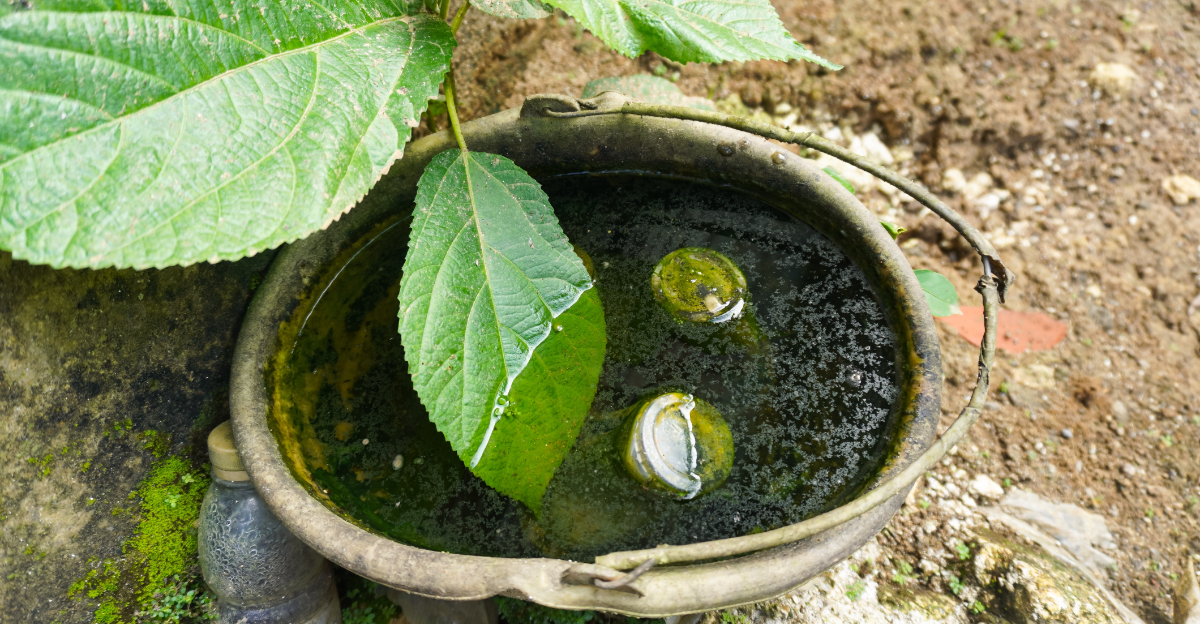
They are strategic, and your yard is practically a five-star resort for them. Got a bucket tucked behind the shed?
A clogged downspout? A plastic lid holding rainwater since April?
That is a nursery. Ohio’s humid summers and frequent rainfall give backyard breeding spots the exact conditions they need to explode in population fast.
You don’t have to live near a swamp to get swarmed. The culprits are closer than you think, hiding in plain sight around ordinary homes across the Buckeye State.
Once you know what to look for, you’ll never look at your backyard the same way again.
1. Check Plant Saucers After Every Ohio Rain
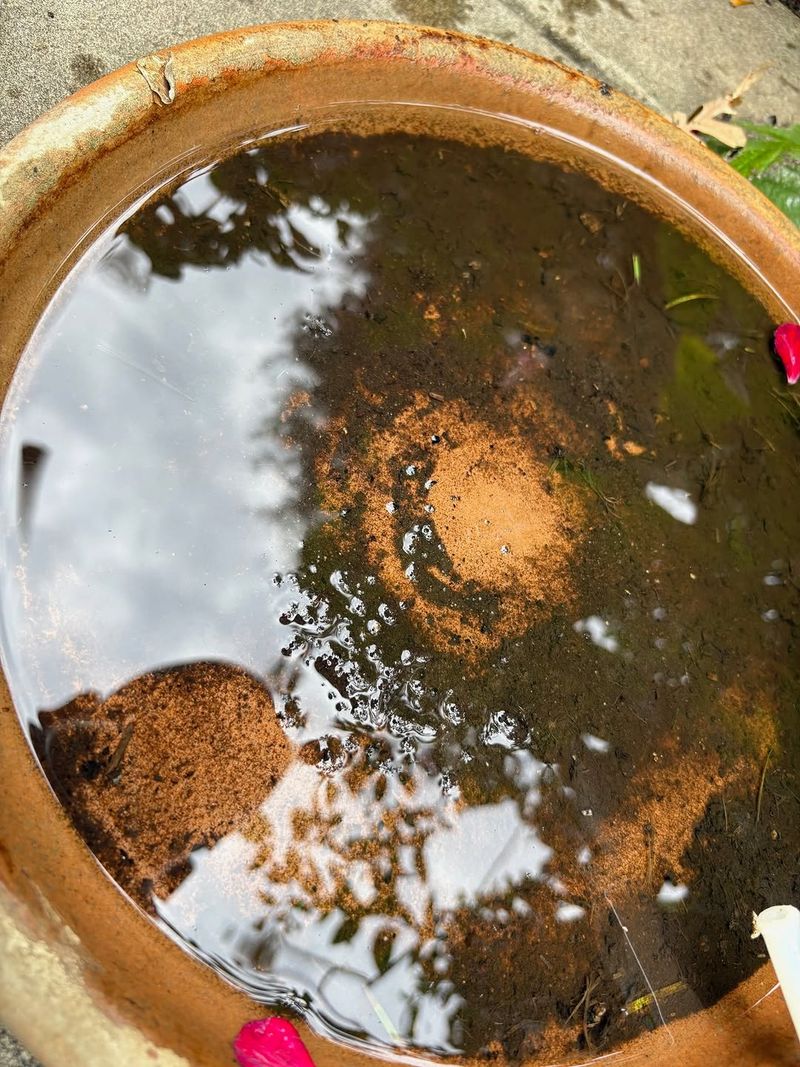
Patio planters look cheerful lined up on a deck or porch, but the saucers sitting underneath them can quietly collect water after every Ohio rainstorm. Most people water their plants, walk away, and never think to check what is pooling below.
A shallow saucer holding even half an inch of water for several days is enough for mosquitoes to lay eggs and begin developing.
Flower pots, hanging baskets, container herb gardens, and decorative planters on balconies all have this problem. The saucers are designed to catch water, which is great for plant roots but not great for keeping mosquitoes away from your yard.
After rain, check every saucer and tip out any standing water you find.
If emptying saucers every few days feels like too much work, try placing pot feet or small risers under containers so water drains freely onto the ground. You can also swap out deep saucers for shallower ones that dry out faster.
Covered porches and patios trap moisture longer than open areas, so those spots need more frequent attention. Staying consistent with this simple check after rainy stretches goes a long way toward reducing mosquito pressure close to your home.
2. Empty Buckets, Toys, And Garden Carts Before Water Sits
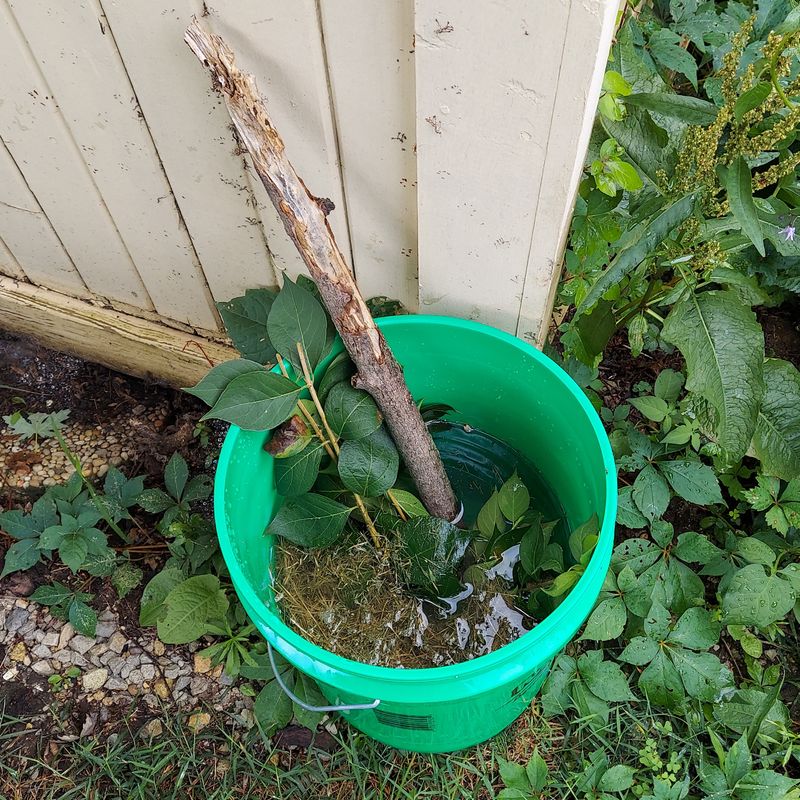
After a good summer storm rolls through, almost anything left outside becomes a potential water collector. Buckets, wagons, toy bins, watering cans, nursery pots, seed trays, and garden carts can fill with rainwater quickly.
Most of these items sit in yards for days or weeks without anyone checking them.
Mosquitoes are opportunists. A child’s sandbox bucket flipped right-side up and forgotten near the garden is all the breeding space some species need.
Watering cans with standing water inside the spout or body are a common overlooked source, especially when kept near vegetable beds or flower borders.
The fix is straightforward. Turn buckets, watering cans, and loose containers upside down when you are not using them.
Store garden carts and wagons in the garage or shed between uses. If a container needs to stay outside, drill a few small drainage holes in the bottom so water cannot pool.
Your Ohio Garden Changes Every Week. Your Plan Should Too.
Gardening in Ohio changes quickly throughout the season. Every Friday you’ll receive a simple weekly plan showing exactly what to plant, prune, fertilize, harvest, and protect so you never miss the right timing.
Nursery pots and seed trays should be nested and stored under a roof or flipped over.
Walking your yard after a storm with fresh eyes, looking for anything that caught water, is one of the most practical habits a gardener can build.
3. Clear Clogged Gutters That Hold Hidden Water
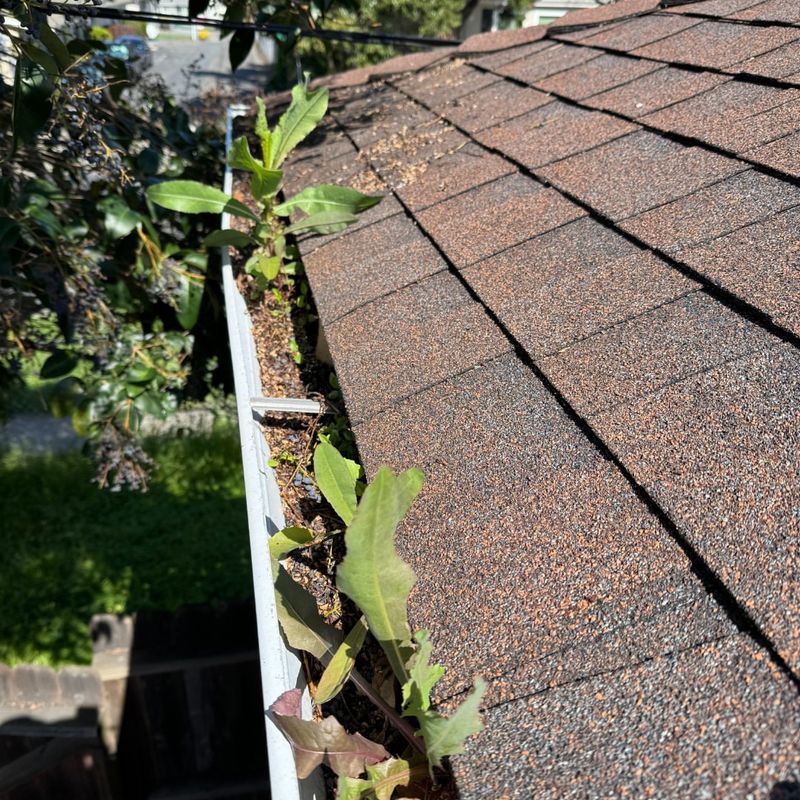
Most people think about gutters when they are worried about roof leaks or foundation drainage, not mosquitoes.
But clogged gutters can hold a surprising amount of standing water, especially after the heavy spring rains and summer storms that are common across the state.
Leaf litter, seed pods, and debris pack down into a soggy mat that traps moisture for days or weeks at a time.
The tricky part is that gutters are above eye level. You cannot see the problem from the ground, so it is easy to forget about it entirely.
A section of gutter that sags slightly or drains slowly can hold enough water to support mosquito development without anyone noticing until the biting gets bad near the roofline or porch.
Cleaning gutters at least twice a year is a reasonable starting point, but yards with mature trees may need more frequent attention. Check that downspouts are flowing freely and not backing up water into the trough.
If any gutter sections sag or hold water even after cleaning, they may need to be re-pitched or repaired. If climbing a ladder feels risky, hiring a local gutter cleaning service is a smart and safe choice.
Keeping gutters clear is one of the higher-impact steps you can take for mosquito reduction around the home.
4. Refresh Birdbaths Before Mosquitoes Settle In
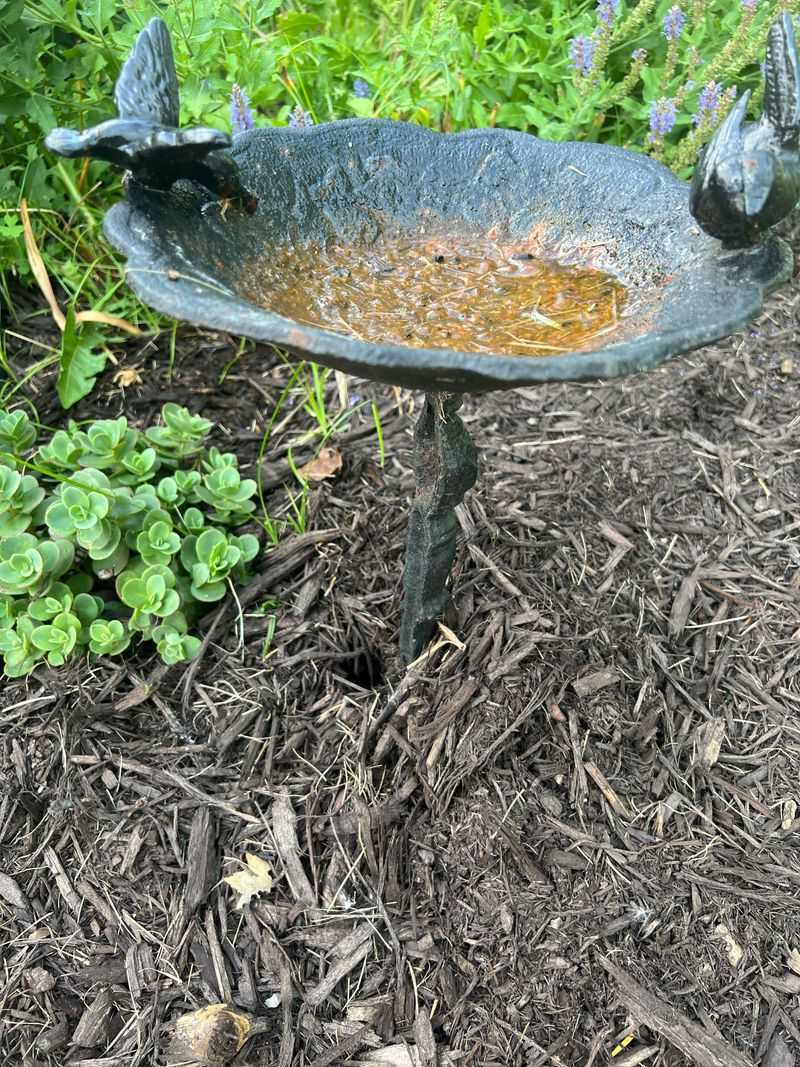
Birdbaths are one of the most common mosquito breeding spots in backyards, and they are also one of the easiest to manage. A birdbath that sits filled and untouched for more than a few days can become a very inviting spot for mosquitoes.
They will lay eggs, especially during warm, humid summers when development speeds up in shallow, still water.
The good news is that birds actually prefer fresh, clean water. Refreshing the birdbath every two to three days benefits the birds and removes standing water before mosquito eggs have time to develop into biting adults.
Scrubbing the basin with a stiff brush when you refill it helps remove algae and any egg rafts that may have been deposited.
If you have a decorative bowl or garden water feature that is not actively used, consider emptying it between uses rather than leaving it filled.
Small recirculating pumps can help keep water moving in decorative features, which makes the water less attractive to mosquitoes looking for still surfaces.
Avoid adding fish or chemicals to birdbaths without understanding what is safe for wildlife.
Just keeping the water fresh and the basin scrubbed clean is enough to make a real difference in most yards.
5. Look Inside Tarps Grill Covers And Patio Cushions
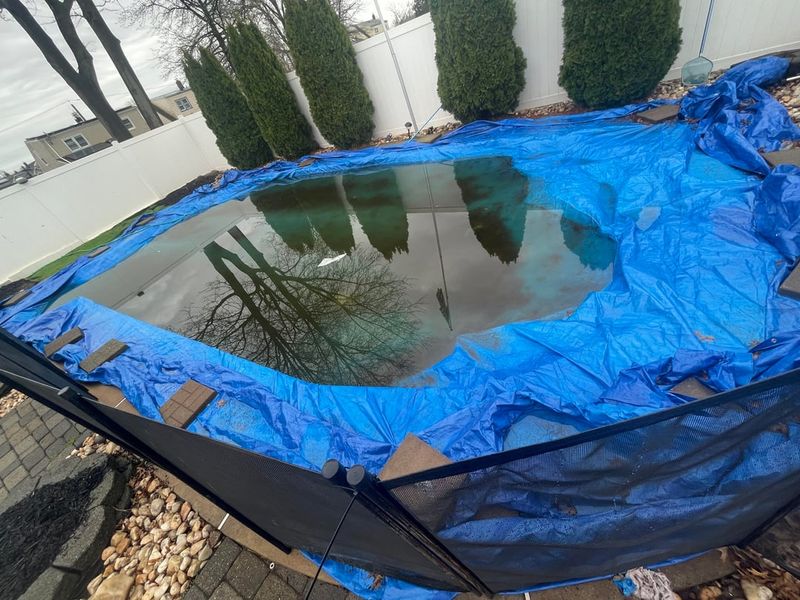
Walk around your yard the morning after a big rainstorm and take a close look at all the flexible surfaces covering your outdoor gear.
Tarps draped over woodpiles, lawn equipment, or garden beds tend to sag and fold, creating low spots where rainwater collects into small puddles.
Those puddles may look minor, but they can hold enough water to matter.
Grill covers, patio furniture covers, and pool covers have the same issue. If the cover fits loosely or has shifted during a storm, water gathers in the folds and sits there for days.
Folded patio umbrellas stored outside can trap water in the fabric creases. Even stacked outdoor cushions stored without a roof over them can hold moisture in the gaps between layers.
After storms, shake out tarps and pull them tight so water runs off instead of pooling. Store patio cushions upright or under a covered area when rain is expected.
Check pool covers and pump off standing water or pull the cover tight so it sheds rain cleanly. Grill covers should fit snugly and be adjusted after storms to eliminate low spots.
None of these changes take long, but making them a habit after wet weather can noticeably reduce mosquito activity close to outdoor living areas.
6. Drain Wheelbarrows And Low Garden Tools
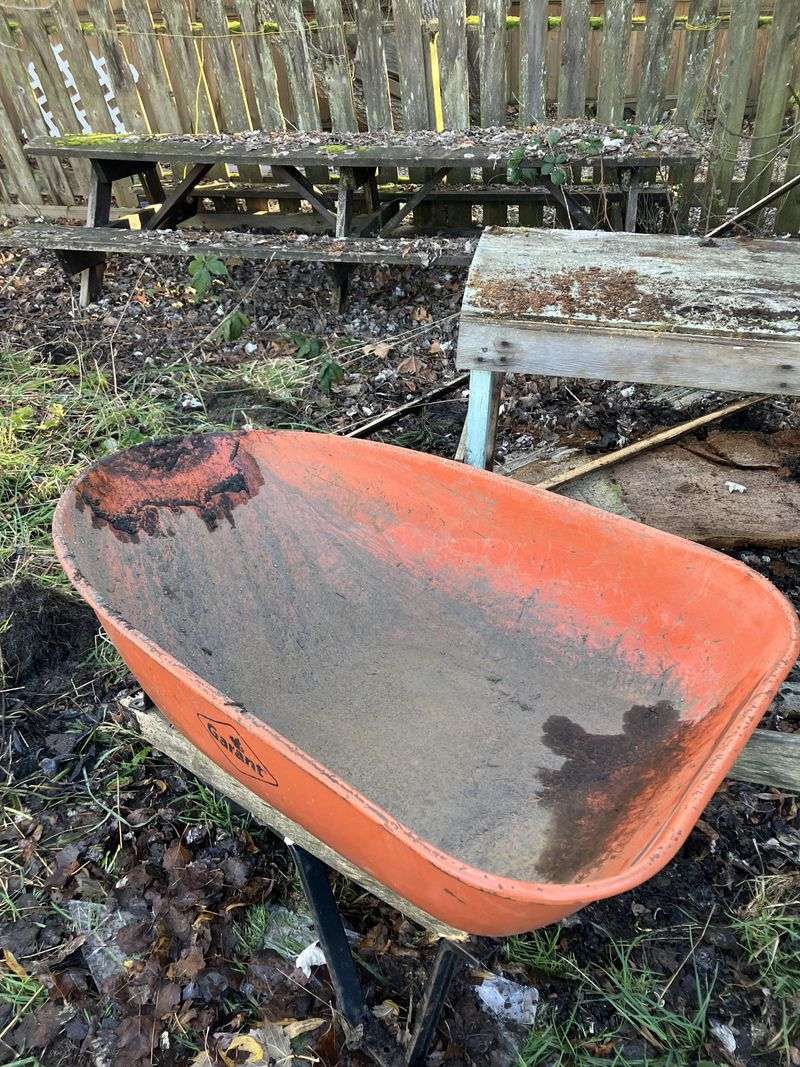
A wheelbarrow sitting right-side up in the garden after a rainstorm is basically a ready-made mosquito nursery. It holds water well, it sits in a quiet corner of the yard, and most people do not think to check it between gardening tasks.
Even a few inches of water left standing for a week in warm weather is enough time for mosquito larvae to develop.
Garden carts, overturned pot lids used as catch trays, shallow trays under raised bed legs, and even the open ends of hollow tool handles can collect water.
Shovels and rakes leaned against a fence with their heads facing up can trap water in curved metal parts after heavy rain.
These are small amounts, but they add up when multiple items are sitting out at the same time.
Tipping a wheelbarrow upside down after use is the fastest fix and takes about three seconds. If the wheelbarrow needs to stay upright for convenience, drill a small drainage hole in the bottom corner of the basin.
Store garden carts and trays in a shed or garage when not in active use. After a storm, do a quick walk through the garden work area and flip or drain anything that caught water.
Making this part of your post-storm routine keeps the garden area from quietly contributing to mosquito pressure in the yard.
7. Fix Low Spots Where Lawn Water Lingers
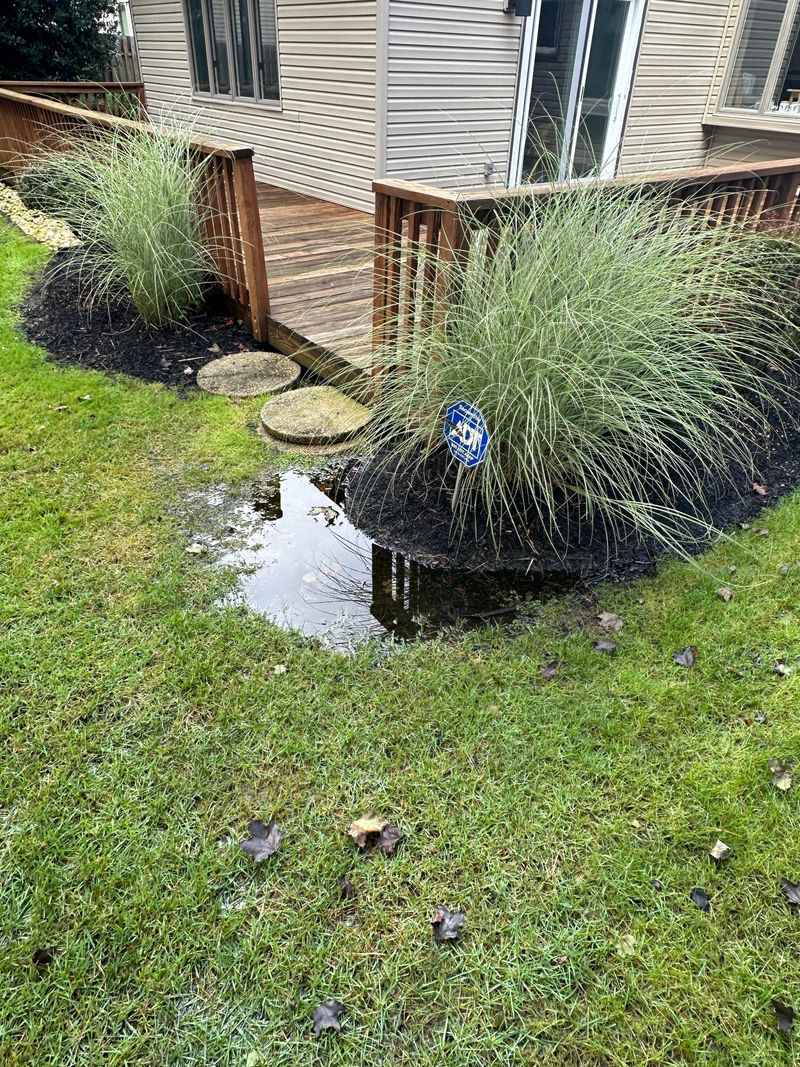
Not every wet patch in a yard is a mosquito problem. Soil that is damp after rain is normal and expected, especially in spring.
The concern is when shallow water sits visible on the surface for five or more days without soaking in or evaporating. That kind of persistent puddle can give mosquitoes enough time to develop.
Ohio has a lot of heavy clay soil, especially in central and western parts of the state. Clay holds water near the surface longer than sandy or loamy soils.
Compacted lawns from foot traffic, heavy mowing equipment, or years of use can also prevent water from draining properly. Low spots caused by uneven grading, old tree root decay, or buried debris can create persistent puddles that come back every time it rains.
Small depressions can sometimes be filled with topsoil and reseeded. Aerating compacted lawn areas in fall or spring helps water move through the soil more effectively.
If runoff from a neighbor’s property, a sloped driveway, or a downspout is feeding a low spot repeatedly, redirecting that flow may help. Serious drainage problems, like areas that stay wet for weeks, are worth a conversation with a local landscape contractor.
You can also contact your county Extension office, which can offer Ohio-specific guidance on grading and drainage solutions.
8. Inspect Rain Barrels For Gaps In The Screen
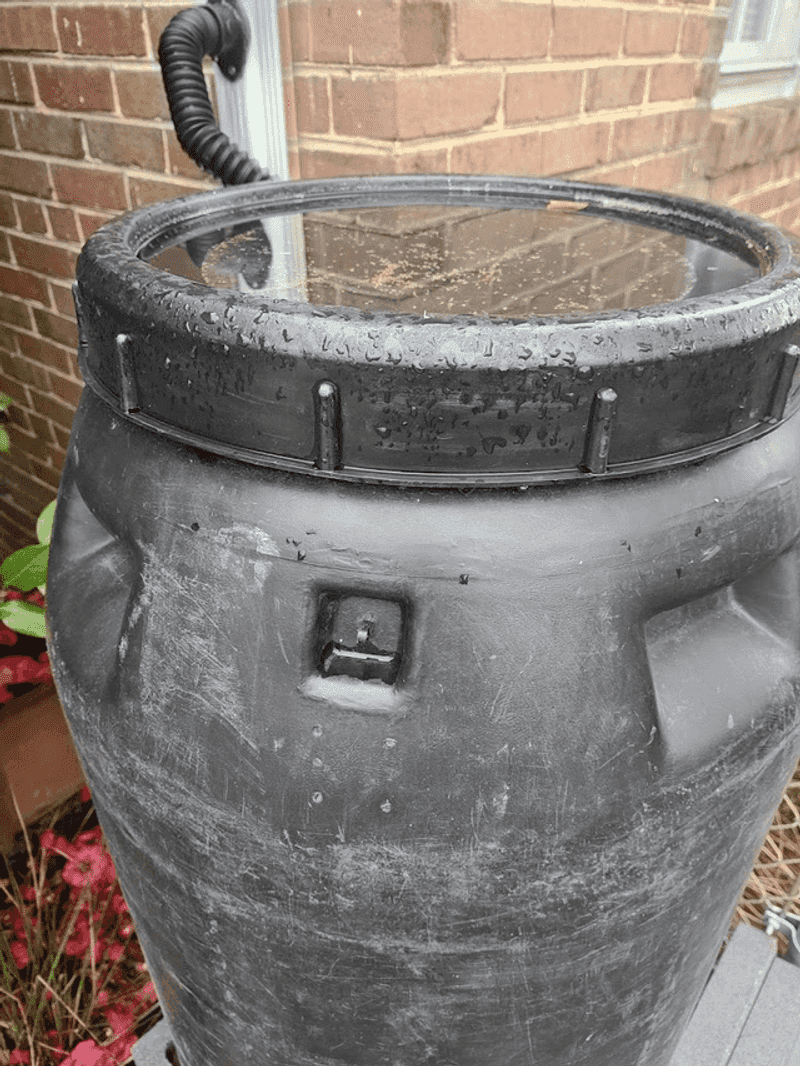
Rain barrels are a smart way to collect water for the garden during dry summer stretches, but a poorly maintained barrel can quietly become a mosquito breeding source. The key is that every opening needs to be tightly screened or sealed.
Even a small gap in the mesh covering the top inlet is enough for mosquitoes to get inside and lay eggs in the stored water.
Check the screen on the barrel’s top opening at least once a month during mosquito season, which typically runs from late spring through early fall. Look for tears, loose edges, or debris that has pushed the screen out of place.
The overflow outlet also needs a screen or a tight-fitting attachment so mosquitoes cannot enter from below when the barrel is full.
Using the water regularly is another practical step. A barrel that empties and refills often does not give mosquitoes enough time to complete their development cycle in the stored water.
If a barrel is going to sit unused for more than a week, make sure it is tightly sealed. Some Ohio county mosquito control programs and Extension offices offer guidance on mosquito-safe rain barrel setups.
A few programs have distributed screened barrel kits in the past. Check with your local program for current resources specific to your area.
9. Watch Tree Holes And Stumps That Collect Water
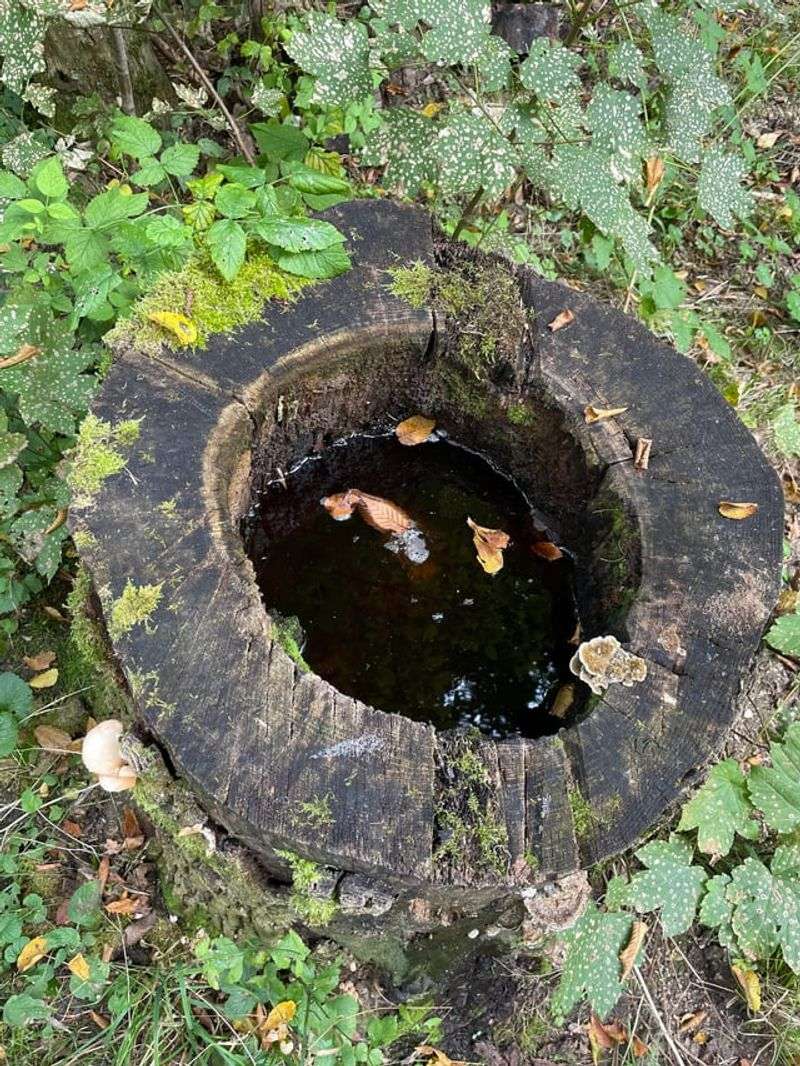
Mature trees are one of the things that make backyards feel like home, but older trees with hollow spots or cavities can quietly collect rainwater in ways that are easy to overlook. A coffee-mug-sized tree hole can hold enough stormwater for mosquitoes to breed.
Some species, like the eastern treehole mosquito, are especially adapted to use these natural pockets.
Rotted stumps left in the yard after tree removal can do the same thing. A stump with soft, decaying wood soaks up rainwater and holds it in pockets and crevices for days.
The same goes for exposed root hollows near the base of large trees, especially where root decay has created small cups in the wood.
The advice here is to monitor rather than panic. Do not remove or damage a healthy tree just because it has a small cavity.
Focus your efforts first on containers, gutters, and movable water sources, which are easier to control and often contribute more to mosquito populations around the home.
If a tree has a large cavity that holds water consistently and the tree itself has structural concerns, consulting a certified arborist is the right move.
Local arborists can assess tree health and recommend safe options for managing problem cavities.
10. Keep Kiddie Pools And Pet Bowls Fresh
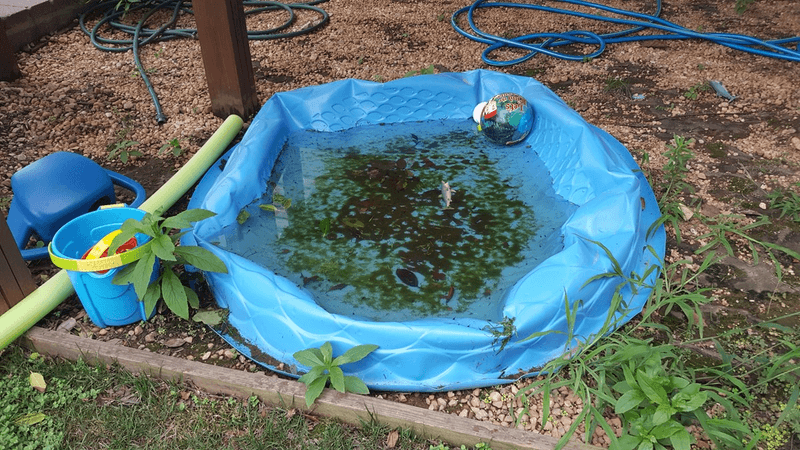
Summer means kids splashing in the backyard and dogs lounging near their outdoor water bowls, and both of those things are great.
The problem comes when the kiddie pool gets filled on a Saturday and then sits untouched through the following weekend while the family is busy.
Warm, still water in a plastic pool can become a mosquito breeding site faster than most parents realize.
Outdoor pet bowls, livestock pans, and splash tables for toddlers have the same issue on a smaller scale. A dog bowl left outside for several days without being refreshed can support mosquito egg development in warm weather, and it is not great for the pet either.
Fresh water is better for animals and far less attractive to mosquitoes looking for still surfaces to lay eggs.
Empty kiddie pools when the kids are done for the day, or at least every two to three days during active use. Tip them upside down or deflate and store them when not in use for extended periods.
Refresh outdoor pet water bowls daily and scrub the bowl a few times a week to prevent buildup. Play water tables should be drained and stored after each use.
These are small habits that protect both your family and your pets while reducing one more breeding opportunity around the yard.