9 Flowering Shrubs That Love Southern Oregon Sun
Many gardeners in Southern Oregon have lost at least one shrub in the same way. They chose a pretty one from the nursery, planted it in June, and then saw it struggle by August.
Not because they made any mistakes, but because no one told them the truth about this. The summers in Southern Oregon are harsh. The sun is strong, rain is absent for months, and the soil dries out quickly.
This combination weeds out plants that can’t handle the pressure. Having the right shrubs? It makes all the difference.
You’ll water less, experience less stress, and enjoy more color from March all the way to fall. There are a few flowering shrubs that should be in every sunny Southern Oregon garden.
Plant these, and the summer heat will no longer be a problem. Instead, it will become a benefit.
1. Plant Ceanothus For Brilliant Blue Blooms
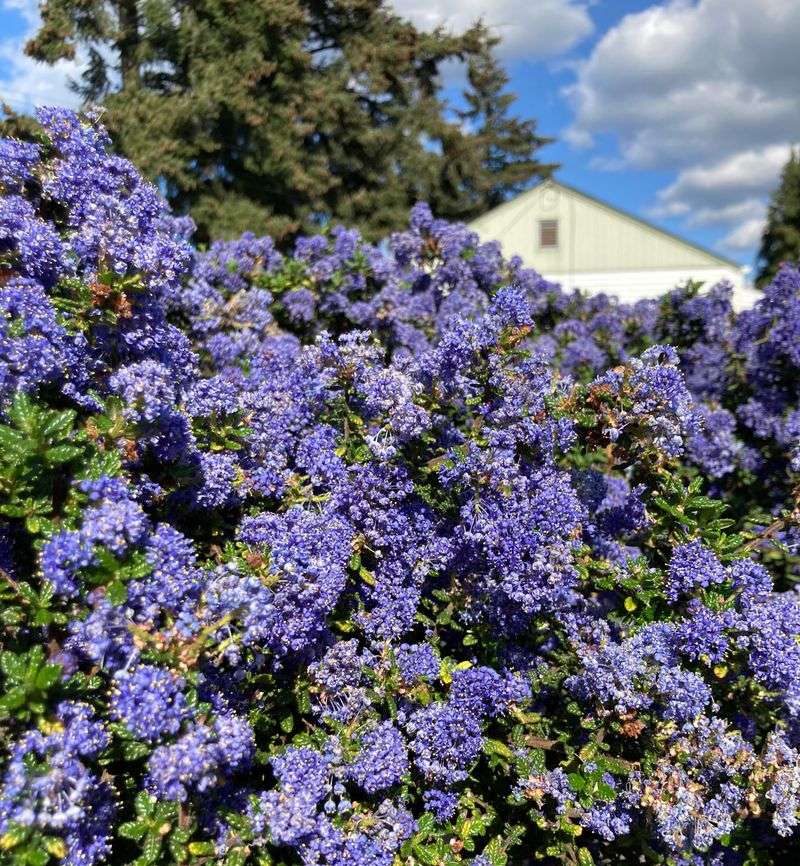
Few flowering shrubs can showcase their beauty like Ceanothus when it’s in full bloom. The flowers come in shades from soft lavender-blue to deep cobalt.
Bees love them! That’s why Ceanothus makes a fantastic choice for attracting pollinators to a sunny garden border.
Ceanothus is originally from western North America, and many of its species and varieties thrive in Oregon gardens. It’s a great option for sunny, well-drained areas in the Pacific Northwest.
It doesn’t like to have wet roots, so steer clear of planting it in low areas or clay soils that retain moisture during winter and spring.
Once it’s established, Ceanothus can handle dry summers with very little extra watering. Yes, getting it to that point requires some patience and consistent watering during the first couple of seasons.
But after that, it becomes one of the easier plants to care for in a sunny border.
Make sure to plant it where it has enough space to grow, as most varieties can spread several feet wide. It’s great for slopes, along sunny fences, or as a backdrop for smaller perennials.
Try to avoid heavy pruning, since Ceanothus doesn’t always bounce back well from cutting into old wood. A light trim right after it blooms is a better way to keep it looking neat without putting too much stress on the plant.
2. Let Flowering Currant Bring Early Spring Color
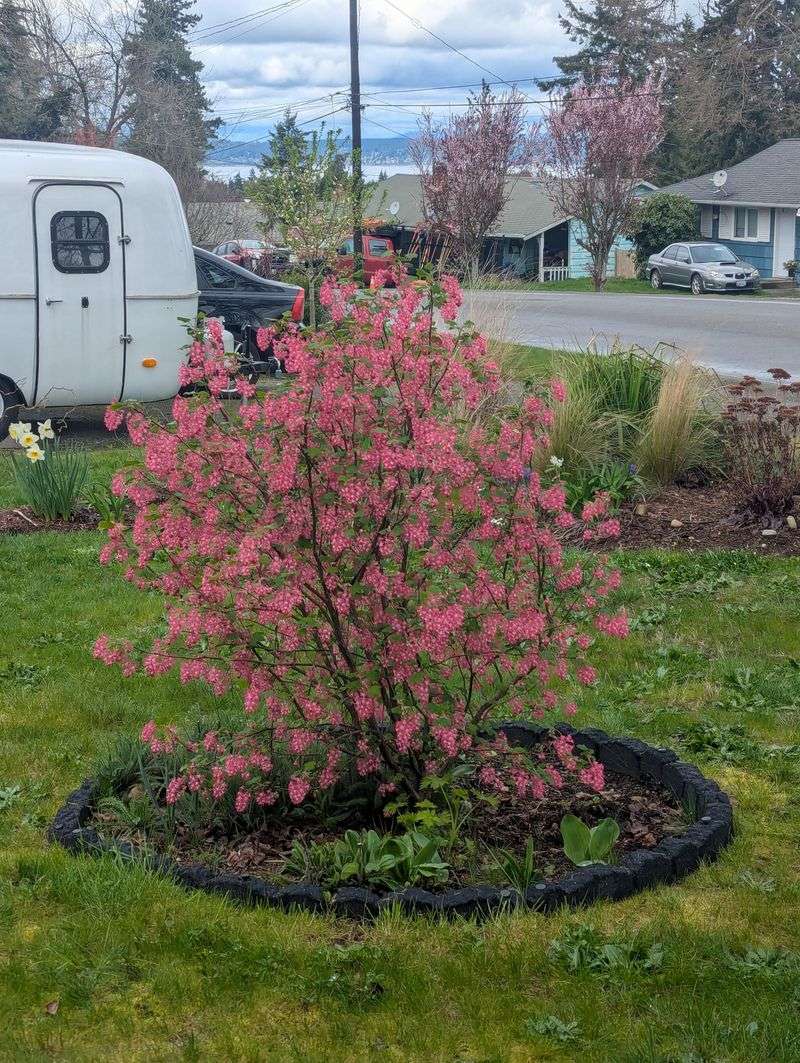
While all the other shrubs are still snoozing, the red flowering currant is already up and ready to go.
Ribes sanguineum starts blooming in early March, sometimes even in late February. You can see drooping clusters of deep pink to red flowers appearing before most gardens even wake up.
This plant can thrive in full sun, partial shade, or anything in between. This shrub also isn’t picky about light conditions.
In the heat of Southern Oregon, it prefers morning sun with some afternoon shade to be happiest, but it can also handle full sun as long as the soil stays moist and doesn’t dry out completely.
When fully grown, expect it to reach six to ten feet in height and width. It deserves a place at the back of a garden border or can be used as a loose, informal hedge.
Your Oregon Garden Changes Every Week. Your Plan Should Too.
Gardening in Oregon changes quickly throughout the season. Every Friday you’ll receive a simple weekly plan showing exactly what to plant, prune, fertilize, harvest, and protect so you never miss the right timing.
In the summer, it produces dark berries that birds love to feast on without any hesitation.
The currant keeps going even after spring is over. In the fall, its foliage brings warm colors to close out the season before the leaves finally fall off.
Make sure to plant it in well-drained soil. Water it while it establishes itself. After that, just sit back and let it follow the seasons.
3. Add Manzanita For Evergreen Beauty
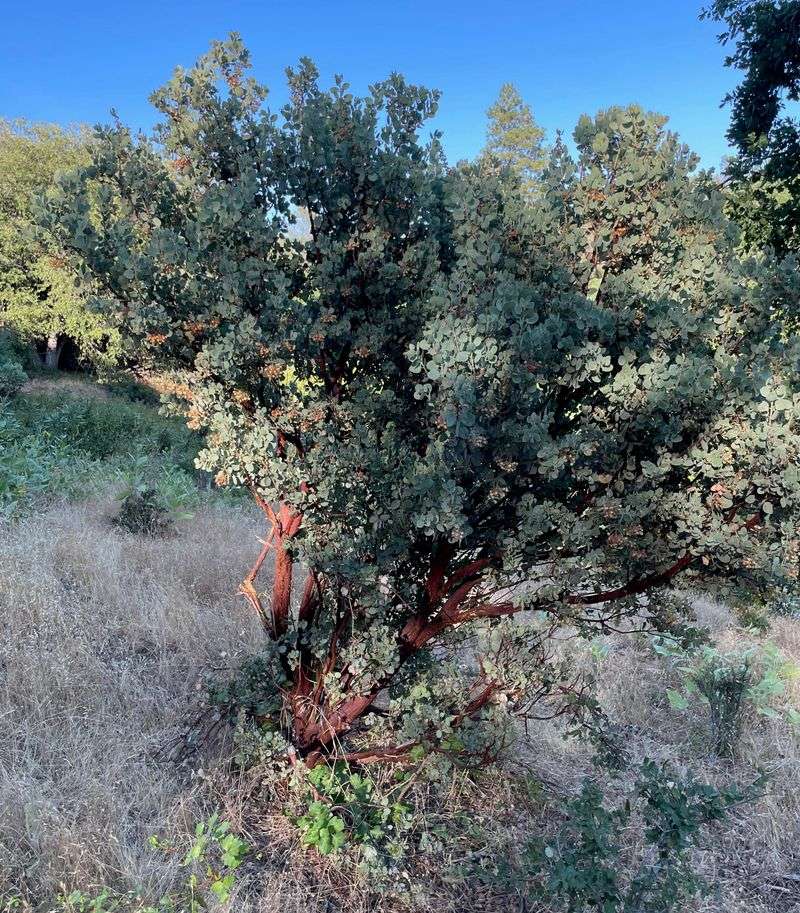
Most shrubs appear rough in winter, but not manzanita. Before anything else in the garden begins to wake up, small urn-shaped flowers bloom in late winter and attract the first pollinators of the season.
Manzanita is originally from Oregon, and Southern Oregon seems like the perfect home for it. It thrives in rocky soil, under intense sunlight, and with quick drainage.
It’s an excellent choice for these specific conditions. However, it cannot tolerate wet feet. Heavy, poorly drained soil is where manzanita will perish. So, avoid planting it there.
Here’s the twist that many gardeners misunderstand. Once it’s established, overwatering poses a greater risk than drought. This shrub is designed to survive dry conditions. When establishing it, water deeply but infrequently.
Encourage those roots to grow deep instead of staying near the surface. The size of manzanita varies from ground-hugging spreaders to tall upright shrubs, so there’s a type for nearly every location.
If you plant it correctly and give it a strong start, it will blend seamlessly into the landscape. In the best way possible.
4. Try Oceanspray For Native Texture And Soft Blooms
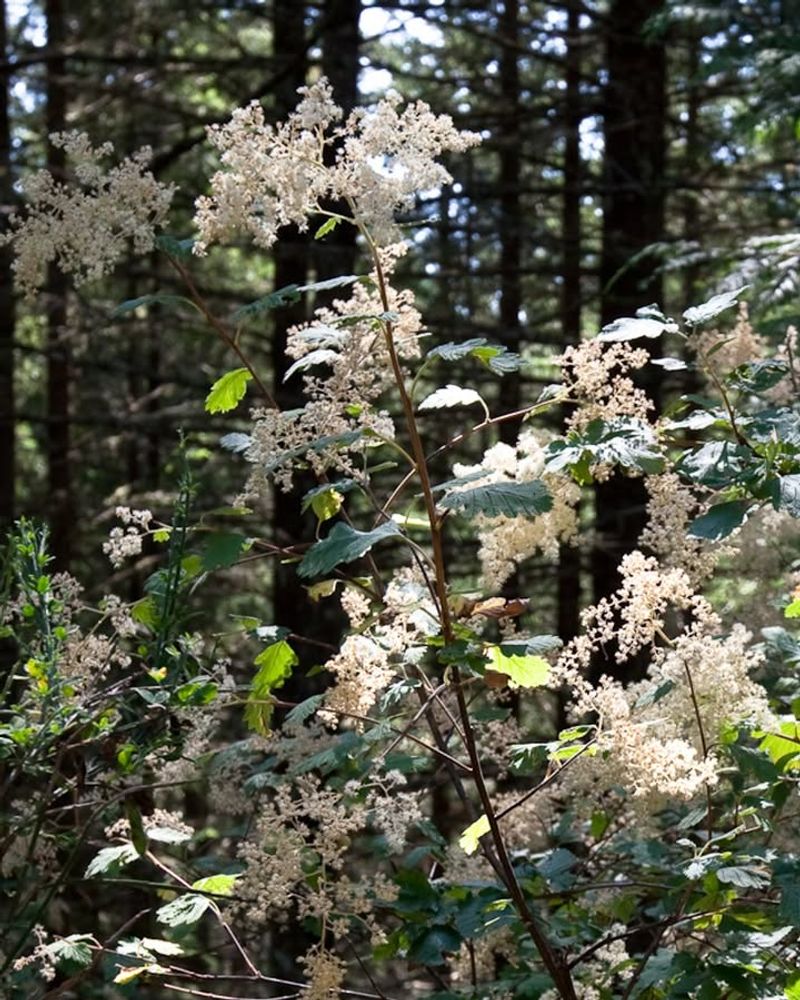
In midsummer, the garden is always in need of something soft on the eyes. Oceanspray is the answer. Plant it and the entire garden looks amazing.
Holodiscus discolor is a native to Oregon, and it is a top choice for naturalistic gardens, slopes, and wildlife-friendly borders. It thrives in full sun or partial shade and can grow in various soil types.
It adapts without any fuss. Once it’s established, it can survive the hot summers with very little water. The activity of wildlife alone makes it worth the space. Birds and helpful insects visit the flowers all summer long.
The seed clusters keep them returning even into the fall. Oceanspray can grow to be ten to fifteen feet tall in ideal conditions.
So, this is not a plant for the front row. Place it at the back of a border, use it to support a hedgerow, or plant it on a slope where controlling erosion and providing habitat are more important than having neat edges.
Get it established and then mostly let it be. Oceanspray has been thriving long before gardens were ever created.
5. Give Cinquefoil A Sunny Front Row Spot
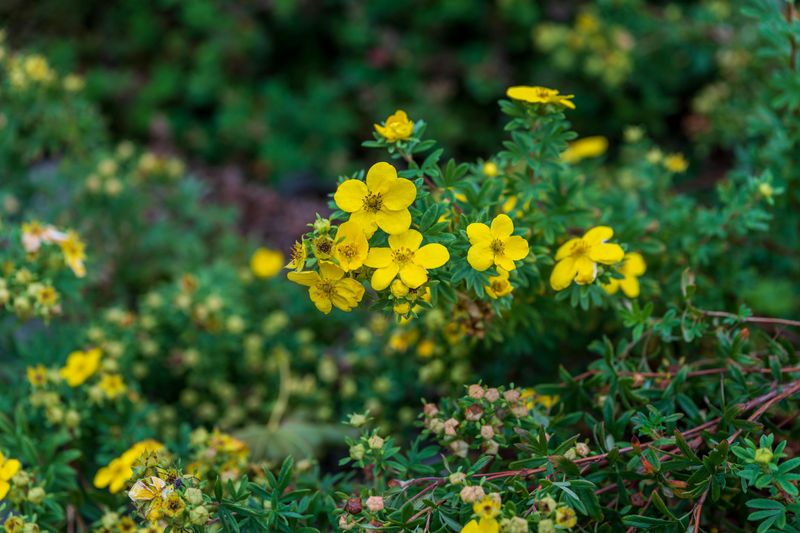
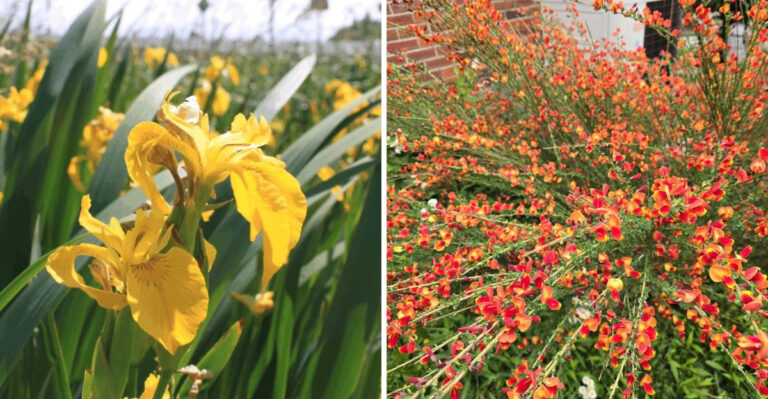
A shrub that flowers from late spring to early fall without needing much care is definitely worth considering, right? The shrubby cinquefoil does just that.
Its bright yellow blooms keep coming back for months, making it one of the longest-blooming shrubs perfect for sunny areas.
Cinquefoil is compact, usually growing two to four feet tall and wide depending on the type. This manageable size makes it ideal for placement in smaller garden spaces where a larger shrub might be too overwhelming.
It also serves well as a low informal hedge or as a repeated feature that unifies a mixed planting. Cinquefoil thrives in full sun and well-drained soil. Good drainage is especially important in winter, as soggy conditions can harm the plant.
Once it’s established, it can handle dry summers with little extra watering. Pruning is also very simple. Trim it back by about one-third in late winter or early spring to promote fresh growth and abundant flowers.
Avoid cutting it into a tight ball shape, as this can reduce blooming and create an unnatural appearance. Allow it to maintain a slightly loose, natural shape, and it will reward you with months of vibrant color.
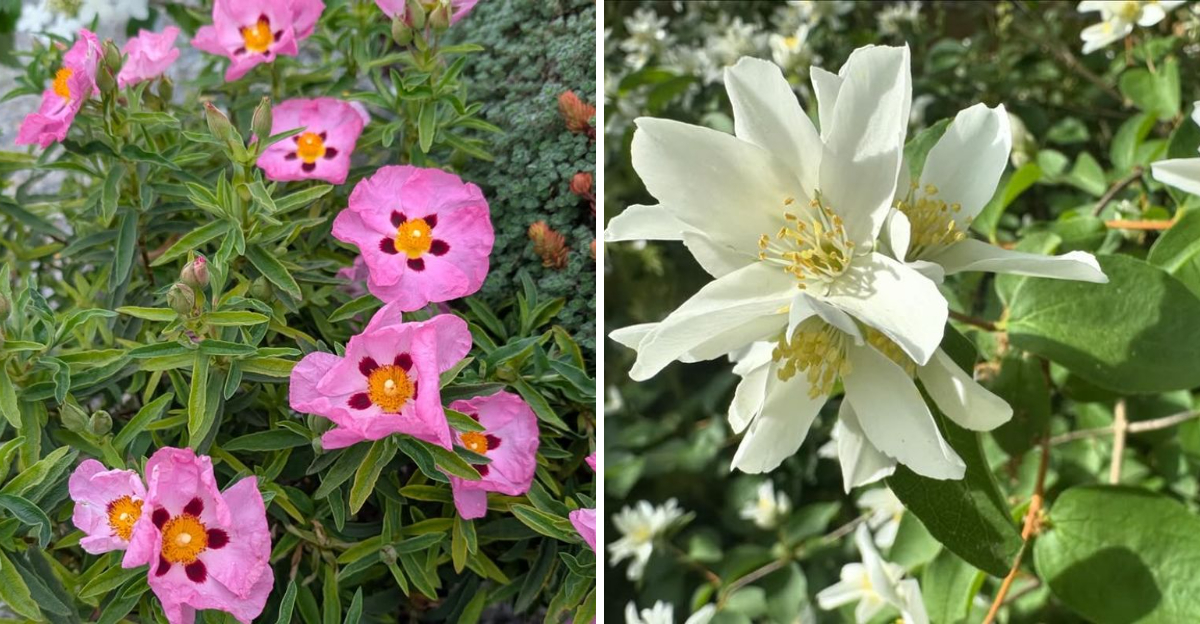
6. Use Rockrose For Easy Color In Dry Spots
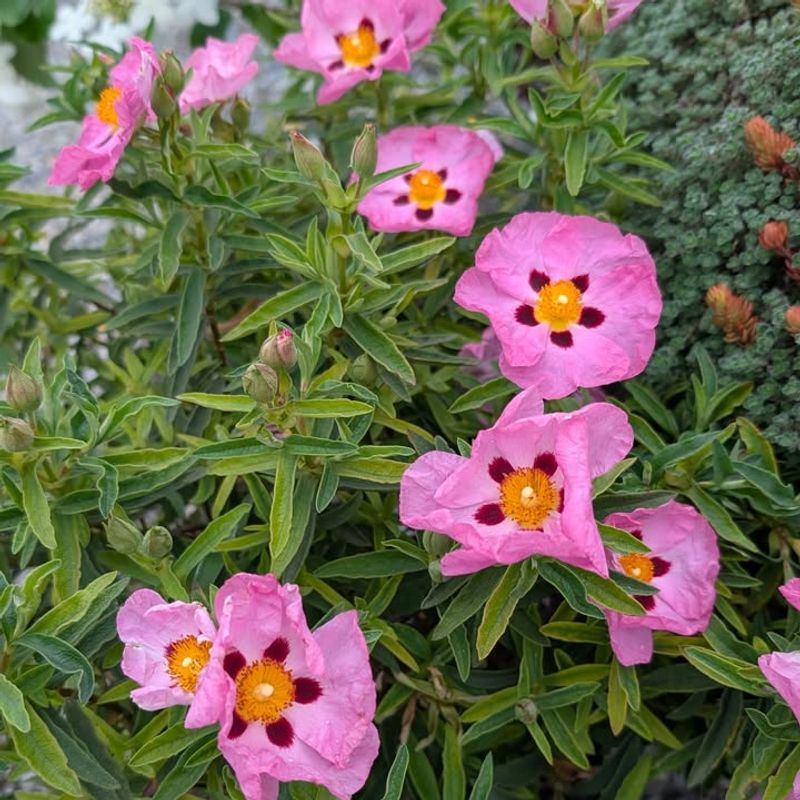
Mid-June. A slope facing south. The soil is like powder, and the sun is serious about its job. Every other plant is having a hard time. But Rockrose is doing great.
Every morning, fresh flowers bloom in white, pink, or soft magenta. These blooms look delicate, but the plant doesn’t mind the heat at all. It keeps blooming for weeks without needing anything from you.
Cistus didn’t evolve in Oregon, but Southern Oregon summers didn’t get the memo. With dry heat, strong sun, and fast-draining soil, it feels right at home.
However, there’s one thing to avoid: the temptation to spoil it. Rich soil and heavy fertilizers lead to weak growth that can’t handle stress. Lean soil is what it prefers.
Most types grow to about three to five feet tall and wide. They love slopes, dry borders, and driveways that soak up heat. Those are their favorite spots. And guess what? Pruning is very easy.
Just a light trim after the main bloom keeps it looking neat. But remember, if you cut into old wood, the plant usually doesn’t forgive. Give it a challenging spot, and it will turn it into something beautiful.
7. Choose Grevillea For Bold Low Water Blooms
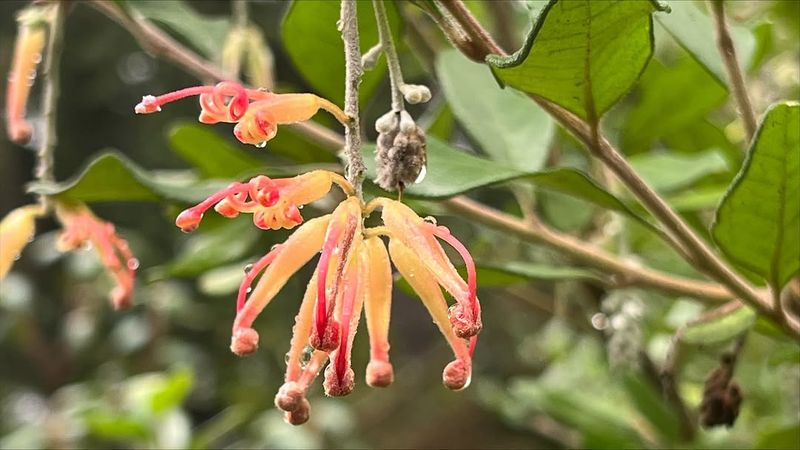
Grevillea seems like it belongs to another planet. It barely even blinks during a dry summer in Southern Oregon. This isn’t just by chance. It has adapted to intense sunlight and long dry spells. Does that ring a bell?
It’s one of the most drought-resistant shrubs that thrive in Oregon’s environment. However, before you decide to purchase one, there’s something important to consider.
Winters in Southern Oregon can bring severe freezes, and not all varieties of Grevillea can withstand them. Make sure to check the ratings and choose wisely.
A location that is sheltered, gets full sun, and has great drainage will increase your chances of success. The type of soil is equally important. Clay and standing water are absolute dealbreakers for this plant.
It prefers lean, gritty, and well-draining soil. Provide that, and it will settle in quickly. Water it regularly while it’s getting established, then slowly reduce the watering. Once mature, a Grevillea surprisingly requires very little water to keep thriving.
Hummingbirds are drawn to the flowers right away, and beneficial insects soon follow. This plant not only catches the eye but also supports wildlife at the same time.
8. Grow Mock Orange For Sweet Summer Fragrance
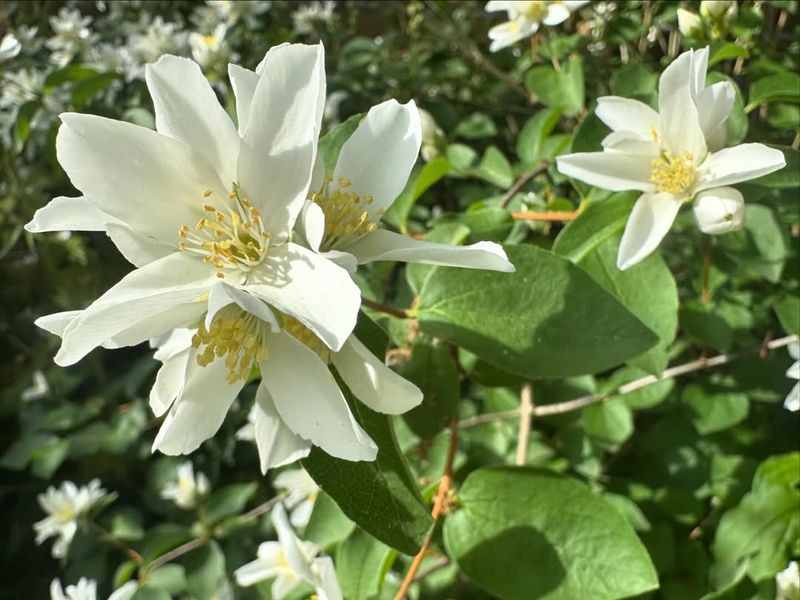
You’ll catch a whiff of it before you even lay eyes on it. As late spring rolls in and the afternoons warm up, the air suddenly becomes sweet and citrusy.
That’s Philadelphus lewisii showcasing its best qualities. Just one strategically placed shrub near a patio or pathway can make the entire garden smell like a paradise you never want to leave.
It’s not overly demanding, so it’s one of the best choices for Oregon gardens. In Southern Oregon, it thrives with morning sunlight and some shade in the afternoon. The heat can be intense here, so a bit of protection helps it perform at its peak.
When fully grown, expect it to reach heights of eight to ten feet. It makes a stunning backdrop in a mixed border, especially when paired with darker evergreens that highlight those bright white flowers.
Pruning is straightforward, but timing is crucial. Trim it right after it blooms. Remove older stems to encourage fresh growth for the following year. If you prune in the fall, you’ll be cutting off next year’s flowers before they even have a chance to bloom.
9. Welcome Serviceberry For Spring Flowers And Fall Color
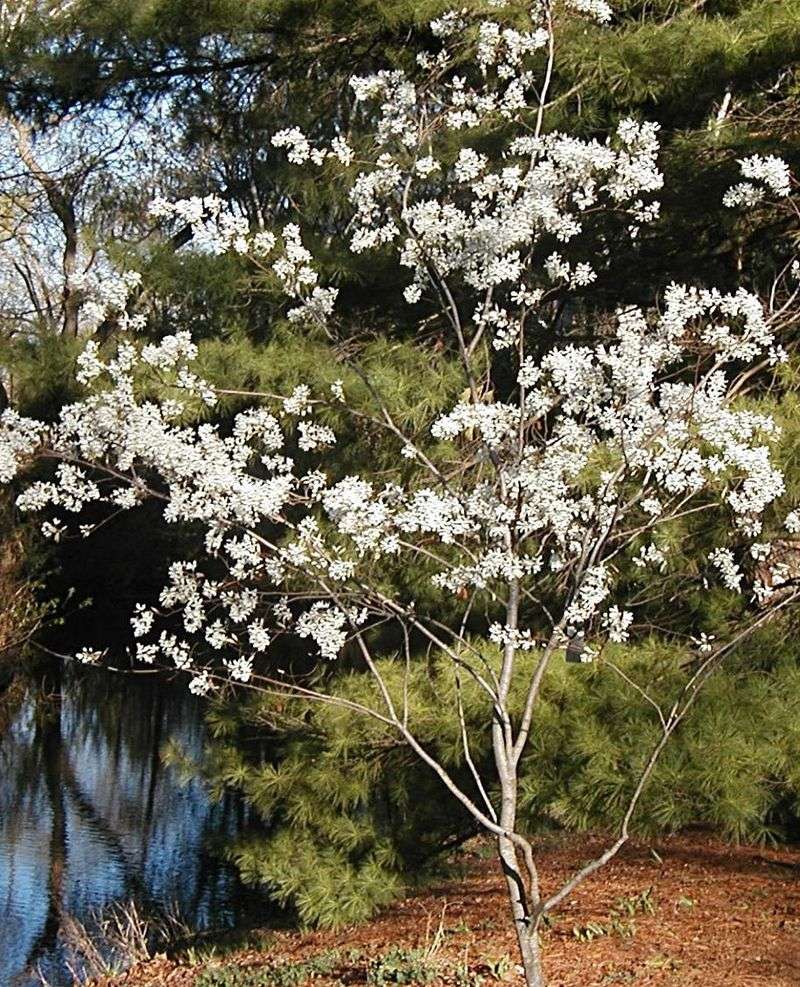
Serviceberry could be the most-hardworking shrub in a Southern Oregon garden. There’s no doubt about it.
As soon as early spring arrives, it bursts into clouds of soft white flowers. And usually before most other plants even start to wake up! After a long winter, that early splash of color surely feels special, right?
During summer, it produces small berries that turn a rich red-purple. Beware, birds will absolutely flock to it!
But make sure to get there first, because these berries are truly tasty. Eat them straight off the bush, toss them into muffins, or bake them into a pie.
Completely your choice. Since its height gives it a strong presence and supports everything around it, plant it at the back of a sunny shrub border.
Then fall arrives, and the entire plant transforms into warm shades of orange and red leaves. Can you imagine? Three full seasons of beauty. One plant. No hassle.
Waterwise, sun-loving, and genuinely low maintenance once established. For a drought-tolerant, sun-loving shrub that works hard from February to November, nothing on this list is more effective.