Your Patio Needs This Plant Before Louisiana’s Mosquito Season Hits
If you’ve ever abandoned your own patio because the mosquitoes refused to leave, you’re not alone.
Louisiana summers can make your patio feel less like a retreat and more like a heat endurance test.
Sound familiar? Seven months of heat, humidity, and standing water basically roll out a welcome mat for every biting insect in the parish.
Here’s what most people don’t know: one plant has been quietly solving this problem for centuries. It grows tall, smells incredible, and mosquitoes genuinely cannot stand it. One plant.
Your patio.
A whole lot less misery.
The best part?
This plant was practically made for Louisiana’s notoriously brutal climate.
It thrives in exactly the conditions that make everything else wilt.
Here’s what you need to know before mosquito season shows up uninvited.
Louisiana Mosquito Season Is No Joke
Louisiana holds a lot of records worth bragging about.
Consistently ranking among the worst states in the country for mosquito activity is not one of them.
The combination of subtropical heat, year-round rainfall, and sprawling wetlands creates ideal breeding conditions.
For mosquitoes, Louisiana is basically paradise.
From April through October, populations explode in cycles, and some species stay active even during winter warm spells.
Standing water is the main villain.
A bottle cap holding just a teaspoon of water can produce larvae in just a few days.
In a state where rain is almost guaranteed every few days, eliminating every source is nearly impossible.
What makes it worse is the sheer variety of species.
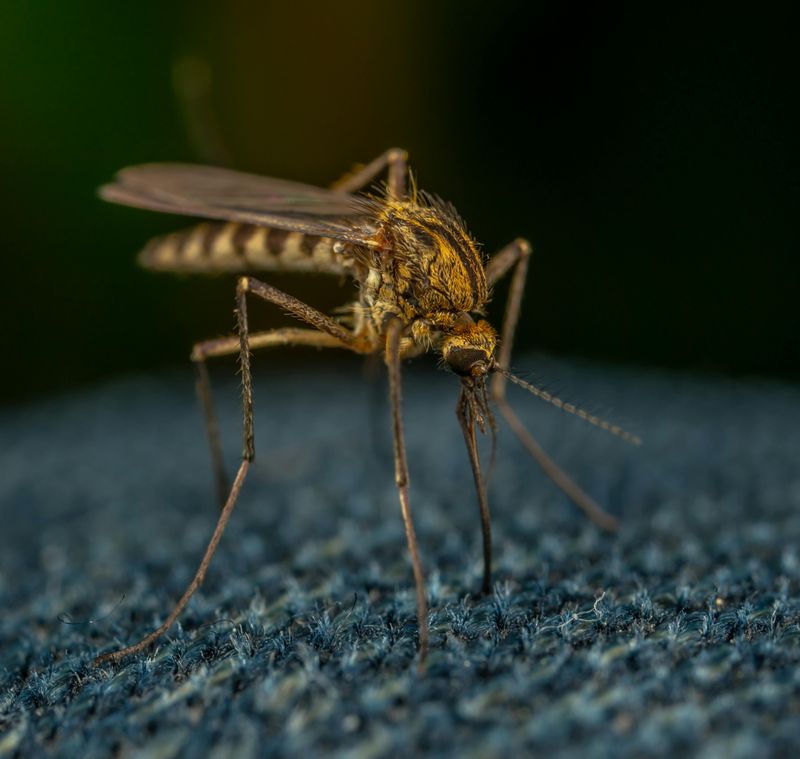
The state hosts over 60 different mosquito species, including aggressive daytime biters like the Asian tiger mosquito.
These are not the polite, wait-until-sunset kind.
They will chase you across your yard at noon without hesitation.
That is exactly where Lemongrass comes in.
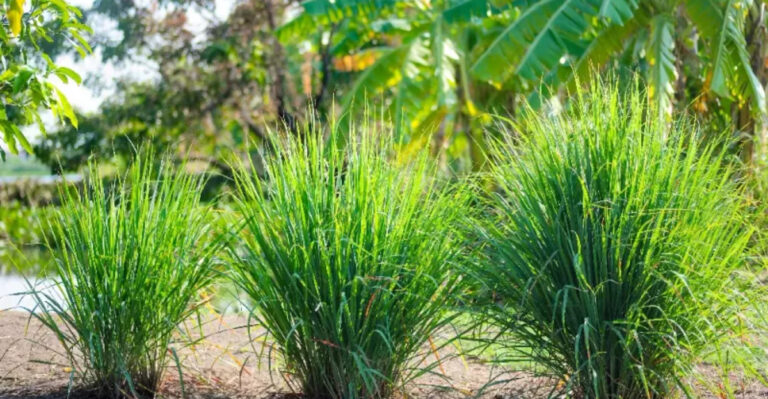
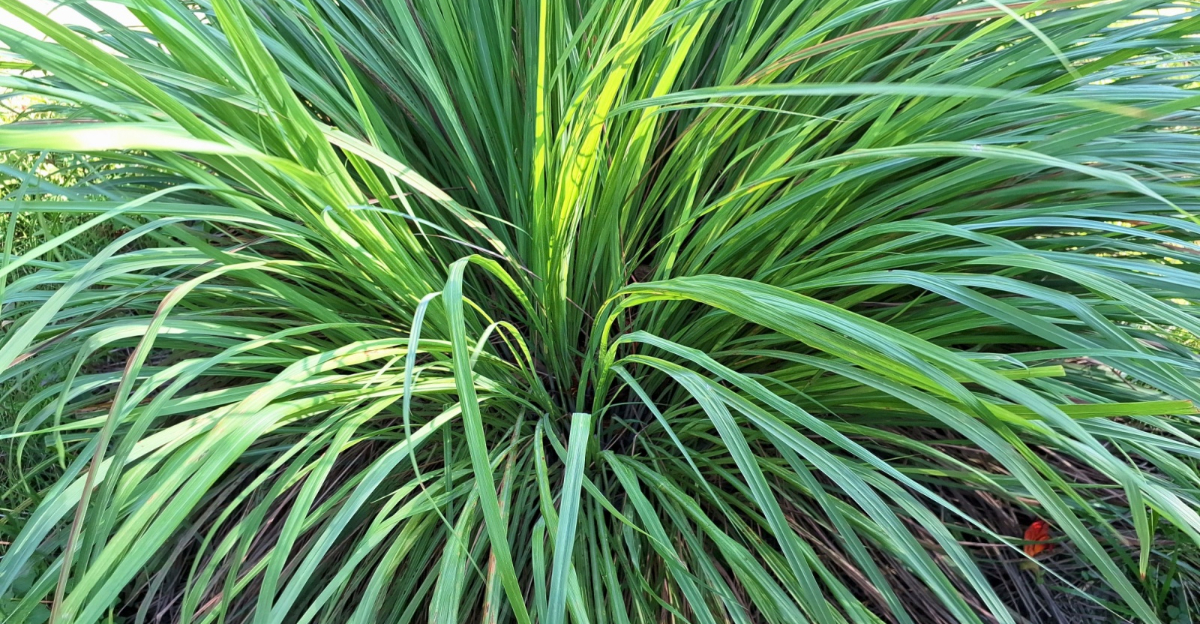
Native to tropical Asia and belonging to the same genus as citronella grass, this tall, fragrant plant has been used for thousands of years in cooking, medicine, and pest control.
It grows fast, smells incredible, and releases a sharp citrusy oil that mosquitoes find deeply unpleasant.
Chemical sprays wash away and fade fast.
A plant that clocks in every morning and never calls in sick might just beat a spray can every time.
That plant is Lemongrass.
How to Plant It Around Your Patio
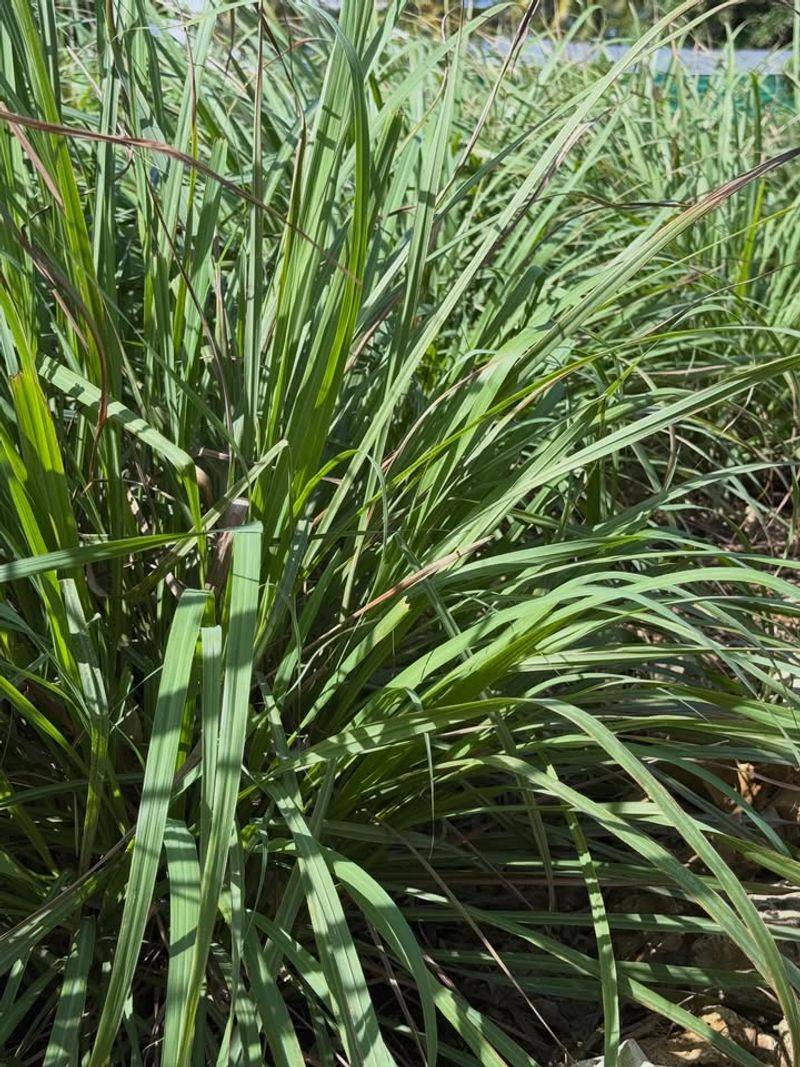
No green thumb required for this one.
Lemongrass is one of the most forgiving plants you can grow in a warm climate.
It wants sun, water, and room to spread, and in exchange, it asks for almost nothing else.
Start with a container at least 12 inches wide and deep.
Lemongrass roots spread aggressively, so giving them space from the beginning prevents the plant from becoming root-bound and stunted.
A five-gallon pot is a solid starting point for a single clump.
Place the containers where they will get six or more hours of direct sunlight daily.
Positioning them at the corners of your patio or flanking a doorway creates a natural aromatic barrier.
Mosquitoes navigate by scent, so placing the plants where airflow carries the fragrance outward is a smart tactical move.
Your Louisiana Garden Changes Every Week. Your Plan Should Too.
Gardening in Louisiana changes quickly throughout the season. Every Friday you’ll receive a simple weekly plan showing exactly what to plant, prune, fertilize, harvest, and protect so you never miss the right timing.
Water consistently but do not overdo it.
Lemongrass likes moist soil, not soggy roots.
Stick your finger an inch into the soil before watering.
If it still feels damp, wait another day.
Fertilize once a month during the growing season with a balanced slow-release formula.
Six to eight weeks.
That’s all it takes to go from bare soil to a full, dramatic clump that earns its place every single evening.
The Science Behind Why Mosquitoes Can’t Stand It
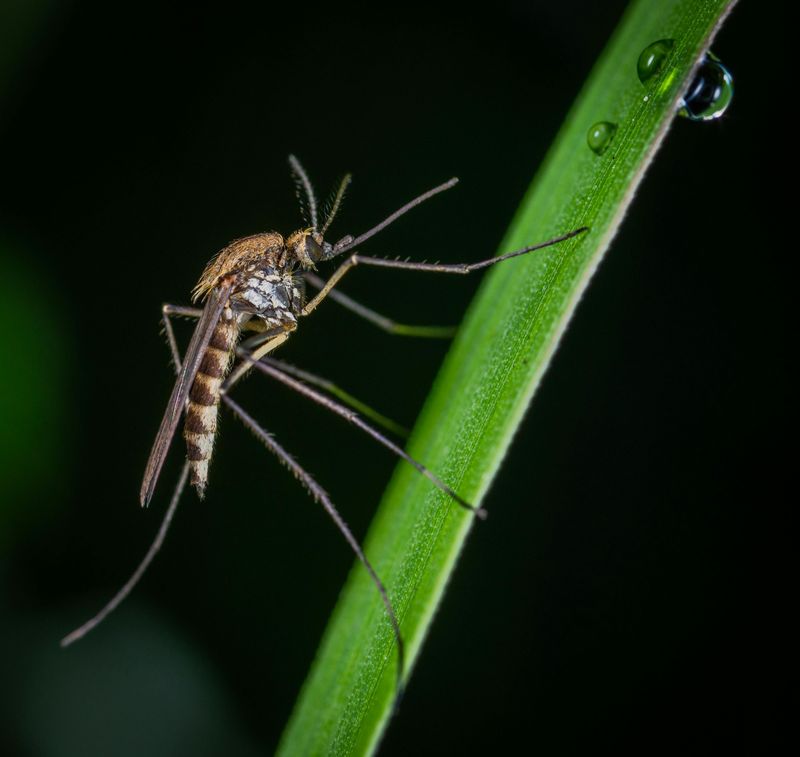
Mosquitoes find their targets using scent receptors that are extraordinarily sensitive.
They can detect carbon dioxide and body odor from up to 100 feet away.
What citronella does is essentially scramble that signal, masking the cues that draw them toward humans in the first place.
The active compounds in Lemongrass are citronellal, geraniol, and citronellol.
These are volatile organic compounds, meaning they evaporate easily into the surrounding air.
That evaporation is exactly what makes the plant effective as a passive deterrent without you having to do anything at all.
Research published in botanical and entomology journals confirms that citronella-based repellents reduce mosquito landings significantly.
While no plant eliminates 100 percent of insects, studies show meaningful reductions in biting activity when citronella is present in the environment.
The key is concentration and proximity.
A single small pot across the yard will not cut it.
Placing multiple large clumps around seating areas creates an overlapping scent zone that is much harder for insects to navigate through.
Crushing a few leaves releases more scent nearby, though skin application should be avoided unless you know it is safe for you.
The plant handles the daily shift.
Crushed leaves are what you call in when things get serious.
What Happens To Your Outdoor Space After Just One Season
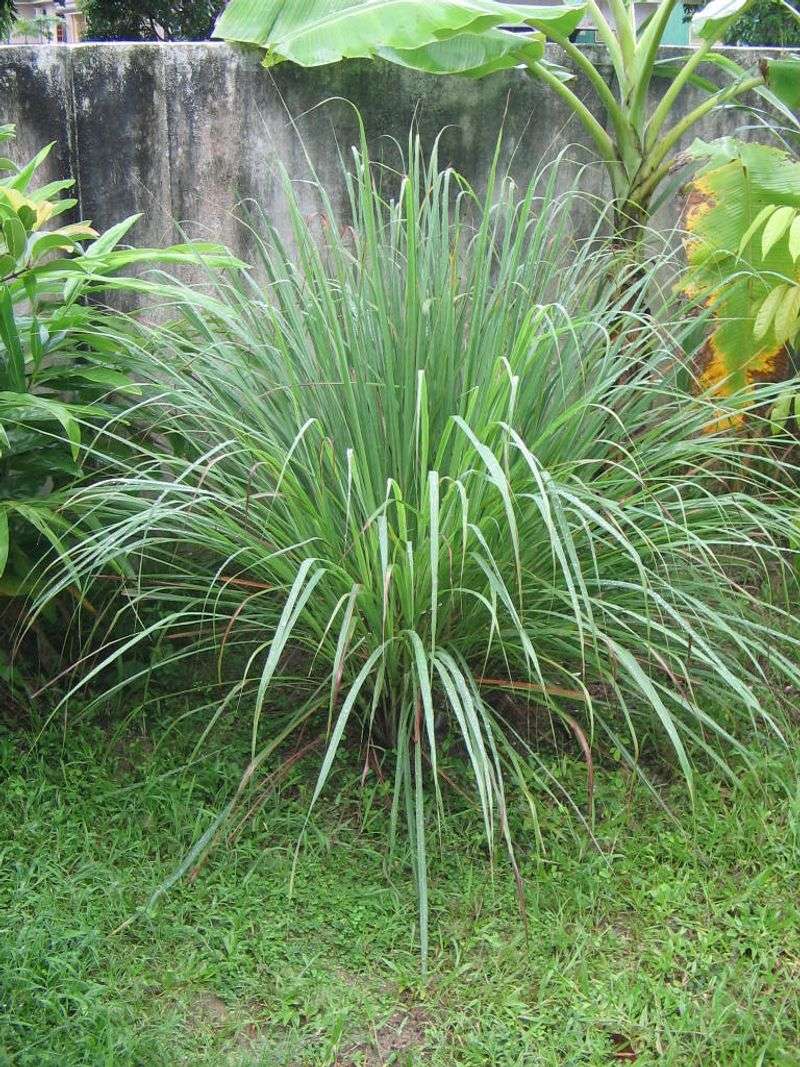
Ask anyone who planted Lemongrass last spring.
By fall, their patio felt like a different place entirely.
People start staying outside longer without reaching for bug spray every few minutes.
That small change has a surprisingly big effect on how much you actually use your outdoor space.
The plant itself becomes a statement piece by midsummer.
Full clumps of Lemongrass trigger a strong growth surge, especially when backlit by the late afternoon sun.
What started as a practical decision starts feeling like a design choice you made on purpose.
Guests notice the scent before they notice anything else.
That clean, citrusy fragrance in the air makes a patio feel intentional and refreshing rather than just functional.
Several people will ask what that smell is, and you will enjoy telling them.
By the end of the season, one plant becomes many.
Lemongrass clumps naturally divide and multiply, so you can split them in fall and replant in spring.
A single purchase in year one can supply your entire yard by year three at no additional cost.
The cumulative effect is a patio that feels like it belongs in a different climate.
The scent improves.
The visual presence grows.
The bugs thin out.
And the whole thing runs itself.
Common Mistakes Louisiana Gardeners Make With Lemongrass
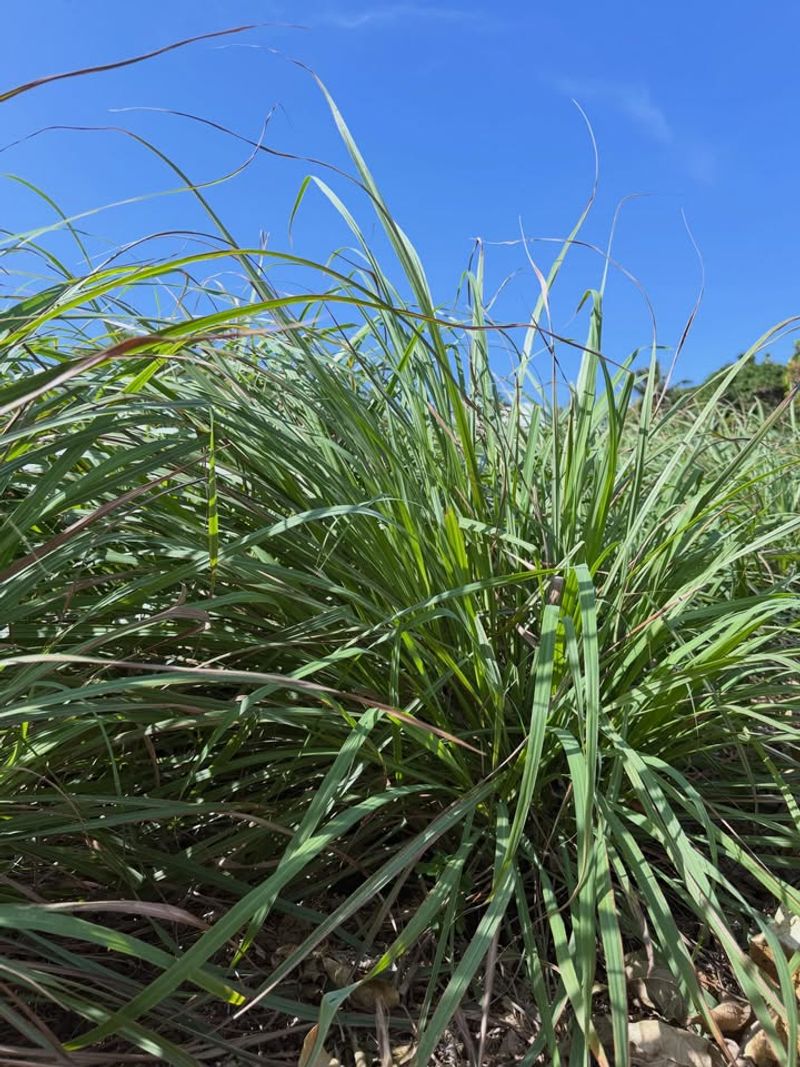
Planting Lemongrass in too much shade is the most common error by far.
Many gardeners tuck it into a corner that gets partial sun and then wonder why the clump stays scraggly and weak.
This plant is built for full sun, and anything less than six hours a day shows up quickly in the growth.
Underwatering during heat waves is another frequent problem.
When temperatures push past 95 degrees, Lemongrass needs more water than its usual schedule.
Leaves that start browning at the tips are the plant telling you it is thirsty, not diseased.
Skipping winter protection is a mistake that costs gardeners an entire season of growth.
While Lemongrass can survive mild winters in southern parts of the state, a hard freeze damages the roots.
Moving containers to a garage or covered porch during cold snaps protects the root ball and gives you a head start in spring.
Planting in containers that are too small limits the plant significantly.
Root-bound Lemongrass stops growing upward and starts looking stressed.
Repotting into a larger container in spring is one of the easiest ways to trigger a dramatic growth surge.
Get these right and the plant takes care of itself.
Get them wrong and you’ll be starting over by July.
The Bonus Benefits Nobody Talks About (Cooking, Tea, And More)

The mosquitoes brought you to Lemongrass.
The kitchen is what keeps you there.
Once you have a thriving clump on your patio, you will start noticing it mentioned in Thai curries, Vietnamese soups, and Indonesian marinades.
That is not a coincidence.
The same plant doing pest control outside is a legitimate culinary ingredient.
The lower white portion of the stalk, just above the root, is the edible part.
It has a bright, floral citrus flavor that works beautifully in coconut-based dishes, grilled chicken marinades, and homemade salad dressings.
You do not need a recipe.
Just bruise a stalk and drop it into whatever you are simmering.
Lemongrass tea is genuinely worth making.
Slice a few stalks.
Simmer in water for ten minutes.
Add honey, and you have a calming, fragrant drink traditionally valued for digestive and anti-inflammatory properties.
It has been used in traditional medicine across Southeast Asia for generations.
The plant also works as a natural air freshener.
Dried stalks placed in a bowl near a fan release a subtle, lasting fragrance indoors.
Some people bundle the dried leaves and burn them slowly like incense during outdoor gatherings.
At some point it stops being a garden plant and starts being one of those things you wonder how you ever managed without.
Get Your Lemongrass Growing Before The Season Starts
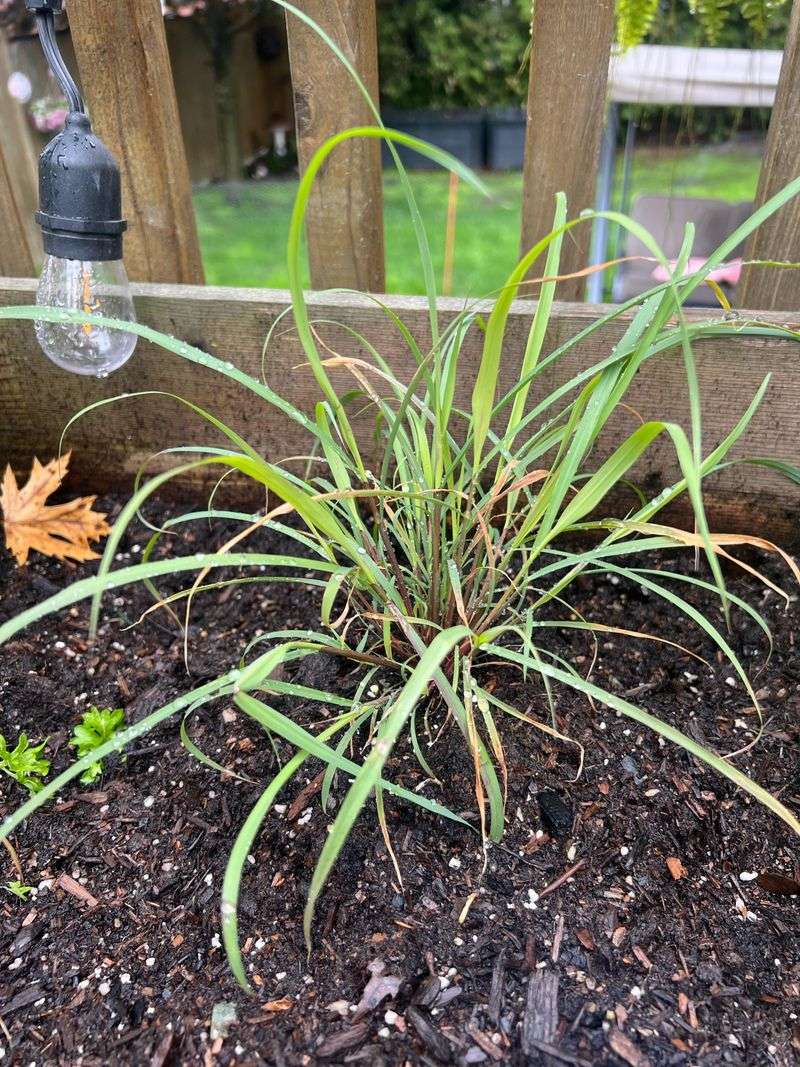
Timing is everything with mosquito prevention.
By the time the first swarm hits your patio, you are already behind.
A freshly planted clump needs time, and mosquito season will not wait for it.
Getting Lemongrass in the ground six to eight weeks before peak season gives it time to establish and grow to an effective size.
In the Gulf South, that means planting by late February or early March at the latest.
Most local nurseries start carrying Lemongrass starts in late winter, and garden centers often stock it alongside other tropical plants in the seasonal section.
Online plant retailers are a solid backup if local stock runs out early.
Ordering a starter clump and potting it up right away gives you a strong plant by the time warm evenings arrive.
Look for healthy green stalks with firm roots and no yellowing at the base.
Start with two or three containers around your main seating area.
As the plants grow and multiply, you can expand coverage across the full perimeter of your outdoor space.
Each season builds on the last, making the setup progressively stronger and more effective over time.
Your patio deserves to be used all season long without the constant battle against biting insects.
Lemongrass makes that possible, one fragrant clump at a time.