Ohio Homeowners Could Face A Fine For This Popular Backyard Upgrade
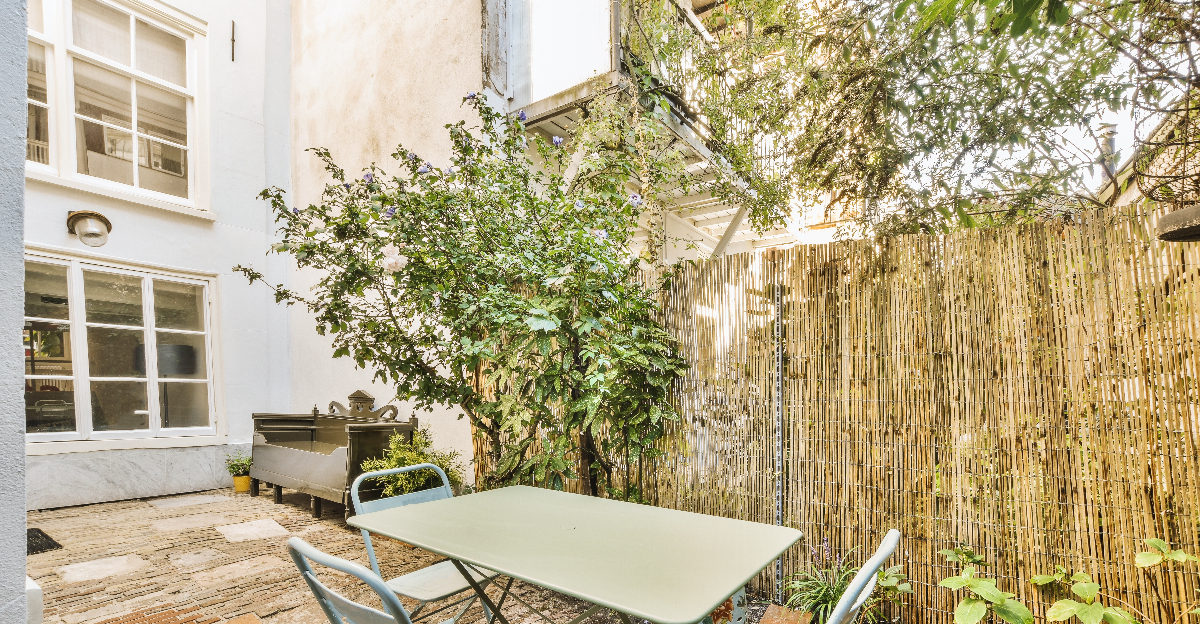
That gorgeous privacy screen your neighbor installed last summer? It could end up costing them thousands of dollars this spring, and they have no clue it’s on the way.
This plant is gradually becoming one of the most controversial backyard upgrades in Ohio, and homeowners are being caught off guard by fines, disputes with neighbors, and removal costs that can easily go over a thousand dollars.
Sure, this plant looks fantastic. It grows quickly, blocks eyesores, and gives any yard a vacation vibe. However, beneath the surface, it’s launching an invasion that disregards property boundaries and city laws.
Ohio doesn’t have a single statewide rule about this, but your local city might. So, before you head to the garden center this season, you really need to know what you’re getting into.
Believe it or not, this could change everything about your backyard plans.
Check The Rules Before This Backyard Screen Goes In
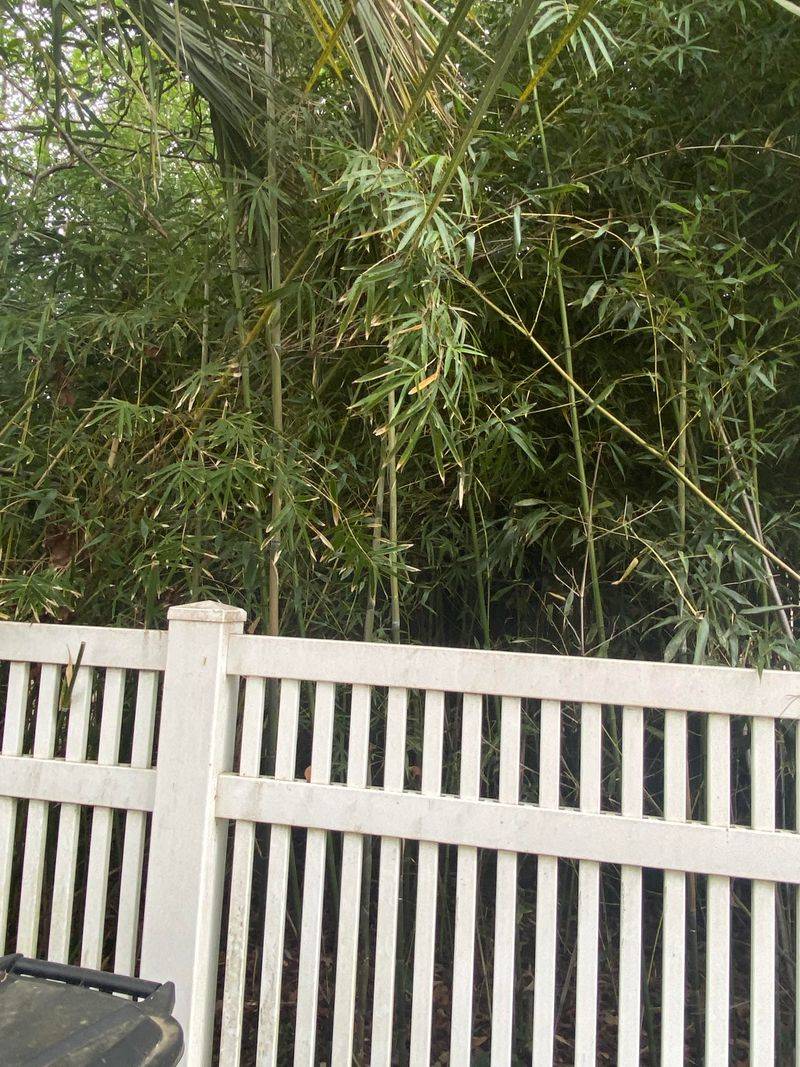
Ohio’s bamboo rules are a patchwork. Some cities enforce strict rules, while others don’t address it at all.
This inconsistency is exactly where homeowners can get into trouble. There isn’t a single law in Ohio that targets bamboo statewide.
The risks are very local. A neighbor in a different town might plant bamboo without any issues, while you could end up with a fine for doing the same thing.
A simple call to your city hall or zoning office will clarify where you stand on this issue. Worthington has already established a formal ordinance regarding bamboo.
Other cities may have broader rules about nuisance plants that can include bamboo without specifically mentioning it. Regulations can also change as communities become aware of rapidly spreading landscaping trends.
What is permitted today may not be allowed tomorrow. Checking the rules now is free, but dealing with a situation where you have to manage a fine later is a whole different problem.
Know Why This Fast-Growing Plant Can Spark Trouble
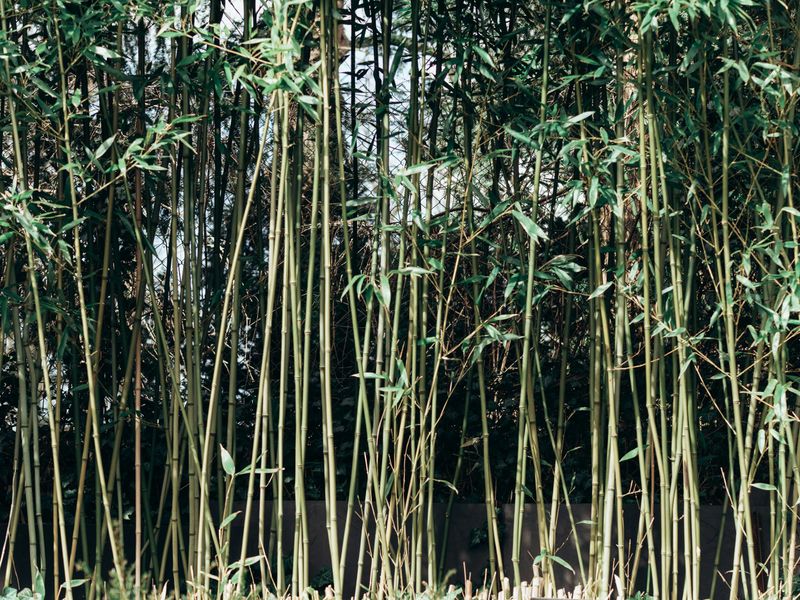
You can create a beautiful bamboo wall next to your fence. You’ll get to enjoy privacy all summer long. But then spring comes, and your neighbor starts calling. Shoots are popping up in their flower bed. The bamboo didn’t stay home.
This is a common issue, and it’s not just bad luck. It’s all about biology. Running bamboo spreads through underground stems known as rhizomes. They move quietly and quickly.
One rhizome can extend several feet in a single growing season. By the time you notice shoots above the ground, the roots have already crossed into your neighbor’s yard.
That same aggressive growth that creates a privacy screen almost overnight is exactly what makes it tough to control once it starts spreading. Warm weather, moist soil, and soft ground are like a green light for rhizome movement.
If you plant running bamboo near a fence, you’re basically putting the problem right where it can cause the most trouble. Make sure you know what you’re planting before it takes root where it shouldn’t.
Your Ohio Garden Changes Every Week. Your Plan Should Too.
Gardening in Ohio changes quickly throughout the season. Every Friday you’ll receive a simple weekly plan showing exactly what to plant, prune, fertilize, harvest, and protect so you never miss the right timing.
Watch The Variety Ohio Officials Have Flagged
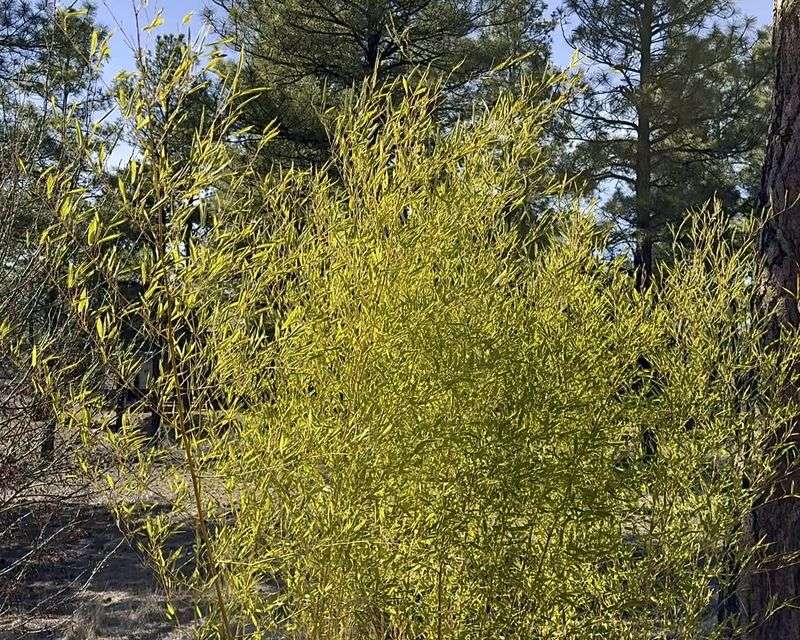
Not all bamboo is the same. In Ohio, certain types are treated quite differently, and one of them is right there at garden centers all over the state.
Yellow groove bamboo is the one to keep an eye on. Under Ohio’s noxious weed rules, yellow groove bamboo is designated a prohibited noxious weed when it spreads from its original planting site and is not being maintained.
One moment it’s just part of the landscaping. The next, it’s a legal issue. Same plant, but a totally different legal situation.
The problem doesn’t end at your property line either. Yellow groove bamboo takes over native plant species with its rhizome system.
Native plants are crucial for local wildlife and ecosystems. When an aggressive spreader comes in, it throws off the entire neighborhood’s natural balance.
If you already have bamboo in your yard, the first thing you should do is check what kind it is. A previous owner might have planted a type you didn’t choose and might not even know about.
Understanding exactly what you have planted really helps you follow any local regulations that could be in place in your area. Better be safe than sorry, right?
Keep This Privacy Upgrade On Your Side Of The Fence
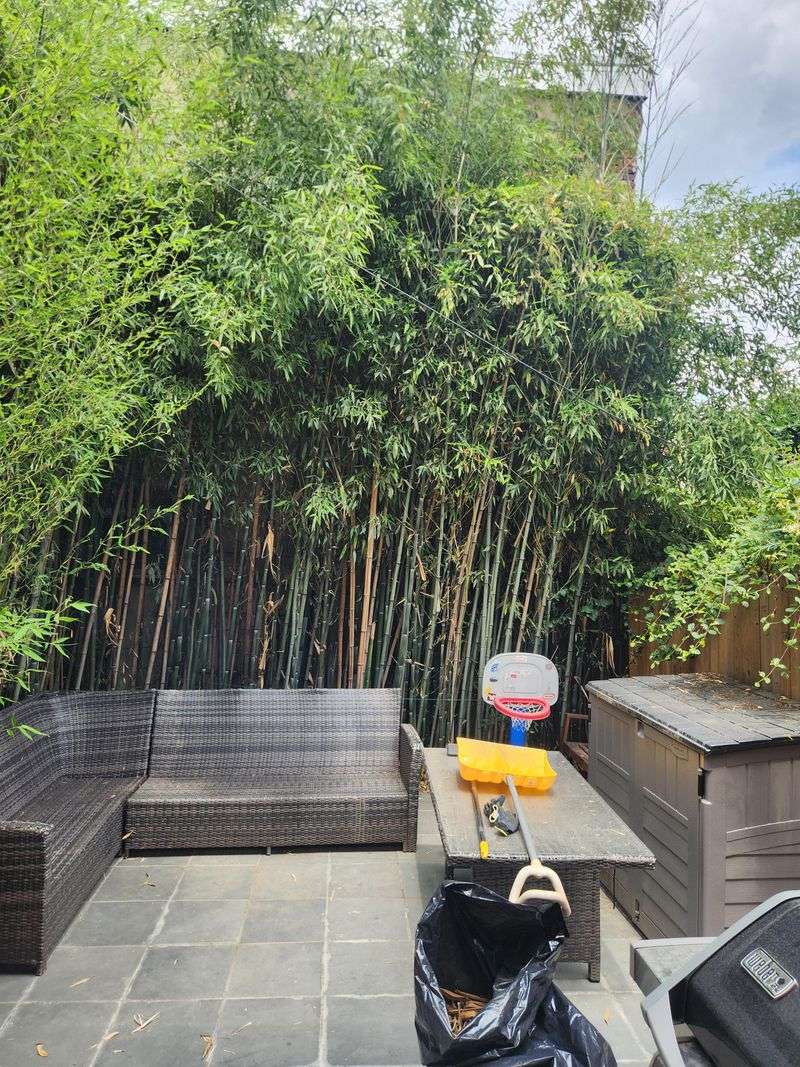
A privacy screen is only effective if it remains on your side of the fence. Once running bamboo crosses into someone else’s property, what started as a landscaping choice can turn into a neighborhood argument. In some areas of Ohio, it can escalate even further.
You might face a formal complaint, an enforcement action, or an unexpected fine. Bamboo owners are usually required to keep their plants from invading neighboring properties, public spaces, and rights-of-way.
If you miss a notice, fines can start piling up at $100 each day. If you ignore it for too long, the city will intervene, remove the bamboo or put up a barrier, and then send you the bill.
Even if your town doesn’t have a specific bamboo ordinance, don’t think you’re in the clear. Nuisance property laws can still be enforced. Your neighbor has legal recourse even if there isn’t a specific rule about bamboo.
Yes, good fences make good neighbors, but so does proper bamboo management. Make sure to check your planting area every spring when new shoots start to appear. It only really takes a few minutes.
Catching a rogue rhizome early is free. Letting it grow until someone complains? That’s when the real trouble begins.
Install One Key Safeguard Before The Roots Spread
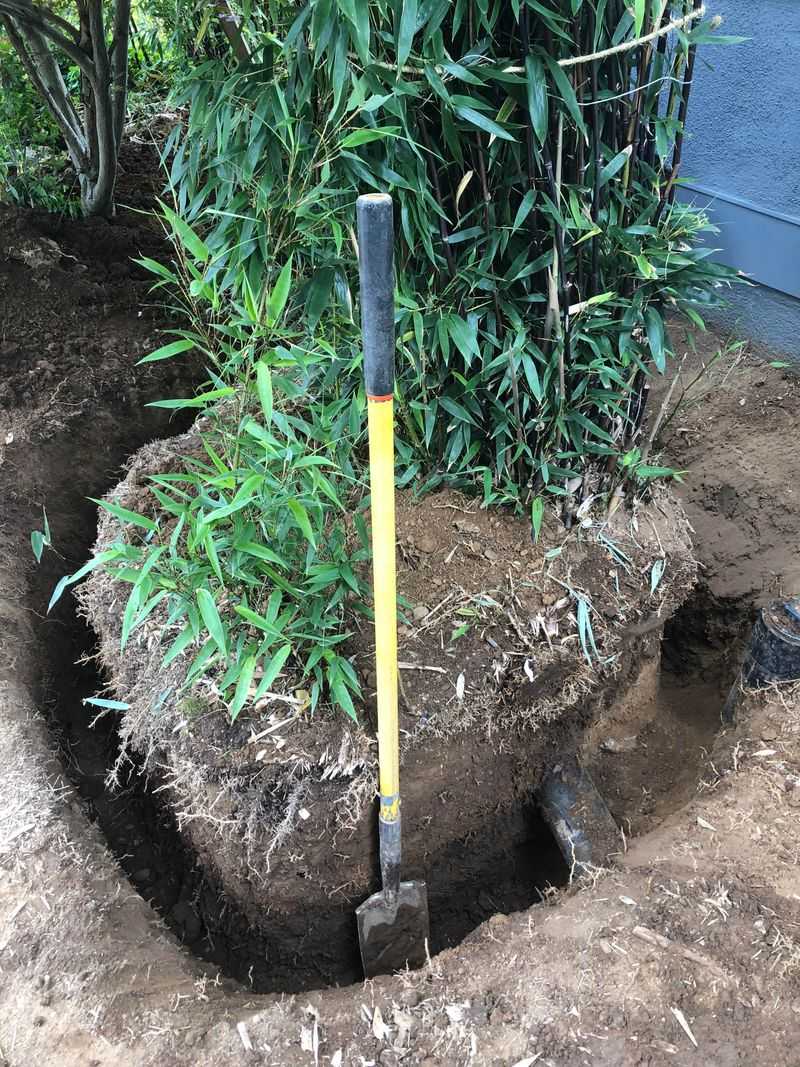
Want to keep bamboo from taking over your yard? There’s one tool that can really help. A physical root barrier won’t make you completely safe, but it’s the best defense homeowners can use.
Now, details are important here. Bamboo rhizomes are tough, and a weak barrier is just a small problem for them. They can go deeper than most people think, so a shallow barrier is like saying, ‘Come on in!’
Usually, the barrier should stick up one to two inches above the ground. Rhizomes can curl up and sneak over a barrier that’s level with the soil, so it’s best to tilt the top edge slightly outward.
This little change helps redirect escapees upward where you can see and cut them. Even if you install it perfectly, you still need to check it every year. Roots can find gaps and can work around the edges over time.
So, make sure to inspect the barrier every spring before new growth starts. If you catch a problem early, it’s a quick fix.
But if you wait until after a whole season of spreading? That could turn into a weekend job at best, or a costly professional removal at worst. A barrier is only as effective as the homeowner who takes care of it.
Try This Safer Way To Get The Same Screen
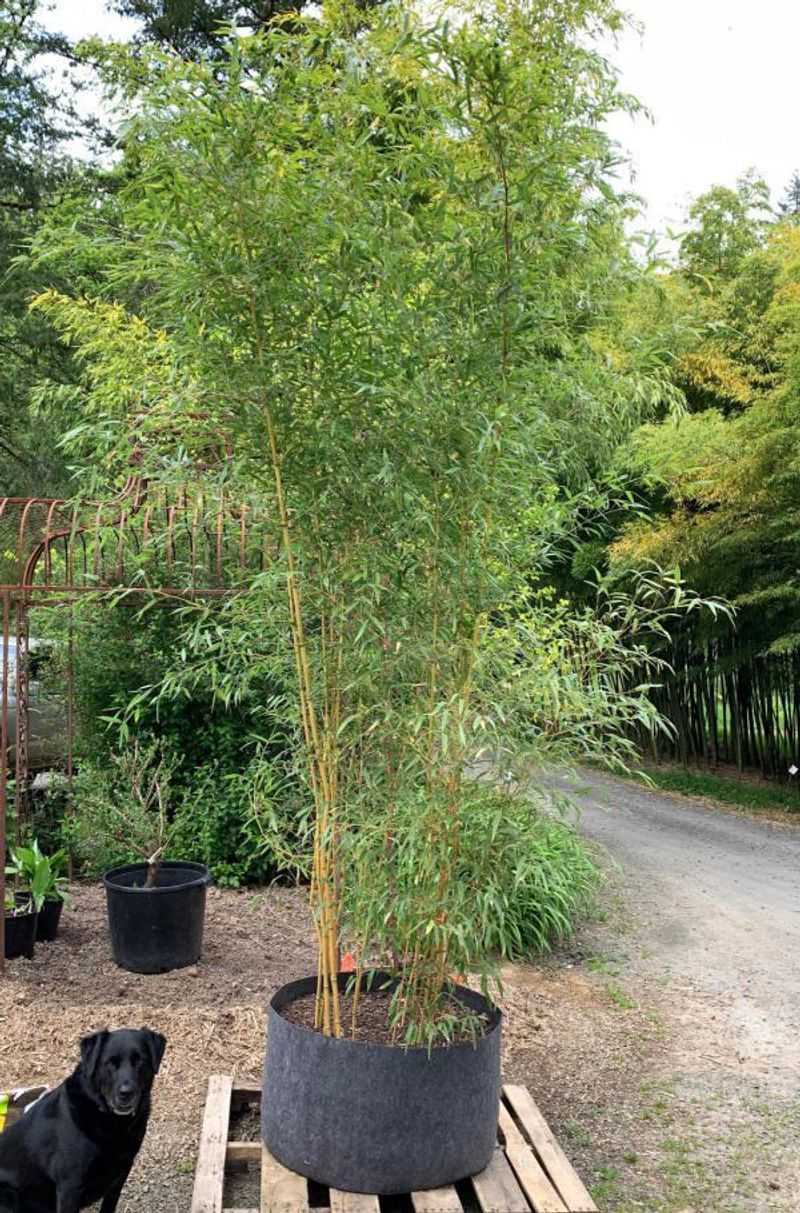
If you want the look without the legal trouble, just put it in a pot. Growing in containers has become one of the smartest ways to manage bamboo. A big, strong planter keeps the roots contained.
No underground escape routes. No complaints from neighbors. No city warnings. However, the size is important here. A pot that’s too small can quickly lead to a cramped, stressed, and unhappy plant.
So, it’s best to go for larger options. Half wine barrels and big ceramic pots all provide bamboo with enough space to flourish while preventing rhizomes from spreading.
But, here’s a perk that often gets really overlooked: containers are movable. Line a few up along the edge of your deck, and you’ve created a solid privacy barrier. Want to change the location next season? Just lift and relocate.
Container growing still requires some care though. Pots dry out quicker than garden soil, so regular watering is essential.
A few applications of fertilizer during the growing season will keep your plants looking vibrant and healthy.
Make sure to check the drainage holes, also. If roots find a hole and some damp soil below, they will definitely try to escape.
It’s not a completely maintenance-free option. But for homeowners in Ohio looking for privacy without the spread, it’s about as close to a contained solution as you can get.
Choose The Type That Stays Better Behaved
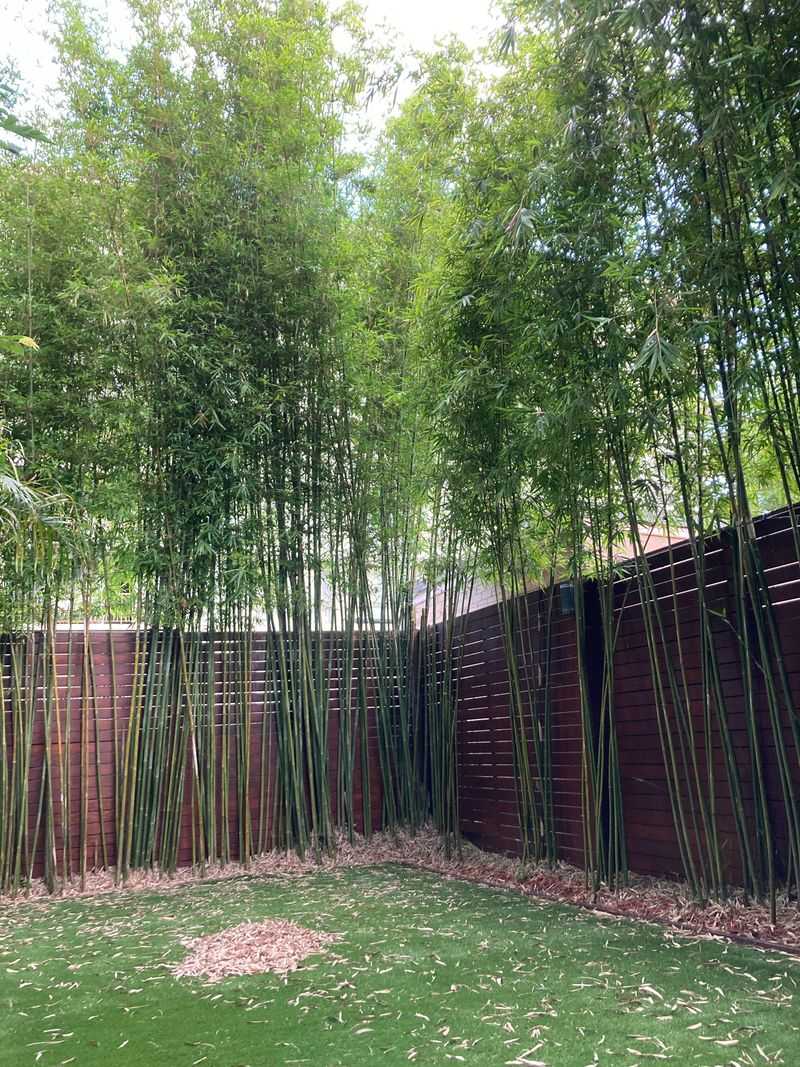
Luckily, running bamboo isn’t your only option. There’s a more well-mannered relative that you should meet.
While running bamboo sends out rhizomes that race horizontally through your yard, clumping bamboo grows in a completely different way. Instead, it stays close to its original spot.
Its rhizomes cling to the mother plant and spread out slowly. No sneaky underground runs or surprise visits to your neighbor’s garden. For many homeowners, this is a big change.
Fargesia species are highly recommended for cooler climates. Several varieties can surprisingly withstand Ohio winters quite well.
How well they perform can differ based on the region and how harsh the season is, so having a quick chat with a local nursery or OSU Extension can help you choose the best option for your area.
Clumping bamboo isn’t completely low-maintenance, though. It gradually increases its area, so occasional thinning is necessary to prevent it from getting too cozy. Even the more well-behaved types need a little background check.
No plant can take care of itself forever. But starting with a type that doesn’t rush underground? Yes, please.
Expect A Price Tag When This Upgrade Gets Loose
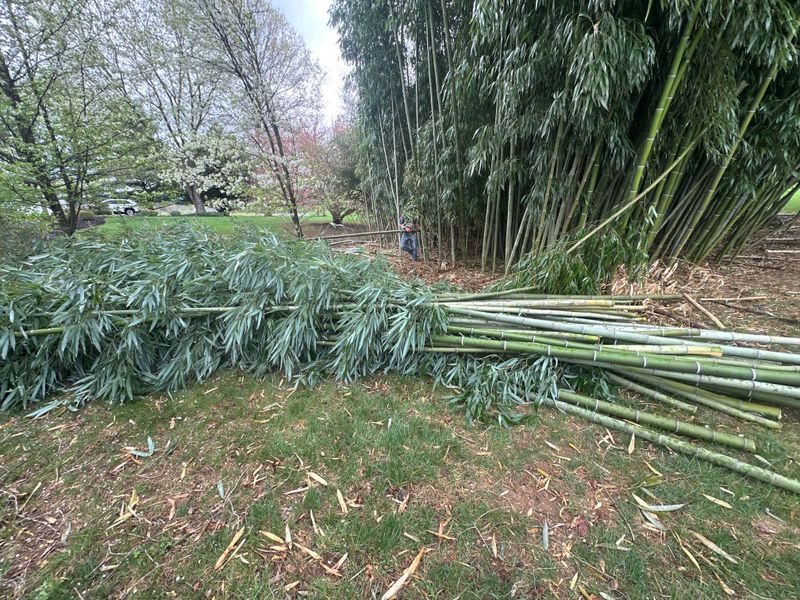
Getting rid of bamboo professionally isn’t usually cheap. The costs hit from multiple directions, and they add up fast. Just hiring professionals for removal can cost anywhere from a few hundred dollars to over a thousand.
If bamboo is allowed to spread without control, the rhizome network grows deeper. More depth means more work. More work leads to a higher bill. If you try to install a root barrier after planting, it will be more expensive as well.
The area around a plant that’s already established requires careful digging to prevent harming the existing roots. It’s a tricky and time-consuming task.
If you do it before planting, it’s simple. But if you wait, you’ll end up paying extra for a problem that could have been avoided. Then there’s the ordinance from Worthington. After ten days of receiving a notice, fines begin at $100 per day.
If you ignore it for too long, the city will take care of the removal themselves and send you the bill. There’s no discount for putting it off. Civil claims from neighbors can also arise if bamboo spreads onto their property. None of these consequences are guaranteed to happen.
However, every one of these scenarios is real, documented, and completely preventable. Running bamboo that is left unchecked will eventually cost someone money. Make sure that someone isn’t you.