Plants That Thrive With Coffee Grounds In North Carolina Gardens
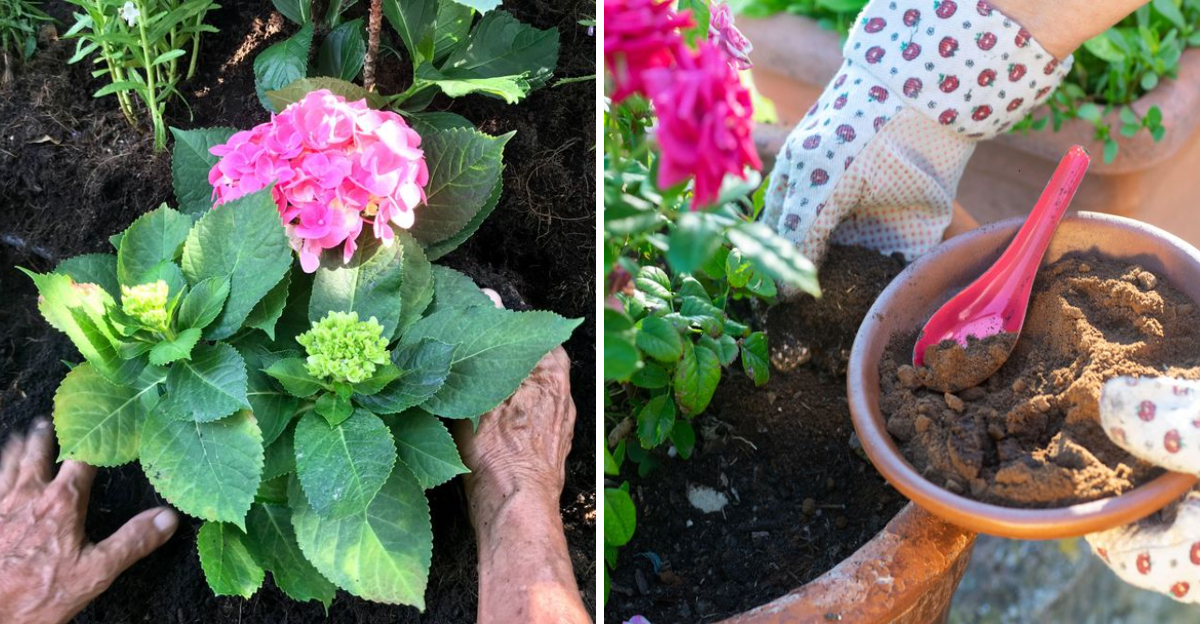
Coffee grounds get passed around as a garden amendment with almost universal enthusiasm, and the reality is more selective than most advice suggests.
Not every plant benefits from them, and applying grounds without knowing which plants actually respond well can create soil conditions that work against you over time. North Carolina gardens have a specific advantage here.
The state’s naturally acidic soil in many areas, combined with a long warm season that speeds up organic matter breakdown, makes coffee grounds a genuinely useful tool when they go around the right plants.
Some of the most popular vegetables, fruits, and ornamentals grown across North Carolina respond noticeably well to the acidity and slow nutrient release that grounds provide.
1. Blueberries Benefit From Coffee Grounds When Soil Is Managed Correctly
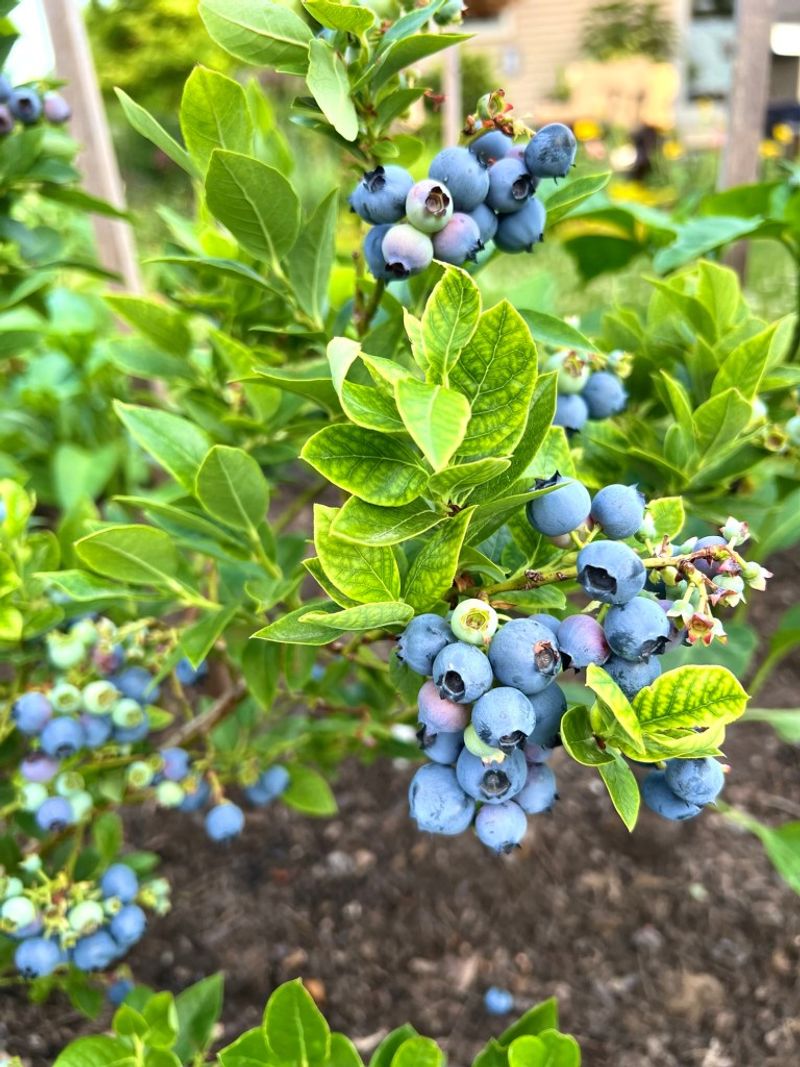
Few fruits are as rewarding to grow in North Carolina as blueberries. Vaccinium corymbosum, the highbush type, and Vaccinium ashei, the rabbiteye variety, both grow beautifully across the state when their soil needs are met.
These plants genuinely love acidic, organic-rich, well-drained soil, which makes them natural partners for coffee grounds used the right way.
Coffee grounds work best when composted first rather than piled directly around the base of your plants.
A thick layer of raw grounds can crust over the soil surface, blocking water and air from reaching the roots below.
Mixing grounds into finished compost and applying that blend as a light top dressing gives your blueberries the organic boost they need without smothering them. North Carolina soils vary a lot depending on where you garden.
Sandy coastal soils drain fast and may need extra organic matter to hold moisture, while Piedmont clay soils can compact easily.
Either way, blending coffee-enriched compost into your soil before planting makes a big difference.
A thick layer of pine bark mulch over the root zone helps retain moisture and keep the soil temperature steady.
Soil testing through your local NC Cooperative Extension office is a smart move before adding any amendment.
Blueberries prefer a pH between 4.5 and 5.5, and knowing your starting point helps you avoid overshooting acidity.
Consistent watering and annual mulch refreshing round out a solid care routine for productive plants.
2. Azaleas Like Organic Matter Around Their Shallow Roots

Walk through almost any North Carolina neighborhood in spring, and you will spot azaleas putting on a spectacular show.
Rhododendron spp. have been a garden staple in this state for generations, partly because the climate suits them so well.
Their preference for acidic, moisture-steady soil with rich organic matter makes them a natural fit for composted coffee grounds used wisely.
Azaleas have shallow, fibrous root systems that sit close to the soil surface. Because of this, anything piled thickly around them can create problems.
Raw coffee grounds in heavy layers hold moisture tightly and can lead to root issues in wet weather.
The smarter approach is to blend a small amount of coffee grounds into your compost pile and let that finished material work as a gentle soil amendment.
Your North Carolina Garden Changes Every Week. Your Plan Should Too.
Gardening in North Carolina changes quickly throughout the season. Every Friday you’ll receive a simple weekly plan showing exactly what to plant, prune, fertilize, harvest, and protect so you never miss the right timing.
Spreading two to three inches of organic mulch like shredded leaves or pine straw over the root zone protects those delicate surface roots from heat and drying out.
Azaleas in North Carolina appreciate shade or filtered light, especially during summer afternoons when temperatures climb.
Keeping the soil consistently moist without waterlogging it is the sweet spot for strong, healthy growth. A quick soil pH test can tell you whether your azaleas need any extra acidifying help.
Most North Carolina soils in the Piedmont and coastal regions are naturally somewhat acidic, giving you a head start.
Composted coffee grounds, used moderately, support the organic richness these shrubs thrive on without throwing off your soil balance.
3. Camellias Respond Well To Rich Acidic Soil
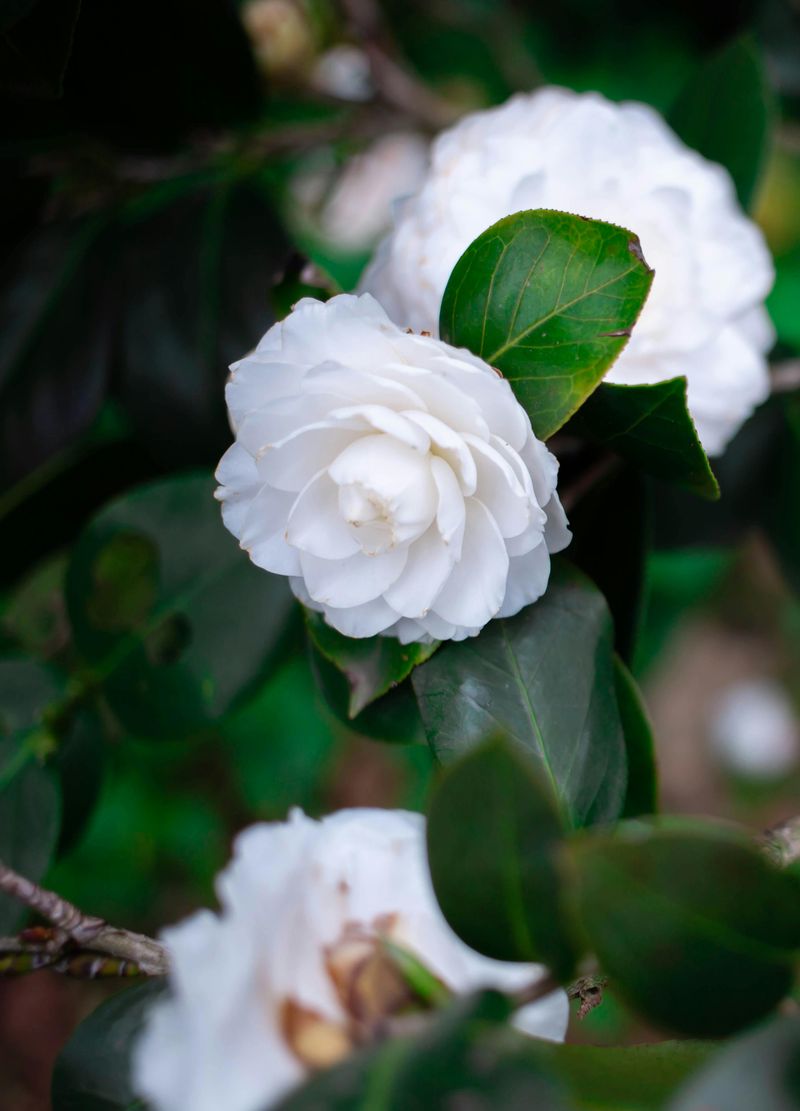
Camellias are one of the most elegant shrubs you can grow in North Carolina, and they reward good soil care with stunning blooms season after season.
Camellia japonica lights up late winter and early spring, while Camellia sasanqua brings color in the fall.
Both species share a love for acidic, well-drained, organically rich soil, which is exactly where composted coffee grounds can play a supporting role.
The key word with coffee grounds and camellias is moderation. Composting your grounds before using them near these plants keeps the application balanced and gentle.
Worked lightly into the top inch or two of soil or blended into a compost top dressing, coffee-enriched material adds organic matter that improves soil texture and supports the microbial life camellias depend on.
North Carolina summers bring heat and humidity, and soggy soil during those months can stress camellia roots. Good drainage is non-negotiable.
Raised planting beds or sloped garden areas naturally help water move away from roots, reducing the risk of problems during the wettest months.
Pine bark mulch spread two to three inches deep around the base insulates roots without holding excess moisture.
Camellias planted in sheltered spots near walls or under tall trees tend to perform better across the state, especially in the Piedmont and Coastal Plain regions.
Checking soil pH regularly and targeting the 5.5 to 6.5 range gives these shrubs the foundation they need for rich, consistent flowering year after year.
4. Gardenias Prefer Acidic Soil And Even Moisture

There is something almost magical about the fragrance of a gardenia in full bloom on a warm Carolina evening.
Gardenia jasminoides is a classic Southern shrub that rewards careful soil management with glossy leaves and impossibly fragrant white flowers.
Getting the soil right is the most important thing you can do for these plants, and that is where composted coffee grounds can lend a hand.
Gardenias need acidic soil in the 5.0 to 6.0 pH range, steady moisture, and excellent drainage all at once.
Yellowing leaves are often the first sign that something is off, whether from poor drainage, inconsistent watering, or soil that has drifted too far from the ideal pH.
Blending composted coffee grounds into your planting bed adds organic matter that helps soil hold moisture while still draining well. Placement matters a lot with gardenias in North Carolina.
These shrubs prefer warm, sheltered spots protected from harsh winter winds, which makes south or east-facing garden beds ideal.
In the Triangle and Triad regions, gardenias can struggle during cold snaps, so a thick layer of pine straw or bark mulch around the root zone provides valuable insulation during cooler months.
Watering consistently, especially during dry summer stretches, keeps gardenias from dropping buds before they open.
Composted coffee grounds mixed into the top layer of soil two or three times per year support the organic richness these plants crave.
A soil pH test every spring helps you stay ahead of any nutrient imbalances before they show up as leaf problems.
5. Hydrangeas Can Use Coffee Grounds Only As Part Of Better Soil Care
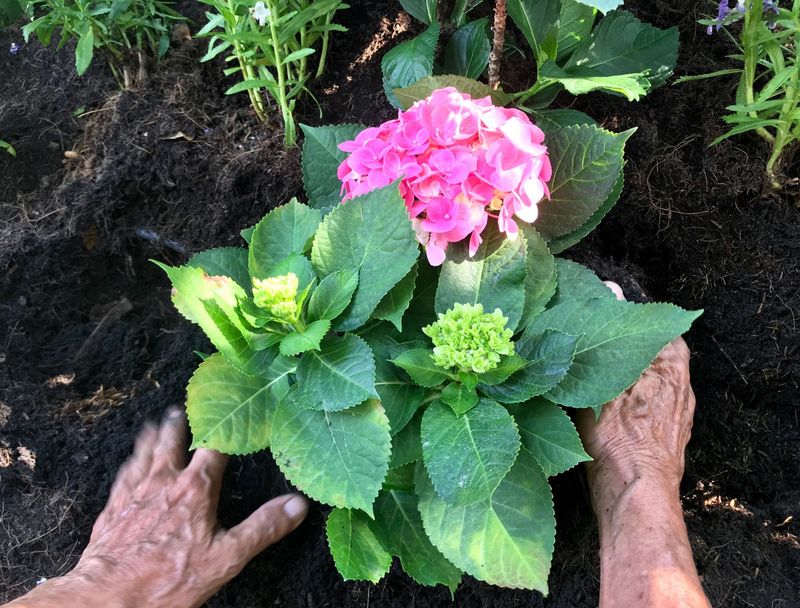
Hydrangeas are among the most popular flowering shrubs in North Carolina gardens, and it is easy to see why.
Hydrangea macrophylla, the classic mophead, and Hydrangea quercifolia, the native oakleaf hydrangea, both bring bold color and texture to the landscape.
There is a popular idea that coffee grounds will turn your hydrangea blooms blue, but the reality is a little more nuanced than that.
Bloom color in macrophylla hydrangeas is influenced by soil pH and aluminum availability. While coffee grounds are mildly acidic, they alone will not reliably shift your bloom color.
What composted coffee grounds can do is improve overall soil organic matter, which helps with moisture retention and microbial activity. That kind of soil health supports strong, consistent flowering over time.
Clay soils in the North Carolina Piedmont can hold too much water around hydrangea roots, especially during heavy summer rains.
Mixing compost, including coffee-enriched compost, into clay before planting helps loosen soil structure and improves drainage.
Oakleaf hydrangeas are especially adaptable to native soils and tend to need less amendment overall, making them a smart low-maintenance choice.
Mulching generously with shredded bark or leaves keeps moisture steady through hot summers and reduces the need for frequent watering.
If you want to actually shift soil pH for bloom color, a soil test followed by a targeted amendment like aluminum sulfate is a more reliable approach than relying on coffee grounds alone. Good soil care is always the foundation.
6. Ferns Appreciate The Organic Matter More Than The Coffee Itself

Shaded gardens in North Carolina come alive with ferns, and these ancient plants have been thriving in woodland settings long before anyone thought to add coffee grounds to the mix.
Polystichum acrostichoides, the Christmas fern, is one of the most reliable native ferns in the state.
Dryopteris erythrosora, the autumn fern, brings coppery new growth that turns heads every spring. Both species share a deep appreciation for moist, organic-rich soil.
The real benefit of coffee grounds for ferns comes from what they add to compost rather than from any direct application.
Ferns love leaf mold, finished compost, and moisture-retaining organic material layered around their crowns.
Blending coffee grounds into a compost pile adds nitrogen and feeds the microbes that break everything down into rich, crumbly material ferns absolutely love.
Applying raw coffee grounds directly around ferns in a dense layer is not the best approach.
Thick layers can form a crust that repels water instead of holding it, which works against everything ferns need.
A thin scattering of grounds mixed with shredded leaves or compost is far more effective and keeps the soil loose and welcoming for roots.
North Carolina shade gardens tend to stay moist naturally, but during dry summer spells, supplemental watering keeps ferns looking lush and full.
Topping up your leaf mold or compost layer each fall feeds the soil slowly through winter and sets ferns up for strong growth the following spring. These plants are tough, adaptable, and genuinely rewarding to grow with minimal fuss.
7. Hostas Grow Better In Moist Soil With Added Compost
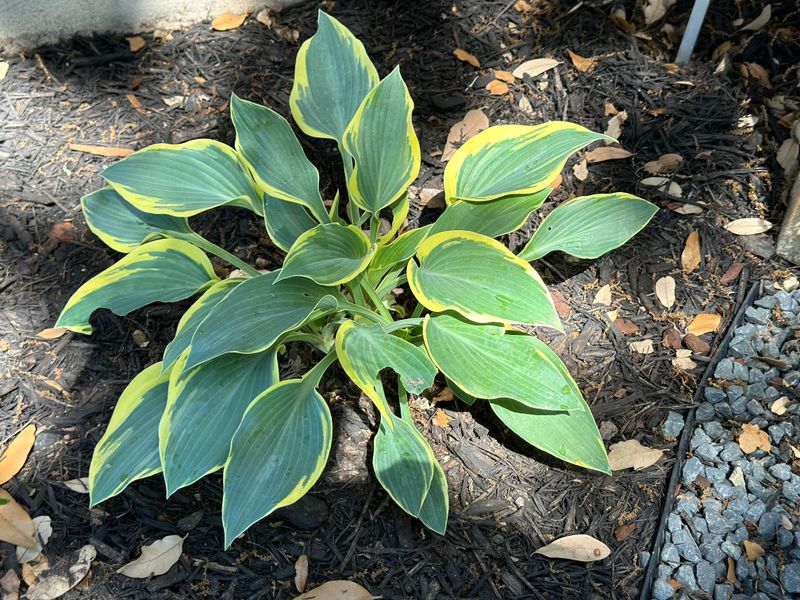
Hostas are the workhorses of the North Carolina shade garden, filling dark corners with bold texture and color from spring through fall.
Hosta hybrids come in hundreds of varieties, ranging from tiny mounds to giant-leafed specimens that can fill a four-foot space on their own.
What all of them have in common is a strong preference for rich, moisture-holding soil in shade to part shade conditions.
Composted coffee grounds fit naturally into a hosta care routine when used as part of a broader compost amendment.
Mixing grounds into your compost bin adds organic nitrogen and supports the microbial activity that turns raw materials into the dark, crumbly finished compost hostas love.
Spreading that compost two to three inches deep around plants each spring gives roots a steady supply of nutrients through the growing season. One thing to watch with coffee grounds around hostas is direct, heavy application.
Piling raw grounds thickly around the base of plants can create a compacted surface layer that sheds water rather than absorbing it.
Keeping grounds as part of a blended compost mix avoids this problem entirely and makes the amendment easier for soil life to process.
North Carolina summers bring heat and humidity that can stress hostas, especially those in spots with afternoon sun.
Deep watering twice a week during dry spells, combined with a good layer of wood chip or shredded bark mulch, keeps soil moisture steady.
Hostas planted in rich, compost-amended soil tend to produce larger, more vibrant leaves and fill in garden beds with impressive speed.
8. Roses Can Benefit From Compost That Includes Coffee Grounds
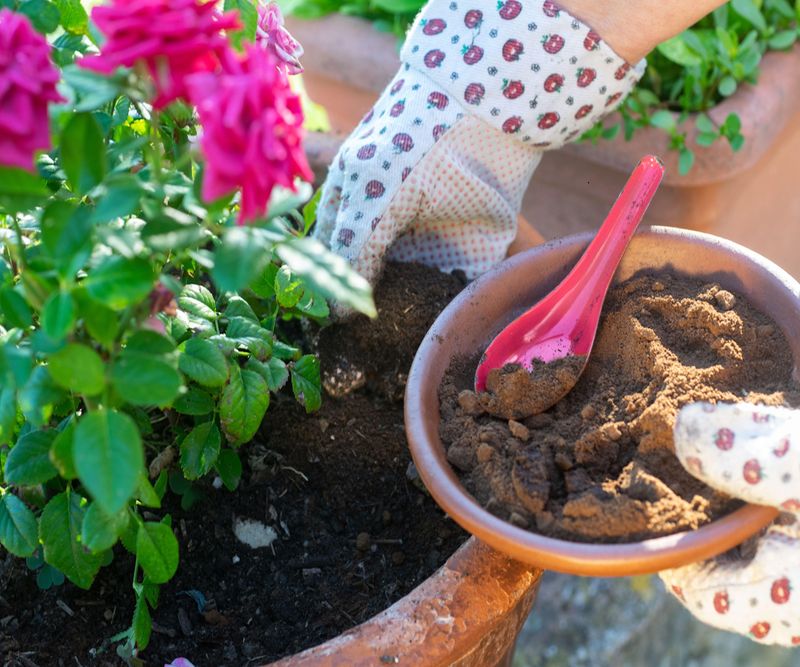
Roses have a reputation for being demanding, but gardeners who get the soil right find them far more rewarding than their fussy image suggests.
Rosa hybrids, from classic hybrid teas to modern shrub roses, all perform best in rich, well-drained soil with consistent moisture and balanced nutrition.
Coffee grounds, worked into compost and used as a soil amendment, can support that kind of soil environment nicely.
Using coffee grounds as a direct, primary fertilizer for roses is a common mistake. Grounds are not a complete plant food, and relying on them alone will leave your roses underfed.
The smarter approach is to mix grounds into a compost pile, let everything break down together, and then apply that finished compost around your rose beds as a top dressing in early spring and again in midsummer.
Airflow around rose plants is critical in North Carolina, where summer humidity creates ideal conditions for fungal issues like black spot and powdery mildew.
Spacing plants well, pruning for open centers, and avoiding overhead watering all reduce fungal pressure.
Mulching with two to three inches of shredded bark keeps soil moisture steady while also reducing the amount of soil that splashes up onto leaves during rain.
Feeding roses with a balanced granular fertilizer alongside your compost applications gives them the complete nutrition they need for strong canes and prolific blooming.
Coffee-enriched compost plays a supporting role in building healthy soil biology, and healthy soil is always the foundation of a rose garden that truly thrives through the season.
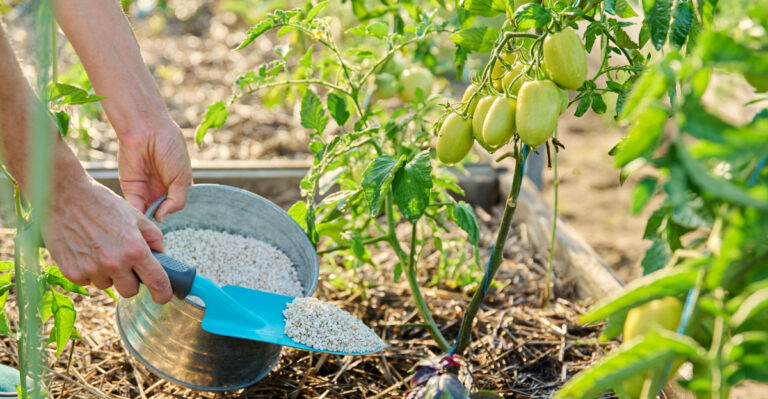
9. Tomatoes Can Use Coffee Grounds Only In Balanced Compost
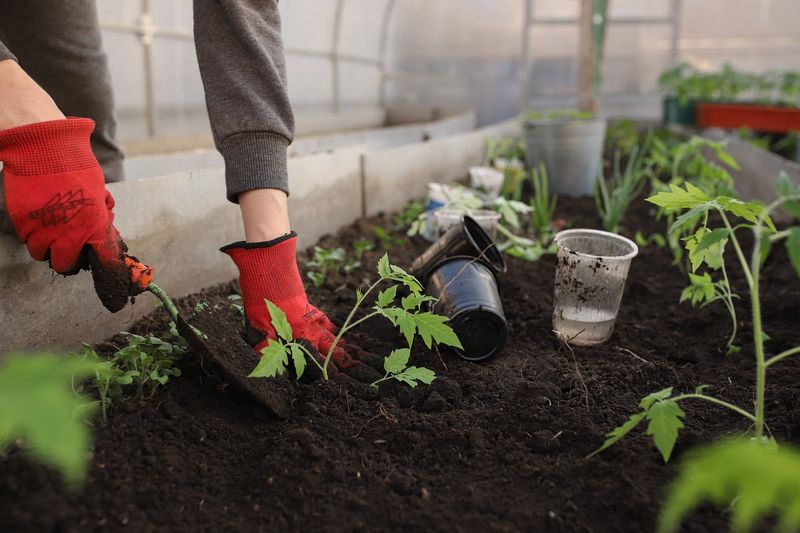
Growing tomatoes in North Carolina is one of summer’s greatest pleasures, and getting the soil right makes all the difference between a modest harvest and a truly abundant one.
Solanum lycopersicum needs warm soil, consistent moisture, and a balanced supply of nutrients from planting through the end of the season.
Coffee grounds can play a small supporting role in that picture, but only when used thoughtfully as part of a compost blend.
Coffee grounds are not a complete tomato fertilizer, and treating them like one leads to disappointing results.
Tomatoes need nitrogen, phosphorus, potassium, calcium, and magnesium in the right proportions, and coffee grounds primarily contribute nitrogen with trace amounts of other minerals.
Blending grounds into a compost pile alongside kitchen scraps, dried leaves, and garden waste creates a far more balanced amendment that genuinely supports tomato growth.
Raised beds are popular with tomato growers here for good reason. They warm up faster in spring, drain well even after heavy rains, and make it easy to build custom soil mixes rich in compost.
For gardeners working with heavy Piedmont clay, raised beds filled with compost-amended soil give tomato roots the loose, fertile environment they need to spread and absorb water efficiently.
Container tomato growers can mix a small amount of coffee-enriched compost into their potting mix at the start of the season.
Consistent watering is especially important in containers since they dry out faster than in-ground beds.
Pairing good compost with a balanced slow-release fertilizer gives tomatoes everything they need to produce generously through our long, warm summer.
10. Peppers Prefer Compost Enriched Soil Over Direct Coffee Ground Layers
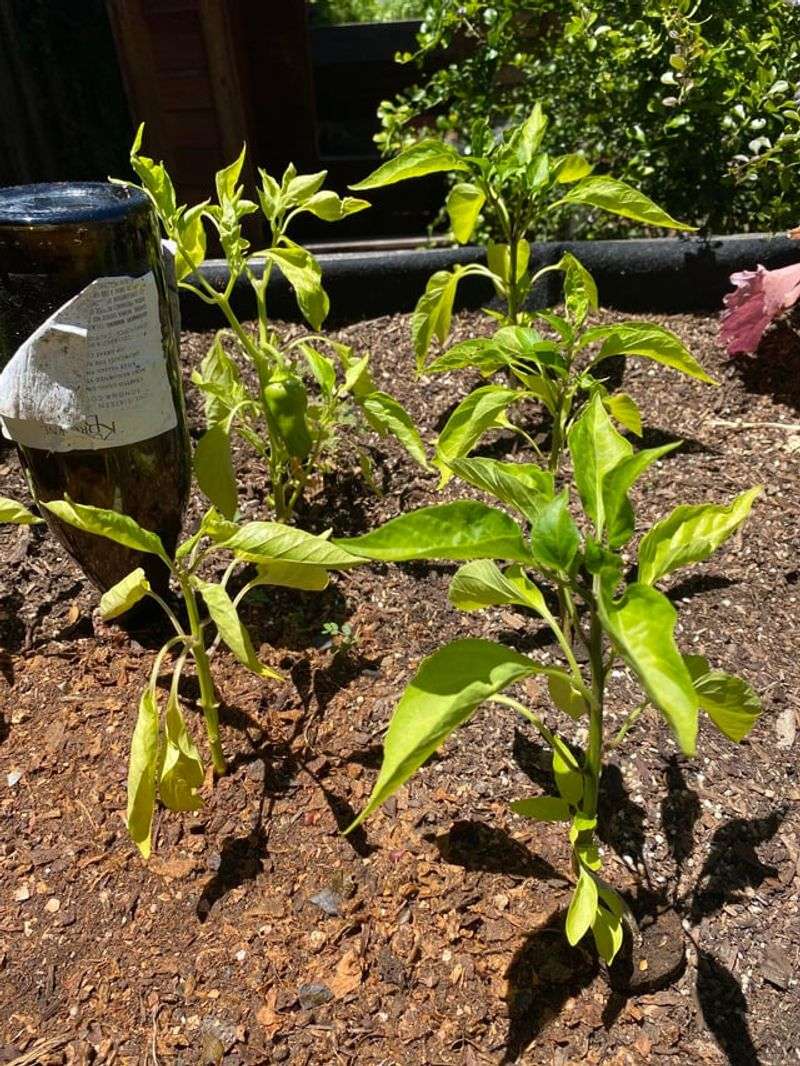
Peppers are heat lovers, and our long, warm summers give them exactly the growing season they need to produce abundantly.
Capsicum annuum covers an enormous range of varieties, from sweet bells to fiery cayennes, and all of them share a preference for warm, well-drained soil with steady but not excessive fertility.
That last detail matters a lot when thinking about how coffee grounds fit into your pepper garden routine.
Applying thick layers of raw coffee grounds directly around pepper plants can cause more trouble than it solves.
In North Carolina’s humid summer climate, dense layers of grounds hold moisture tightly against plant bases, creating conditions that can stress roots.
The far better approach is incorporating coffee grounds into your compost pile and letting the finished product do the work as a gentle soil amendment.
Compost enriched with coffee grounds improves soil structure in both sandy coastal soils and heavier Piedmont clay.
Loose, well-structured soil allows pepper roots to spread easily, absorb water efficiently, and access the nutrients they need for strong fruiting.
Working finished compost into your garden bed a few weeks before transplanting gives the soil time to settle and warm up, which peppers appreciate greatly.
Mulching around pepper plants with straw or shredded bark keeps soil temperature steady and reduces moisture loss during hot, dry stretches.
Consistent watering is especially important when plants are flowering and setting fruit, since irregular moisture can cause fruit issues.
Pairing compost-amended soil with a balanced vegetable fertilizer gives your peppers the complete nutritional support needed for a standout harvest.
11. Lettuce Benefits From Compost Before Heat Builds
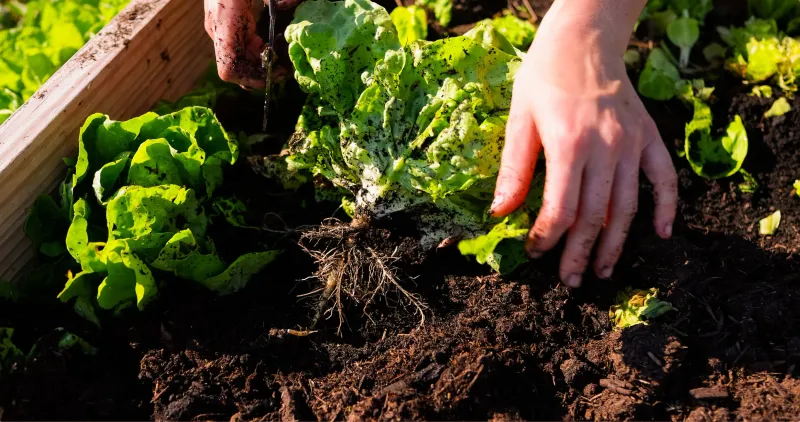
Spring gardening in North Carolina moves fast, and lettuce is one of the best crops to take advantage of that cool window before summer heat arrives.
Lactuca sativa grows quickly and eagerly in fertile, moisture-retentive soil, making early soil preparation one of the most valuable things you can do for a productive lettuce bed.
Compost that includes a portion of coffee grounds fits beautifully into that spring prep routine.
Coffee grounds contribute nitrogen and organic matter to compost, both of which lettuce appreciates during its rapid early growth phase. The key is having that compost fully finished before you spread it.
Fresh, uncomposted grounds can be too acidic and may affect germination if applied directly to a seeding bed.
Finished compost, by contrast, is gentle, balanced, and ready to support young lettuce seedlings from day one.
Raised beds are ideal for spring lettuce in North Carolina because they warm up earlier than in-ground soil and drain quickly after the heavy spring rains that often come through the Piedmont and coastal regions.
Filling raised beds with a mix of native soil and generous amounts of compost creates the loose, fertile growing environment lettuce thrives in.
Keeping the bed consistently moist with light, frequent watering encourages fast, tender growth. Here, timing is everything with lettuce.
Planting in late February or early March in most parts of the state gives you a solid harvest window before temperatures climb above the mid-70s. Succession planting every two weeks extends your harvest nicely.
Once summer heat arrives, lettuce bolts quickly, so enjoying that cool-season bounty while it lasts is part of the fun.
12. Strawberries Appreciate Light Compost Around Productive Beds
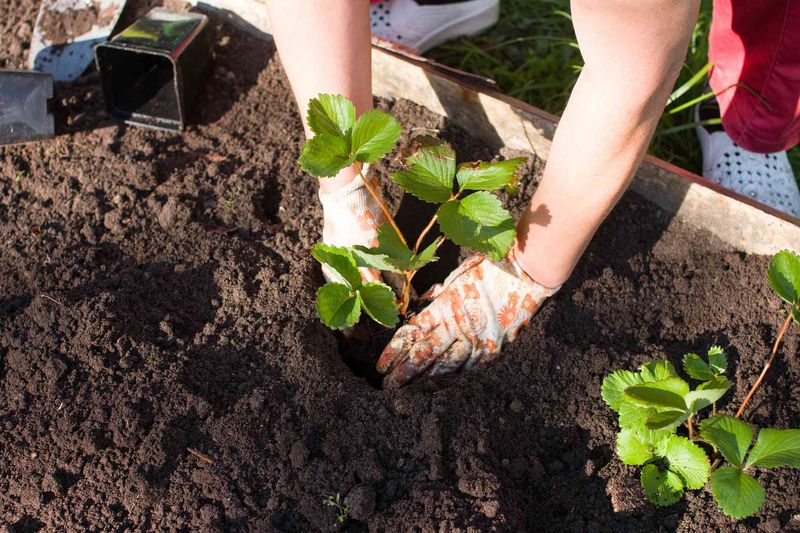
Strawberries might be the most satisfying crop a gardener can grow around here, and a well-prepared bed can produce fruit for several years with the right care.
Fragaria x ananassa, the garden strawberry, needs well-drained soil, steady moisture, and a good supply of organic matter to produce sweet, abundant fruit.
Composted coffee grounds, used lightly and thoughtfully, can be part of building that ideal growing environment.
The crowns of strawberry plants sit right at the soil surface, and anything piled directly against them can cause serious problems.
Raw coffee grounds heaped around crowns hold moisture and can lead to crown rot, especially during North Carolina’s humid spring and summer months.
The right approach is mixing grounds into compost first and applying that finished material around plants without covering the crowns themselves.
Spring bed preparation is the best time to work compost into your strawberry patch.
Spreading two to three inches of finished compost across the bed and lightly working it into the top few inches of soil gives plants a nutrient boost right as they begin active growth.
Straw mulch applied around plants after compost keeps moisture steady, suppresses competing weeds, and keeps developing berries clean and off the soil.
Watering consistently during fruit development is one of the most important things you can do for a strong strawberry harvest. Dry spells during flowering and fruiting lead to small, unevenly shaped berries.
Pairing compost-amended soil with reliable irrigation and a light balanced fertilizer application in early spring sets your strawberry bed up for a long, productive season full of sweet, sun-warmed fruit worth every bit of effort.