9 Smart Ways Oregon Gardeners Reuse Old Potting Soil
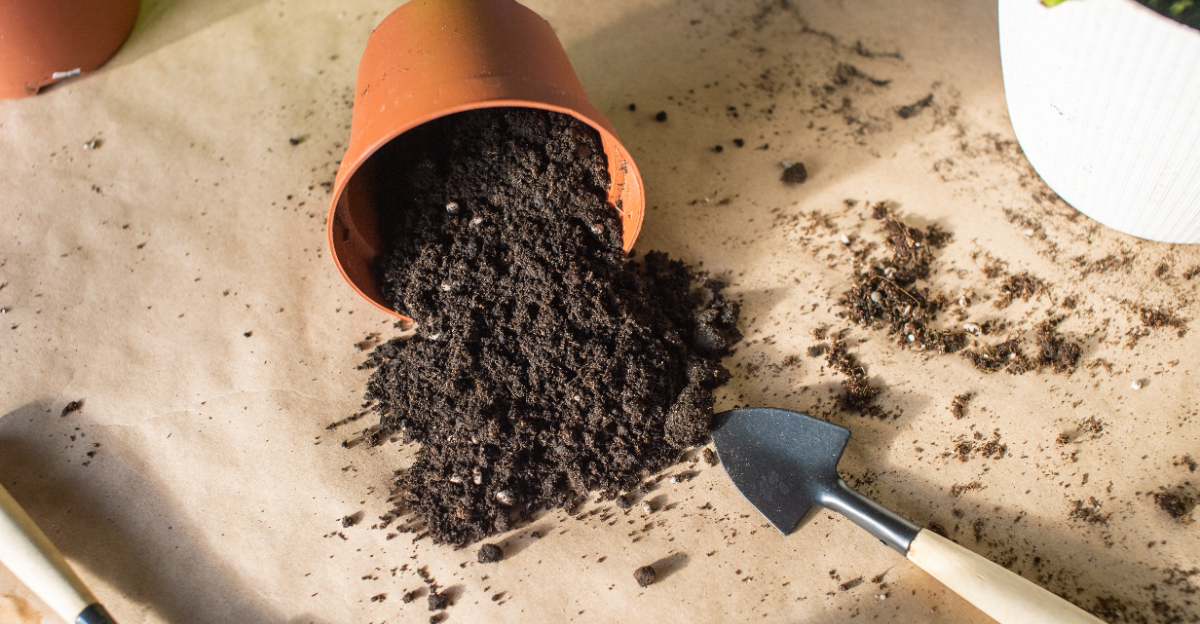
Throwing out old potting soil feels wasteful, and it is. Most gardeners do it anyway because they are not sure if spent soil is still worth using.
The truth is that old potting soil has plenty of life left in it. It just needs the right approach before it goes back to work.
Reusing it the wrong way can cause problems, but reusing it correctly saves money and gives your garden something useful instead of sending bags of soil to the curb.
Oregon gardeners are in a good position here because the climate makes it easy to refresh and recondition soil quickly.
Between the rainfall and the abundance of organic material available in most yards, spent potting soil can be turned back into something genuinely productive.
There are smarter ways to do it than most people realize, and a few of them will change how you think about soil from season to season.
1. Don’t Dump It, Refresh It
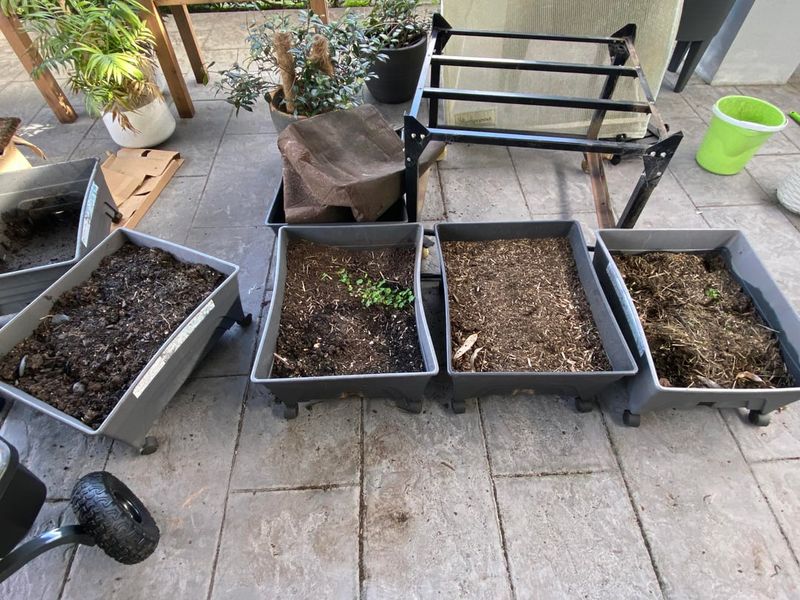
Old potting soil gets a bad reputation, but most of the time it just needs a little refreshing, not replacing. Think of it like a sponge that has been squeezed dry.
The structure is still there, but the nutrients and beneficial microbes have been used up by last season’s plants.
Refreshing is simple and surprisingly satisfying. Start by spreading the old mix out on a tarp and picking out any dead roots, clumps, or debris.
This step takes just a few minutes but makes a big difference in the final result.
Next, mix in about one-third fresh compost to bring back organic matter and life. Add a slow-release granular fertilizer to restore nutrients that plants pulled out over the growing season.
A small scoop of perlite can help loosen the mix if it feels dense or compacted.
Worm castings are another excellent addition. They are packed with nutrients and helpful microorganisms that support healthy root growth.
Just a cup or two per gallon of old mix makes a noticeable difference.
Many gardeners in our state swear by this method because it cuts their soil costs nearly in half each year. It also keeps usable material out of the landfill, which aligns with the eco-conscious values many Pacific Northwest gardeners hold close.
Refreshing old potting soil is one of the easiest habits you can build into your seasonal routine.
2. Fill Those Giant Patio Pots For Less
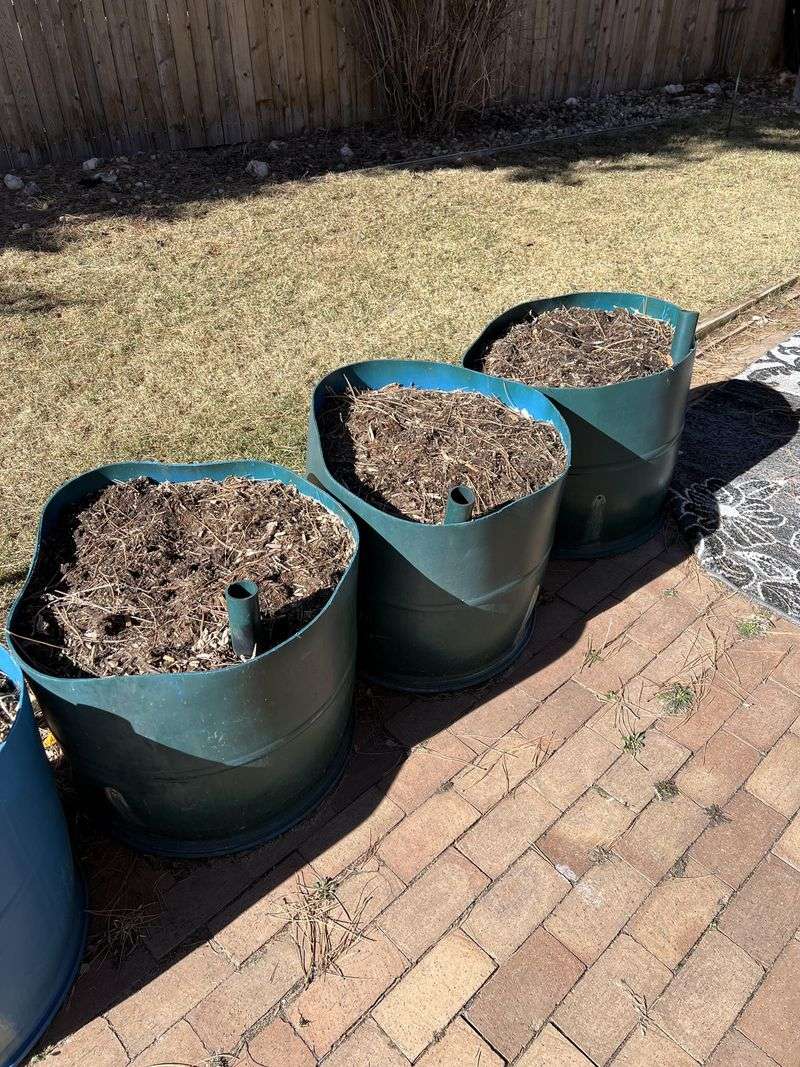
Big decorative containers look stunning on a patio, but filling them entirely with fresh potting mix can get expensive fast. A single extra-large pot can require several cubic feet of soil, and buying all of that new every season adds up quickly.
Here is a trick many experienced gardeners use: fill the bottom half or even two-thirds of large pots with old potting soil, then top it off with fresh mix.
Most plant roots do not reach the very bottom of deep containers anyway, so the lower layers do not need to be nutrient-rich.
You can also add a layer of newspaper, cardboard, or landscape fabric between the old and new soil. This helps prevent the layers from mixing too quickly and keeps the fresh top layer in place longer.
Your Oregon Garden Changes Every Week. Your Plan Should Too.
Gardening in Oregon changes quickly throughout the season. Every Friday you’ll receive a simple weekly plan showing exactly what to plant, prune, fertilize, harvest, and protect so you never miss the right timing.
Some gardeners tuck in a few slow-release fertilizer spikes near the root zone to compensate for the older soil below. This small investment keeps plants well-fed without requiring a full soil replacement.
Across our state, patio gardening is incredibly popular, especially in urban areas like Portland and Eugene where yard space is limited. Making large containers affordable means more people can enjoy growing their own food and flowers on balconies and decks.
Reusing old soil in big pots is one of the smartest budget moves a container gardener can make, and plants rarely notice the difference when the layering is done right.
3. Let Raised Beds Borrow The Good Stuff
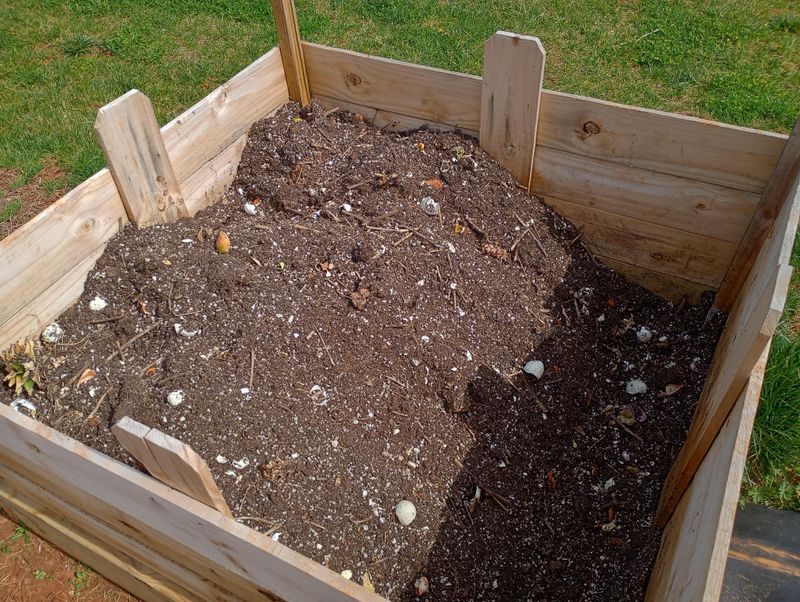
Raised beds are hungry. Every season, the soil level drops a little as organic matter breaks down and plants consume nutrients.
Topping them off is a regular part of raised bed maintenance, and old potting soil is perfect for the job.
Container potting mix is usually lighter and fluffier than native ground soil. When you add it to a raised bed, it helps improve drainage and aeration, which most vegetable roots absolutely love.
Even if the nutrients are depleted, the physical texture still adds real value.
Mix the old potting soil into the top several inches of your raised bed rather than just dumping it on top. Work it in with a fork or hoe so it blends evenly with the existing bed material.
This gives you a more uniform growing environment from the start.
Pair this with a generous layer of compost and your raised bed will be ready to grow strong all season. Some gardeners also add a balanced granular fertilizer at this stage to give seedlings an early boost.
In our state, raised beds are everywhere from community gardens in Portland to backyard plots in rural Medford. The climate here can be tough on soil, with heavy winter rains leaching nutrients away.
Replenishing raised beds with old potting mix is a practical, low-cost solution that keeps garden beds productive year after year without a full soil overhaul. It is a small effort with a big payoff every growing season.
4. Turn Flower Beds Into Soil Recycling Zones
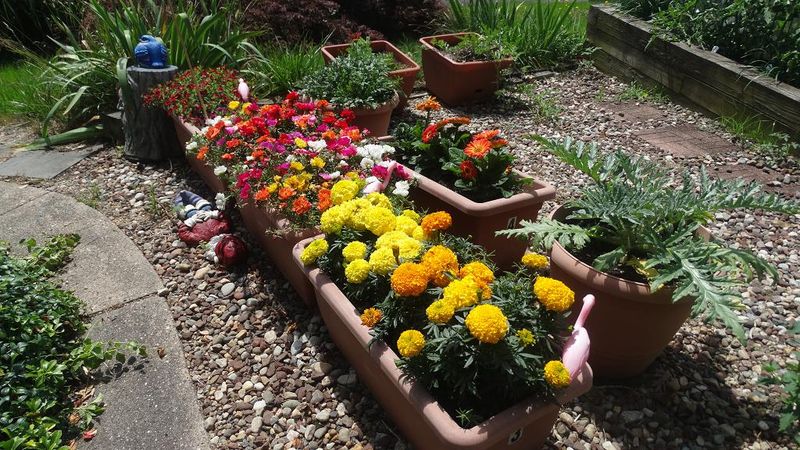
In-ground flower beds are surprisingly forgiving when it comes to soil amendments. Unlike containers where roots are confined, plants growing in the ground can spread out and find nutrients from a wider area.
That makes flower beds a great place to work in old potting soil without worry.
Spread a two to three inch layer of old potting mix over the surface of the bed, then use a garden fork to work it into the top six to eight inches of soil. This loosens the existing ground, improves drainage, and adds some organic matter even if the nutrients are low.
Native clay-heavy soils in parts of our state benefit especially from this kind of amendment. Old potting mix, which is usually peat or coir-based, helps break up dense clay and create more breathing room for roots.
Over time, this simple habit builds a much healthier flower bed.
Perennial flower beds are particularly good candidates for this approach. Since the plants come back each year, improving the soil structure has long-lasting benefits that compound season after season.
Annuals like petunias, marigolds, and zinnias also respond well to beds amended with recycled potting mix. They are not picky about nutrient levels as long as drainage is decent.
Turning your flower beds into a regular recycling zone for old potting soil is an easy, almost effortless habit. This keeps your garden looking beautiful without spending extra money on new materials each spring.
5. Feed The Compost Pile, Not The Trash Can
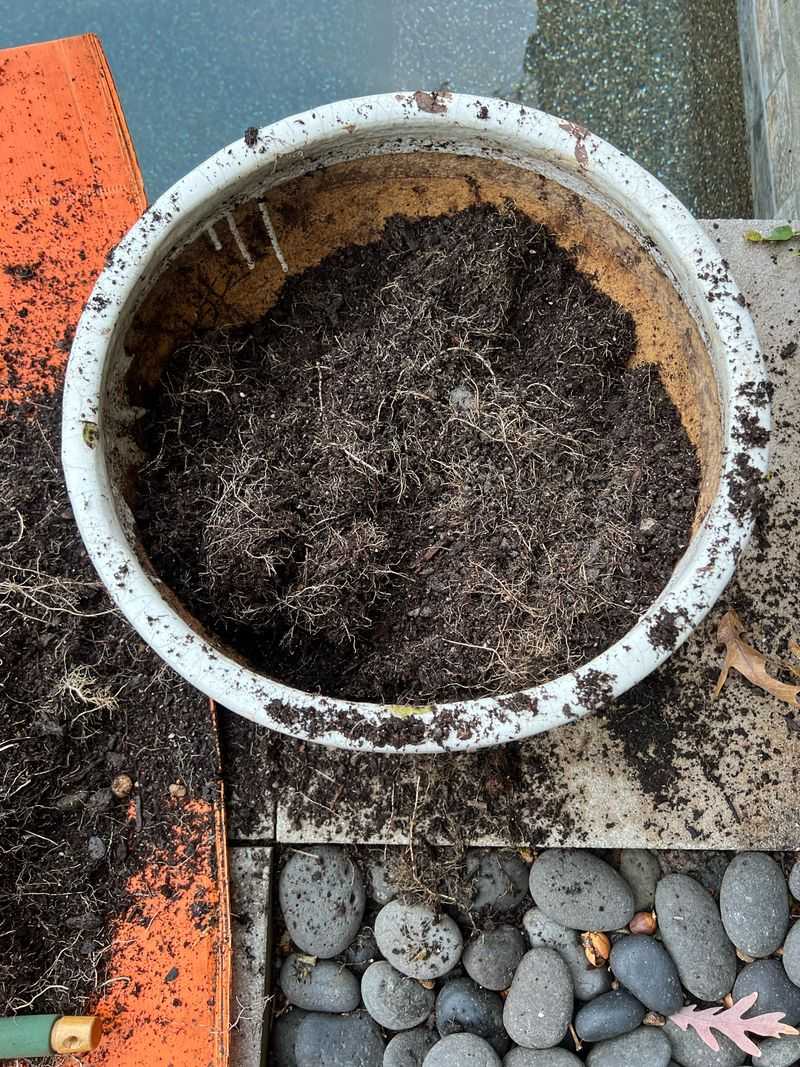
Old potting soil and compost bins are a natural pairing. Potting mix is made of organic materials like peat, coir, bark, and perlite, and those materials can continue breaking down and improving inside a compost pile.
Adding old soil to your compost is one of the easiest recycling moves you can make.
Layer the old potting mix between green materials like food scraps or fresh grass clippings and brown materials like dried leaves or cardboard.
This layering approach helps maintain the right moisture and carbon-to-nitrogen balance that keeps a compost pile active and productive.
Old potting soil also helps with pile structure. It prevents green materials from clumping together into dense, airless masses that slow down decomposition.
Think of it as a spacer that keeps air flowing through the pile.
After several months, the compost that results will be rich, dark, and full of life. You can then use it to refresh new potting mixes, top-dress garden beds, or improve native soil in planting holes.
Our rainy winters actually speed up composting in many parts of the state by keeping moisture levels naturally high. That means your recycled potting soil can turn into finished compost faster here than in drier climates.
Feeding your compost pile instead of the trash can is a small shift in habit with a surprisingly large environmental impact. It keeps organic material in the garden cycle where it belongs, doing useful work for years to come.
6. Use It To Smooth Out Yard Dips And Bare Spots
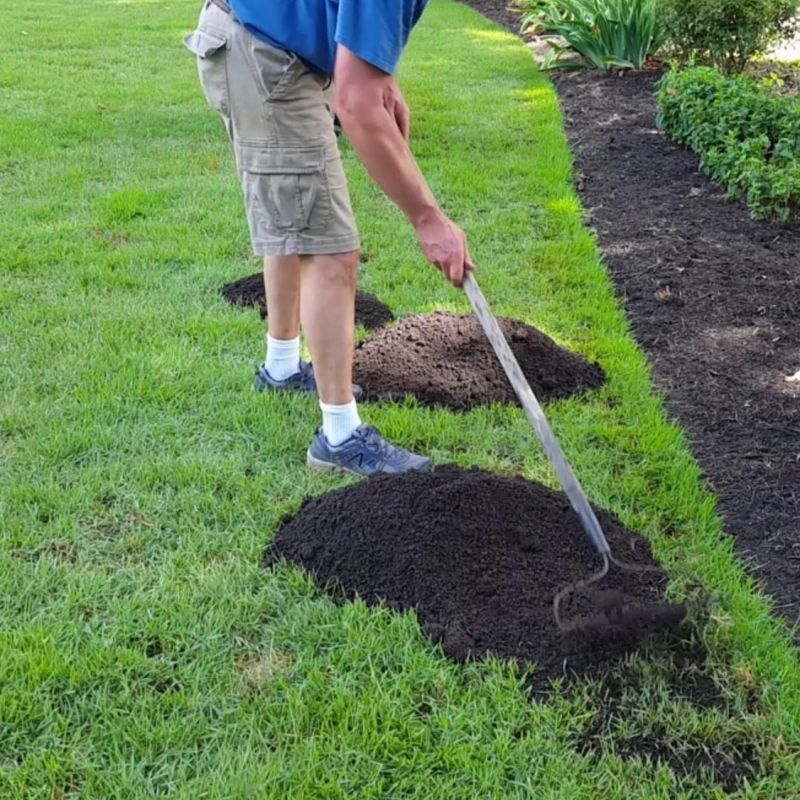
Every yard has those annoying low spots where water puddles after rain, or bare patches where grass refuses to grow. Old potting soil is a surprisingly effective filler for both problems, and it costs you nothing extra if you already have bags sitting around.
For low spots, spread a thin layer of old potting mix over the area, no more than half an inch at a time. Rake it level and let the existing grass grow up through it.
Repeat this process over several weeks until the dip is filled. Going slowly prevents smothering the grass underneath.
Bare patches respond well to a light application of old potting soil mixed with grass seed. Press the seed gently into the soil, water it in, and keep the area moist until germination occurs.
The loose texture of potting mix makes it easier for grass seeds to establish than hard, compacted native soil.
This technique works especially well in the wetter parts of our state where standing water is a common complaint. Improving drainage in low spots reduces the risk of root rot and lawn fungal issues that thrive in soggy conditions.
It is worth noting that potting mix is not a perfect substitute for topsoil in large-scale grading projects. But for small yard repairs and patching, it gets the job done beautifully.
Many homeowners are surprised to discover they already have the perfect fix sitting in their garage, leftover from last year’s container garden.
7. Give Hardy Flowers The Hand-Me-Down Mix
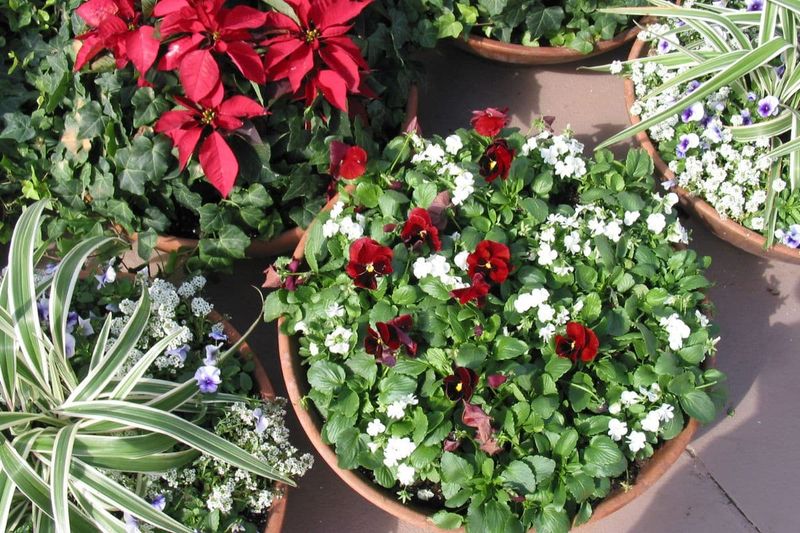
Not every flower needs premium, freshly mixed potting soil to put on a good show.
Many popular annuals and tough perennials are remarkably adaptable and will bloom beautifully even in soil that has already been through a full growing season.
Marigolds, zinnias, nasturtiums, and calendula are excellent candidates for hand-me-down potting mix. These flowers are known for their toughness and their ability to pull nutrients from modest growing conditions.
Give them decent drainage and regular water, and they will reward you generously.
Hardy perennials like hostas, sedums, and ornamental grasses also handle recycled potting mix well when it is worked into beds or used in large containers.
Their extensive root systems are good at finding what they need, even in older, less nutrient-dense soil.
To give these plants the best start, mix a small amount of compost or worm castings into the old soil before planting. This light refreshing does not take long but makes a noticeable difference in early growth and color.
Gardeners across our state love growing bold, colorful annual displays on porches and patios throughout the warm months. Using hand-me-down mix for these flowers stretches the gardening budget considerably, especially when you are filling multiple containers.
It is a practical, waste-reducing habit that keeps money in your pocket while still producing the kind of cheerful, vibrant garden displays.
8. Let The Sun Clean It Up First
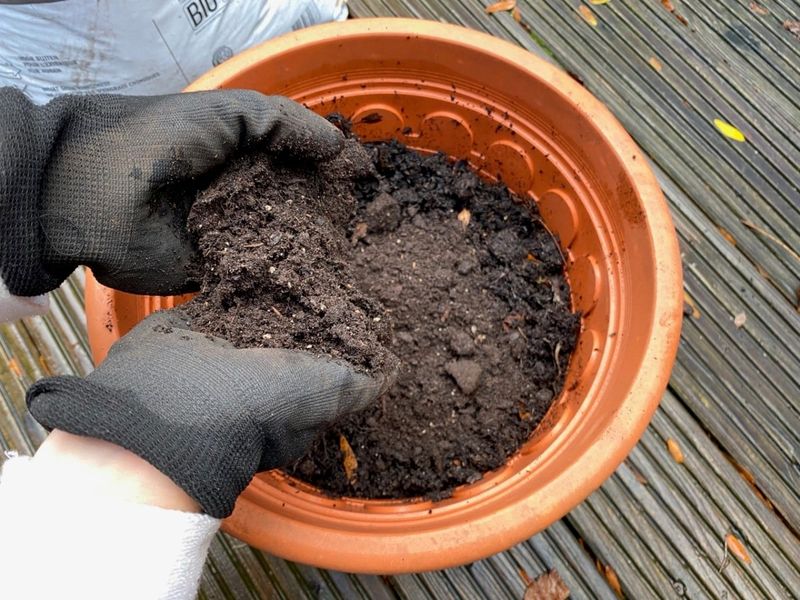
Before reusing old potting soil, it is smart to deal with any lingering pathogens, fungal spores, or weed seeds that might have taken up residence during the last growing season.
Solarization is a natural, chemical-free way to do exactly that, and all you need is sunlight and plastic sheeting.
Spread the old potting mix in a thin layer, no more than two to three inches deep, on a sheet of clear or black plastic. Place it in the sunniest spot in your yard during the warmest months of summer.
The heat trapped under the plastic can reach temperatures high enough to neutralize most harmful organisms in the soil.
Leave the setup in place for four to six weeks. In western parts of our state, this works best from July through August when temperatures climb and sunny days are more reliable.
In the drier eastern regions, solarization can be even more effective due to higher summer heat.
After solarization, the soil will look and feel much the same, but it will be significantly cleaner and safer to reuse. Mix in some compost and fresh amendments before planting to restore biological activity that the heat may have reduced.
This step is especially helpful if last season’s plants showed signs of disease or pest problems. Solarizing gives you peace of mind that you are not carrying problems forward into a new growing season.
It is a free, simple, and highly effective tool that any home gardener can use without special equipment or training.
9. Know When Old Soil Is Too Tired For Seedlings
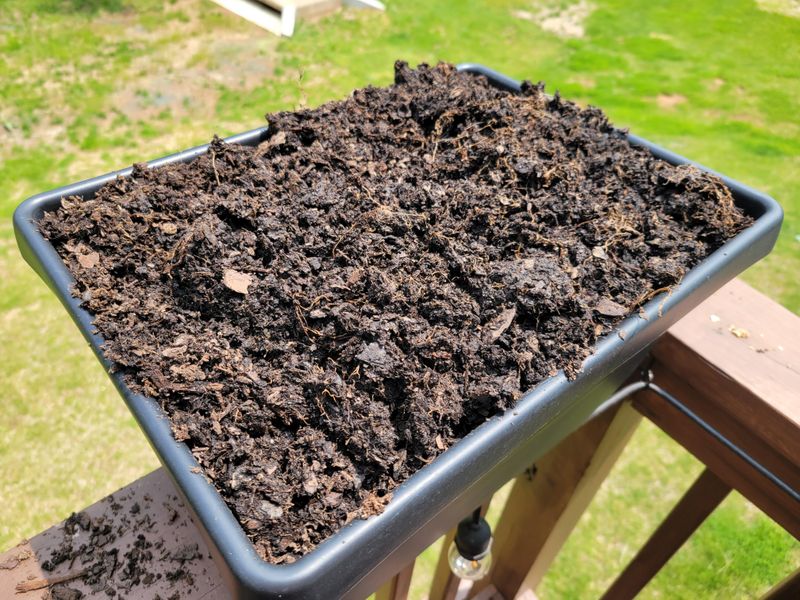
Reusing old potting soil is a great habit, but knowing its limits is just as important as knowing its uses. Seedlings are the one area where old, depleted mix can actually cause more problems than it solves.
Young plants starting from seed are delicate and highly sensitive to their growing environment.
Old potting soil often becomes hydrophobic over time, meaning it actually repels water instead of absorbing it. You can test this by placing a small amount in a cup and pouring water over it.
If the water beads up and runs off rather than soaking in, the soil has lost its ability to hold moisture properly.
Compaction is another issue. Used potting mix tends to compress into a dense layer that restricts the tiny roots of seedlings from spreading freely.
Fresh seed-starting mix is light, airy, and specifically designed to support delicate early root development.
Fungal diseases like damping-off are also more common in old, reused soil when it has not been properly solarized or sterilized. This condition causes seedling stems to rot at the soil line, and it can wipe out an entire tray of starts almost overnight.
For starting seeds, always invest in fresh, sterile seed-starting mix. Save the recycled potting soil for transplants, established containers, garden beds, and the other uses covered in this list.
Knowing when to use recycled soil and when to reach for something fresh is the mark of a truly experienced and thoughtful gardener who gets results every season.