The 10 Most Nostalgic Backyard Plants In Ohio History
Walk through an older Ohio neighborhood and something still feels familiar right away. Front yards carry a quiet sense of history, where simple details once shaped daily life and long summer evenings stretched without hurry.
Backyards served as gathering spaces filled with conversation, shared meals, and routines that returned year after year. Traditions passed easily from one household to the next through small gestures and practical know-how.
Many of those choices slipped out of the spotlight over time, yet their presence never fully faded. They continue to show up in places that value comfort, memory, and a connection to the past over passing trends.
Ohio’s mix of warm summers and cold winters helped shape these lasting traditions across generations. Each one reflects a time when outdoor spaces felt personal and deeply rooted.
Take a closer look at the backyard favorites that still echo across Ohio homes today.
1. Lilacs Fill The Air With A Familiar Spring Scent
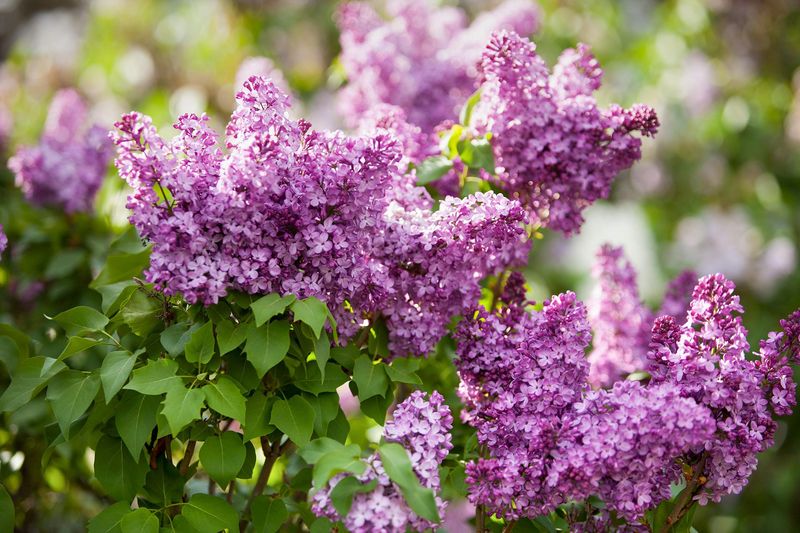
Few things announce the arrival of spring in Ohio quite like the unmistakable fragrance of a lilac in full bloom. That sweet, heady scent has drifted through open kitchen windows and across backyard fences for well over a hundred years across the state.
It is the kind of smell that stops you in your tracks and sends you straight back to childhood.
Lilacs, known botanically as Syringa vulgaris, are native to southeastern Europe but have been widely grown across the Midwest for generations. They thrive in Ohio’s cold winters and warm springs, which actually help trigger their spectacular bloom.
Ohio State University Extension notes that lilacs prefer well-drained soil and full sun for the best flowering results.
Most lilac shrubs bloom in mid to late May in Ohio, producing clusters of tiny flowers in shades of purple, lavender, pink, and white. A single established shrub can fill an entire yard with fragrance.
One of the most endearing qualities of lilacs is their longevity. It is not unusual to find a thriving lilac bush that has been growing in the same spot for fifty years or more, quietly outlasting the families who planted it.
2. Peonies Bring Back Old Garden Traditions
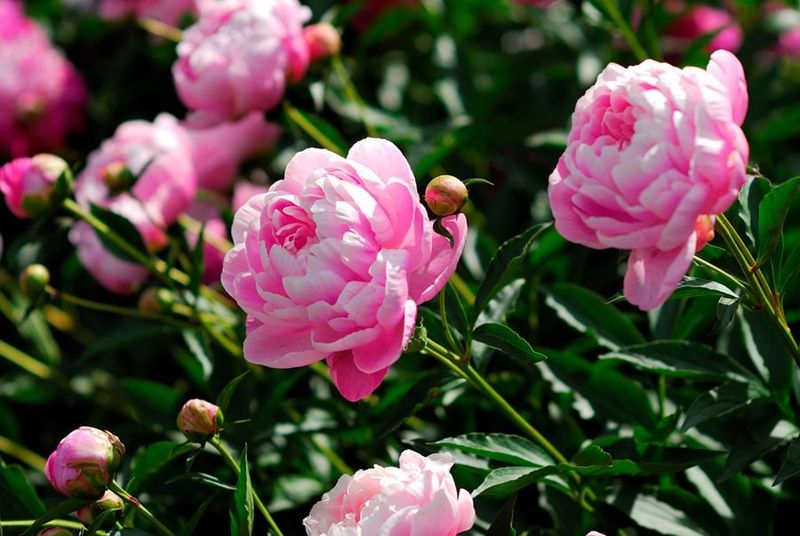
Walk past any older Ohio neighborhood in late May or early June and you are almost certain to spot a peony bush heavy with blooms.
These big, lush flowers have been a fixture in Ohio backyards for generations, passed down from grandmother to granddaughter like a family heirloom that just happens to grow in the ground.
Peonies are among the most long-lived perennials a gardener can plant.
A well-cared-for peony can thrive in the same spot for decades, sometimes outliving the gardener who planted it. According to OSU Extension, peonies prefer full sun and well-drained soil and should be planted in fall for the best establishment.
One important tip is to avoid planting them too deep, as this can prevent blooming altogether.
Peonies come in single, semi-double, and fully double flower forms, with colors ranging from pure white to deep crimson. Many older Ohio gardens still feature the classic pink or red varieties that were popular in the early twentieth century.
Your Ohio Garden Changes Every Week. Your Plan Should Too.
Gardening in Ohio changes quickly throughout the season. Every Friday you’ll receive a simple weekly plan showing exactly what to plant, prune, fertilize, harvest, and protect so you never miss the right timing.
Beyond their beauty, peonies are wonderfully low-maintenance once established. They ask for very little and return every spring with the same generous display that made them a beloved part of Ohio’s gardening heritage.
3. Roses Have Long Been A Backyard Staple
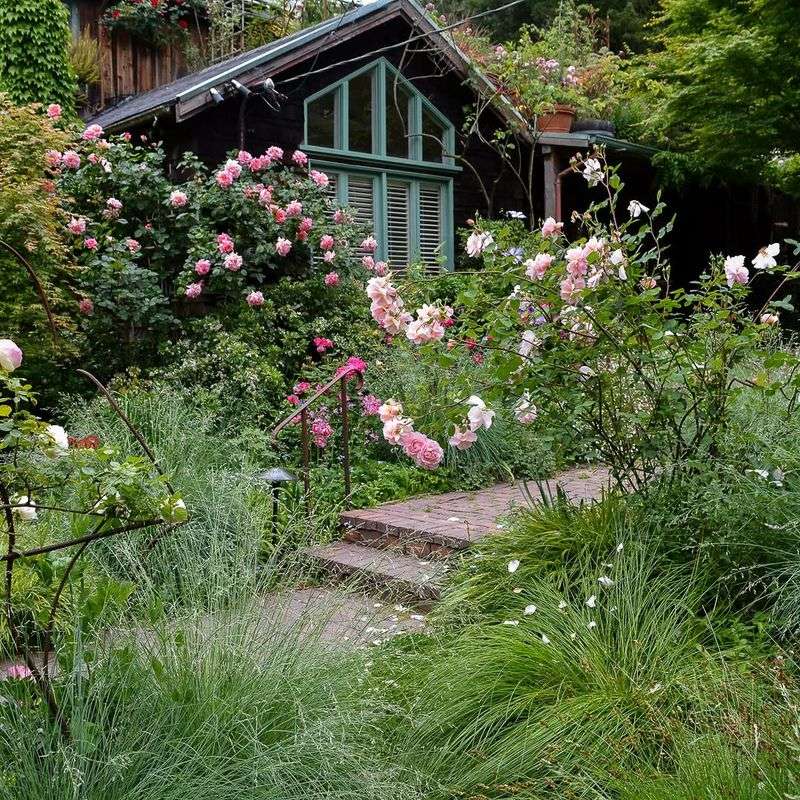
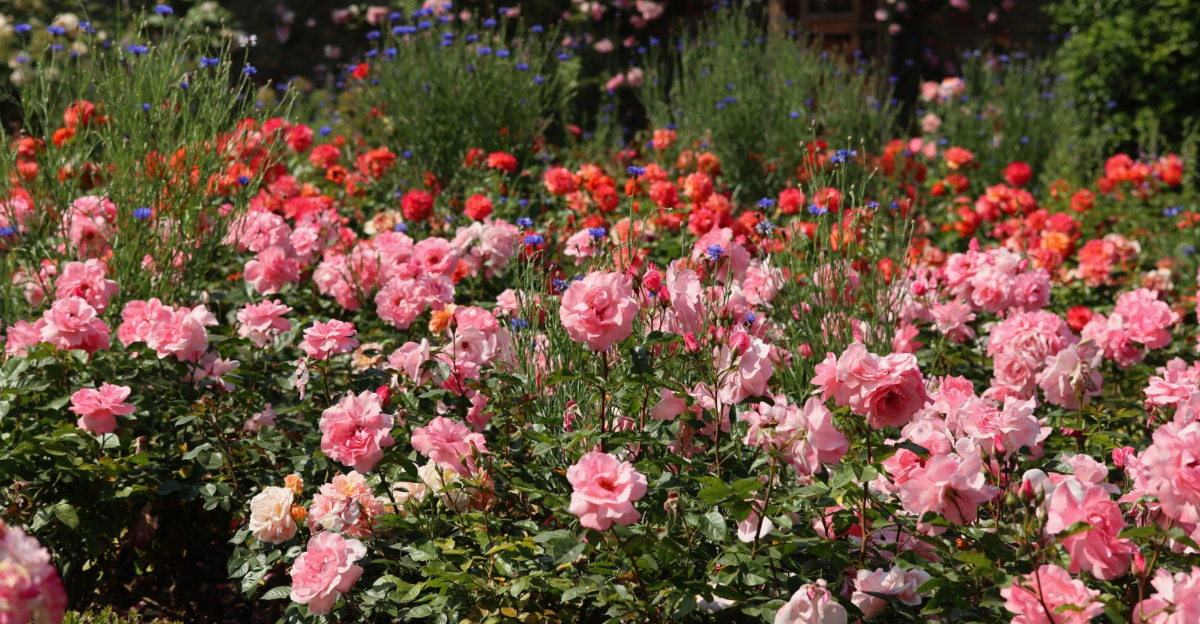
Roses have been growing in American backyards since the earliest colonial settlements, and Ohio is no exception to that long tradition. For generations, Ohio homeowners planted roses along front walks, beside porch steps, and against backyard fences.
They were a symbol of pride and care, a way of saying that someone took the time to tend something beautiful.
Early Ohio gardeners often grew hardy old-fashioned varieties like hybrid perpetuals and rugosa roses, which could handle the state’s cold winters without much fuss.
Over the decades, breeding programs introduced hardier varieties better suited to Ohio’s climate, including the popular Knock Out rose series, which brought low-maintenance blooming to a whole new generation of gardeners.
OSU Extension recommends choosing disease-resistant varieties for Ohio’s humid summers, which can encourage fungal problems in more sensitive types.
Roses bloom from late spring through fall in most Ohio gardens, offering months of color and fragrance. Planting in a sunny spot with good air circulation gives them the best chance to thrive.
Despite their reputation for being finicky, many rose varieties are surprisingly tough and forgiving once they are well established. Their enduring presence in Ohio yards speaks to a love that has never really gone out of style.
4. Hollyhocks Line Fences With Vintage Charm
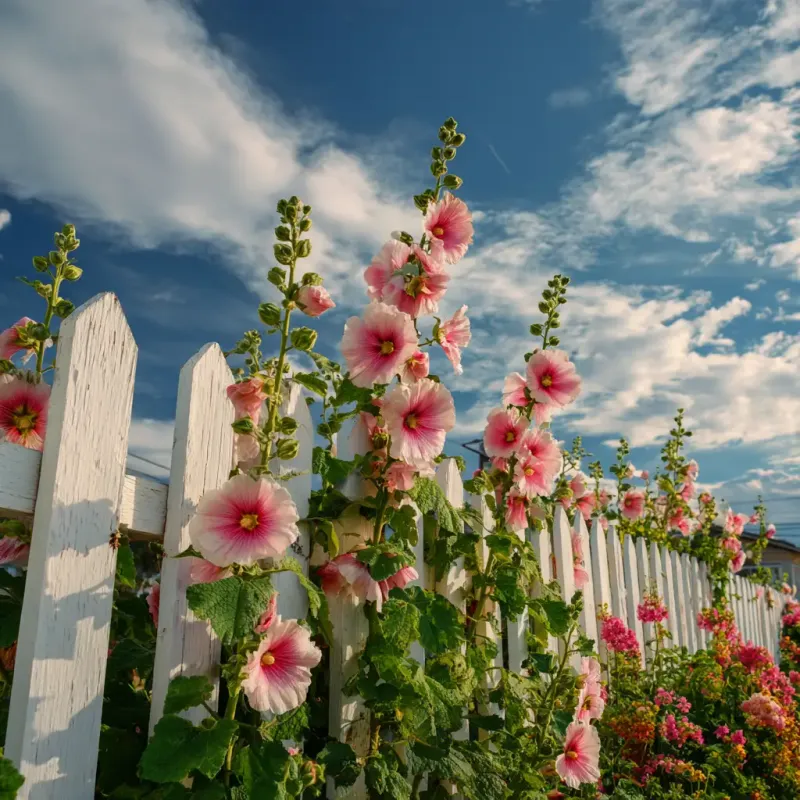
Picture an old Ohio farmhouse in the middle of July, and chances are you can imagine tall hollyhocks standing like sentinels along the back fence, their big blooms stacked up the stalk in shades of pink, red, white, and deep burgundy.
Hollyhocks have that unmistakable old-fashioned quality that no modern plant quite replaces.
They belong to another era, and that is exactly what makes them so beloved.
Hollyhocks, or Alcea rosea, are biennial or short-lived perennials that self-seed freely, meaning a patch of hollyhocks will keep coming back year after year once established. They can grow six to eight feet tall, making them a dramatic presence in any backyard.
Their vertical habit made them a natural choice for fence lines and barn walls across rural Ohio for well over a century.
Growing hollyhocks is fairly straightforward. They prefer full sun and average, well-drained soil.
Starting seeds indoors in late winter or sowing directly in the garden in early summer gives them time to establish before their first bloom season. Rust, a fungal disease, can be an issue in humid Ohio summers, but choosing resistant varieties helps manage the problem.
For gardeners who want a true cottage garden feel, hollyhocks are simply irreplaceable.
5. Irises Add Color To Early Summer Gardens
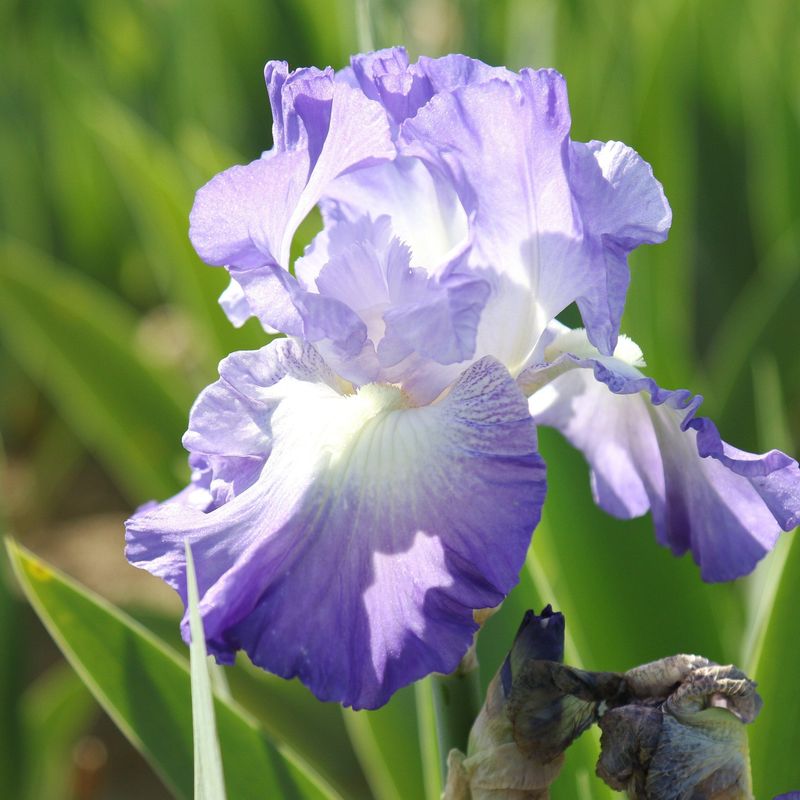
Before most summer flowers have even opened their first buds, irises are already putting on a show. These striking flowers bloom in late spring to early summer in Ohio, filling gardens with bold splashes of purple, blue, yellow, white, and bronze.
For many Ohio gardeners, irises are the first real sign that the growing season has truly arrived.
Bearded irises are by far the most commonly grown type in Ohio backyards. They are named for the fuzzy stripe running along the center of each lower petal.
These plants are incredibly tough and long-lived, often multiplying slowly over the years into impressive clumps. Dividing them every three to four years keeps them blooming well and gives gardeners plenty of extra plants to share with neighbors and friends.
Irises prefer full sun and very well-drained soil. They actually struggle in wet conditions, so raised beds or sloped ground works especially well for them.
According to OSU Extension, planting the rhizomes just at soil level, rather than burying them deep, is key to strong flowering. Many Ohio families have passed iris divisions from one generation to the next for decades.
Those shared roots carry a sense of connection that goes far beyond the garden fence.
6. Daylilies Thrive In Nearly Every Old Yard
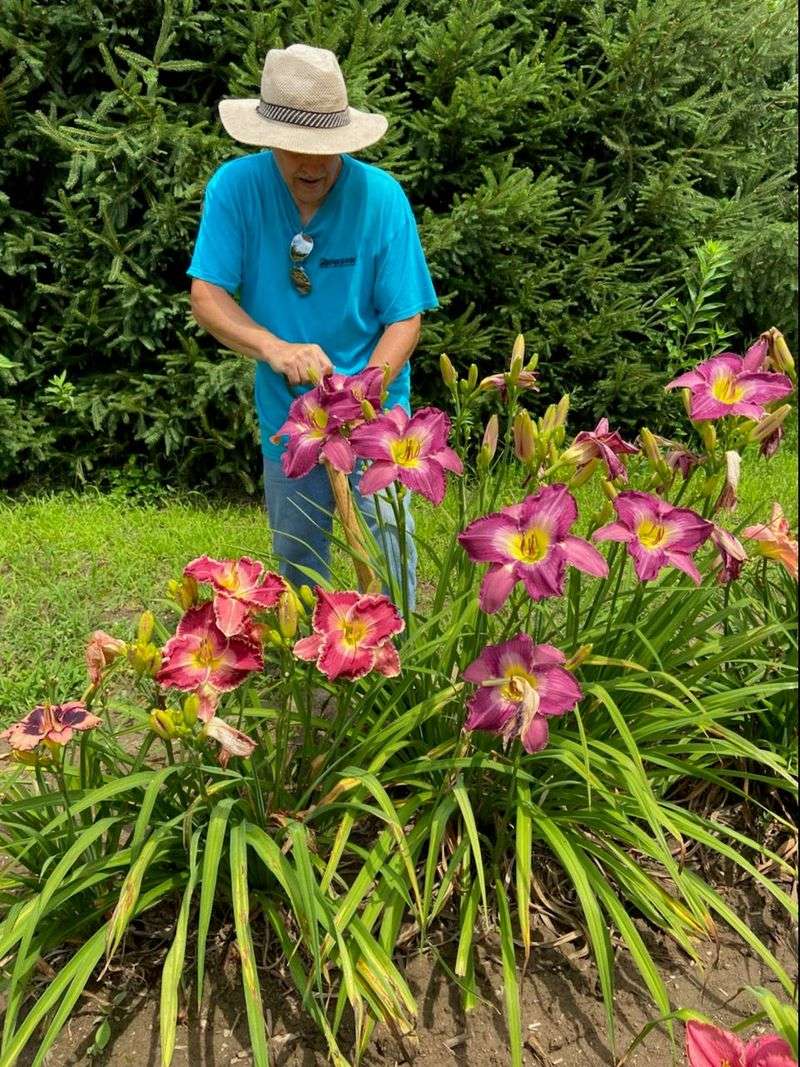
If you have ever driven past an old Ohio homestead and noticed a bright sweep of orange blooms growing along a ditch bank or tumbling over a stone wall, you were almost certainly looking at daylilies.
These tough, cheerful perennials have a way of showing up everywhere, and for good reason.
They ask very little and give back a tremendous amount of color every summer.
The common orange daylily, Hemerocallis fulva, has been naturalized across Ohio for so long that many people assume it is a native wildflower. It was actually brought over from Asia centuries ago and spread rapidly across the American landscape.
Modern daylily breeding has expanded the palette dramatically, with thousands of named varieties now available in colors from pale cream to deep burgundy.
Daylilies are among the most adaptable plants in the Ohio garden. They tolerate heat, drought, poor soil, and partial shade, though they bloom most freely in full sun.
Each individual flower lasts only one day, which is how they got their name, but a healthy clump produces dozens of blooms over several weeks. Dividing overgrown clumps every few years keeps them vigorous.
For beginning gardeners or anyone who wants reliable color with minimal effort, daylilies are a near-perfect choice.
7. Hostas Define Shady Backyard Spaces
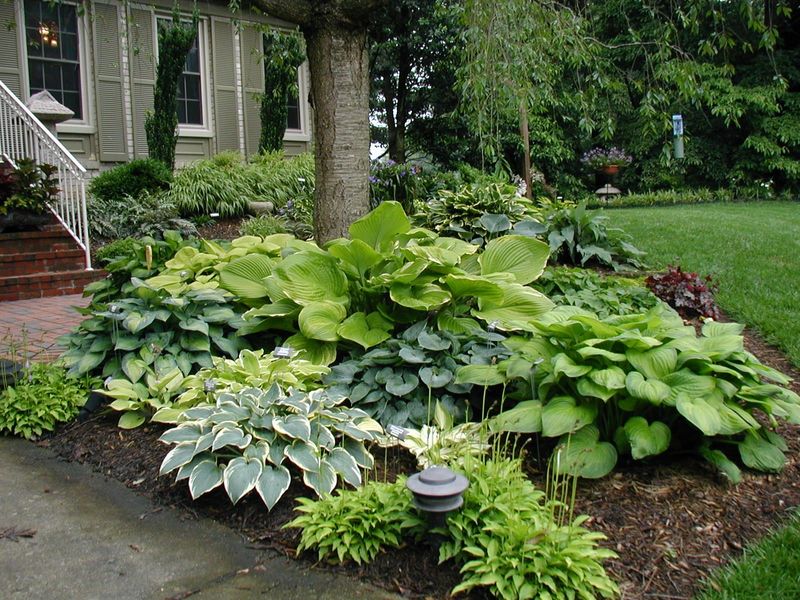
Every Ohio backyard seems to have at least one shady corner that refuses to grow much of anything. That is exactly where hostas step in and take over with quiet confidence.
These leafy perennials have been filling shaded spots in Ohio gardens for well over a century, bringing texture, depth, and a sense of order to places where sunlight barely reaches.
Hostas are grown almost entirely for their foliage rather than their flowers, though many varieties do produce attractive lavender or white blooms in midsummer.
Leaf shapes range from narrow and lance-like to enormous and round, and colors span every shade of green, blue-green, chartreuse, and variegated white.
Some hosta leaves can grow as large as a dinner plate, creating a bold tropical effect even in a traditional Ohio yard.
According to OSU Extension, hostas perform best in partial to full shade with consistently moist, well-drained soil. They are remarkably low-maintenance once established, emerging reliably each spring and slowly expanding into impressive clumps over time.
Slugs can be a problem in wet years, but otherwise hostas are tough, dependable, and long-lived. It is common to see the same hosta clumps growing in an Ohio yard for twenty or thirty years, a quiet testament to their staying power.
8. Phlox Brightens Gardens With Classic Color
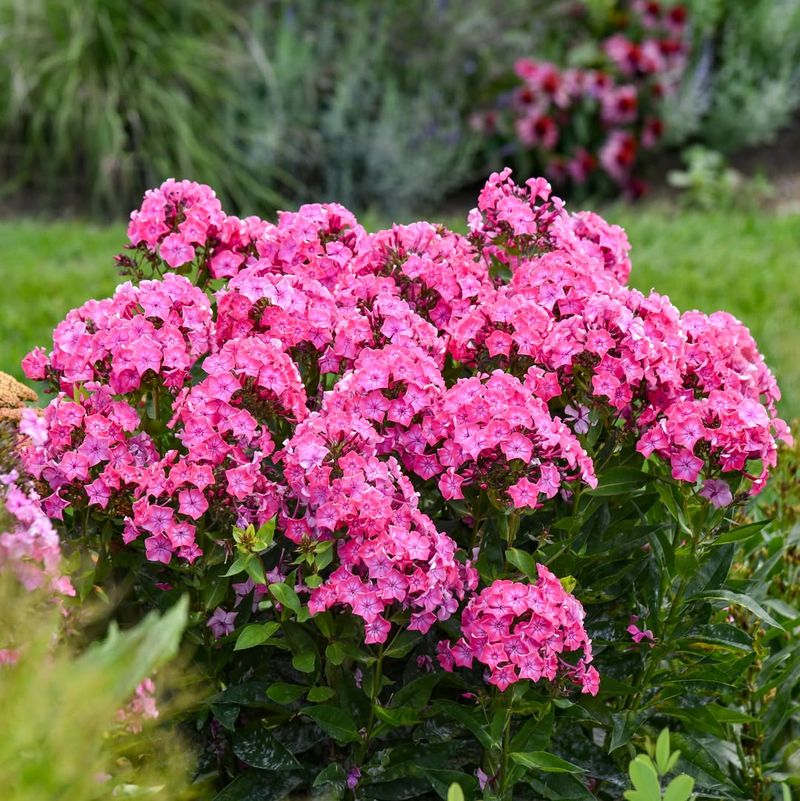
Garden phlox is the kind of plant that makes a midsummer backyard feel truly alive.
When it blooms in July and August, it covers itself in large clusters of fragrant flowers in shades of pink, lavender, white, and magenta, drawing in butterflies and filling the air with a light, sweet scent.
Ohio gardeners have been growing it for well over a hundred years, and its popularity has never really faded.
Phlox paniculata, the tall garden phlox most associated with traditional Ohio yards, can reach three to four feet in height. It works beautifully at the back of a flower border or massed along a fence.
Many older Ohio gardens still feature the classic magenta-pink varieties that were common in the early twentieth century. Newer cultivars with improved powdery mildew resistance have made growing phlox even easier in Ohio’s humid summers.
For best results, plant garden phlox in full sun with good air circulation, which helps reduce the risk of mildew. Watering at the base rather than overhead also keeps foliage healthier through the season.
Dividing clumps every few years encourages stronger blooming and prevents the center of the plant from becoming woody. Sharing divisions with neighbors is a tradition as old as the plant itself in many Ohio communities.
9. Bleeding Hearts Signal The Start Of Spring
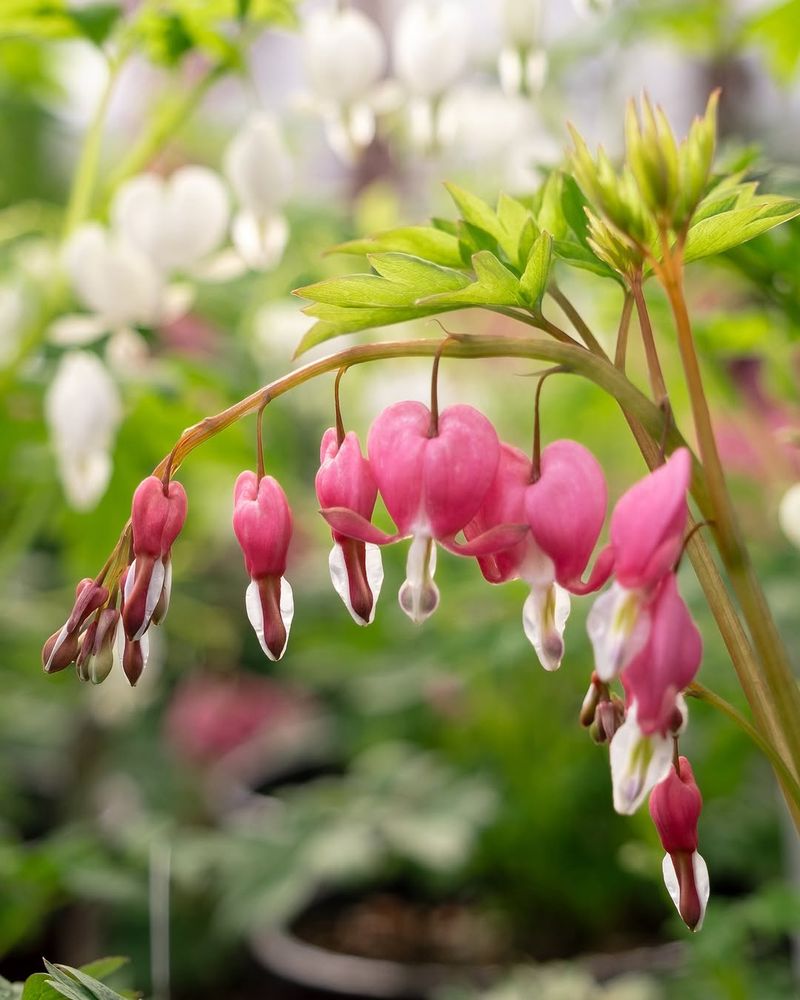
Spring in an Ohio garden would not feel complete without the arching stems of bleeding hearts hanging their delicate, heart-shaped blooms over the fresh green growth below.
There is something almost magical about the way these flowers appear, seemingly overnight, in early April or May before most other perennials have even woken up from winter.
They are a beloved signal that warmer days are truly on the way.
Dicentra spectabilis, the classic bleeding heart, has been growing in Ohio gardens for generations. Its graceful, pendulous flowers in pink and white dangle like tiny lockets from arching stems that can reach two feet tall or more.
The foliage is equally attractive, with a soft, fern-like texture that fills out shaded garden beds beautifully. Most bleeding hearts go dormant by midsummer, so pairing them with hostas or ferns helps fill the gap they leave behind.
Bleeding hearts prefer partial to full shade and consistently moist, humus-rich soil. They are not fans of hot, dry conditions, which is why they do best in the dappled shade of a mature tree or on the north side of a building.
Once established, they are reliable and long-lived, returning each spring with the same charming display that has made them a staple of Ohio shade gardens for decades.
10. Hydrangeas Anchor Yards With Timeless Beauty
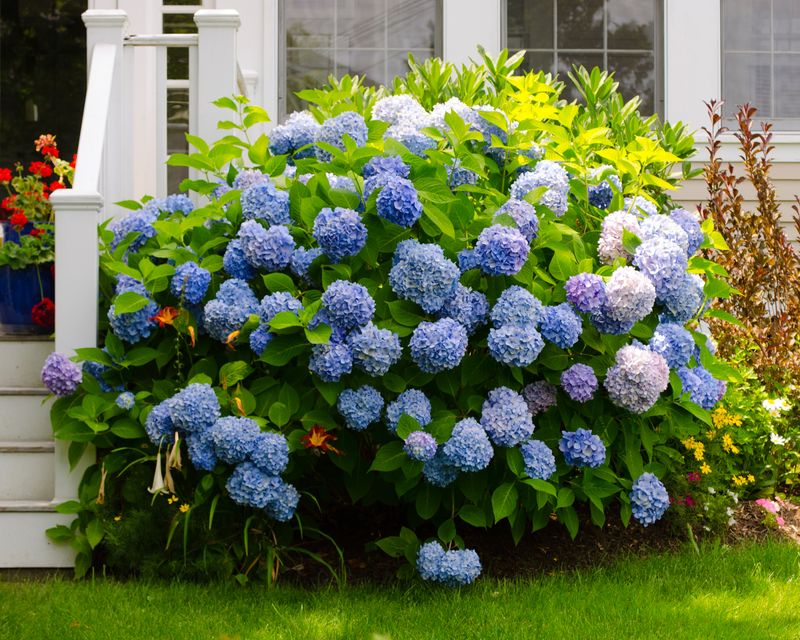
There are plants that quietly fill a corner of the yard, and then there are plants that anchor a space entirely. Hydrangeas belong firmly in the second category.
With their massive flower heads and generous summer bloom, they have been one of the most recognizable shrubs in Ohio backyards for well over a century. A mature hydrangea in full flower is genuinely hard to look away from.
Ohio gardeners have traditionally grown several types, including the classic bigleaf hydrangea, Hydrangea macrophylla, which produces those iconic mophead blooms in blue or pink depending on soil pH.
The native smooth hydrangea, Hydrangea arborescens, including the popular cultivar Annabelle, has also been a longtime favorite for its cold hardiness and large white blooms.
Panicle hydrangeas are another excellent choice for Ohio’s climate, blooming reliably even after hard winters.
Most hydrangeas prefer morning sun with afternoon shade in Ohio, which protects their blooms from scorching during hot summer days. Consistent moisture is important, especially during establishment.
Once mature, many hydrangea shrubs become true landscape fixtures, growing larger and more impressive with each passing year.
It is not uncommon to see a decades-old hydrangea still thriving in an Ohio yard, its woody stems as thick as a small tree trunk and just as dependable.