10 Places In Oregon Where Cucumbers Struggle To Grow (Plus Alternatives That Work)

Cucumbers are picky in ways that do not always show up until you have already invested a full season into them.
Oregon is a beautiful state to garden in, but it is not uniformly cucumber friendly, and certain parts of it are genuinely stacked against this particular vegetable.
Coastal fog alone can shut down a cucumber plant that would thrive just an hour inland. Short warm seasons and heavy clay soil add to the problem in ways that no amount of careful tending can fix.
If you have been fighting your location more than your garden, that is not a skill problem. It is a geography problem.
Most gardening advice treats Oregon like one big growing zone when the reality is far more complicated. What thrives in the Willamette Valley can completely fail two hours away.
Knowing your specific location saves a lot of wasted effort, and the alternatives that actually perform in those spots are often more productive and easier to grow anyway.
1. Heavy Clay Beds That Stay Cold Too Long
Clay soil is one of the most common complaints among gardeners in western Oregon, and for good reason. It holds water like a sponge, stays cold well into spring, and compacts easily under foot traffic.
Cucumbers need warm, loose, well-draining soil to germinate and grow strong roots. When the ground stays cold and wet, seeds rot before they even sprout.
Even on warm summer days, clay beds can keep root zones cool enough to slow cucumber growth to a crawl. Plants may survive but rarely thrive.
You might notice yellowing leaves, stunted vines, and very little fruit production. The soil simply does not give cucumbers what they need to perform well.
Better alternatives for heavy clay beds include zucchini, kale, and chard. These crops are much more forgiving of dense, moisture-retaining soil.
Zucchini, in particular, pushes through tough conditions and still produces abundantly. Kale actually loves the cooler temperatures that clay soil tends to hold.
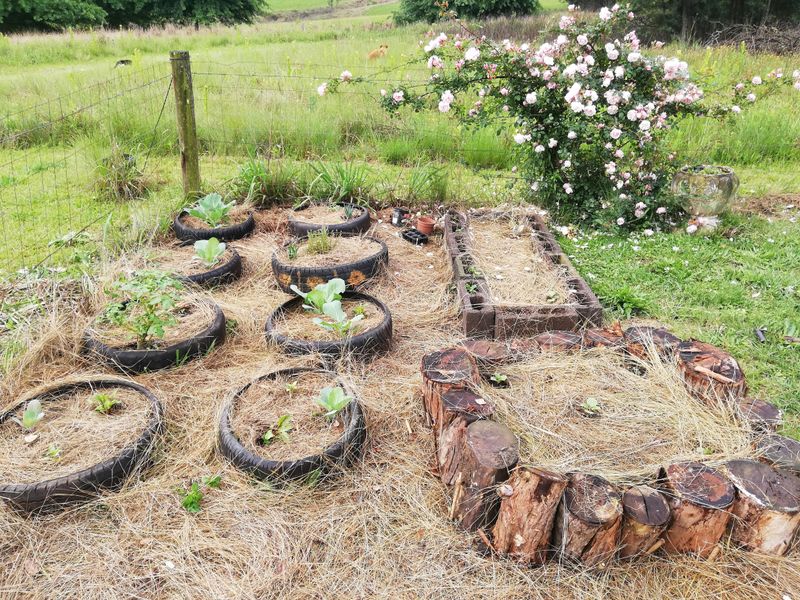
If you want to improve your clay bed over time, mix in compost every season. Raised beds filled with amended soil are another smart solution.
Building up the ground level just six to eight inches can make a huge difference in drainage and warmth. Over a few years, consistent composting can transform even the heaviest clay into something workable.
For now, match your crops to your soil rather than fighting it every season.
2. Shady Yards Where Cucumbers Never Get Enough Sun
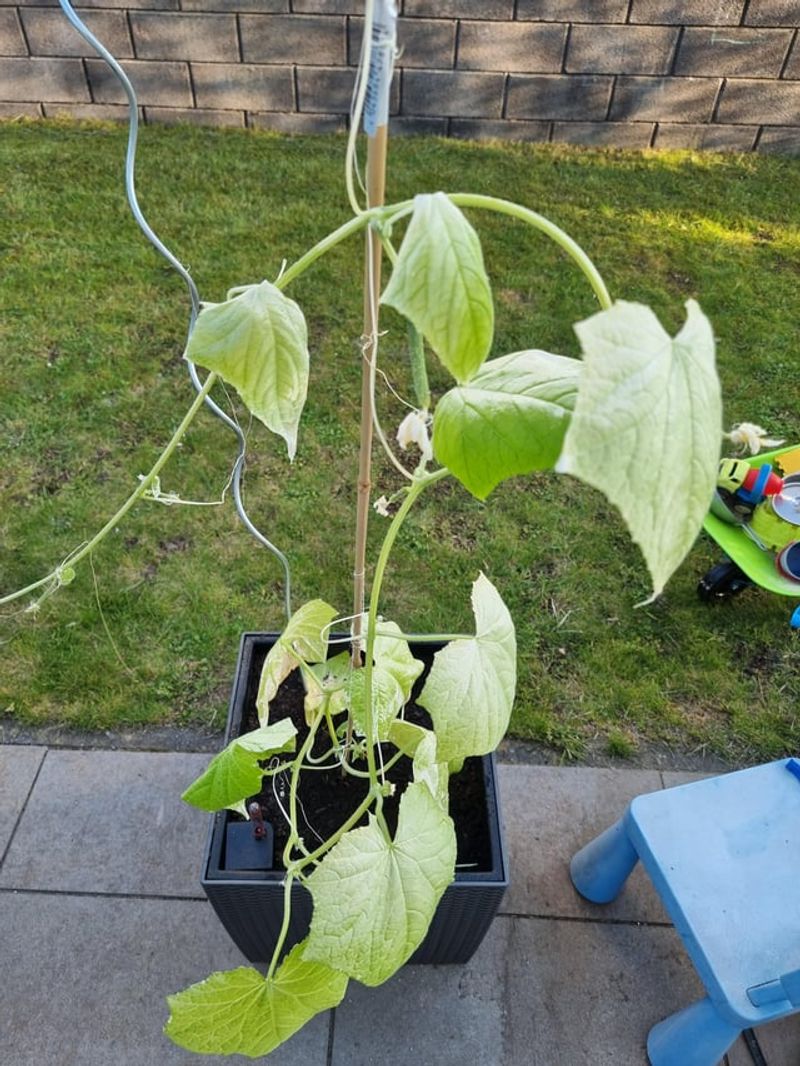
Cucumbers are sun lovers through and through. They need at least six to eight hours of direct sunlight every single day to grow well, flower properly, and set fruit.
Many Oregon yards, especially in older neighborhoods with mature trees, simply do not offer that kind of light exposure. Without enough sun, cucumber vines grow long and leggy but produce almost nothing worth harvesting.
Shady conditions also keep soil cooler and slower to dry out. That combination creates the perfect setup for fungal problems like powdery mildew, which cucumbers are already prone to.
Your Oregon Garden Changes Every Week. Your Plan Should Too.
Gardening in Oregon changes quickly throughout the season. Every Friday you’ll receive a simple weekly plan showing exactly what to plant, prune, fertilize, harvest, and protect so you never miss the right timing.
You end up with weak plants that are both unproductive and unhealthy. It becomes a frustrating cycle that no amount of fertilizer can fix.
If your yard gets less than six hours of direct sun, swap cucumbers for crops that actually enjoy shade. Lettuce, spinach, arugula, and mint all perform beautifully in lower-light gardens.
Cilantro and parsley also do well without full sun and are incredibly useful in the kitchen. Hostas and ferns work wonderfully for ornamental shady spots.
For edible production, leafy greens are your best friends in a shaded yard. They stay cooler longer, which actually extends your harvest season well into summer.
If you have one sunny corner of your yard, save it for your tomatoes or peppers and let the shady areas work for you with the right plants. Work with your light, not against it.
3. Windy Hilltops That Dry Out Tender Vines
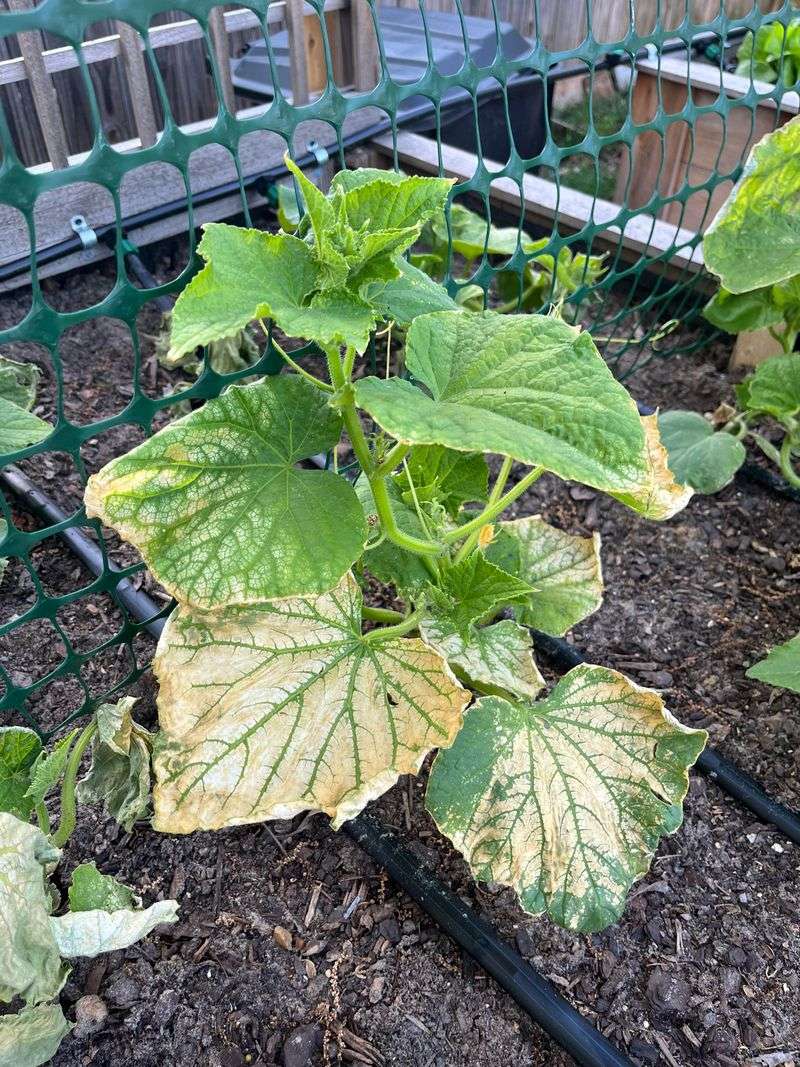
Wind is sneaky. It does not get as much attention as frost or drought, but it can quietly wreck a cucumber crop all season long.
Cucumber vines are soft-stemmed and tender, making them especially vulnerable to constant wind exposure. Strong gusts snap stems, shred leaves, and pull vines right off their supports.
Even moderate wind dries out soil and plant tissue faster than roots can replace moisture.
Hilltop gardens across our state deal with this problem regularly. The Willamette Valley has its gap winds, and the coast has its own relentless ocean breezes.
Even inland elevated spots catch more wind than low-lying garden beds. Cucumbers planted on exposed hilltops often look windburned, curl up their leaves defensively, and slow way down on fruit production.
Wind-tolerant alternatives include squash, potatoes, and root vegetables like beets and turnips. Low-growing crops naturally stay below the worst of the wind.
Squash plants are sturdier and can handle more exposure than cucumbers. Potatoes grow underground and barely notice the breeze above them.
If you love your hilltop location, consider building a simple windbreak using burlap, wooden fencing, or even a row of dense shrubs on the windward side. A windbreak just a few feet tall can reduce wind speed dramatically in the garden area behind it.
Planting in raised beds with solid sides also helps buffer plants from direct gusts. A little planning goes a long way on a breezy hilltop.
4. Alkaline Soil Pockets That Slow Growth Down
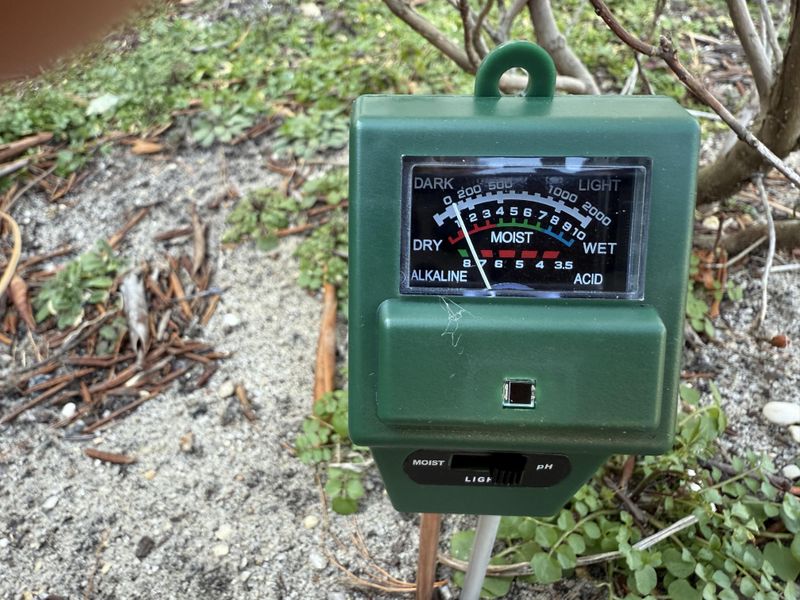
Most gardeners know that soil pH matters, but not everyone checks it before planting. Cucumbers prefer slightly acidic to neutral soil, somewhere between 6.0 and 7.0 on the pH scale.
When soil tips into alkaline territory above 7.5, nutrients like iron, manganese, and zinc become locked up and unavailable to plant roots. The result is a plant that looks starved even when you are feeding it regularly.
Alkaline soil pockets show up more often than people expect, particularly in areas with limestone-heavy ground or where wood ash has been repeatedly added. Parts of eastern and central Oregon naturally have higher pH soils.
Even in western Oregon, localized spots can run alkaline depending on the property’s history.
Cucumber leaves turn yellow between the veins, growth slows dramatically, and fruit production tanks.
Asparagus, beets, and Swiss chard actually tolerate slightly alkaline conditions much better than cucumbers. If you want to grow cucumbers specifically, start by testing your soil with an inexpensive kit from any garden center.
Adding sulfur or acidic compost like pine bark can gradually lower pH over time. It is not an overnight fix, but consistent amendments over two to three seasons can bring soil back into a better range.
Mulching with acidic materials like pine needles also helps slowly shift pH downward. For the short term, growing in containers with a carefully mixed, pH-balanced potting mix gives cucumbers the controlled environment they need to succeed.
5. High-Elevation Gardens With Short, Cool Seasons
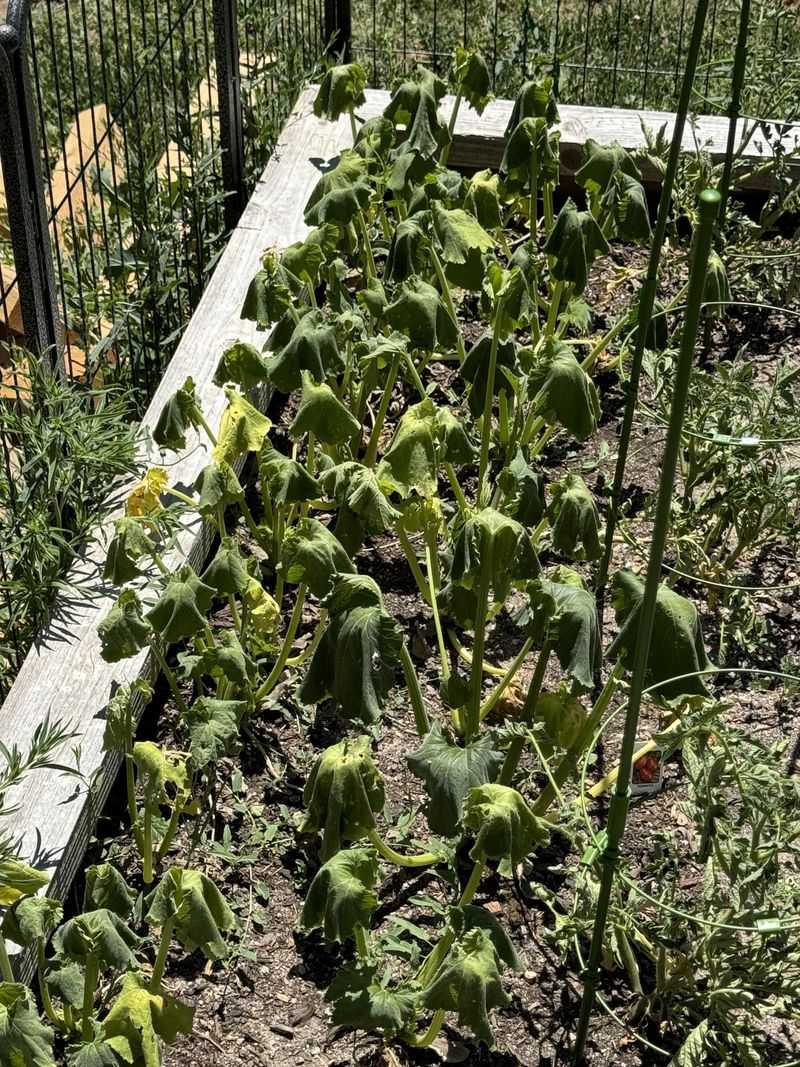
Gardening at elevation in our state is a beautiful experience, but it comes with real trade-offs. The higher you go, the shorter your frost-free window gets.
Some mountain communities in Oregon have growing seasons as short as 60 to 80 days. Cucumbers need 55 to 70 days of warm, frost-free weather just to reach harvest, and that is cutting it very close even in ideal conditions.
Cool nights at elevation slow everything down. Cucumber seeds germinate poorly in cold soil, and even transplants sulk when nighttime temperatures regularly drop below 55 degrees.
The vines grow, but slowly. Flowers appear late.
Fruit sets even later. By the time the first fall frost arrives, many high-elevation cucumber gardens have produced only a handful of fruits, if any at all.
Short-season crops are the smart play for mountain gardeners. Radishes mature in as few as 25 days.
Peas love cool weather and can be direct sown early. Spinach, lettuce, and turnips also handle cool temperatures with ease.
For something more substantial, try fast-maturing varieties of bush beans or even early potato types.
Cold frames and row covers can extend your season by two to four weeks on both ends, which makes a real difference.
Starting cucumbers indoors four weeks before your last frost date and transplanting into a black plastic mulched bed can also help push production in marginal conditions. But overall, leaning into cool-season crops is the path of least resistance at elevation.
6. Hot, Dry Central And Eastern Oregon Gardens
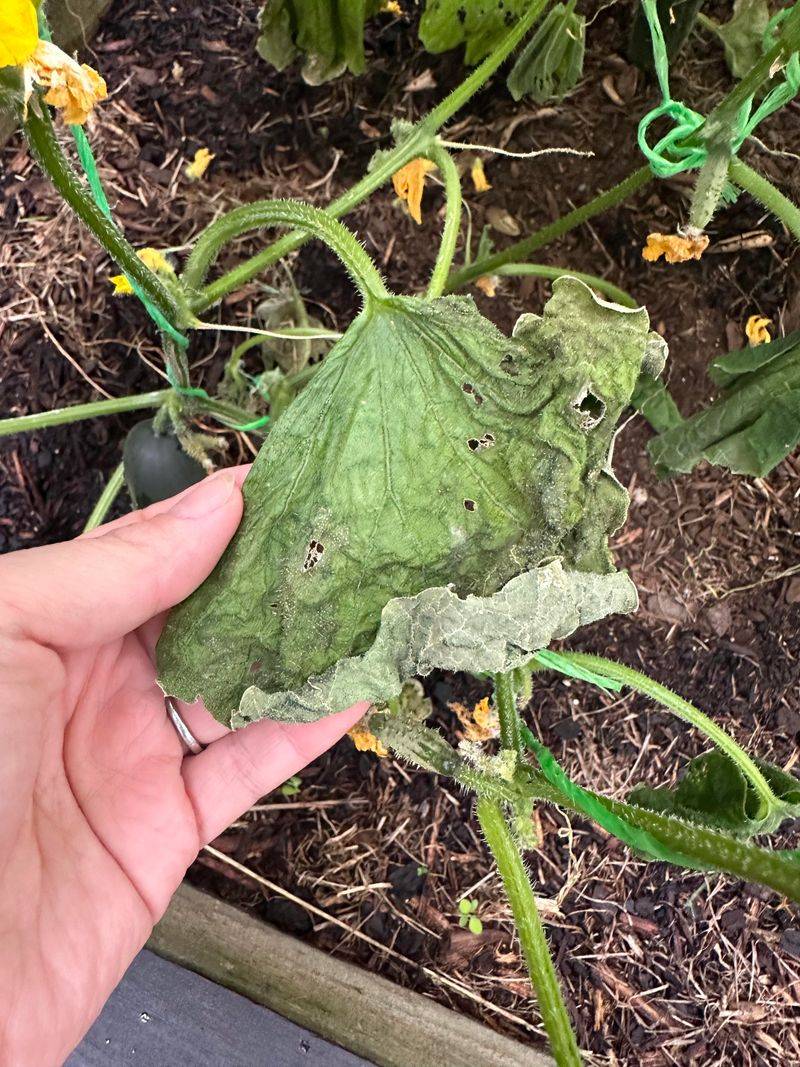
It might seem like cucumbers would love the hot summers in central and eastern parts of our state. They enjoy warmth, after all.
But there is a big difference between warm and scorching. When daytime temperatures push past 95 degrees regularly, cucumber plants drop their flowers before they can be pollinated.
No pollination means no fruit. The heat literally shuts down the reproductive process.
Combine that intense heat with low humidity and dry winds, and you have a recipe for stressed-out cucumber vines. The soil dries out quickly, sometimes within hours of watering.
Leaves curl and look bleached. Fruit that does form may taste bitter.
Without consistent moisture and some afternoon shade, cucumbers in these hot, dry zones struggle from midsummer onward.
Melons are surprisingly well-suited to these conditions and are a natural swap for cucumbers in hot, dry gardens. Watermelon, cantaloupe, and honeydew all evolved in warm, dry climates and actually thrive under the same sun that defeats cucumbers.
Dry beans and corn also perform well with deep, infrequent watering. If you are committed to cucumbers, try planting them where they receive afternoon shade from a building or tall crop like corn.
Shade cloth rated at 30 to 40 percent can also reduce heat stress significantly. Mulching heavily with straw keeps soil moisture in and root zones cooler.
Drip irrigation is far more efficient than overhead watering in these dry, hot conditions and can make a real difference in plant health.
7. Waterlogged Spots Where Roots Can’t Breathe
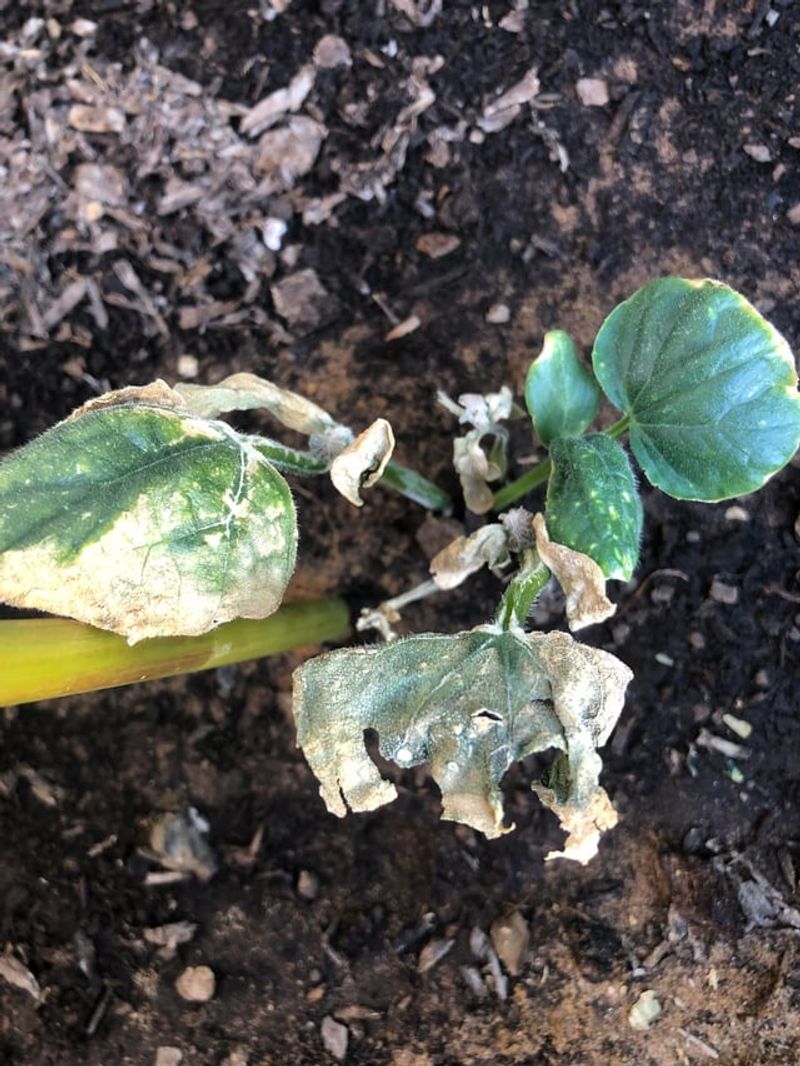
Standing water after a rainstorm might seem harmless, but for cucumber roots, it is a serious problem. Cucumbers need well-drained soil because their roots require oxygen to function.
When soil stays saturated for more than a day or two, roots begin to suffocate. Root rot sets in quickly, often before you even notice anything is wrong above ground.
Waterlogged spots are common across western Oregon, especially in low-lying areas, near downspouts, or in yards where drainage has been disrupted by construction.
Clay soils make the problem worse by holding onto water long after rain stops.
Cucumbers planted in these areas often yellow rapidly, wilt even when the soil is wet, and eventually collapse entirely.
Crops that handle wet feet much better include watercress, taro, and certain types of mint. For edible gardens in consistently wet spots, raised beds are the most practical solution.
Building beds at least twelve inches high with a well-draining mix of compost, perlite, and topsoil lifts roots out of the saturated zone entirely.
Installing French drains or redirecting downspouts can also help manage chronic waterlogging over time.
For immediate results, growing in containers placed on gravel or elevated surfaces keeps roots out of the wet ground altogether.
Rice and celery are two vegetables that actually prefer consistently moist conditions and can turn a waterlogged spot into a productive growing area.
Work with your water, not against it, and your garden will reward you.
8. Compacted Urban Plots With Stressed-Out Soil
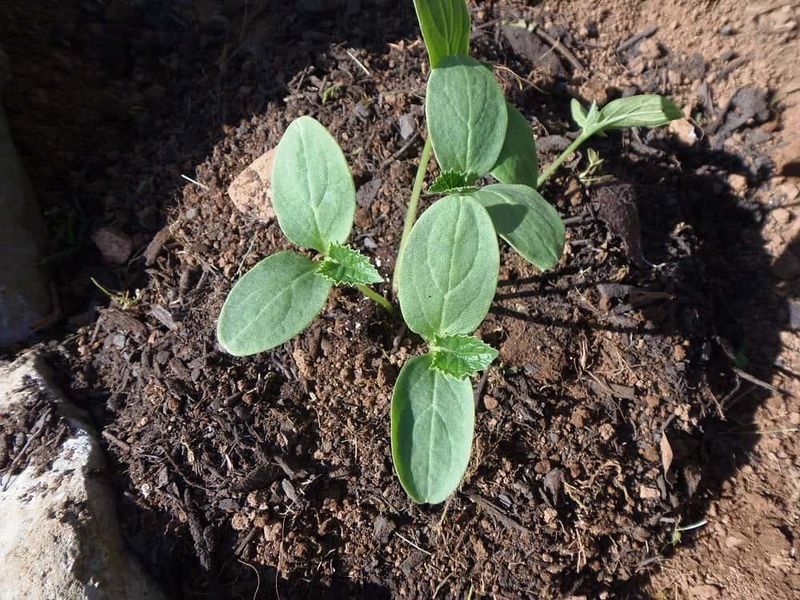
Urban gardens come with a unique set of challenges that rural growers rarely face. Years of foot traffic, construction activity, and neglect leave city garden plots with severely compacted soil.
Compacted ground blocks root penetration, reduces water infiltration, and limits the air pockets that roots need to grow. Cucumbers, with their aggressive root systems, hit that hard wall and simply stop expanding.
Portland, Eugene, and other cities are full of backyard plots where the top few inches of soil look fine but just below the surface sits a nearly impenetrable layer of packed earth.
Even with good watering and fertilizing habits, cucumbers in compacted urban soil stay stunted.
Roots cannot go deep enough to anchor the plant or access the nutrients and moisture deeper in the ground.
Container gardening is the most practical solution for compacted urban plots. Large pots, fabric grow bags, or wooden raised beds filled with quality potting mix give cucumbers the loose, airy environment their roots crave.
Five-gallon containers work for bush varieties, while larger ten to fifteen gallon containers support vining types. Herbs like basil, thyme, and oregano also thrive in containers and pair beautifully with a small urban garden setup.
For in-ground improvement, core aeration followed by heavy compost application can begin to break up compaction over time. Adding earthworms and avoiding foot traffic in planting zones speeds up recovery.
A no-till approach going forward helps preserve the soil structure you work hard to rebuild.
9. Salt-Sprayed Coastal Gardens Near The Wind
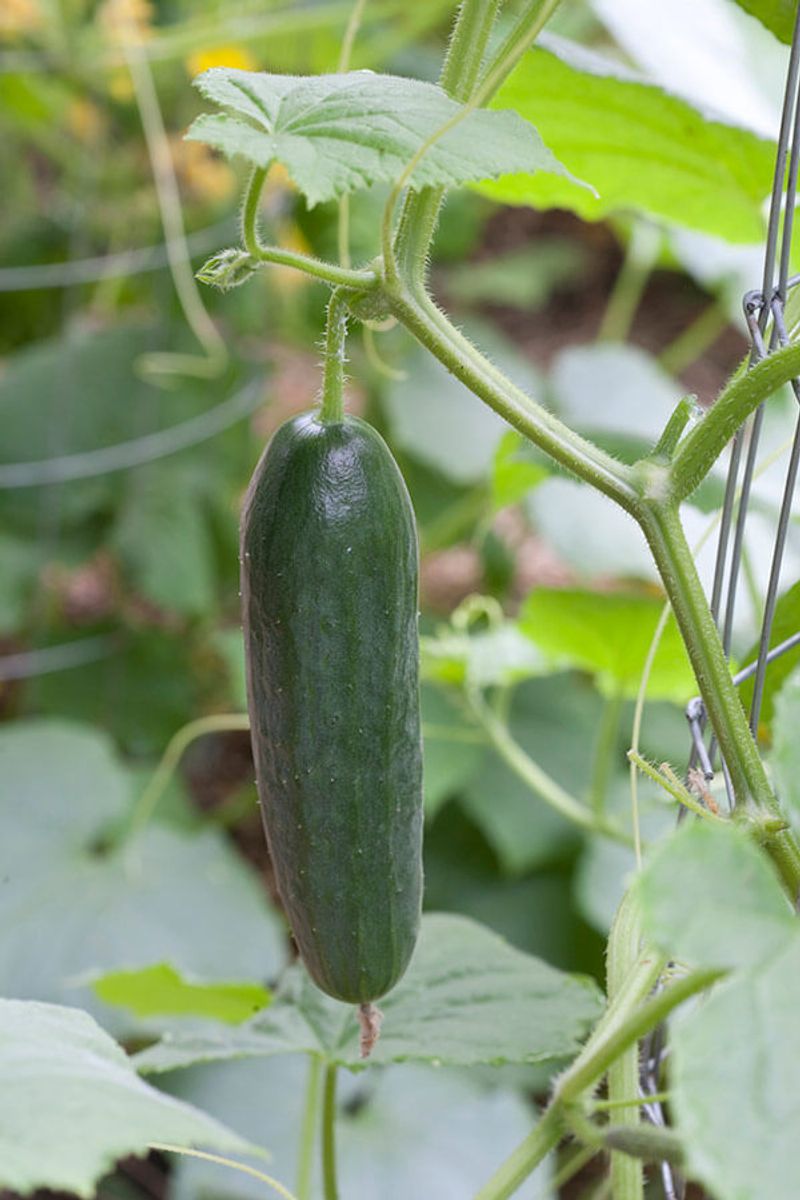
Coastal gardening in our state has a certain magic to it, with ocean views and cool misty mornings. But salt spray carried on ocean winds is genuinely tough on sensitive vegetable crops.
Cucumbers rank among the most salt-sensitive vegetables you can grow. Even low concentrations of salt on leaves or in soil can cause leaf burn, reduced water uptake, and stunted growth.
Along the Oregon coast, salt spray is a near-constant presence during windy seasons. It coats leaves and settles into the soil over time.
Cucumber plants in these gardens often develop brown leaf margins, look perpetually stressed, and produce very little fruit.
The combination of salt exposure, cool coastal temperatures, and frequent fog creates conditions that cucumbers simply were not built to handle.
Coastal gardeners have better luck with salt-tolerant vegetables like beets, asparagus, and certain varieties of kale. Sea kale is a fascinating option that actually evolved along coastlines and handles salt spray with ease.
Swiss chard and spinach also show reasonable salt tolerance and produce well in coastal conditions. Building a solid windbreak using fencing or dense hedging reduces the amount of salt spray reaching your garden significantly.
Rinsing plants with fresh water after heavy wind events helps remove surface salt before it causes damage. Raised beds with fresh, salt-free soil also create a buffer against soil salinity.
Over time, heavy rainfall naturally leaches salt from the ground, but active protection measures make a much faster difference for coastal growers.
10. Frost Pockets That Cut Cucumber Season Short
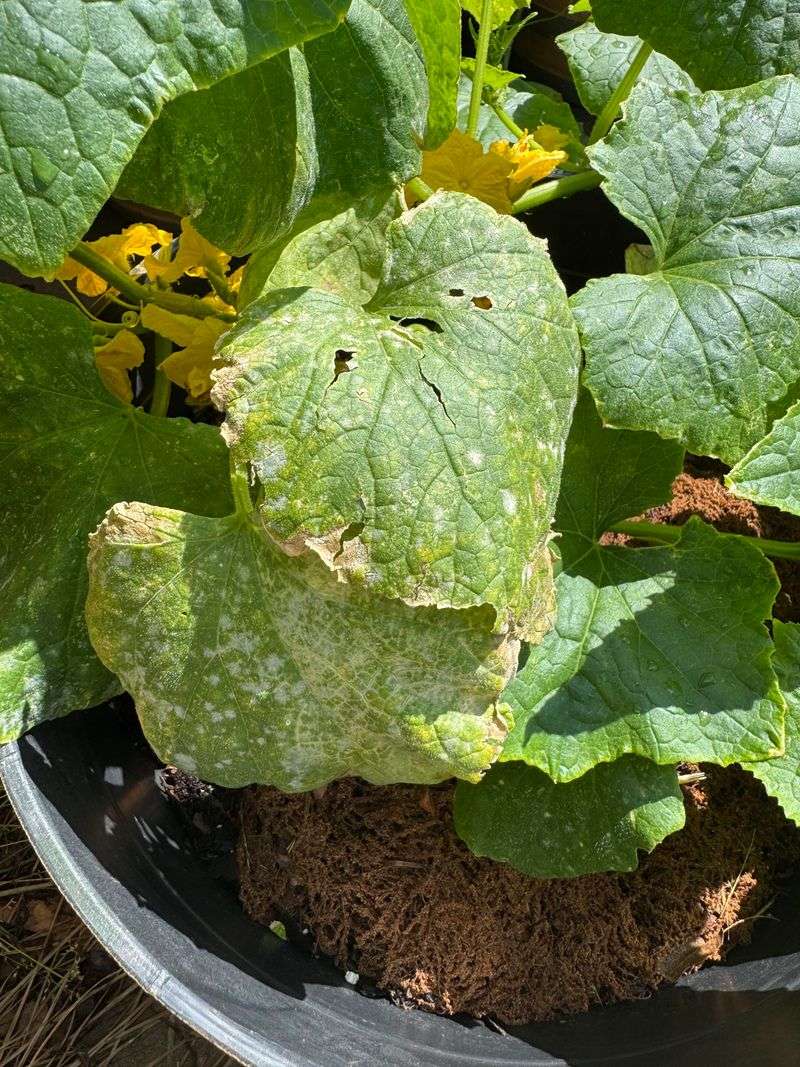
Frost pockets are sneaky little climate traps that catch gardeners off guard every year. Cold air is heavier than warm air, so on still nights it flows downhill and settles into low spots, valleys, and areas surrounded by fences or dense hedges.
These spots can be several degrees colder than nearby higher ground on the same property. That difference is enough to frost your cucumbers while your neighbor’s garden stays untouched.
Across Oregon, frost pockets are found in mountain valleys, along creek bottoms, and in low-lying suburban yards. Cucumber growers in these spots often lose their first planting to a late spring frost and their last harvest to an early fall freeze.
The effective growing season in a frost pocket can be weeks shorter than what the general forecast suggests for your area. It is genuinely frustrating to lose a whole crop to a cold snap that barely registers elsewhere.
Cold-hardy crops are the obvious answer for frost pocket gardens. Garlic, overwintering onions, and hardy greens like kale and collards sail right through light frosts without missing a beat.
Parsnips and carrots actually taste sweeter after frost exposure. If cucumbers are a must, use season extension tools aggressively.
Wall-O-Waters, row covers, and cold frames can protect plants during marginal nights. Choosing early-maturing cucumber varieties and starting them indoors three to four weeks before transplanting also helps maximize the short window available.
Monitoring a thermometer placed at ground level in your frost pocket gives you the real data you need to time plantings accurately.