Michigan Gardeners Are Using Coffee Grounds In These Spots And The Results Are Hard To Ignore
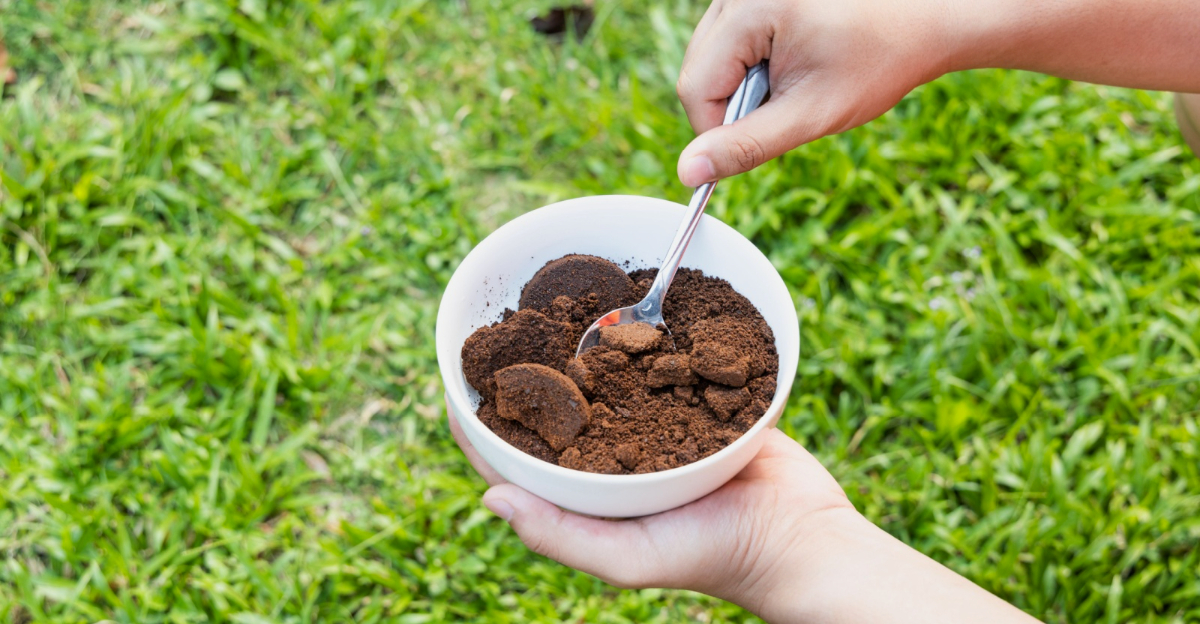
Before you toss those used coffee grounds in the trash, hold on a second.
That soggy little pile sitting in your coffee maker basket is actually more useful than most people realize – and no, this is not about rubbing it on your face (though apparently some people do that too).
Michigan gardeners have been quietly putting coffee grounds to work in compost bins, worm setups, and garden beds for years, and the results hold up pretty well when the grounds are used in the right spots.
The key word there is right spots. Dump too much in the wrong place and things go sideways fast.
Used thoughtfully though, coffee grounds can be a genuinely smart addition to a Michigan garden routine.
1. Coffee Grounds Help Build Better Compost
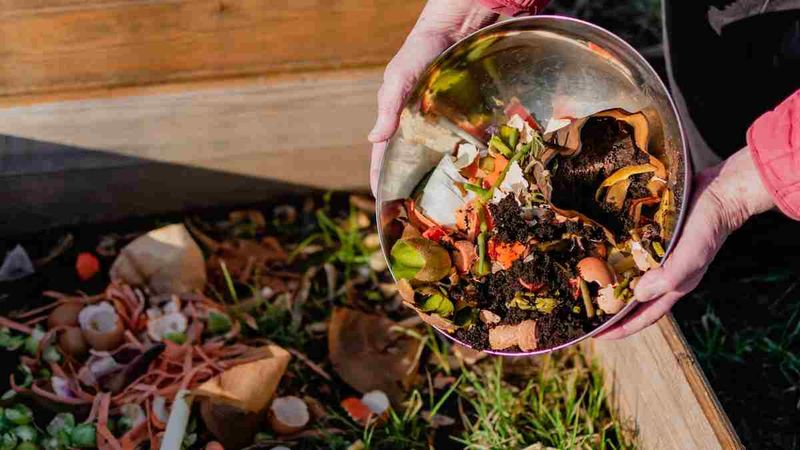
Compost bins across Michigan tend to warm up fastest when the mix inside them is balanced, and coffee grounds can play a real role in making that happen.
Used coffee grounds count as a nitrogen-rich material, which means they belong in the green layer of a compost pile alongside fruit scraps, vegetable peels, and fresh grass clippings.
Adding them helps raise the temperature inside the bin, which encourages faster breakdown of all the other materials around them.
The key thing gardeners learn quickly is that coffee grounds should not make up the bulk of the pile. Experts suggest keeping coffee grounds to roughly ten to twenty percent of the total compost volume.
When the proportion gets too high, the grounds can clump together and form a dense layer that blocks airflow and slows the whole process down rather than speeding it up.
Mixing grounds in with dry materials like shredded leaves, cardboard scraps, or straw helps prevent that clumping problem.
Michigan gardeners who run backyard bins through the fall and winter find that adding coffee grounds in small, regular amounts keeps the pile active without creating issues.
Grounds from drip coffee makers, French presses, and pour-over setups all work equally well. Even paper coffee filters can go in since they break down alongside the grounds without causing problems for the finished compost.
2. Worm Bins Can Benefit From Coffee Grounds Too
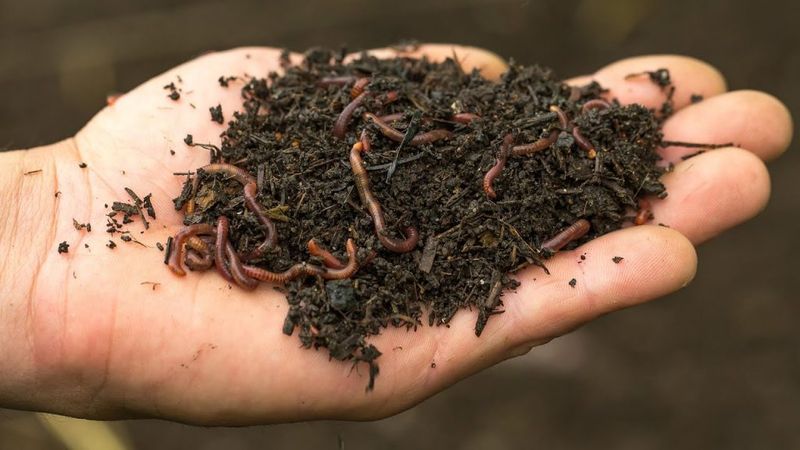
Quietly working away in a basement, garage, or kitchen corner, a worm bin is one of the most efficient composting tools a Michigan gardener can keep at home.
Worms process kitchen scraps into rich castings that garden beds genuinely respond to, and coffee grounds happen to be one of the materials that worms seem to handle reasonably well.
The grounds provide nitrogen and organic matter that supports microbial activity in the bin, which is exactly the kind of environment red wiggler worms prefer.
That said, moderation matters here just as much as it does in an outdoor compost pile. Adding a small scoop of coffee grounds every few days is a reasonable approach.
When too many grounds pile up at once, the acidity level in the bin can shift in ways that stress the worm population, so spreading additions out over time is a smarter habit than dumping a full week’s worth in one go.
Your Michigan Garden Changes Every Week. Your Plan Should Too.
Gardening in Michigan changes quickly throughout the season. Every Friday you’ll receive a simple weekly plan showing exactly what to plant, prune, fertilize, harvest, and protect so you never miss the right timing.
gardeners who keep worm bins indoors through the long winters find that coffee grounds fit naturally into their weekly feeding routine.
Mixing grounds with shredded newspaper, cardboard, or dry leaves before adding them to the bin helps distribute them evenly and prevents any dense pockets from forming.
The castings that result from a well-managed worm bin fed a varied diet, including small amounts of coffee grounds, tend to be crumbly, dark, and genuinely useful when worked into raised beds or container soil come spring planting time.
3. Sheet-Mulch Beds Can Use Coffee Grounds In Layers
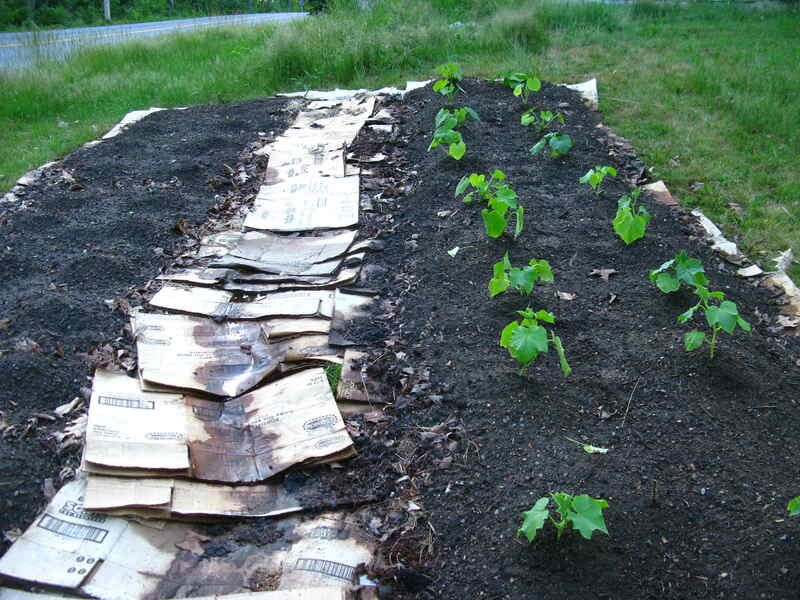
Layered garden beds taking shape in a Michigan backyard are one of the more satisfying sights in early spring or late fall, especially when the builder knows how to use every available material wisely.
Sheet mulching, sometimes called lasagna gardening, involves stacking organic materials directly on top of the ground to build soil from the surface down.
Coffee grounds can fit into this system as one of several nitrogen-rich layers sandwiched between carbon materials like cardboard and wood chips.
The idea behind sheet mulching is that the layers break down slowly over months, feeding soil life and eventually creating a planting bed without the need for heavy digging or tilling.
Coffee grounds add nitrogen to that layered system, supporting the microbial activity that drives decomposition throughout the whole stack.
A thin, even layer of grounds spread over a cardboard base before adding compost on top is a practical way to incorporate them without overdoing it.
Michigan gardeners building new beds over lawn areas or weedy patches find that sheet mulching is a low-effort way to expand growing space without a lot of physical work.
The grounds should be spread thinly rather than piled thickly because a dense coffee layer can dry into a crust that water struggles to penetrate.
Mixing grounds with other fine organic materials before layering them helps avoid that issue.
When done thoughtfully, a sheet-mulch bed built with coffee grounds as one ingredient tends to develop into workable, biology-rich soil by the following growing season.
4. Thin Mulch Mixes Can Make Coffee Grounds More Useful
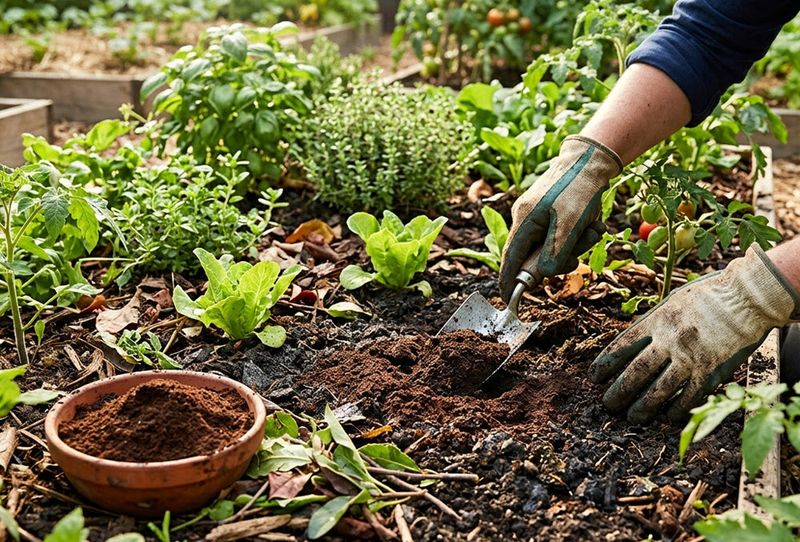
Mulch texture matters more than most gardeners initially expect, and coffee grounds offer an interesting case study in why that is. On their own, used coffee grounds look like a reasonable mulch candidate because they are fine, dark, and smell earthy.
The problem is that when applied thickly and directly to a garden bed surface, they can compact into a layer that sheds water rather than absorbing it, leaving the soil underneath drier than it should be.
Gardeners who have experimented with direct applications often notice this issue after a few dry days. The grounds form a thin crust that looks intact but actually prevents rainfall and irrigation from reaching plant roots effectively.
Mixing grounds into a broader mulch blend solves this problem by breaking up the density and allowing water to move through more freely.
A practical approach is to blend coffee grounds with wood chips, shredded leaves, or finished compost before spreading the mix around garden plants.
Keeping the layer to about an inch or two and making sure grounds make up only a portion of the blend helps maintain good soil moisture and airflow at the surface.
Michigan gardeners with raised beds and container gardens find this kind of mixed mulch application especially useful during the warmer summer months when soil moisture tends to drop quickly.
The grounds contribute organic matter as the mix breaks down, and the blend as a whole does a better job of protecting the soil than either material would manage on its own.
5. Finished Compost Made With Coffee Grounds Helps Garden Beds
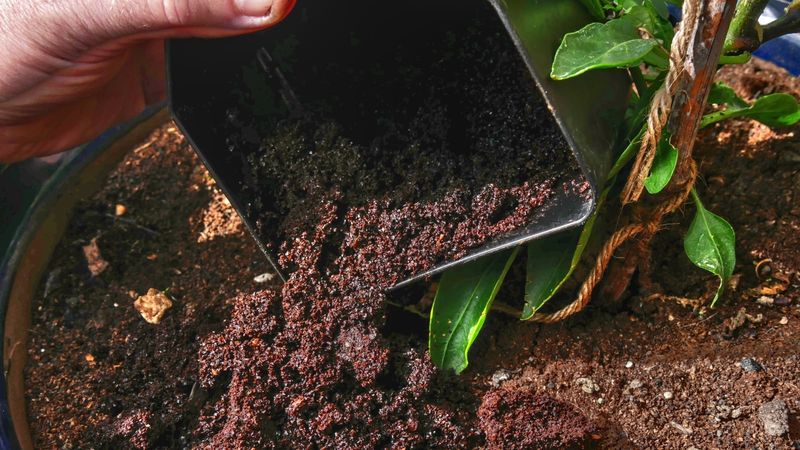
Finished compost that has broken down fully over several months is one of the most reliable soil amendments a Michigan home gardener can work with. Compost that included coffee grounds during the process tends to be just as good as any other well-made batch.
By the time the composting process is complete, the coffee grounds are no longer recognizable as a separate ingredient.
They have broken down into the broader organic matter that gives finished compost its dark color, crumbly texture, and earthy smell.
Working finished compost into raised beds, in-ground vegetable plots, or perennial borders before planting is a straightforward way to improve soil structure and support the microbial life that keeps garden beds productive over time.
Gardeners who add compost regularly to their beds tend to notice gradual improvements in how well their soil holds moisture and how easily roots can move through it.
These are slow, cumulative benefits rather than dramatic overnight changes.
One advantage of using finished compost rather than raw coffee grounds is that the composting process smooths out any concerns about acidity or imbalance that raw grounds might introduce.
The finished product is generally closer to neutral in pH and much easier for garden plants to benefit from.
Michigan gardeners who run backyard bins year-round and feed them a steady mix of kitchen scraps, including regular but moderate amounts of coffee grounds, can count on a useful compost harvest each season to work back into their beds before planting begins.
6. Coffee Grounds Work Best In Moderation, Not In Heavy Layers
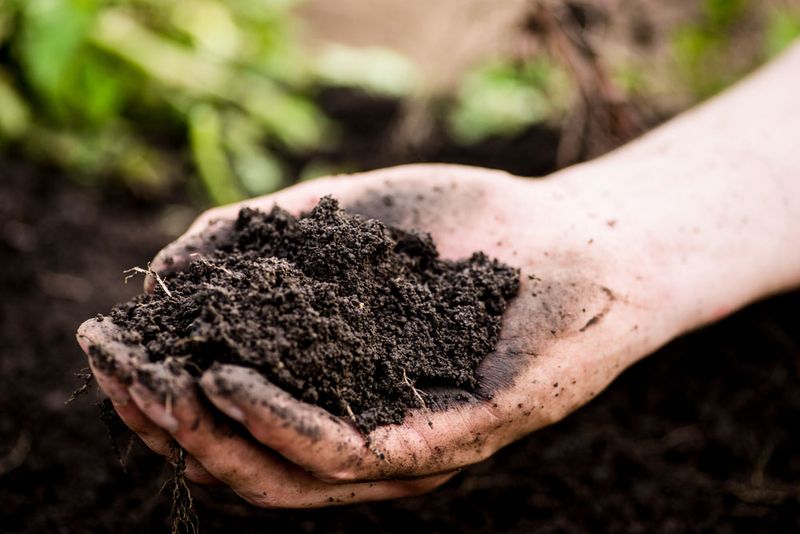
Coffee grounds tend to work best in moderation because their texture changes quickly when too much is applied in one place.
A light amount can fit well into a compost pile, worm bin, sheet-mulch layer, or mixed mulch blend, but thick layers of grounds used by themselves can pack together and form a dense surface.
When that happens, water and air may move through the layer less easily, which can make the material less helpful than gardeners expect.
Research-based extension guidance notes that coffee grounds are most useful as one ingredient in a larger system rather than a heavy standalone application.
That is why many gardeners get better results by mixing grounds with leaves, wood chips, straw, cardboard, or other compost materials instead of spreading them thickly across the soil.
This matters in Michigan gardens, where spring rain, summer dry spells, and different soil textures can all affect how surface materials behave. A thin layer blended into mulch or compost is much less likely to crust over than a solid mat of coffee grounds.
Grounds can also be a useful source of organic matter once they have gone through composting, which is one reason finished compost made with coffee grounds is often a safer and more reliable garden addition than raw grounds used heavily in planting beds.
In practical terms, the smartest approach is simple: save coffee grounds, use them regularly, but keep the amounts modest and combine them with other materials so they support the garden instead of creating an avoidable surface problem.