What Pennsylvania Gardeners Should Know Before Planting Tomatoes In Pots
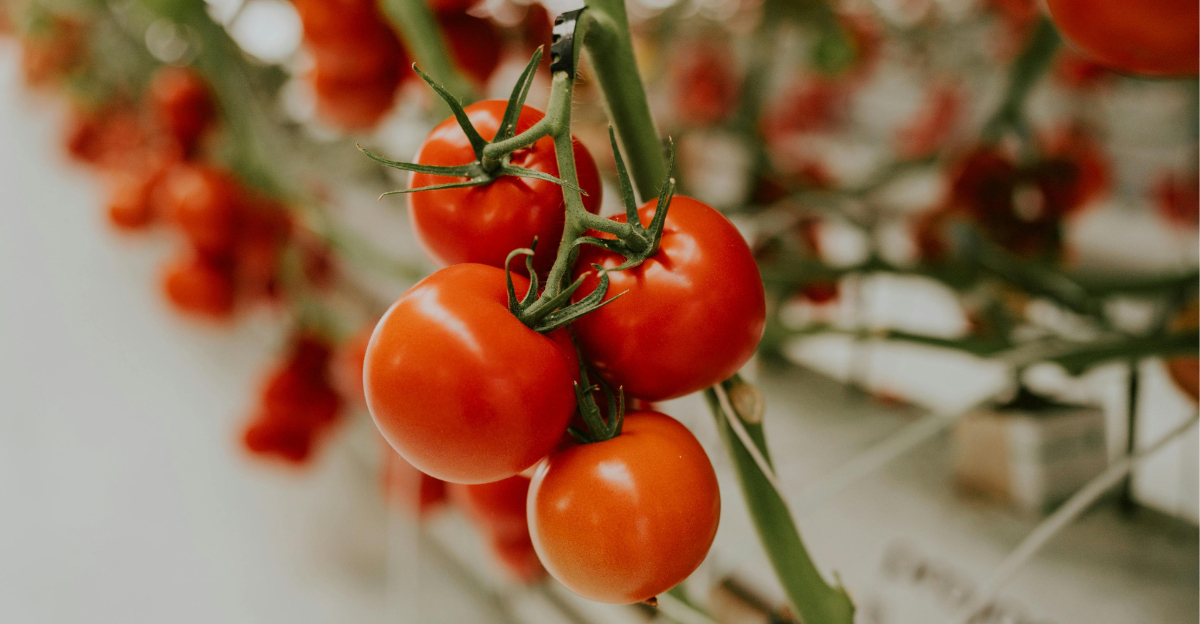
There is a version of tomato growing that happens on a sunny balcony, a narrow deck, a small concrete patio, or even a single square foot of outdoor space. No garden bed. No yard. No problem.
Container tomatoes in Pennsylvania have a quiet reputation among people who know what they are doing.
The harvests can be just as good as anything coming out of the ground, sometimes better, because every single variable is in your hands. But that control cuts both ways.
Get a few key things wrong and the whole season unravels fast. Pennsylvania springs are unpredictable.
Summers get hot. And a pot sitting on a sun-baked deck is a completely different environment than open ground with room to breathe.
Most people jump in with a pot, some soil, and a transplant from the garden center. That combination works sometimes. Other times, it fails in ways that are completely avoidable.
So, what’s the difference between a thriving container harvest and a disappointing one? Well, it usually comes down to these things most gardeners never think to check before they start.
1. Pick A Big Pot Before The Roots Crowd Up
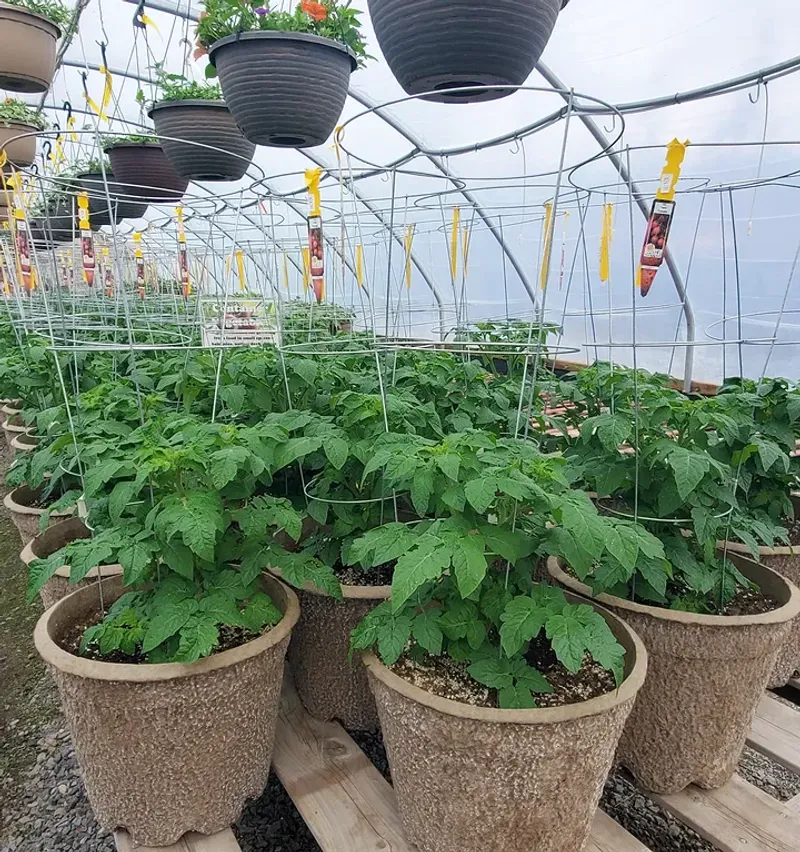
Everything starts here. Before the soil, before the seedling, before the first watering. The pot. Get this decision wrong, and the rest of the season fights you. Get it right, and the whole setup works the way it should.
Root space is not a luxury for a container tomato. It is the foundation on which everything else is built on.
Penn State Extension recommends a minimum of five gallons for compact varieties. For standard full-sized tomatoes, aim for ten to fifteen gallons or more.
That sounds like a lot standing in the garden center aisle. By midsummer, it will not feel like nearly enough.
Here is what happens in a small pot. Roots run out of room fast, the plant stresses, and fruit development becomes uneven.
On a sun-baked Pennsylvania patio in July, a small container can go from moist to bone dry in a single afternoon. That kind of swing does real damage.
A bigger pot holds more moisture. It stays more stable in the wind. It gives the roots the depth they need to anchor a plant that is going to get heavy with fruit.
Think of pot size as the first investment in a good harvest. Not the most glamorous decision, but absolutely the most important one you will make all season.
Go bigger than feels necessary. Your tomatoes will use every inch of that space, and you will spend a lot less time anxious about whether they got enough water. In container gardening, it really is the thought that counts.
2. Choose A Dwarf Tomato When Space Runs Tight
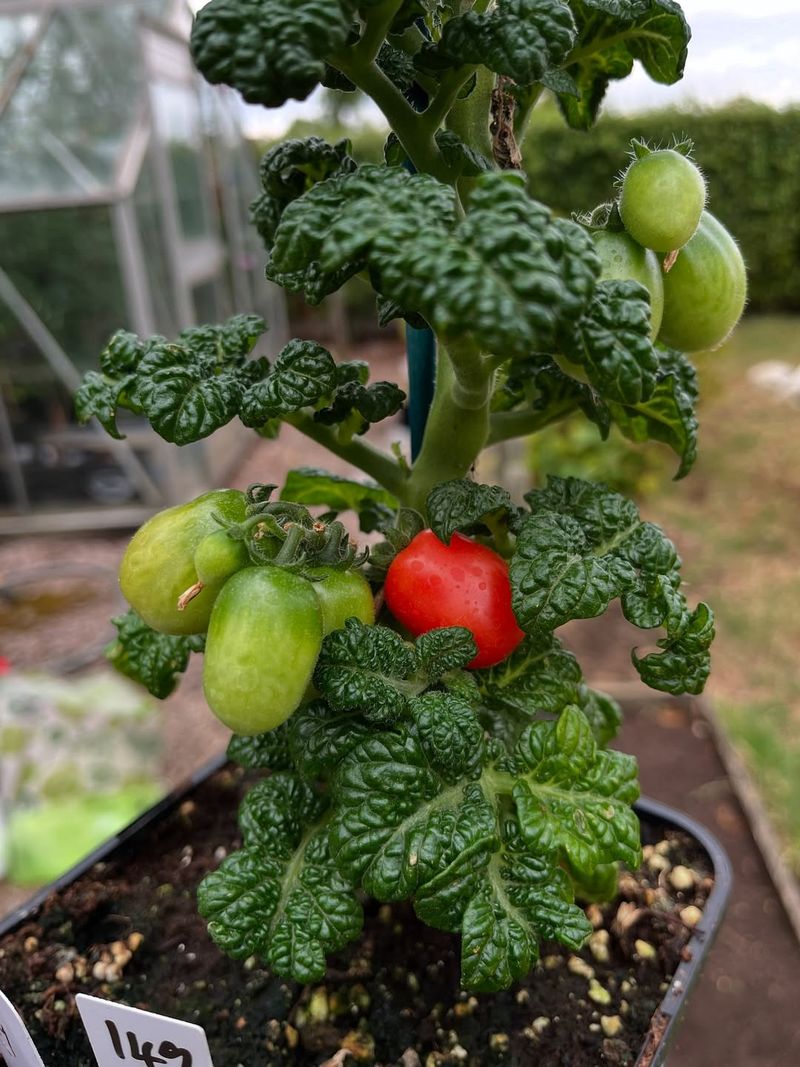
Not every tomato belongs in a pot. Some of them have absolutely no idea when to stop growing. Indeterminate varieties, the kind that keep climbing all season, can hit six feet or taller. They flop, tangle, and eventually become something you regret buying in April.
Your Pennsylvania Garden Changes Every Week. Your Plan Should Too.
Gardening in Pennsylvania changes quickly throughout the season. Every Friday you’ll receive a simple weekly plan showing exactly what to plant, prune, fertilize, harvest, and protect so you never miss the right timing.
The right match for container life is a determinate or dwarf variety. These plants grow to a set height and stop.
They ripen their fruit in a more concentrated window. They stay manageable, which is exactly what you need on a limited Pennsylvania patio or deck.
Look for names like Patio, Bush Early Girl, Tumbling Tom, or Tiny Tim at the garden center. Read the plant tag before buying.
Mature height and growth habit should both be listed. If the tag says nothing about either, ask someone or move on.
A two-foot dwarf tomato in a sturdy pot is easy to water, easy to feed, and easy to support. A six-foot indeterminate vine in the same pot is a sprawling, demanding, occasionally terrifying commitment.
Also, compact does not mean less productive. Many dwarf varieties produce generously all summer. The fruit is real, the harvest is satisfying, and the plant actually fits the space you gave it.
Match the variety to the container from day one. The season stays enjoyable rather than exhausting, and your porch does not end up looking like a tomato took over. Small in stature, big on delivery. That is the dwarf tomato promise.
3. Use Fresh Potting Mix For A Strong Start
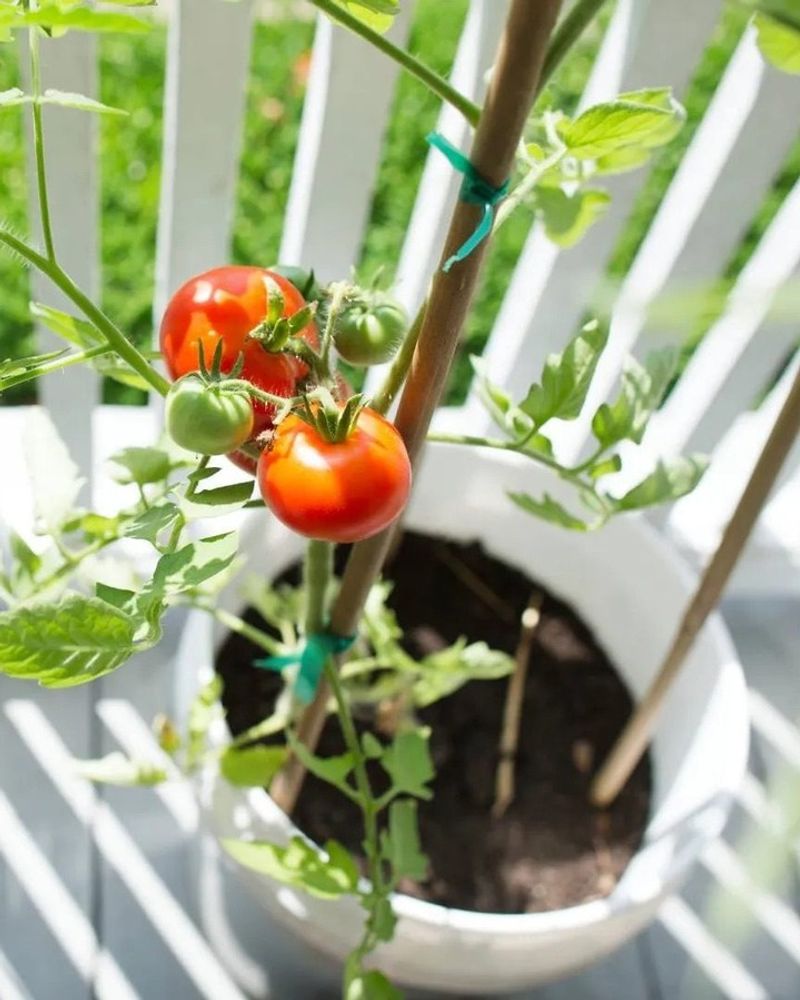
That bag of leftover soil from last year sitting in the garage corner. Leave it there. I know, it feels wasteful to buy fresh potting mix every season. But it also feels wasteful to watch a perfectly good tomato plant limp through the summer in compacted media from two summers ago.
One of these wastes costs money. The other costs you the whole harvest. Garden soil belongs in the garden. In a container, it compacts, squeezes out air pockets, and drains so poorly that roots sit in soggy conditions that invite all kinds of problems.
Quality potting mix specifically formulated for containers is the right call, full stop. Fresh mix stays loose. It drains well.
It lets air move through the root zone. Some blends include slow-release fertilizer that gives young transplants a gentle head start without any extra effort on your part.
Fill the container to within an inch or two of the rim. That volume matters. Roots need somewhere to go.
One tip most people skip: moisten the potting mix slightly before planting. Dry mix can be hydrophobic at first, letting water run straight through without actually soaking in.
A little moisture before the seedling goes in helps everything settle properly. Fresh mix is not an extravagance. It is the foundation of the season.
The kind of prep that stays invisible when things go right and becomes painfully obvious when you skipped it. Start clean, start fresh, and let the soil do what it’s supposed to do.
4. Check Drainage Before The First Watering
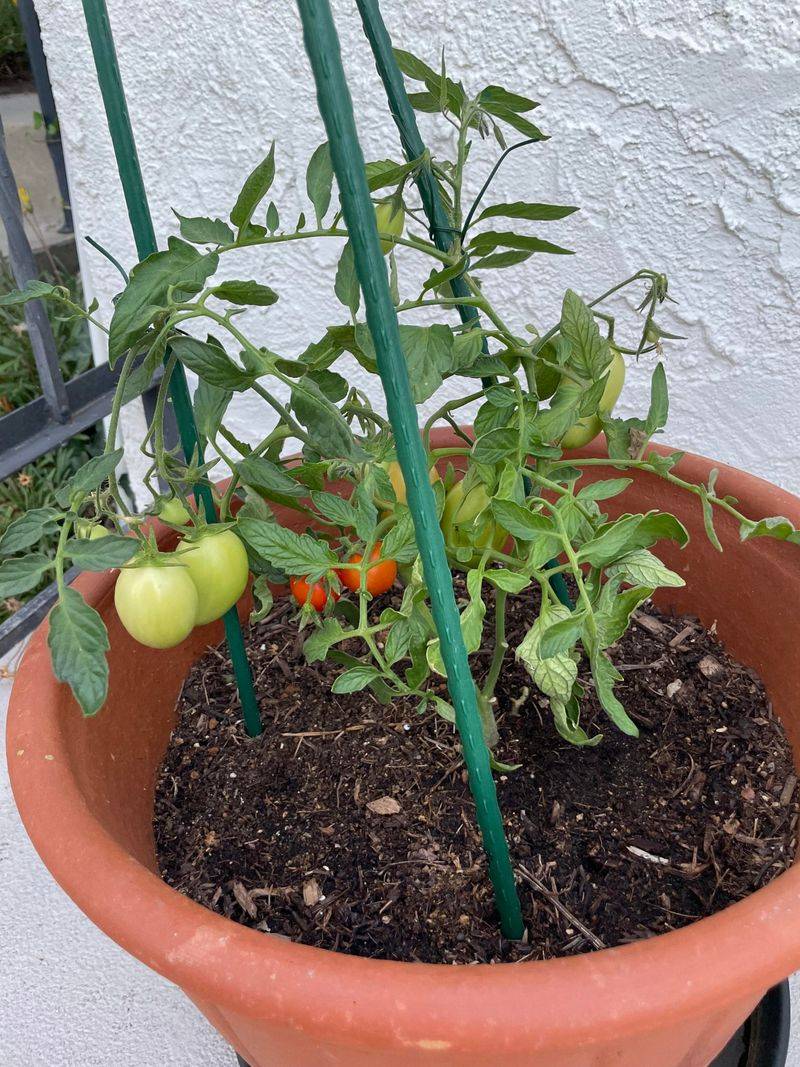
Before the water, before the soil, before any of it. Flip the pot over. Drainage holes are not optional for container tomatoes. They are the difference between a thriving plant and a slow-motion disaster.
Without them, water has nowhere to go. It collects at the base of the container, and the roots sit in it. That’s a very quick way to end a season before it even starts.
Pennsylvania summers can drop a lot of rain in a short time. A pot without drainage becomes a small swimming pool during a heavy storm. Your tomato will not enjoy that. Most commercial pots come with holes already punched. Check anyway.
Some decorative containers do not have them. Fall in love with one of those, and you have two options: drill holes yourself or use it as a decorative outer sleeve around an inner pot that actually drains.
Raise containers slightly off the deck or patio surface. Pots sitting flat on solid ground can get drainage holes partially blocked, which slows water flow more than you would expect.
Pot feet, bricks, or a few small wooden blocks all work. Anything that creates a small gap underneath is enough.
One old piece of advice worth skipping: gravel or rocks at the bottom of the container. This actually reduces drainage rather than improving it. Skip the rocks. Use quality potting mix throughout and let gravity handle the rest.
Drainage is one of those things that takes about thirty seconds to set up correctly and weeks to fix once it goes wrong. Check the holes first. Every time. No exceptions, no excuses.
5. Set Pots Where Tomatoes Get Full Sun
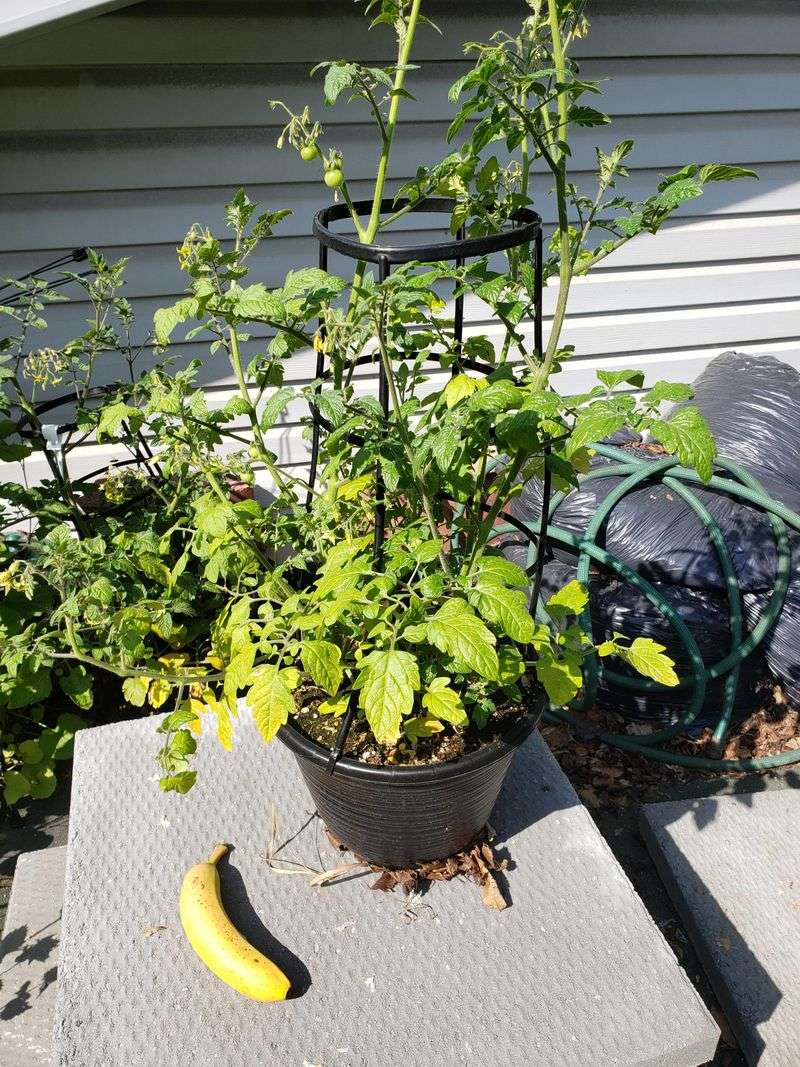
Tomatoes are sun worshippers. Six to eight hours of direct sunlight per day is the minimum. More is almost always better. Yes, a tomato plant that does not get enough sun will grow.
It will look like a tomato plant. But it will also produce very little fruit and a great deal of leafy disappointment.
The best part about containers is that you can move them. Use that advantage before locking into a permanent spot.
Spend one full day watching how sunlight travels across your patio, deck, or balcony before you commit to a location. Shadows from buildings, fences, and trees shift throughout the day and change as the season progresses.
A spot that looks perfectly sunny at nine in the morning might be deep in shade by two in the afternoon.
South-facing and west-facing locations tend to win on most Pennsylvania properties. If your only viable spot gets partial sun, choose a variety bred for lower light, but know that full sun is still the goal for a serious harvest.
Early in spring, when the sun sits lower in the sky, spots can appear shadier than they will be in July. Move pots while they are still light and plants are still small.
Trying to shift a heavy, established container in the middle of summer is exactly as unpleasant as it sounds.
The sun is the engine. Everything else, water, fertilizer, good soil, all of it works better when the light situation is right.
Get your tomato into the brightest spot available and watch it come alive. Shine bright, harvest right.
6. Water Containers Before The Soil Gets Crispy
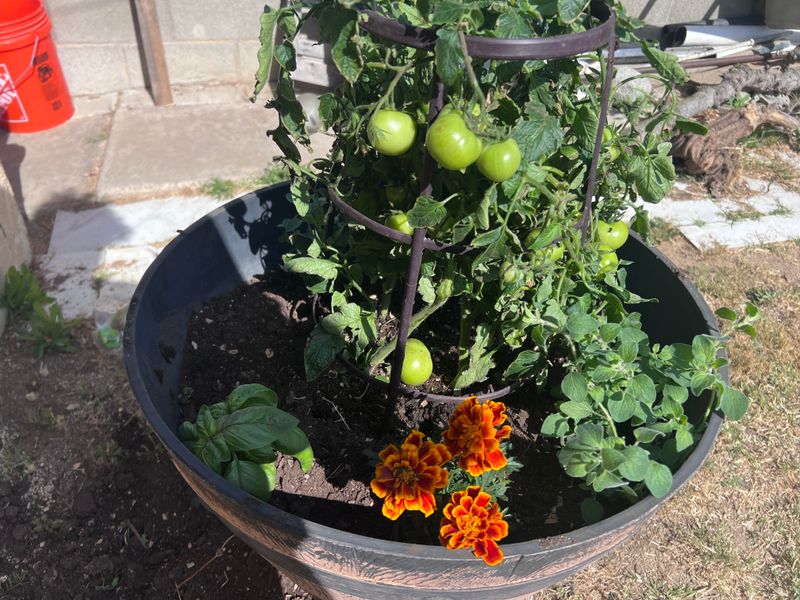
A pot sitting on a sun-baked Pennsylvania patio in August is not the same as soil in an open garden bed. Not even close.
The sun hits the sides of the container, the patio surface radiates heat upward, and wind pulls moisture out of the potting mix. All of that happens simultaneously, and the result is a plant that can go from well-watered to dangerously thirsty in a single hot day.
Container tomatoes dry out fast. That is just the reality of the setup. Forget calendar-based watering schedules. They do not work here. Instead, use the finger test. Push a finger about an inch into the potting mix.
Dry at that depth means it is time to water. Moist means check back later. Water thoroughly when you do water. Keep going until water runs freely from the drainage holes at the bottom.
Shallow watering wets only the top layer and leaves the root zone below dry and stressed. That pattern leads to blossom end rot, cracked fruit, and a plant that never quite performs the way you want it to.
Dark-colored containers absorb more heat than light-colored ones and may need more frequent attention. A thin layer of straw or shredded leaves on top of the potting mix slows evaporation during hot stretches and buys you a bit more time between waterings.
Also, consistency is the real goal. Tomatoes that swing between waterlogged and bone dry crack, stress, and drop flowers.
Keep moisture levels steady, check often, and adjust for the weather. A well-watered tomato is a productive one. Tomatoes thrive when you keep things on the level.
7. Feed Potted Tomatoes On A Steady Schedule
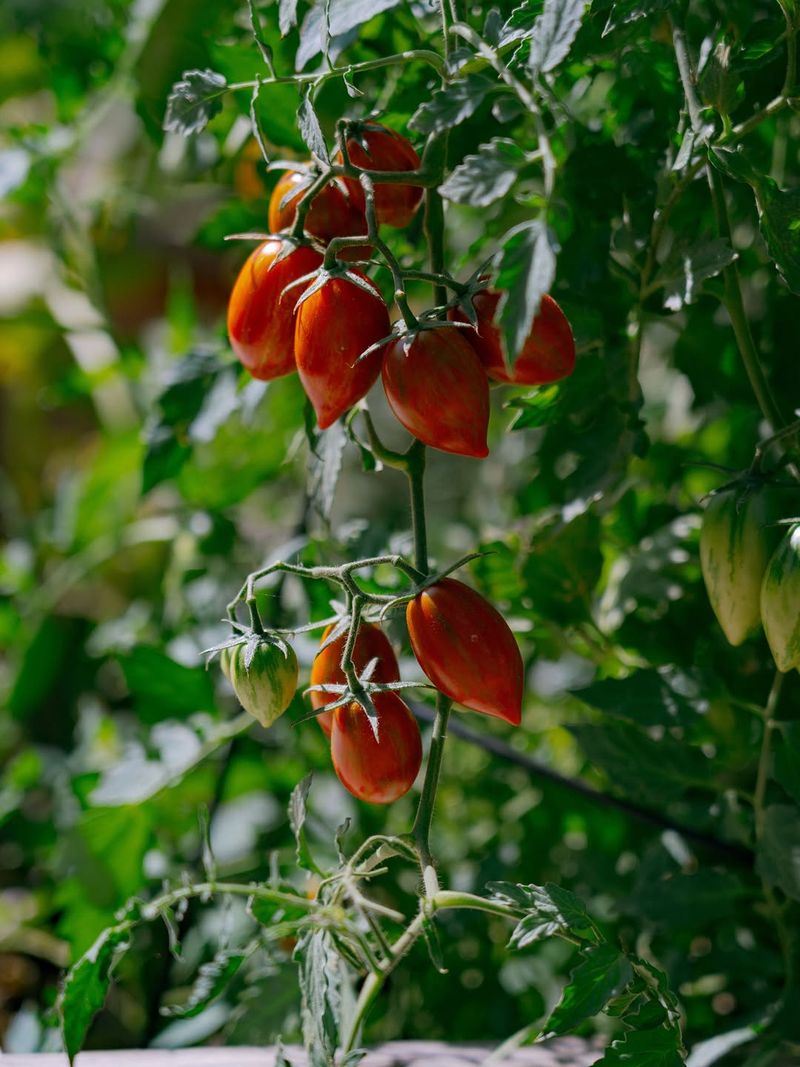
Every time you water, something leaves the container along with the drainage. Nutrients leach out through those drainage holes with every single watering. Slowly at first, then more noticeably as the season builds.
By midsummer, a container that started with a rich, fertile potting mix can be surprisingly depleted. Unlike garden soil, which has a deep reservoir to draw from, a pot has a limited supply. When it runs low, the plant tells you in ways you do not want to see.
Tomatoes are heavy feeders. They grow fast, they fruit heavily, and they need consistent nutrition to do both well.
However, more is not always better with fertilizer. Too much pushes the plant toward lush, leafy growth at the expense of the fruit you actually want.
A balanced vegetable fertilizer or a blend formulated specifically for tomatoes is a better choice. Many container gardeners use a slow-release granular fertilizer mixed in at planting time, then supplement with a liquid feed every one to two weeks once flowering begins.
That combination covers the early season and keeps up with demand through the peak production weeks.
One more piece of advice: watch the plant for feedback. Deep green leaves, steady growth, and flowers that develop into fruit are good signs.
Yellowing lower leaves, stalled growth, or flowers dropping without setting fruit suggest it is time to reassess the feeding program.
Steady and consistent beats one heavy application early in the season every time. Keep feeding, stay within the label recommendations, and your container tomatoes will have the fuel they need. Feed the need, reap the reward.
8. Add A Cage Early For Easier Support
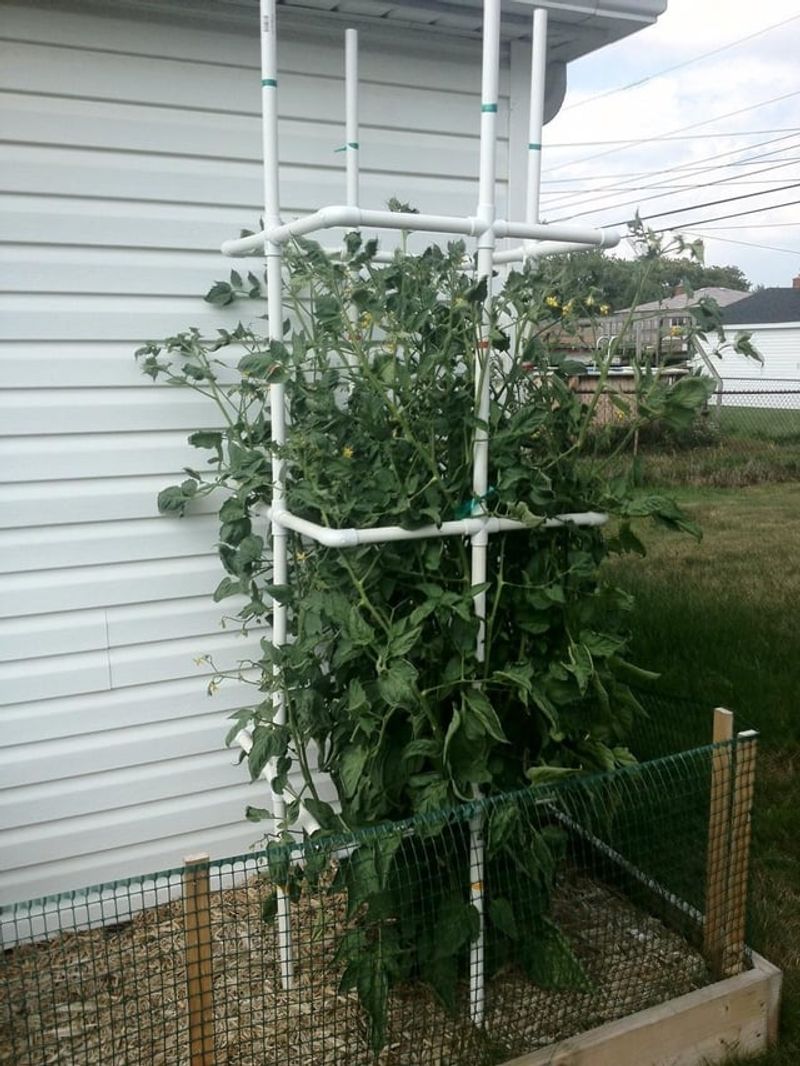
A tomato flopping sideways in a pot, stems bent, fruit dragging, the whole plant leaning at a concerning angle. That is what skipping early support looks like in practice.
By the time that happens, the easy window has closed. Adding a cage to a small, compact plant is a five-minute job.
Adding one to a sprawling three-foot tomato tangled around itself in a container is a test of patience you do not need in July.
So, put the support in early. The plant will look a little ridiculous inside a full-sized cage at first. Comically small, surrounded by wire it has not grown into yet. That is exactly right. It will grow into it fast, and the structure will be exactly where it needs to be.
However, always remember to match the support to the variety. Compact dwarf types do fine with a small wire cage or a single stake.
On the other hand, larger determinate varieties need something sturdier that will not tip when the plant fills out.
Stability matters more on windy Pennsylvania balconies and exposed decks. A heavy plant in a pot with a flimsy cage is an accident waiting for the right summer storm.
Tie stems to the support loosely as the plant grows. Soft garden tape or strips of fabric work well.
So, get support right from the beginning. The plant stays upright, and harvest becomes something you look forward to. Rise to the occasion, and your tomatoes will too.