These Arizona Yard Mistakes Can Attract More Black Widows To Your Home
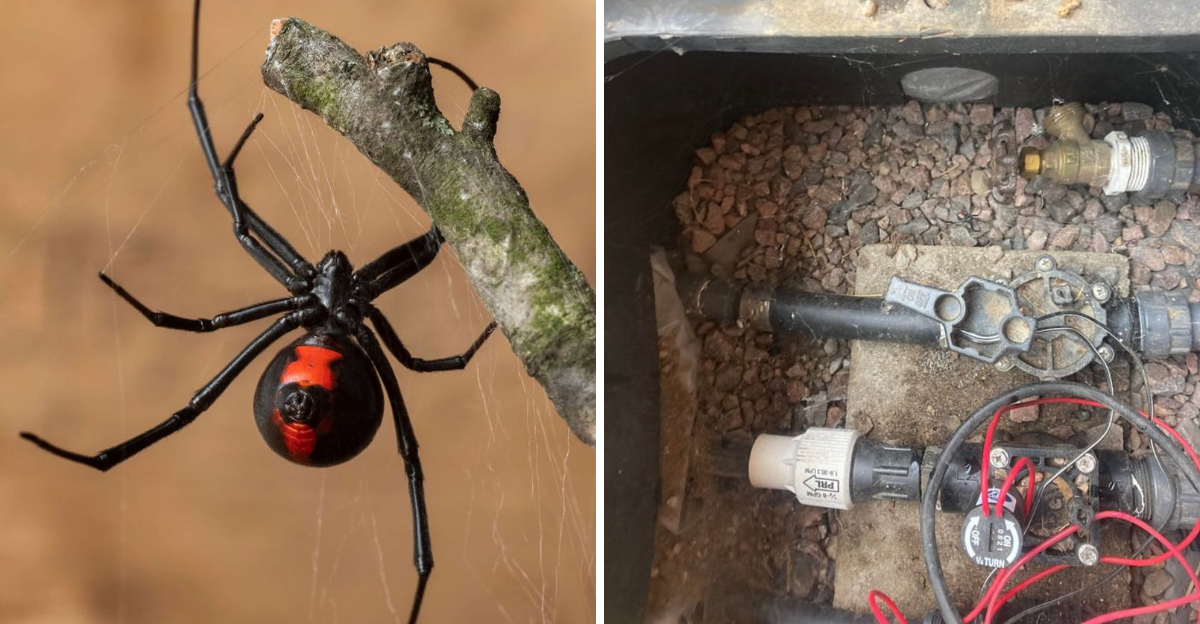
Black widows usually stay hidden around Arizona yards during most of the year. Summer heat often changes that fast.
Spiders start moving toward cooler and darker hiding spots once temperatures stay high for days at a time.
A quiet corner behind a planter can suddenly become a problem area.
Stacked wood, unused pots, and cluttered storage spaces create the kind of shelter black widows prefer. Damp areas around irrigation lines can make things worse by attracting more insects nearby.
Patios and garages often become the biggest hiding spots by midsummer.
Many people do not notice anything at first because black widows stay tucked deep inside shaded spaces during the hottest part of the day.
Small yard habits can quietly make those areas far more attractive once extreme summer heat settles in.
1. Wood Piles Too Close To Exterior Walls
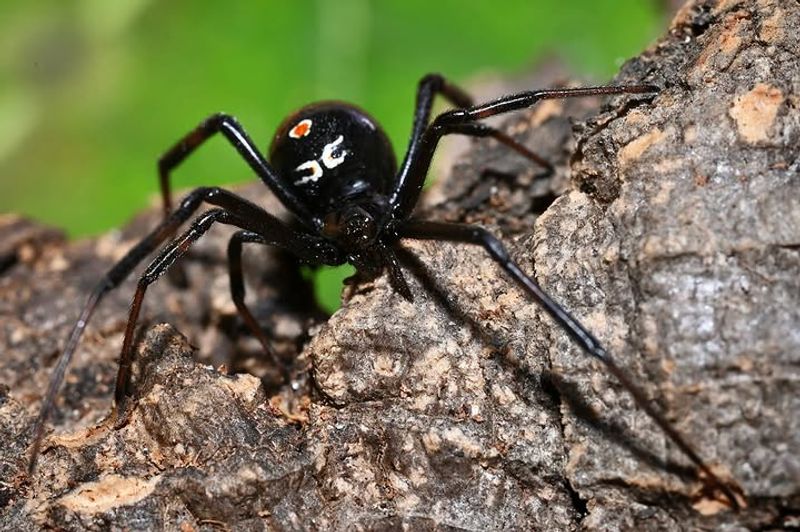
Stacked firewood is one of the top hiding spots black widows use near homes. Logs create deep, cool gaps that stay shaded all day.
Add a wall behind the pile and you have a near-perfect shelter.
Most people store wood right against the house for convenience. That shortcut puts a spider-friendly structure just inches from your door, window frames, and foundation gaps.
Spiders do not need much space to squeeze through.
Moving your wood pile at least 18 to 20 feet from the house makes a real difference. Elevate it off the ground using a rack or pallets.
Ground contact keeps moisture in and draws insects, which then attract spiders looking for food.
Rotate your wood often. Logs that sit undisturbed for weeks become prime real estate for nesting.
Grab from the bottom of the pile first, and use gloves every time.
Covering the top of the pile with a tarp helps reduce moisture but leaves the sides open. Avoid fully wrapping the pile since that traps humidity and encourages more insect activity underneath.
Check the area around your wood pile regularly, especially after monsoon season. Moisture from rain softens soil and brings out insects.
More insects mean more spiders moving in close behind them.
Keeping your storage area clean and well-lit also helps. Black widows avoid bright, open spaces whenever possible.
A simple solar light near the pile can make that spot far less appealing to them.
2. Dense Ground Cover Around House Foundations
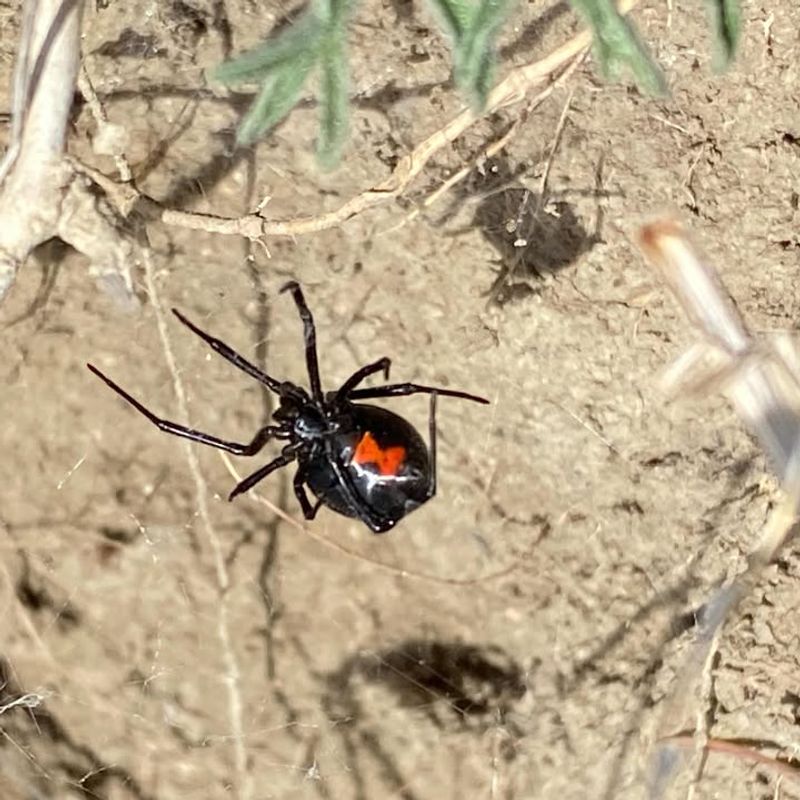
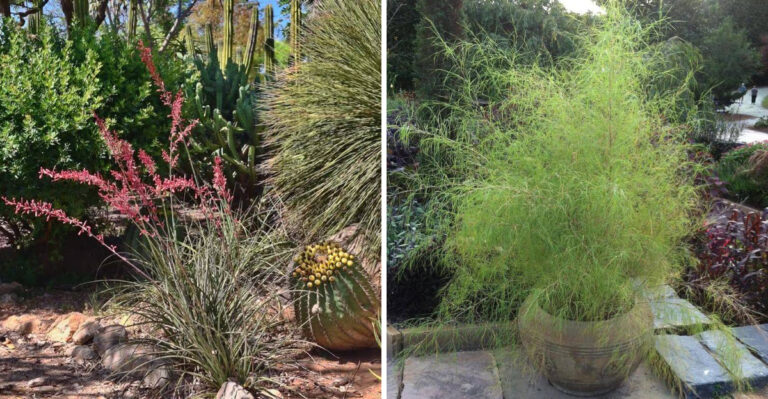
Ground cover plants look great along a foundation, but they create exactly the kind of environment black widows prefer. Low, dense foliage traps shade and keeps soil cooler longer after sunrise.
Spiders are drawn to those conditions fast.
Plants like trailing rosemary, creeping fig, or thick ornamental grasses press right against stucco and block airflow. That moisture and darkness combo is what makes spiders feel safe enough to set up webs.
Once one moves in, others follow.
Trim ground cover back at least 12 inches from your foundation. That gap might seem like a small change, but it removes the sheltered corridor spiders use to travel from the yard to your walls.
Open space forces them to cross exposed ground instead.
Your Arizona Garden Changes Every Week. Your Plan Should Too.
Gardening in Arizona changes quickly throughout the season. Every Friday you’ll receive a simple weekly plan showing exactly what to plant, prune, fertilize, harvest, and protect so you never miss the right timing.
Check underneath ground cover regularly during warmer months. Use a long stick or garden tool to disturb the base of plants before reaching in by hand.
Webs built close to soil level are often the messy, irregular kind that black widows prefer.
Replace very dense ground cover near entry points with gravel or decorative rock. Rock still looks polished and water-wise, which suits desert landscaping well.
It also dries quickly and stays far less hospitable for spiders.
Water ground cover plants in the morning so soil dries before evening. Spiders are most active at night.
Wet soil around your foundation as the sun goes down gives them ideal conditions to hunt and nest close to your walls.
3. Garage Clutter Sitting Undisturbed Too Long
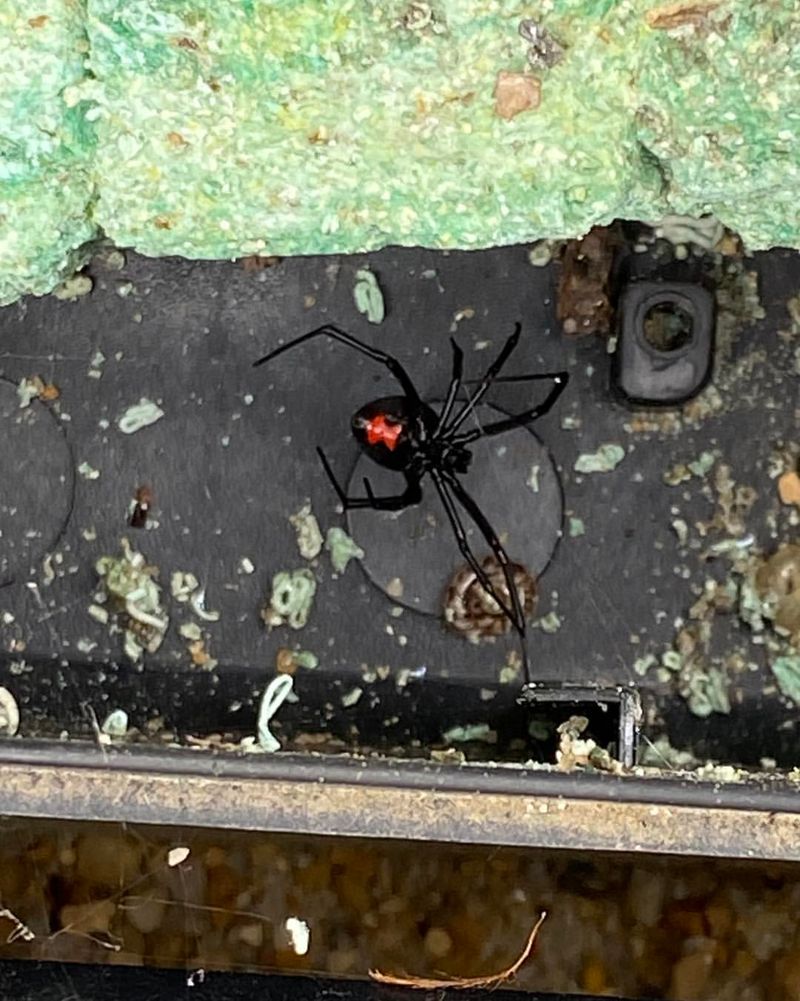
Garages in the desert heat become storage zones that rarely get fully cleaned out. Boxes stack up, tools lean against walls, and seasonal gear sits forgotten.
That undisturbed clutter is exactly what black widows need to feel safe.
Cardboard boxes are particularly attractive. They stay cool, hold moisture slightly, and create dozens of small gaps between folds and stacked edges.
A single stack of old boxes in a garage corner can shelter multiple spiders at once.
Replace cardboard with sealed plastic bins whenever possible. Plastic does not absorb moisture, offers no folds to hide in, and stacks more securely.
Labeling bins also encourages you to open them regularly, which naturally disrupts any nesting activity.
Clear out one section of your garage every few months. Move every item, sweep the floor and walls, and check behind shelving units.
Webs built in corners behind heavy shelving go unnoticed for months and become well-established nesting sites.
Garage door gaps are another issue. A worn-out door seal leaves a gap at the bottom that insects and spiders use freely.
Replacing a damaged door sweep takes about 20 minutes and closes off a very common entry route.
Keep the garage floor as clear as possible. Shoes, bags, and sports equipment left on the floor provide more hiding spots than most people realize.
Hang what you can on wall hooks and store gear in closed bins.
Good lighting and regular movement through the space are your best long-term tools here.
4. Open Gaps Beneath Sheds And Storage Areas
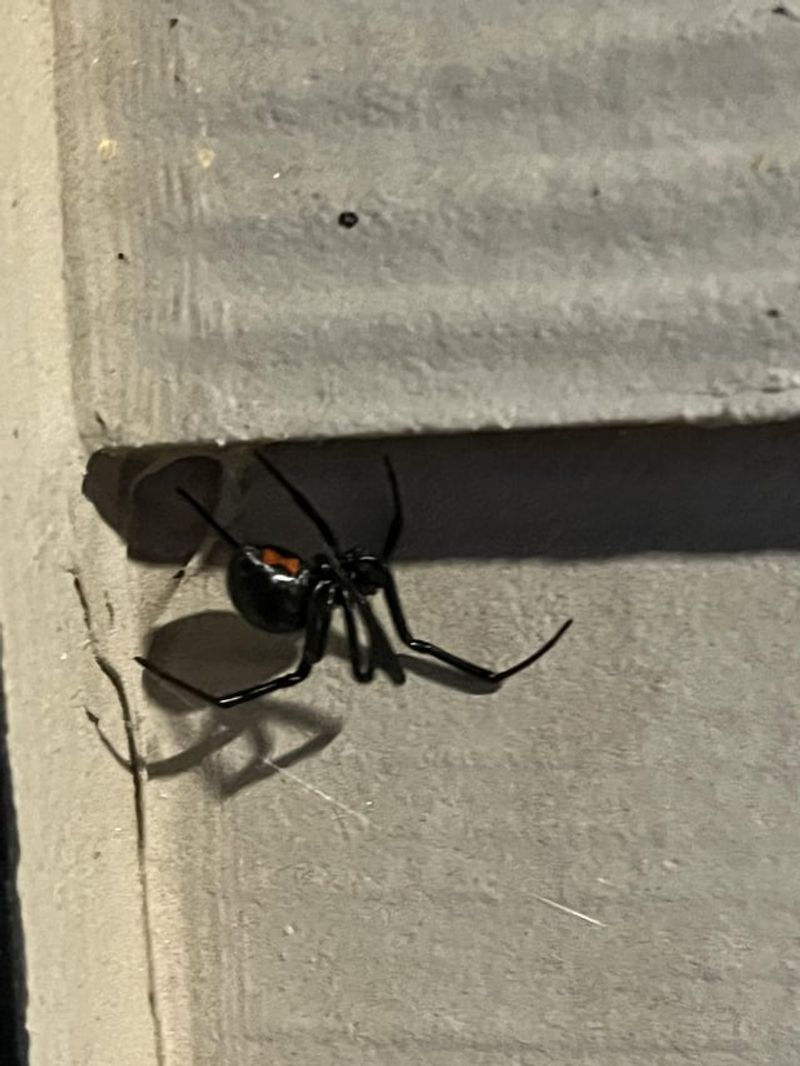
Raised sheds with open undersides are one of the most overlooked spider hotspots in any yard. That gap between the floor and the ground creates a permanently shaded, sheltered tunnel that almost never gets disturbed.
Spiders move right in.
Black widows particularly prefer the underside corners where the shed frame meets the soil. Those spots stay cool during summer heat, stay dry enough during rain, and rarely see foot traffic.
Webs built there can last for weeks without being touched.
Blocking access under your shed is one of the most effective steps you can take. Use hardware cloth with a fine mesh to seal the perimeter at ground level.
Bend the bottom edge outward and bury it a few inches to prevent digging underneath.
Check beneath your shed at least once a month. Use a flashlight and a long stick to probe corners before getting close.
Wear gloves whenever you reach into any gap below or around the structure.
Gravel placed around the shed perimeter helps reduce moisture and deters insects. Fewer insects means less food near the shed, which makes the location less attractive overall.
Coarse gravel works better than fine sand for this purpose.
Storage areas like lean-tos and covered equipment zones share the same problem. Any structure with a dark, low gap at ground level invites nesting.
Seal those gaps or raise stored items off the ground on platforms.
Regular inspection paired with physical barriers gives you the most reliable protection in these spots.
5. Patio Cushions Left In Dark Corners
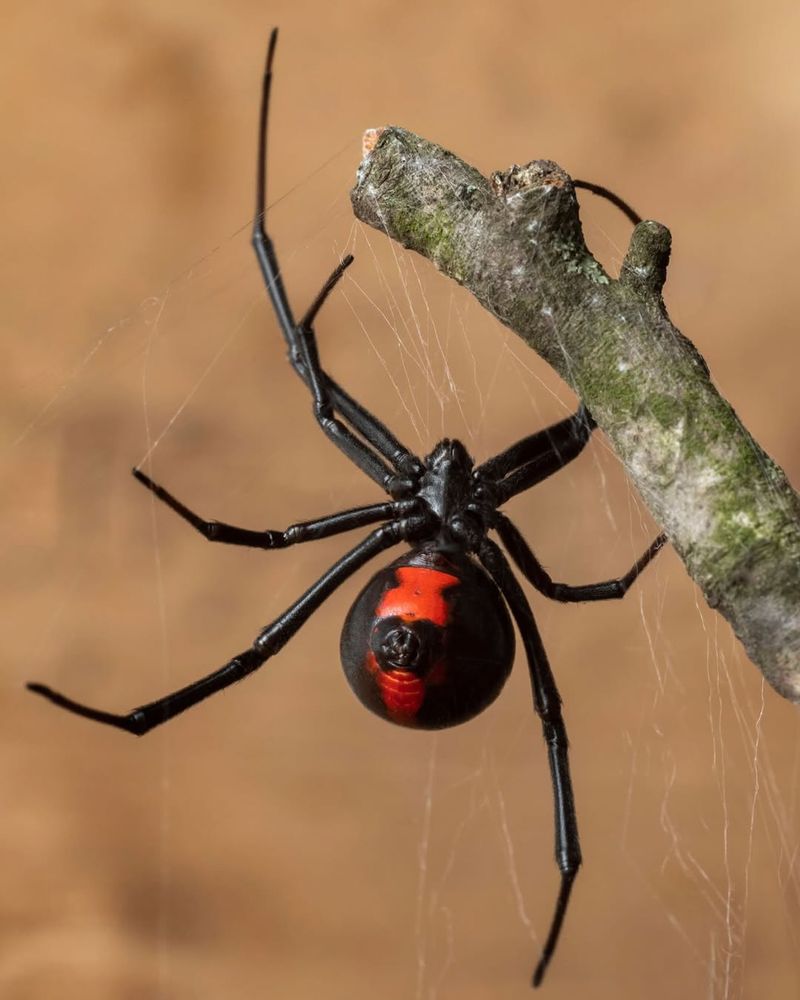
Cushions left outside overnight seem harmless. Leave them in a corner for a few days and the story changes quickly.
Stacked fabric creates warm, tight gaps that black widows find extremely useful for hiding and laying eggs.
Outdoor furniture cushions are especially risky in shaded patios where sunlight rarely reaches. Spiders do not need much time to move in.
A gap between two cushions stacked against a wall can quickly become a sheltered hiding spot for webs and egg sacs.
Get into the habit of storing cushions in a sealed bin or indoor storage after each use. If that is not realistic, at least shake them out and flip them over daily.
Check the undersides and corners before sitting down each time.
Sealed storage bags designed for outdoor cushions work well here. They block moisture, keep insects out, and remove the dark hiding space entirely.
Many are UV-resistant and hold up well through hot desert summers.
Check the corners of your patio furniture frames too. Chair legs, table bases, and the undersides of armrests are common web spots.
Wipe those areas down with a damp cloth weekly to disrupt any webs before they get established.
Add a light near the cushion storage area if possible. Even a low-wattage bulb reduces how inviting that corner feels to spiders searching for shelter.
Bright, open spaces are naturally less attractive to them.
A small habit change here protects you more than most people expect from such a simple fix.
6. Yard Debris Collecting Along Fence Lines
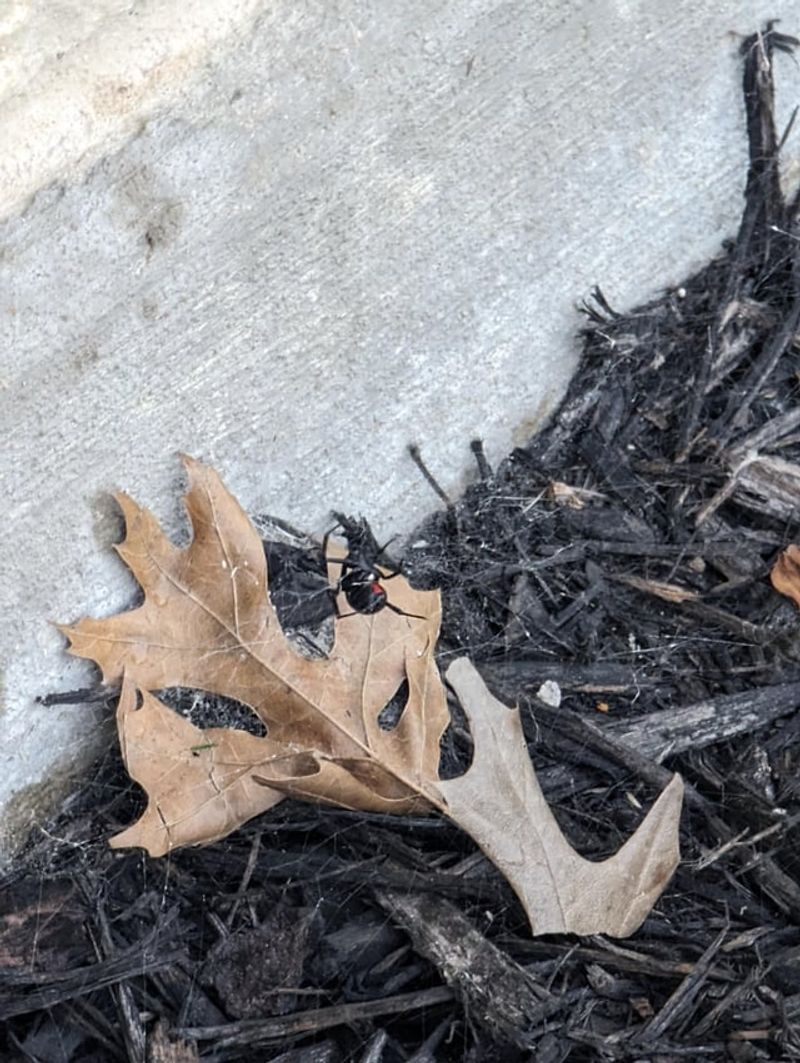
Fence lines collect debris faster than most yard zones. Leaves blow in, trimmings fall, and organic material piles up against posts and rails without anyone noticing for weeks.
That slow buildup creates a long corridor of shelter right along your property edge.
Dry plant material along a fence stays shaded for most of the day. Insects nest and feed in that debris, especially after rain softens it slightly.
Black widows follow the insect activity, building webs in the thickest sections of accumulated material.
Clear debris from fence lines every two to three weeks during active growing seasons. Use a rake and bag the material rather than piling it in a corner of the yard.
Moving the problem elsewhere just shifts the nesting site.
Pay extra attention to spots where fence posts meet the ground. Soil compresses around the base of posts over time and creates a small recessed gap.
Debris fills those gaps and makes them even more sheltered. Scrape those spots clean during each pass.
Wooden fences absorb moisture after rain and stay damp longer than metal or vinyl alternatives. Spiders and the insects they feed on both benefit from that moisture.
Treating wooden fence boards with a weather sealant reduces how long they stay wet after a storm.
Keep grass and low plants trimmed back from the fence base. A clear strip of bare soil or gravel along the fence bottom removes the cover that makes debris accumulation so useful to spiders searching for a sheltered home.
7. Excess Irrigation Near Entry Points
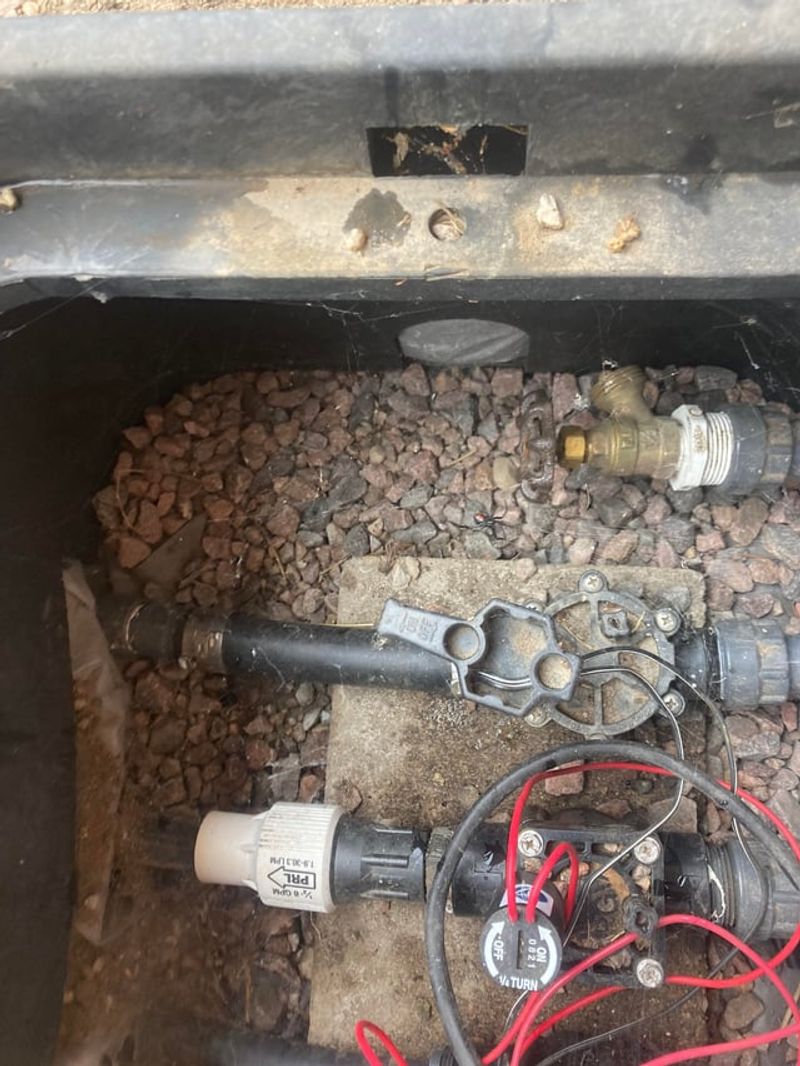
Wet soil near your doors and windows is a magnet for insects. Insects are food.
Where food gathers consistently, predators follow. That simple chain is exactly why overwatering near entry points invites spiders close to your home.
Drip lines and sprinkler heads placed too close to doors, garage frames, or window wells create constant moisture in spots that rarely dry out completely. Pill bugs, earwigs, and crickets thrive in that environment.
Black widows prey on all of them.
Adjust your irrigation zones so that watering near the house stops at least 24 inches from the foundation. Sloping your soil slightly away from the structure helps water drain outward rather than pooling close to walls.
Check irrigation timers after monsoon season. Rainfall often makes scheduled watering redundant, but many systems keep running on their set schedule.
Overwatered soil near entry points stays damp for days after a storm, compounding the problem.
Look for leaking drip emitters near your front and back entries. Even a slow drip creates a consistently moist patch that attracts insects year-round.
Replacing a faulty emitter costs almost nothing and removes a reliable food source for spiders.
Seal any gaps around door frames and window sills while you are addressing the moisture issue. Spiders follow insects through the same small cracks.
Caulk and weatherstripping are inexpensive and remove the entry point entirely.
Managing water placement is one of the most overlooked spider prevention steps around any desert home.