The Pruning Mistake That Costs Arizona Gardeners Their Best Citrus Harvest
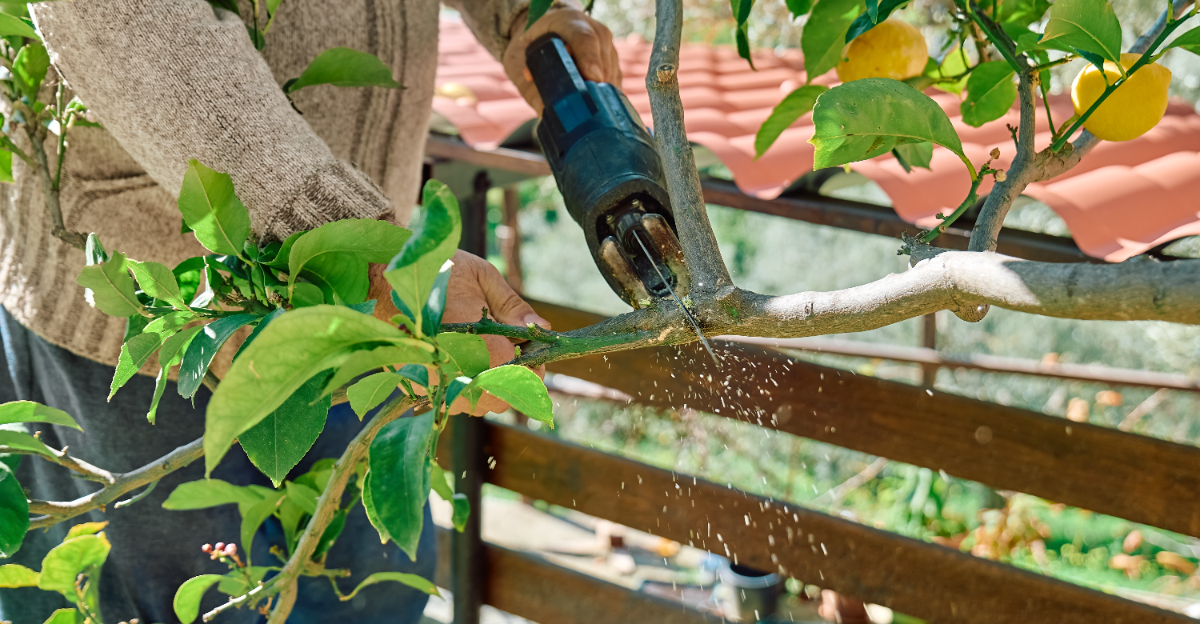
Citrus trees often look healthier right after pruning. Branches look cleaner, fresh growth appears fast, and the tree suddenly feels easier to manage before summer arrives.
The real problem usually shows up later. Fruit production slows down, growth becomes uneven, or the harvest no longer looks as strong as it did in previous years.
Arizona citrus responds differently to pruning once extreme heat settles in.
Strong sunlight and long hot stretches can turn one small mistake into a much bigger problem during the growing season.
Timing matters more than many gardeners realize. One common pruning habit quietly reduces harvest potential long before the damage becomes obvious.
1. Heavy Summer Pruning Removes Future Citrus Production
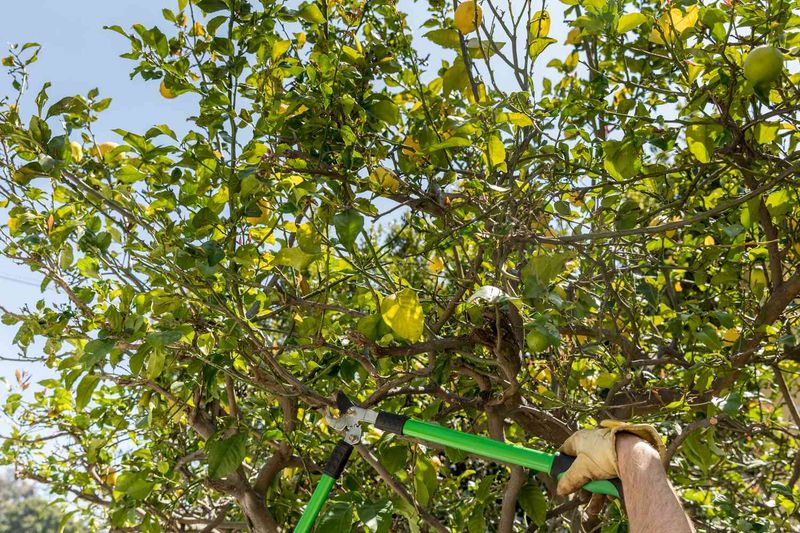
Summer pruning on citrus trees is one of the fastest ways to shrink your next harvest. Most people do not realize that citrus trees set their fruit buds on wood that grew the previous season.
Cut that wood off in summer and you are cutting off next year’s oranges, lemons, or grapefruits before they even get a chance.
Citrus trees in hot desert regions already deal with extreme stress from June through September. Temperatures regularly push past 110 degrees Fahrenheit in many parts of the region.
Adding heavy pruning on top of that heat creates a double burden the tree struggles to recover from quickly.
When large branches get removed in summer, the tree rushes energy toward healing the cuts instead of developing fruit. That shift in energy focus delays fruit set and reduces overall yield.
Gardeners often notice fewer fruits the following winter and wonder what went wrong, not connecting it back to those summer cuts.
Removing small problem areas does not carry the same risk as cutting back major limbs or shaping the whole canopy during hot months. Keep summer work light and targeted.
Saving big pruning projects for cooler months protects the tree’s energy budget. Fruit production depends on stored energy, healthy wood, and proper timing.
2. Fresh Branches Burn Quickly In Direct Desert Sun
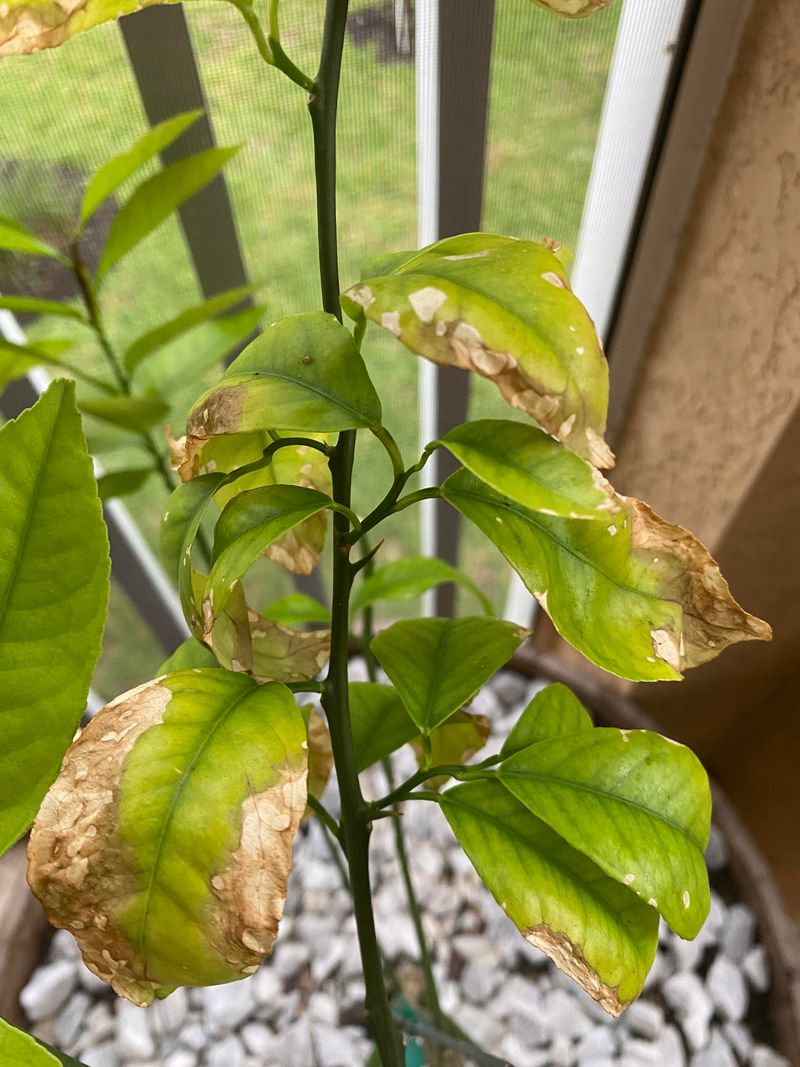
Exposed wood does not last long under a desert sun. After a cut is made, the inner wood and nearby bark are suddenly unprotected.
That fresh tissue was previously shaded by leaves and outer branches, so it has zero tolerance for direct ultraviolet exposure at first.
Sunscald on citrus looks like bleached, cracked, or darkened patches along the trunk and major limbs. It often appears within days of heavy pruning during warm months.
Once sunscald sets in, those damaged areas become entry points for insects and fungal issues that compound the problem over time.
Gardeners in the desert Southwest sometimes paint exposed cuts and trunks with diluted white latex paint to reflect sunlight. It sounds unusual, but it genuinely helps protect fresh wood during the hottest months.
A thin coat applied right after pruning can reduce sunscald risk significantly on large exposed areas.
Keeping enough foliage on the tree at all times is the most natural protection method. Leaves act as a natural sunscreen for the wood beneath them.
Your Arizona Garden Changes Every Week. Your Plan Should Too.
Gardening in Arizona changes quickly throughout the season. Every Friday you’ll receive a simple weekly plan showing exactly what to plant, prune, fertilize, harvest, and protect so you never miss the right timing.
Removing too much canopy at once strips that protection away and leaves the tree vulnerable to intense radiation that cooler climates simply never produce.
Timing your cuts carefully reduces the need for extra protective measures. Pruning when temperatures are mild gives fresh cuts time to harden before heat arrives.
3. Late Cutting Encourages Weak Tender Shoots
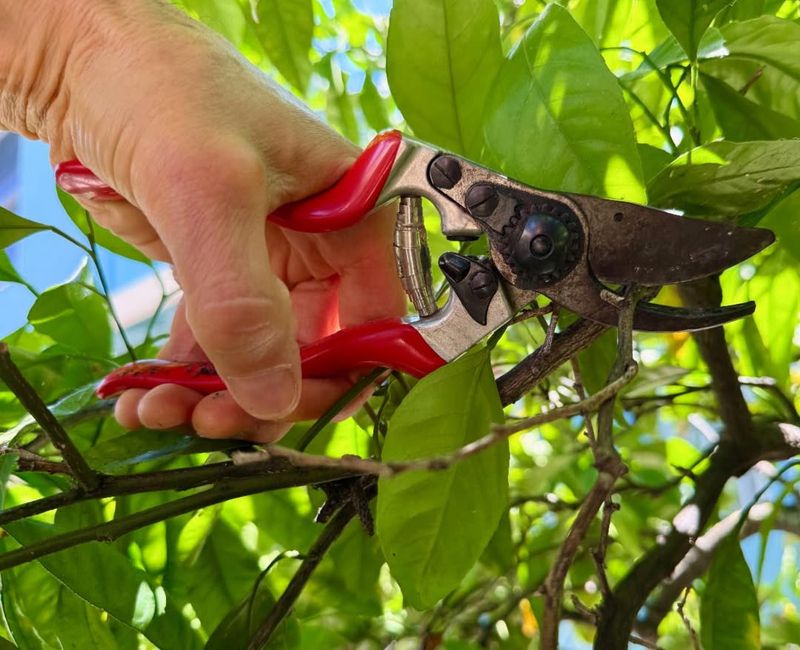
Pruning too late in the season triggers a response that actually works against you. Citrus trees respond to fresh cuts by pushing out new growth quickly.
That sounds positive, but growth that emerges late in the year is soft, thin, and poorly prepared for what comes next.
Late-season shoots have almost no time to harden before cold nights arrive. In desert regions, winter temperatures can drop sharply, especially in inland valleys and higher elevation areas.
Tender green growth that has not had time to mature gets damaged far more easily than established wood that went through a full growing cycle.
Beyond cold damage, those weak shoots also attract pests. Aphids, whiteflies, and citrus leafminers actively seek out soft new growth.
A flush of tender late shoots can bring a wave of pest activity right when the tree should be settling into a quieter period and conserving resources for fruit development.
Experienced citrus growers often describe late-season pruning as borrowing trouble. The tree wastes energy on weak new growth that struggles in extreme heat.
Much of that growth later gets damaged or needs to be removed anyway. Timing is everything with citrus pruning.
4. Dense Canopies Shield Developing Fruit From Damage
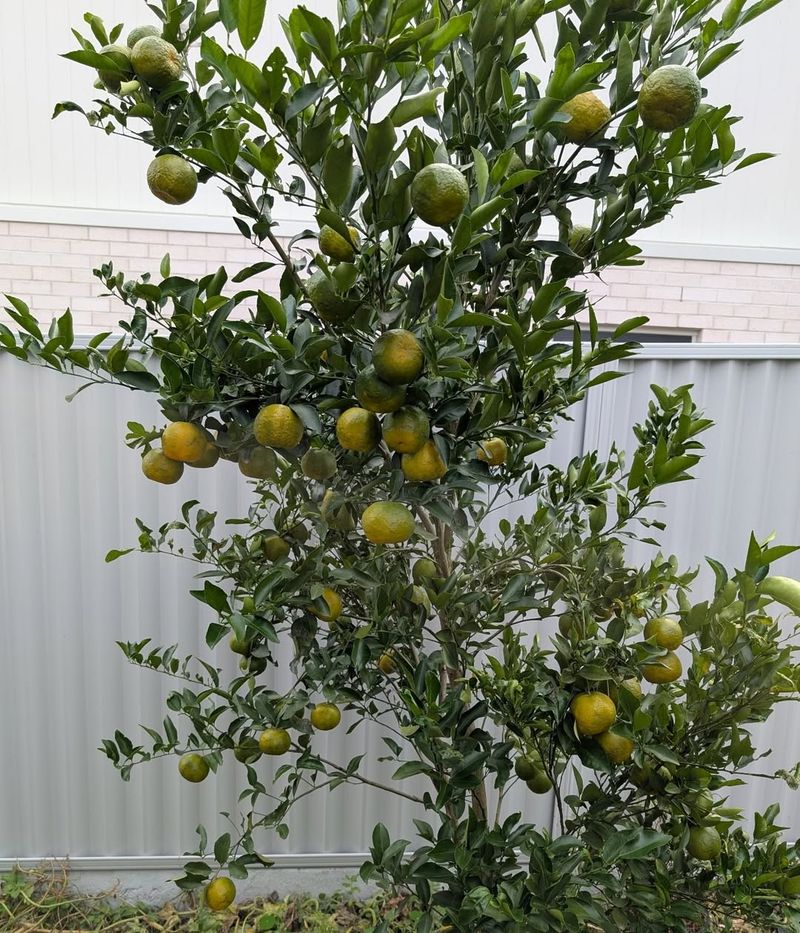
A thick, well-leafed canopy does more than just look healthy. It functions as a natural shield that protects developing fruit from sunburn, wind, and temperature swings.
Removing too much foliage in the name of pruning can leave fruit clusters completely exposed and vulnerable.
Citrus fruit sunburn is a real and common problem in hot desert climates. Fruits that lose their leaf cover develop pale, dry, or leathery patches on the side facing the sun.
That damage reduces both the quality and the shelf life of your harvest, even when the fruit appears normal from a distance.
Over-pruning the canopy also removes the buffer zone that keeps fruit temperatures stable. On a 110-degree day, a shaded orange stays significantly cooler than one sitting in full sun.
That temperature difference affects juice content, skin texture, and overall fruit quality in ways that are hard to reverse once the damage is done.
Keeping the canopy reasonably dense does not mean letting the tree become a tangled mess. Selective thinning that removes crossing branches and improves airflow without stripping the outer leaf layer is the right approach.
You want light filtering through, not blazing directly onto every piece of fruit.
Balance is the key concept here. A well-managed canopy protects fruit while still allowing enough sunlight for good color and sugar development.
5. Broken Limbs Should Be Removed Before Monsoon Season
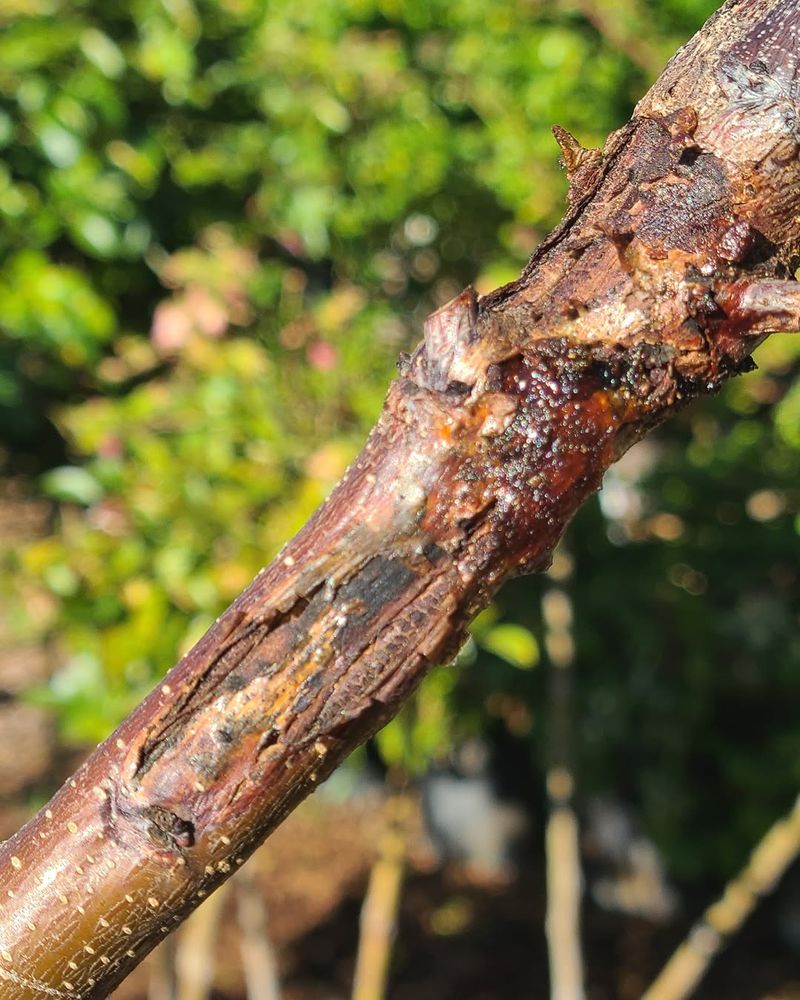
Monsoon season in the desert Southwest brings fast, powerful storms that arrive with little warning. Winds can gust past 60 miles per hour, and the weight of sudden heavy rain adds stress to every branch.
A weakened or partially broken limb that looked manageable in dry weather can fail completely under those conditions.
Broken limbs are not just a structural problem. Open wounds on a tree invite bacterial and fungal issues that spread quickly during warm, humid monsoon conditions.
Wet weather combined with an unprotected wound creates exactly the environment that wood-rotting pathogens love most.
Checking your citrus trees in late spring, before monsoon activity begins, is a smart seasonal habit. Walk around the tree slowly and look for cracks, splits, or limbs hanging at odd angles.
Catching damage early gives you time to make clean removal cuts while weather conditions are still dry and manageable.
When removing a broken limb, cut back to a healthy lateral branch or the main trunk. Leaving stubs behind does not help the tree heal and often leads to damage that spreads further into healthy wood.
Clean, properly placed cuts heal faster and leave the tree less exposed to secondary problems.
Monsoon prep is one of the most practical things you can do for your citrus trees each year.
6. Careful Thinning Improves Air Movement Around Branches
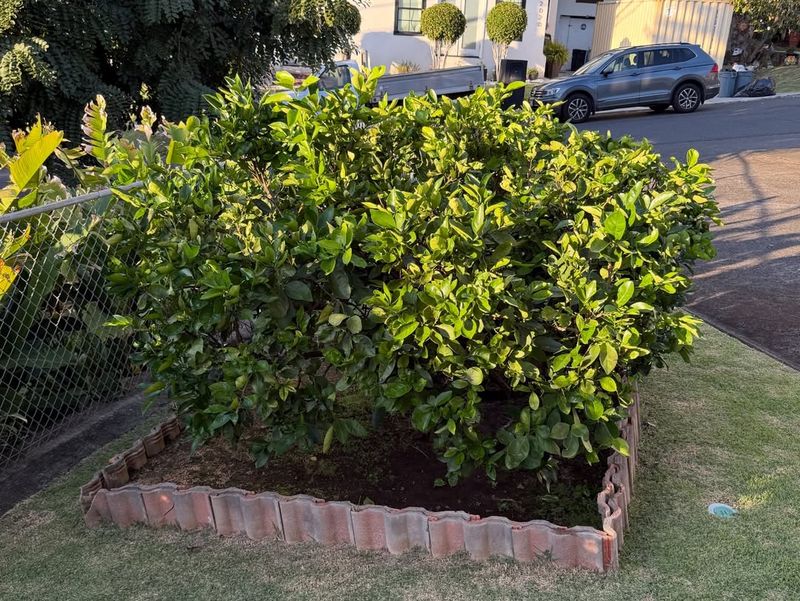
Air circulation inside a citrus canopy matters more than most gardeners realize. When branches grow too close together, moisture gets trapped after rain or irrigation.
That trapped humidity creates a favorable environment for fungal issues like sooty mold and brown rot, especially during the warmer months of the year.
Careful thinning means removing specific interior branches that are rubbing, crossing, or crowding each other without stripping the whole canopy down. It is a targeted process, not a wholesale cutting session.
You are creating pathways for air to move through the tree, not redesigning its entire structure in a single afternoon.
Good airflow also helps with pest management. Insects like scale and spider mites thrive in stagnant, sheltered spots inside dense canopies.
Opening up those crowded areas slightly makes the habitat less comfortable for pests and gives natural predators better access to the areas where problems typically develop first.
Fruit quality also benefits from improved circulation. Oranges and lemons that develop in well-ventilated canopies tend to have better color and fewer surface blemishes compared to fruit hidden deep inside a congested tree.
Light and airflow work together to push fruit toward its full potential.
Work slowly when thinning. Step back frequently and look at the overall shape before making another cut.
Removing one branch often reveals two more that need attention, but patience here pays off.
7. Spring Usually Works Best For Major Citrus Shaping
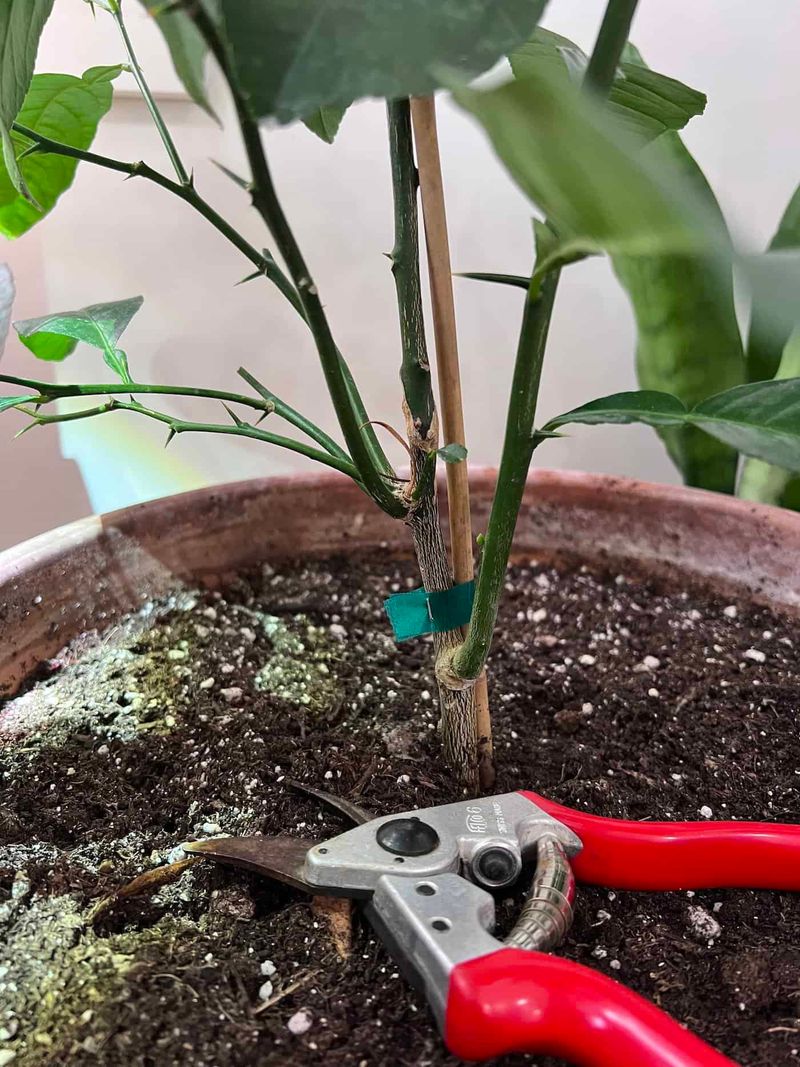
Spring hits a sweet spot for citrus pruning that no other season quite matches. Temperatures are mild, frost risk has dropped, and the tree has not yet pushed into its heaviest growth flush.
That window, roughly late February through early April in most desert valley areas, gives you ideal conditions for shaping work.
Major shaping during spring allows cuts to callous over before summer heat arrives. The tree gets several weeks of moderate weather to begin healing before temperatures climb into triple digits.
That head start makes a real difference in how well the tree handles the stress of losing significant wood.
Spring pruning also lets you see the results of winter clearly. Cold damage, if any occurred, is obvious by late February.
You can remove frost-affected wood at the same time you do your shaping work, combining two tasks into one efficient session instead of making multiple trips back with your tools.
Shaping a citrus tree in spring also sets the canopy structure for the entire growing season ahead. Decisions made now affect where new growth emerges, how fruit clusters are positioned, and how well the tree handles summer stress.
Getting the shape right in spring reduces the need for corrective cuts later in the year.
Keep your tools sharp and clean before starting any major shaping session. Dull blades tear wood rather than cutting it cleanly, and that torn tissue takes longer to seal.