The Pennsylvania Vegetables That Produce The Most Food In The Smallest Space
Somewhere along the way, a lot of people got the idea that growing your own food requires a massive yard, a rototiller, and basically a second job. That is not even close to the truth.
Some of the most productive Pennsylvania vegetable gardens are also some of the smallest, and the gardeners running them have figured out something really useful: it is not about space, it is about picking the right crops.
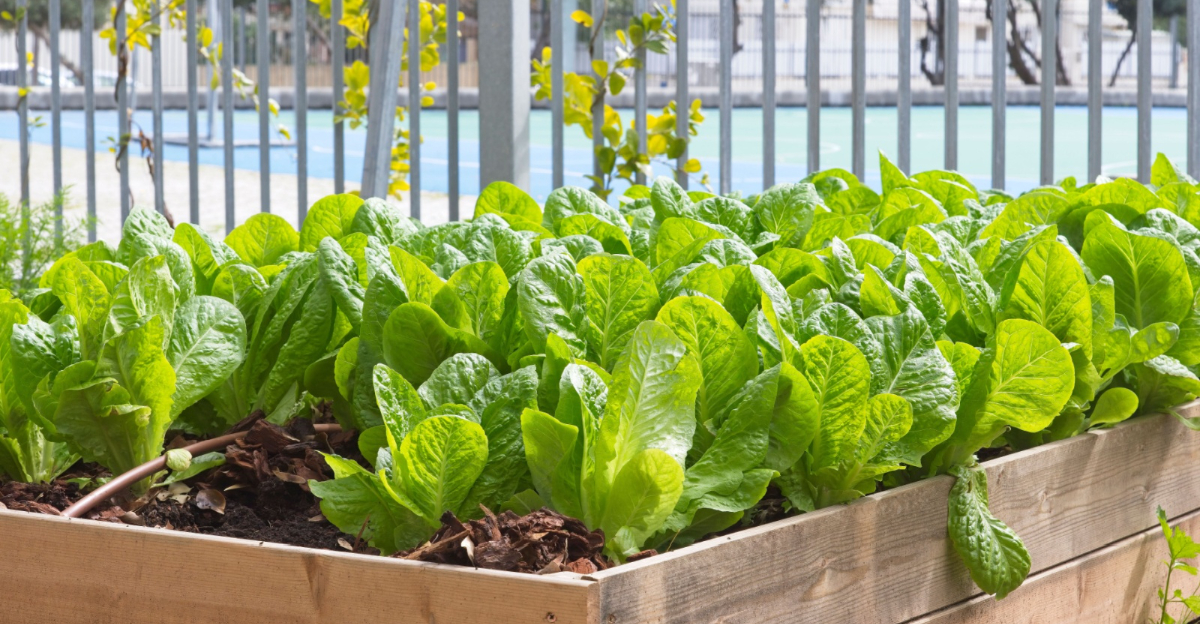
A raised bed, a narrow fence line strip, or even a decent sized patio can produce a genuinely impressive amount of fresh food when you choose vegetables that work hard for the space they take up.
Techniques like vertical growing, succession planting, and staying on top of harvesting make a real difference too. The setup matters a lot less than most people think.
1. Pole Beans Bring Vertical Harvests In Small Spaces
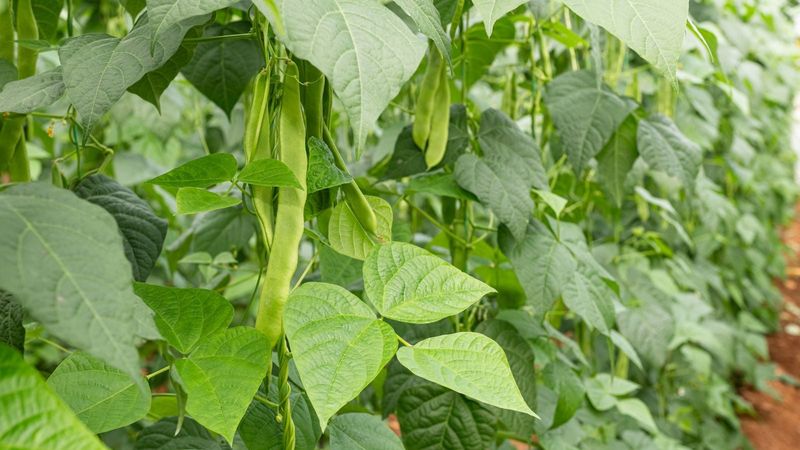
Growing upward instead of outward is one of the smartest moves a small-space gardener can make, and pole beans are built for exactly that.
A single trellis, fence section, or set of bamboo stakes gives these climbing plants all the vertical room they need, leaving the rest of your raised bed or backyard garden open for other crops.
In Pennsylvania, pole beans thrive during the warm summer months and tend to produce over a longer stretch of time compared to bush varieties.
Once the plants start flowering, picking beans regularly encourages more pods to form. Letting beans stay on the vine too long signals the plant to slow down production, so frequent harvesting is one of the most effective ways to keep yields coming.
A small row of pole beans along a trellis can supply a steady stream of fresh beans for weeks with relatively little ground space used.
Pole beans prefer full sun and well-drained soil, both of which are easy to manage in a raised bed. They generally do not need much fertilizing, especially in soil that already has decent organic matter.
Sow seeds directly into the garden after your last frost date, which can vary depending on where in Pennsylvania you are located.
In warmer parts of the state, that window arrives earlier, while gardeners in higher elevations or northern counties may need to wait a bit longer before the soil is consistently warm enough for good germination.
2. Tomatoes Bring Heavy Harvests From A Small Area
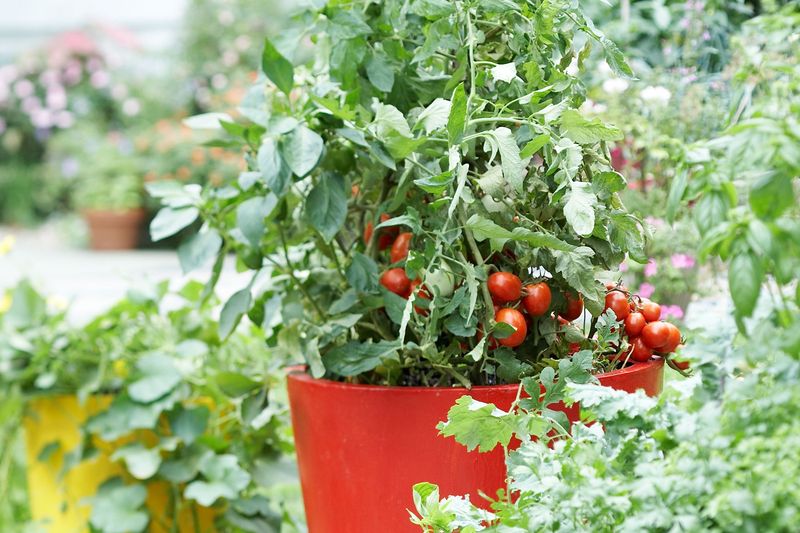
Few vegetables earn their place in a small Pennsylvania garden the way a well-managed tomato plant does.
A single indeterminate tomato variety, staked or caged and pruned consistently, can produce pounds of fruit from one spot in the ground or a large container on a sunny patio.
The key word there is managed, because a tomato plant that is allowed to sprawl without support can quickly crowd out everything nearby.
Indeterminate types keep growing and setting fruit throughout the season until cool fall temperatures slow them down, which makes them a strong choice for gardeners who want a long harvest window.
Pruning suckers, the small shoots that form between the main stem and branches, helps keep the plant tidy and directs energy toward fruit production rather than excess leafy growth.
Your Pennsylvania Garden Changes Every Week. Your Plan Should Too.
Gardening in Pennsylvania changes quickly throughout the season. Every Friday you’ll receive a simple weekly plan showing exactly what to plant, prune, fertilize, harvest, and protect so you never miss the right timing.
In Pennsylvania, tomatoes need a good stretch of warm weather, so starting seeds indoors or purchasing transplants gives them a head start before the outdoor growing season gets going.
Container growing works well for tomatoes, provided the pot is large enough and watering stays consistent. Inconsistent moisture is one of the most common reasons tomato plants struggle in containers.
Choosing a compact or patio-bred variety for container use can make management easier.
Across Pennsylvania, cherry and grape tomato types are especially popular in small gardens because they tend to produce abundantly and ripen quickly, giving gardeners frequent picking opportunities from mid-summer through early fall.
3. Cucumbers Save Space By Growing Up
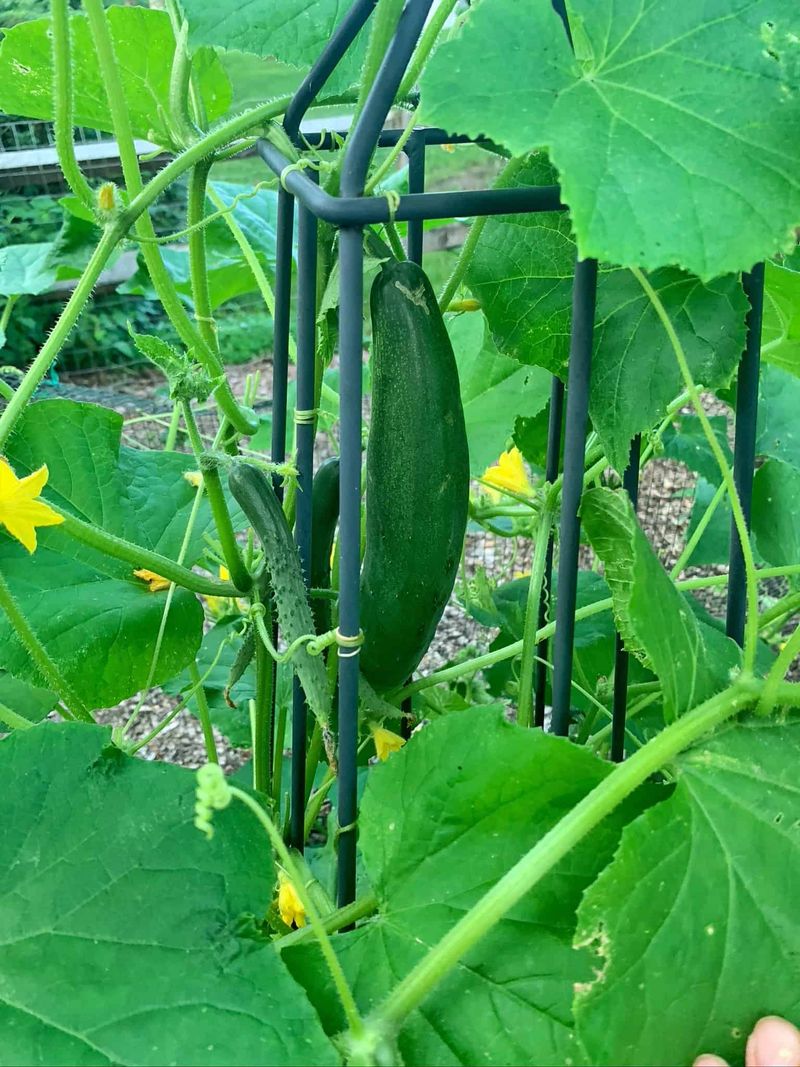
Left to trail along the ground, cucumber plants can take up a surprising amount of real estate. Train them up a trellis or a simple wire support, though, and the whole picture changes.
Vertical cucumber growing is one of the more practical techniques for gardeners working with raised beds or compact backyard spaces, keeping vines contained and improving air circulation around the leaves.
It also makes spotting ripe cucumbers much easier, which matters more than most people expect until they have lost a few to the undergrowth.
Cucumbers are warm-season crops that grow quickly once summer heat settles in across Pennsylvania. They prefer full sun, consistent moisture, and soil that drains well.
A raised bed with good compost mixed in gives them a strong start. Planting near a fence, a simple A-frame trellis, or a cattle panel arch allows the vines to climb without spreading sideways into neighboring crops.
Harvesting cucumbers on the early side, before they grow too large and turn yellow, keeps the plant producing steadily. Like pole beans, cucumbers respond well to frequent picking.
A plant that is regularly harvested tends to set more fruit than one where cucumbers are left to mature fully on the vine.
Succession sowing, planting a second round of seeds a few weeks after the first, can extend the harvest window and help gardeners avoid the feast-or-famine cycle that sometimes comes with growing cucumbers.
Even two or three well-supported plants can supply a household with cucumbers throughout the Pennsylvania summer growing season.
4. Leaf Lettuce Brings Fast Fresh Picking
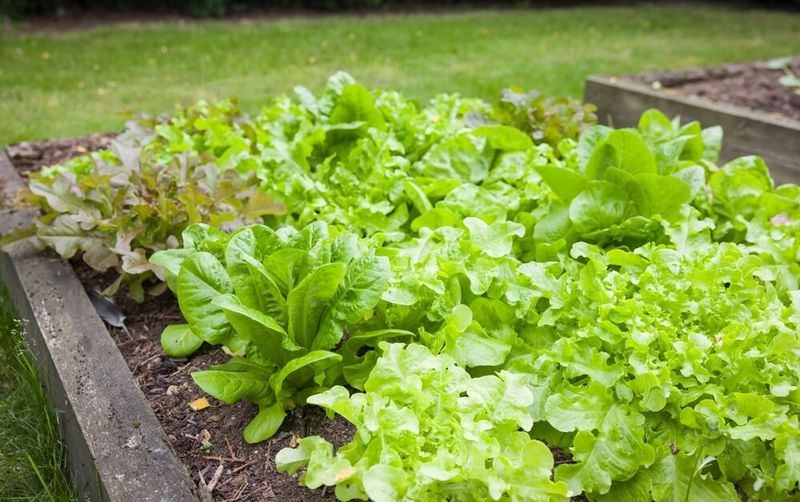
Salad greens do not get much more satisfying than a bowl of lettuce you cut from your own garden that morning.
Leaf lettuce is one of the quickest crops to go from seed to table, often ready for a first cutting in as little as four to six weeks depending on conditions.
That speed makes it especially appealing for gardeners who want to see results quickly or who are working with a small raised bed and want to make the most of every square foot.
The cut-and-come-again nature of leaf lettuce is what really earns it a spot on this list. Rather than harvesting the whole plant at once, you snip the outer leaves and the center keeps growing.
A small patch of mixed leaf lettuce can supply fresh salad greens for several weeks before the plants eventually bolt in summer heat. Succession sowing, starting a new row every two to three weeks, stretches the harvest season considerably.
Lettuce is a cool-season crop, so it fits neatly into the Pennsylvania growing calendar in spring and again in late summer or early fall. It grows well in partial shade, which is a bonus for gardens where a fence or nearby structure blocks some afternoon sun.
Containers and window boxes work well for lettuce too, making it a natural fit for patios and small outdoor spaces. Keeping the soil consistently moist helps prevent bitterness and encourages tender, flavorful leaves throughout the picking season.
5. Radishes Bring Quick Results In Tight Spaces
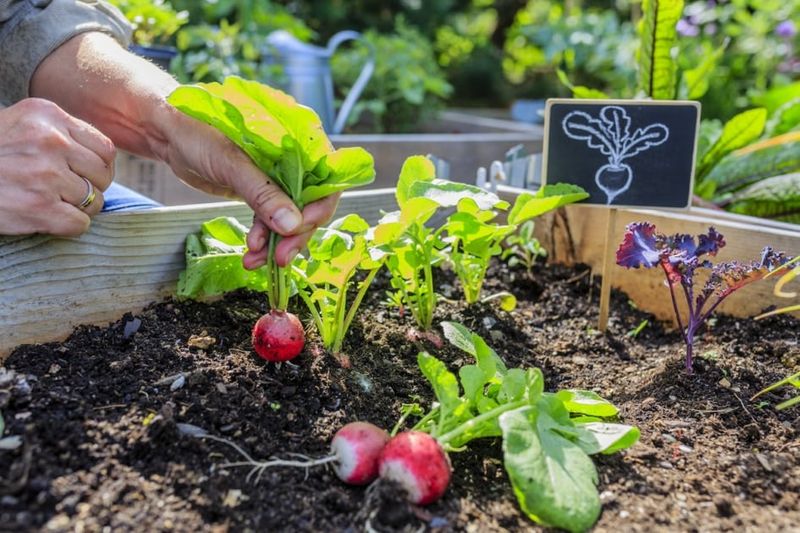
Radishes might be the most underappreciated vegetable in a small-space garden. They mature faster than almost any other crop, with many spring varieties ready to harvest in as little as three to four weeks after sowing.
That rapid turnaround means radishes can be tucked into spaces between slower-growing plants, harvested before those plants need the room, and then replaced with another quick sowing.
In Pennsylvania raised beds, this kind of intercropping makes practical sense and helps gardeners squeeze more productivity out of every square foot.
Spring radishes prefer cool weather, which makes them a natural fit for the early Pennsylvania growing season, typically from late March through May depending on location.
A second round can go in during late summer or early fall when temperatures begin to drop again.
Summer heat causes radishes to bolt and turn pithy quickly, so timing matters. Keeping them in a spot with consistent moisture and loose, well-worked soil encourages smooth, evenly shaped roots.
Beyond their speed, radishes serve a practical companion role in the garden. Their rapid growth can help mark rows of slower-germinating seeds like carrots, making it easier to see where you planted and to keep track of spacing.
When the radishes are pulled, the soil is loosened slightly, which can benefit the roots developing nearby.
For gardeners who want fast, reliable results in a tight space, few crops offer the same combination of speed, simplicity, and flexibility that radishes bring to a small Pennsylvania garden.
6. Peppers Bring Big Value In Small Gardens
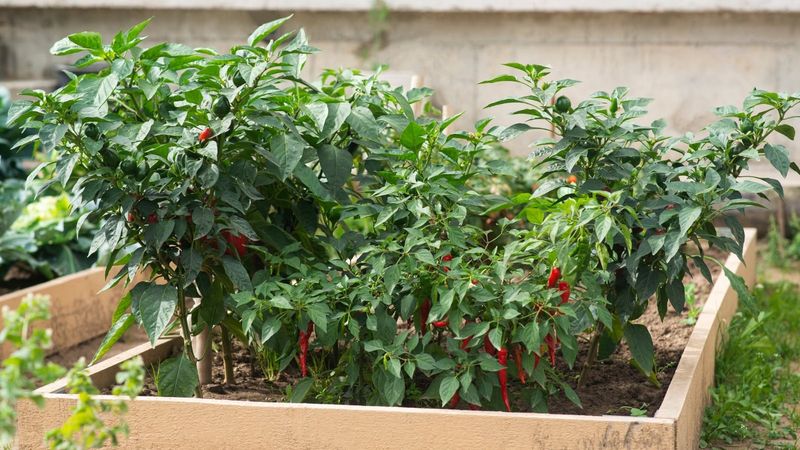
Compact by nature and generous with their harvest, pepper plants are a solid choice for Pennsylvania gardeners who want a lot of flavor from a small footprint.
A single well-grown pepper plant can produce a dozen or more fruits over the course of a season, and because plants stay relatively tidy in size, several can fit into a raised bed without crowding each other out.
Both sweet and hot varieties work well in small-space settings, and many gardeners grow a mix of both.
Peppers are warm-season crops that need a long growing season to reach full production, which is why starting seeds indoors six to eight weeks before the last frost date is common practice for gardeners.
Transplanting into the garden after nighttime temperatures stay reliably warm gives peppers the best start.
They prefer full sun and well-drained soil, and they respond well to consistent watering, especially once fruit begins to set.
Container growing suits peppers nicely. A pot that holds at least five gallons gives the root system enough room to support healthy growth, and containers can be moved to catch more sun or brought inside if an unexpected cool stretch arrives.
Harvesting peppers regularly, even while they are still green, encourages the plant to keep producing. Waiting for all peppers to fully ripen before picking any of them tends to slow overall output.
Across Pennsylvania, pepper season typically runs from midsummer into early fall, giving gardeners a solid window of steady harvests from a small, manageable plant.
7. Swiss Chard Keeps Giving Through The Season
Some vegetables give you one shot at a harvest and then they are done. Swiss chard takes a different approach entirely.
Cut the outer stalks, and the plant keeps pushing out new leaves from the center, week after week, throughout a surprisingly long growing season.
For gardeners working with limited space, that kind of ongoing productivity is genuinely valuable because one small planting can supply fresh greens from late spring all the way through the first hard frosts of fall.
Swiss chard tolerates both cool and warm temperatures better than many other leafy greens, which gives it a longer useful season in Pennsylvania gardens.
It can handle light frosts, making it one of the few vegetables that stays productive into autumn without much fuss.
Hot summer weather does not cause it to bolt the way lettuce or spinach might, so there is no need to time plantings around heat the same way you would with cool-season salad greens.
Growing chard in a raised bed or container is straightforward. It prefers full sun but tolerates partial shade reasonably well, and consistent moisture helps keep the leaves tender rather than tough or bitter.
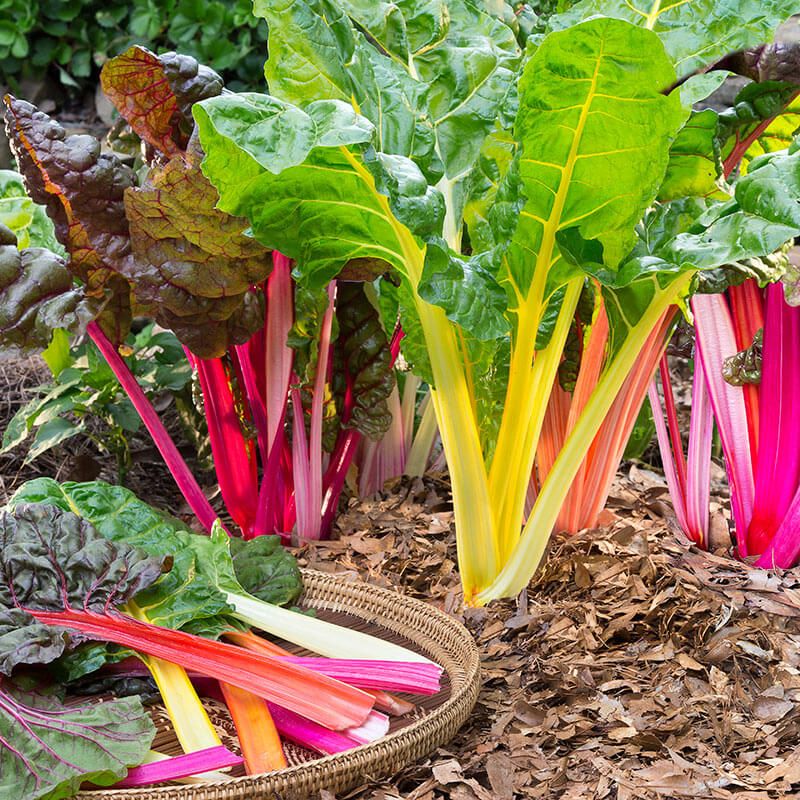
The colorful stems, ranging from white to yellow to deep red depending on the variety, also make it one of the more visually appealing crops in a small garden setting.
Harvesting outer leaves regularly encourages steady new growth, and the leaves can be used fresh or cooked, giving Pennsylvania gardeners a flexible and reliable source of homegrown greens season after season.