Native Georgia Perennials That Outperform Black-Eyed Susans In Every Yard
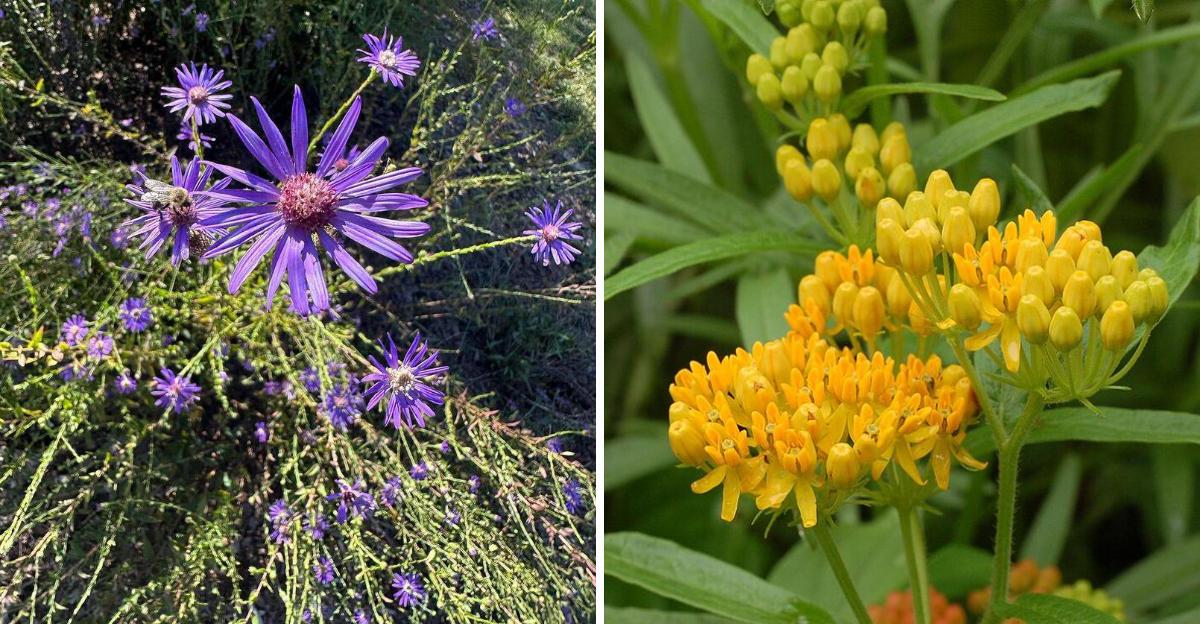
Georgia has no shortage of native perennials, but a few familiar flowers tend to get most of the attention. Black Eyed Susans are one of the best known examples.
Their bright blooms and dependable nature have made them a popular choice for years.
That popularity can make it easy to overlook other native plants. Some bloom longer, some handle challenging conditions better, and others provide more interest throughout the growing season.
A few remain surprisingly underused despite their impressive qualities.
Several stand out for their performance, adaptability, and lasting appeal. After seeing what these plants can do, Black Eyed Susans may no longer be the first choice for every yard.
1. Purple Coneflower Returns Reliably Year After Year
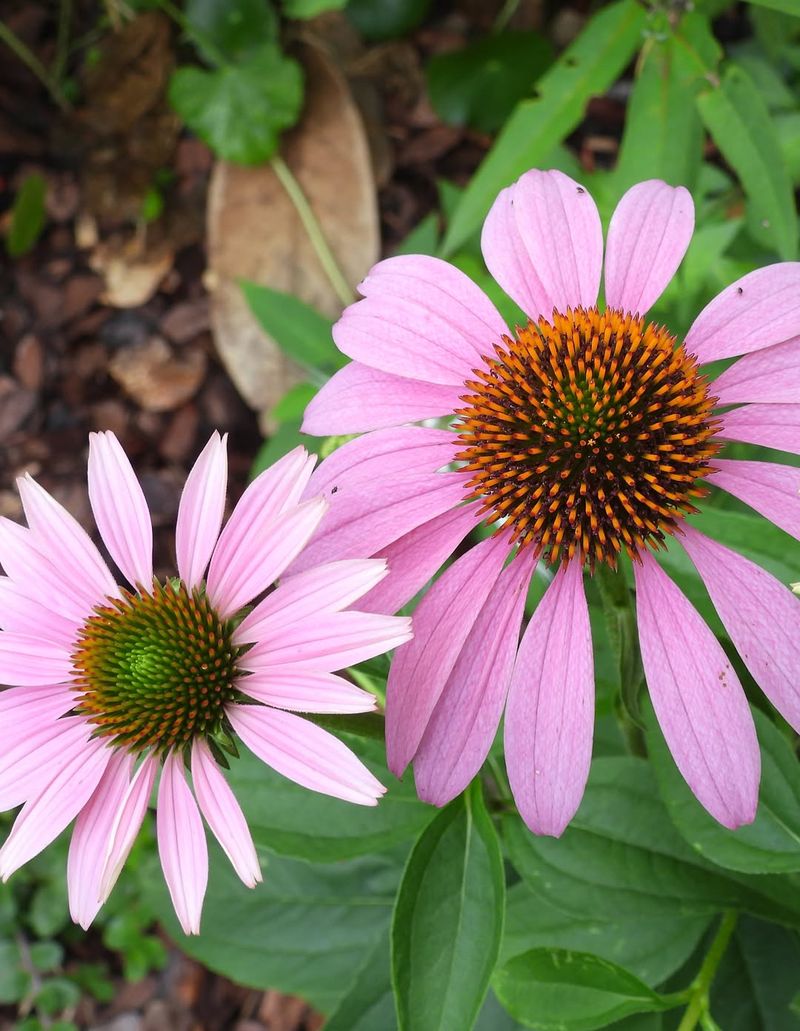
Few plants earn their place in a yard as consistently as Purple Coneflower. Echinacea purpurea pushes up fresh growth each spring without any fuss, and it keeps delivering for years without needing to be replanted.
Blooms typically arrive in early summer and hold strong through midsummer.
Goldfinches flock to the seed heads once flowering wraps up, so leaving the stems standing through fall actually benefits local birds.
Full sun is ideal, but this plant tolerates partial shade better than most people expect. It handles clay-heavy soil reasonably well, which matters a lot in yards where drainage is not perfect.
Spacing plants about 18 inches apart gives each clump room to spread naturally. Dividing crowded clumps every three or four years keeps the plants vigorous and blooming at full strength.
Unlike black-eyed Susans, which can be short-lived in heavy soils, coneflowers tend to persist and even self-seed modestly. You get new plants without doing much at all.
Deadheading spent blooms encourages a second flush of flowers in some seasons. Skipping deadheading entirely still works fine if you want the seed heads for wildlife.
Drought tolerance is solid once plants are established, usually after the first full growing season.
Water regularly during that first year, then ease off and let the plant settle into its own rhythm.
2. Swamp Milkweed Supports Monarchs At Every Life Stage
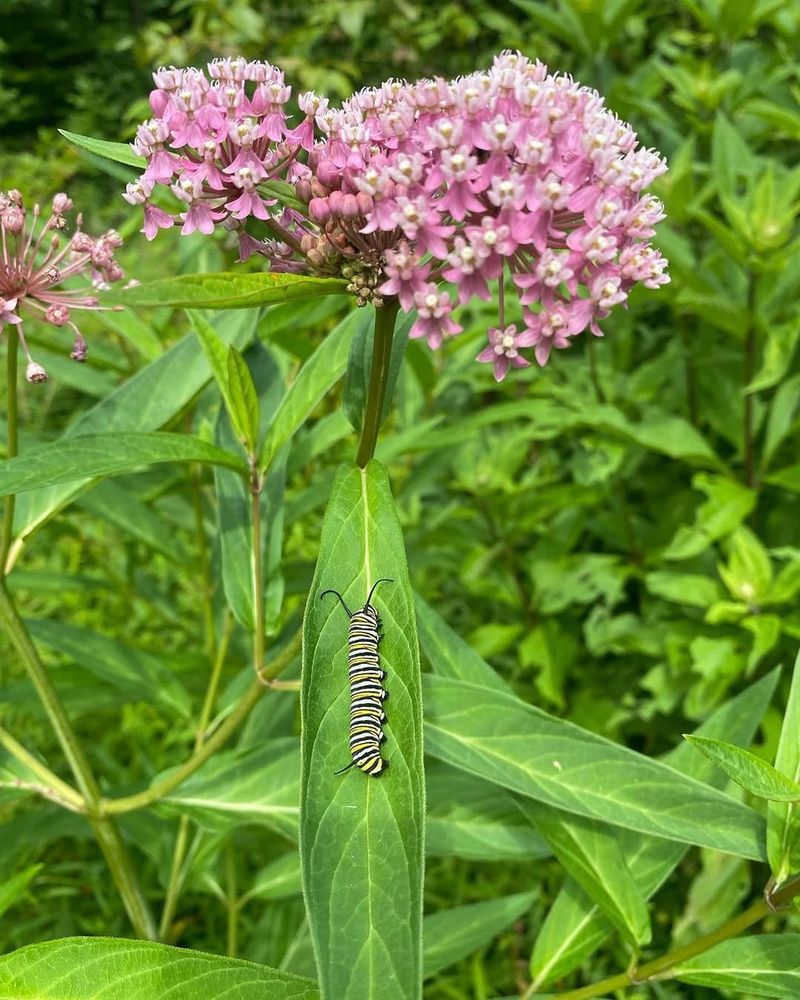
Monarch butterflies need more than just nectar. They need a plant where they can lay eggs and where caterpillars can actually feed.
Swamp Milkweed, Asclepias incarnata, covers all of that in one package.
Adults nectar on the pink flower clusters through summer. Females lay eggs on the leaves.
Caterpillars hatch and feed on the foliage directly. No other common garden plant does all three jobs at once.
Despite the name, swamp milkweed does not require boggy conditions. It grows well in average garden soil as long as moisture is reasonably consistent.
Rain gardens and low spots suit it naturally, but a regular border works too with occasional watering.
Plants reach three to four feet tall and hold an upright shape without staking. Clusters of rosy pink flowers appear in midsummer and attract a wide range of other pollinators beyond monarchs.
Aphids sometimes cluster on new growth. A strong spray of water knocks most of them off without reaching for any spray products.
Your Georgia Garden Changes Every Week. Your Plan Should Too.
Gardening in Georgia changes quickly throughout the season. Every Friday you’ll receive a simple weekly plan showing exactly what to plant, prune, fertilize, harvest, and protect so you never miss the right timing.
Natural predators like ladybugs usually catch up quickly.
Cutting plants back to about six inches after the first hard frost tidies up the bed without harming the root system. New growth emerges reliably each spring.
Pair swamp milkweed with native grasses or coneflowers for a planting that supports wildlife at multiple levels. It earns its space through genuine ecological function, not just good looks.
3. Blue Mistflower Creates Dense Patches Over Time
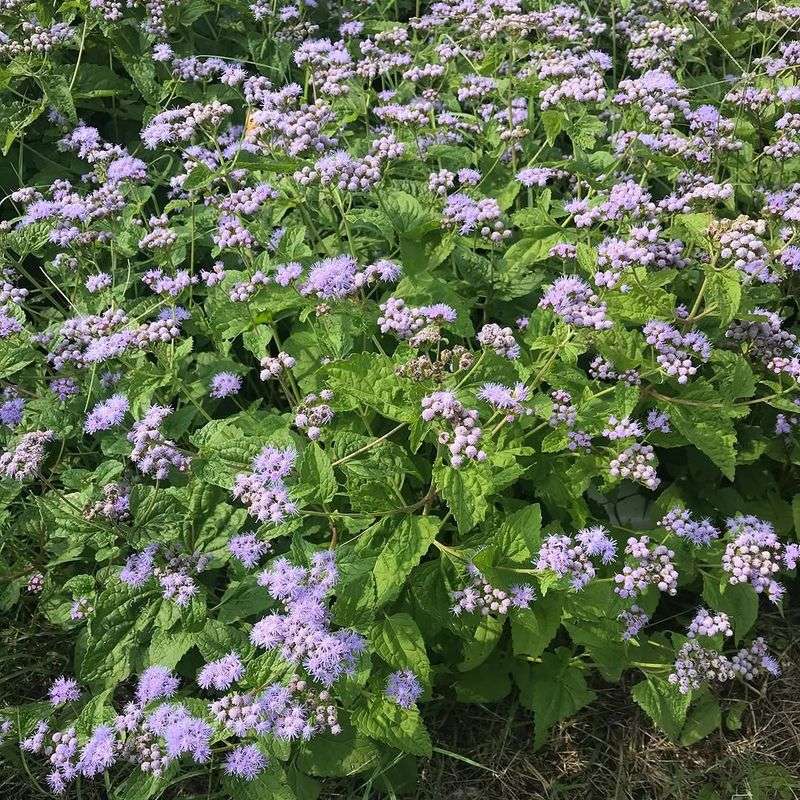
Walk past Blue Mistflower in bloom and you will notice the butterflies before you notice the plant. Conoclinium coelestinum produces fuzzy, powder-blue flowers that draw in skippers, monarchs, and dozens of smaller native bees each fall.
Bloom time runs from late summer through frost. That window is longer than most people expect from a native wildflower, and the color holds up well even during warm October days in the Southeast.
Plants spread by underground rhizomes and form dense colonies over a few seasons. That spreading habit makes them excellent ground cover under trees or along shaded borders where other perennials struggle to fill in.
Some gardeners find the spreading too aggressive for a small, tidy bed. Planting inside a buried edging or in a contained area keeps growth manageable without much ongoing effort.
Moisture helps but is not strictly required once plants are settled. Partial shade to full shade suits blue mistflower better than full sun, which can stress the foliage during hot, dry stretches.
Height stays between one and three feet depending on light levels. Shadier spots tend to produce taller, slightly leggier growth.
More light keeps plants shorter and fuller.
No serious pest or disease problems typically affect this plant under normal conditions. Cut it back hard in late winter and fresh growth fills in quickly.
It is genuinely low-effort once the colony establishes itself in a good spot.
4. Threadleaf Coreopsis Blooms For Months With Minimal Care
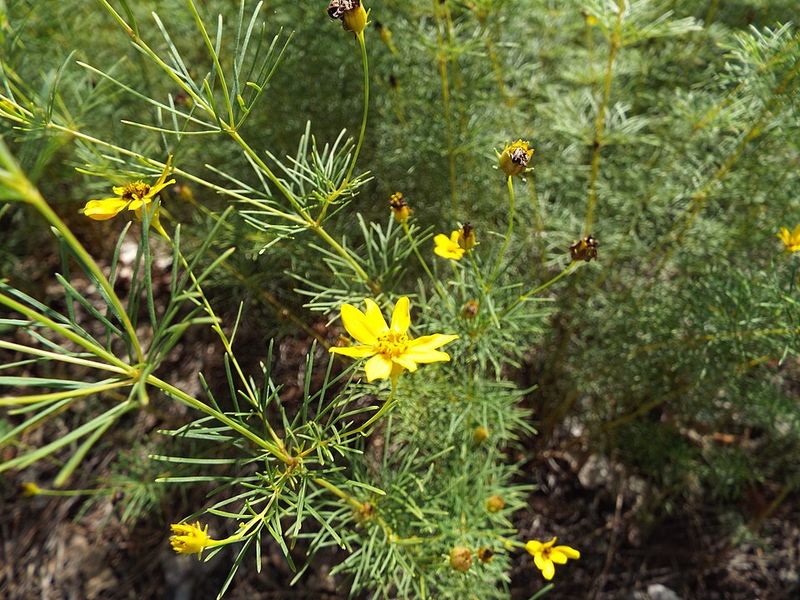
Bright yellow flowers from late spring all the way through fall sound almost too good to be true. Coreopsis verticillata delivers exactly that, and it does it on very little water once established in well-drained soil.
Fine, needle-like foliage gives this plant a delicate, feathery look that contrasts nicely with broader-leaved companions. That texture alone makes it worth growing even before the flowers show up.
Heat does not slow it down. High humidity does not cause the kind of rot or fungal problems that plague many other perennials during sticky Southern summers.
Threadleaf Coreopsis just keeps going.
Shearing plants back by about a third after the first big bloom flush in early summer encourages a second and sometimes third round of flowering. Without shearing, bloom production gradually tapers off but does not stop entirely.
Full sun is the clear preference here. Partial shade reduces flower count and can make stems stretch toward the light, weakening the plant’s natural mounding shape.
Clumps spread slowly and can be divided every three to four years. Division keeps plants energetic and gives you extras to fill other spots in the yard or share with neighbors.
Pair threadleaf coreopsis with blue salvia or purple coneflower for a color combination that performs from June through September. It asks for almost nothing and gives back generously across a long growing season.
Few perennials offer that kind of return on minimal effort.
5. River Oats Brings Movement To Shady Areas
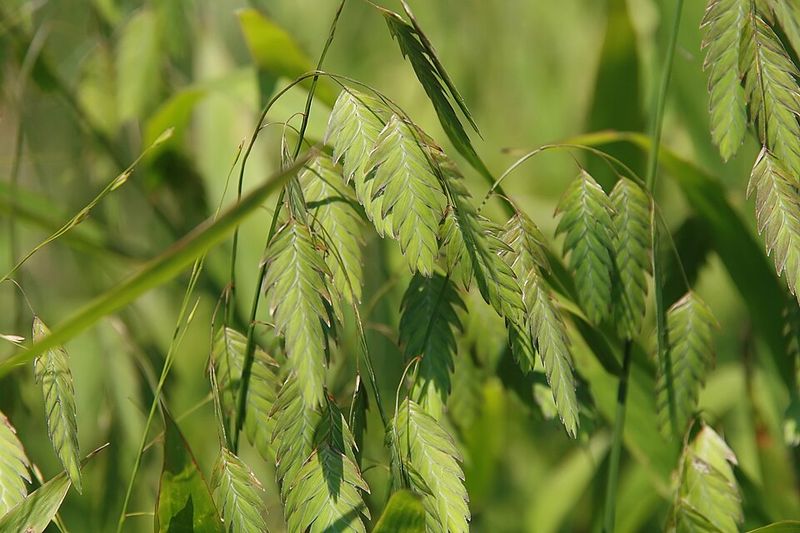
Most ornamental grasses want full sun, but River Oats genuinely thrives in shade. Chasmanthium latifolium fills dark corners of a yard where flowering perennials simply refuse to perform, and it does it with real visual interest.
Flat, dangling seed heads catch every passing breeze and create constant gentle movement. That motion adds life to spots that often feel static and heavy under a dense tree canopy.
Plants grow two to four feet tall depending on light and moisture levels. More shade typically produces slightly taller, looser growth.
More light keeps clumps tighter and more upright through the season.
Seed heads emerge green in summer and shift to copper-bronze by fall. Winter color holds reasonably well, giving the garden structure even after other plants go dormant.
Self-seeding can be vigorous in ideal conditions. Removing seed heads before they fully mature reduces unwanted spread into nearby beds or lawn edges.
A little management early on saves more work later.
River Oats tolerates both moist and average soil conditions. It does not perform well in dry, baked spots under shallow-rooted trees, but most other shaded locations with decent moisture work fine.
Cutting clumps back hard in late winter or very early spring before new growth pushes up keeps plants looking tidy. Division every few years prevents overcrowding and keeps the root zone from becoming too dense.
It is a low-fuss grass that rewards shady spots with genuine seasonal interest.
6. Butterfly Weed Handles Dry Conditions With Ease
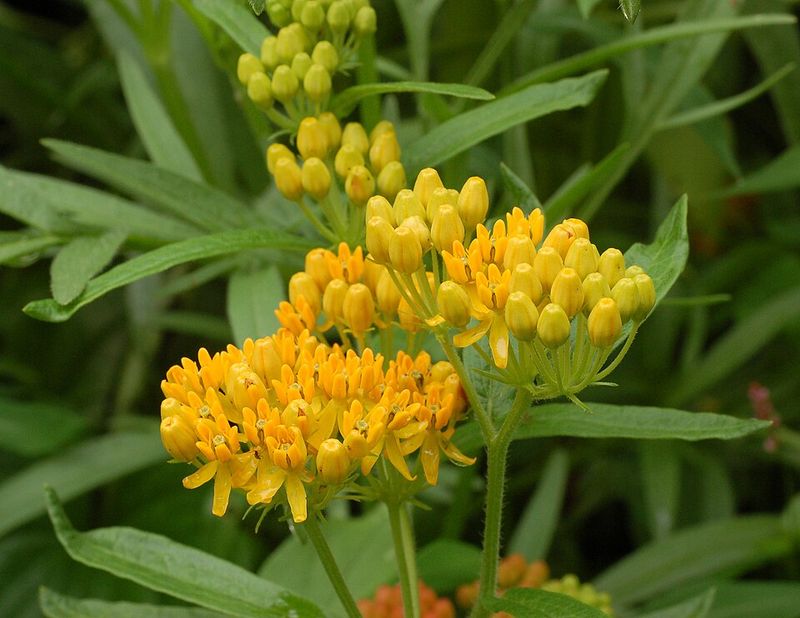
Forget to water for two weeks in July? Butterfly Weed will not hold it against you.
Asclepias tuberosa thrives in dry, well-drained soil and actually performs worse when overwatered or planted in soggy ground.
Orange flower clusters pop against green foliage from late spring into midsummer. That color is vivid and clean, drawing attention from across the yard and from every passing monarch and swallowtail butterfly nearby.
Unlike common milkweed, this species stays compact and does not spread aggressively. Plants reach about two feet tall and wide, making them a natural fit for the front or middle of a sunny border.
Root depth is impressive. Butterfly weed develops a long taproot that anchors it firmly and pulls moisture from deep in the soil.
That same taproot makes transplanting mature plants tricky, so choose your planting spot carefully from the start.
Seed pods form after flowering and split open in fall to release silky-tailed seeds. Leaving pods on the plant until they open naturally allows self-seeding in bare spots nearby.
Slow to emerge in spring, so mark the planting location to avoid accidentally digging into it before new growth appears. Patience in early spring pays off once the plant fully leafs out.
Sandy or rocky soil suits butterfly weed especially well. Amended, rich soil is not necessary and can actually reduce flowering.
Lean conditions push this plant to bloom harder and more consistently across the season.
7. Narrowleaf Mountain Mint Draws A Wide Range Of Pollinators
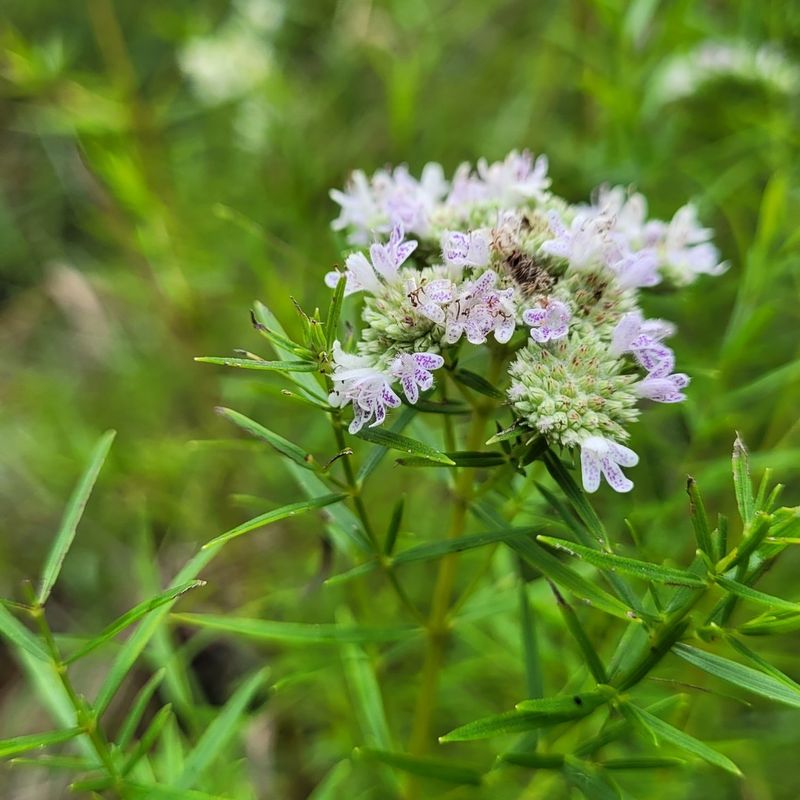
Stand next to Narrowleaf Mountain Mint on a warm afternoon and the sound of buzzing is almost constant. Pycnanthemum tenuifolium attracts an extraordinary variety of native bees, wasps, and beetles that most other garden plants simply cannot match.
Small white flowers with silvery-white bracts cover the plant from midsummer into early fall. The display is not flashy, but pollinators do not care about flash.
They respond to the heavy, minty fragrance that drifts across the garden on hot days.
Plants reach two to three feet tall and hold an upright, airy form. Stems are slender and fine-textured, creating a look that blends easily with both bold-leaved perennials and ornamental grasses nearby.
Full sun produces the best bloom density and strongest fragrance. Partial shade works but tends to reduce both the flower count and the plant’s appeal to pollinators over time.
Average to dry soil suits this plant well. Overly rich, moist soil encourages floppy growth that needs staking.
Lean conditions actually bring out the plant’s best qualities.
Spreads gradually by rhizomes and can form a modest colony over several seasons. Dividing clumps every few years keeps growth in check and gives you healthy starts for other areas of the yard.
Deer tend to avoid it, likely due to the strong minty scent. That resistance makes it a smart choice for yards where deer browsing is an ongoing challenge throughout the growing season.
8. Georgia Aster Extends Color Well Into Fall
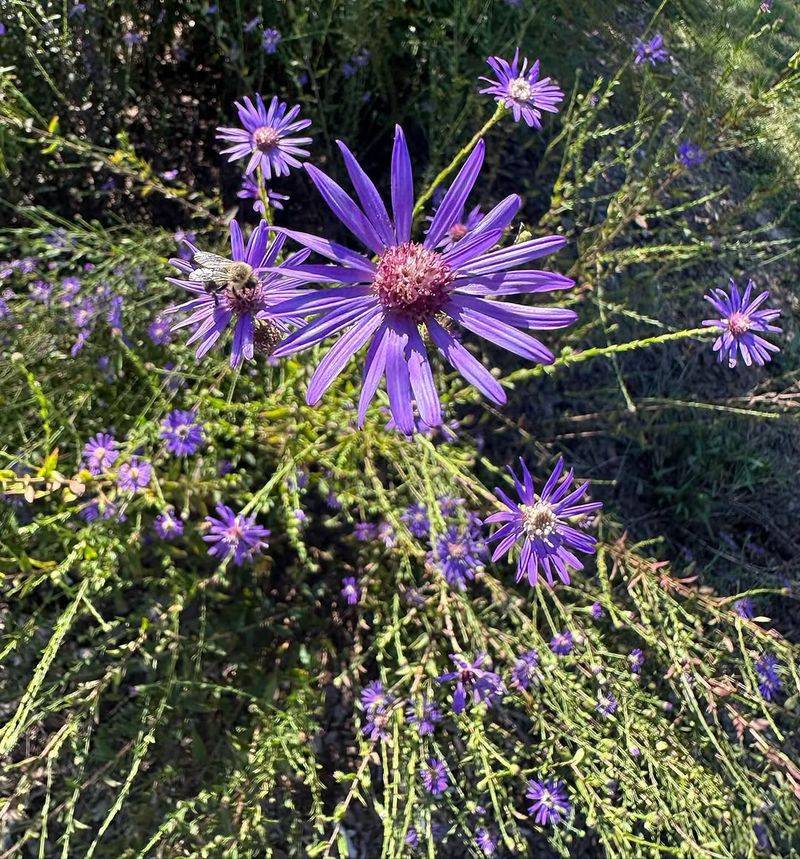
Most perennials are winding down by October, but Georgia Aster is just getting started. Symphyotrichum georgianum pushes out a burst of violet-blue blooms right when most other flowers have already faded.
That late-season timing makes it genuinely valuable. Pollinators are still active in fall and need reliable food sources before temperatures drop.
Georgia Aster steps in and fills that gap without any extra effort from you.
Plants grow two to four feet tall and spread gradually over time. They work well at the back of a border or tucked along a fence line where their somewhat rangy late-summer foliage is less noticeable.
Cutting stems back by about half in early July encourages a bushier, more compact shape. Without that trim, plants can lean or flop a bit, especially in rich soil.
Full sun produces the best bloom count. Partial shade is workable, but flower production drops noticeably in lower light conditions.
Soil drainage matters more than soil richness here. Sandy or loamy ground suits this plant well.
Consistently wet roots cause problems, so avoid low spots in the yard.
Once established, Georgia Aster needs very little water beyond normal rainfall. It is genuinely tough and rewards neglect far better than many showier perennials do.
Pair it with goldenrod or blue mistflower for a strong late-season combination that pollinators actively seek out.