What The Presence Of A Praying Mantis Says About Your Washington Garden
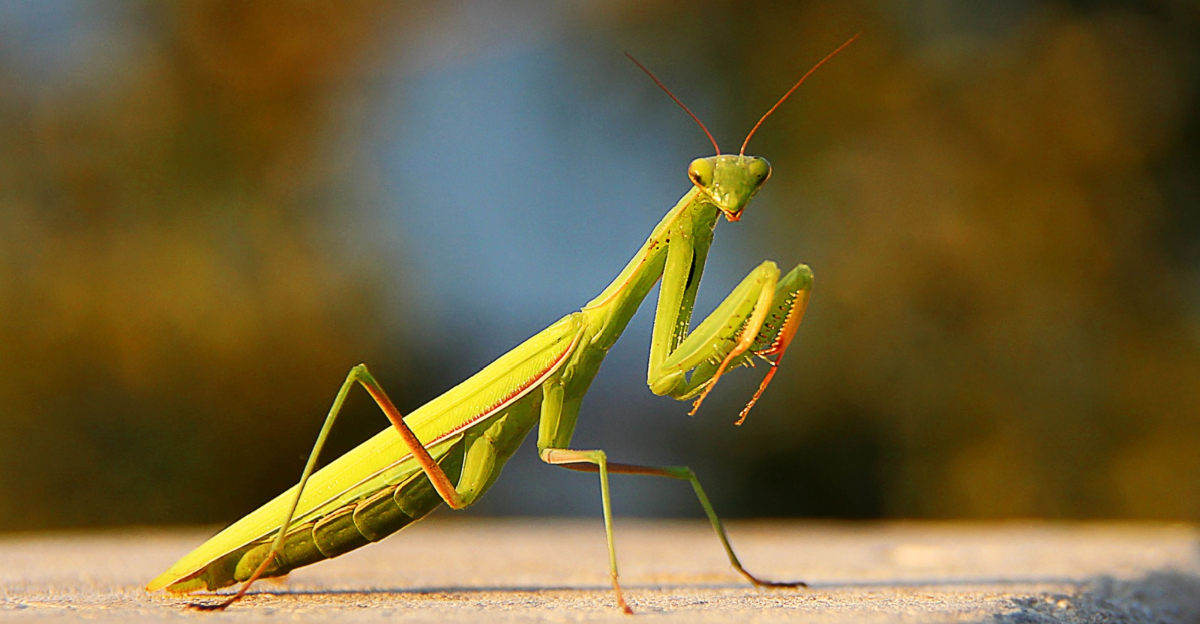
If a praying mantis just showed up in your Washington garden, take a moment. Not to grab your phone for a photo, though fair enough.
Take a moment to appreciate what that sighting actually means.
Praying mantises do not wander into just any yard. They are selective, sometimes remarkably so, and they settle where conditions genuinely suit them.
A healthy insect population, decent plant cover, minimal chemical interference. That is the kind of garden they are drawn to.
So if one has decided your space is worth its time, that says something real about how you have been tending it.
This is not a random visitor. It is closer to a small, six-legged vote of confidence in your gardening instincts.
Here is what its presence actually tells you about your Washington garden, and why it matters more than you might think.
A Praying Mantis Is A Sign You’re Doing Something Right
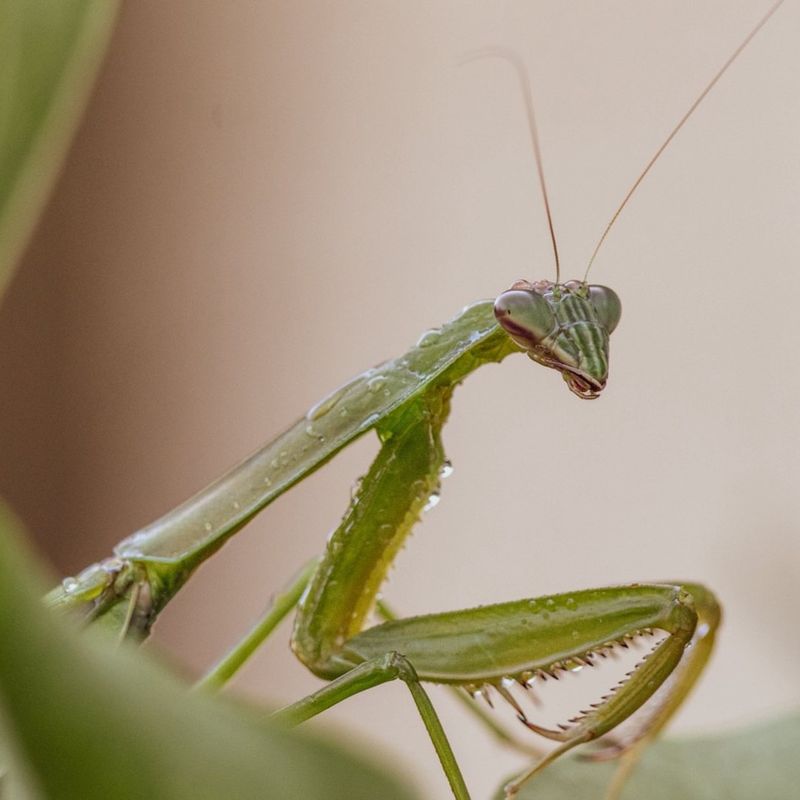
Your garden just passed a serious quality check. A praying mantis does not settle in just any yard it wanders through.
Finding one means your space offers real habitat value. These insects need a thriving ecosystem to survive, and they are highly selective about where they stay.
A healthy garden has layered plants, diverse insects, and minimal chemical interference. The praying mantis reads all of those signals before it ever decides to stick around.
Gardeners in Washington often work hard to build balanced outdoor spaces. Seeing a mantis confirms that effort is actually paying off.
Pesticide-heavy yards rarely attract them. If your garden is full of sprays and synthetic treatments, mantises will pass right by without a second glance.
That also means you have probably been making smarter choices than you realize.
Organic gardening practices create the kind of complex food web these hunters depend on. Your choices at the garden center are reflected in the wildlife that shows up later.
Think of a praying mantis as a living report card for your outdoor space. It grades your soil health, plant diversity, and pest balance all at once.
When one appears on your tomato cage or rosebush, take a moment to appreciate what you have built. That garden of yours is clearly doing something very right.
What To Do When A Praying Mantis Shows Up
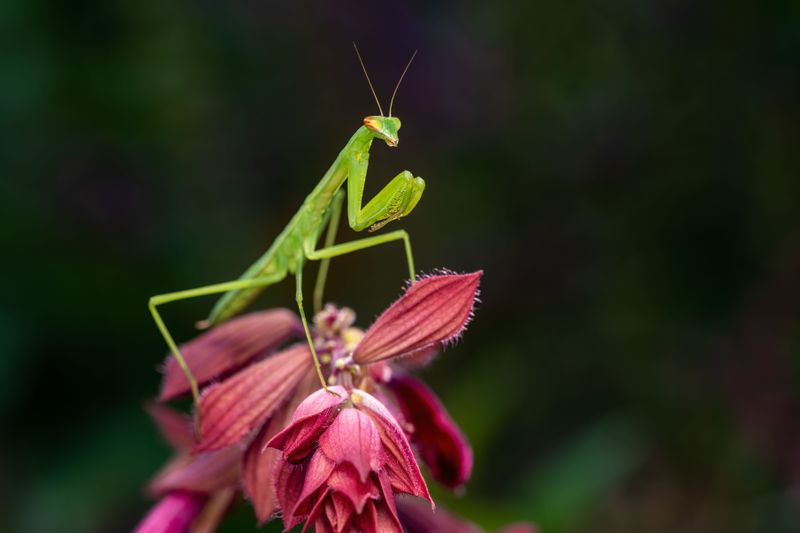
Freeze. Take a breath.
You just spotted something most gardeners rarely notice.
The first instinct many people have is to pick it up, but slow down before you reach out. Mantises can bite, and they do not enjoy being handled by strangers.
Observe it quietly from a short distance first. Watch how it moves, how it tracks insects, and how it uses its surroundings to stay hidden.
If it is in a spot where it could get hurt, like near a lawn mower path or a busy walkway, gently guide it to a safer area. Use a stick or a thick gardening glove to encourage it to move without stressing it out.
Resist the urge to relocate it far from where you found it. Mantises are solitary and do best when they stay in the habitat they already chose.
Your Washington Garden Changes Every Week. Your Plan Should Too.
Gardening in Washington changes quickly throughout the season. Every Friday you’ll receive a simple weekly plan showing exactly what to plant, prune, fertilize, harvest, and protect so you never miss the right timing.
Take a photo if you can get close enough without disturbing it. Submitting your sighting to a citizen science platform like iNaturalist helps researchers track mantis populations across Washington.
Do not spray anything near it. Even organic pesticides can harm or drive away a mantis that has taken up residence in your yard.
Consider it a neighbor worth protecting. A praying mantis in your garden is one of the most useful visitors your outdoor space can have.
Garden Benefits Of The Praying Mantis Diet
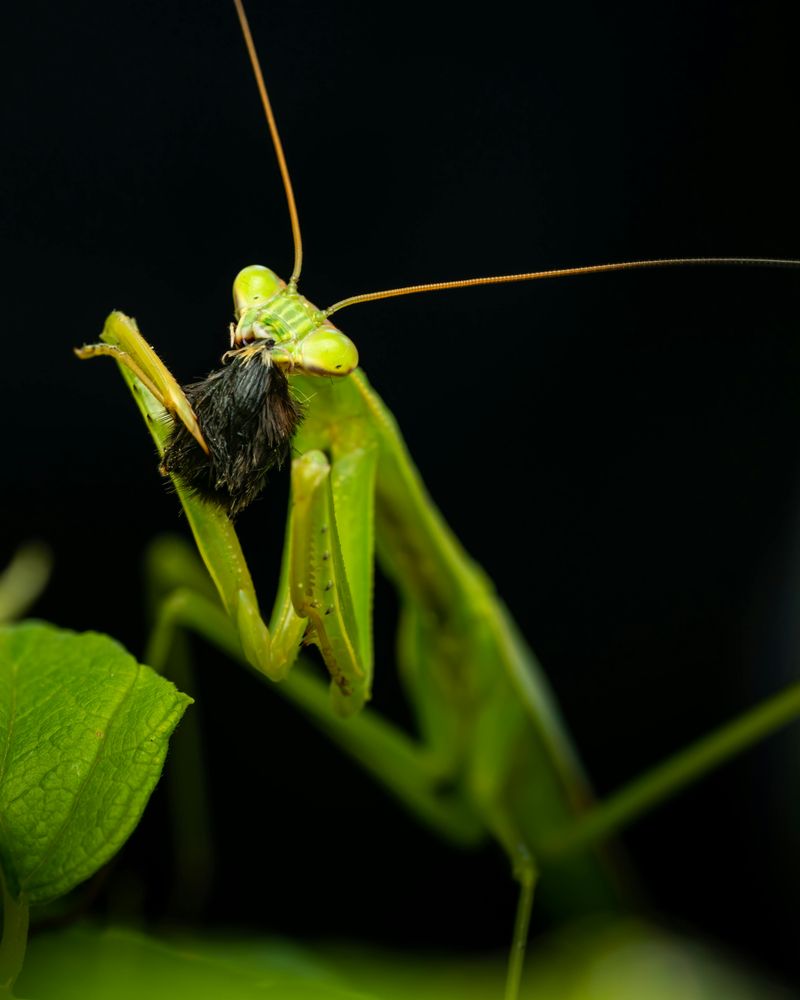
A praying mantis eats like a tiny, efficient machine. Its diet includes aphids, caterpillars, beetles, grasshoppers, and even the occasional spider.
Every pest it catches is one less problem for your plants. That kind of natural pest control is something most gardeners actively spend money trying to replicate.
What makes the mantis so effective is its speed and precision. Those signature forelegs snap shut faster than the human eye can follow, catching prey before it even reacts.
Aphid infestations can quickly damage tender new growth. A resident mantis helps keep those populations from exploding out of control.
Caterpillars are another common garden nuisance, especially for leafy greens and brassicas. Mantises hunt them aggressively, reducing the damage before it becomes noticeable.
One thing worth knowing is that mantises are not selective in a helpful way. They will also eat beneficial insects like bees and butterflies if given the chance.
A garden with strong plant diversity tends to absorb that trade-off better than one that relies on a single crop or flower type.
That is why balance matters so much in a healthy garden ecosystem. A single mantis in a diverse space causes far less disruption than a large population would.
Nature has a way of managing these trade-offs on its own. Trusting the process and supporting habitat diversity keeps your garden running smoothly without constant intervention.
Plants That Attract Praying Mantises To Washington Gardens
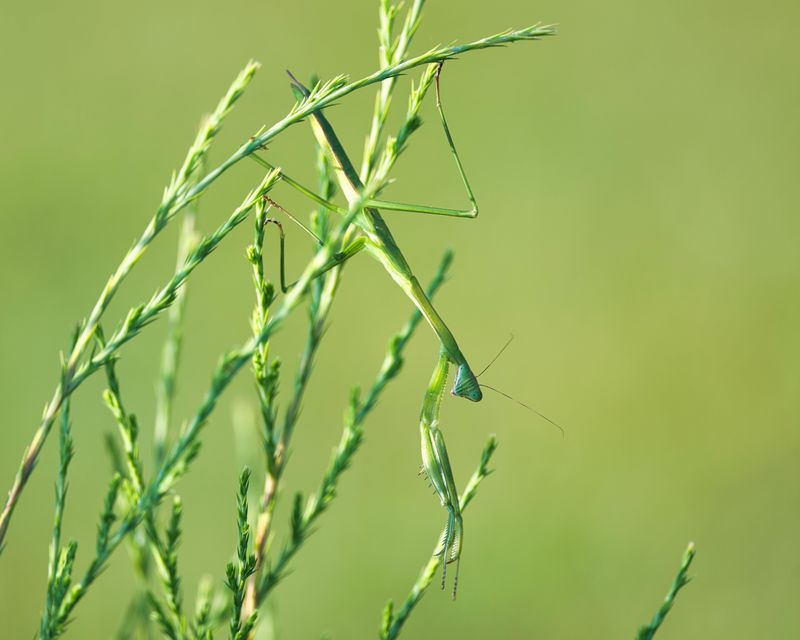
Certain plants practically roll out the welcome mat for praying mantises. Tall, dense vegetation gives them the cover they need to hunt without being spotted themselves.
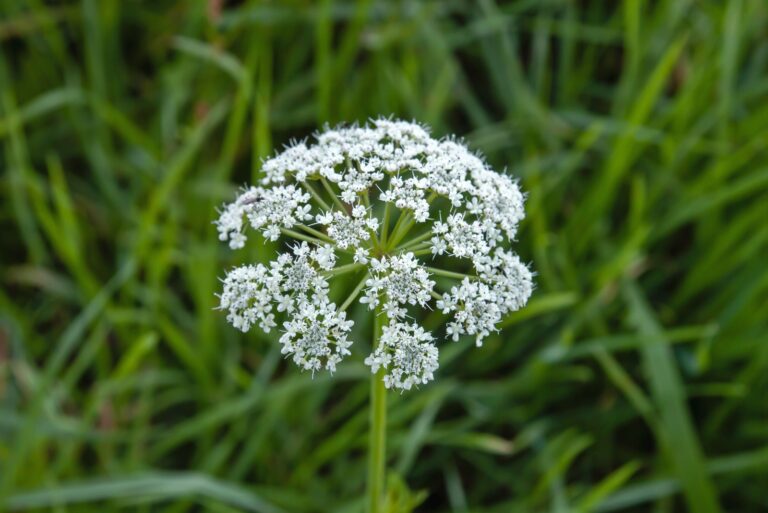
Dill, fennel, and angelica are among the top plant choices for drawing these predators in. Their tall, feathery stems create perfect ambush spots for a patient hunter.
Marigolds attract the small insects that mantises love to eat. Plant a border of them near your vegetable beds and you create a natural buffet that keeps mantises close.
Native shrubs like red osier dogwood and oceanspray provide excellent shelter and hunting grounds. These plants support the broader insect community that a mantis depends on for food.
Tall ornamental grasses are another smart addition to any mantis-friendly yard. The blades offer camouflage, and the base of the grass often shelters the smaller bugs mantises chase.
Cosmos, sunflowers, and yarrow all attract pollinators and secondary prey insects. A garden layered with these plants becomes a complete hunting ecosystem for a resident mantis.
Avoid overly manicured, sparse plantings if you want to keep mantises around. A garden that looks a little wild and textured is exactly what they are looking for.
Adding even a few of these plants can shift your yard from ordinary to genuinely mantis-worthy this season.
The Hiding Spots Praying Mantises Prefer In Washington Gardens
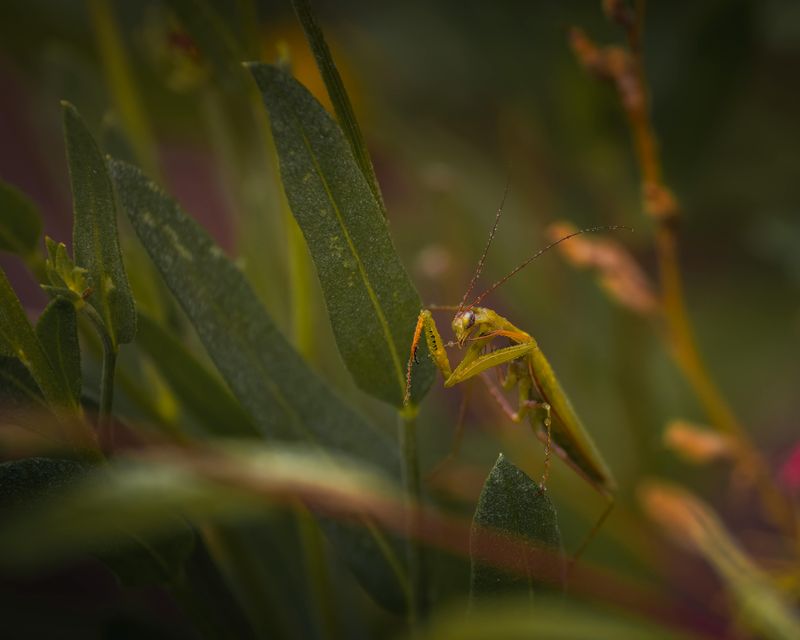
Mantises are masters of blending in. You could walk past one a dozen times without ever knowing it was there watching you.
They prefer areas with dense foliage, tall grasses, and woody stems. These spots give them both cover from predators and a strategic perch for hunting.
Garden borders near fences are a favorite resting zone. The combination of vertical structure and nearby plant life gives mantises everything they need in one spot.
Shrubby areas at the edge of a lawn are another common hideout. Mantises like having open ground nearby where prey insects tend to move around freely.
Compost bins surrounded by tall weeds or native plants may attract prey insects that mantises hunt. The decomposing material attracts flies and beetles, which in turn attract the mantis looking for a meal.
As temperatures drop in the evening, mantises may move lower in the vegetation. You are more likely to spot one in the morning when it climbs back up to catch sunlight.
Egg cases, called oothecae, are often attached to woody stems, fence posts, or dried flower stalks. If you find one of these foam-like cases in winter, a mantis family is preparing to emerge in spring.
Protecting those egg cases through the cold months is one of the best investments you can make in next year’s garden health.
Simple Ways To Keep Praying Mantises Coming Back
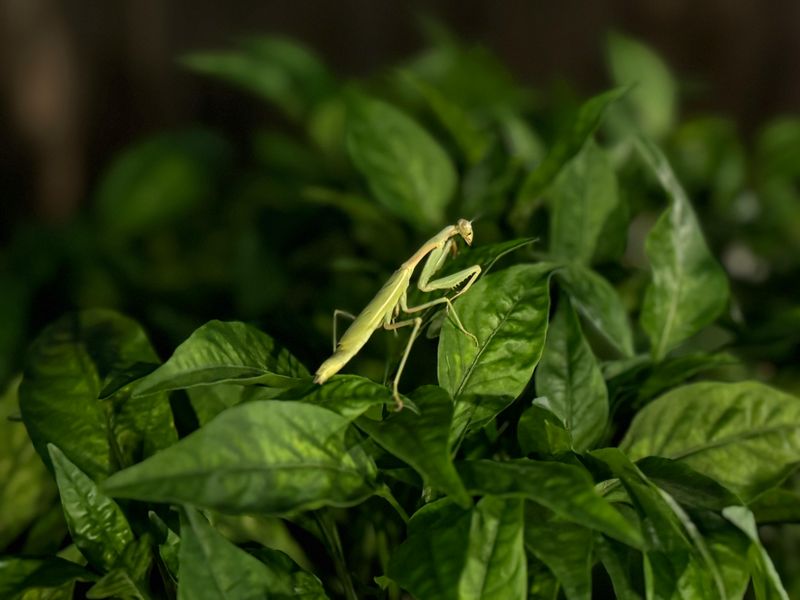
Once a mantis finds your yard, you want it to stay. The good news is that keeping them around does not require a lot of extra work.
The single most important step is reducing or eliminating pesticide use. Chemical sprays wipe out the insect populations that mantises depend on, leaving them with nothing to eat.
Let some areas of your garden grow a little wild. Patches of tall native plants, unmowed edges, and dried flower stalks give mantises the structure they need to thrive.
Add a shallow water source like a birdbath with pebbles in the basin. Mantises need to drink, and a shallow water source makes your yard far more appealing to them.
Plant a variety of flowering herbs and native perennials throughout the season. Continuous blooms mean a steady stream of prey insects, which keeps a mantis well-fed from spring through fall.
Leave dried stems and seed heads standing through winter. Mantis egg cases are often attached to these structures, and cutting them down removes next year’s population before it even starts.
Mulch your garden beds to support soil health and ground-level insect activity. A healthy soil ecosystem feeds the food chain from the bottom up, supporting every creature above it.
A praying mantis-friendly garden is simply a healthy, thoughtful garden built to last.