That Yellow Weed Spreading Through Your Pennsylvania Lawn Is Actually Useful
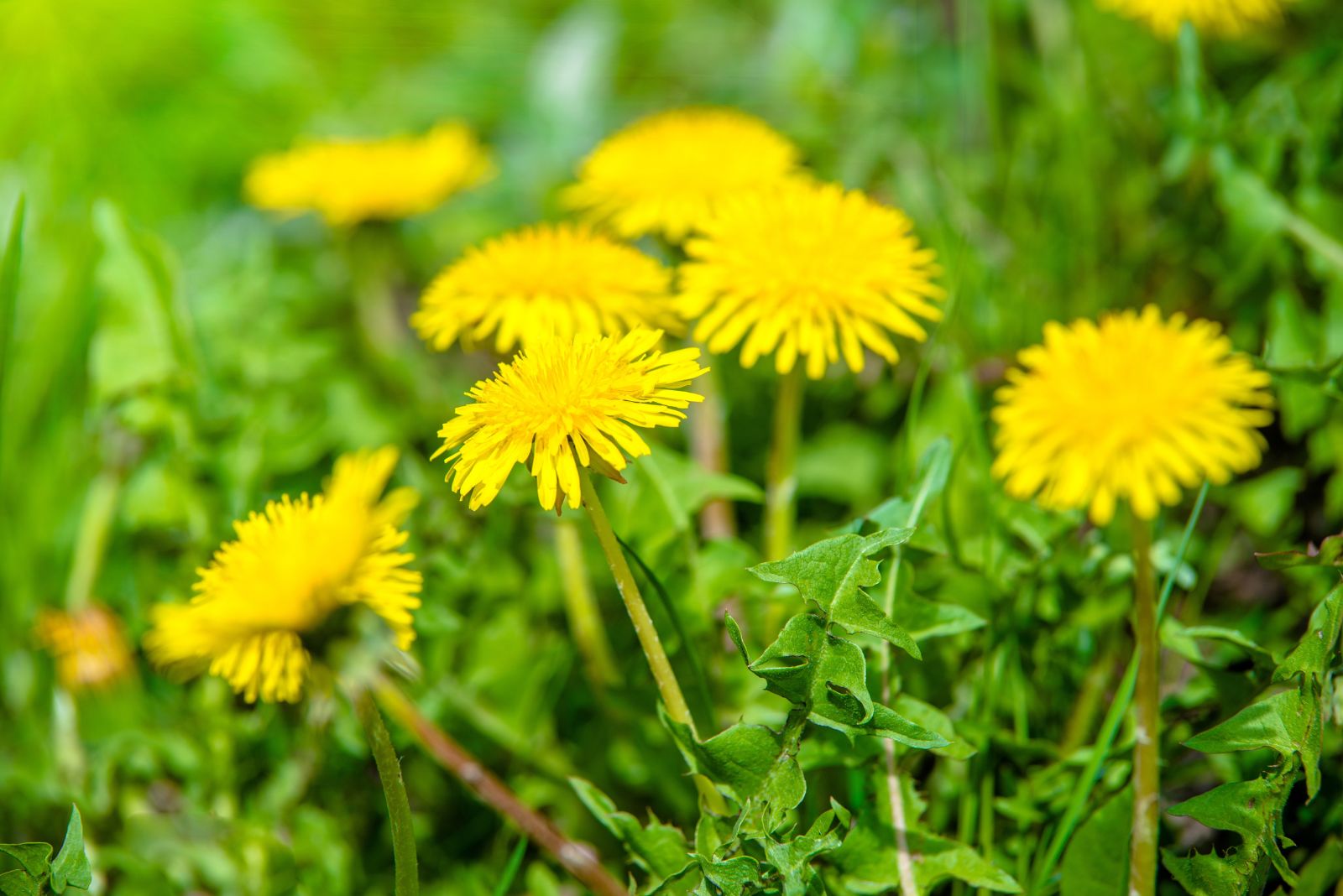
Most Pennsylvania homeowners see something yellow spreading through their lawn and immediately start thinking about how to get rid of it. It looks uninvited, it shows up without permission, and it does not fit the idea of a tidy well-kept yard.
Before you reach for the herbicide or start pulling, it is worth taking a closer look at what is actually growing there, because the yellow-flowered plant taking over patches of Pennsylvania lawns is one of the most useful and underappreciated plants in the region.
It has a long history of practical use, supports early season pollinators when almost nothing else is blooming, and every part of it is edible and genuinely nutritious.
The lawn care industry has done a thorough job of convincing homeowners it is a problem, but the more you know about what this plant actually does, the harder it is to justify treating it like an enemy.
1. Dandelions Are More Helpful Than Most Pennsylvania Homeowners Realize
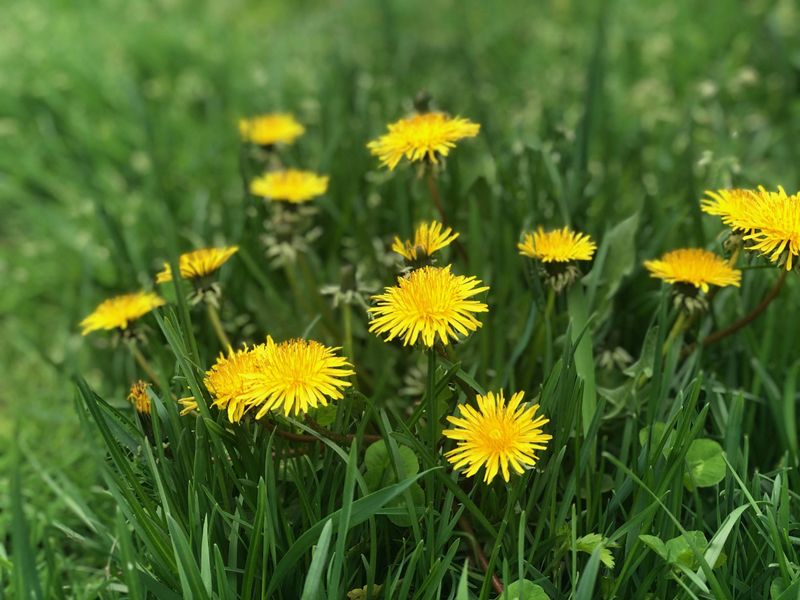
Most people in Pennsylvania grow up hearing that dandelions are a problem. Neighbors talk about them like they are lawn enemies, and commercials for weed products show them as something to get rid of fast.
That reputation has stuck around for a long time, even though dandelions have been growing in North America for centuries and were actually brought here on purpose by early European settlers who valued them as food and medicine.
The truth is, dandelions do not deserve all that bad press. Yes, they spread quickly. Yes, they pop up in places you might not want them. But spreading fast does not make a plant harmful.
It just makes it determined. Dandelions are survivors, and that toughness is actually one of the things that makes them so useful in a yard or garden setting.
Some Pennsylvania gardeners are starting to change how they think about dandelions. Instead of spending money on products to remove them, they are learning to live with a few patches here and there.
When you understand what dandelions actually do for your lawn, your local wildlife, and even your kitchen, it becomes a lot easier to appreciate them. They are not freeloaders taking up space.
They are quiet contributors doing real work in your yard every single season they are around.
2. They Feed Early-Season Pollinators
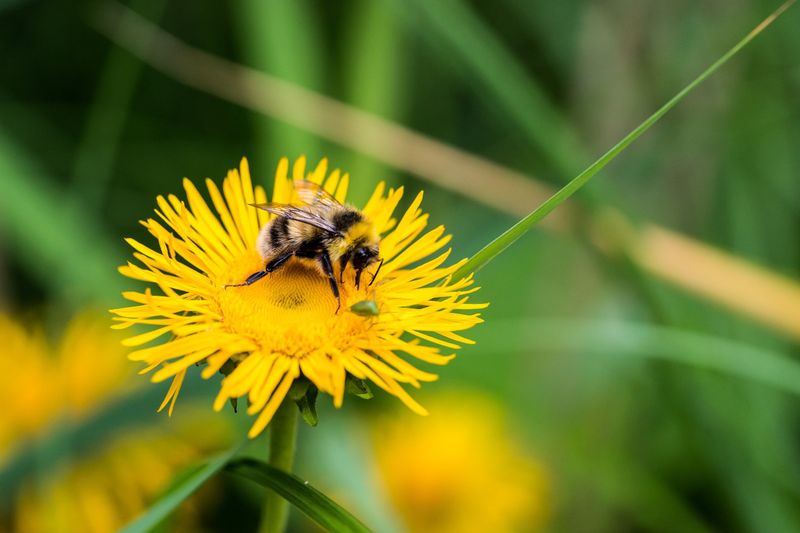
Long before most garden flowers have even thought about blooming, dandelions are already open for business. In Pennsylvania, they are often one of the very first flowers to appear in early spring, sometimes as early as March or April depending on the weather.
That timing is not just a fun fact. It is actually a lifeline for pollinators that are just waking up from winter.
Bumblebees, honeybees, and other beneficial insects come out of their winter resting spots hungry and ready to get to work. The problem is that most flowering plants have not bloomed yet.
Dandelions fill that gap in a big way. Each bright yellow flower head is actually made up of dozens of tiny individual flowers, each one packed with nectar and pollen.
Your Pennsylvania Garden Changes Every Week. Your Plan Should Too.
Gardening in Pennsylvania changes quickly throughout the season. Every Friday you’ll receive a simple weekly plan showing exactly what to plant, prune, fertilize, harvest, and protect so you never miss the right timing.
For a hungry bee, a dandelion patch is basically an all-you-can-eat buffet at exactly the right moment.
Beyond bees, dandelions also attract other helpful insects like hoverflies and certain butterflies that need early food sources to survive and reproduce.
Supporting these insects matters because they go on to pollinate vegetable gardens, fruit trees, and wildflowers throughout the rest of the season.
So when you let a few dandelions bloom in your Pennsylvania yard each spring, you are not just tolerating a weed. You are helping the whole local ecosystem get off to a strong start when it needs it most.
3. Every Part Of The Plant Is Edible
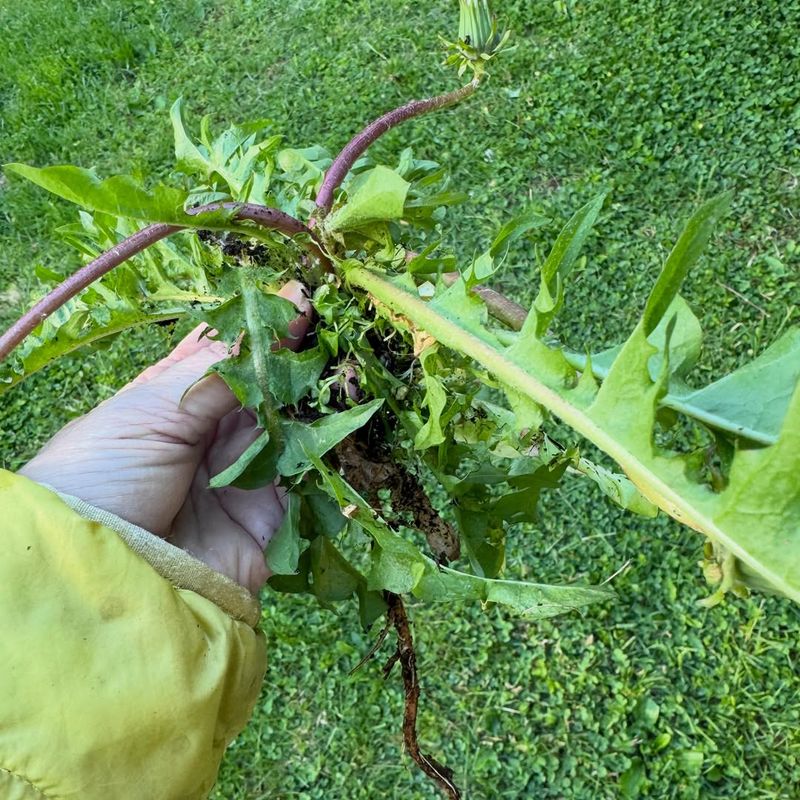
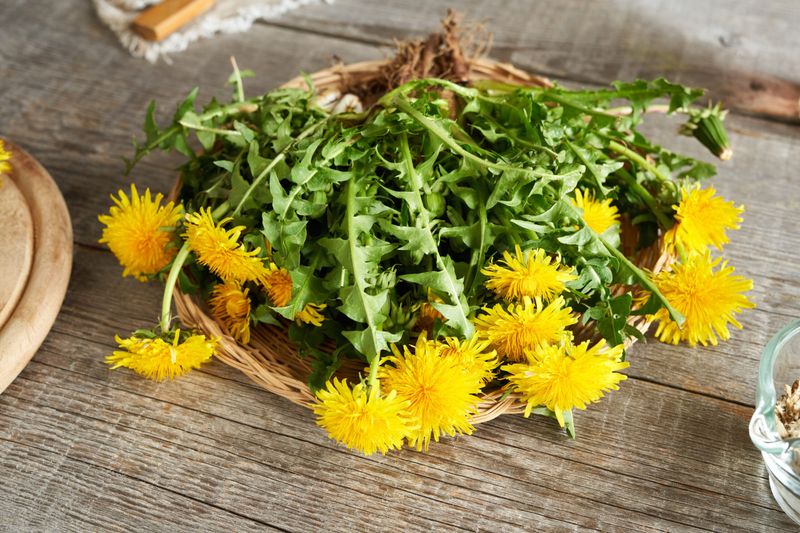
Here is something that might genuinely surprise you: every single part of a dandelion can be eaten. Roots, stems, leaves, and flowers are all fair game.
Dandelions have been used as food in Europe and Asia for hundreds of years, and many traditional recipes still call for them today. Once you know that, it is hard to look at your lawn the same way again.
The leaves are the most commonly used part. Young dandelion leaves, picked before the plant flowers, have a slightly bitter flavor similar to arugula.
They work great in salads, sauteed with garlic and olive oil, or mixed into soups. Older leaves get more bitter as the season goes on, but they can still be used in cooked dishes where the heat softens that sharp taste a bit.
Dandelion flowers are sweet and mild, which makes them perfect for teas, jellies, and even homemade wine. Some people use them to make dandelion honey, a golden syrup that is popular in parts of Europe.
The roots are a different experience altogether. When cleaned, sliced, and roasted, they develop a deep, slightly nutty flavor that some people use as a caffeine-free coffee substitute.
It sounds unusual, but roasted dandelion root drinks have a loyal following among people who want something warm and earthy without the caffeine.
So next time you pull a dandelion out of your Pennsylvania yard, you might want to rinse it off and bring it inside instead of tossing it in the trash.
4. Their Deep Roots Help Break Up Compacted Soil
Underneath all those cheerful yellow flowers, something impressive is happening below the surface. Dandelions grow a long, thick taproot that can reach anywhere from six to eighteen inches deep into the ground.
That might not sound like a big deal, but in a Pennsylvania lawn where the soil gets packed down from foot traffic, lawn mowers, and heavy rain, those roots are doing serious work.
Compacted soil is a real problem for lawns and gardens. When soil gets too dense, water cannot drain properly, air cannot circulate around plant roots, and nutrients get locked in places where grass and other plants cannot reach them.
Dandelion taproots push through that compacted layer naturally, creating small channels that allow air, water, and nutrients to move more freely. Over time, this can actually improve the overall structure of your soil without you having to do anything.
There is another cool thing those deep roots do. As they grow down, they pull up minerals like calcium and iron from deep soil layers that most shallow-rooted plants cannot access.
When dandelion leaves fall and break down on the surface, they release those minerals back into the upper soil where your grass and garden plants can actually use them. Basically, dandelions act like a natural soil amendment system.
Lawn care experts sometimes call this process nutrient cycling, and it is one of the reasons why patches of lawn near dandelions often look surprisingly healthy compared to areas where the soil has been left alone without any natural plant activity helping it along.
5. They Grow Where Other Plants Struggle
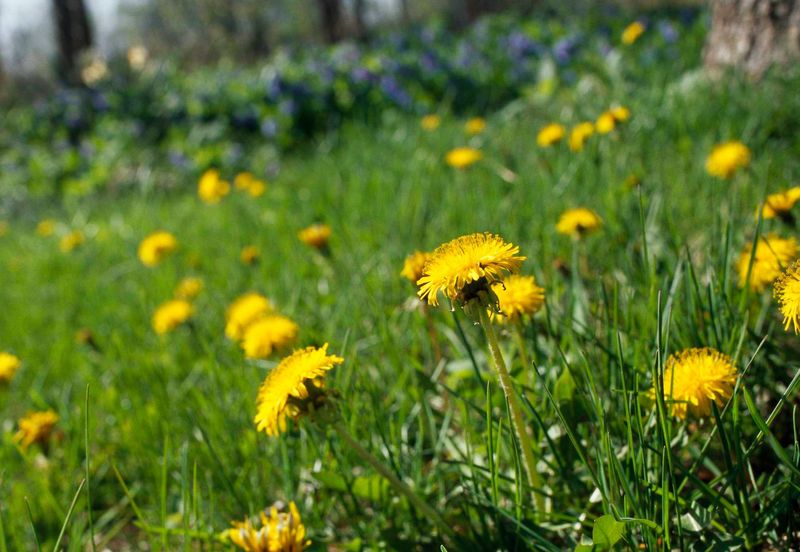
Dandelions have a reputation for showing up where they are not wanted, and that is exactly because they are incredibly good at surviving tough conditions.
Poor soil, dry spells, heavy foot traffic, shady spots near tree roots: dandelions handle all of it without much fuss.
Most grass varieties and garden plants would struggle or give up entirely in those same conditions, but dandelions just keep going.
For Pennsylvania homeowners, that toughness actually tells you something useful. When dandelions start taking over a specific patch of your lawn, it is often a sign that the soil in that spot has a problem.
Maybe it is too compacted. Maybe it drains poorly. Maybe the grass seed planted there was not the right type for that area. Dandelions are basically nature’s way of pointing out where your lawn needs attention.
Instead of just removing them and moving on, it can be worth investigating why they are thriving in that exact spot.
Think of dandelions as pioneer plants. In ecology, pioneer plants are the first ones to grow in disturbed or difficult areas, helping to stabilize the soil and create better conditions for other plants to follow.
Dandelions do exactly that. They move in, break up the soil, add organic matter as their leaves decompose, and gradually make the area more hospitable.
That process takes time, but it happens naturally and without any effort on your part. Understanding this role makes it easier to see dandelions not as failures in your lawn care routine, but as helpful indicators and quiet improvers working behind the scenes.
6. They Attract More Than Just Bees
Most people know that bees love dandelions, but the list of wildlife that benefits from these plants goes a lot further than that.
Dandelions support a whole range of creatures, from tiny insects most people never even notice to birds that backyard birdwatchers actively look for every season.
For a plant that most homeowners consider a nuisance, dandelions punch well above their weight when it comes to supporting local wildlife.
Hoverflies are one great example. These small, bee-like insects are important pollinators and natural pest controllers, and they are strongly attracted to dandelion flowers.
Certain moth and butterfly species also use dandelions as a food source during their larval stages, making them part of a bigger food web that keeps your garden ecosystem running smoothly. Even some beetles are known to visit dandelion flowers for pollen.
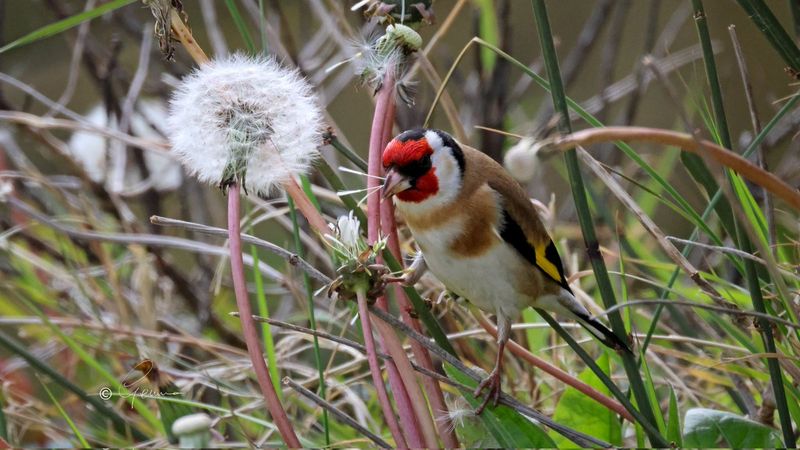
When dandelions go to seed and form those familiar white puffballs, a new group of visitors shows up.
Birds like American goldfinches, house sparrows, and pine siskins actively seek out dandelion seeds as a food source, especially in late spring and early summer before other seed-producing plants are ready.
Watching a goldfinch pick apart a dandelion puffball is actually one of the small, quiet joys of having a Pennsylvania backyard.
Allowing even a small section of your lawn to go through its full natural cycle, from flower to seed, creates a mini habitat that supports more biodiversity than most people expect. A patch of dandelions might just be the easiest wildlife garden you never planned to plant.