These Are The Signs Your Arizona Irrigation System Is Damaging Your Plants More Than Helping
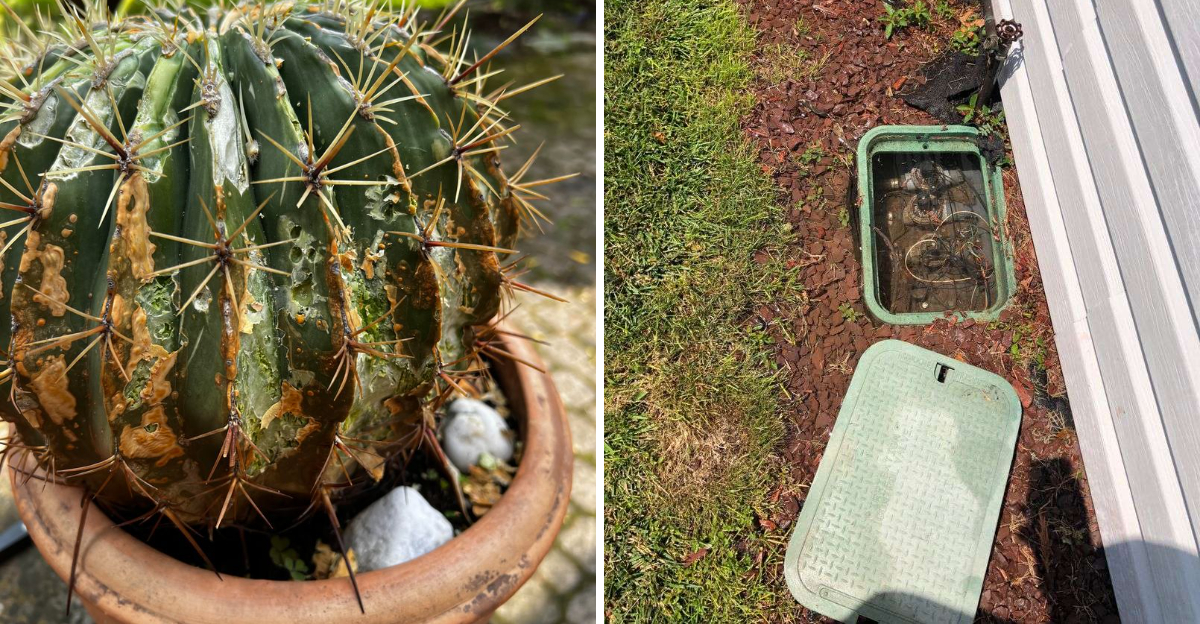
It is frustrating to watch a plant struggle when it seems to be getting plenty of water. The leaves do not look as healthy as they should, growth starts slowing down, and no amount of extra watering seems to make a difference.
Most people assume the problem is heat, poor soil, or a tough growing season. Sometimes the real cause is much closer to home.
An irrigation system can make plant care easier, but it can also create problems when water is being applied too often, too unevenly, or in the wrong areas.
The tricky part is that the warning signs often look like completely different issues, which makes them easy to overlook.
In Arizona, catching these signs early can stop a small watering issue from becoming a bigger problem.
Some of the signs are surprisingly easy to miss until they start showing up throughout the yard.
1. Yellow Leaves Appear Even With Regular Watering
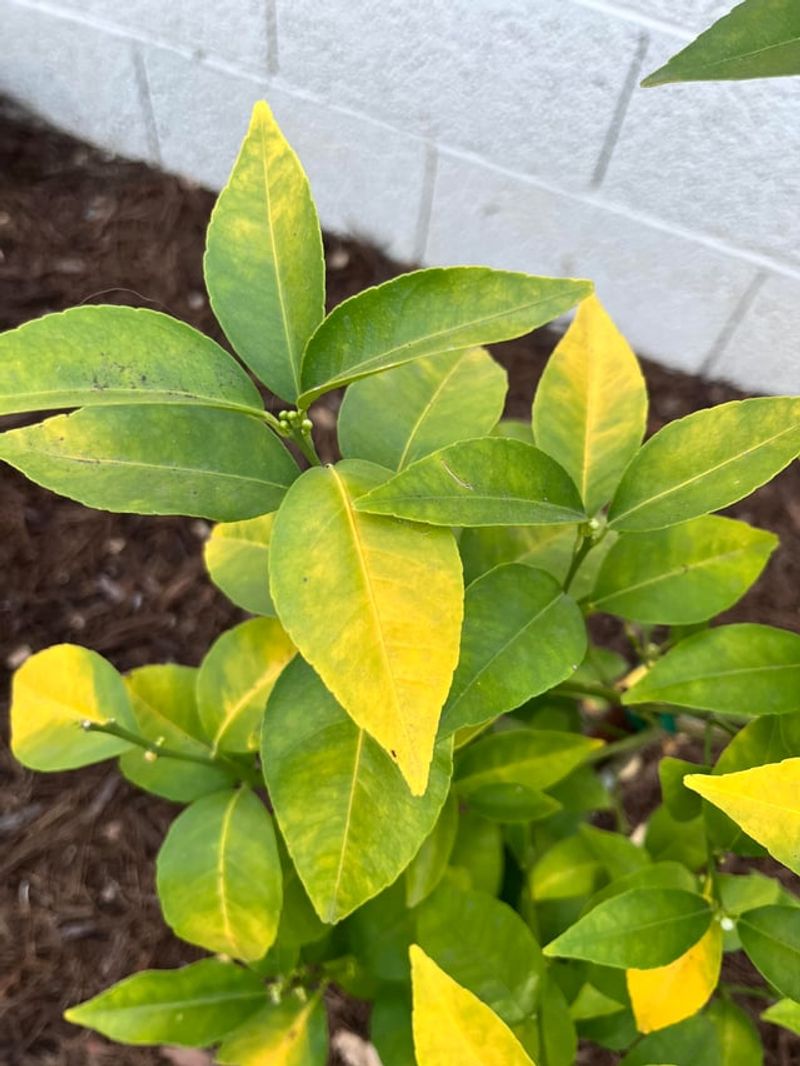
Leaves turning yellow despite consistent watering signals a serious problem. Your plants aren’t getting what they need, even though water flows regularly.
Excess moisture blocks oxygen from reaching roots, which causes nutrient uptake to fail completely.
Nitrogen deficiency shows up first as yellowing, but overwatered roots can’t absorb nutrients properly. The soil stays too wet for too long.
Roots suffocate slowly and stop functioning the way they should. Your irrigation timer might run too frequently or for extended periods.
Check the soil moisture before your next scheduled watering. Dig down several inches near the root zone.
If it feels damp or soggy, you’re watering too much. Adjust your controller to reduce frequency or duration immediately.
Yellow leaves also indicate poor drainage in certain spots. Water collects where it shouldn’t and saturates the ground.
Clay soil compounds this issue by holding moisture for days. Adding drainage solutions or relocating plants helps in severe cases.
Don’t assume more water fixes yellow foliage. That approach makes everything worse.
Test your system’s output and check each zone carefully. Emitters might deliver uneven amounts, flooding some plants while others stay dry.
Fixing the imbalance restores health faster than any fertilizer.
You may also notice new growth looking smaller or weaker than usual, even when the plant receives regular irrigation.
2. Soggy Soil Lingers Long After Irrigation Cycles End
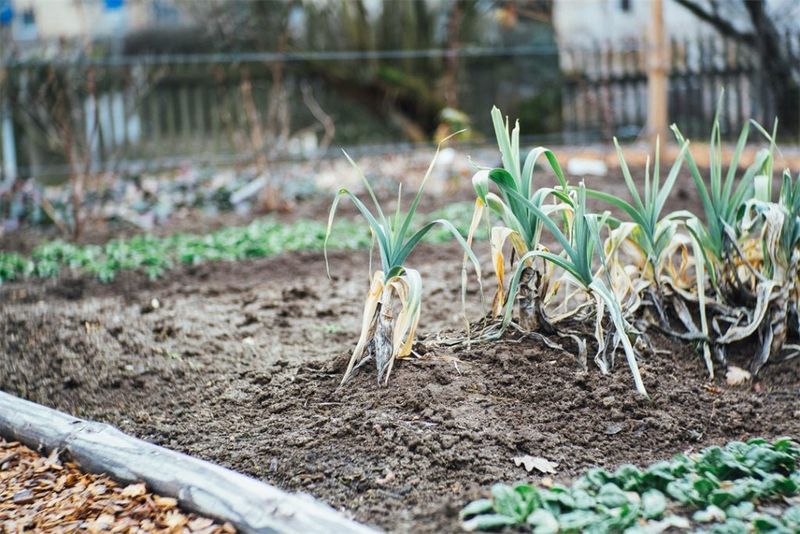
Soil should dry out between watering sessions. When it stays wet for hours or even days, your system runs too long or too often.
Soggy ground prevents air circulation around roots, creating an environment where problems multiply quickly.
Desert soils drain naturally unless something interferes with that process. Heavy clay layers trap water beneath the surface.
Compacted areas from foot traffic or construction also prevent proper drainage. Your irrigation schedule might suit other parts of the yard but flood these trouble spots.
Walk your property several hours after watering finishes. Press your foot into the soil near plants.
If water squishes up or the ground feels like a sponge, you’ve found a problem zone. Mark these areas and investigate further.
Your Arizona Garden Changes Every Week. Your Plan Should Too.
Gardening in Arizona changes quickly throughout the season. Every Friday you’ll receive a simple weekly plan showing exactly what to plant, prune, fertilize, harvest, and protect so you never miss the right timing.
Drip emitters sometimes get clogged partially, causing them to leak slowly for extended periods. Spray heads might stick in the on position due to debris or worn parts.
Both issues deliver far more water than plants need or soil can handle.
Reduce watering duration first as a quick fix. Cut each cycle by 25 percent and monitor results over the next week.
If soggy conditions persist, inspect each emitter and valve for malfunctions. Replacing faulty components costs less than replacing plants.
Another warning sign is a musty smell coming from the soil, which often means moisture has been trapped around the roots for too long.
3. Mushy Stems Develop Near The Base Of Plants
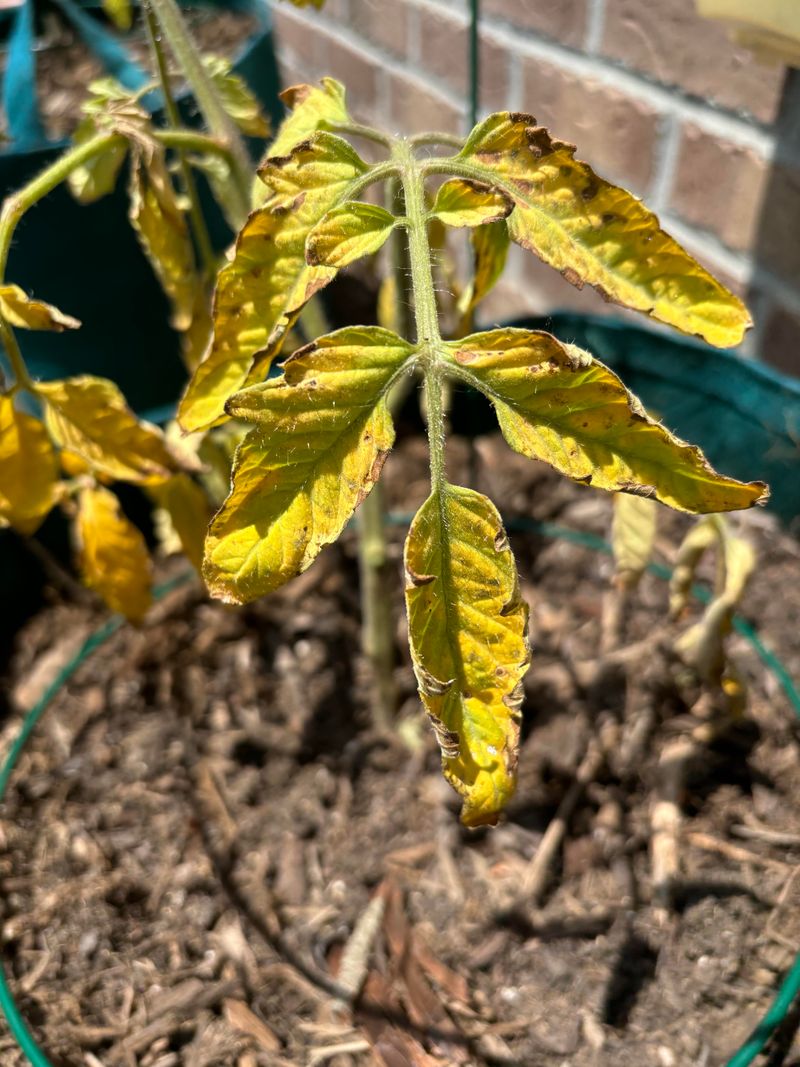
Firm stems indicate healthy plants. Soft, mushy tissue near the soil line means rot has started spreading through the plant structure.
This happens when water sits against stems constantly, breaking down cell walls and inviting bacterial infections.
Crown rot develops fast in consistently wet conditions. The area where stems meet soil becomes a breeding ground for pathogens.
Once established, rot moves upward through the plant. Catching it early gives you a chance to save the specimen.
Check stem firmness by gently squeezing near the base. Healthy tissue resists pressure.
Compromised stems feel squishy or collapse under light touch. Dark discoloration often accompanies the mushiness, showing where damage has progressed.
Emitters placed too close to plant crowns cause this specific problem. Water splashes directly onto stems instead of soaking into surrounding soil.
Relocating emitters six to twelve inches away from the base helps tremendously. Soil distributes moisture to roots without drowning stems.
Pruning away affected portions sometimes helps if rot hasn’t spread too far. Remove mushy sections with clean, sharp tools.
Reduce watering immediately to let remaining tissue dry out and recover. Applying fungicide rarely works once rot has established itself.
Prevention through proper irrigation placement works better than any treatment.
4. Wilting Continues Despite Frequent Watering
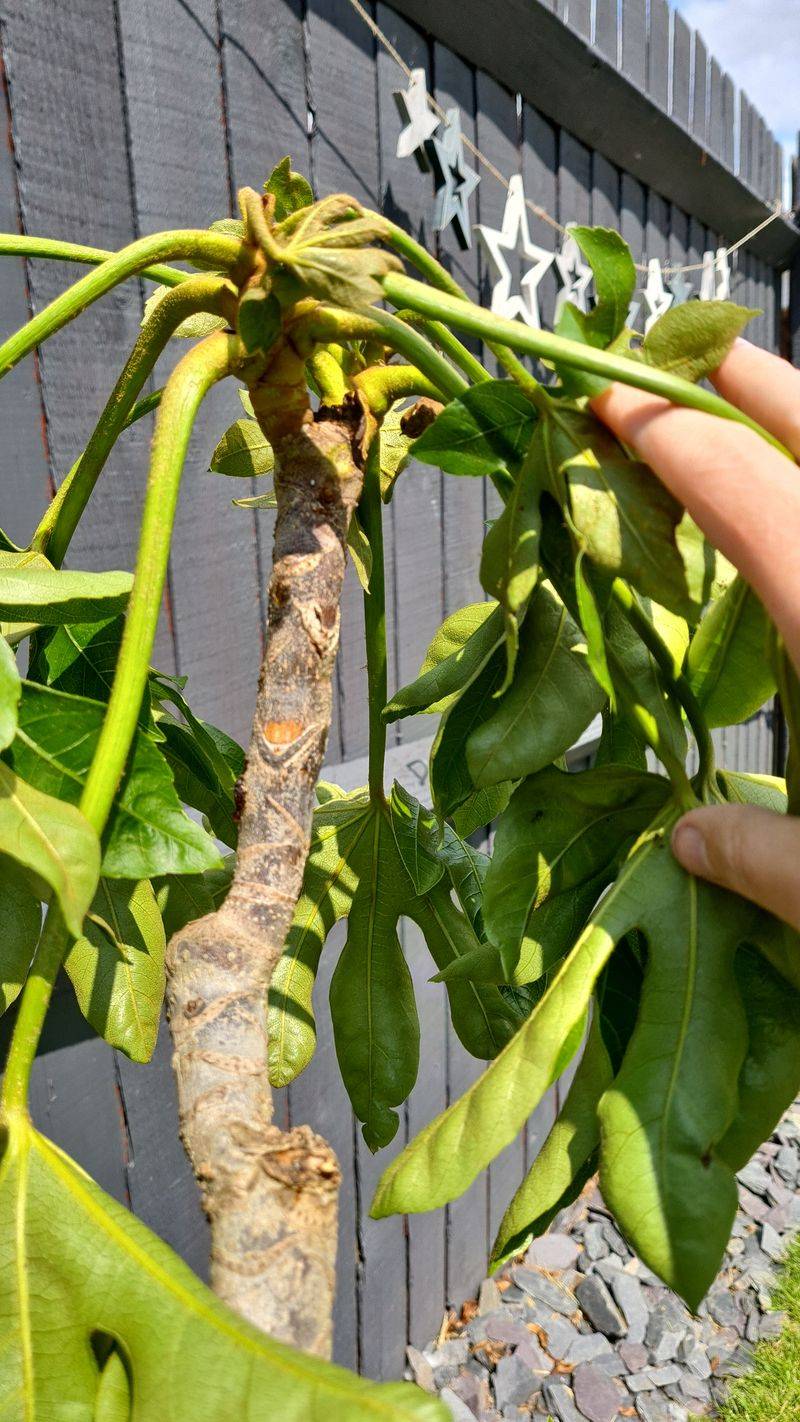
Plants wilt when they need water, right? Not always.
Constant wilting despite regular irrigation indicates root damage from overwatering. Damaged roots can’t absorb moisture, so plants show drought stress even in wet soil.
Root rot destroys the fine feeder roots responsible for water uptake.
Without these tiny structures, plants can’t hydrate themselves properly.
The main root system might look intact, but the functional parts have deteriorated completely. Adding more water only worsens the underlying problem.
Pull back soil carefully around a wilting plant. Healthy roots appear white or tan and feel slightly firm.
Rotted roots turn brown or black and slide off easily when touched. A sour smell often accompanies root decay in advanced cases.
Stop watering immediately when you spot this combination of symptoms. Let soil dry out significantly before resuming any irrigation.
Some plants recover once roots have time to regenerate in drier conditions. Others suffer too much damage to bounce back.
Adjust your timer settings to allow longer intervals between cycles. Most desert-adapted plants need deep, infrequent watering rather than frequent light applications.
Shallow watering encourages shallow roots, which makes plants more vulnerable to stress. Proper scheduling builds stronger root systems that handle heat and drought naturally.
5. New Growth Looks Weak Or Stunted
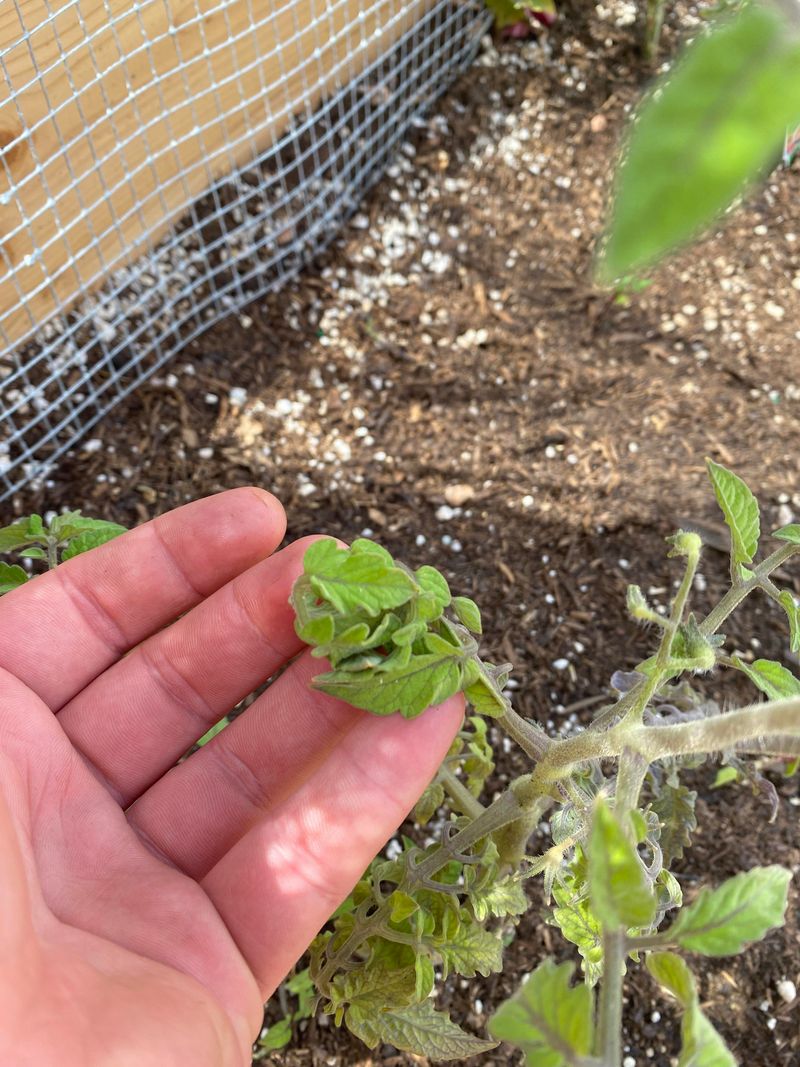
Fresh growth should emerge vibrant and strong. When new leaves appear pale, small, or deformed, something disrupts normal development.
Waterlogged soil creates conditions where plants struggle to produce healthy tissue even during active growing seasons.
Roots need oxygen just as much as water. Saturated soil forces roots to function in anaerobic conditions.
Without adequate oxygen, nutrient processing slows dramatically. Plants can’t build the proteins and structures needed for robust new growth.
Compare new leaves to older established foliage. Stunted growth shows up as smaller leaf size, lighter color, and weaker stems.
The plant allocates energy to survival rather than expansion. Growth rates slow to a crawl compared to properly watered specimens.
Phosphorus and iron deficiencies commonly appear in overwatered plants. Both nutrients become less available when soil stays constantly wet.
New growth displays the deficiency symptoms first because plants prioritize older leaves. Correcting watering habits usually resolves nutrient issues without fertilizer.
Test your irrigation frequency against actual plant needs. Many systems run on arbitrary schedules that don’t match seasonal changes or weather patterns.
Spring growth requires different watering than summer dormancy. Adjusting for these variations prevents stress and supports vigorous development.
Smart controllers that respond to weather data help maintain appropriate moisture levels automatically.
6. Fungal Problems Become More Common Around Plants
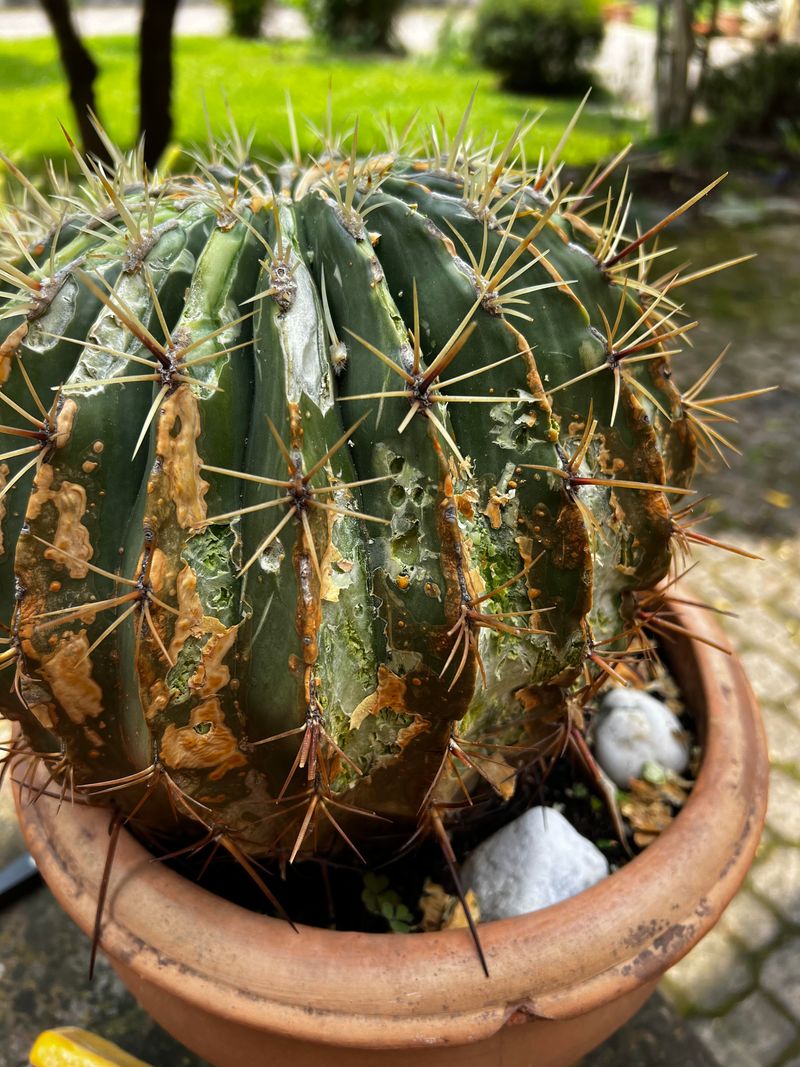
Fungus thrives in moist, humid environments. When your landscape develops recurring fungal issues, irrigation practices likely contribute to the problem.
Constant moisture on foliage and soil surfaces creates perfect conditions for spores to germinate and spread.
Powdery mildew, leaf spot, and soil fungi all benefit from excess water. These organisms need moisture to reproduce and infect plant tissue.
Dry conditions naturally suppress most fungal problems. Keeping foliage dry between waterings reduces infection rates dramatically.
Early morning watering allows plants to dry before nightfall. Evening or nighttime irrigation leaves moisture on leaves for hours, giving fungi extended opportunities to establish.
Adjusting your timer to run at dawn helps prevent many fungal issues without changing water amounts.
Overhead sprinklers wet entire plants, including leaves and stems. Drip irrigation delivers water directly to soil, keeping foliage dry.
Converting to drip systems in problem areas cuts fungal infections significantly. The initial investment pays off through reduced plant replacement and treatment costs.
Inspect areas where fungus appears repeatedly. Poor air circulation combined with constant moisture creates hotspots for infection.
Pruning to improve airflow helps, but fixing irrigation issues provides longer-lasting results. Fungicides treat symptoms temporarily but don’t address the root cause.
Reducing excess moisture solves the problem at its source.
7. Water Pools In The Same Areas After Every Cycle
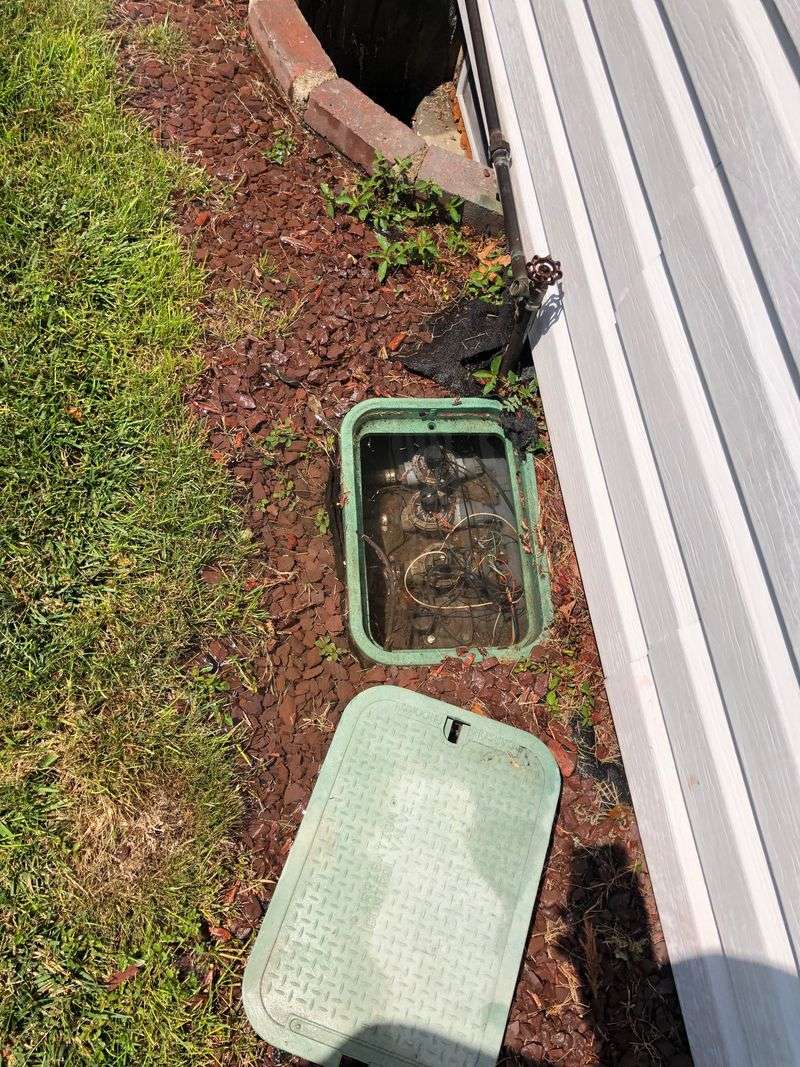
Standing water indicates serious drainage or coverage problems. Some zones receive far more water than others, creating puddles that last for hours.
Uneven distribution stresses plants and wastes water through runoff and evaporation.
Mismatched sprinkler heads cause coverage gaps and overlaps. Mixing head types with different precipitation rates creates wet and dry spots.
Each head should deliver water at similar rates for even distribution. Check your system’s design to ensure compatibility across each zone.
Sloped areas naturally shed water toward low points. If your system doesn’t account for grade changes, water accumulates at the bottom.
Reducing run times on slopes prevents runoff. Installing check valves on drip lines stops low-head drainage that floods downhill sections.
Soil compaction prevents water absorption in heavy-traffic areas. Compacted ground sheds water like pavement, creating puddles even with moderate irrigation.
Aerating these spots improves infiltration. Core aeration equipment removes small plugs of soil, allowing water and air to penetrate deeper.
Broken or leaking pipes also cause localized flooding. Underground leaks might not show up immediately but create soggy spots that never dry properly.
Walking your system while it runs helps identify obvious problems. Pressure testing finds hidden leaks that waste water and drown nearby plants.
8. Algae Or Moss Begins Growing On Soil Surfaces
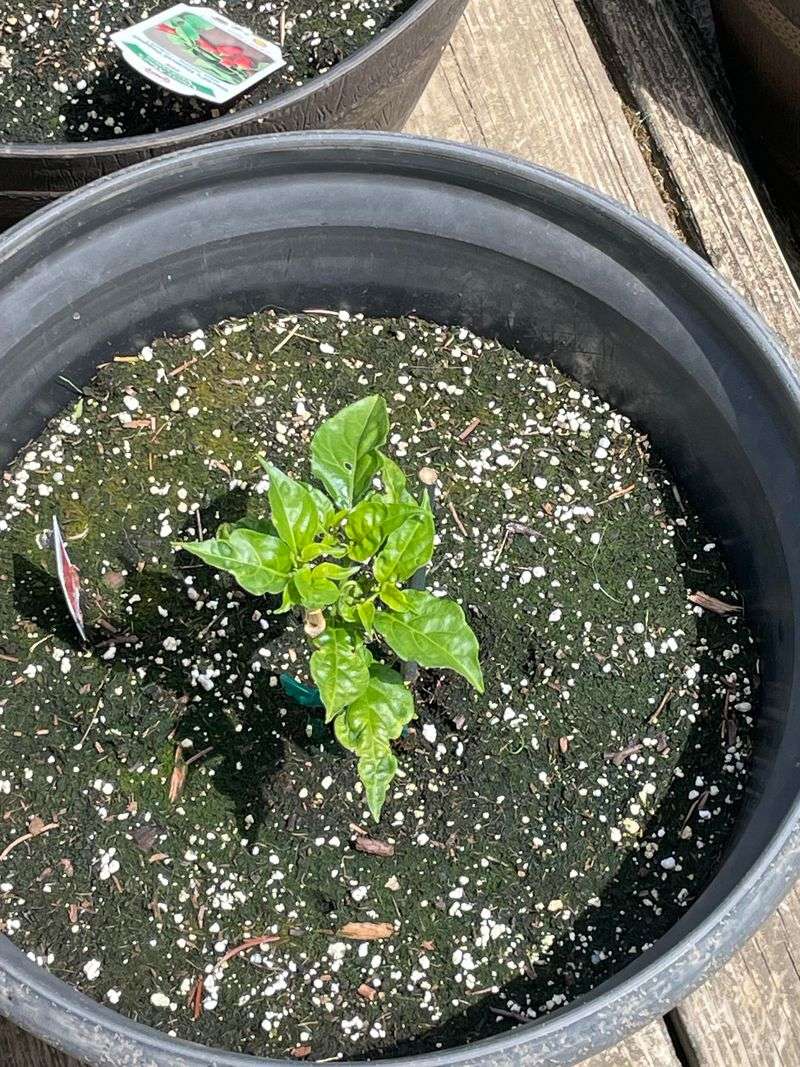
Algae and moss signal that soil stays wet constantly. These organisms only grow where moisture persists day after day.
Their presence means your irrigation schedule doesn’t allow proper drying time between cycles.
Green, slimy patches on soil indicate algae colonization. Moss appears as fuzzy green growth that spreads across bare ground.
Both block air exchange with soil and can harbor pests. They also indicate conditions unsuitable for most landscape plants.
Shaded areas develop algae faster than sunny spots. Limited sunlight combined with frequent watering creates ideal growing conditions.
Reduce watering in shaded zones to match slower evaporation rates. Plants in shade need significantly less water than those in full sun.
Surface crusting often accompanies algae growth. The combination prevents water from penetrating soil properly.
Rain or irrigation runs off instead of soaking in. Breaking up crusted surfaces and reducing watering frequency helps soil recover its structure.
Check emitter flow rates in affected areas. Emitters delivering too much water too quickly cause surface saturation.
Switching to lower-flow emitters extends watering time while reducing total volume. This approach allows better penetration without creating surface flooding.
Clean organic mulch also helps by absorbing excess surface moisture and preventing algae establishment. Replace mulch annually to maintain its effectiveness.