Do These Things Now If Your Michigan Hydrangeas Looked Weak And Leggy Last Summer
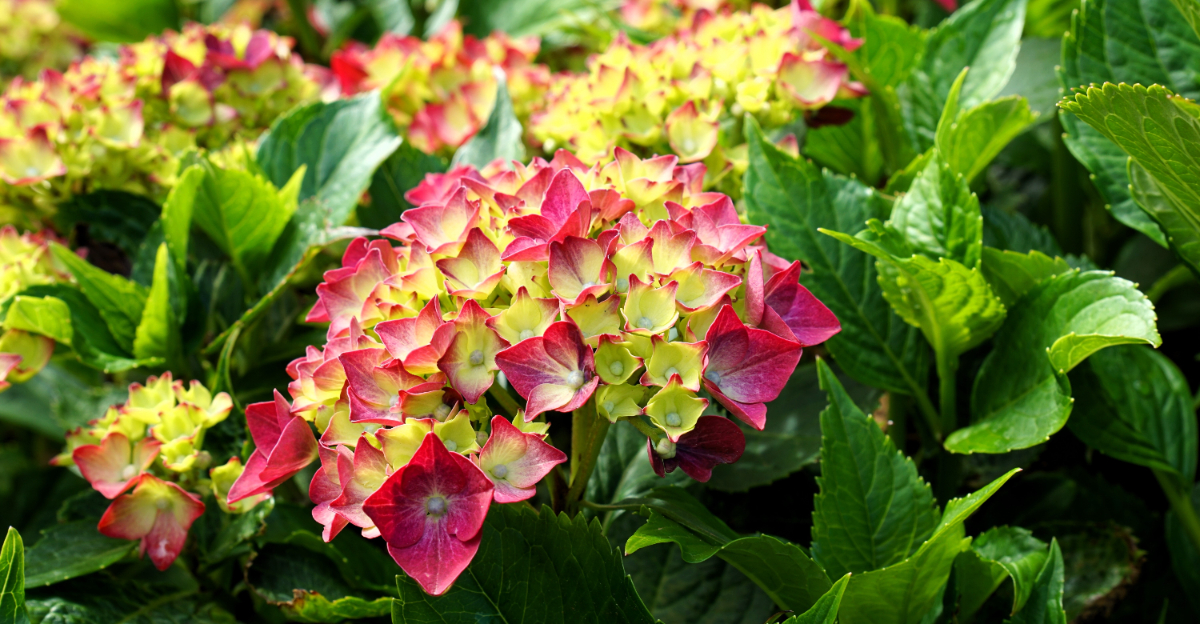
A hydrangea that spent last summer looking stretched out, flopping over, and producing underwhelming blooms on long floppy stems is giving you useful information.
Something in how it’s being grown isn’t matching what the plant actually needs, and the good news is that most of the causes behind weak, leggy hydrangeas are very fixable.
The even better news is that right now, before the current season gets fully underway, is genuinely the best time to address them.
Waiting until the plant looks bad again means losing another full summer. Acting now means the same shrub that disappointed you last year has a real chance to look completely different by August.
Several things could be contributing to the problem, and working through them in the right order makes the whole correction process faster and more effective than guessing at a single cause.
1. Prune Back Weak And Leggy Stems
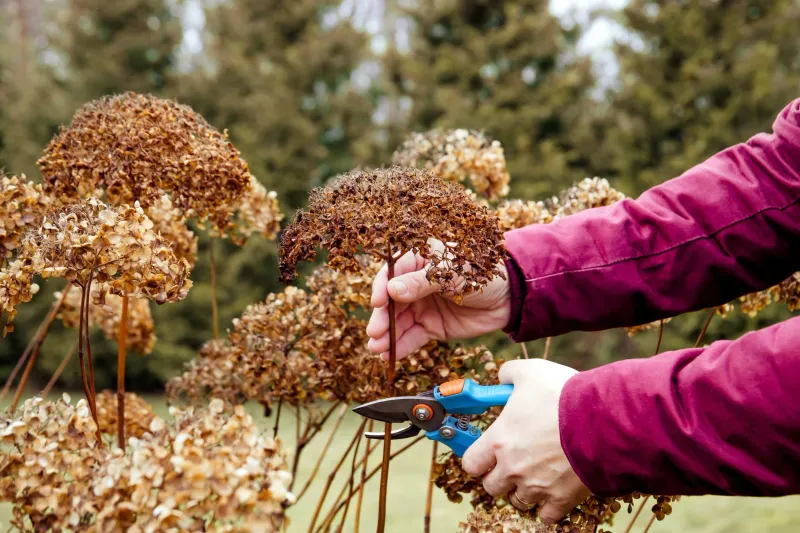
Grabbing your pruners and cutting back those spindly stems is one of the best things you can do for a struggling hydrangea right now.
Thin, weak stems rarely produce strong blooms on their own, and leaving them in place actually pulls energy away from the healthier parts of the plant.
Cutting them back sends a clear signal to the roots to push out fresh, vigorous new growth instead. For hydrangea macrophylla, timing really matters in Michigan.
Since bigleaf hydrangeas bloom on old wood, you want to be careful and only remove the truly weak or crossing stems rather than cutting everything down hard.
Focus on stems that feel hollow, look spindly, or produced no blooms last season.
Hydrangea paniculata is much more forgiving and actually responds well to harder pruning in early spring before new growth appears.
Cutting paniculata stems back to two or three healthy buds from the base encourages thicker new canes and larger flower clusters.
Use sharp, clean bypass pruners to make smooth cuts just above a healthy bud node. Dull blades crush stems and invite disease, so wipe blades with rubbing alcohol between plants.
Aim to remove about one-third of the weakest growth to give the plant a real boost without shocking it.
2. Remove Damaged Or Compromised Wood
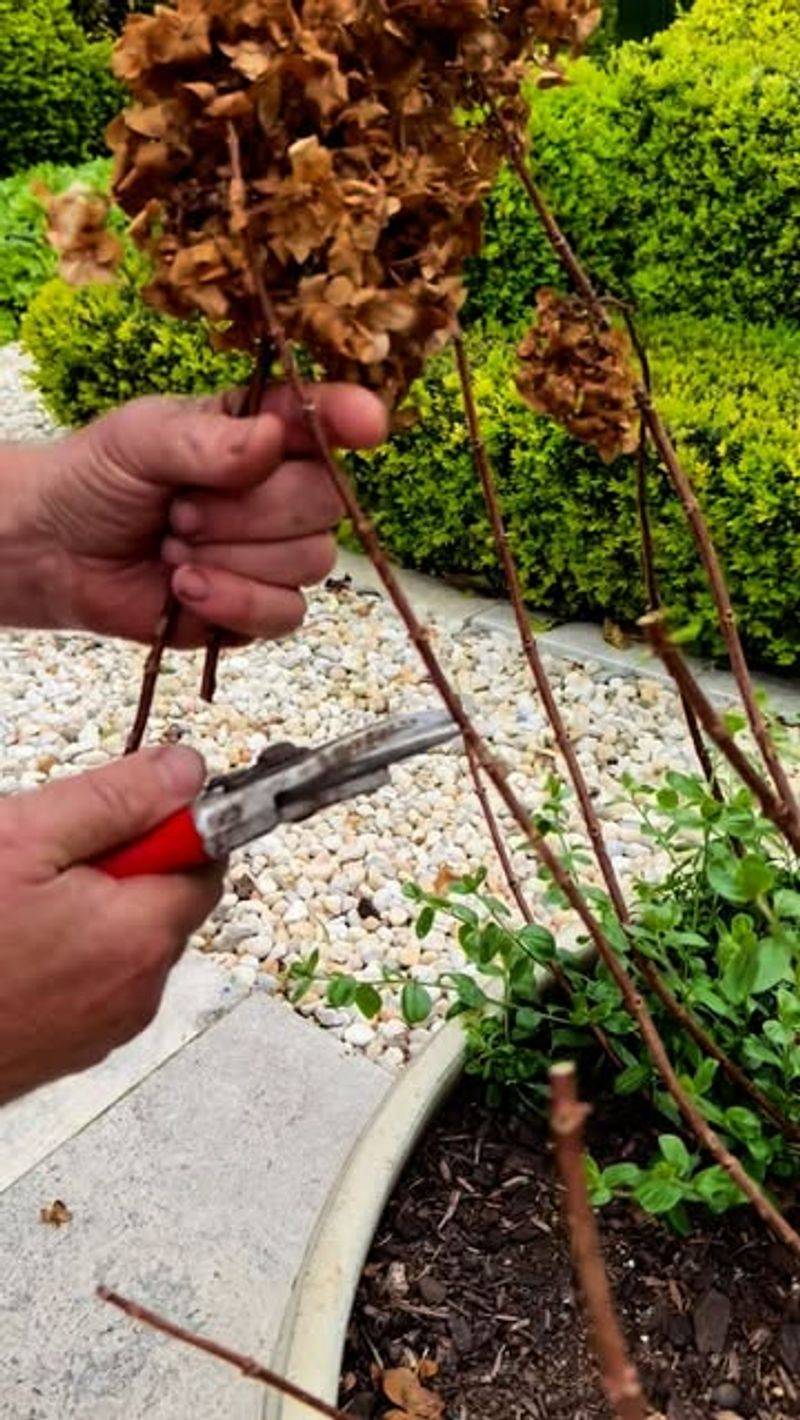
Winter in Michigan is no joke, and hydrangeas often come out of it carrying some serious battle scars.
Stems that look brown, hollow, or shriveled after the cold months are not going to recover, and keeping them attached just wastes the plant’s energy.
Getting them off early in the season is a simple step that makes a surprisingly big difference.
Start by doing a scratch test on each stem. Scratch the bark lightly with your fingernail and look for green underneath. Green means the stem is still alive and worth keeping.
Brown or tan inside means the stem is not going to contribute anything useful this season, and it needs to go.
Beyond winter damage, look for stems with visible mold, cankers, or soft mushy spots, which are signs of fungal trouble.
Removing these compromised canes immediately improves airflow through the center of the plant, which is a huge factor in preventing powdery mildew and botrytis, two common problems for Michigan hydrangeas.
Your Michigan Garden Changes Every Week. Your Plan Should Too.
Gardening in Michigan changes quickly throughout the season. Every Friday you’ll receive a simple weekly plan showing exactly what to plant, prune, fertilize, harvest, and protect so you never miss the right timing.
Drop the removed wood into a trash bag rather than a compost pile, since diseased material can spread problems back into your garden.
Clean your pruning tools between cuts using a diluted bleach solution or rubbing alcohol to avoid accidentally spreading any lingering fungal spores from one stem to another.
3. Fertilize To Support Strong Growth
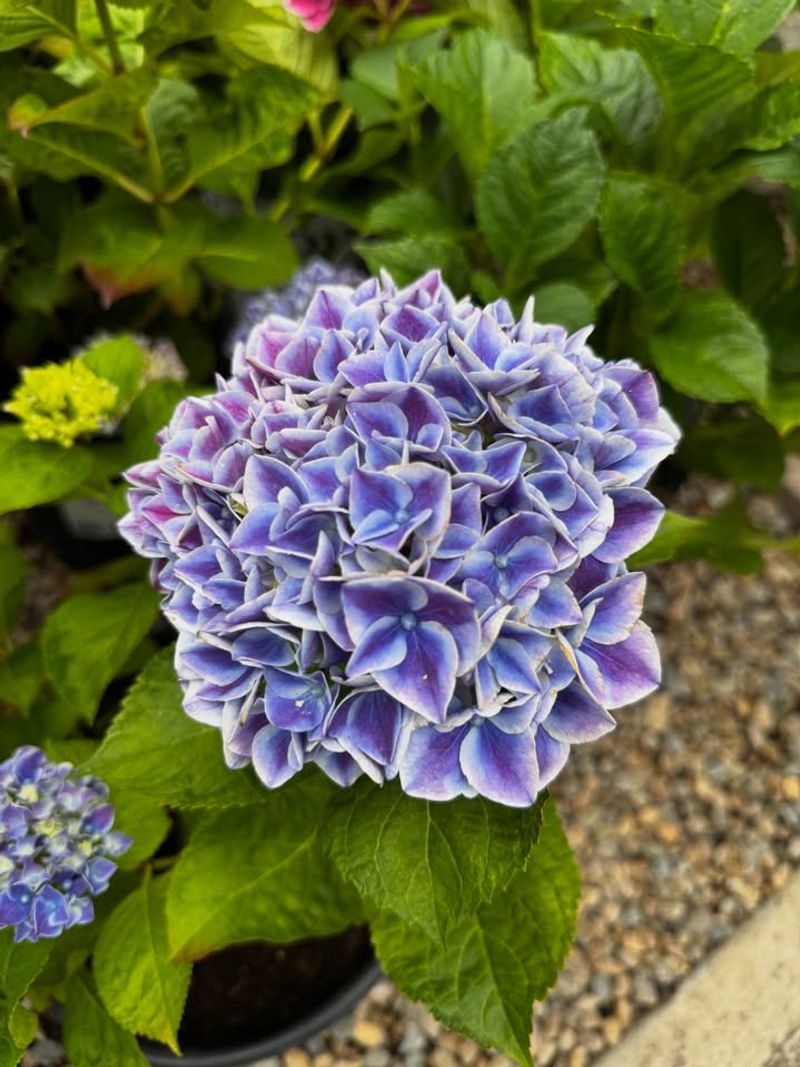
Weak, leggy hydrangeas are often hungry hydrangeas. When soil nutrients run low, plants stretch upward searching for energy they are not finding in the ground beneath them.
A well-timed fertilizer application in spring can completely change how your hydrangeas perform through the rest of the growing season.
A balanced, slow-release granular fertilizer with an NPK ratio around 10-10-10 or a formula designed specifically for flowering shrubs works really well for both hydrangea macrophylla and paniculata.
Slow-release options feed steadily over several weeks, which encourages steady, sturdy growth rather than a sudden soft flush that flops over in the first summer storm.
Apply according to the package directions, spreading granules evenly around the drip line of the plant rather than right against the crown.
Timing your first application for mid-spring, once soil temperatures in Michigan have warmed to at least 50 degrees Fahrenheit, gives roots the best chance to absorb nutrients efficiently.
Avoid fertilizing too late in the season, since pushing new leafy growth in late summer can leave tender stems vulnerable to early frost damage.
A second light feeding in early summer supports bud development without overdoing it.
Always water the fertilizer in well after application so nutrients move down toward the root zone where the plant can actually use them.
4. Check And Improve Soil Drainage
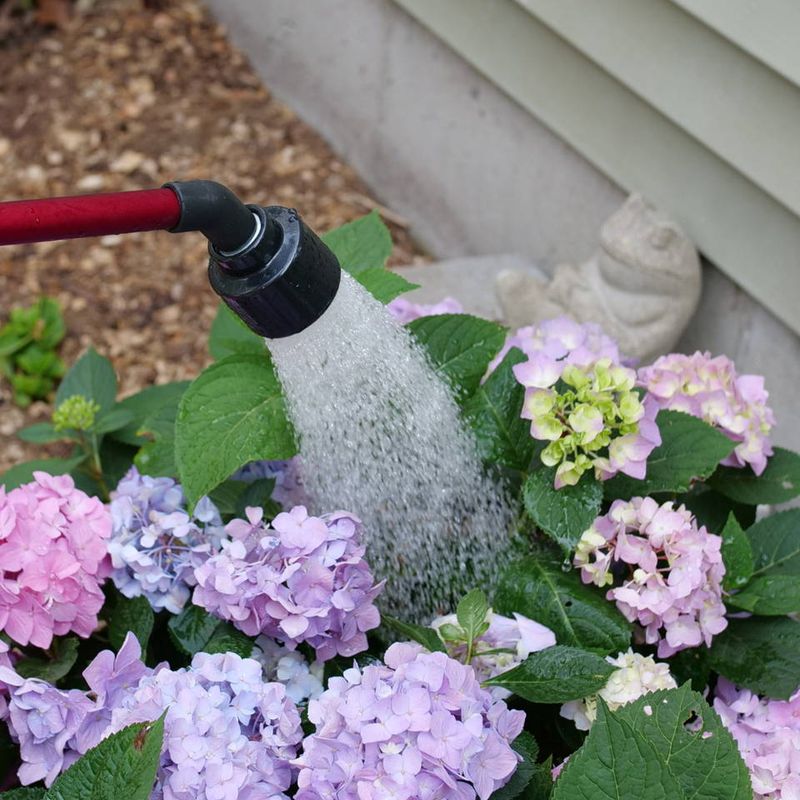
Soggy roots are one of the sneakiest reasons hydrangeas grow weak and leggy, and Michigan’s heavy clay soils are a major culprit.
When roots sit in waterlogged ground for too long, they struggle to absorb oxygen and nutrients properly, which shows up above ground as thin stems and poor blooming.
Fixing drainage now sets the stage for a much healthier plant all season long. Start by checking how your soil drains after a good rain.
If puddles hang around the base of your hydrangeas for more than an hour or two, drainage improvement is definitely needed.
Working generous amounts of compost into the surrounding soil loosens clay structure and creates better pore space for both water movement and root growth.
Aim to incorporate three or four inches of compost into the top twelve inches of soil around the plant.
For spots with really persistent drainage problems, building a raised bed or a slightly mounded planting area can make a huge difference without requiring you to dig up the entire garden.
Adding coarse perlite or aged wood chip mulch to the planting area also helps open up compacted soil over time.
Both hydrangea macrophylla and paniculata thrive in moist but well-drained conditions, so getting this balance right is honestly one of the most impactful changes you can make for long-term plant health in Michigan gardens.
5. Provide Adequate Sunlight
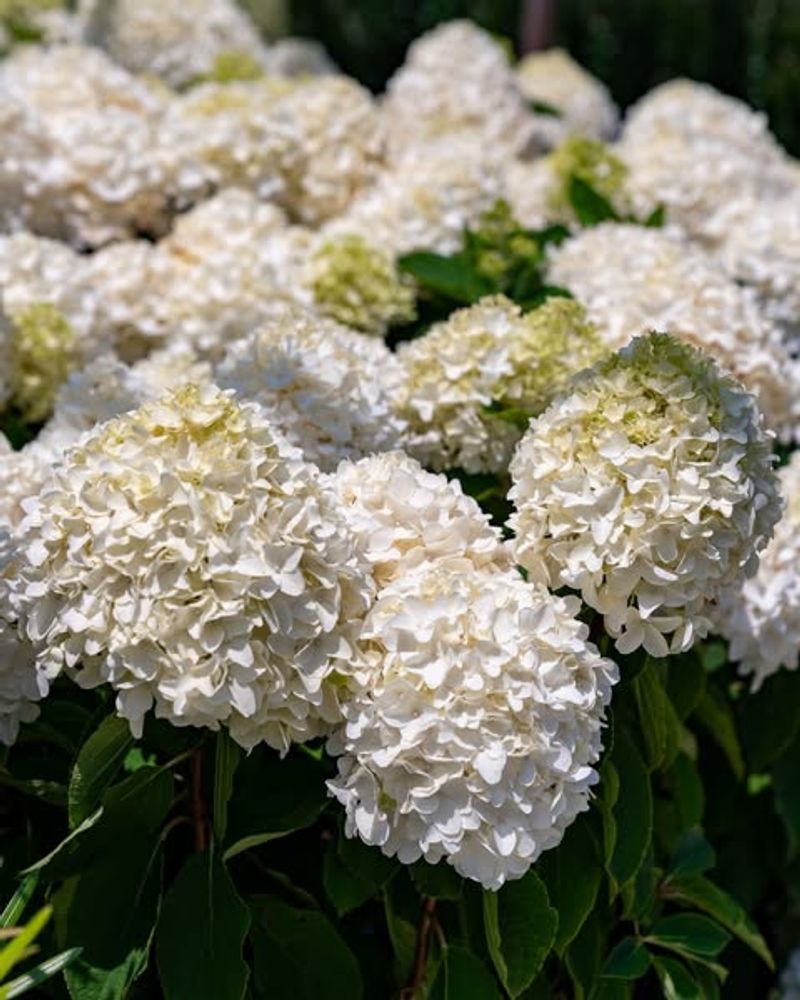
Sunlight placement is one of those things that can quietly make or break your hydrangeas without you ever realizing it.
Plants that spent last summer looking stretched out and floppy may simply have been reaching toward a light source they could not quite get enough of.
Getting the light balance right is genuinely one of the fastest ways to improve stem strength and bloom production.
Both hydrangea macrophylla and paniculata perform best with around four to six hours of direct morning sun followed by gentle afternoon shade, especially in Michigan’s warmer inland regions.
Morning sun gives the plant the energy it needs to build strong cell walls in its stems, while afternoon shade protects leaves from scorching and reduces water stress during the hottest part of the day.
Plants growing in deep shade all day tend to produce tall, weak stems with very few flowers.
If your current hydrangea location is too shady, consider pruning back nearby shrubs or lower tree branches to let in more light.
Transplanting is also an option in early spring before new growth takes off, though established plants do need some recovery time after being moved.
Even shifting a potted hydrangea a few feet to a sunnier morning exposure can produce noticeable improvement within a single season.
Pay attention to how shadows fall across your garden at different times of day before making permanent changes.
6. Mulch Carefully Around Roots
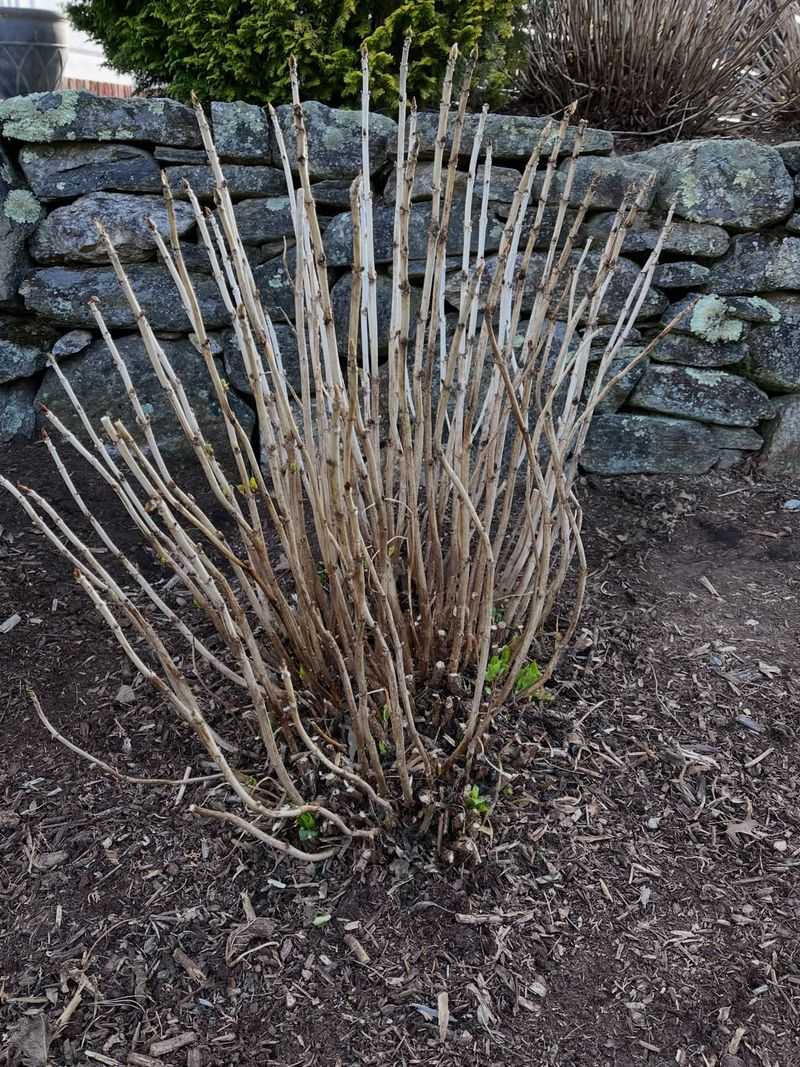
A good layer of mulch around your hydrangeas does more quiet, steady work than most gardeners give it credit for.
Keeping soil moisture consistent is huge for hydrangeas, since uneven wet-dry cycles stress roots and contribute to weak, inconsistent growth.
Mulching correctly right now helps lock in moisture, moderate soil temperature through Michigan’s unpredictable spring swings, and reduce weed competition all at once.
Shredded bark, wood chips, or shredded leaves all work well as mulch options for hydrangeas in Michigan.
Apply a layer about two to three inches deep, spreading it out to the drip line of the plant where feeder roots are most active.
One important rule that many gardeners skip: keep the mulch pulled back a few inches from the main stems and crown of the plant.
Mulch piled against the crown traps moisture against the base, which creates a perfect environment for crown rot and fungal problems.
Refresh your mulch layer each spring since organic mulch breaks down over time and actually improves soil structure as it decomposes, which is a nice bonus.
Avoid using dyed wood chip mulch near hydrangeas since some dyed products contain chemicals that can affect soil pH over time.
For hydrangea macrophylla especially, soil pH influences bloom color, so keeping the soil environment as natural and stable as possible is worth the extra attention when choosing your mulch material.
7. Monitor For Pests And Diseases
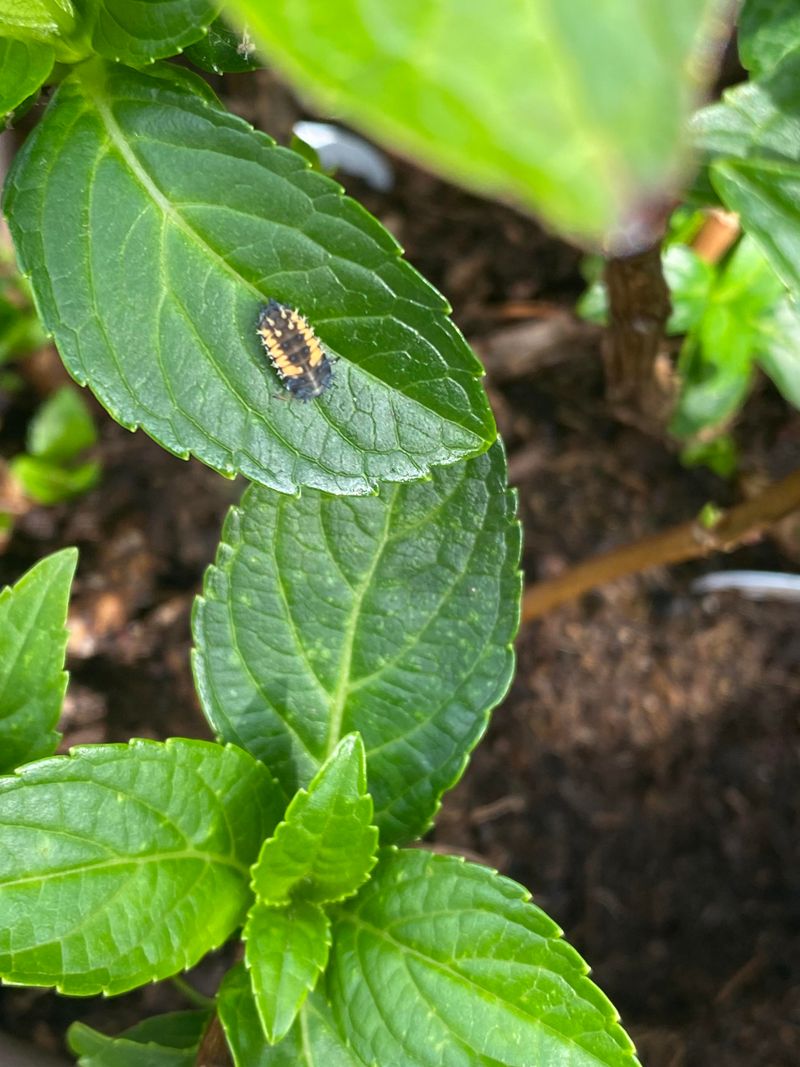
Sometimes weak, leggy growth is not about pruning or fertilizer at all.
It is about tiny uninvited guests quietly feeding on your plant or a fungal issue spreading through the foliage without you noticing.
Catching pest and disease problems early in the season gives you a much better chance of turning things around before they drag the plant down through summer.
Aphids are one of the most common pests on Michigan hydrangeas, clustering on new growth and tender stem tips where they suck out plant sap.
A strong spray of water from the garden hose knocks most aphid populations back quickly, and insecticidal soap works well for more stubborn infestations.
Spider mites tend to show up during hot, dry stretches and leave a faint speckling on leaves along with fine webbing on the undersides.
Powdery mildew is another frequent visitor, especially on hydrangea macrophylla varieties, showing up as a white or gray powder on leaf surfaces.
Good airflow through proper pruning and spacing is the first line of defense against mildew, but a neem oil spray or a baking soda solution can help manage light outbreaks.
Check your plants every week or two throughout the growing season, paying close attention to the undersides of leaves where most pests prefer to hide.
Staying consistent with monitoring keeps small problems from becoming big ones.
8. Space Plants Properly
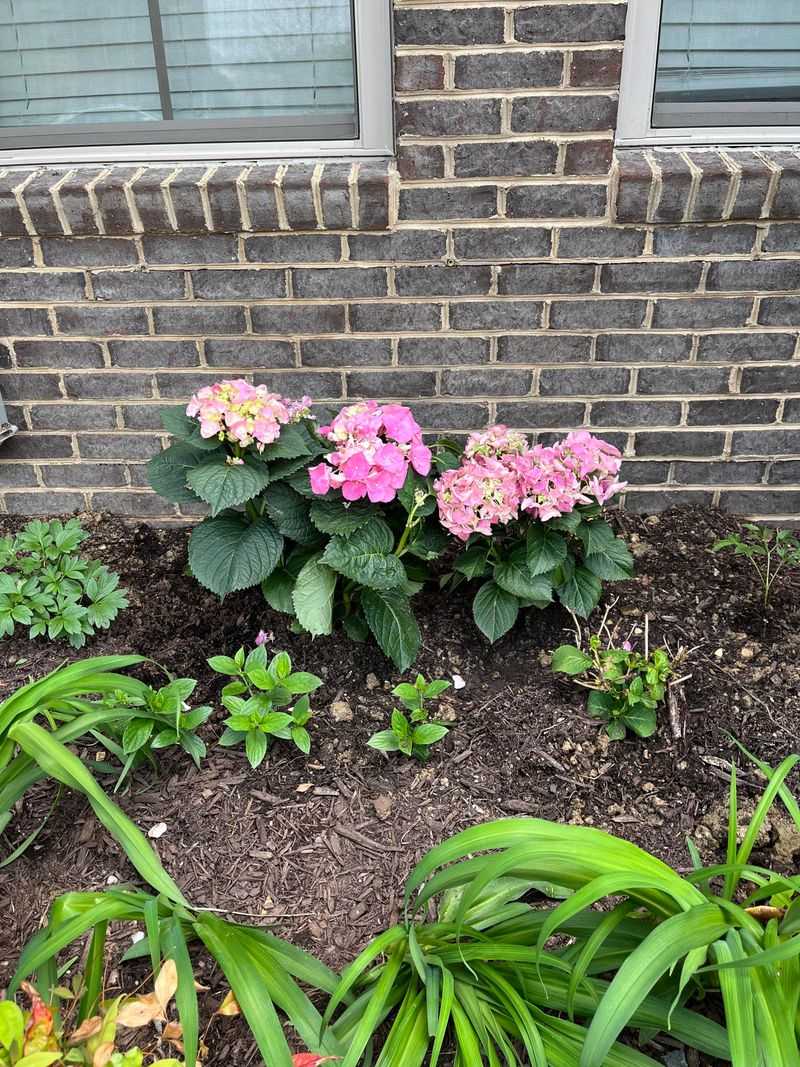
Crowded plants compete for everything: light, water, nutrients, and airflow.
When hydrangeas are packed too closely together or pushed up against fences and other shrubs, they respond by sending up thin, reaching stems in a constant search for breathing room.
Giving them proper space is one of those foundational fixes that pays off for years.
Hydrangea paniculata varieties generally need about six to eight feet of space between plants, depending on the mature size of the specific cultivar.
Hydrangea macrophylla types typically need four to six feet of clearance on all sides.
These distances might seem generous when plants are young, but they allow the shrubs to fill out naturally with strong, branching stems rather than growing upward in a spindly race for light.
If your existing hydrangeas are already too close together, early spring is a good window to carefully transplant one or more to a better location before they push out significant new growth.
When transplanting, dig a wide root ball, replant at the same depth, and water thoroughly to help roots settle in.
Also consider what other plants surround your hydrangeas. Aggressive spreading perennials or large ornamental grasses planted too close can quietly steal moisture and nutrients right from under them.
A little thoughtful spacing now creates better airflow, reduces fungal pressure, and gives each plant the room it needs to build a fuller, more impressive shape over time.
9. Water Consistently
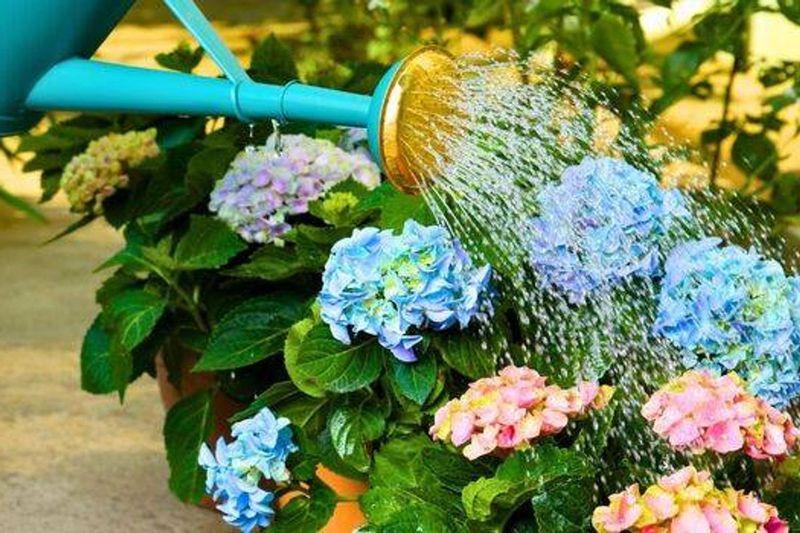
Water is the thing hydrangeas practically beg for, and inconsistent moisture is one of the top reasons plants struggle with weak stems and poor bloom production.
When soil swings between bone dry and waterlogged, roots cannot function efficiently, and the whole plant pays the price above ground with floppy growth and small or missing flower clusters.
Michigan gardeners dealing with sandy soils need to water more frequently since sandy ground drains fast and dries out quickly between rain events.
Clay-heavy soils hold moisture longer but can become waterlogged if overwatered, so checking soil moisture a few inches down before watering is always a smart habit.
A general target for hydrangeas is about one inch of water per week through rainfall and supplemental irrigation combined.
Soaker hoses and drip irrigation are two of the most effective watering methods for hydrangeas because they deliver moisture slowly and directly to the root zone without wetting foliage.
Wet leaves sitting overnight are an open invitation for fungal problems, so overhead watering is best done in the morning if it is the only option available.
During Michigan’s mid-summer heat waves, hydrangeas may need extra watering two or three times per week to stay adequately hydrated.
Mulching around roots, as mentioned earlier, helps the soil hold onto that moisture between watering sessions so your efforts go further with every single application.