These Are The Georgia Native Perennials That Come Back Bigger And Better After You Cut Them Down
There’s a specific kind of gardening guilt that hits when your native perennials start looking floppy and overgrown in the middle of summer and you have no idea what to do about it.
Cut them back and risk making things worse? Leave them alone and watch the bed get messier by the week?
It’s a real dilemma, and Georgia’s long, hot growing season makes it come up faster than most gardeners expect.
The good news is that a lot of Georgia native perennials are tougher and more responsive than they look, and a well-timed trim can do some genuinely impressive things.
Fresher foliage, tidier shapes, and even a second round of blooms that pollinators absolutely love are all on the table.
You just need to know which plants to trim and when to do it.
1. Fringed Blue Star Grows Bushier After Bloom
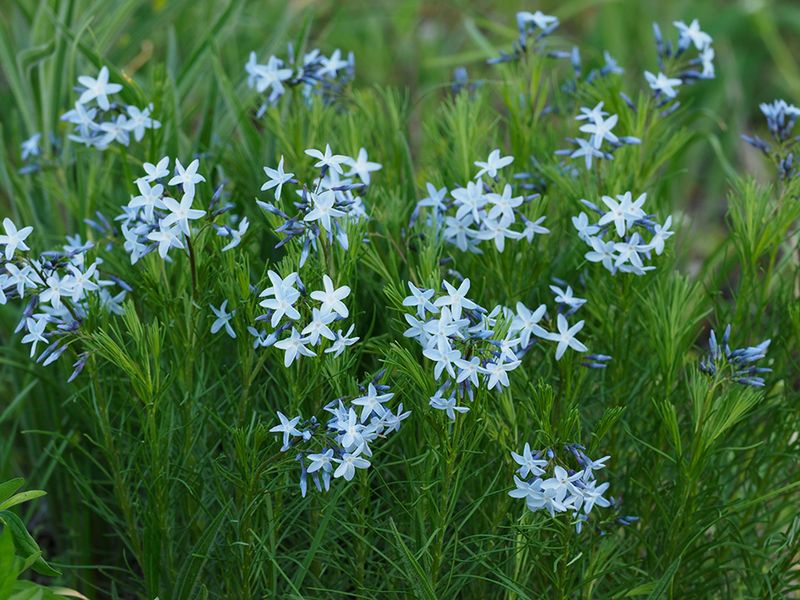
Spring in Georgia brings some truly lovely moments in the native plant garden, and Fringed Blue Star is one of the quiet standouts.
This wispy, fine-textured perennial produces clusters of pale blue, star-shaped flowers in mid-spring, drawing in early pollinators before summer heat arrives.
Once the blooms fade, the feathery foliage keeps looking attractive through summer, but a light trim after flowering can encourage an even bushier, more compact plant.
Cutting back the stems by about one-third right after bloom helps prevent the plant from stretching or flopping under summer humidity. The new growth that follows tends to be denser and more upright, giving the plant a tidier look through the rest of the season.
In fall, the foliage turns a warm golden yellow that rivals many ornamental grasses.
Fringed Blue Star handles full sun to partial shade and tolerates dry, sandy soils common across much of Georgia. It fits well in native plant borders, pollinator beds, and sunny edges near woodland areas.
Reseeding is not usually a major concern, but removing spent flower clusters keeps the planting looking clean and focused.
2. Wideleaf Blue Star Keeps A Compact Shape
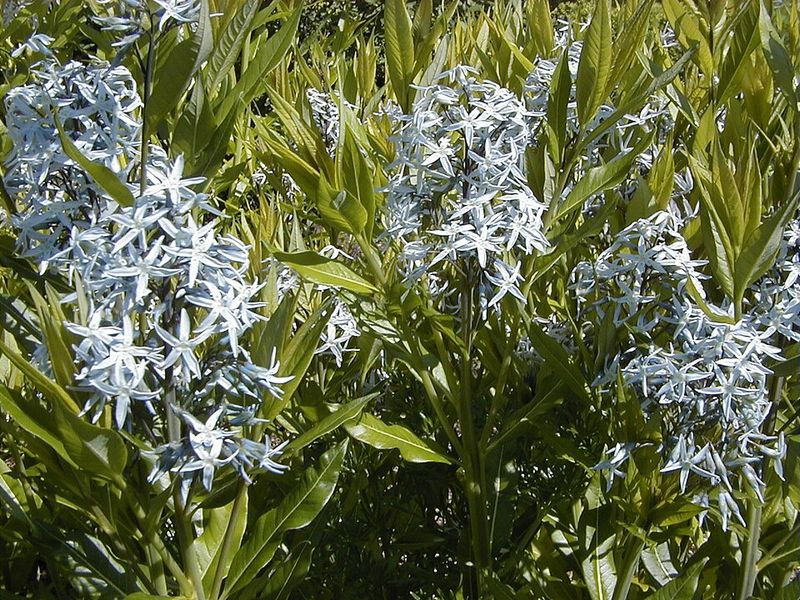
Broader and bolder than its fringed cousin, Wideleaf Blue Star is a reliable Georgia native that earns its place in almost any sunny or partly shaded border.
The clusters of soft blue flowers appear in mid-spring and attract native bees and butterflies looking for early nectar sources.
After the blooms finish, the wide, lance-shaped leaves stay green and attractive through the summer months.
Left completely untouched, Wideleaf Blue Star can develop a somewhat open or floppy posture by midsummer, especially in gardens with rich soil or extra moisture.
Cutting the stems back by about one-third after the flowers fade encourages the plant to push out fresh side shoots that keep the clump looking fuller and more rounded.
Many gardeners find that this simple step makes a noticeable difference in how the plant holds its shape through the long, humid summer.
This perennial works well in moist, woodland-edge settings and can also handle average garden soil with good drainage. It pairs nicely with native ferns, wild ginger, or other shade-tolerant plants.
Your Georgia Garden Changes Every Week. Your Plan Should Too.
Gardening in Georgia changes quickly throughout the season. Every Friday you’ll receive a simple weekly plan showing exactly what to plant, prune, fertilize, harvest, and protect so you never miss the right timing.
The fall foliage turns a rich golden color that adds seasonal interest to mixed perennial beds across Georgia.
3. Blue Wild Indigo Stays Neater After Cutting
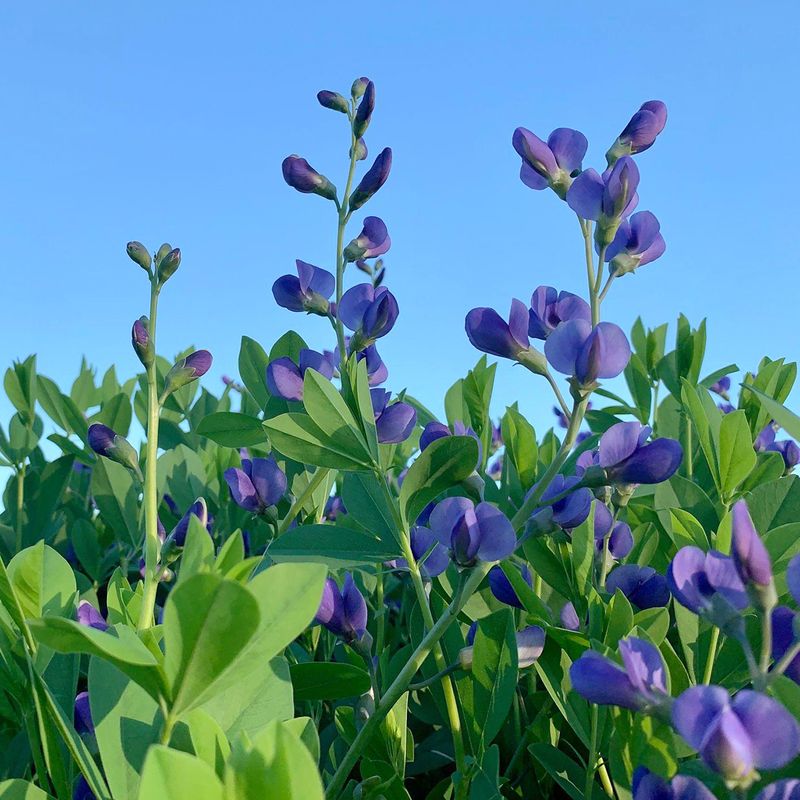
Few native perennials make as dramatic a statement in a Georgia garden as Blue Wild Indigo. The tall spikes of deep blue-purple flowers shoot up in mid to late spring, attracting bumblebees that are among the few pollinators strong enough to pry open the blooms.
The blue-green foliage is attractive on its own, giving the plant a shrub-like presence even when it is not in flower.
After the blooms fade, large inflated seedpods form and rattle in the breeze, which some gardeners enjoy leaving for visual interest.
However, removing the spent flower spikes before the pods fully develop can help the plant put more energy into its root system and keep the clump looking tidier through Georgia’s long summer.
Cutting back the stems slightly after bloom also reduces the chance of the plant sprawling under heavy summer rains.
Blue Wild Indigo is a slow starter but becomes very long-lived once established, with deep taproots that help it handle drought and summer heat well. It grows best in full sun with well-drained soil and does not need to be divided often.
Once settled into a Georgia landscape, it can thrive for many years with minimal care.
4. Blue Mistflower Fills In With Fresh Growth
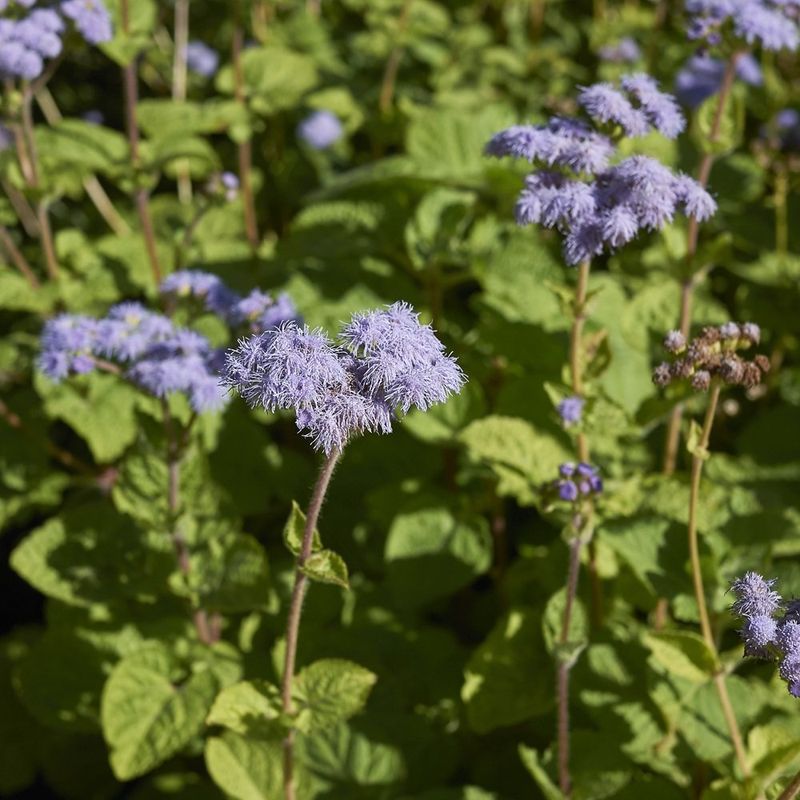
Walk past a stand of Blue Mistflower in late summer and you will likely find it buzzing with activity.
This Georgia native produces fluffy clusters of blue-purple blooms from late summer into fall, making it one of the most valuable late-season nectar sources for migrating monarchs, native bees, and skippers.
The flowers have a soft, hazy appearance that gives the plant its common name.
Blue Mistflower spreads enthusiastically through rhizomes and reseeding, which means it can fill in a bed quickly but may also spread beyond its welcome in smaller gardens.
Cutting it back by half in early summer, before the flower buds form, encourages a more compact and bushy plant that blooms just as freely but takes up less space.
Gardeners who skip this step often find the plant leaning or flopping by the time it blooms.
This perennial prefers moist sites and tolerates part shade, making it a good fit for rain gardens, woodland edges, or low spots in the landscape. It works especially well planted in larger drifts where its spreading habit becomes an asset rather than a concern.
A light trim in early summer keeps it looking intentional and full rather than weedy.
5. Woodland Coreopsis Blooms Again After Trimming
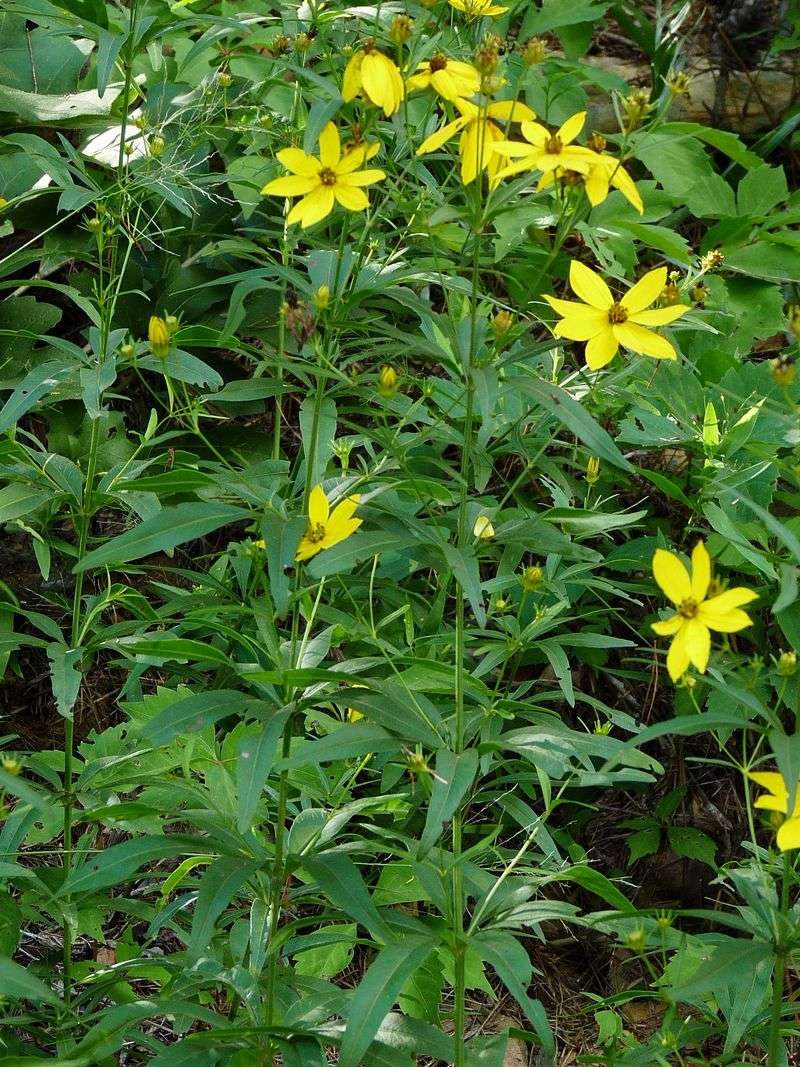
Bright yellow flowers in dappled shade are not always easy to find, but Woodland Coreopsis delivers exactly that in Georgia gardens.
Unlike the sun-loving tickseeds most people are familiar with, this species handles partial shade and even grows along woodland edges where other coreopsis varieties would struggle.
The cheerful yellow blooms appear in early to midsummer and bring a warm pop of color to shadier spots in the landscape.
After the first flush of blooms fades, cutting the stems back by about one-third can stimulate a second round of flowering later in the season.
The plant responds well to this treatment in Georgia’s long growing season, pushing out fresh stems and new buds within a few weeks.
Removing spent flowers regularly also prevents excessive reseeding, which can be helpful in more formal garden settings.
Woodland Coreopsis prefers well-drained, slightly acidic soil and grows naturally in open woodlands and forest edges across much of the Southeast. It pairs well with native ferns, wild blue phlox, and other shade-tolerant perennials.
Once established, it handles summer heat and humidity reasonably well, especially when given a site with some afternoon shade to reduce stress during Georgia’s hottest weeks.
6. Orange Coneflower Responds With More Blooms
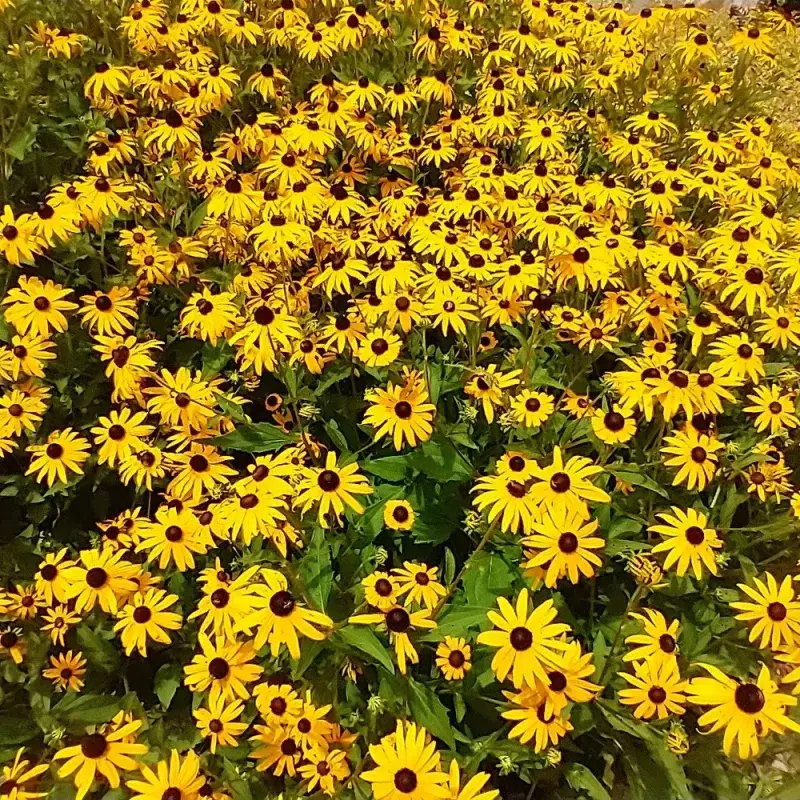
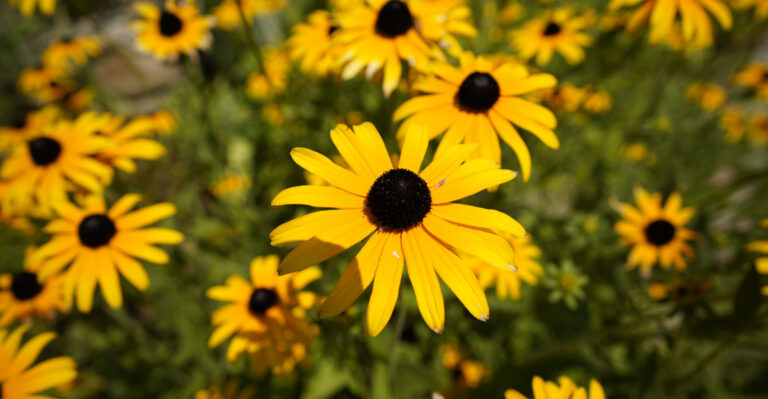
Bold, golden-yellow petals surrounding dark brown centers make Orange Coneflower one of the most recognizable natives in Georgia gardens.
It blooms from midsummer into fall, providing weeks of color when many other perennials have already finished for the season.
Goldfinches love the seedheads, and bees visit the flowers constantly throughout the blooming period.
Deadheading spent blooms as they fade can encourage the plant to keep producing new flowers rather than putting all its energy into seed production.
For gardeners who want a longer show of color, removing the finished flower heads every week or two during the blooming season can extend the display noticeably.
However, leaving some seedheads in place toward the end of the season provides food for birds heading into fall.
Orange Coneflower spreads both by seed and by clump division, so it can fill in a bed fairly quickly in good conditions. Cutting the entire clump back to a few inches in late winter or early spring keeps the planting tidy and encourages strong new growth.
It grows well in full sun with average to moist soil and fits naturally into pollinator gardens, sunny borders, and mixed native plantings throughout Georgia.
7. Moss Phlox Grows Denser After A Cutback
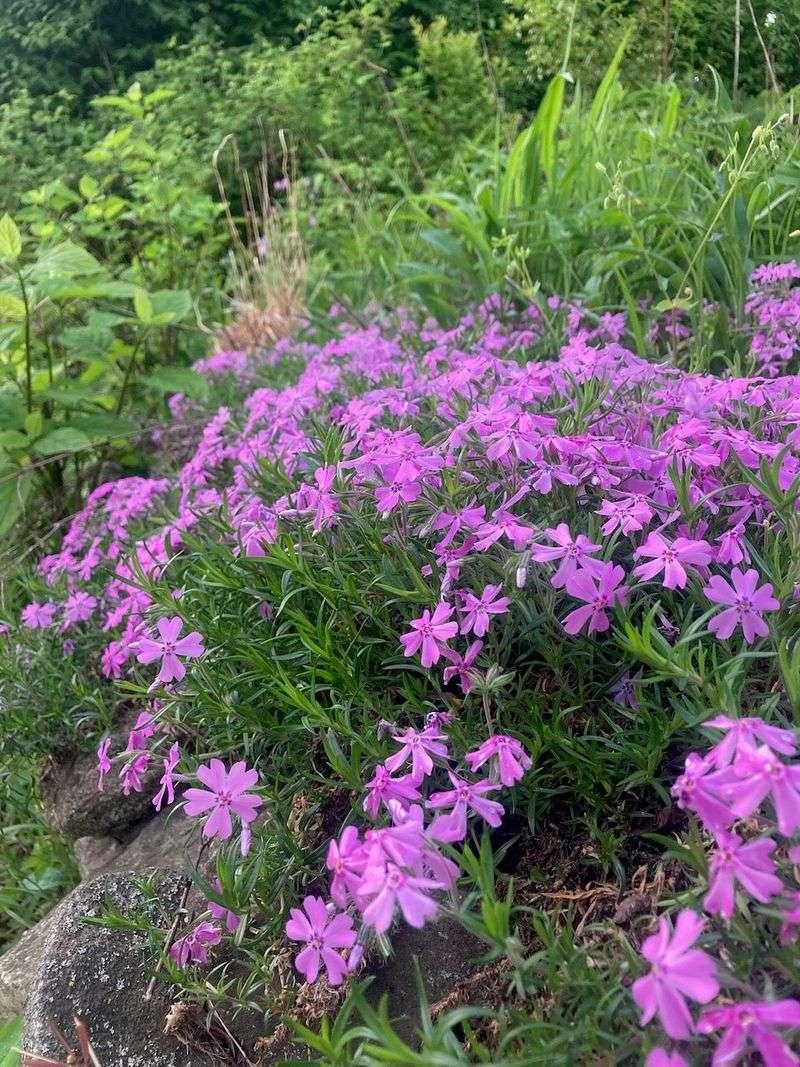
Low, spreading, and covered in tiny flowers each spring, Moss Phlox is a ground-hugging native that earns admiring looks along sunny slopes, rock gardens, and border edges across Georgia.
The blooms come in shades of pink, lavender, and white, creating a carpet of color in early spring when the garden is just waking up.
Early native bees and butterflies are quick to find the flowers.
After the blooms fade, Moss Phlox can start to look a bit ragged, with some stems becoming woody or bare in the center of the mat.
Shearing the plant back by about one-third right after bloom encourages fresh new growth to fill in those bare spots and keeps the mat dense and even.
Many gardeners find this simple step makes the plant look much neater through the rest of the growing season.
Moss Phlox needs full sun and excellent drainage to stay healthy in Georgia’s climate, where excessive moisture can cause rot in the center of established mats. Sandy or rocky soil suits it well, and it handles drought much better than it handles wet feet.
Over time, regular post-bloom trimming keeps the mat from developing the open, woody center that can make older plantings look less attractive.
8. New England Aster Stays Fuller With Pruning
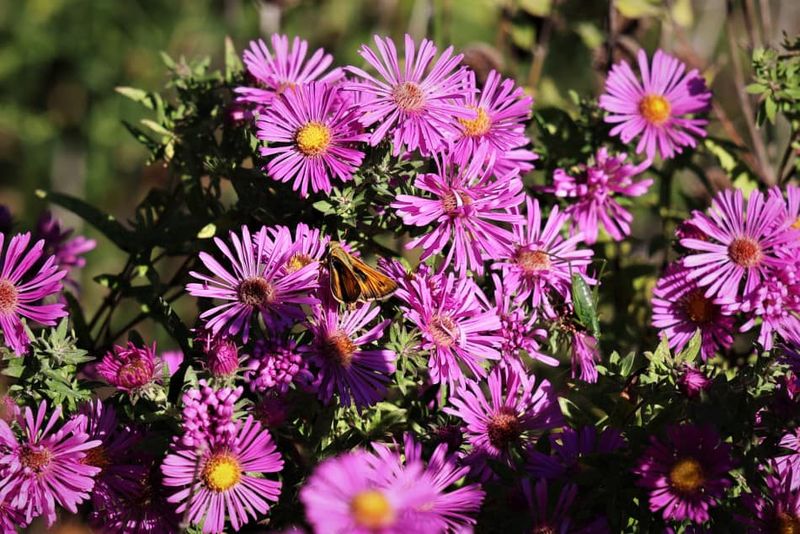
Tall, sprawling, and absolutely beloved by monarch butterflies, New England Aster is a fall garden staple that grows in many Georgia landscapes.
The rich purple flowers with golden centers appear from late summer into fall, providing one of the most important late-season nectar sources for migrating pollinators.
Without any pruning, the plants can easily reach four to six feet tall and tend to lean or flop under their own weight.
Cutting the stems back by one-third to one-half in late spring or early summer, before the flower buds form, encourages shorter, sturdier growth that holds up better in late-summer thunderstorms.
Some gardeners do a second light pinch in midsummer to further control height.
The result is a bushier, more compact plant that still blooms just as freely but does not need staking to stay upright.
New England Aster grows well in full sun to light shade and tolerates a range of soil types, from average garden soil to slightly moist conditions near rain gardens or low areas.
It spreads by both seed and clump division, so dividing established plants every few years keeps them vigorous.
This is one of the most rewarding fall-blooming natives for Georgia pollinator gardens.
9. Late Purple Aster Keeps A Tidier Shape
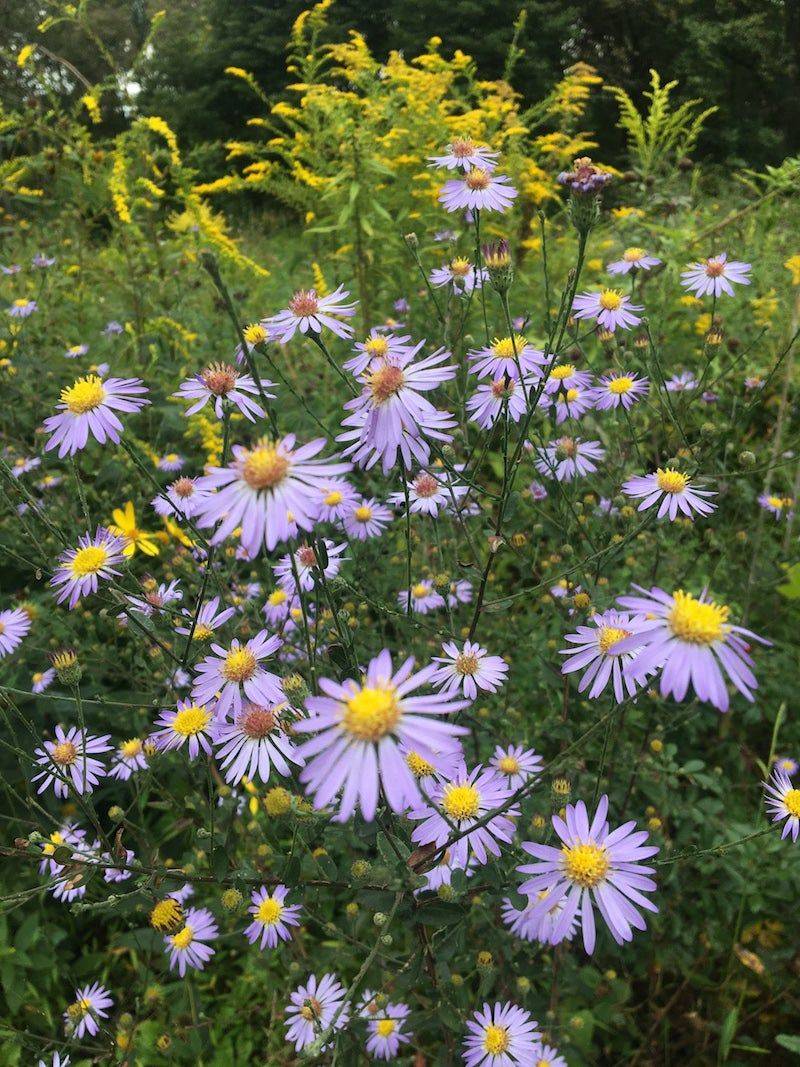
Scattered across sunny roadsides and open woodlands throughout Georgia, Late Purple Aster is a tough native that brings color to the fall landscape when most perennials have already wound down.
The small, bright purple flowers bloom on wiry, branching stems in September and October, providing late-season nectar for bees and butterflies preparing for winter.
It has a loose, airy quality that feels natural and relaxed in informal garden settings.
The open, branching habit of Late Purple Aster can become a bit leggy or unruly in garden settings if left completely unpruned.
Cutting the stems back by about one-third in early summer encourages more branching and a slightly fuller plant that holds its shape better through the fall bloom season.
The trimmed plant may be a bit shorter than an unpruned one, but the extra branching usually means more flower stems and a denser show of color.
This aster handles dry, well-drained soil and full sun very well, making it a good fit for Georgia gardens with sandy or rocky soils that dry out quickly in summer. It reseeds modestly and can naturalize in meadow-style plantings or native plant borders.
Removing spent flowers after bloom reduces reseeding in more structured garden spaces.
10. Beardtongue Looks Cleaner After Flowering
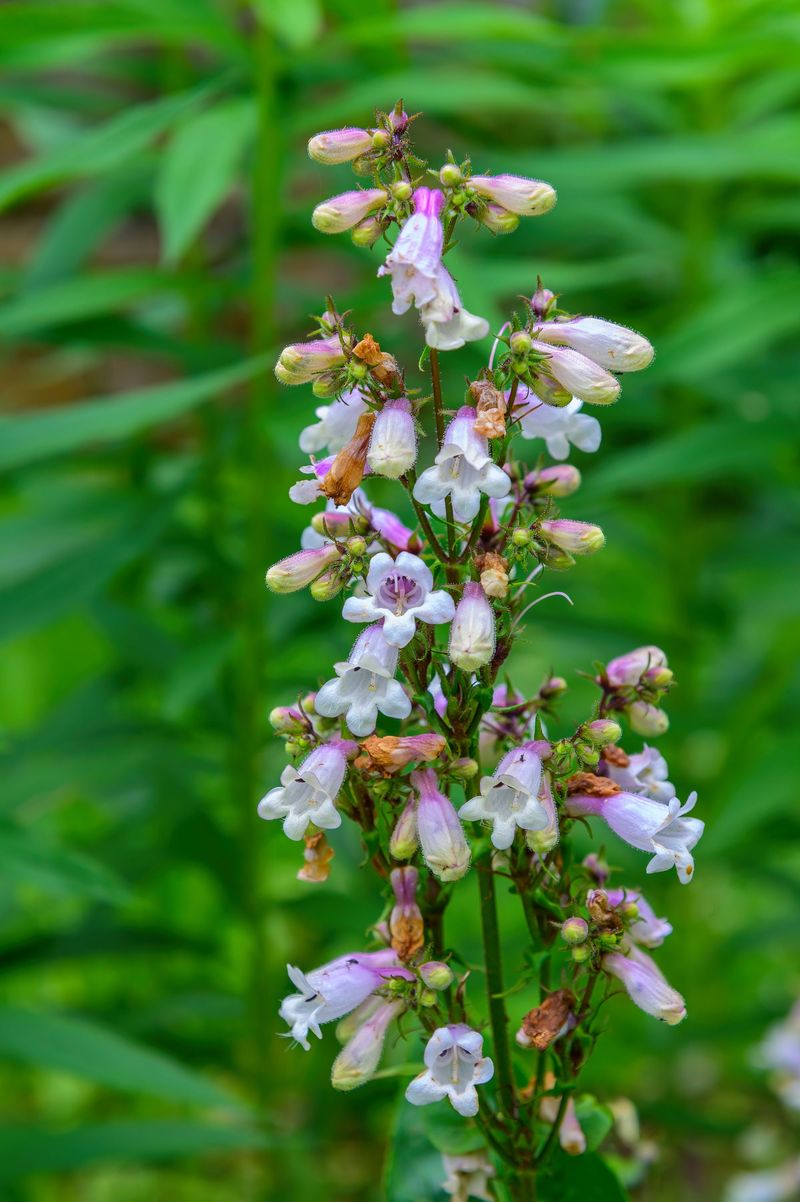
Tubular flowers in shades of purple, pink, and white make Beardtongue one of the most hummingbird-friendly natives a Georgia gardener can grow.
Several Penstemon species are native to the Southeast, and they bloom in late spring, bridging the gap between early spring wildflowers and the main summer perennial season.
The upright flower spikes are elegant and attract both hummingbirds and long-tongued native bees.
Once the flowers finish, the spent stalks can look untidy if left in place, and the plant may put energy into seed production that could otherwise go toward root development.
Removing the flower stalks down to the basal foliage after bloom keeps the plant looking clean and tidy through summer.
In some cases, this can also encourage a modest flush of new foliage growth that keeps the planting looking fresh into fall.
Beardtongue grows best in full sun with well-drained to dry soil, and it is especially well-suited to gardens with sandy or gravelly conditions. Rich, moist soil can shorten the lifespan of the plant, so good drainage is more important than soil fertility.
Planting it in raised beds, slopes, or dry native plant borders gives it the conditions it needs to stay healthy and attractive for several seasons.