The Biggest Mistakes Gardeners In Detroit, Michigan Make In June That Ruin Their Gardens By August
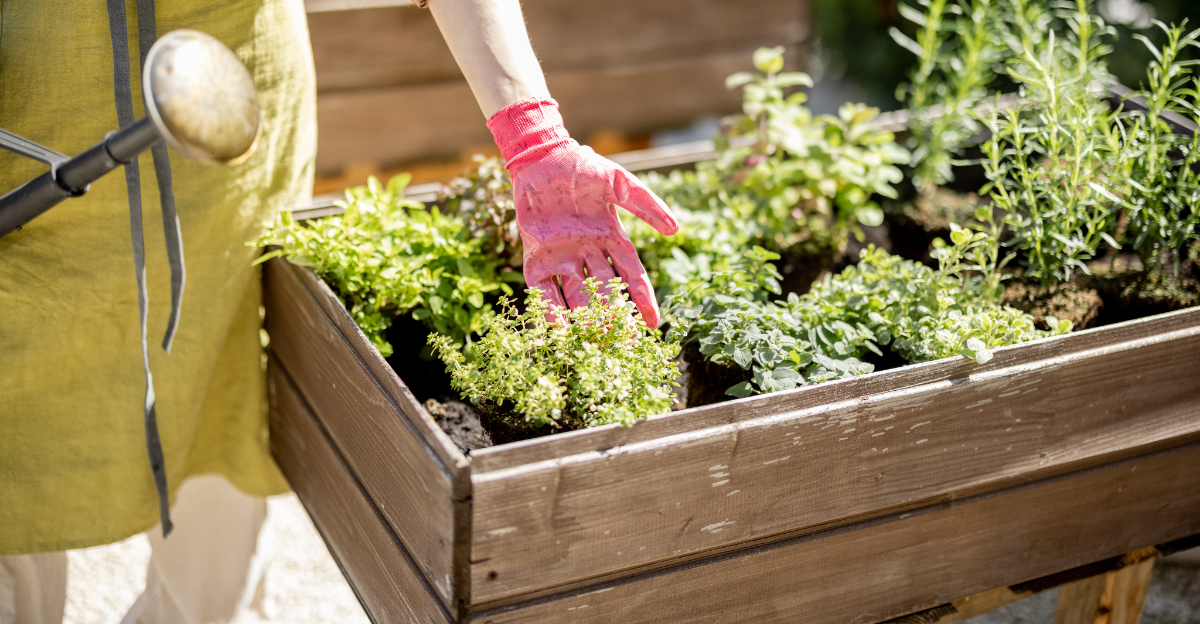
June in Detroit feels generous. Everything is growing, the weather is cooperative, and the garden looks like it might actually come together this year.
That feeling is real, but June is also when a handful of decisions get made, or avoided, that show up as serious problems two months later.
By August the connection between cause and effect is hard to trace, so the mistakes get blamed on heat or bad luck instead of the actual source.
Detroit’s urban growing conditions add some specific wrinkles that gardeners in more rural parts of Michigan don’t always deal with.
Including soil history, heat reflection off pavement, and compressed planting spaces that change how problems move through a garden.
The mistakes on this list are common, fixable, and almost invisible in the moment, which is exactly what makes them so consistently damaging by the time summer peaks.
1. Planting Without Planning For Fast Summer Heat
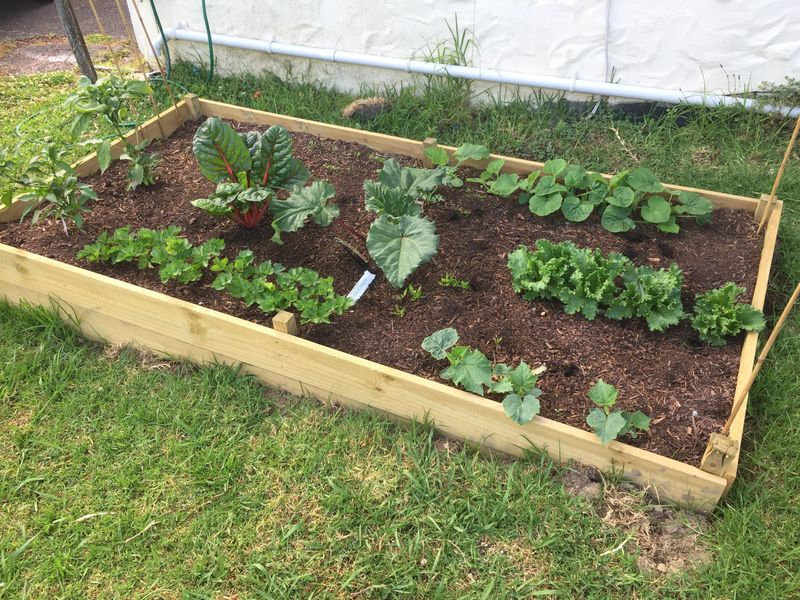
June in Detroit feels forgiving, but the calendar moves fast. What starts as mild planting weather can shift into serious heat by mid-July, and plants put in the ground in June have very little time to build strong root systems before that heat arrives.
Shallow, newly established roots are especially vulnerable. When the soil surface dries out quickly during a heat spike, those young roots cannot reach deeper moisture the way mature plants can.
That stress shows up as wilting, slow growth, and poor fruit production right when you want your garden performing at its best.
The good news is that June planting can absolutely work with the right support. Heat-tolerant vegetables like basil, beans, and squash transplant well this time of year.
Tomatoes and peppers planted now still have time to produce before fall. The key is giving new plants a strong start with deep, consistent watering right after transplanting.
Mulching immediately after planting makes a real difference. A two to three inch layer of wood chips or straw keeps soil moisture from evaporating too quickly.
For extra-sensitive transplants, a few days of temporary shade using a cloth cover or even a propped-up cardboard sheet can reduce shock significantly. Small steps taken in June protect plants through the toughest weeks ahead.
2. Watering On A Schedule Instead Of Checking The Soil
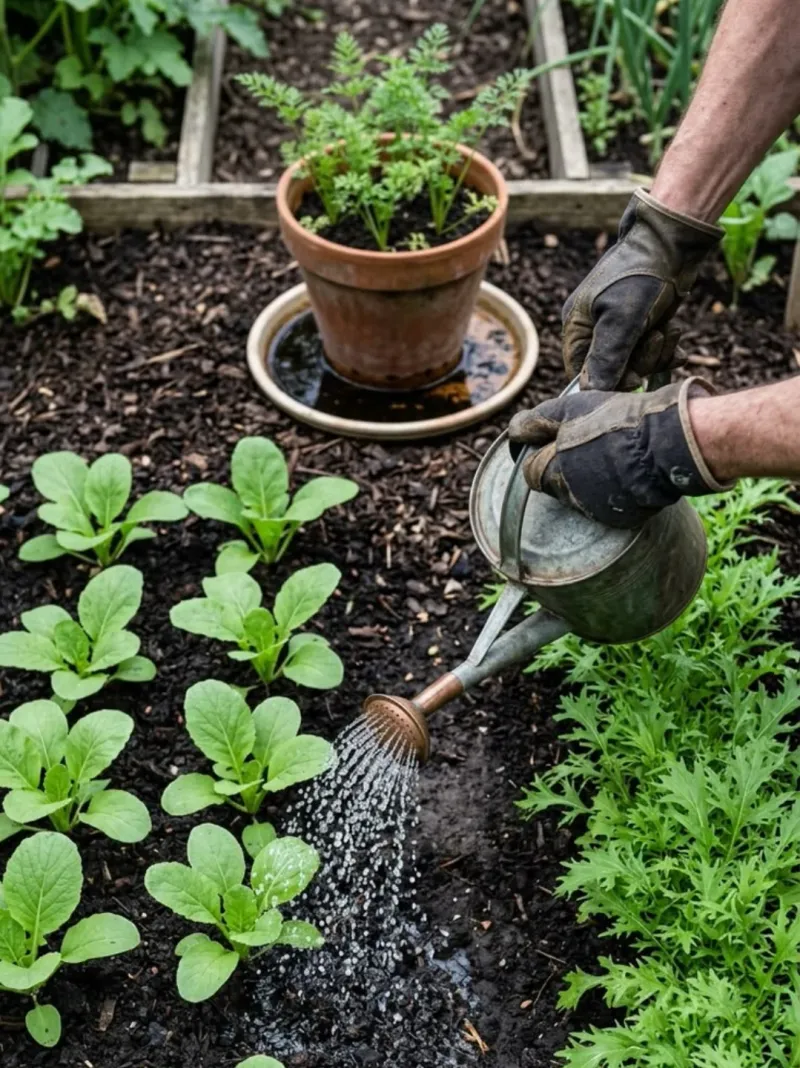
Watering every Tuesday and Friday sounds organized, but your garden does not follow a calendar.
Detroit summers bring stretches of cool rain followed by sudden dry heat, and a fixed watering schedule almost always results in either too much water or not enough.
Soil type plays a huge role here. Detroit has a lot of clay-heavy soil, which holds water much longer than sandy or loamy soil.
If you water on a schedule in clay soil after a rainy week, you may be pushing roots into soggy, oxygen-poor conditions without realizing it.
Raised beds and containers, on the other hand, dry out much faster and often need more frequent attention than in-ground beds.
The most reliable method is checking the soil itself before reaching for the hose. Push a finger or a wooden dowel two to three inches into the soil near the root zone.
Your Michigan Garden Changes Every Week. Your Plan Should Too.
Gardening in Michigan changes quickly throughout the season. Every Friday you’ll receive a simple weekly plan showing exactly what to plant, prune, fertilize, harvest, and protect so you never miss the right timing.
If it feels dry at that depth, water thoroughly. If it still feels cool and slightly moist, hold off another day and check again.
Watering deeply and less frequently encourages roots to grow downward, which makes plants far more resilient during hot, dry stretches. Light, frequent watering keeps roots near the surface where heat stress hits hardest.
Adjusting based on what the soil tells you rather than what the clock says is one of the simplest and most effective gardening habits you can build.
3. Waiting Too Long To Mulch
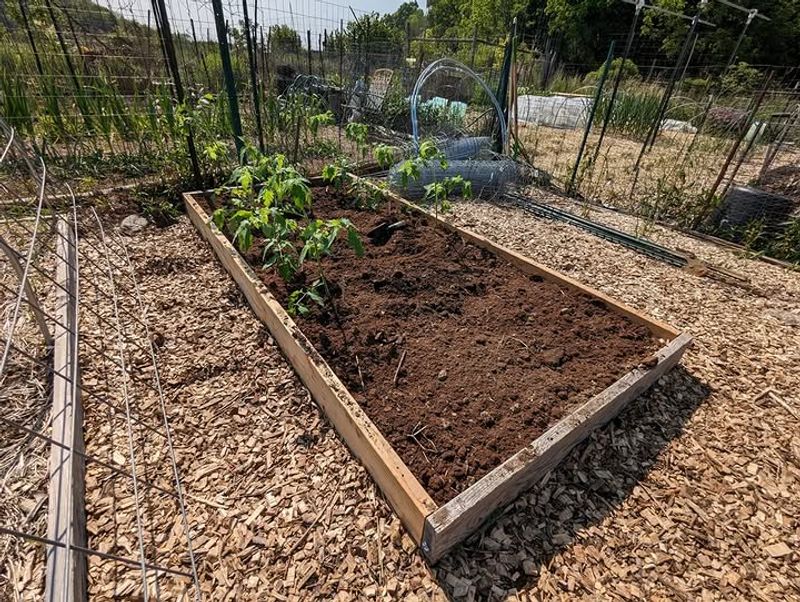
Most gardeners think of mulch as something you put down after summer heat arrives. By then, though, the soil has already been baking for weeks, moisture has evaporated, and weeds have claimed their territory.
Applying mulch in June, before peak heat sets in, is one of the smartest moves a Detroit gardener can make.
Mulch works like an insulating blanket for your soil. It slows evaporation, keeps soil temperatures from spiking during hot afternoons, and blocks sunlight from reaching weed seeds.
In Detroit’s urban neighborhoods, where pavement and buildings trap extra heat, that temperature buffering can mean the difference between a thriving bed and one that struggles through August.
Two to three inches of mulch is the sweet spot for most garden beds. Go thinner and you lose most of the benefit.
Go too thick and you risk trapping excess moisture right at the base of stems, which can lead to rot. Keep mulch pulled back slightly from plant stems and tree trunks to allow airflow.
Wood chips, straw, shredded leaves, and even grass clippings all work well. Wood chips break down slowly and are great for perennial beds and pathways.
Straw works beautifully around vegetables. Shredded leaves are free and effective.
Whatever material you choose, getting it down in June rather than waiting until July gives your soil a much better foundation for the rest of the summer.
4. Overusing Nitrogen Fertilizer
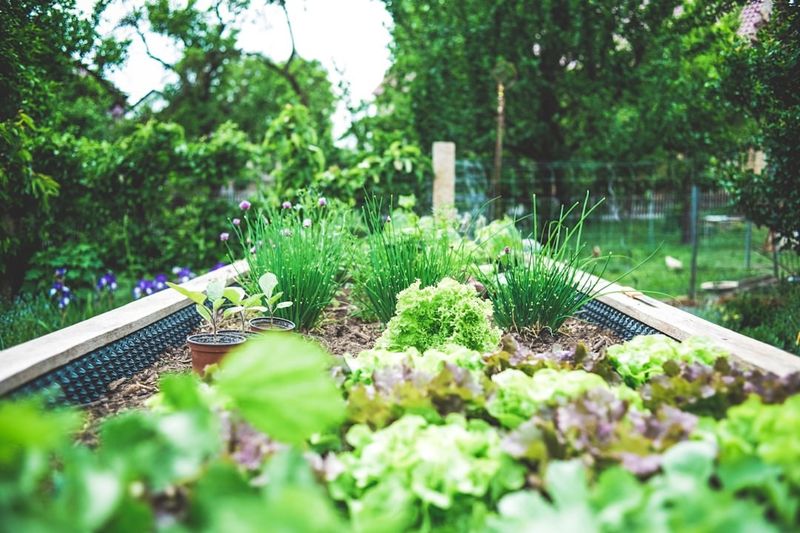
More fertilizer does not always mean a better garden. In June, when plants are already growing fast, piling on nitrogen-heavy fertilizer pushes them to produce lots of soft, lush green growth at exactly the wrong time.
That rapid, tender growth is actually more attractive to pests like aphids and more vulnerable to fungal diseases that thrive in warm, humid conditions. Soft stems and leaves also handle heat stress poorly.
A tomato plant with enormous foliage but few flowers is a classic sign of too much nitrogen applied at the wrong moment.
Some plants do need feeding in June. Containers and raised beds with limited soil volume can run low on nutrients faster than in-ground gardens. Leafy greens like lettuce and spinach genuinely benefit from nitrogen.
But for fruiting crops like tomatoes, peppers, and squash, a balanced fertilizer with equal parts nitrogen, phosphorus, and potassium supports flowering and fruit development far better than a nitrogen boost alone.
Compost is one of the most reliable feeding options for June gardens. It releases nutrients slowly, improves soil structure, and will not trigger the sudden growth surge that synthetic nitrogen can cause.
A soil test from Michigan State University Extension is a worthwhile investment if you are unsure what your garden actually needs. Feeding with intention rather than habit keeps plants strong, productive, and much more resilient through the heat of late summer.
5. Ignoring Drainage Problems In Heavy Clay Soil
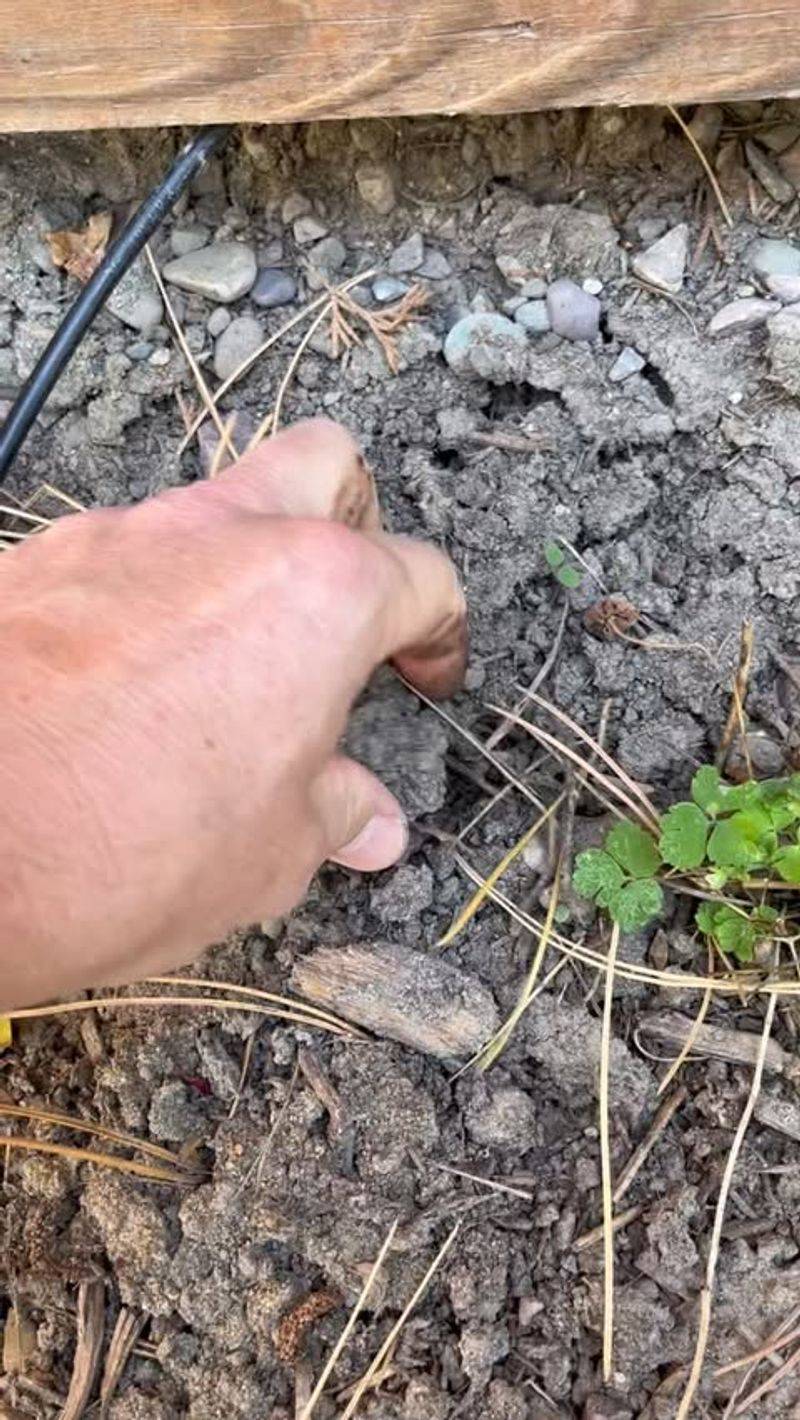
Detroit sits on a foundation of heavy clay soil, and while clay holds nutrients well, it can also hold water far longer than most plants appreciate.
After a summer rainstorm, clay soil can stay saturated for days, pushing air out of the root zone and creating conditions that stress even tough garden plants.
The tricky part is that drainage stress and drought stress can look almost identical. Yellowing leaves, wilting during the day, and stunted growth can all point to either too little water or too much.
If your plants are struggling after a rainy stretch rather than a dry one, poor drainage is likely the real problem.
June is a good time to address this before conditions get worse. Working compost into clay soil improves its structure, helping it drain more efficiently while still retaining enough moisture for roots.
Raised beds filled with a blend of topsoil, compost, and coarse material give plants an entirely different growing environment above the clay layer.
Wider planting mounds, sometimes called hills, elevate root zones slightly above the surrounding soil, which helps water move away from roots after heavy rain.
Avoid walking through wet garden beds, since foot traffic on saturated clay compacts it quickly and makes drainage even worse.
Addressing these problems in June, while there is still plenty of growing season ahead, sets your garden up for a much stronger finish come August.
6. Letting Weeds Go To Seed
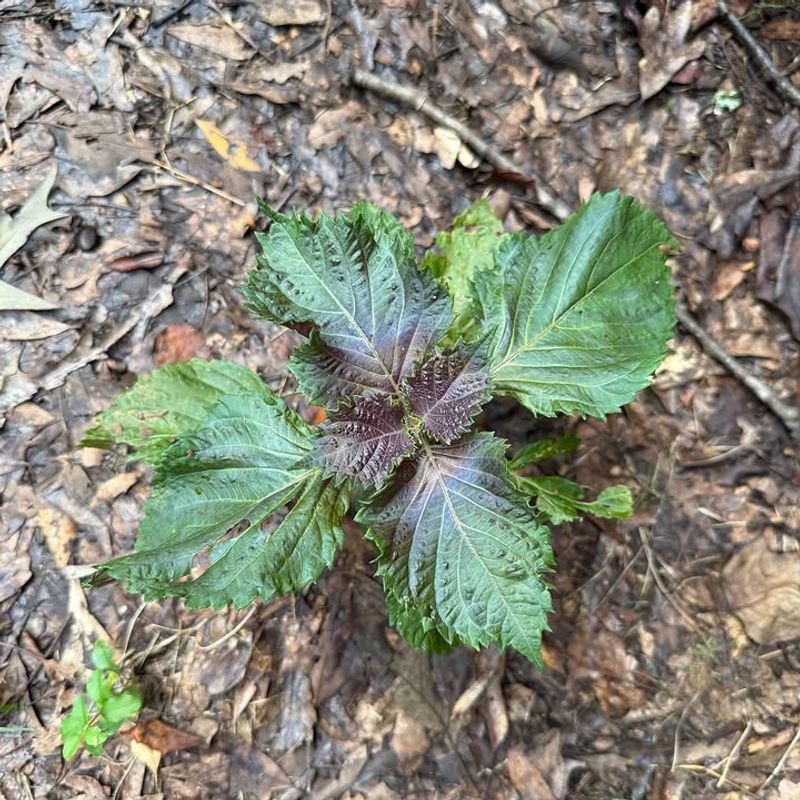
A weed that has gone to seed is not just one problem, it is thousands of future problems scattered across your garden.
June is the month when many common Detroit weeds shift from growing to flowering and seeding, and if you miss that window, you are essentially planting next year’s weed crop yourself.
Weeds compete aggressively for the same water and nutrients your vegetables and flowers need. During hot, dry stretches, that competition matters enormously.
A garden bed crowded with weeds can lose a surprising amount of moisture through weed transpiration alone, leaving your intended plants thirsty even after a thorough watering.
Beyond resource competition, dense weed growth reduces airflow around plants. Poor airflow creates the warm, humid pockets that fungal diseases love, especially on crops like tomatoes, squash, and cucumbers.
Weeds also provide shelter for pests that would otherwise be more exposed and vulnerable.
The most effective weed control in June is catching them young. Small weeds with shallow roots pull easily after rain when the soil is soft.
Larger weeds with established root systems take more effort and leave behind disturbed soil that can encourage even more germination. A layer of mulch after weeding slows regrowth significantly.
Spending fifteen to twenty minutes on weed patrol two or three times a week in June is far easier than facing an overwhelming weed situation in July when heat makes every outdoor task feel twice as hard.
7. Pruning Spring-Blooming Shrubs Too Late
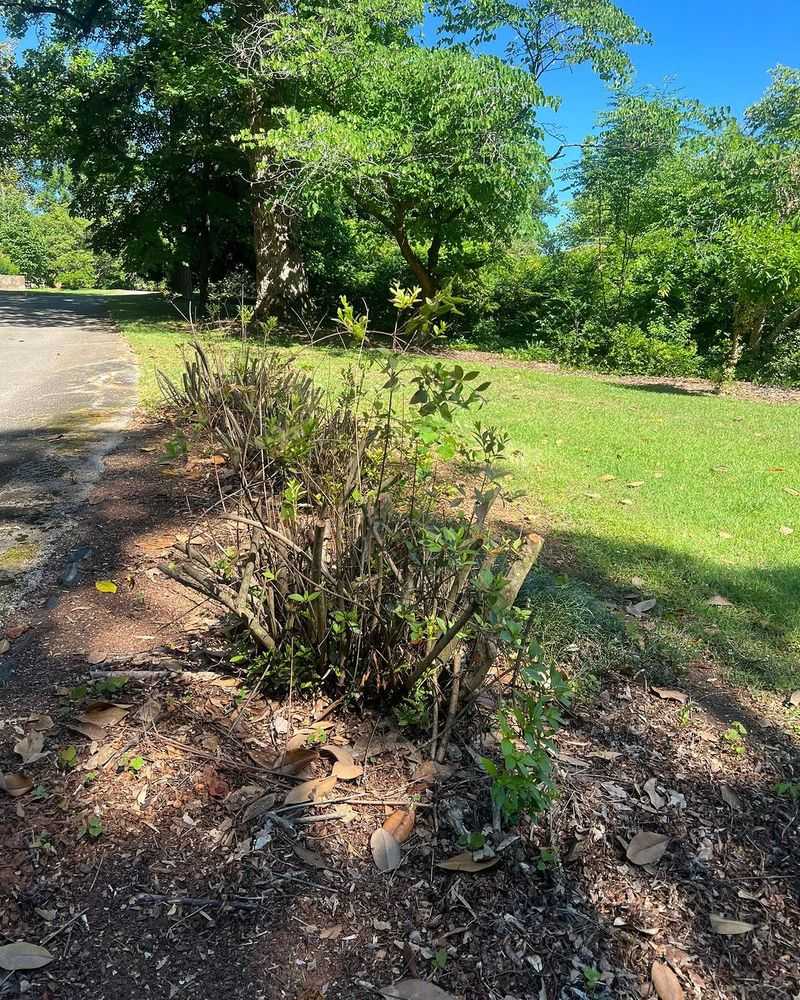
Lilacs blooming along a Detroit fence line are one of the great joys of spring. But once those blooms fade, a common mistake is letting pruning wait until midsummer or fall, which quietly eliminates next year’s flower show before it even has a chance to begin.
Spring-blooming shrubs like lilac, forsythia, and many viburnums set their flower buds for the following year during summer and fall. If you prune after those buds have formed, you are removing them along with the branches.
The shrub looks fine, grows fine, but comes spring, it will not bloom the way you expected.
June is often the last safe window for pruning these plants, depending on when they finished blooming. A good general rule is to prune within four to six weeks after flowers fade.
For lilacs, that usually means late May through mid-June in the Detroit area. Forsythia follows a similar timeline.
Getting the timing right preserves next year’s buds while still giving the shrub the whole summer to grow and recover.
When pruning, focus on removing old, woody stems at the base to encourage fresh new growth from the bottom up. Avoid shearing shrubs into tight geometric shapes, which weakens their structure over time.
A natural, open form lets light and air reach the interior. Taking the time to prune correctly in June rewards you with a healthier, more floriferous shrub every single spring.
8. Overcrowding Vegetables And Skipping Thinning
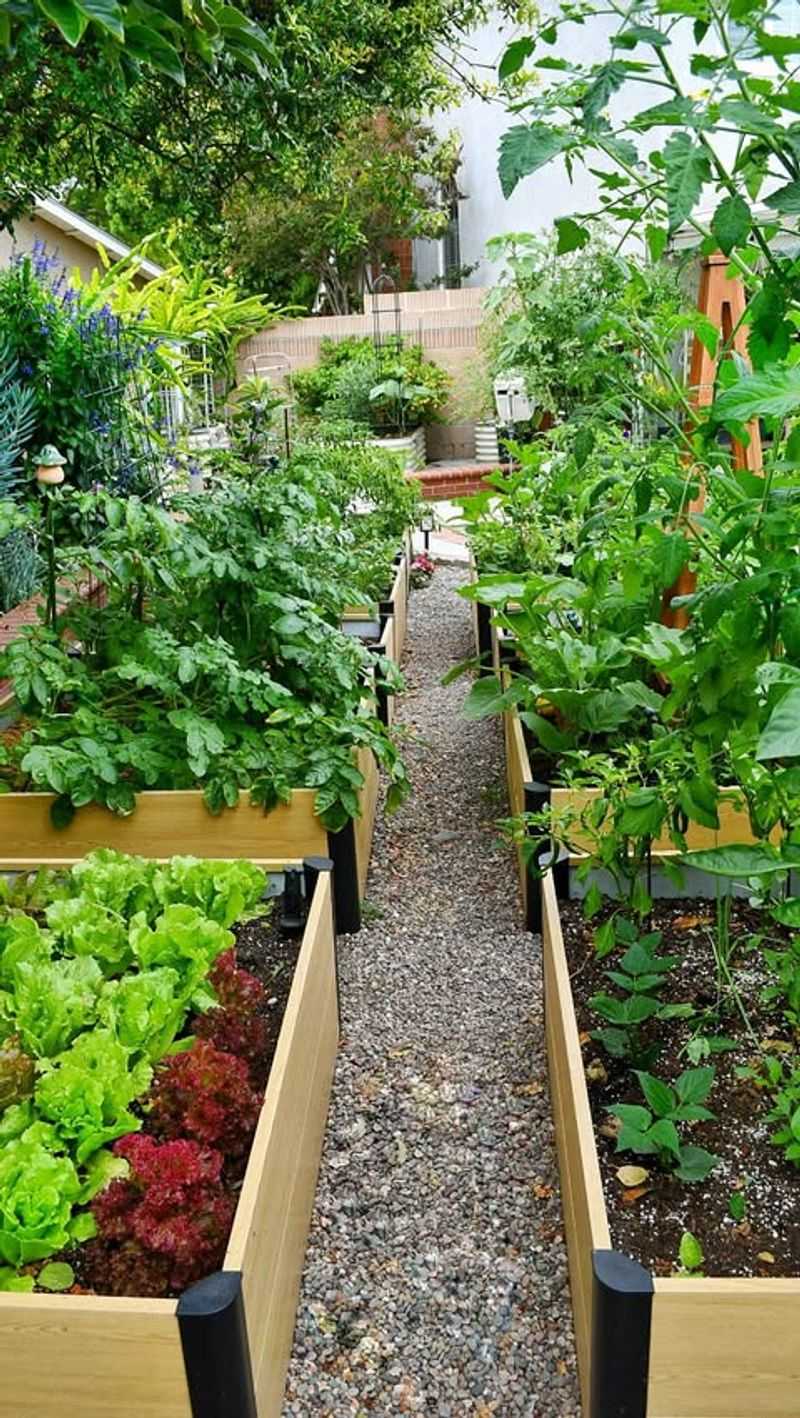
Packing more plants into a bed feels productive, but crowded vegetables almost always underperform compared to properly spaced ones. The logic of more plants equaling more harvest breaks down quickly once competition for resources kicks in.
When vegetables grow too close together, they compete for water, nutrients, and sunlight from day one. Root systems tangle and crowd each other underground.
Above the soil, overlapping leaves create dense canopies that trap moisture and block airflow, setting up ideal conditions for fungal diseases like powdery mildew and early blight.
By August, a crowded bed that looked exciting in June often looks like a tangled, underproducing mess.
Thinning feels counterintuitive because you are removing plants you worked to grow. But pulling a few seedlings in June to give remaining plants proper space consistently results in larger, healthier harvests.
Carrots thinned to two inches apart produce full-sized roots. Lettuce thinned to eight inches forms proper heads.
Squash given three to four feet of room spreads and produces generously without fighting neighbors.
Spacing recommendations on seed packets exist for good reason and are worth following. If you are working with transplants, resist the urge to fit in just one more plant per row.
Good airflow, adequate root space, and access to sunlight are what push vegetables to their full potential. A little extra room in June pays off enormously when harvest time arrives in late summer.
9. Stopping Pest Monitoring After Plants Look Established
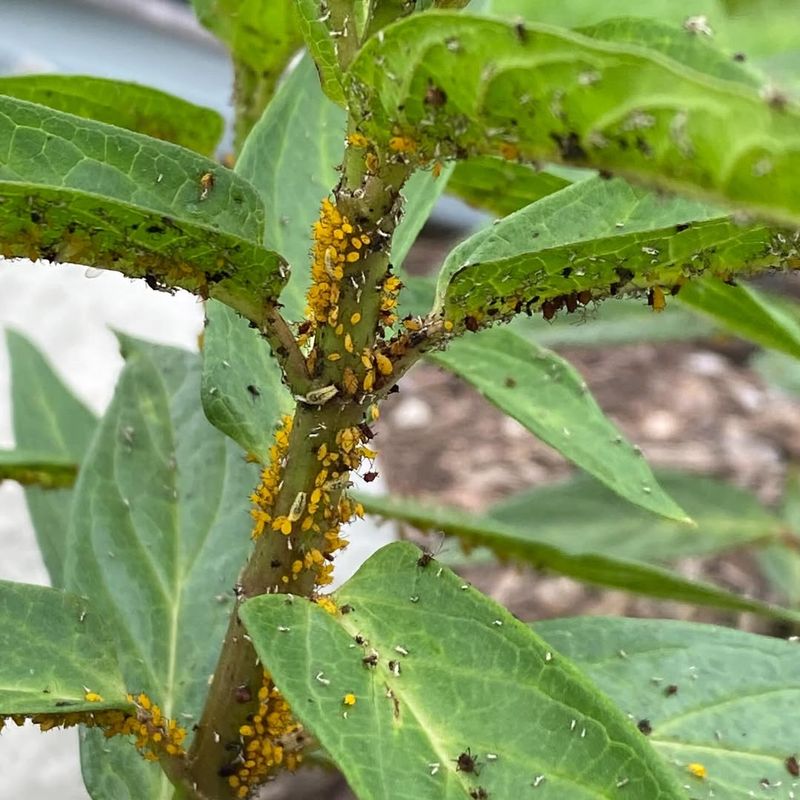
Once plants look sturdy and settled in, it is tempting to shift attention elsewhere. But June is actually when pest populations start ramping up across Detroit gardens, and missing the early signs means dealing with a much larger problem a few weeks later.
Japanese beetles typically begin appearing in Detroit in late June and build through July, chewing through roses, basil, beans, and many other plants.
Squash vine borers lay eggs at the base of squash stems in June, and by the time you notice wilting, the damage is already done inside the stem.
Aphids cluster on new growth and multiply rapidly in warm weather. Cabbage worms and spider mites follow similar patterns, starting small and growing into serious infestations quickly.
Scouting regularly means walking through your garden two or three times a week and actually looking closely at plants, not just glancing from a distance. Check the undersides of leaves, where many pests hide and lay eggs.
Look at new growth tips, stem bases, and soil surfaces. Catching a small cluster of aphids or a handful of eggs early makes control straightforward.
Early intervention options include hand-picking, a strong spray of water to knock off soft-bodied insects, or targeted treatments like neem oil or insecticidal soap for persistent problems.
Waiting until late July when populations peak makes every solution harder and less effective. Staying alert in June keeps your garden ahead of trouble all summer long.