Edible Arizona Plants Homeowners Are Growing Along Fence Lines Instead Of Ornamentals
Arizona fence lines get an almost unfair amount of sun, and for a long time most homeowners just planted something green and called it a day. Totally reasonable.
But a growing number of gardeners are looking at those sun-soaked block walls, wooden fences, and chain-link borders and thinking something a little more ambitious. What if that space actually fed you?
Edible plants along a fence line are one of those ideas that sound almost too good to be true until you see it working in real life.
Privacy, shade, fresh fruit, homegrown herbs, and a yard that genuinely produces something useful, all from a strip of space that was basically just sitting there looking decorative.
Arizona’s intense sun and long growing season make this approach more viable here than almost anywhere else. So let’s talk about what actually works.
1. Grapes Turn Fence Lines Into Productive Vines
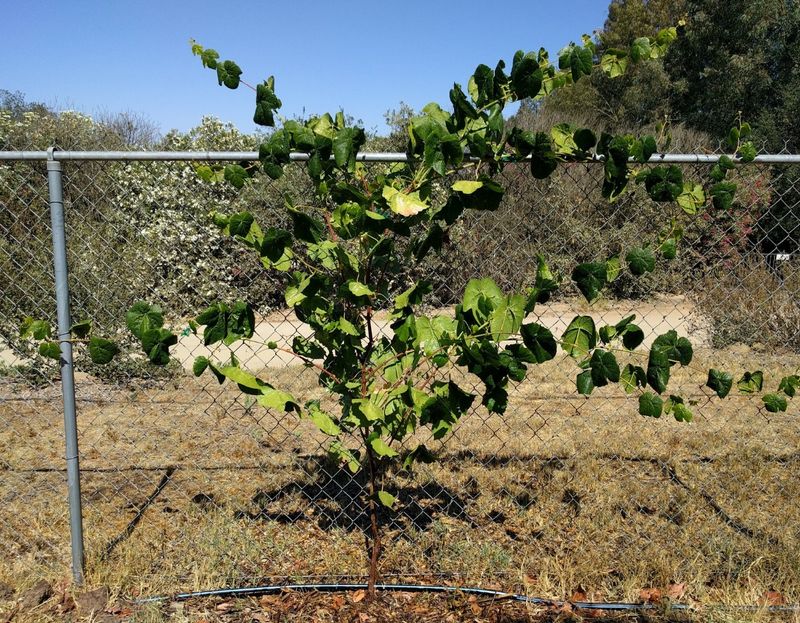
Few plants take advantage of a sunny fence line quite like a well-trained grapevine.
Grapes are natural climbers that attach to trellises, chain-link, and wooden fences with ease, filling vertical space with broad leaves and hanging fruit clusters that make the fence look intentional rather than bare.
In Arizona, grape varieties suited to the desert heat tend to perform well when trained along east- or west-facing fences where afternoon shade from the structure itself can help moderate temperatures slightly.
Thompson Seedless, Black Monukka, and other warm-climate varieties have a track record in Arizona backyard gardens.
Grapes need well-drained soil, deep watering on a consistent schedule, and annual pruning to stay productive and manageable along a fence line.
One thing homeowners often overlook is how much space a mature grapevine actually needs. Vines can spread several feet in each direction, so planting too close together can create a tangled mess that is hard to harvest and prone to poor airflow.
Spacing vines at least eight feet apart along the fence gives each plant room to develop properly.
The edible reward is obvious, but the shade and privacy value is real too. A fully leafed-out grapevine along a fence creates a green, living screen through the growing season that no ornamental shrub can quite replicate in summer heat.
2. Blackberries Add Fruit Along Sunny Borders
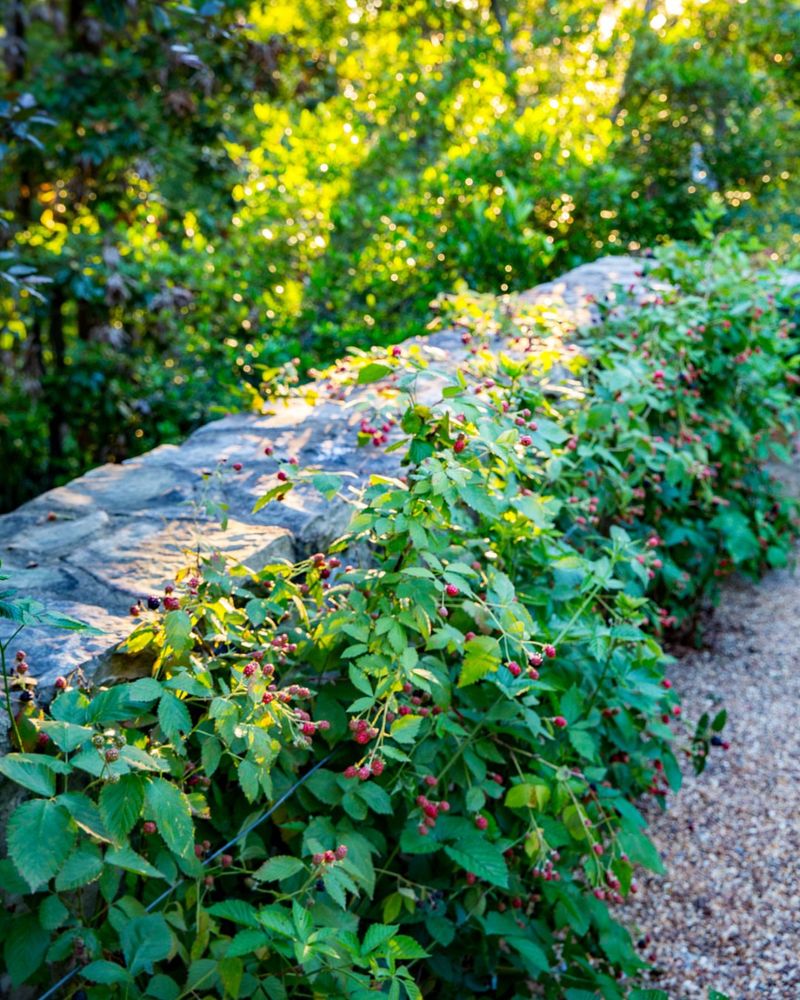
Walking past a fence line heavy with ripe blackberries in early summer is one of those backyard experiences that makes edible landscaping feel completely worth the effort.
Blackberries are cane-producing plants that lend themselves naturally to fence training, and in Arizona they can produce a reliable harvest when the right variety is chosen and irrigation is managed carefully.
Varieties with low chill-hour requirements tend to fare better in the warmer parts of Arizona, including parts of the Phoenix metro and lower desert elevations.
Thornless varieties are especially popular along residential fence lines because they make harvesting easier and reduce the risk of scratches when maintaining or trimming near the canes.
It is worth noting that even thornless types need regular pruning to keep growth tidy and productive.
Your Arizona Garden Changes Every Week. Your Plan Should Too.
Gardening in Arizona changes quickly throughout the season. Every Friday you’ll receive a simple weekly plan showing exactly what to plant, prune, fertilize, harvest, and protect so you never miss the right timing.
Blackberries along fence lines benefit from consistent drip irrigation since the desert heat can dry out shallow root zones quickly.
Mulching around the base of the canes helps retain moisture and keeps soil temperatures from climbing too high during intense summer months.
Fence lines that get some afternoon shade, or that face east, tend to suit blackberries a little better than those baking in full western exposure all day.
The harvest window is relatively short, but fresh blackberries from a backyard fence feel like a genuine bonus that no ornamental lantana or bougainvillea can offer homeowners.
3. Pomegranates Create An Edible Privacy Screen
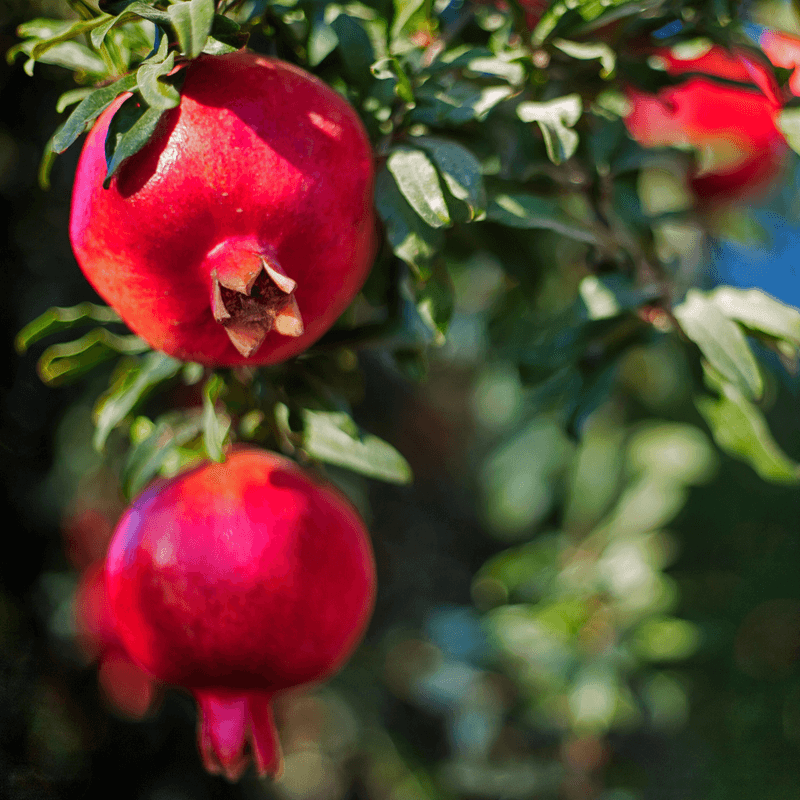
Block walls in Arizona yards absorb and radiate heat like little furnaces, and pomegranates are among the few edible plants that genuinely seem unbothered by that kind of reflected warmth.
Planted in a row along a fence or wall, pomegranate shrubs grow dense and upright enough to function as a real privacy screen while also producing fruit that homeowners can actually use.
Pomegranates are deciduous, which means they drop their leaves in winter and offer less screening during cooler months.
Through the hot growing season, though, they fill in thickly and produce those recognizable orange-red blossoms followed by large, jewel-toned fruit that ripens in late summer through fall across much of Arizona.
Varieties like Wonderful and Utah Sweet are commonly grown in Arizona backyard settings with good results.
These shrubs can reach eight to twelve feet in height and spread, so fence lines need to be wide enough to accommodate mature size without crowding walkways, utility access, or neighboring properties.
Spacing plants about eight to ten feet apart along the fence gives each shrub room to develop a full canopy over time.
Water needs are moderate compared to many fruit-bearing plants, and established pomegranates handle drought conditions reasonably well once roots are settled.
For homeowners who want a productive, low-fuss edible screen along a sunny fence line, pomegranates offer a combination of beauty and function that few ornamentals can match.
4. Figs Bring Shade And Fruit To Wider Fence Lines
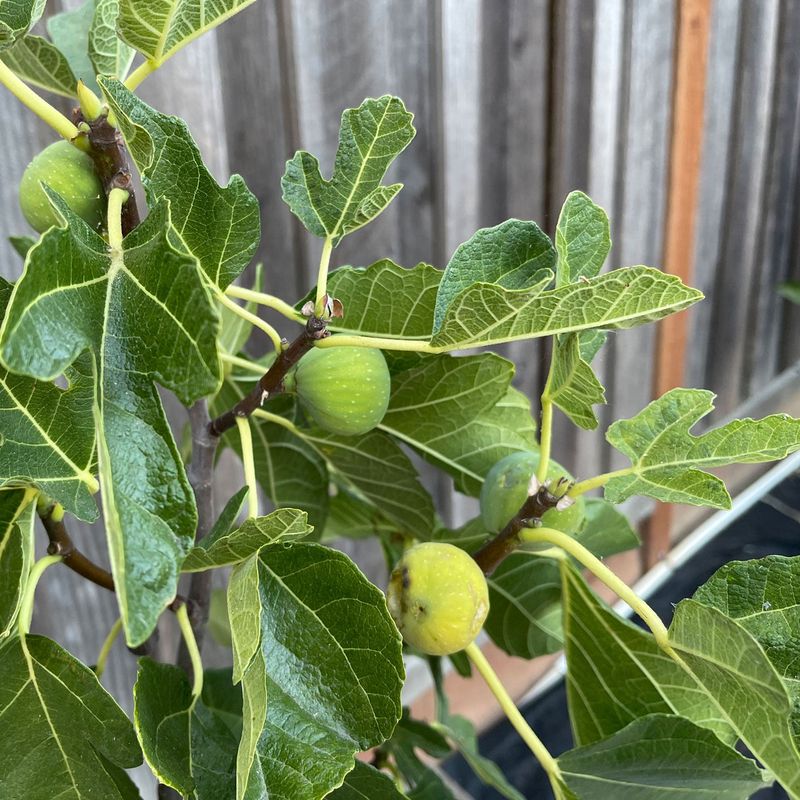
There is something almost old-world about a fig tree spreading its broad leaves along a backyard fence on a hot afternoon.
Figs have been cultivated in desert climates for thousands of years, and they translate beautifully into modern edible landscaping when given enough room to grow.
Along wider fence lines, a fig can be trained as a large spreading shrub or allowed to develop into a small tree that provides meaningful shade in addition to its sweet, soft fruit.
Brown Turkey and Black Mission are two varieties commonly grown in Arizona with solid performance records in desert conditions.
Figs tend to appreciate the reflected warmth from block walls and fences, which can extend the growing season and encourage ripening.
Mature figs can grow quite large, sometimes reaching fifteen feet or more in height and spread, so they suit longer fence lines or corner placements rather than narrow strips.
Homeowners in tighter yards may find figs a challenge to manage without regular pruning to keep size in check.
Pruning also helps maintain good airflow through the canopy and makes harvesting easier without a ladder.
Water needs for established figs in Arizona are moderate, and deep, infrequent irrigation encourages roots to go down rather than spread shallow.
The edible payoff, especially during a good summer harvest, is genuinely impressive and far more satisfying than a row of purely decorative shrubs along the same fence line.
5. Prickly Pear Adds Low-Water Edible Structure
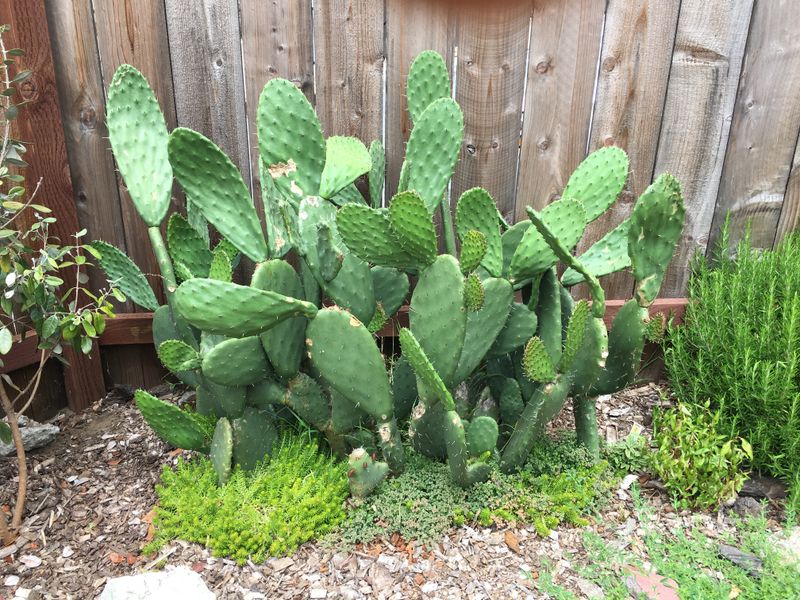
Not every edible fence-line plant needs irrigation to survive an Arizona summer, and prickly pear makes that point better than almost anything else.
This iconic Sonoran Desert cactus grows naturally across much of Arizona and produces both edible pads and sweet, colorful fruit called tunas that ripen in late summer and fall.
Along a fence line, prickly pear provides bold, sculptural structure that looks at home in a desert landscape while also acting as a low-maintenance edible plant.
Mature plants can reach six feet or more in height and spread, creating a natural barrier that most people and animals will respect without any additional fencing needed.
The spines are real, so placement matters, especially along fence lines near walkways, play areas, or spots where people frequently pass.
Prickly pear tunas can be harvested to make juice, syrup, jelly, and other products, and young pads called nopales are eaten as a vegetable in many traditional Southwestern and Mexican dishes.
Both uses give homeowners a genuinely functional edible plant that requires almost no supplemental water once established in a well-draining Arizona soil.
For homeowners replacing water-thirsty ornamentals along a hot, dry fence line, prickly pear offers a compelling case.
It asks very little, looks striking year-round, and provides a harvest that connects directly to the culinary traditions already woven into Arizona food culture.
6. Citrus Works Along Bright Protected Fences
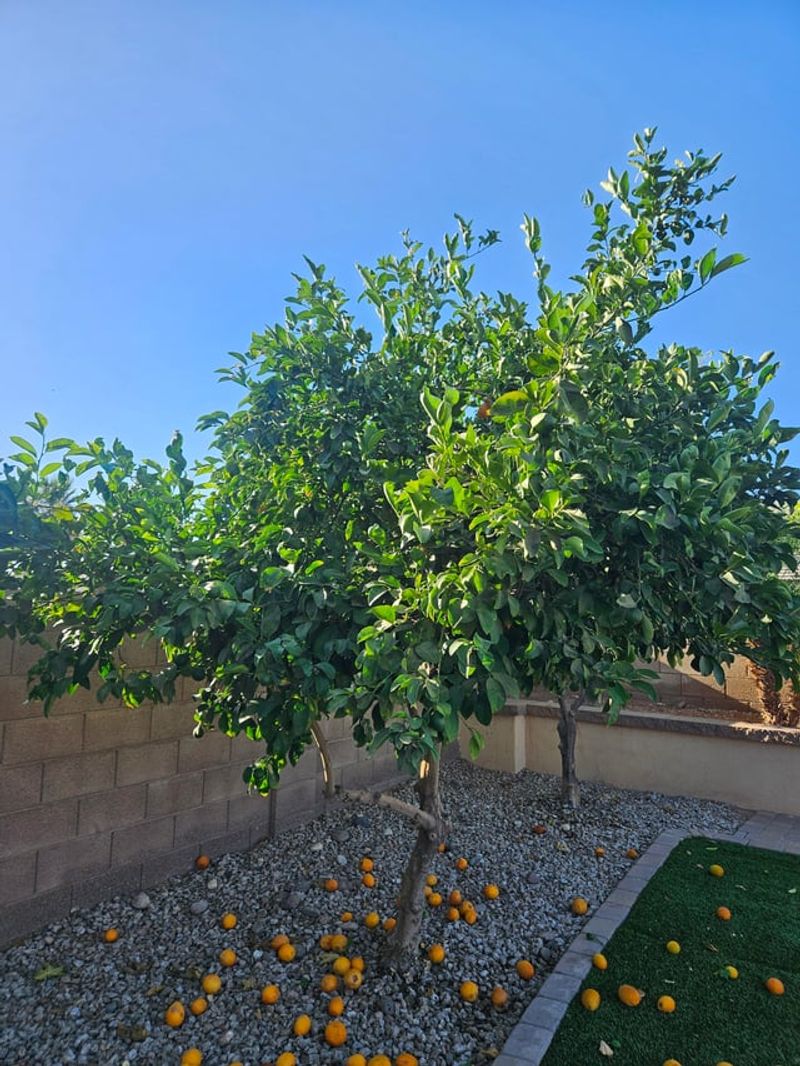
Protected fence lines that face south or southeast in Arizona yards can create surprisingly favorable microclimates for citrus, especially when a block wall or solid wood fence blocks cold northern winds during the brief winter.
Homeowners who take advantage of these sheltered spots sometimes grow citrus that performs better than plants sited in more exposed areas of the yard.
Dwarf and semi-dwarf citrus varieties are especially useful along fence lines because they stay compact enough to fit in tighter planting strips without overwhelming the space.
Navel oranges, lemons, limes, and mandarins are among the most commonly grown citrus types in Arizona backyard settings.
Each offers fragrant blossoms in late winter or spring, glossy evergreen foliage that looks attractive year-round, and edible fruit that homeowners can harvest over an extended season depending on the variety.
Citrus does need consistent irrigation, good drainage, and occasional fertilization to stay healthy and productive along a fence line. Reflected heat from walls and fences can intensify during summer, which may stress trees if irrigation is inconsistent.
Mulching around the base and keeping irrigation on a reliable schedule through the hottest months helps trees stay in good condition.
Spacing citrus at least ten to fifteen feet apart along a fence gives roots and canopies room to develop without competition.
For homeowners who want an edible plant that looks polished and produces reliable fruit, citrus along a protected fence line is a genuinely rewarding option.
7. Rosemary Brings Fragrance And Edible Greenery
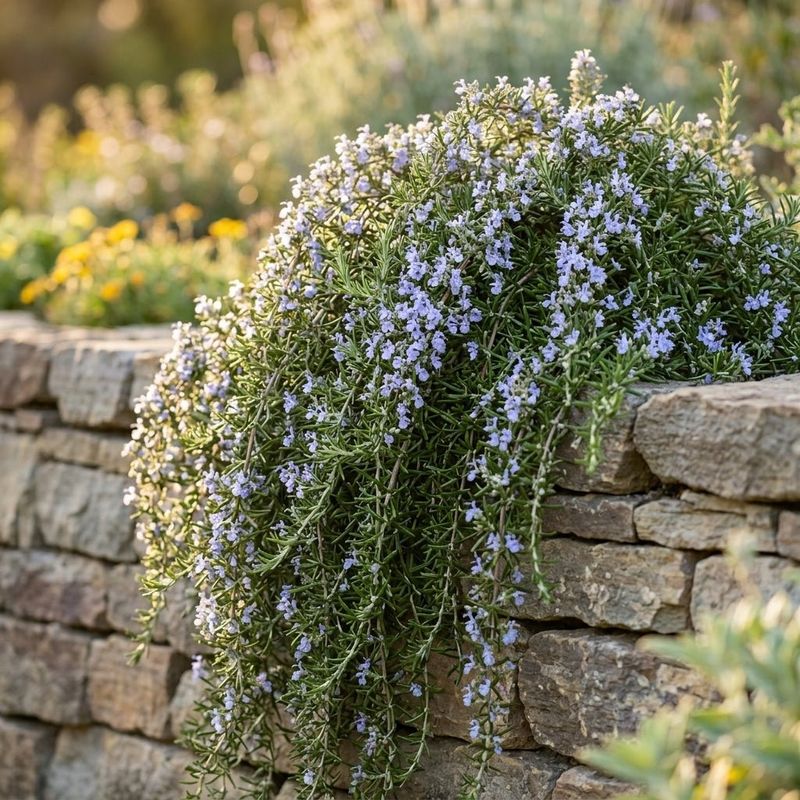
Rosemary is one of those plants that earns its place in an Arizona yard on multiple levels at once.
The fragrance alone is enough to make a fence-line planting feel like something special.
But rosemary also delivers year-round evergreen texture, small blue or purple flowers that attract pollinators, and a reliable supply of culinary herb that homeowners can snip fresh whenever they need it.
In Arizona, rosemary thrives in the kind of hot, dry, well-drained conditions that challenge many other plants.
It handles reflected heat from block walls and fences without much complaint, and established plants need only modest irrigation to stay healthy through summer.
This makes rosemary one of the most low-effort edible plants available for Arizona fence-line planting.
Upright rosemary varieties can reach four to six feet in height and spread, making them suitable as a low hedge or informal edible border along a fence.
Prostrate varieties stay lower and can even cascade slightly, which works nicely along raised planters or low fence sections.
Both types offer the same culinary value and fragrance.
For homeowners who have been growing purely ornamental plants like Texas sage or lantana along their fence lines, rosemary is an easy swap that requires similar care while adding genuine kitchen value.
Cooking with herbs you grew along your own Arizona fence line is a simple pleasure that makes edible landscaping feel immediately practical and rewarding.