Why Michigan Gardeners Keep Losing Cucumbers In These 8 Places (And What To Grow There Instead)
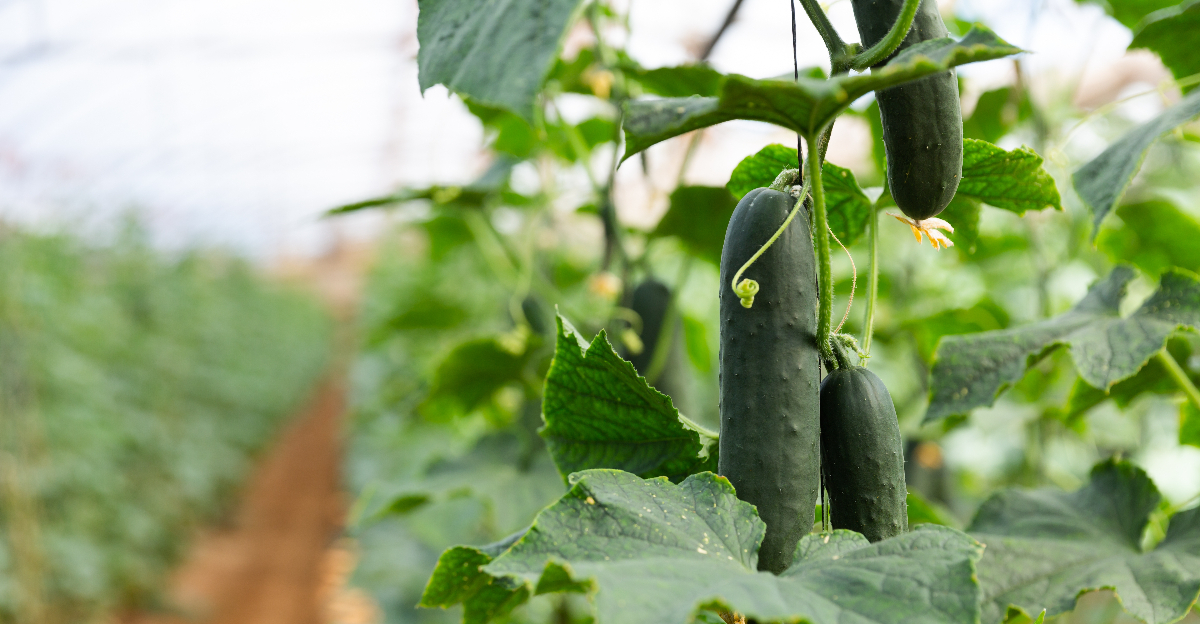
Seeds go in the ground with genuine optimism. The first few weeks look promising. Then something shifts, and by midsummer the vines are struggling, the fruit count is disappointing, and nobody can quite explain what went wrong.
Many gardeners blame themselves. Bad luck, wrong variety, too much water, not enough water. The real answer is usually simpler and more specific than any of that.
Do you know which spots in your yard are actively working against cucumbers before a single seed goes in the ground?
Michigan’s combination of unpredictable weather, heavy clay soils, cold microclimates, and tricky drainage creates conditions that cucumbers simply cannot handle in certain locations. The plant is not the problem. The placement is.
The good news is that most of these problem spots are not wasted space. They just need a different plant, and the right swap can turn a reliably frustrating corner of your yard into one of the most productive spots you have.
Eight specific locations. Few better solutions. Ready to find out?
1. Heavy Shade Areas That Never Warm Up For Cucumbers
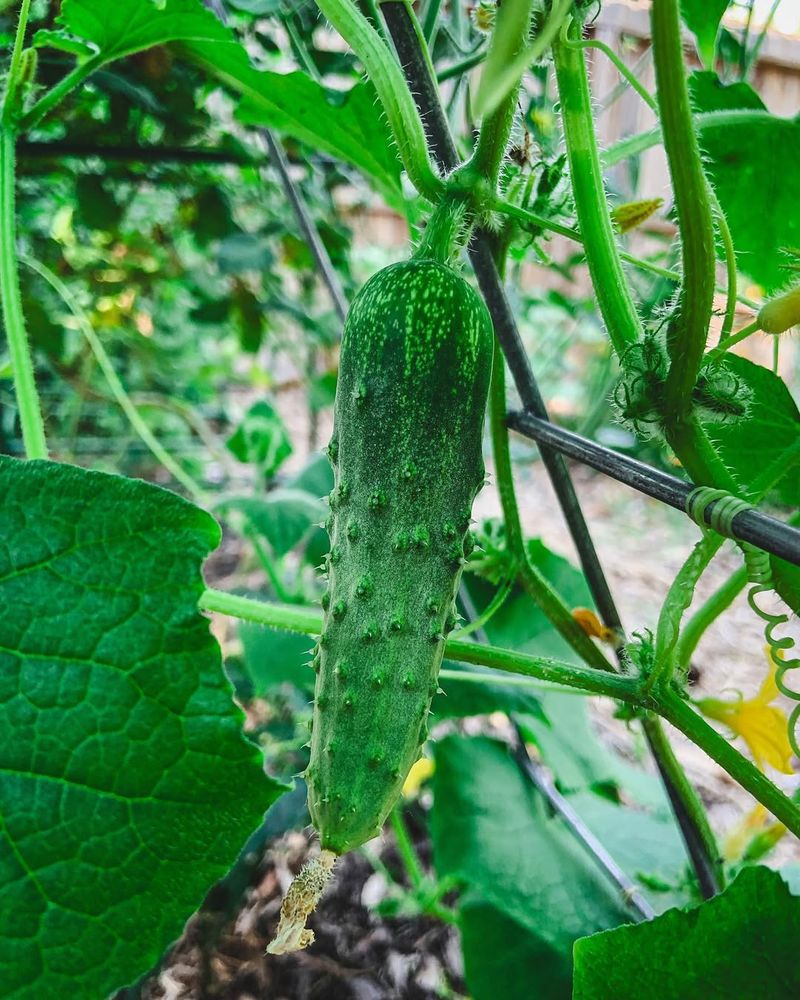
Sunlight is not optional for cucumbers. It is the entire foundation of how they grow.
Six to eight hours of direct sun per day is the minimum requirement, and in Michigan, where the growing season runs from late May to early September, every hour matters.
Shade does more than reduce light. It keeps soil temperatures low, and cucumbers need soil at least 60 degrees Fahrenheit to germinate and consistently warmer to produce fruit.
Seeds planted in cold, shaded soil tend to sit dormant and become vulnerable to soilborne problems before they ever push a sprout above ground.
A spot under a maple canopy or along a north-facing fence might feel like useful garden space on a warm afternoon. For cucumbers, it is a slow frustration that plays out across the entire season.
Reduced light also creates the humid, still-air conditions that encourage powdery mildew, one of the most common cucumber problems in Michigan.
Lettuce, spinach, and kale are genuinely better suited to those cooler, lower-light spots. They bolt more slowly under a canopy and produce more consistently than they would in full summer sun.
Shade-tolerant crops do not just tolerate those spots. They actively prefer them.
Your shadiest corner is not wasted space. It just needs different tenants, and leafy greens are genuinely happy to move in.
2. Poorly Drained Garden Corners That Struggle After Rain
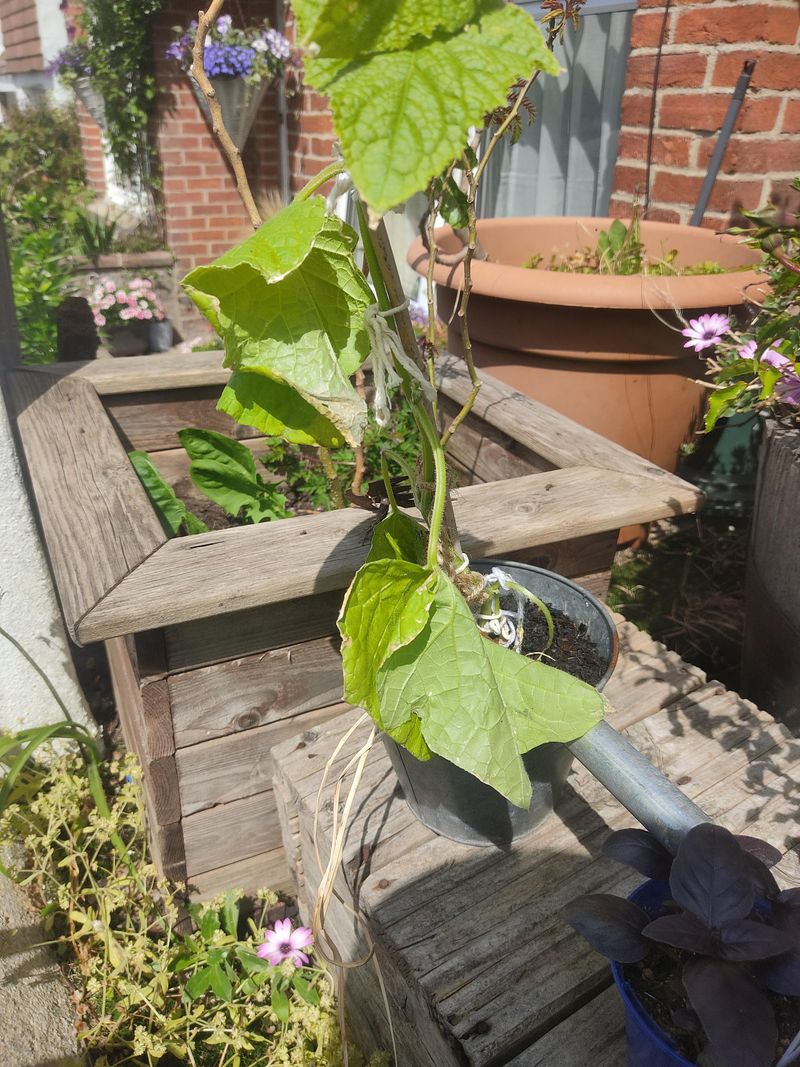
Walk your yard after a heavy rain and pay attention to where puddles sit the longest. Those low spots and soggy corners might look fine on a dry day. They are some of the worst places you can put cucumbers.
Cucumber roots begin to suffer within about 24 hours of standing in saturated soil. The roots need oxygen to function, and waterlogged soil cuts that supply off quickly.
Michigan’s clay-heavy soils make this worse. Clay particles pack tightly together and leave very little room for water to drain or air to move through.
The combination of standing water and dense clay creates conditions where root rot pathogens establish quickly.
Your Michigan Garden Changes Every Week. Your Plan Should Too.
Gardening in Michigan changes quickly throughout the season. Every Friday you’ll receive a simple weekly plan showing exactly what to plant, prune, fertilize, harvest, and protect so you never miss the right timing.
Yellowing lower leaves, wilting that does not respond to watering, and a slimy appearance on the stem base near the soil line are the signs that drainage is failing your cucumbers.
Raised beds lift the root zone above the problem entirely and are one of the most reliable long-term fixes for chronically wet spots.
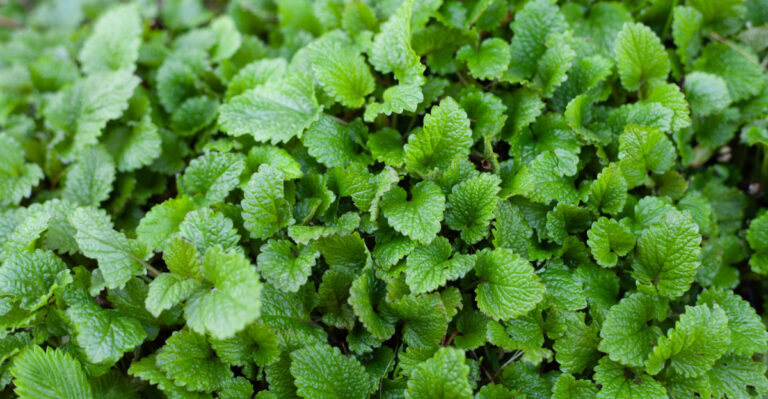
Where drainage genuinely cannot be improved, mint, watercress, and certain kale varieties handle wet feet far better than cucumbers.
Native options like Joe-Pye weed and swamp milkweed also thrive in those conditions and turn a drainage problem into a pollinator habitat in the process.
Matching the plant to the actual conditions of a spot always outperforms trying to grow something that does not belong there. Cucumbers were simply not built for wet feet, and no amount of optimism changes that.
3. Wind Exposed Beds Where Flowers Drop Before Fruit Sets
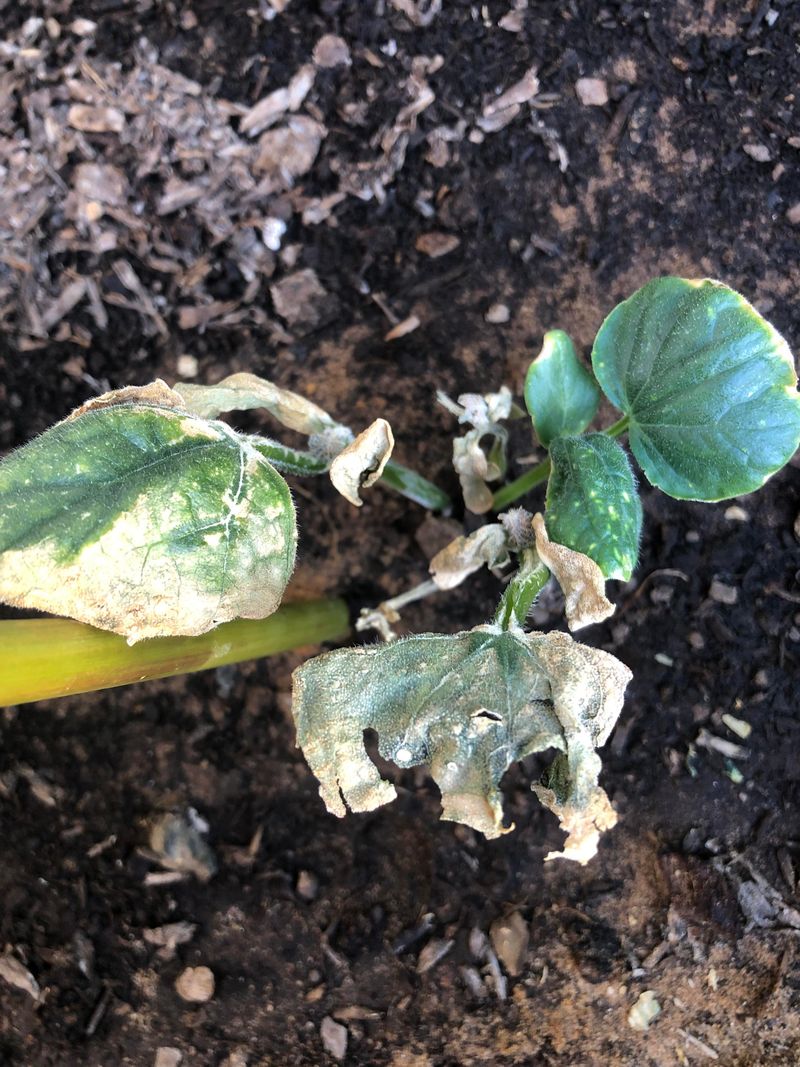
Michigan gardeners near the Great Lakes or in open agricultural areas know exactly what sustained wind feels like.
What registers as a pleasant afternoon breeze for you can systematically dismantle a cucumber plant over the course of a growing season.
Cucumber leaves are large and broad, and they catch wind like sails. Sustained gusts tear leaf tissue, which causes the plant to shift into survival mode rather than fruit production.
Water loss through torn leaves accelerates rapidly, and the plant diverts resources toward damage management rather than flowering and fruiting.
Flowers drop before pollination when wind is consistently strong. Young fruit that has just set can fall from the vine before it matures.
Even on days when physical damage is minimal, wind dries out soil faster and deters the bees and pollinators that cucumbers depend on for fruit set.
A windbreak makes a measurable difference. A row of sunflowers, a solid wooden fence, or even a temporary burlap barrier reduces wind speed and creates a calmer microclimate around the bed.
When a permanent windbreak is not practical, Swiss chard, garlic, and ornamental grasses are far more wind-tolerant alternatives that produce reliably in exposed Michigan locations.
Swiss chard in a windy bed will produce all season without a single complaint. Cucumbers in that same spot will spend the season telling you exactly how unhappy they are about it.
4. Compacted Soil That Stops Roots Before They Start
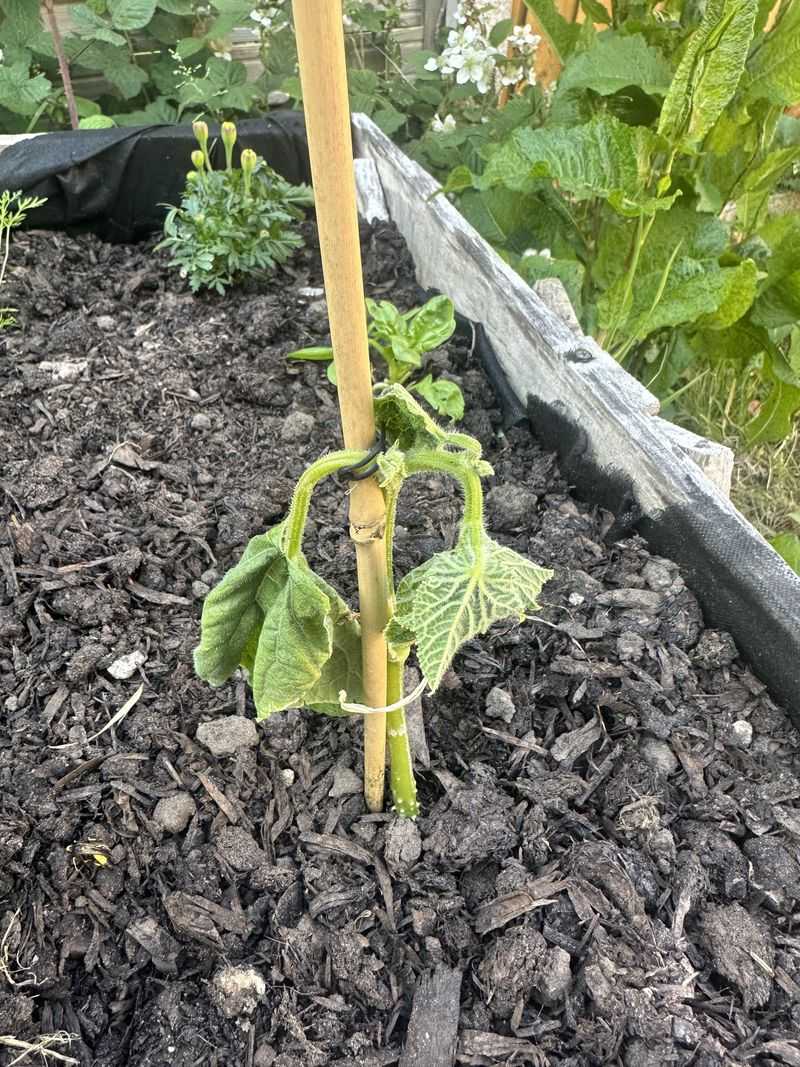
Compacted soil is easy to overlook because the surface often looks fine. The problem is several inches down, and cucumbers feel it long before you see any evidence above ground.
Push a screwdriver or pencil straight down into the soil in a suspect bed. If it meets serious resistance before six inches, the soil is compacted enough to cause real problems for cucumbers.
Under good conditions, cucumber roots reach 36 to 48 inches deep, pulling moisture and nutrients from well below the surface. In compacted soil, roots hit a hard layer and spread sideways instead.
Sideways roots cannot access deep resources, which means the plant runs short on water and nutrients exactly when summer heat peaks.
Nutrient deficiency symptoms, wilting during dry spells, and generally weak performance despite regular watering and feeding are the typical result.
Compaction is especially common in Michigan gardens that were previously lawn areas, driveways, or high-traffic paths. Years of tilling wet soil can also create a dense hardpan layer just a few inches below the surface.
Breaking up the soil with a broadfork and working in generous amounts of compost improves structure and gives roots somewhere to go.
If full rehabilitation is not possible this season, daikon or tillage radishes are an excellent placeholder. Their thick taproots punch through hardpan naturally over one growing season and leave behind organic channels for next year’s crops.
Daikon radishes essentially do free soil renovation while you plan your next move.
5. Weed-Dominated Beds Where Cucumbers Lose The Competition
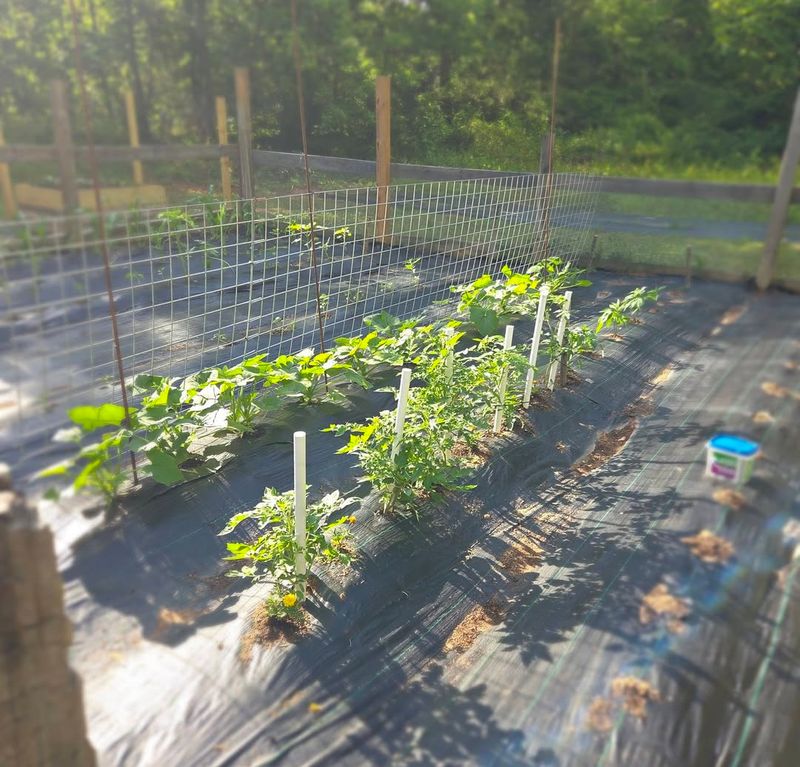
A slow ambush is underway in gardens overrun with grass weeds, and cucumbers are consistently on the losing side of it.
By midsummer, the pattern is familiar. The cucumbers are pale, the vines are short, and the fruit count is disappointing.
Grass weeds occupy the same root zone and pull nitrogen, phosphorus, potassium, and water away from vegetable plants throughout the season.
Crabgrass, quackgrass, and annual bluegrass are the most aggressive offenders across Michigan gardens. Quackgrass spreads by underground rhizomes and regenerates from even tiny root fragments left in the soil after cultivation.
The critical period is the first three to four weeks after transplanting, when cucumbers are most vulnerable before their canopy fills in.
A three-inch layer of straw, shredded wood chips, or newspaper covered with compost blocks light from reaching weed seeds and significantly reduces germination.
Landscape fabric works as well, though it can reduce beneficial soil biology over time if left in place for multiple seasons.
Beds that are genuinely overwhelmed with grass weeds benefit from soil solarization in early summer. Cover the bed with clear plastic for four to six weeks. The heat trapped underneath may reduce the weed seed bank significantly.
After clearing, buckwheat planted as a summer cover crop smothers any remaining weeds, improves soil structure, and attracts pollinators before you turn it in for fall planting.
Cucumbers will not outcompete established grass weeds. Buckwheat, however, is absolutely up for that fight.
6. Nutrient-Depleted Soil That Stalls Seedlings Immediately
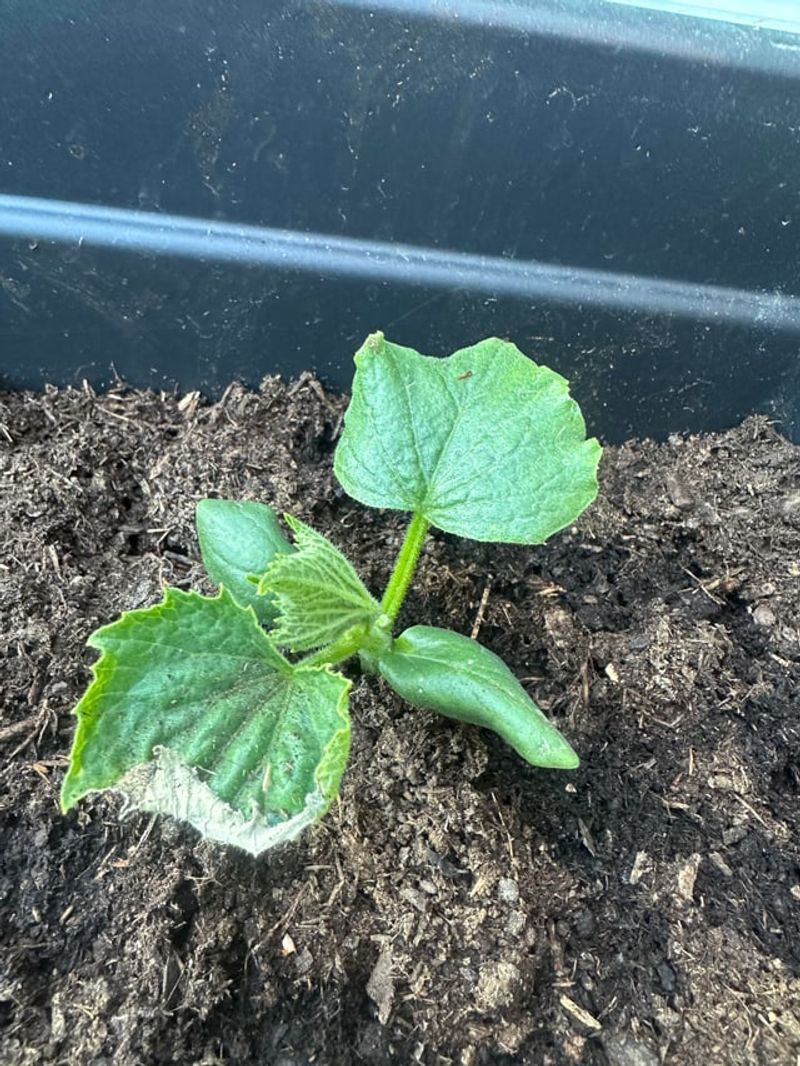
You plant cucumber transplants on a warm May morning, give them a good drink, and step back feeling solid about the season. A week later, the leaves are yellowing, the stems look thin, and the plants just seem frozen in place.
Low organic matter soil does this consistently. Young seedlings hit the ground and immediately run out of what they need to grow forward.
Organic matter feeds beneficial soil microbes, improves moisture retention, buffers pH swings, and releases nutrients gradually as it breaks down.
Cucumbers are heavy feeders that need consistent nitrogen access, especially during their vegetative growth phase.
Michigan’s sandy soils, particularly common in the western part of the state near the lakeshore, are notoriously low in organic matter and drain nutrients quickly.
Two to four inches of compost worked into the top eight to twelve inches before planting addresses the most immediate deficiency.
A soil test before any amendments tells you exactly what your specific garden needs rather than requiring you to guess.
For seedlings already in the ground and struggling, a side dressing of compost or diluted fish emulsion provides a gentle boost without burning roots.
Building organic matter is a multi-season commitment. Adding cover crops like crimson clover or winter rye each fall steadily improves even the most depleted Michigan soil over time.
Depleted soil is a slow problem that compounds quietly. A few bags of compost in spring is not the whole answer, but it is a genuinely good start.
7. Near Black Walnut Trees Where Juglone Silently Affects Plants
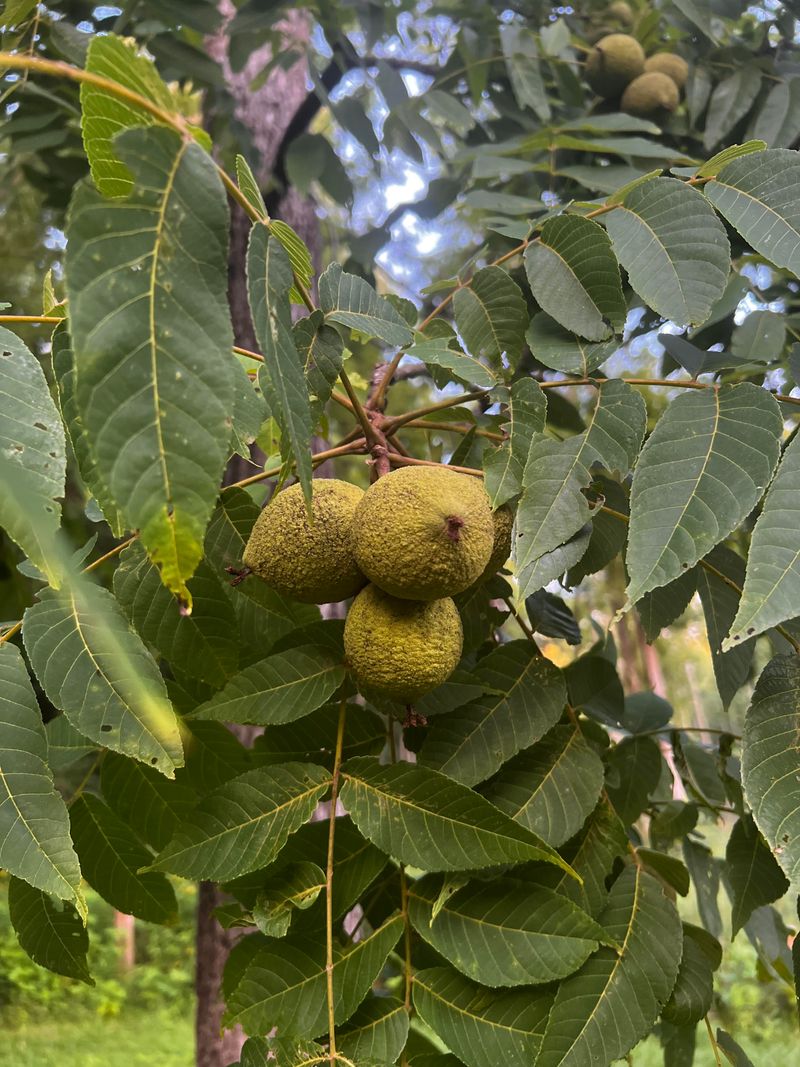
Black walnut trees are genuinely beautiful, and Michigan has no shortage of them. But if your garden sits within 50 to 80 feet of one, you may have already experienced a mysterious pattern.
Plants that wilt and yellow for no obvious reason. Cucumbers that look fine one week and rapidly decline the next.
The cause is juglone, a natural chemical produced by black walnut roots, leaves, hulls, and decomposing wood in the soil beneath the canopy.
It does not announce itself, and its symptoms mimic root rot or drought stress closely enough to fool most gardeners through multiple seasons of repeated losses.
Cucumbers are among the most sensitive crops to juglone toxicity. The damage becomes most visible when roots extend into juglone-affected soil, which can happen gradually as plants mature during the season.
Moving garden beds outside the drip line of the walnut tree is the most reliable fix. The root zone typically extends well beyond the visible canopy edge.
Raised beds filled with fresh soil can sometimes provide a buffer, but if walnut roots eventually infiltrate the bed, problems will return.
Juglone-tolerant alternatives for that zone include black raspberries, corn, carrots, and onions. Marigolds and astilbe handle the area ornamentally without issue.
You can spend years troubleshooting mysterious cucumber failures near a walnut tree, or you can plant black raspberries there and have an entirely different problem, specifically, not enough containers for all the jam.
8. Cold Microclimates Near North-Facing Structures
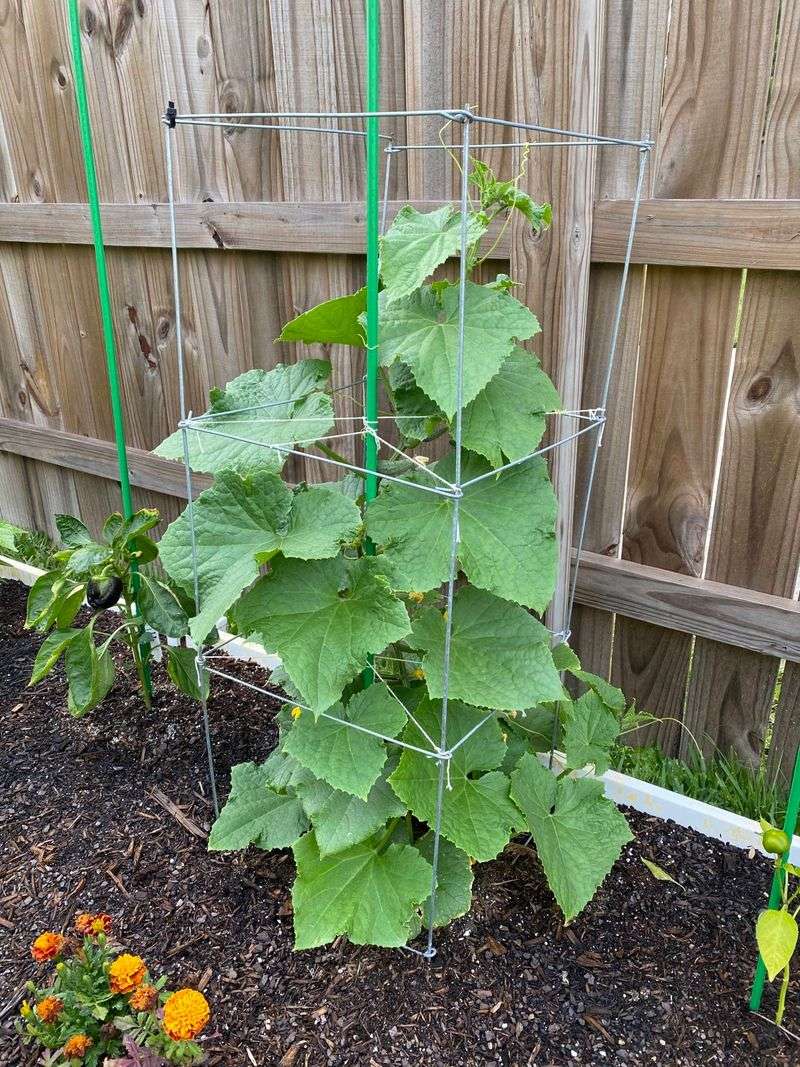
Not every spot next to a building is the same. A south-facing wall can be a warm, sheltered haven for heat-loving crops.
The north side of a house, garage, or fence is a genuinely different environment that cucumbers find thoroughly uninviting.
North-facing structures receive little direct sun, stay cool well into summer, and often experience later last-frost conditions compared to open garden areas just a few feet away.
Cucumbers need soil at least 60 degrees Fahrenheit to germinate and consistent air temperatures above 65 degrees to grow productively.
Buildings also create turbulent airflow patterns. Wind channels around corners and creates cold drafts that stress plants already working against low temperatures.
Shade, cold soil, and erratic air movement together create conditions that cucumbers simply cannot perform in regardless of care.
Herbs like chives, parsley, and cilantro handle cooler, shadier building-side conditions well. Hostas and astilbe thrive ornamentally in those spots without any struggle.
For gardeners who want to rehabilitate a north-side bed for vegetables, installing a reflective white fence or wall panel bounces more light into the space and raises ambient temperatures before committing to heat-demanding crops.
The north side of a building is not a lost cause. It just needs plants that appreciate the situation rather than ones that spend all season complaining about it.
9. Problem Spots That Produce Abundantly With Bush Beans And Zinnias
The most satisfying garden move is not fixing a difficult spot. It is choosing a plant that actually wants to be there.
Bush beans are workhorses in Michigan’s tricky conditions. Varieties like Provider, Contender, and Strike are bred specifically for cooler soil and shorter seasons.
They mature in 50 to 60 days, require no staking, and tolerate brief cool stretches that would set cucumbers back by weeks.
A bed that has frustrated cucumbers for years can become one of the most productive spots in the garden with a simple variety swap.
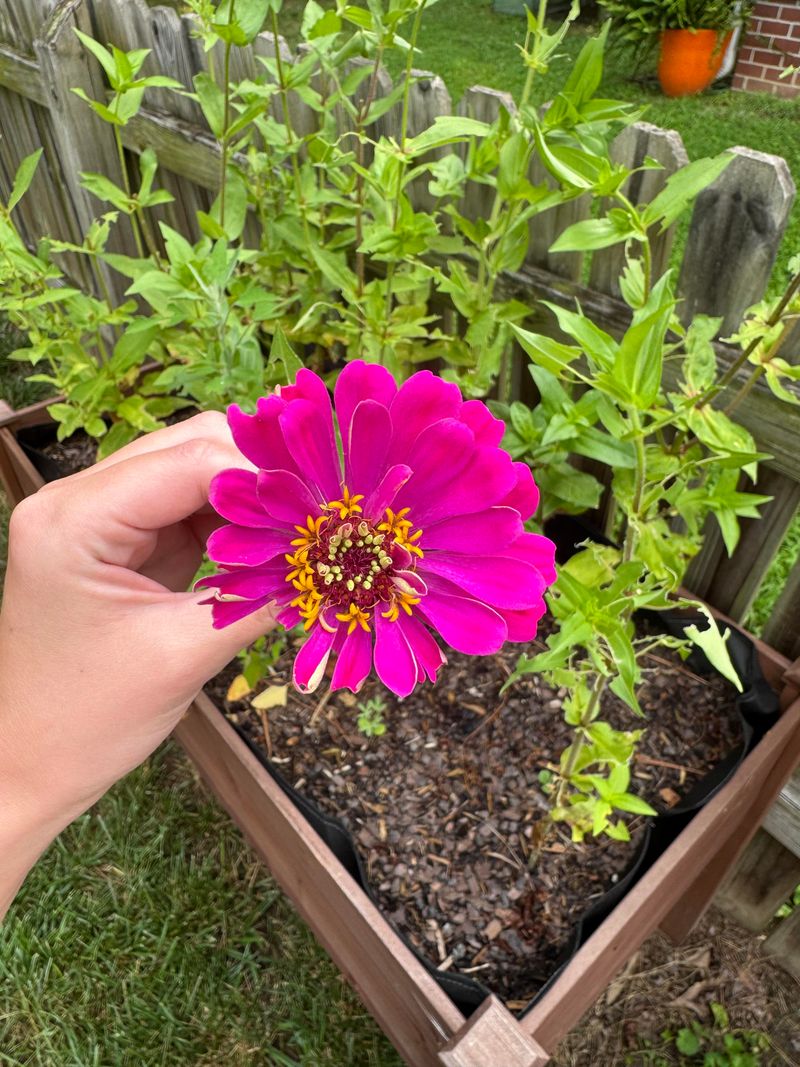
Zinnias bring a completely different kind of value to problem spots. They are tough, fast-growing, and genuinely magnetic to pollinators.
Planting zinnias near vegetable beds increases bee and butterfly activity across the entire garden, which translates directly into better fruit set on nearby crops.
Both plants handle moderate shade, tolerate brief dry spells, and perform in imperfect Michigan soil without demanding significant amendment. They are forgiving in a way that cucumbers rarely are.
A bed that has consistently underperformed for cucumbers is not a failure waiting to happen again. It is a bush bean bed and zinnia border that has not been properly introduced to itself yet.
Give it one season. You might find yourself looking forward to that spot more than any other part of the garden.
10. Richer Beds Where Squash And Melons Reward The Right Setup
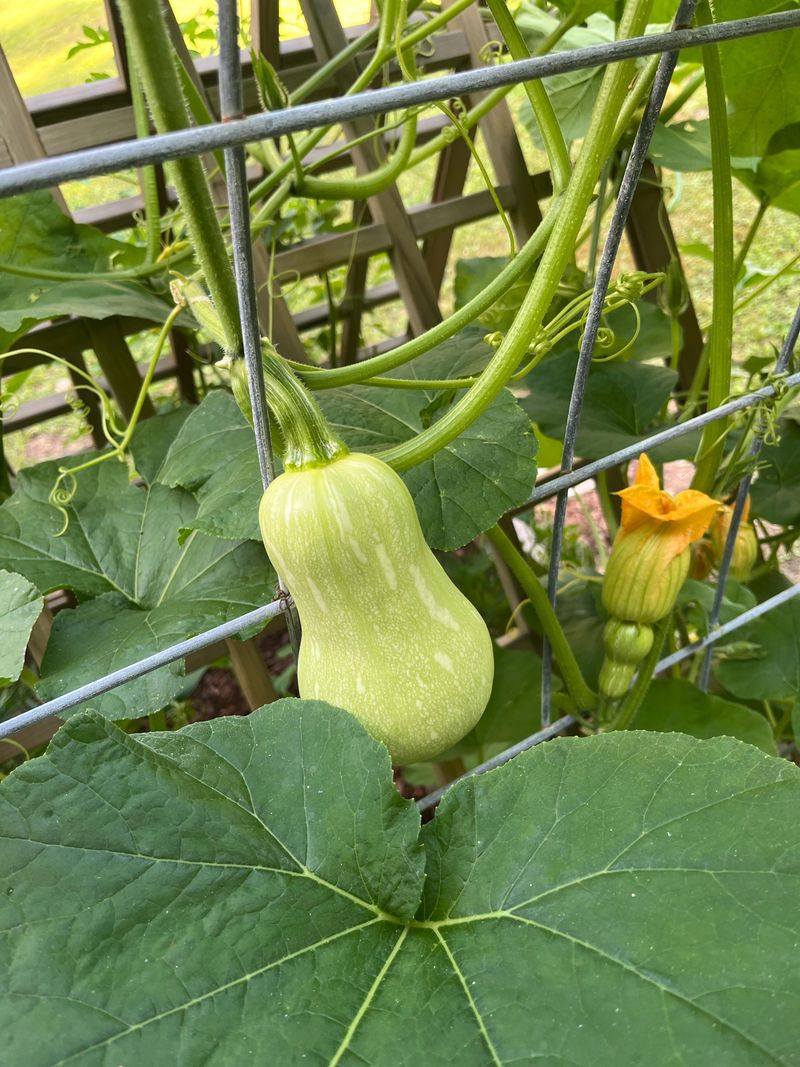
Cucumbers are not the only cucurbit worth growing in Michigan, and for gardeners who have been frustrated by cucumbers specifically, squash and melons offer a genuinely compelling alternative.
Both are more forgiving of Michigan’s variable conditions when given proper preparation. The setup matters considerably, but the payoff is proportional to the effort.
Rich, well-amended soil is the foundation. Three inches of finished compost worked in before planting, along with a slow-release organic fertilizer, gives young plants strong nutritional support from day one.
Melons are particularly heavy feeders during fruit development and underperform noticeably in thin, depleted soil.
A soil pH between 6.0 and 6.8 suits both crops well. A simple soil test confirms where you stand and whether a lime application is needed before the season begins.
Trellis support changes the game for compact squash varieties and personal-sized melons like Sugar Baby watermelon or Tigger melon.
Vertical growing improves air circulation, reduces disease pressure, and makes fruit easier to spot and harvest before it overripens.
Support developing fruit with mesh slings made from old pantyhose or fabric strips. It sounds improvised and works exceptionally well.
Companion plantings like basil, nasturtiums, and marigolds fill the ground space below the trellis, deter pests, and attract beneficial insects.
Rich soil, solid structure, thoughtful companions. Squash and melons reward that combination consistently.
The cucumber was not the right fit. The trellis, the compost, and a different cucurbit might be exactly what that bed has been waiting for.