If You See These Tiny White Bugs On California Plants, Check The Undersides Fast
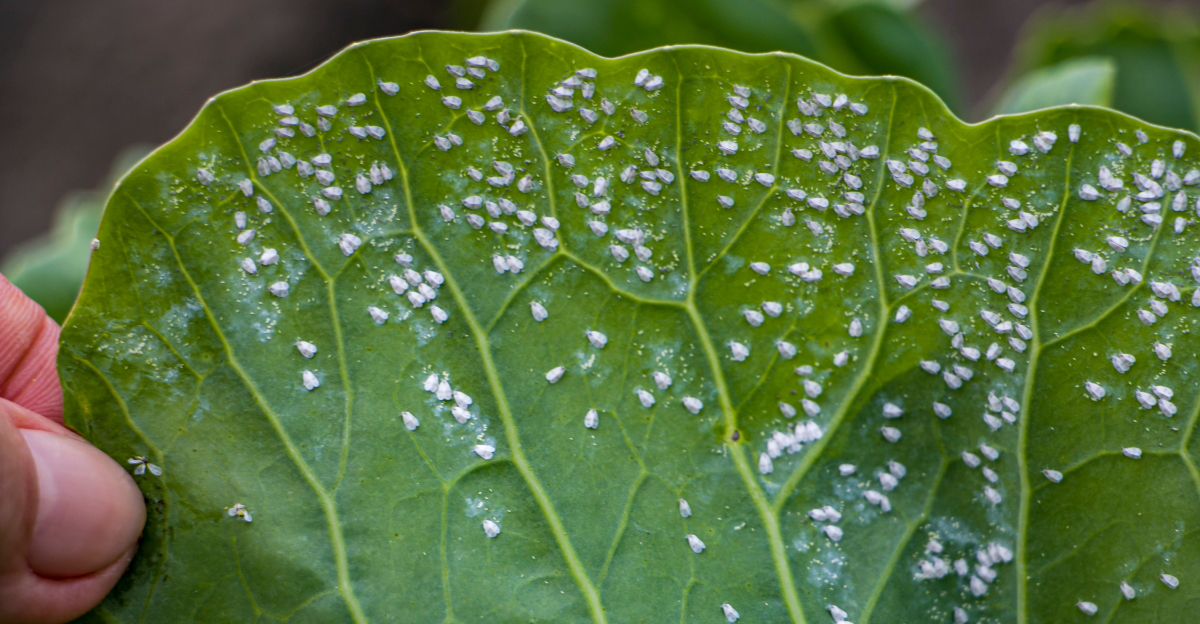
Tiny white bugs can look harmless when they flutter up from a leaf, but they can signal trouble fast.
Many California gardeners first notice them when a plant gets brushed and a little cloud rises into the air.
The real problem is often hiding below the leaves, where these pests gather and feed out of sight.
Whiteflies can weaken plants, leave sticky residue behind, and make leaves look yellow, tired, or curled.
They love warm weather, which means they can become a bigger issue just when your garden should be growing strong.
Vegetables, citrus, ornamentals, and houseplants moved outdoors can all attract them. The sooner you check the undersides, the easier it is to understand what is going on.
Catch whiteflies early, and you have a much better chance of protecting your plants before the damage spreads.
1. Whiteflies Hide Under Leaves
Most people walk right past a whitefly problem without ever knowing it is there. These bugs are sneaky.
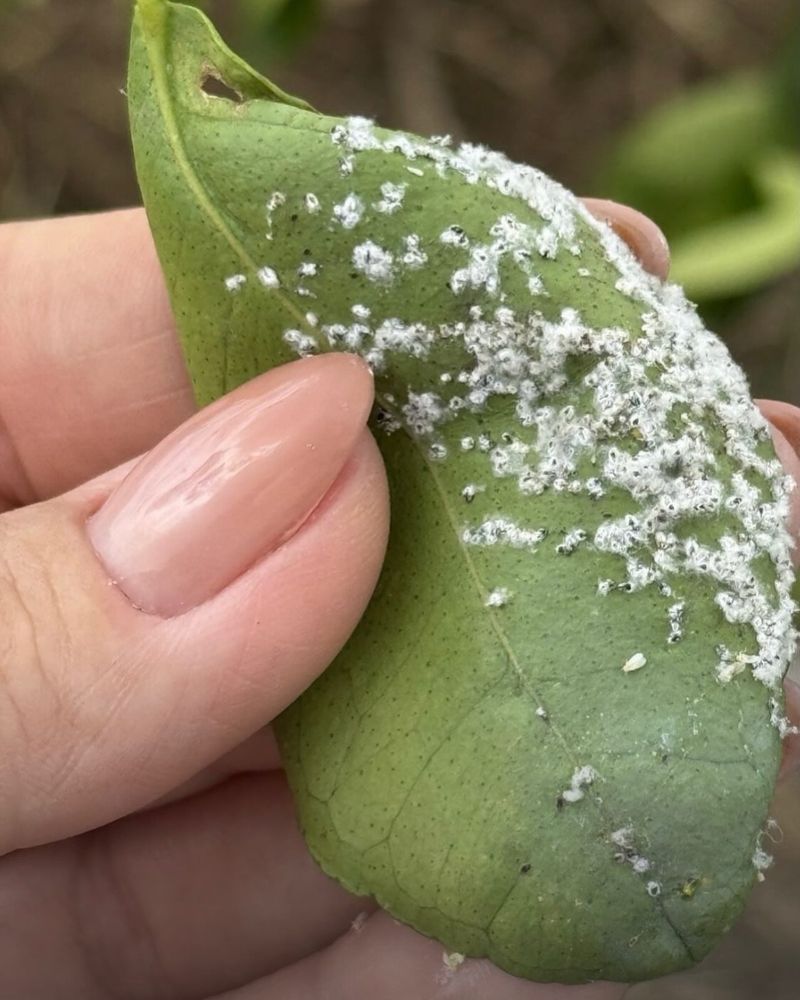
They tuck themselves underneath leaves where it is warm, sheltered, and hard to see. You could have hundreds of them on a single plant and never notice from above.
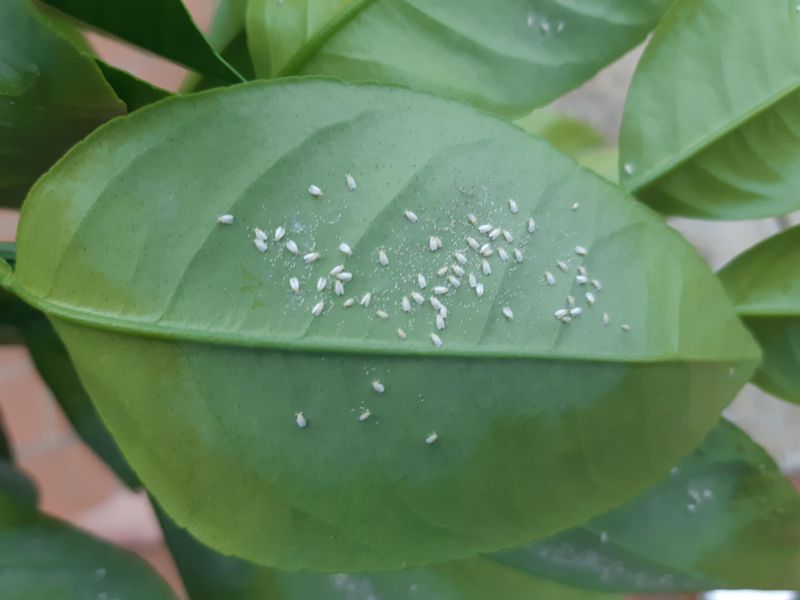
Whiteflies are tiny, usually less than two millimeters long. They have soft white wings and pale bodies that blend in with the light-colored undersides of many leaves.
When you do spot them, they often look like a dusting of white powder at first glance. That is easy to miss if you are not actively looking.
They prefer the undersides of leaves for a good reason. That spot protects them from rain, wind, and predators.
It also keeps them close to the soft tissue they feed on. They use a needle-like mouth to pierce the leaf and suck out the sap inside.
In our state, whiteflies are active almost all year long thanks to the mild climate. That means there is rarely a true off-season for these pests.
Gardens in warmer regions of the state can see infestations even in winter months.
Getting into the habit of flipping leaves over during your regular garden checks is the single best first step you can take to catch them early and stop the problem before it spreads.
2. A Quick Shake Reveals Them
Here is one of the easiest tricks in gardening. Walk up to a plant you are worried about and give it a gentle shake.
If a small cloud of tiny white insects suddenly flies up into the air, you have whiteflies. It is almost like a magic trick, except the result is not exactly fun.
Whiteflies are startled easily. When disturbed, they fly up quickly and hover around the plant before settling back down.
That sudden flutter of white wings is hard to miss, even in bright sunlight. Some gardeners describe it as watching a tiny snowstorm erupt from the leaves.
This shake test works best in the morning when temperatures are cooler. Whiteflies tend to be a little slower then, so you get a clearer look before they scatter too far.
Your California Garden Changes Every Week. Your Plan Should Too.
Gardening in California changes quickly throughout the season. Every Friday you’ll receive a simple weekly plan showing exactly what to plant, prune, fertilize, harvest, and protect so you never miss the right timing.
It also helps to do this in calm weather with little wind, so you can actually see what is flying up.
Once you confirm whiteflies are present, do not wait. The sooner you act, the better your chances of protecting the plant.
A small colony can grow into a massive infestation within just a few weeks during warm weather. In this state, warm weather is basically the norm, so that growth can happen faster than you might expect.
Check surrounding plants too, because whiteflies spread quickly from one to the next.
3. Sticky Leaves Mean Honeydew
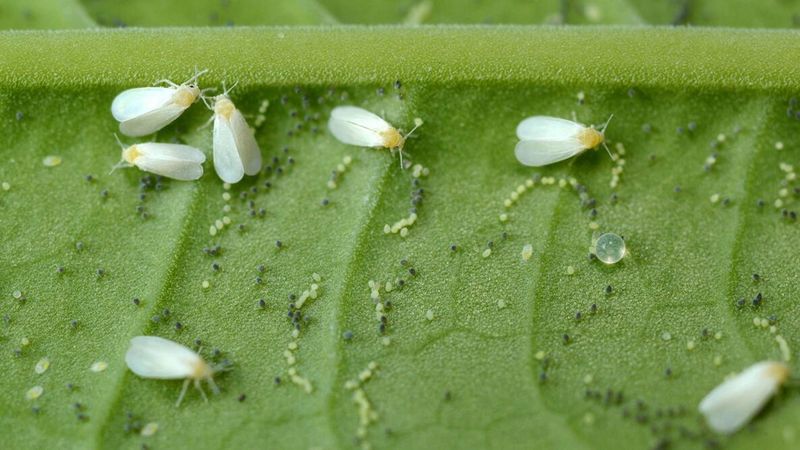
Touch a leaf on a plant you suspect has whiteflies. If it feels sticky, that is a big clue.
The stickiness is not sap leaking out on its own. It comes from a substance called honeydew, which whiteflies produce as they feed.
Basically, it is bug waste, and it coats the leaves over time.
Honeydew might sound harmless, but it causes real problems. It makes leaves feel tacky and attracts other insects like ants.
Ants actually love honeydew and will sometimes protect whiteflies from predators just to keep the supply coming.
So if you notice a lot of ants climbing your plants, that is another warning sign worth paying attention to.
The sticky coating also clogs the tiny pores on leaves that plants use to breathe and absorb sunlight. Over time, this slows down the plant’s ability to grow and stay healthy.
Leaves start to look dull and tired even when they are still green.
Wiping honeydew off with a damp cloth can help temporarily, but it will keep coming back as long as the whiteflies are still feeding. The real fix is addressing the infestation itself.
Checking for honeydew regularly is a great way to catch whitefly problems early, especially on plants like tomatoes, peppers, and citrus trees, all of which are very popular in gardens across this state.
4. Black Sooty Mold Follows
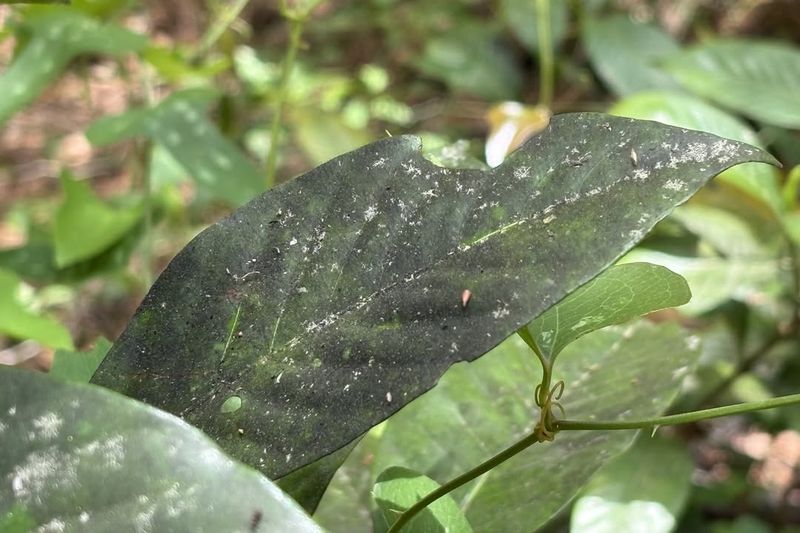
After honeydew builds up on leaves, something else shows up. A dark, powdery coating starts to appear on the leaf surface.
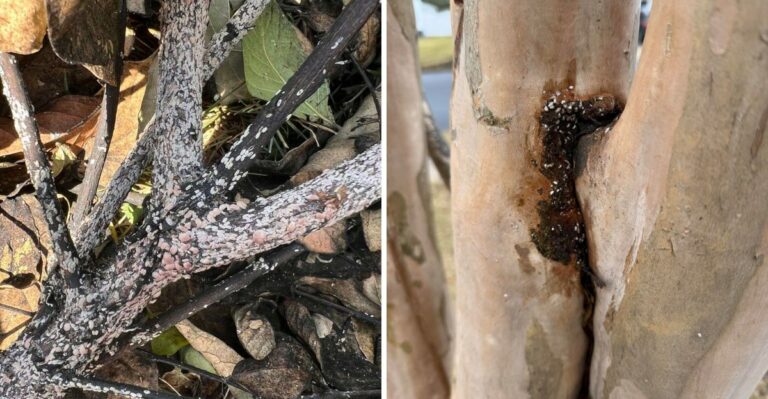
That coating is called sooty mold, and it is a type of fungus that grows on top of the sticky honeydew left behind by whiteflies. It looks exactly like someone dusted the leaves with soot or ash.
Sooty mold does not actually eat the plant itself. It feeds on the honeydew.
But the damage it causes is still serious. The black coating blocks sunlight from reaching the leaf surface.
Without enough light, the plant cannot make food through photosynthesis, and that slows everything down.
Plants covered in sooty mold start to look weak and stressed. Growth slows, flowers may drop early, and fruit production can drop significantly.
For vegetable gardens, that is a real problem. Nobody wants to grow tomatoes all season only to end up with a fraction of the harvest they were expecting.
The good news is that sooty mold is a clear signal. If you see it, you know whiteflies have been active for a while.
It is time to act quickly. Removing the mold by gently wiping leaves with a damp cloth and treating the whitefly infestation together gives the plant the best chance of bouncing back.
In our warm climate, plants can recover well with the right care and attention.
5. Yellow Leaves Are A Warning
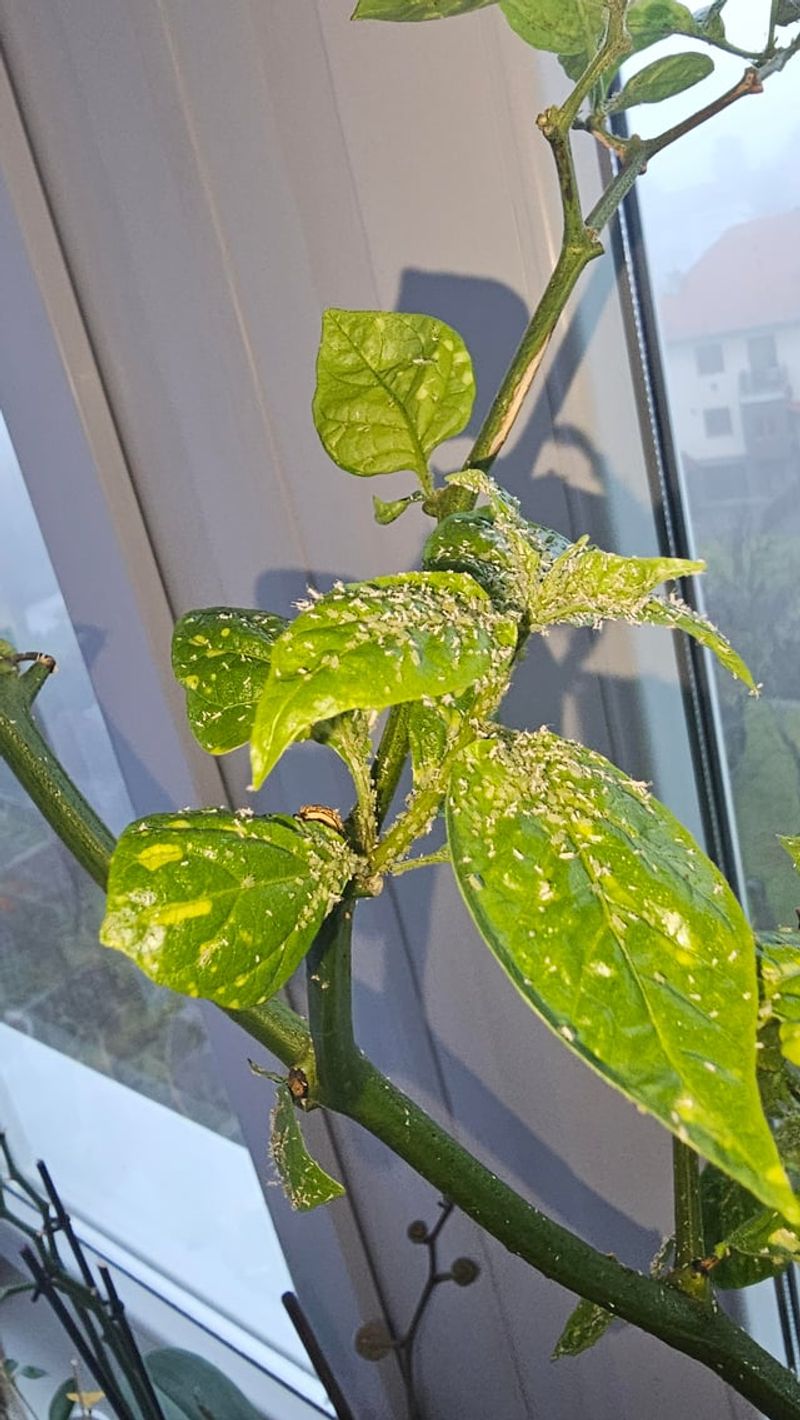
Yellow leaves are one of those signs that something is wrong, but the cause is not always obvious. Overwatering, nutrient deficiency, and too much sun can all cause yellowing.
But when whiteflies are involved, the yellowing happens because the bugs are literally draining the plant of its energy. They suck out the sap, and the leaf loses its color and strength.
The yellowing usually starts on older leaves first. It can look patchy at first, with some areas turning pale green or light yellow while others still look normal.
Over time, the entire leaf yellows, curls, and may drop off. When you see leaves falling off a plant that looked healthy just a week ago, whiteflies could easily be the reason.
What makes this tricky is that yellowing leaves often get blamed on something else. Gardeners add fertilizer or adjust watering before they ever think to flip a leaf over and check for bugs.
That delay gives whiteflies more time to spread to nearby plants.
Always pair a yellow leaf check with an underside inspection. If you find tiny white bugs, eggs, or even just a sticky film under those leaves, you have your answer.
Acting fast at this stage can save the plant.
Catching it here is much better than waiting until the damage is more severe and harder to reverse.
6. New Growth Gets Hit First
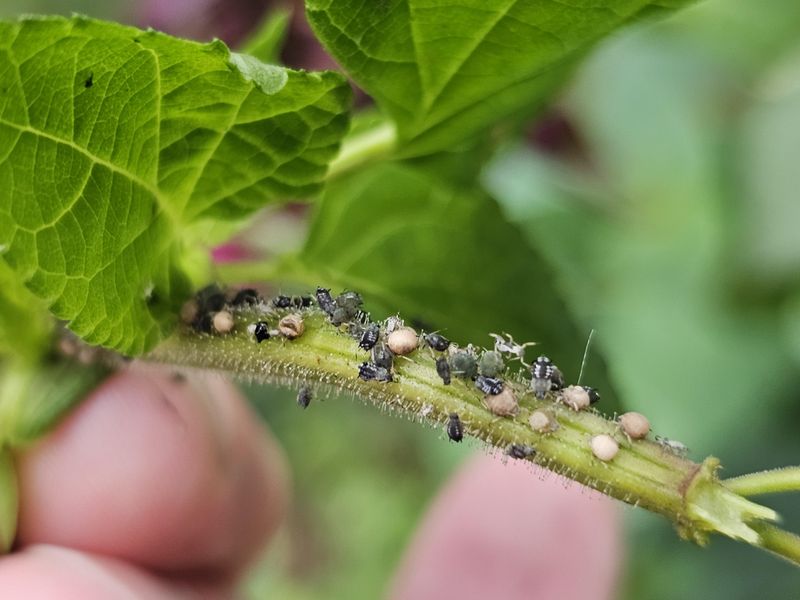
Whiteflies have a strong preference for the softest, most tender parts of a plant. That means new growth is almost always the first target.
Young leaves, fresh shoots, and newly opened buds are easier to pierce and full of the nutrient-rich sap that whiteflies crave. If you want to find them fast, start by looking at the newest growth on your plant.
This feeding pattern is especially damaging because new growth is what drives the plant forward. It is where the energy goes for future leaves, flowers, and fruit.
When whiteflies attack these areas repeatedly, the plant struggles to push out healthy new growth. Leaves may come in small, twisted, or deformed instead of full and flat.
Gardeners who grow flowering plants or vegetables often notice their plants seem to stall out. They water, fertilize, and do everything right, but the plant just does not seem to be growing well.
Checking the newest growth for whiteflies should be one of the first things you do when that happens.
In warm regions of our state, plants grow actively for most of the year. That means there is almost always fresh, tender growth available for whiteflies to target.
Staying on top of regular inspections, especially during the fastest-growing seasons of spring and summer, gives you the best chance of catching an infestation before it slows your plants down.
7. Water Sprays Can Help
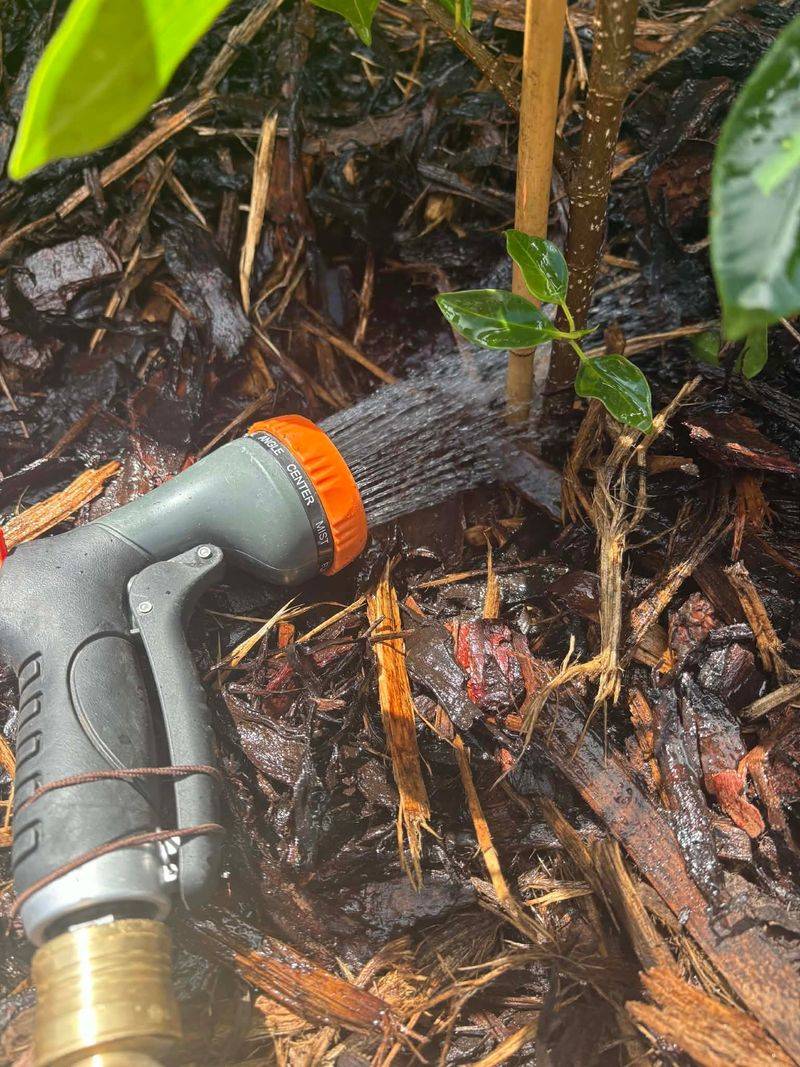
One of the simplest ways to fight back against whiteflies does not require any chemicals at all. A strong spray of water aimed at the undersides of leaves can knock whiteflies off the plant and disrupt their feeding.
It sounds almost too simple, but it genuinely works as a first line of defense when done consistently.
The key is to aim the water directly at the undersides of the leaves, not just the tops. That is where the bugs live, so that is where the water needs to go.
Use a hose with a spray nozzle set to a firm but not damaging pressure. You want to knock the bugs off without tearing the leaves apart.
Do this in the morning so the plant has time to dry out before nightfall. Wet leaves sitting in cool evening air can invite other problems like fungal issues.
Morning sprays also give you a chance to repeat the process a few days in a row, which helps keep the whitefly population from bouncing back quickly.
Water sprays work best for smaller infestations. If the problem is already large, you will likely need to combine this method with other treatments.
But for plants that are just starting to show signs of trouble, regular water blasts can slow things down significantly.
It is also completely safe for edible plants, which is a big plus for vegetable gardens across our state.