The Real Meaning Of A Blue Jay’s Visit In Your Connecticut Yard
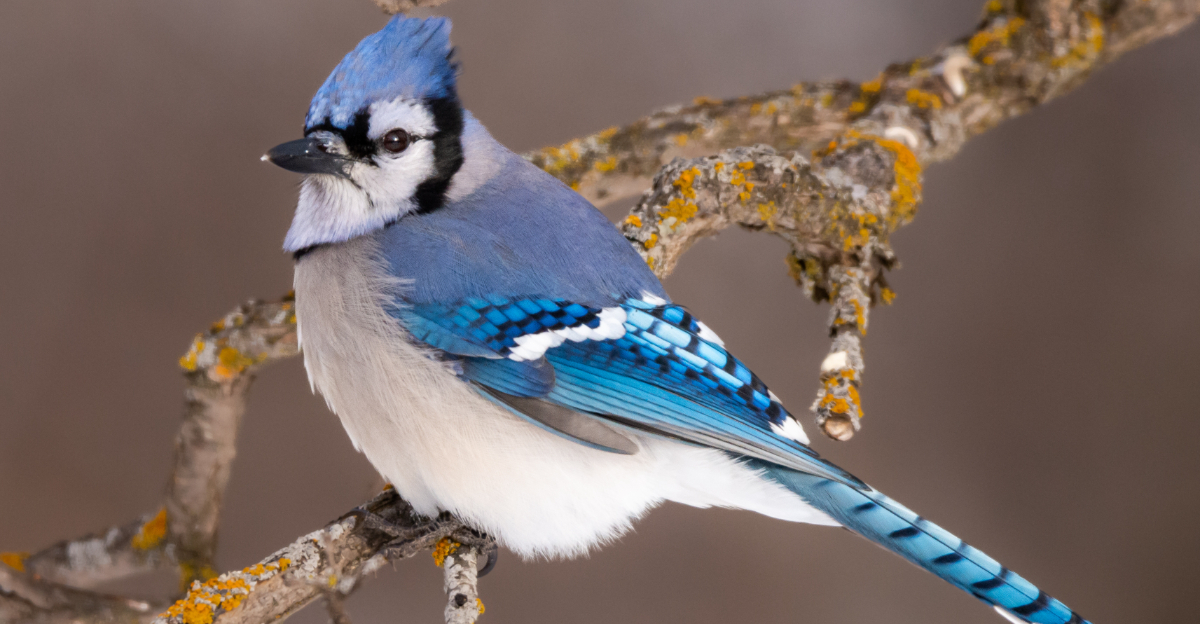
You didn’t plant anything special. You didn’t put out a feeder. But there it is, a Blue Jay, bold as ever, perched on your fence like it owns the place.
These birds don’t wander into just any Connecticut yard. They’re picky, territorial, and surprisingly strategic about where they spend their time.
When one shows up in yours, it’s worth paying attention. Blue Jays are indicators of food availability, tree health, and the kind of quiet ecological balance most homeowners never think about.
That flash of blue isn’t random. It’s a signal. And once you know what to look for, your backyard starts to feel a lot more alive than it did before.
A Blue Jay In Your Yard Means Your Connecticut Landscape Is Working
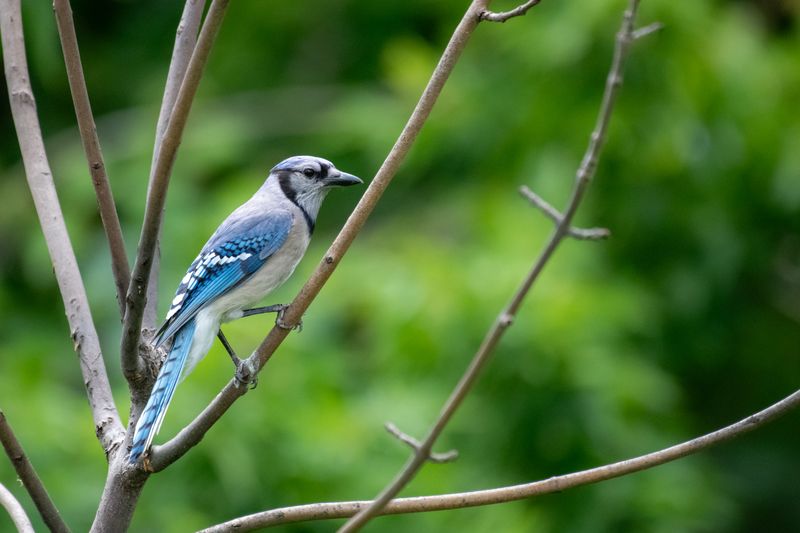
A Blue Jay landing in your yard is a quiet sign that something is working in your favor. These birds are picky about where they spend their time.
Blue Jays tend to favor areas with mature trees and stable food sources, which can suggest your yard supports a relatively healthy local habitat.
They tend to avoid heavily polluted or overdeveloped areas. Seeing one perch confidently in your space means native plants and insects are thriving close by.
That’s genuinely good news for your garden. A Blue Jay’s visit in your Connecticut yard also suggests that natural food chains are intact.
These birds eat acorns, insects, and seeds, all of which require a functioning ecosystem to exist. Their appetite alone keeps them honest about where they settle.
Backyard birders in Connecticut often report Blue Jays returning year after year to the same properties. Consistency like that isn’t random. It means your yard is meeting real ecological needs.
If you want to keep earning that natural seal of approval, focus on reducing pesticide use. Chemical sprays wipe out the insects Blue Jays depend on.
Protect your ecosystem, and these striking birds will keep choosing your yard as home base.
Diet And The Yards That Attract Them
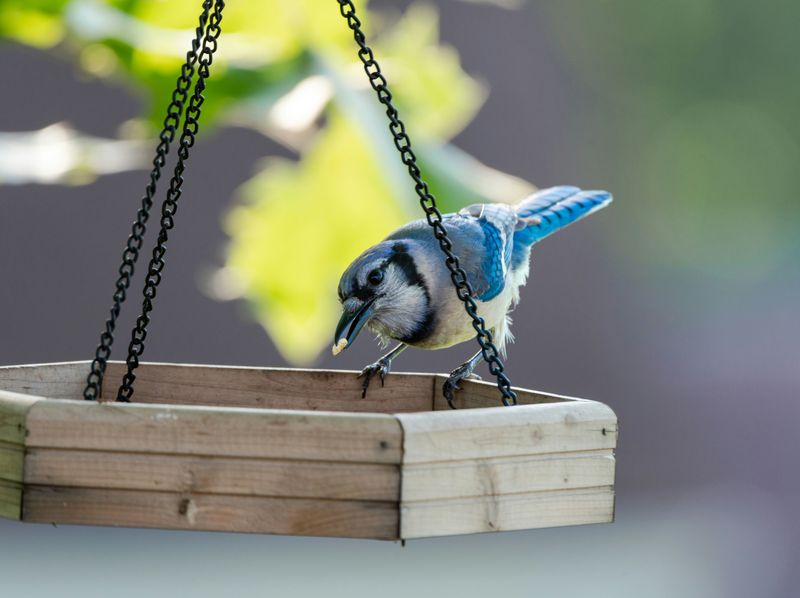
Blue Jays have strong opinions about food, and they are not shy about it. These birds are omnivores with a serious love for acorns. In fact, they are one of the primary reasons oak trees spread across North America.
A single Blue Jay can carry up to five acorns at once in its throat pouch and beak. They cache, or hide, thousands of acorns each fall season. Many of those forgotten stashes eventually sprout into new oak trees.
Beyond acorns, they enjoy sunflower seeds, corn, peanuts, and the occasional insect or small frog. Offering a mix of these foods at your feeder makes your yard far more attractive to them.
Shelled peanuts placed in a platform feeder are especially hard for Blue Jays to resist. Yards with mature oak trees have a natural advantage.
The acorn supply alone may draw Blue Jays from surrounding neighborhoods. If your yard lacks oaks, planting even one young tree is a long-term investment in bird activity.
Your Connecticut Garden Changes Every Week. Your Plan Should Too.
Gardening in Connecticut changes quickly throughout the season. Every Friday you’ll receive a simple weekly plan showing exactly what to plant, prune, fertilize, harvest, and protect so you never miss the right timing.
Water also plays a big role in diet-related attraction. Blue Jays need fresh water for drinking and bathing. A clean birdbath with moving water, like a dripper or fountain, grabs their attention fast.
Avoid salted or flavored peanuts at your feeder. Salt is harmful to wild birds and can deter them over time. Stick to raw, unsalted options and watch your feeder traffic grow steadily.
Their Behavior Around Other Backyard Birds
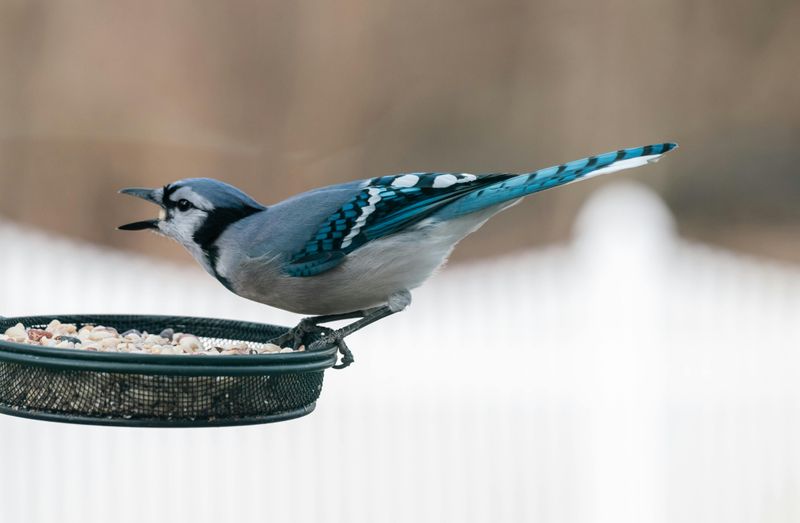
Blue Jays have a reputation, and it’s not always flattering. They are loud, assertive, and willing to chase other birds away from feeders. Their arrival tends to shift the energy at any feeder, other birds notice immediately.
Smaller birds like chickadees, sparrows, and finches often scatter when a Blue Jay lands nearby. The jay’s size and aggressive posture make it an intimidating neighbor. But this behavior is mostly about survival, not meanness.
Interestingly, Blue Jays also serve as alarm systems for other backyard birds. When a hawk or predator approaches, they let out a sharp, piercing call that alerts every bird in the area.
Some smaller species appear to respond to Blue Jay alarm calls, using them as an early warning system. Their mimicry skills add another layer to this dynamic.
Sometimes they use this trick to scare competitors away from a food source. To reduce feeder conflict, try placing multiple feeding stations around your yard.
Spreading food sources out gives smaller birds a chance to eat without constant competition. A feeder tucked near dense shrubs gives timid species a safe retreat.
Blue Jays are complex social creatures that live in loose family groups. Their boldness masks genuine intelligence and strong pair bonds.
Once you see past the bravado, their behavior becomes one of the most fascinating things in your backyard.
The Role These Birds Play In Connecticut’s Native Forests
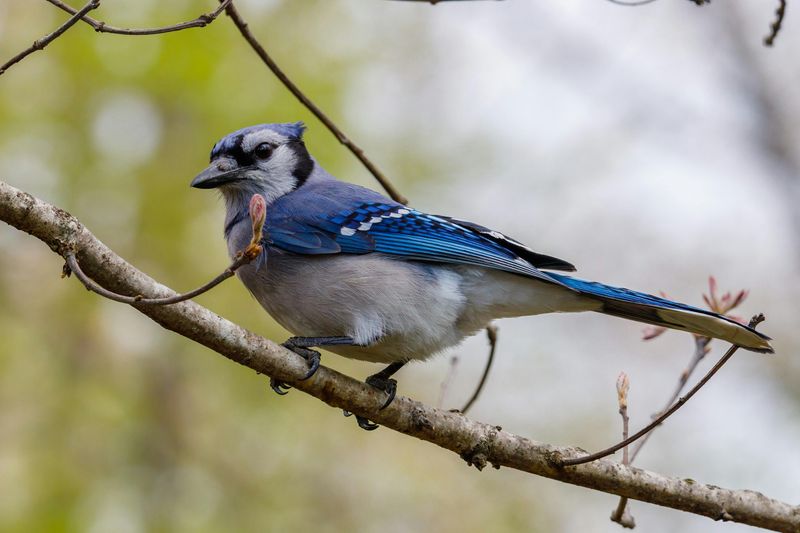
Blue Jays are forest architects, and most people have no idea. Their habit of burying acorns across wide areas has directly shaped the landscape of Connecticut’s native forests.
Without them, oak tree populations would look very different today. Some researchers suggest Blue Jays played a significant role in spreading oak forests northward following the last Ice Age.
They carry acorns far beyond the range of squirrels and wind dispersal. Each buried cache is a potential new tree waiting to happen.
Native oak forests support hundreds of insect species, which in turn feed birds, mammals, and amphibians. Blue Jays essentially plant the foundation for entire food webs.
That single bird in your yard is connected to a massive ecological chain. Connecticut’s forests also benefit from Blue Jays as pest controllers.
These birds eat caterpillars, beetles, and grasshoppers that can damage trees when populations spike. Their feeding habits help keep insect numbers in check naturally.
During nesting season, Blue Jays become even more protective of forest territories. They chase away nest predators like crows, squirrels, and even cats.
That defensive energy protects not just their own eggs but nearby ground-nesting birds too. Understanding this role changes how you see a Blue Jay’s visit in your Connecticut yard.
That bird isn’t just passing through your property. It’s part of an ancient, ongoing process that keeps local forests alive and growing strong.
Plants And Features That Keep Them Coming Back
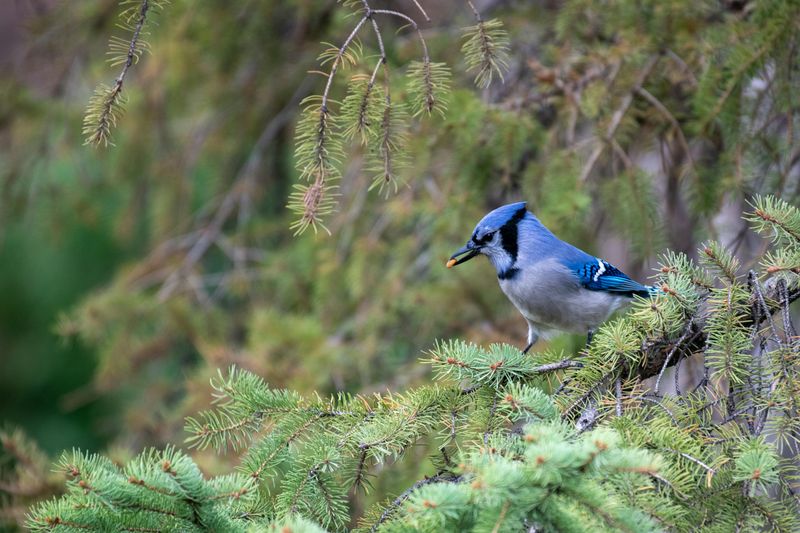
If you want Blue Jays to visit regularly, your yard needs to speak their language. Native plants are the most powerful tool you have. They provide food, shelter, and nesting materials that non-native species simply cannot match.
Oak trees top the list for obvious reasons. But dogwood, elderberry, and wild grape also produce fruit and seeds that Blue Jays actively seek. Planting even a few of these shrubs creates a reliable seasonal buffet for them.
Dense evergreen trees like Eastern Red Cedar give Blue Jays safe roosting spots during cold months. They prefer to nest in the fork of a tree, usually ten to twenty-five feet off the ground.
Tall, mature trees near your yard’s perimeter are ideal nesting candidates. A birdbath with a water wiggler or small fountain is one of the easiest upgrades you can make.
Moving water catches the attention of Blue Jays from a surprising distance. Refresh the water every few days to keep it clean and appealing.
Brush piles and leaf litter also attract the insects Blue Jays snack on between feeder visits. Leaving a small wild corner of your yard untouched supports a natural insect population. That messy patch does more good than most people expect.
Avoid trimming trees too aggressively in late spring. Blue Jays nest from March through July, and heavy pruning can disturb active nests. A little patience during that window goes a long way toward earning their loyalty.
What A Blue Jay’s Return Every Season Really Tells You
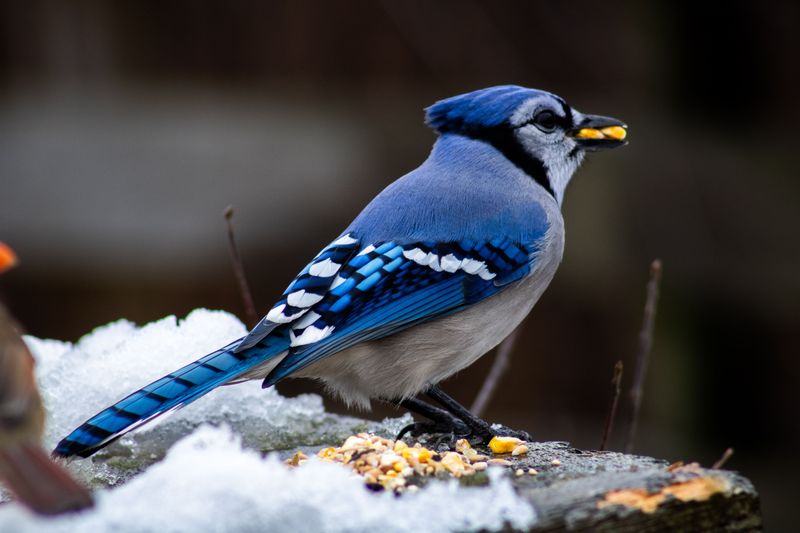
When a Blue Jay comes back to your yard season after season, that’s not a coincidence. These birds have excellent spatial memory and strong site fidelity. They return to places that have reliably met their needs in the past.
A returning Blue Jay means your yard passed the test last time around. It had enough food, water, shelter, and safety to make an impression. That’s a genuine compliment from a bird that has plenty of options.
Blue Jays are year-round residents across most of their range, including the northeastern U.S. Some populations do migrate, but many stay put through harsh winters.
Seeing one in January means your yard is providing critical cold-weather support. Their loyalty also reflects something deeper about your relationship with the local environment.
A yard that attracts Blue Jays consistently tends to be one where native plants and natural features have been given some room to thrive. That shift in values shows up in real, measurable ways over time.
Keeping a simple bird journal can help you track patterns. Note the dates, behaviors, and number of Blue Jays you spot each week. Over a few seasons, you’ll start to see what changes in your yard affect their visits most.
A Blue Jay’s visit in your Connecticut yard is ultimately a mirror. It reflects the choices you’ve made about how to manage your outdoor space.
Take care of the habitat, and these bold, brilliant birds will keep showing up to remind you it’s working.