The New York Lawn Problem That Looks Like Drought But Starts Underground
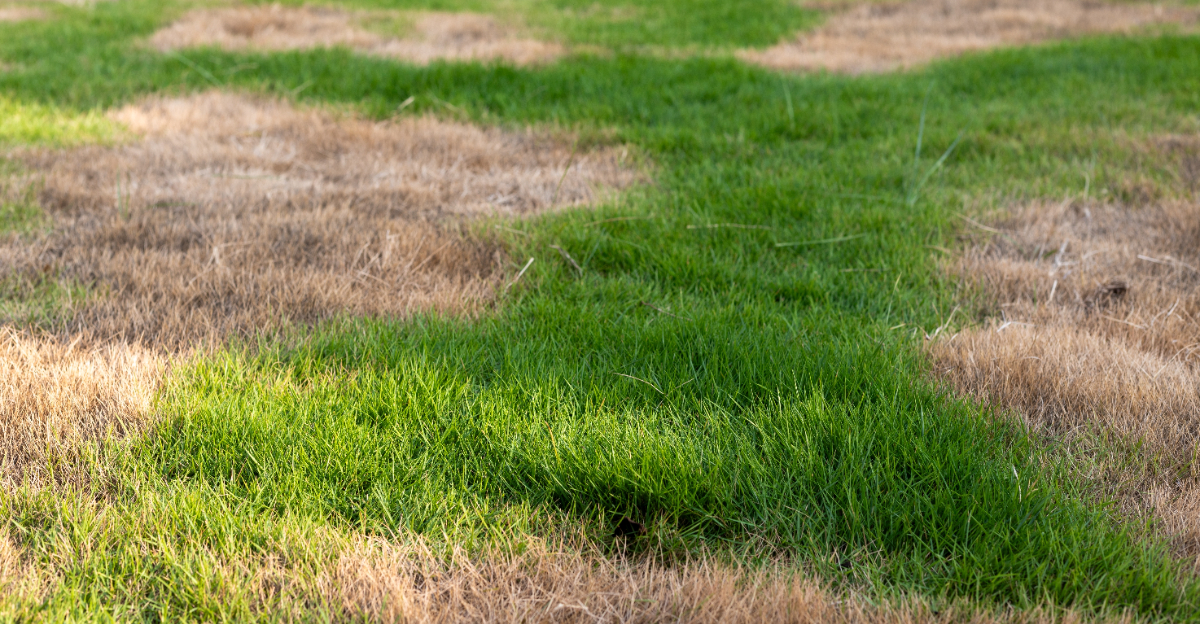
Something has been working against your New York lawn since midsummer, and it never once came up for air.
While you were watering and weeding, the damage was already happening underground. Roots were getting chewed through, grass was losing its footing, and whole patches were collapsing from below.
By the time brown spreads across your yard, the problem is already well established. Most homeowners reach for the hose first. Some overseed. A few assume it is the heat.
But drought does not pull your turf loose like a bad seam, and dry spells do not leave soft, spongy patches that sink underfoot.
Those are signs of something else entirely, something that lives in the soil and thrives while your lawn slowly falls apart above it. Catching it early is the only way to stop it.
The Underground Pests Destroying New York Lawns This Season
Your grass is brown, and the sprinkler has been running. Something feels off.
Underground pests are the hidden enemy behind many New York lawns each season. Grubs and sod webworm larvae work silently below the turf, severing roots and cutting off the grass from water and nutrients.
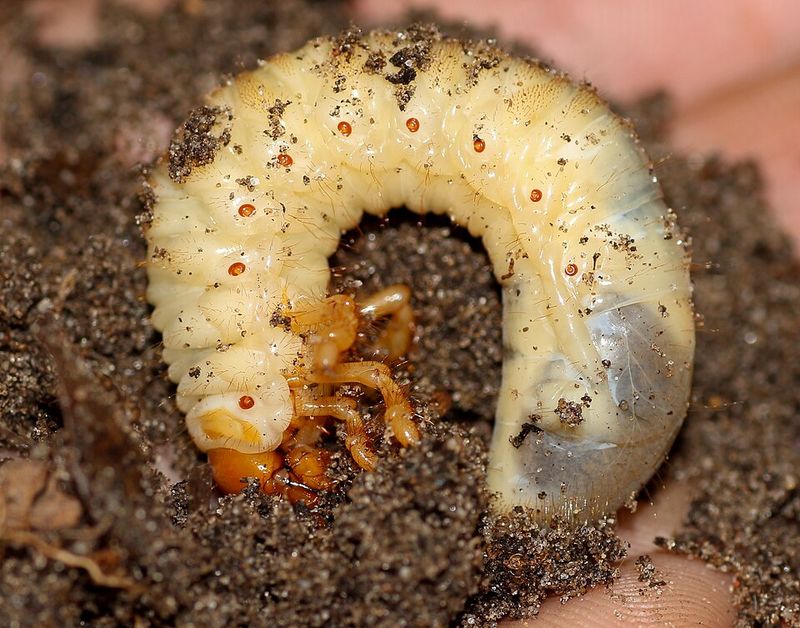
Grubs are the larvae of beetles like Japanese beetles and June bugs. They curl up just beneath the soil surface and feed on grass roots through late summer and early fall.
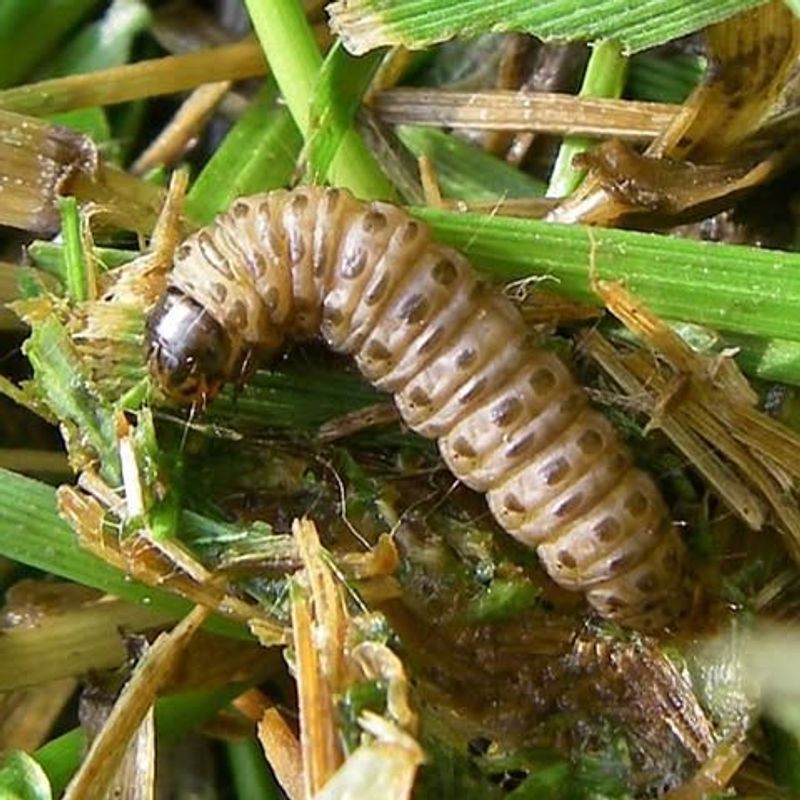
Sod webworms tunnel through the thatch layer and chew grass blades at the base. Their feeding creates thin, ragged patches that expand quickly in warm weather.
What makes these pests so frustrating is how well they mimic drought stress. The grass looks thirsty, but watering does nothing because the roots are already gone.
Pest activity in New York peaks between June and September, which lines up perfectly with the hottest and driest weeks of the year. That timing makes the confusion between drought and pest damage almost guaranteed.
Drought Stress Vs. Pest Damage
Pull back a patch of struggling grass. What you find next tells the whole story.
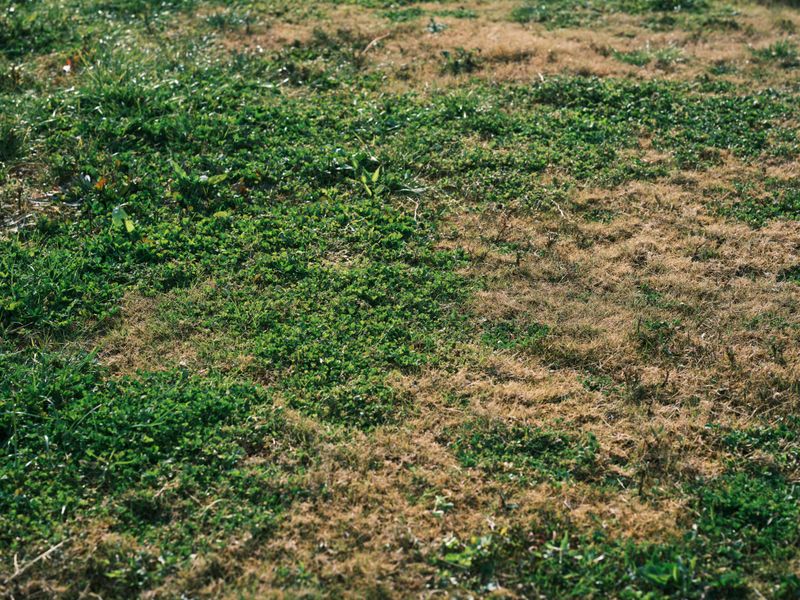
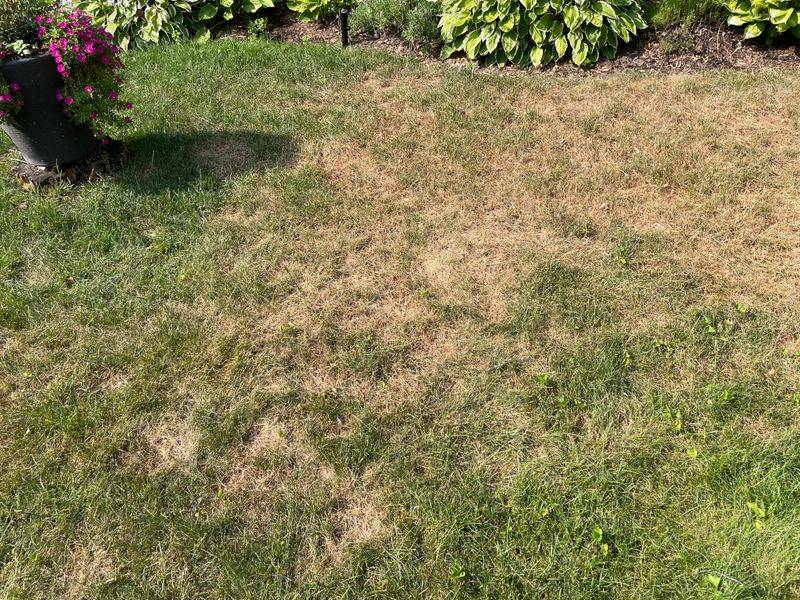
Drought-stressed turf goes dormant but stays rooted. The grass blades turn tan and stiff, but the roots stay intact beneath the surface. Give it water, and it usually bounces back within a week or two.
Pest-damaged grass tells a different story. When you tug on brown blades, they lift right up with almost no resistance. The roots have been eaten away, leaving the turf loose and spongy underfoot.
Another key difference is the pattern of damage. Drought stress tends to hit the whole lawn evenly or concentrate in high-traffic areas and slopes. Pest damage spreads in irregular, expanding circles or follows the path of the infestation underground.
Check the edges of the damaged area closely. Healthy green grass right next to a brown patch is a strong signal that pests, not lack of rain, are the cause.
Look for secondary clues above ground too. An unusual number of birds pecking at your lawn is a giveaway sign. Birds are hunting the grubs and larvae beneath the surface.
Your New York Garden Changes Every Week. Your Plan Should Too.
Gardening in New York changes quickly throughout the season. Every Friday you’ll receive a simple weekly plan showing exactly what to plant, prune, fertilize, harvest, and protect so you never miss the right timing.
Skunks and raccoons digging up sections of turf overnight is another red flag. They smell the grubs and tear up the grass to reach them.
Once you know what you are dealing with, you can stop wasting water and start treating the actual problem. Misidentification tends to be a costly mistake that lets the damage keep spreading.
Signs Your New York Lawn Has A Pest Problem Below The Surface
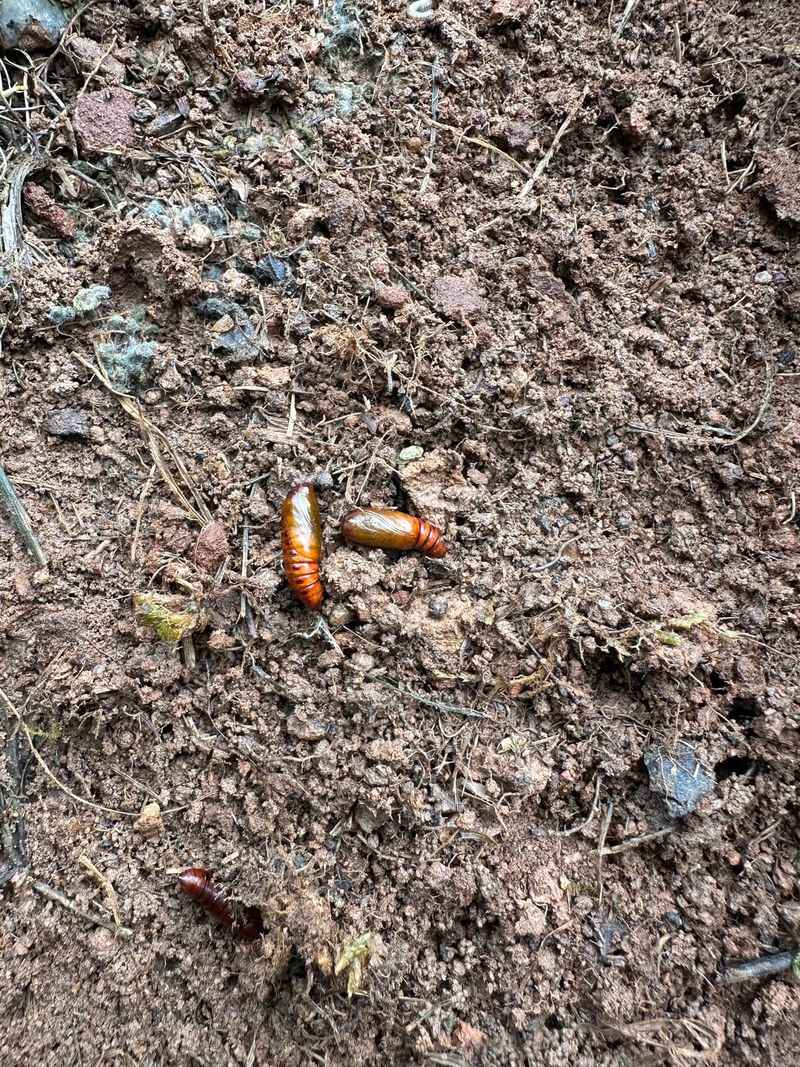
Soft, spongy turf on a sunny afternoon is your first red flag. Healthy grass tends to feel firm underfoot, even during summer heat.
The most reliable sign of underground pest activity is the tug test. Grab a handful of brown grass and pull gently — if it peels back like a loose carpet, the roots are gone.
Grub infestations leave a distinct spongy feeling across entire sections of lawn. That bounce beneath your feet is not a good thing — it means the soil structure below has been disrupted by feeding larvae.
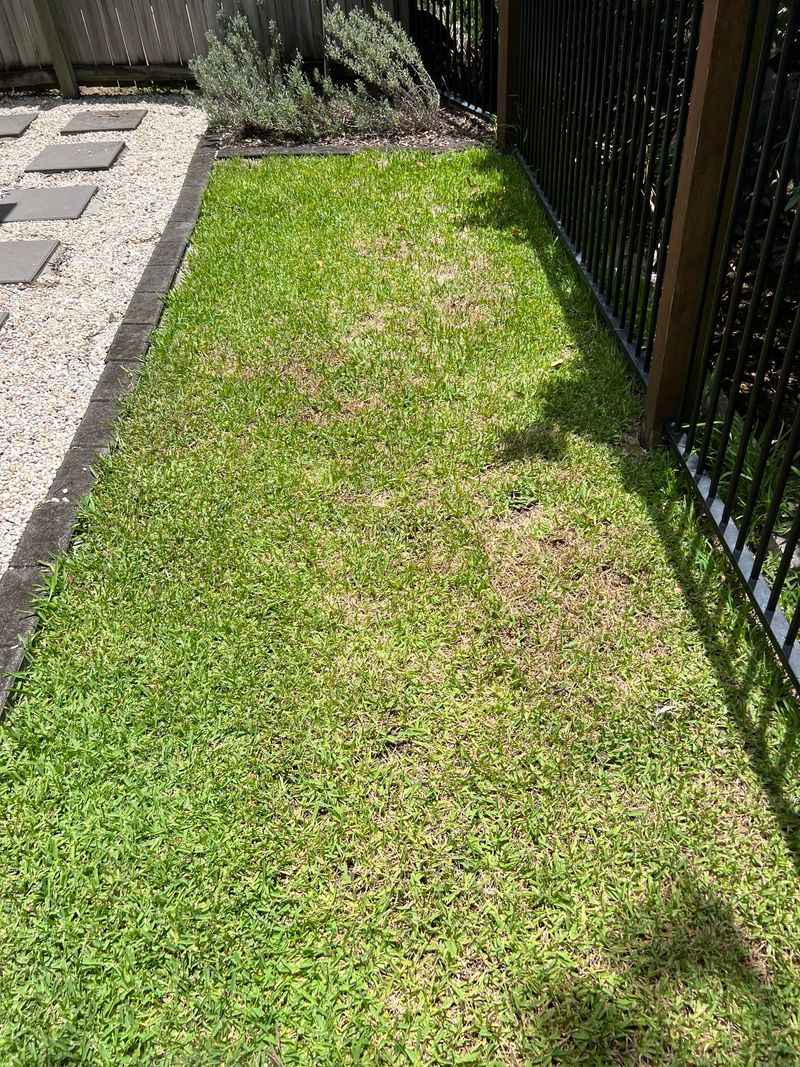
Look for irregular brown patches that do not follow any obvious pattern. Drought damage usually looks uniform, but pest damage creates strange shapes that expand outward from a central feeding zone.
Bird activity is one of the easiest signs to spot. Robins, starlings, and crows will peck repeatedly at the same sections of lawn when grubs are feeding just below the surface.
Nighttime visitors are another clue. Skunks and raccoons are notorious for tearing up sections of turf to reach grubs. If you wake up to overturned grass, something underground attracted them.
Moth activity near your lawn at dusk can signal sod webworms. Adult moths lay eggs in the thatch, and the larvae that hatch begin feeding on grass blades almost immediately.
Catching these signs early gives you a real advantage. The longer a pest population goes unchecked, the wider the damage spreads and the harder it becomes to reverse.
New York Regions Where Lawn Pests Are Most Active
Not every corner of the state faces the same level of threat. Geography, soil type, and climate all shape where pests thrive most aggressively.
Long Island is one of the hardest-hit areas for grub damage each season. The sandy, well-drained soil there creates ideal conditions for Japanese beetle larvae, which prefer loose ground for burrowing and feeding.
The Hudson Valley sees heavy activity from grubs and similar underground pests. Warm summers, suburban sprawl, and dense turf coverage give pests exactly the environment they need to establish and spread.
Westchester County homeowners report some of the highest rates of Japanese beetle damage in the state. Adult beetles lay eggs in lawns during July, and the larvae hatch just in time to feed through August and September.
Western New York, including the Buffalo suburbs, faces a strong presence of European chafer grubs. These pests can be particularly persistent and are known to be more difficult to control than other species in this region.
Central New York around Syracuse sees consistent sod webworm pressure, particularly in lawns with thick thatch layers. Thatch gives webworm larvae the perfect shelter to hide and feed undisturbed.
Upstate regions with cooler summers may see less overall pest pressure, but grub populations remain a consistent problem regardless of elevation or temperature.
Knowing your regional risk helps you act before the damage appears. Targeted prevention is always cheaper and easier than emergency treatment after the lawn is already brown.
Treatment Options For Underground Lawn Pests In New York
Treating underground pests takes more than a bag of fertilizer and some hope. You need the right product at the right time.
For grub control, preventive treatments work best when applied in late June or early July. That window targets newly hatched larvae before they grow large enough to cause serious root damage.
Imidacloprid and chlorantraniliprole are two of the most widely used active ingredients for grub control. Both are available in granular form and require watering in after application to move the product down into the soil where grubs are feeding.
Curative treatments applied in August or September can still help, but they work better on young grubs. Larger, more mature larvae are harder to eliminate once they have burrowed deeper into the soil for winter.
Biological controls offer a lower-chemical option for homeowners who prefer a gentler approach. Beneficial nematodes are microscopic organisms that seek out and parasitize grub larvae in the soil.
Sod webworm treatments target the larvae in the thatch layer. Spinosad, a naturally derived insecticide, is effective and less disruptive to beneficial insects than synthetic alternatives.
Always follow label directions and local guidelines before applying any product. The right treatment at the right stage of pest development makes the biggest difference in results.
Keeping Your New York Lawn Pest-Free Through The Season
Prevention is not glamorous, but it is far cheaper than replacing damaged turf. A few smart habits go a long way.
Mowing at the right height is one of the most underrated defenses against pests. Keeping grass at three to four inches encourages deep root growth, making the lawn more resistant to both pest feeding and actual drought.
Avoid overwatering, especially in the morning. Wet soil attracts egg-laying adult beetles, and moist thatch gives sod webworms the humid shelter they need to thrive and reproduce.
Aerate your lawn once a year in early fall. Core aeration breaks up compacted soil, improves drainage, and disrupts the environment that grubs and other underground feeders depend on.
Thatch management is equally important for long-term pest prevention. A thatch layer thicker than half an inch creates a cozy home for sod webworms and reduces the effectiveness of any treatments you apply.
Choose grass varieties suited to your region. Tall fescue and Kentucky bluegrass blends hold up better against pest pressure than weaker varieties that thin out quickly under stress.
Applying a preventive grub treatment in late spring gives your lawn a head start before the beetle season begins. Timing this with your local pest calendar makes the treatment far more effective.
Staying consistent with lawn care through the full season is the real secret to keeping the New York lawn problem that looks like drought but starts underground from ever taking hold again.