Who Pays For Tree Removal In Oregon When The Tree Sits Exactly On The Property Line
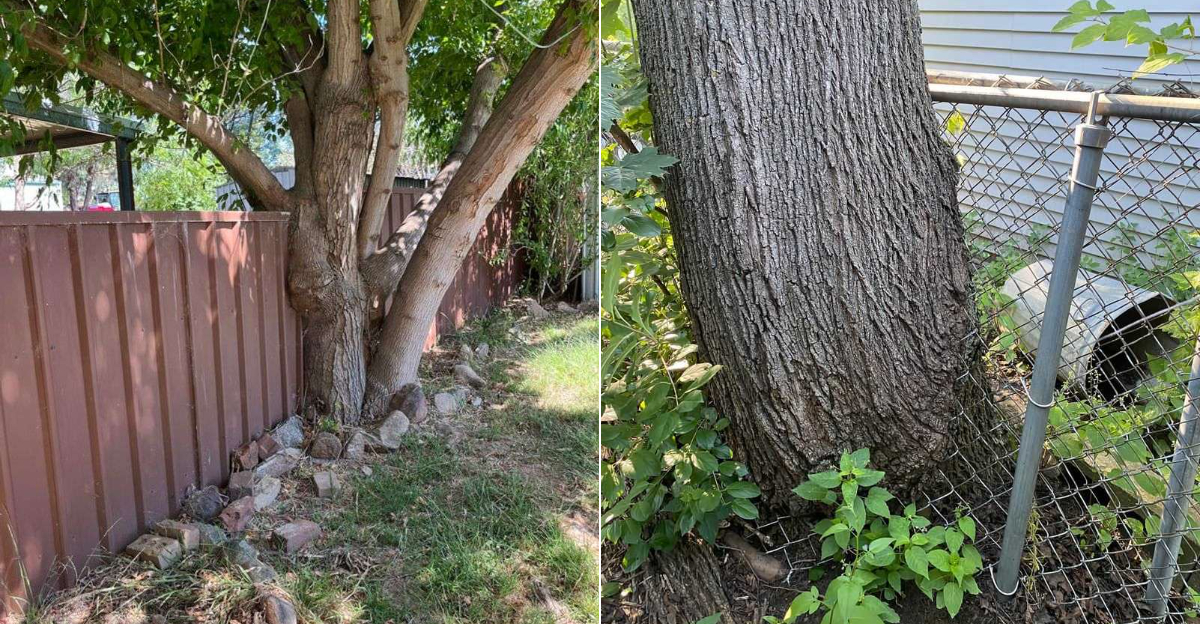
A tree on the property line can make neighbors feel connected until removal comes up. Then that shared shade can turn into a tricky money question.
In Oregon, a boundary tree is not always treated the same as a tree that clearly belongs to one yard. The location of the trunk matters.
So does the reason the tree needs to come out. Is it causing damage? Is it becoming unsafe? Did both owners agree to remove it?
Those details can change the conversation fast. Tree removal is expensive enough without confusion over who should pay.
That is why it helps to understand how responsibility is usually handled before anyone calls a crew.
When a tree sits exactly on the line, the answer may depend on ownership, consent, and what each neighbor knew before the problem started.
A Property-Line Tree Usually Belongs To Both Neighbors
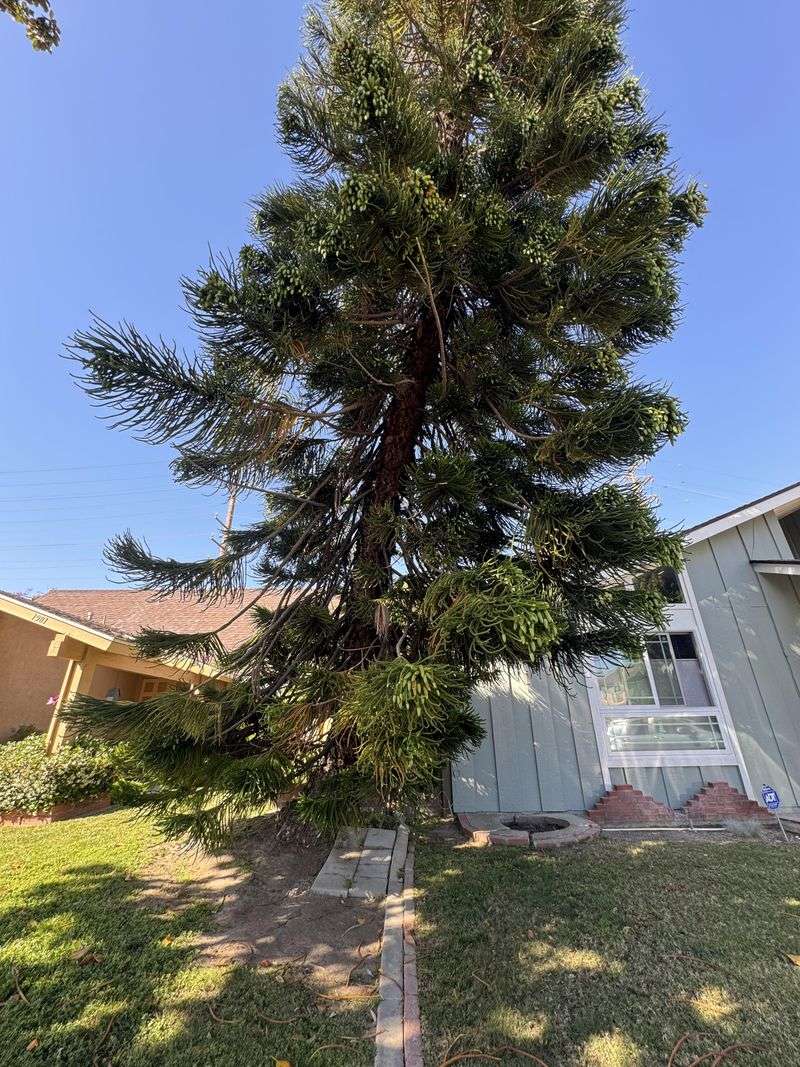
Most people assume the tree belongs to whoever planted it, but that is not always how it works.
When a tree trunk sits directly on the boundary line between two properties, Oregon law generally treats it as a shared tree.
Both neighbors are considered co-owners, no matter who planted it or how long it has been there.
Shared ownership means both parties have a say in what happens to the tree. One neighbor cannot legally cut it down, trim major limbs, or remove it without the other person agreeing first.
That rule protects both sides from surprise decisions that could affect property value or safety.
A lot of homeowners do not realize this until a conflict already starts. Learning the basics early keeps things from getting complicated.
If you are not sure whether a tree is truly on the line, a licensed surveyor can give you a clear answer. That one step can prevent a whole lot of back-and-forth later.
Shared trees can actually be a good thing when both neighbors communicate well and split responsibilities fairly from the start.
Removal Costs Often Start With Shared Ownership
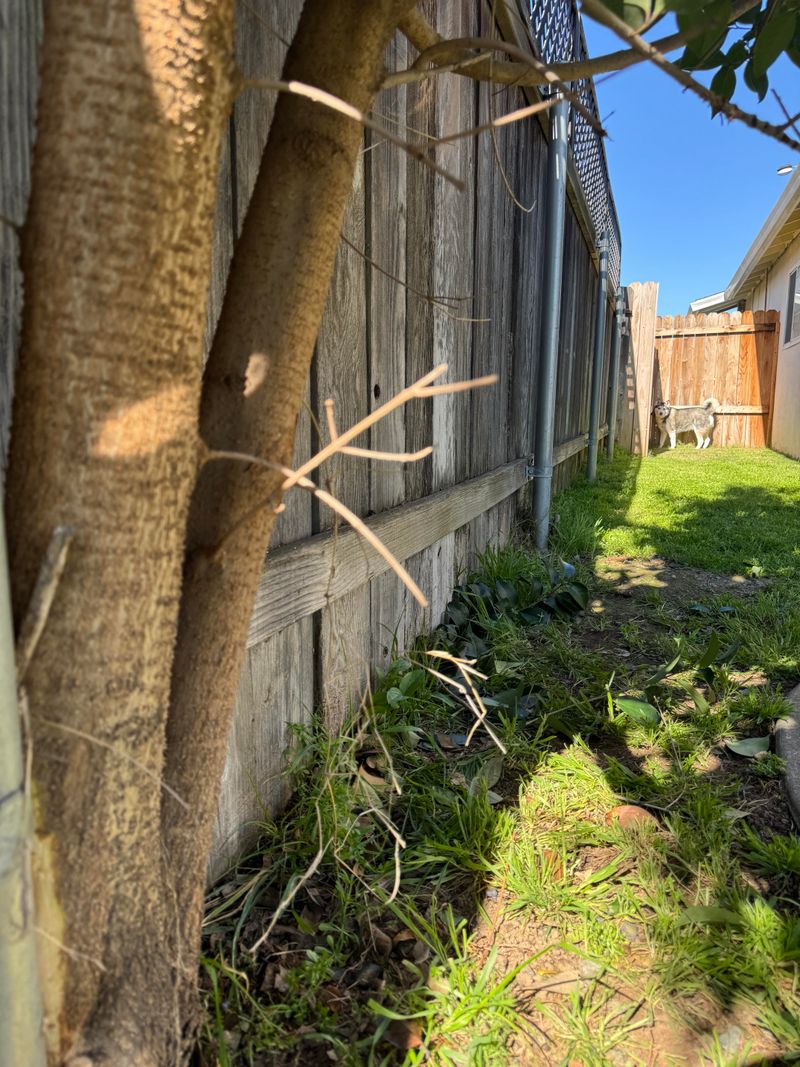
When a tree belongs to both neighbors, it usually makes sense that both neighbors share the cost of removing it.
Oregon does not have one single statewide law that spells out the exact split, but the general legal principle supports shared financial responsibility for shared property.
In practice, the cost split depends on a few things. Both neighbors might agree to go fifty-fifty, or they might negotiate based on who benefits more from the removal.
For example, if the tree leans heavily toward one yard and mostly threatens that side, that neighbor might offer to cover a larger portion of the bill.
Tree removal costs in Oregon can range from a few hundred dollars to several thousand, depending on the size and location of the tree.
Getting two or three quotes from licensed arborists helps both parties understand the real price before committing.
Sharing the cost feels much more reasonable once both neighbors see the same numbers. Keeping the conversation calm and focused on fairness makes it easier to reach a deal that works for everyone involved.
Your Oregon Garden Changes Every Week. Your Plan Should Too.
Gardening in Oregon changes quickly throughout the season. Every Friday you’ll receive a simple weekly plan showing exactly what to plant, prune, fertilize, harvest, and protect so you never miss the right timing.
Nobody wants to feel like they are stuck paying for something that benefits both sides equally.
One Neighbor Should Not Remove It Alone
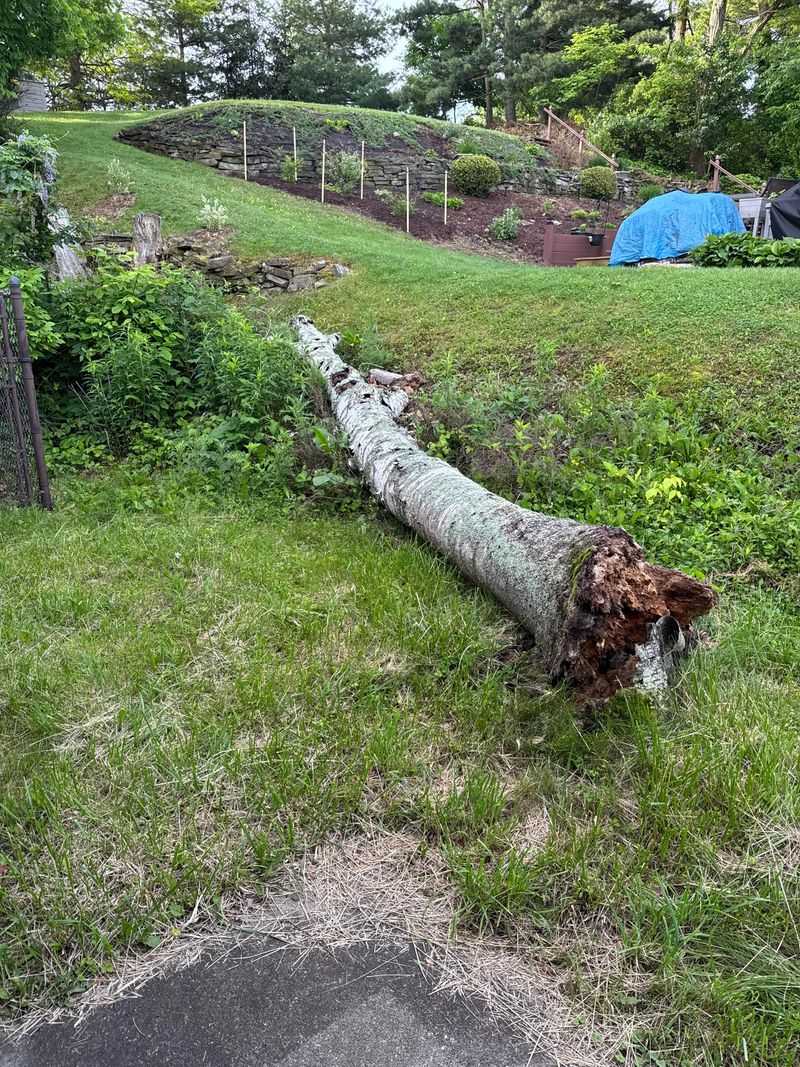
Cutting down a shared tree without your neighbor’s permission is a serious mistake. Oregon property law allows the other co-owner to take legal action if you remove or damage a boundary tree without their consent.
That could mean paying for the full value of the tree, plus additional damages in some cases.
Even if you believe the tree is dangerous or dying, acting alone without documentation or agreement puts you at legal risk.
Courts in Oregon have sided with the non-consenting neighbor in cases where one party acted without permission.
The financial consequences can end up costing far more than the tree removal itself would have.
The smarter move is always to talk to your neighbor first. A simple conversation can open the door to a shared plan that protects both of you legally and financially.
If your neighbor is unresponsive or refuses to engage, there are still options available, like mediation or contacting local code enforcement. Jumping straight to removal without any attempt at communication almost always backfires.
Keep records of every conversation, every estimate, and every concern you raise. Those records matter a lot if the situation ever ends up in front of a judge or mediator down the road.
A Survey Matters Before Anyone Calls A Tree Crew
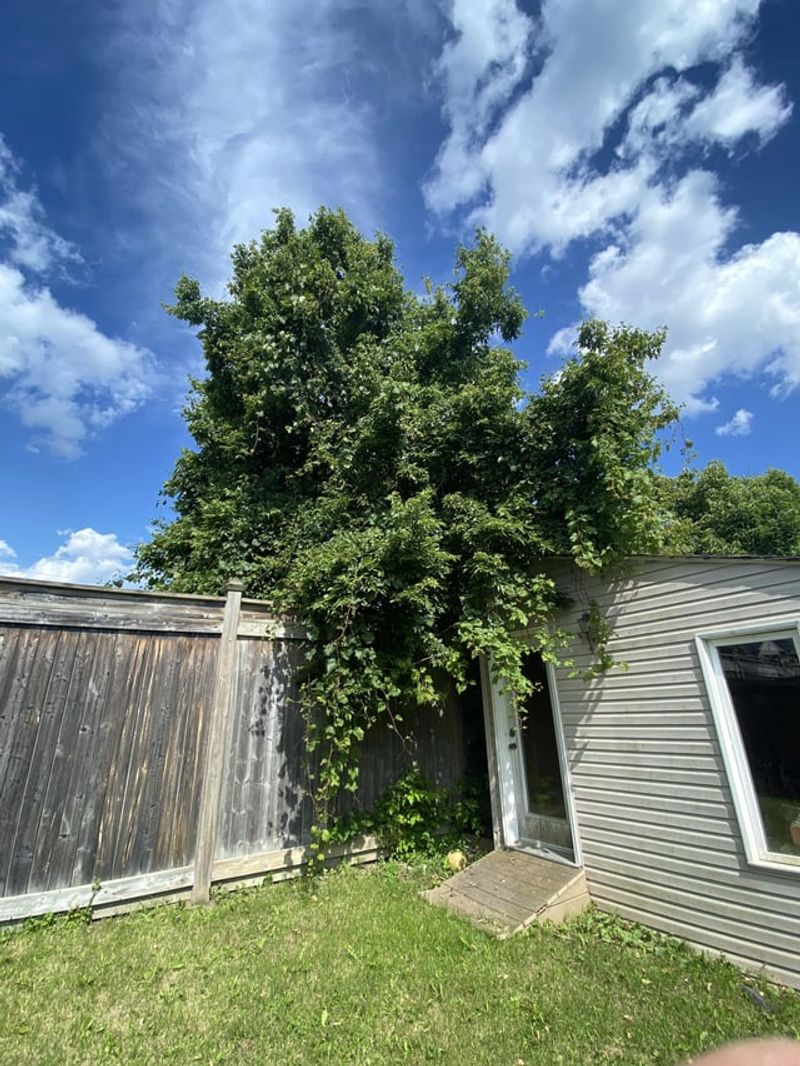
Before any tree crew shows up with chainsaws, it pays to know exactly where the property line is.
A lot of boundary disputes start because neighbors assume they know where the line falls, but assumptions are often wrong. A licensed land surveyor gives you a legally recognized answer.
Surveys are not free, but they are worth every penny when a tree removal is on the line. The cost of a residential survey in Oregon typically runs between $500 and $1,500, depending on the size of the lot and how complex the boundaries are.
Splitting that survey cost with your neighbor is another reasonable option to bring up early.
Once the survey is complete, you will have a clear, documented boundary that both sides can reference.
If the tree trunk turns out to sit entirely on your neighbor’s property, the situation changes significantly.
The same is true if the tree is entirely on your side. Only when the trunk genuinely straddles the line does shared ownership fully apply.
Skipping this step and guessing can lead to expensive legal problems that a simple survey would have prevented. A few hundred dollars upfront is a much better deal than a lawsuit later.
Written Agreement Prevents A Bigger Dispute
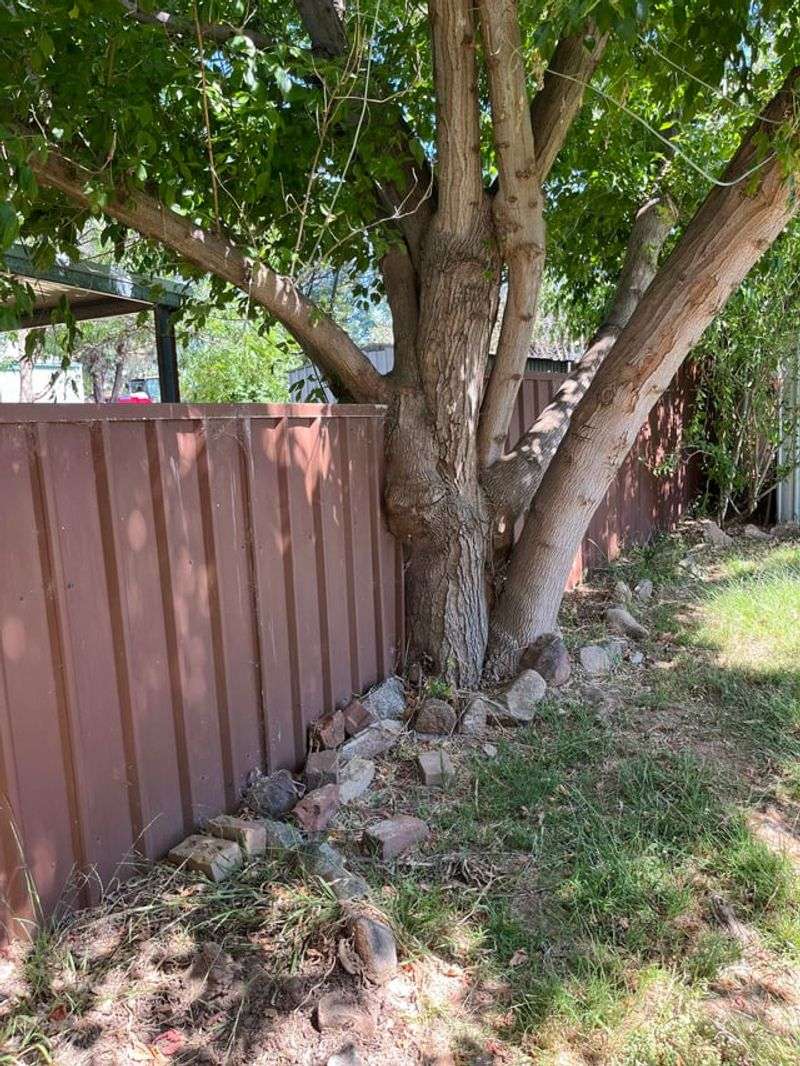
A handshake deal might feel friendly, but it rarely holds up when things go sideways. Putting your agreement in writing is one of the smartest things you and your neighbor can do before any work begins on a shared property-line tree.
A written document protects both parties equally. The agreement does not need to be a fancy legal contract.
A simple, clear document that covers who is paying what, which company is doing the work, and when the removal will happen is usually enough.
Both neighbors should sign it and keep a copy. If you want extra protection, a notary can witness the signatures.
Written agreements also cover what happens to the stump, the debris, and any landscaping repairs that might follow the removal.
These details seem small at first but can become big points of conflict if they are left undefined.
Having everything written down removes the guesswork and keeps both sides accountable throughout the process. If a neighbor later claims they never agreed to something, you have proof.
Local mediation services in many Oregon communities can also help you draft a fair agreement if direct conversations feel tense or uncomfortable.
Taking this step shows good faith and makes the whole process smoother for everyone involved.
Hazardous Trees Change The Conversation Fast
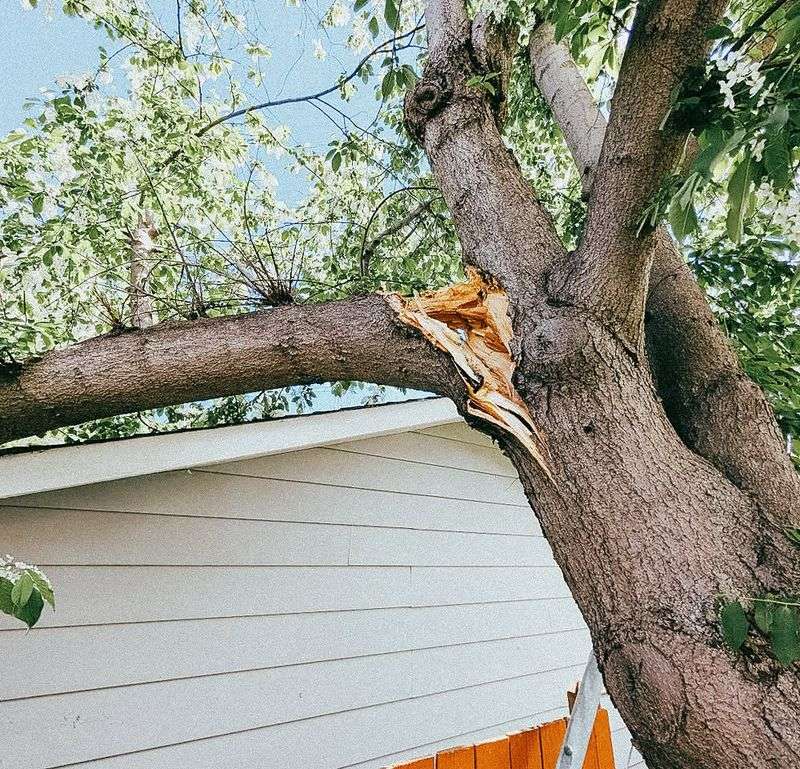
Not every boundary tree removal is a calm, planned decision. Sometimes a storm rolls through and suddenly a massive tree is cracked, leaning, and threatening both homes.
When a tree becomes a hazard, the urgency changes how neighbors need to handle the situation.
Oregon law recognizes that a property owner has a duty to address known hazards on or near their property.
If a shared tree is clearly dangerous and one neighbor has notified the other in writing, that neighbor may have more legal standing to act if the other party refuses to respond.
Documenting the hazard with photos and written notices is critical in these moments.
Even in emergency situations, it is still best to try to reach an agreement before acting alone.
Many tree service companies offer emergency removal, and local authorities can sometimes step in when a tree poses an immediate public safety risk.
Homeowner’s insurance policies may also cover emergency tree removal in certain situations, so checking your policy is always a good idea.
If both neighbors can agree quickly on an emergency removal plan, the process moves faster and stays less stressful.
Speed matters when safety is at stake, but so does communication. A quick phone call or text to your neighbor before the crew arrives goes a long way.
Arborist Reports Help Prove The Tree Is Unsafe
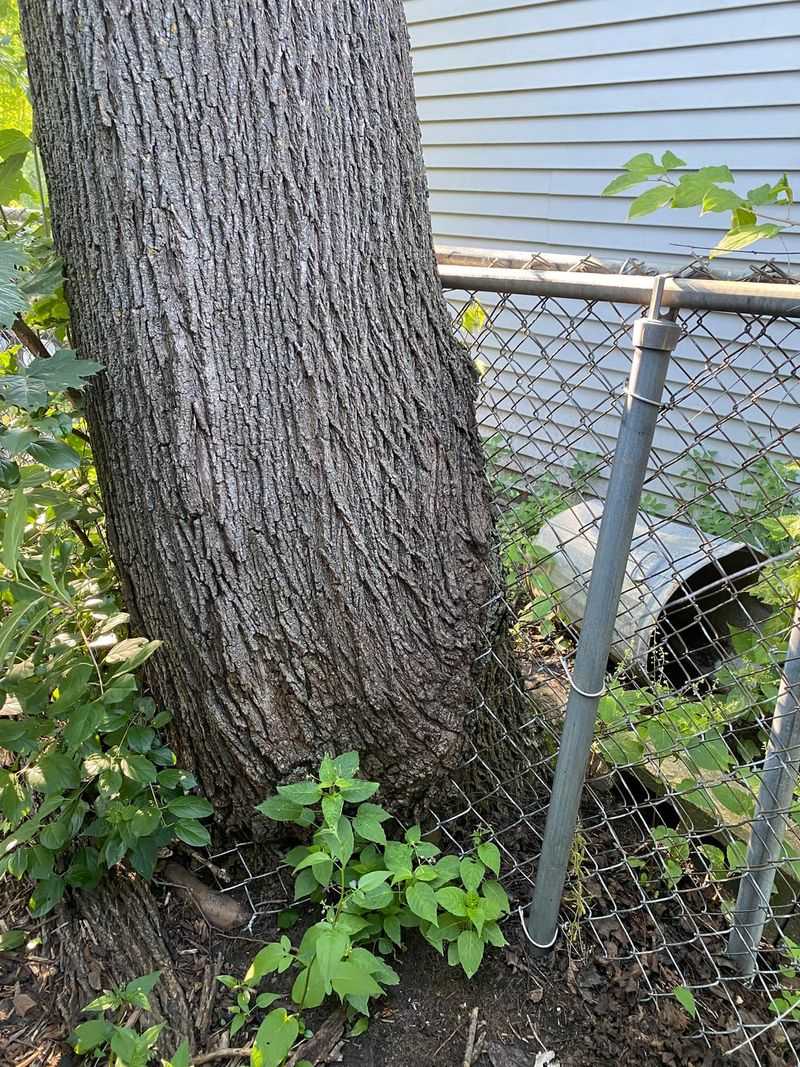
Sometimes one neighbor sees a threat in a tree that the other does not. When that happens, opinions alone are not enough to move things forward.
An official arborist report gives both sides an objective, professional assessment they can both trust and reference.
A certified arborist can evaluate a tree for structural problems, root disease, pest damage, and other signs that the tree may be unsafe.
Their written report carries real weight, especially if the situation ever goes to mediation or court.
Many reports include specific recommendations, such as full removal, cabling for support, or regular monitoring.
The cost of a professional arborist inspection in Oregon is usually between $150 and $500, depending on the complexity of the evaluation.
Sharing that cost with your neighbor is a fair approach, since both parties benefit from the information.
An arborist report also protects you legally. If you notify your neighbor of a documented hazard and they refuse to act, you have a paper trail showing you did everything right.
Certified arborists must meet specific training requirements, so look for someone with credentials from the International Society of Arboriculture.
Their expertise adds credibility to any claim that a boundary tree poses a real risk to people or property nearby.
City Tree Rules May Require A Permit First
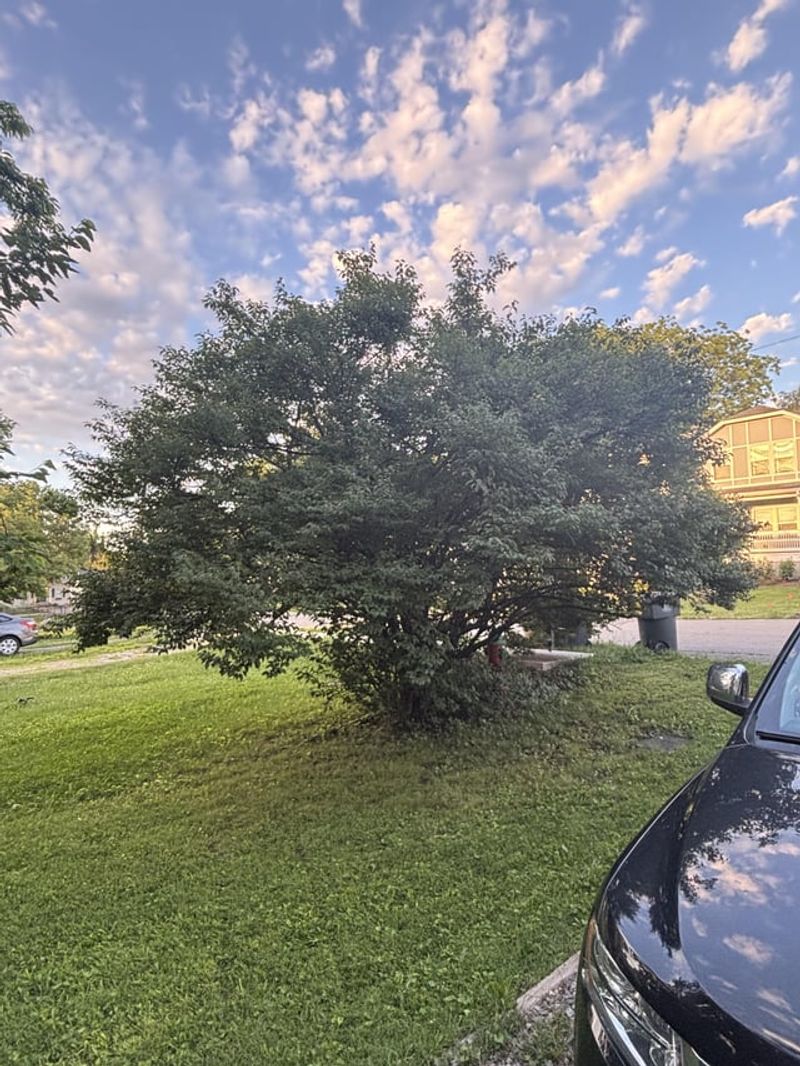
Even when both neighbors agree on removing a shared tree, local rules might require a permit before any work begins.
Many cities and counties across state have tree protection ordinances that apply to trees of a certain size or species, regardless of where they sit on a property.
In cities like Portland, Eugene, and Bend, local codes can be quite detailed about which trees require permits and what documentation is needed.
Failing to get the right permit before removal can result in fines that both neighbors might have to deal with.
It is always worth a quick call to your local planning or urban forestry office before scheduling any work.
Permit requirements often depend on the diameter of the tree trunk, the species, and whether the tree is located in a protected zone or near a waterway. Some permits are free, while others come with a small fee.
The process usually takes anywhere from a few days to a few weeks, so planning ahead saves a lot of frustration.
Your tree removal company may also be familiar with local permit rules and can help guide you through the process.
Knowing the local rules upfront keeps the project on track and avoids any unexpected legal or financial surprises at the last minute.