8 Flowers Illinois Gardeners Plant In June For Fresh-Cut Bouquets All Season
You failed your first cutting garden in the most complete way possible. Wrong flowers, wrong timing, and a stubborn belief that good intentions counted for something in gardening.
They don’t. Illinois soil does not care about your optimism. Then June changed everything. Something shifts when June arrives in Illinois.
Soil temperatures hit that magic threshold where roots stop sulking and start sprinting. The light has weight to it.
Plants you put in the ground now don’t just survive; they thrive beyond anything you expected. Ever stood in front of a flower shop and thought, why can’t I grow that?
You can. You just needed the right list. Some flowers planted in June will reward you with blooms so relentlessly that you’ll run out of vases before you run out of stems.
The right choices now turn a patch of dirt into something worth bragging about. Your vases will never be empty again.
1. Zinnia
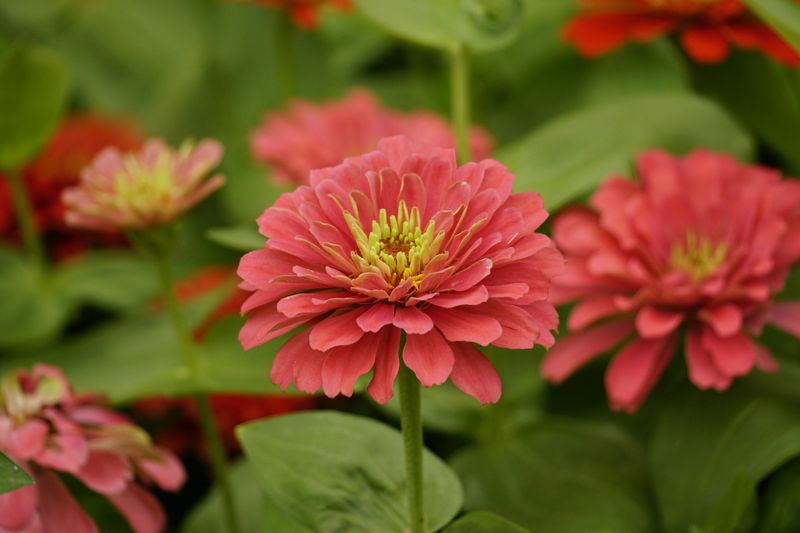
Zinnias are the workhorses of any cutting garden, and they never let you down. Plant them in June and they will reward you with non-stop blooms from midsummer straight through the first frost.
These flowers come in nearly every color you can imagine, from hot coral to creamy white. That range makes them a go-to for gardeners who want fresh-cut bouquets that match any room or occasion.
One of the best things about zinnias is how fast they grow. You can go from seed to bloom in 60 to 80 days, which means a June planting hits peak beauty right when you need it most.
Cutting them actually makes them grow more. The more you snip, the more stems they push out, so do not be shy with your scissors.
Zinnias love full sun and warm soil, two things Illinois has plenty of in June. Give them good drainage and they will thrive without much fuss from you.
They also attract butterflies and pollinators, so your garden will feel alive and buzzing all season.
Powdery mildew can show up in humid stretches, so space your plants well for good airflow.
Varieties like Benary Giant and Oklahoma Series are top picks for cutting because of their long, sturdy stems.
A single plant can produce dozens of blooms over one season. If you only plant one flower this June, make it a zinnia and watch your whole garden transform.
2. Sunflower
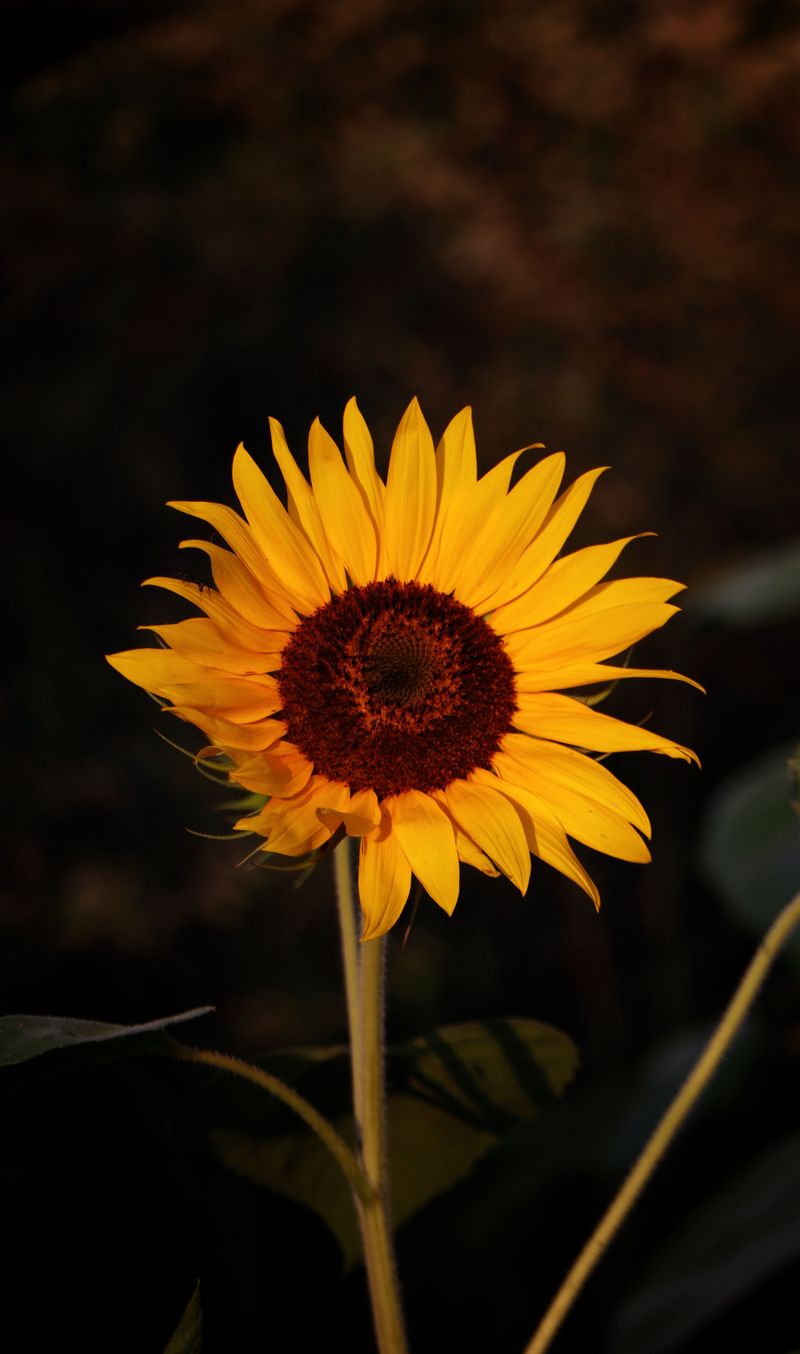
There is something almost electric about a freshly cut sunflower standing tall in a mason jar on your kitchen table.
Sunflowers bring warmth and bold color into any space, and June is the perfect time to get them in the ground in Illinois.
Few flowers reward a gardener with such a dramatic return on such little effort. Most sunflower varieties take about 50 to 100 days from seed to bloom.
Branching types like Lemon Queen and Autumn Beauty can flower in as few as 60 to 75 days, so a June planting still gives you a strong late-summer harvest.
A June planting puts you right on track for gorgeous late-summer harvests that fill big, bold bouquets with that unmistakable warmth only sunflowers can deliver.
Your Illinois Garden Changes Every Week. Your Plan Should Too.
Gardening in Illinois changes quickly throughout the season. Every Friday you’ll receive a simple weekly plan showing exactly what to plant, prune, fertilize, harvest, and protect so you never miss the right timing.
Look for branching varieties like Lemon Queen or Autumn Beauty if you want multiple stems per plant.
These types keep producing cut flowers for weeks instead of giving you one and done. A single branching plant can yield a surprising number of stems across the season.
Sunflowers want full sun and deep, well-drained soil. They are surprisingly drought-tolerant once established, making them a low-stress addition to any garden.
They also handle Illinois summer heat without complaint, which puts them ahead of many other cutting flowers.
Cut them early in the morning when the petals are just starting to open. That timing locks in freshness and gives you the longest possible vase life. Strip the lower leaves before putting them in water.
Pollinators go absolutely wild for sunflowers, so expect bees and butterflies to show up in droves. That activity also benefits every other plant nearby, making sunflowers one of the hardest-working flowers in any garden.
Pollen-free varieties like ProCut Gold are great for indoor arrangements because they do not shed on your tablecloth.
Keep in mind that ProCut Gold is a single-stem variety, meaning one bloom per plant, so sow seeds every two weeks for a continuous supply of stems. They still look stunning and last longer in the vase.
Sunflowers also make excellent backdrops in a garden bed, giving shorter flowers a dramatic frame. Plant a row and watch your whole yard level up instantly.
3. Cosmos
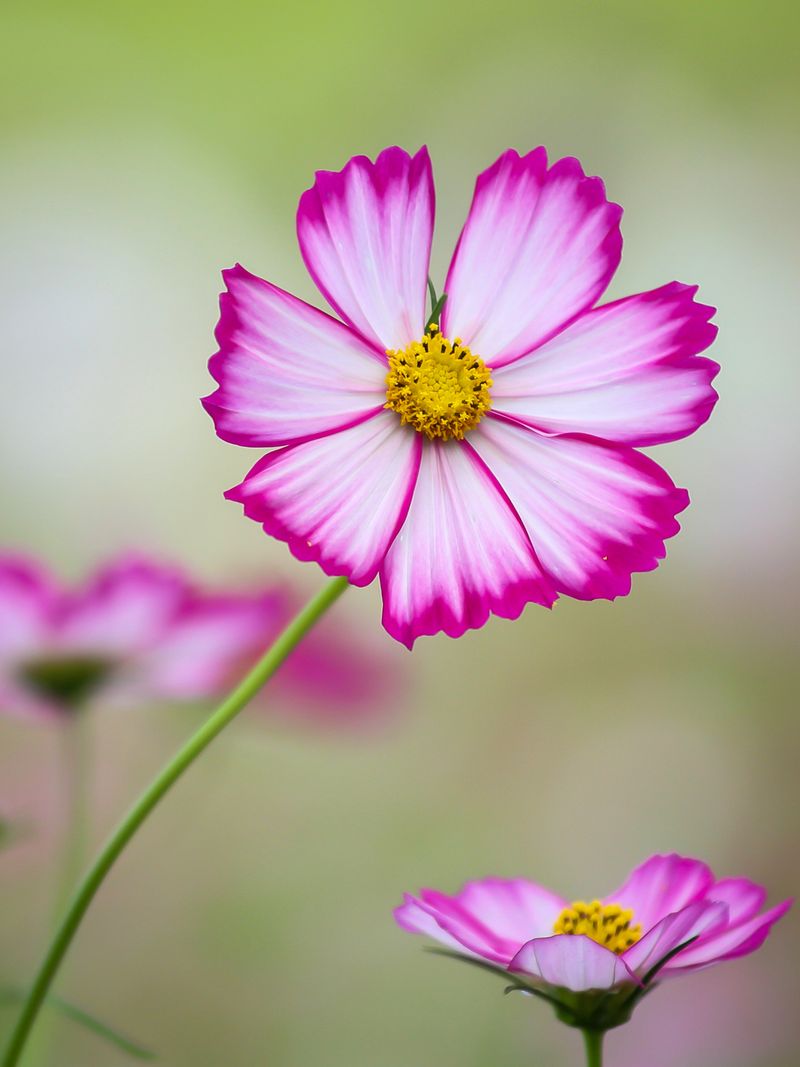
Cosmos look like they belong in a fairy tale, with their feathery foliage and tissue-paper-thin petals dancing in the breeze.
These airy beauties are a secret weapon for gardeners who want elegant, fresh-cut bouquets without a lot of effort. Planting cosmos in June gives them exactly what they need: warm soil and long sunny days.
They grow fast and start blooming in about 10 to 12 weeks from seed, so expect your first blooms from a June planting to arrive in late August.
One surprising fact about cosmos is that they actually prefer poor soil. Too much fertilizer makes them go leafy and lazy with blooms, so skip the extra feeding and let them do their thing.
They reach heights of three to four feet, giving you those long stems that florists charge a premium for. Cutting regularly keeps the plants producing new buds all the way into October.
Sensation Mix and Double Click are two popular varieties that hold up beautifully in arrangements. Their blooms range from deep magenta to soft lavender to bright white.
Cosmos are also incredibly heat-tolerant, which makes them a natural fit for Illinois summers. They will keep blooming even when other flowers start to fade in the August heat.
Butterflies love them just as much as gardeners do, so expect your cutting patch to become a lively little ecosystem. The more you harvest, the bushier and more productive each plant becomes.
Remove regularly to keep them tidy and prevent self-seeding beyond your intended patch. For anyone chasing that wild, meadow-style look in a bouquet, cosmos are your answer every single time.
4. Celosia
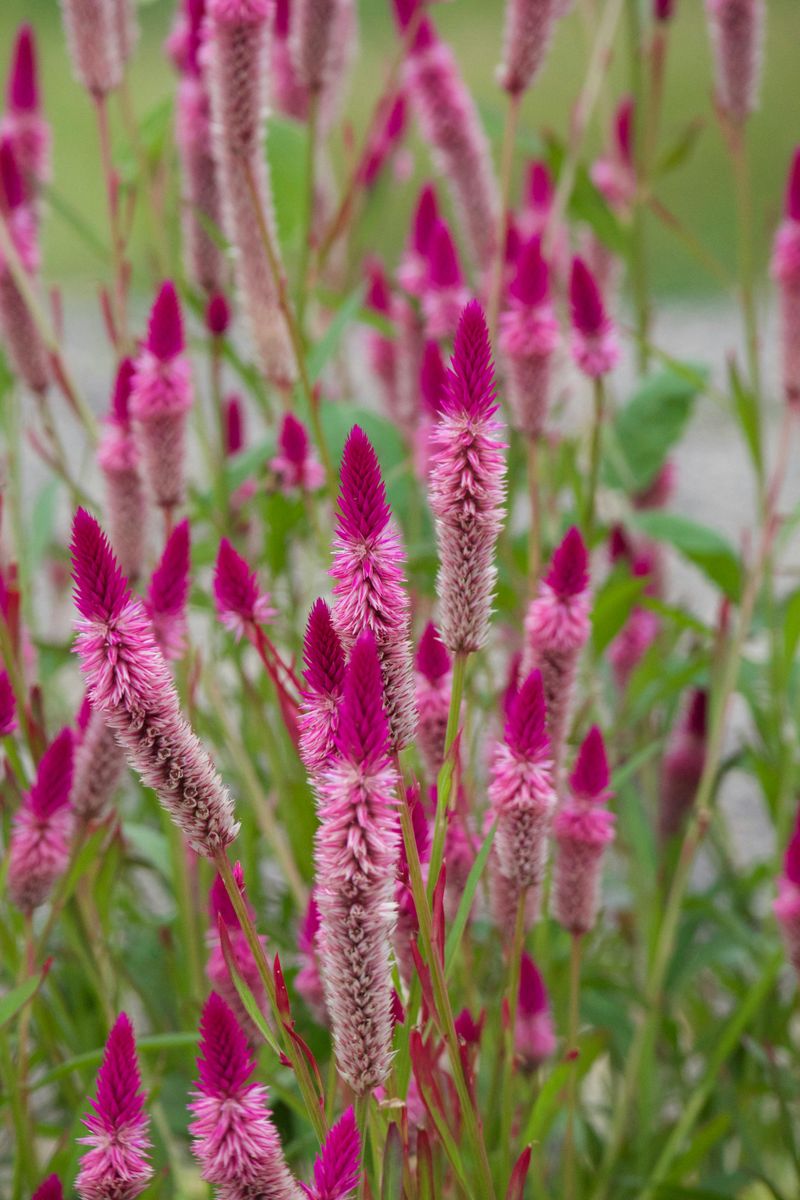
Celosia is the flower that makes people stop and stare, because it looks almost too wild and vivid to be real. With its flame-like plumes or brain-shaped crests, it adds serious drama to any fresh-cut bouquet.
June is a great time to get celosia going in Illinois, where the heat and humidity actually work in its favor. This flower thrives in hot conditions that would stress out less tough plants.
There are two main types worth growing for cutting: plumed celosia and crested celosia, also called cockscomb. Both dry beautifully, meaning your arrangements can last weeks even after they leave the garden.
Colors range from deep burgundy and magenta to soft peachy coral and golden yellow. That palette plays well with almost every other flower on this list.
Celosia is a heavy feeder, so mixing compost into your soil before planting pays off big. Good soil prep early means more blooms and stronger stems later in the season.
Cut the main stem when about two thirds of the plume has colored but before seed set for the best vase life. Side shoots will quickly fill in and keep the plant producing for you.
It holds its color even as it dries, which makes it a favorite for both fresh and dried arrangements. Florists love it for exactly that reason.
Celosia proves that the most unusual-looking flowers are often the most rewarding to grow, and one bunch can completely transform a simple vase into something unforgettable.
5. Marigold
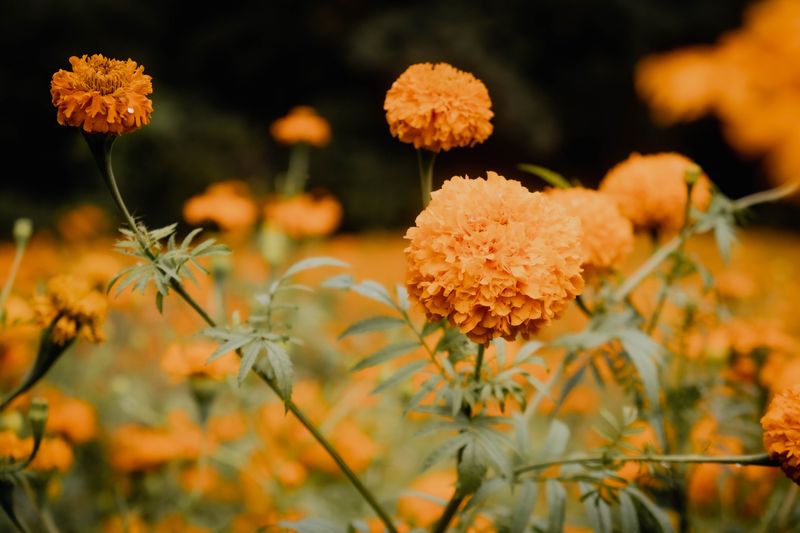
Marigolds have a reputation as a simple bedding plant, but that undersells them completely. For fresh-cut bouquets, African marigold varieties with their big, pompom blooms are an absolute standout.
Planting marigolds in June means you will have blooms by late July and continuous color clear into fall. They are one of the most reliable flowers you can grow in an Illinois summer garden.
The scent is strong and distinctive, which some people love and others find too bold for indoor use. If fragrance is a concern, tuck them into outdoor arrangements or use them as garden companions instead.
Marigolds are famous for repelling certain garden pests, making them a smart neighbor for tomatoes and peppers. That dual purpose gives them serious value beyond just their good looks.
African varieties like Crackerjack or Inca can grow stems long enough for cutting, unlike the shorter French types.
Aim for plants that reach at least 30 inches tall for the best bouquet material. Crackerjack typically hits 30 to 36 inches and Inca produces similarly long stems.
They want full sun and consistent moisture, but they handle heat without complaint. Remove spent blooms regularly to keep new flowers coming all season long.
The colors range from pale cream to deep burnt orange, making them a natural fit for autumn-inspired arrangements. Mix them with sunflowers and zinnias for a warm, harvest-season bouquet.
Marigolds are proof that the most dependable flowers are sometimes the most overlooked, and giving them a spot in your cutting garden is a choice you will not regret.
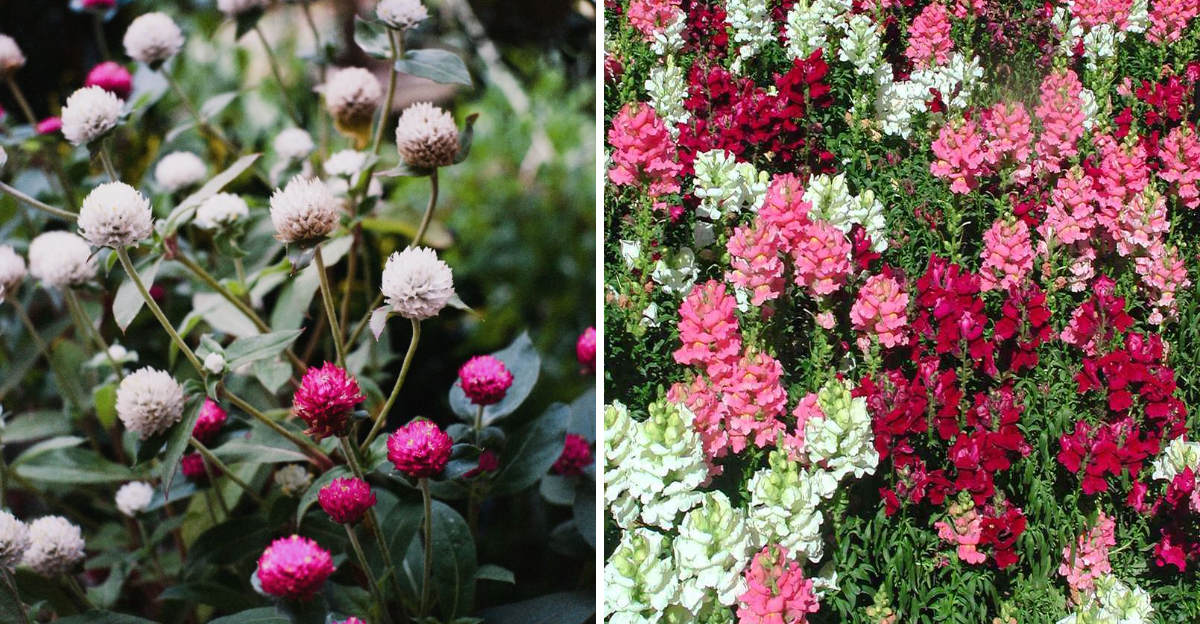
6. Snapdragon
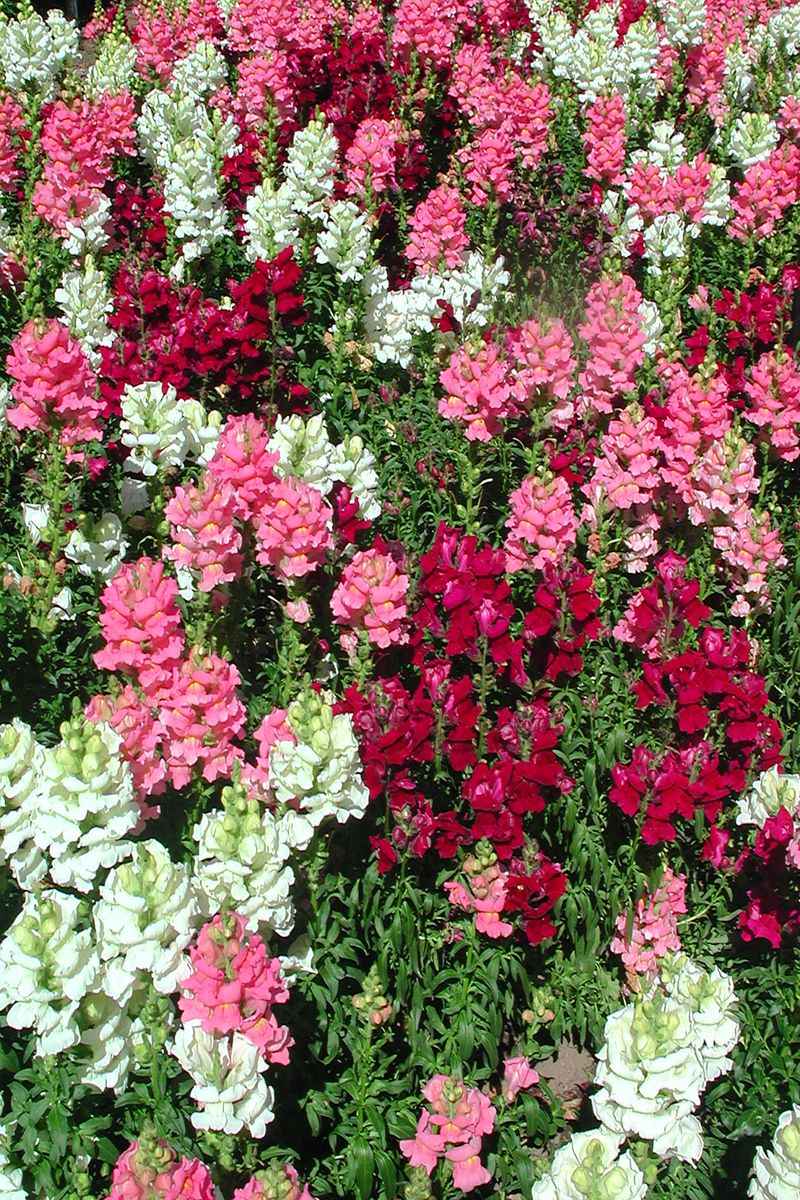
Snapdragons have a nostalgic charm that takes you straight back to childhood, when squeezing the blooms open and shut felt like pure magic.
Grown-up gardeners still love them, but now for their gorgeous, spike-shaped stems that fill a vase with vertical drama.
June planting is possible in Illinois, but only with heat-tolerant varieties like Rocket or Potomac. Standard snapdragons will struggle in summer heat and are better saved for fall.
These types push through summer conditions better than older cultivars and keep producing well into fall.
Snapdragons are cool-season flowers by nature, but the right variety planted in June can bridge the gap between spring and autumn harvests.
They often slow down considerably starting in July, and even heat-tolerant varieties like Rocket and Potomac can stop blooming almost entirely during the hottest weeks.
They bounce back beautifully when September cools things off. For cutting, wait until the bottom third of the spike has opened before harvesting.
That timing gives you the longest possible vase life and the most visual impact in an arrangement.
Stems can reach two to three feet tall, which makes them ideal for adding height to mixed bouquets. Pair them with cosmos or celosia for a layered, florist-quality look.
They prefer rich, well-drained soil and at least six hours of sun each day. Consistent watering at the base, rather than overhead, keeps disease at bay.
Pinching the center stem when plants are young encourages branching and more stems per plant. That one small step early on doubles your harvest later.
Snapdragons remind you that some flowers are worth growing just for the pure, old-fashioned joy they bring to a bouquet.
7. Gomphrena
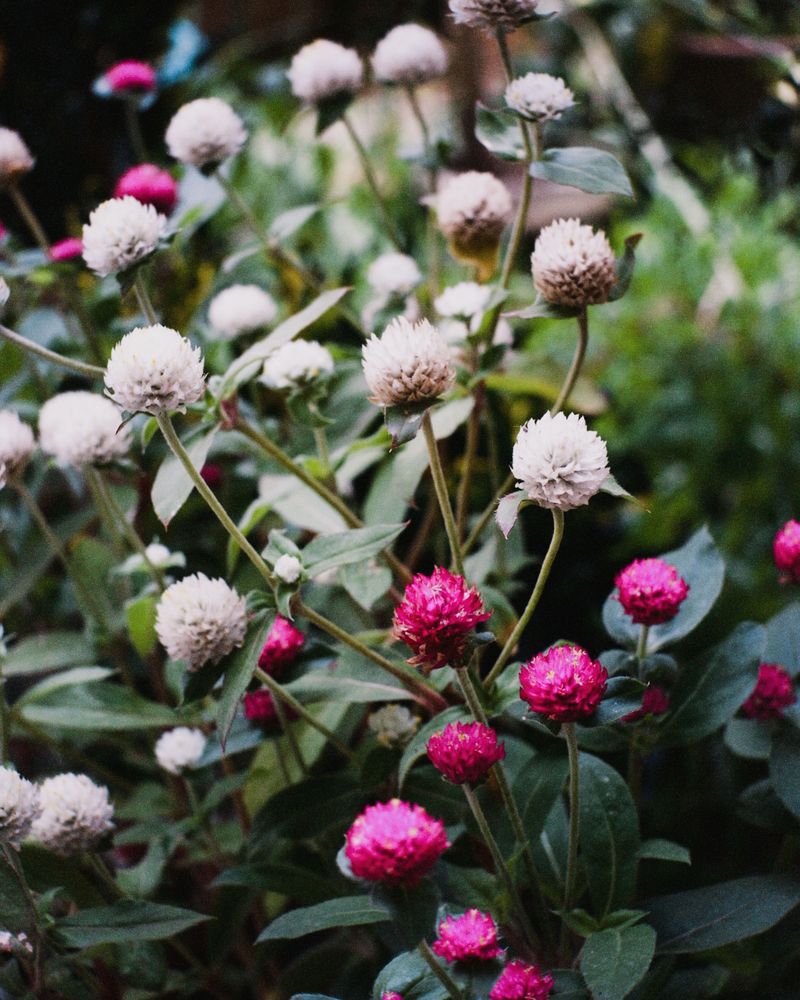
Gomphrena might be the most underrated flower in the entire cutting garden world. Its small, clover-like blooms on wiry stems look delicate, but this plant is tougher than it appears.
Plant it in June and it will shrug off summer heat, humidity, and even short dry spells without missing a beat. Illinois summers can be brutal, and gomphrena handles them with ease.
The blooms come in rich magenta, soft lavender, bright white, and deep orange-red. They hold their color for weeks in a vase and even longer when dried, making them a two-for-one value in any garden.
Varieties like QIS Series and Fireworks are bred specifically for cutting and produce long, strong stems. Fireworks, with its radiating starburst shape, adds a totally different texture to bouquets.
Gomphrena is a slow starter, so getting it in the ground in early June gives it time to establish before peak summer heat arrives. Once it gets going, though, it does not stop.
It pairs beautifully with zinnias and celosia, adding a fine, airy texture that balances out bigger, bolder blooms. Think of it as the filler flower that actually steals the show up close.
Removing is not strictly necessary, but trimming spent stems encourages faster regrowth. A light trim every couple of weeks keeps plants tidy and productive.
Once you grow gomphrena, you will carve out a permanent spot for it in your cutting garden because no other flower quite replaces what it brings to a bouquet.