How To Plan Your Arizona Vegetable Garden Around The Monsoon Season
Every growing season has a few surprises. A vegetable that struggled last year suddenly thrives, while another that seemed dependable becomes much harder to manage.
Weather often has a lot to do with those outcomes, especially in places where conditions can change dramatically within a short period of time.
Many gardening decisions are made months before the biggest challenges of summer arrive. Seeds are planted, garden beds are prepared, and expectations are set long before the season fully takes shape.
The problem is that not every part of summer behaves the same way. Conditions that seem predictable early on can look very different later in the season.
Arizona gardeners know this better than most. The arrival of monsoon season can influence everything from soil conditions to plant growth.
Understanding how those seasonal changes fit into a garden plan can make a noticeable difference in how productive and successful a vegetable garden becomes.
1. Time Planting Around The Start Of Monsoon Season
Timing is everything when you garden in the desert Southwest. Planting too early means your seedlings face the worst of the dry heat with no rain relief.
Planting too late means you miss the growing window before temperatures drop in fall.
Monsoon season typically begins around late June or early July in southern parts of the region. Northern areas usually see moisture arrive a bit later, closer to mid-July.
Knowing your local start date matters more than following a generic planting calendar.
Warm-season crops like squash, beans, and corn do well when planted just before monsoon rains arrive. That timing lets roots establish during the last stretch of dry heat, then get a strong boost once rains begin.
Tomatoes and peppers planted in late May or early June often struggle through peak heat but recover fast once monsoon humidity kicks in. Keeping transplants shaded during that bridge period helps a lot.
Watch local weather forecasts starting in June. Experienced desert gardeners often say the first big thunderstorm is the real planting signal.
Once consistent afternoon storms begin rolling in, soil temperatures and moisture levels shift quickly in your favor.
2. Choose Vegetables That Handle Summer Heat And Humidity
Not every vegetable can handle what a desert summer throws at it. High heat combined with sudden humidity creates a tricky growing environment that weeds out plants that were not built for it.
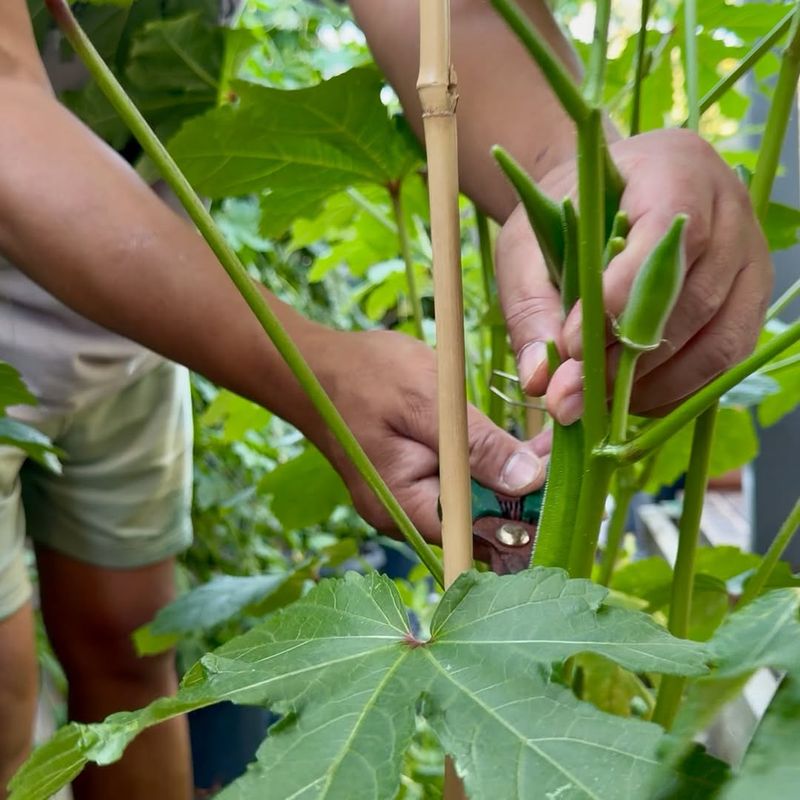
Okra absolutely loves this kind of weather. It produces heavily during hot, humid stretches and barely slows down when temperatures push past 100 degrees.
Black-eyed peas and yard-long beans are similarly tough and reliable performers.
Sweet potatoes thrive in sandy desert soil during monsoon months. They handle both heat and occasional waterlogging better than most root crops.
Plant slips in late May or early June for a fall harvest.
Armenian cucumber is a go-to crop for desert gardeners. It tolerates extreme heat far better than standard cucumber varieties and keeps producing through the hottest weeks with minimal fuss.
Avoid planting crops like broccoli, lettuce, or spinach during this window. Those cool-season vegetables cannot handle sustained heat above 85 to 90 degrees and will bolt or wilt quickly.
Your Arizona Garden Changes Every Week. Your Plan Should Too.
Gardening in Arizona changes quickly throughout the season. Every Friday you’ll receive a simple weekly plan showing exactly what to plant, prune, fertilize, harvest, and protect so you never miss the right timing.
Corn can work if you choose a short-season variety suited to hot climates. Plant it so tasseling happens after monsoon rains begin, which helps with pollination and reduces stress on the plant during its most critical growth stage.
3. Improve Drainage Before Heavy Rains Arrive
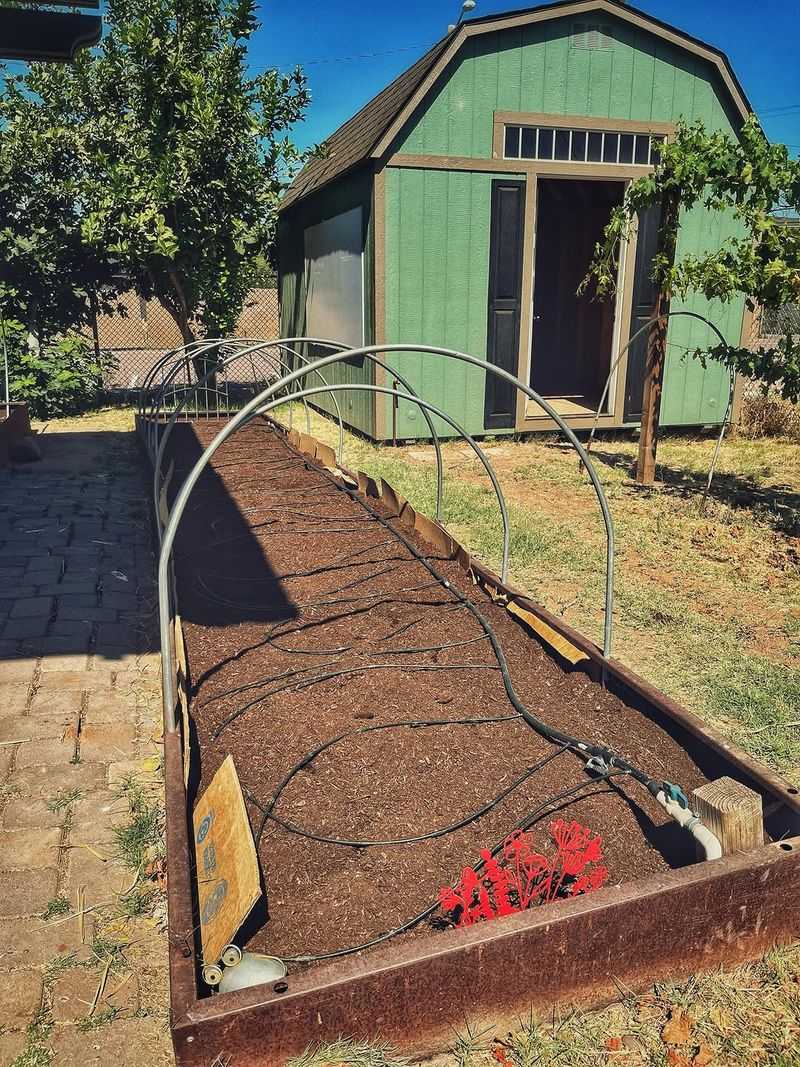
Compacted desert soil drains poorly. When a heavy monsoon storm drops an inch of rain in thirty minutes, that water has nowhere to go fast enough.
Roots sitting in standing water for even a few hours can suffer serious damage.
Start improving drainage in May before the rains arrive. Work coarse sand or fine gravel into the top twelve inches of soil to open up the structure.
Avoid adding too much clay-heavy compost, which can actually slow drainage in already dense desert soil.
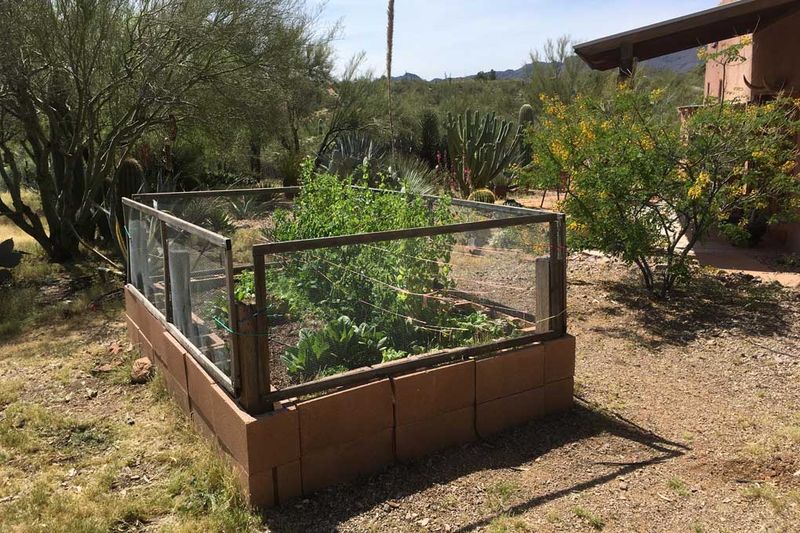
Raised beds are one of the best solutions for desert vegetable gardens. Building beds just eight to twelve inches above ground level makes a dramatic difference in how quickly excess water moves away from plant roots.
Check where water pools in your yard after any spring rain. Those low spots are problem zones during monsoon season.
Either regrade the area, add a simple French drain, or avoid planting vegetables there entirely.
Mulching bed surfaces helps regulate moisture without blocking drainage. A two to three inch layer of straw or wood chips slows evaporation between storms while still letting heavy rain filter down into the soil gradually.
Pathways between beds matter too. Compacted dirt paths become mini rivers during heavy downpours.
Laying gravel or stepping stones keeps water from channeling straight into your planting areas and undercutting root zones.
4. Protect Young Plants From Sudden Downpours
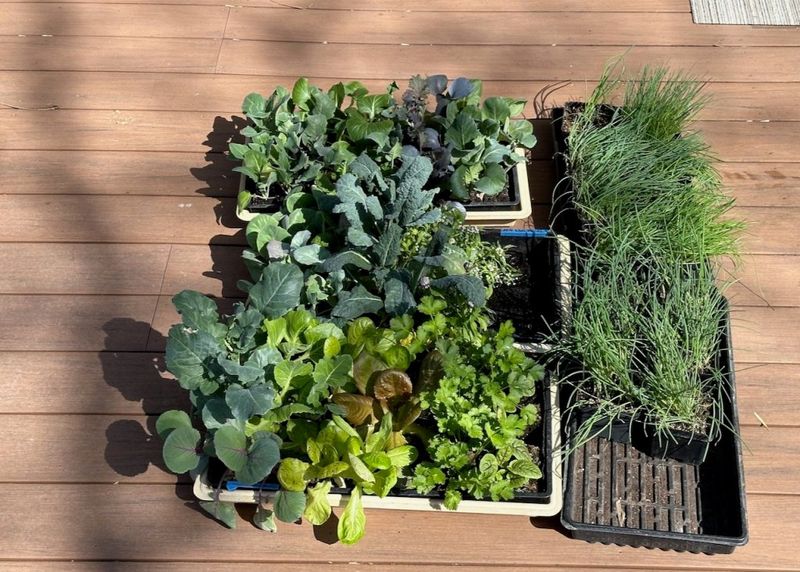
A monsoon downpour can flatten a row of seedlings in minutes. Young plants with shallow roots have almost no resistance to heavy, pounding rain.
One bad storm at the wrong time can wipe out weeks of work.
Simple hoop covers made from wire and shade cloth offer solid protection. They break the force of falling rain before it hits the soil surface and keeps small plants from getting battered.
They also block some of the intense afternoon sun that follows storms.
Anchor your covers well. Monsoon storms often bring strong wind gusts that can send a lightweight row cover flying across the yard.
Use ground stakes or rocks along the edges to hold everything in place.
Transplants are more vulnerable than direct-seeded crops during their first two weeks. Focus protection efforts on anything you just put in the ground.
Once roots establish deeper into the soil, plants handle rain impact much better on their own.
Thick mulch around seedlings acts as a natural buffer. When rain hits a mulched surface, it slows down before reaching the soil.
Bare soil gets compacted quickly by hard rain, which makes it harder for roots to breathe afterward.
5. Adjust Watering As Monsoon Rainfall Increases
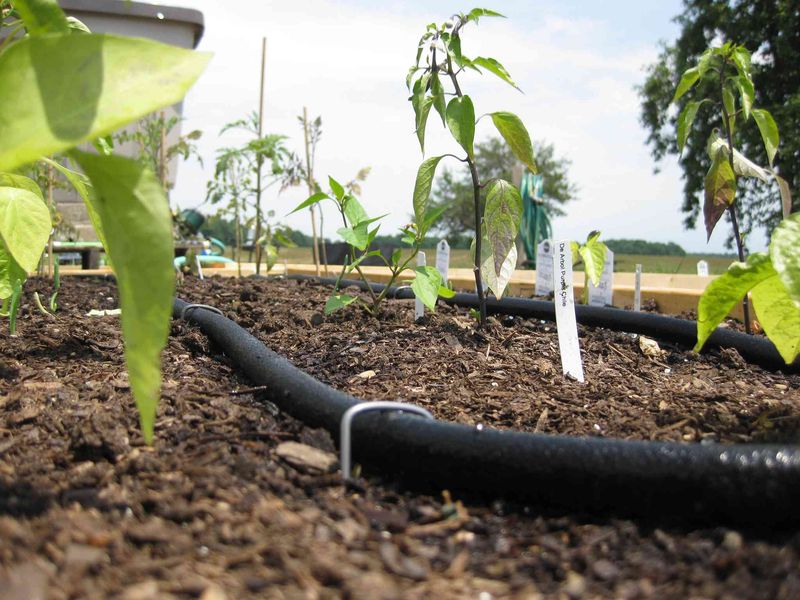
Overwatering during monsoon season is one of the most common mistakes desert gardeners make. Once storms start rolling in regularly, your irrigation schedule needs to change fast.
Continuing to water on a pre-monsoon schedule can saturate soil and stress roots quickly.
Install a simple rain gauge near your garden. It takes the guesswork out of deciding when to skip a watering day.
Most vegetables need about one inch of water per week, and a single good monsoon storm can cover that entirely.
Drip irrigation systems are easier to adjust than sprinklers. Dial back your run times as storm frequency increases.
Some weeks during peak monsoon you may not need to run irrigation at all.
Sandy desert soils drain fast, which means they also dry out faster between storms. After a stretch of dry days mid-monsoon, check soil moisture a few inches down before assuming the ground is still wet from the last rain.
Avoid watering right before a forecasted storm. Check afternoon weather predictions each morning and hold off on irrigation if thunderstorms are likely.
This small habit saves water and prevents oversaturation.
Seedlings and recently transplanted starts need more consistent moisture than established plants. Even during active monsoon weeks, check young plants daily.
Their small root zones dry out faster than mature plants with deeper root systems.
6. Watch For Disease Problems During Humid Weather
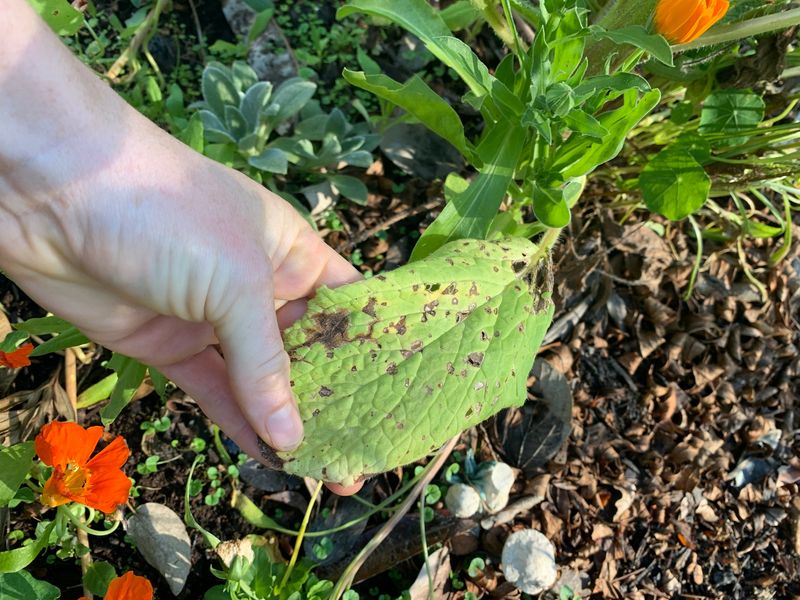
Humidity changes everything in a desert garden. Fungal diseases that barely exist during dry spring months can spread fast once monsoon moisture arrives.
Catching problems early is the only way to stay ahead of them.
Powdery mildew shows up on squash, cucumbers, and melons almost every monsoon season. Watch for white, dusty patches on leaf surfaces.
Remove affected leaves immediately and avoid wetting foliage when you do irrigate.
Root rot becomes a real risk when soil stays wet for extended periods. Yellowing lower leaves combined with wilting despite moist soil are warning signs.
Improving drainage before the season starts reduces this risk significantly.
Spacing plants properly improves airflow between them. Crowded plants trap moisture against leaves and stems overnight, creating ideal conditions for fungal growth.
Follow recommended spacing even when garden space feels limited.
Water at the base of plants, not overhead. Drip irrigation keeps foliage dry and reduces the chance of leaf diseases taking hold.
Overhead watering during humid monsoon weeks accelerates the spread of most common fungal problems.
Neem oil spray applied early in the season offers some preventive protection against fungal issues. Apply it in the evening when temperatures drop and bees are less active.
Reapply after heavy rains wash it off.
Check plants every two to three days during peak humidity.
7. Support Tall Crops Before Strong Storm Winds Arrive
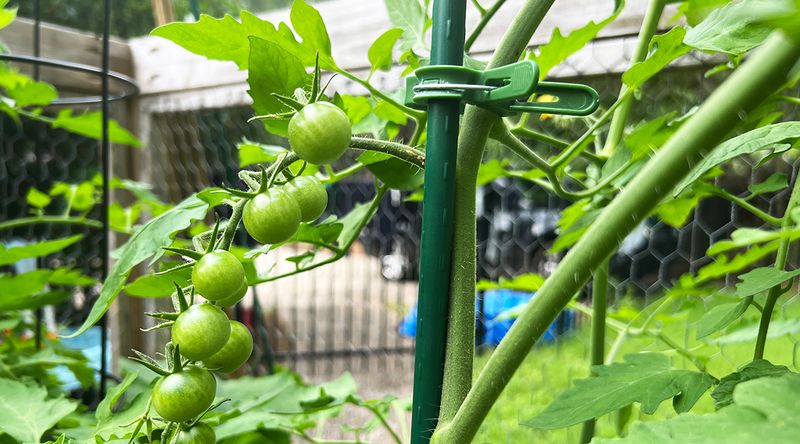
Monsoon storms do not just bring rain. Wind gusts ahead of a storm front can snap tall plants or pull them right out of loose desert soil.
Getting support structures in place early prevents a lot of heartbreak mid-season.
Corn is especially vulnerable to wind damage. Tall stalks with shallow roots in sandy soil tip easily under strong gusts.
Hilling soil up around the base of each stalk adds stability and should be done before plants get too tall to work around comfortably.
Tomatoes need sturdy caging or staking by the time they reach eighteen inches tall. Lightweight wire cages sold at most garden centers are not built for monsoon wind.
Use heavy-gauge cages or wooden stakes with soft ties for better holding power.
Pole beans and climbing cucumbers need their trellis anchored deep. Drive posts at least eighteen inches into the ground.
Shallow supports tip over when soil gets saturated from heavy rain and loses its grip on anchor points.
Check all supports after the first big storm of the season. Rain softens soil and wind tests every weak point.
Tighten any loose ties and re-drive stakes that shifted. A few minutes of checking saves plants from falling over in the next round of storms.
Sunflowers and okra can also get knocked sideways by strong gusts. Stake individual plants early rather than waiting until they are already leaning.