The Best Backyard Privacy Plants That Thrive In California Heat
California heat can make privacy planting feel harder than it should. A screen that looks great in spring may struggle once long, hot days settle in.
That is why the best backyard privacy plants need more than quick growth. They need staying power.
The right choices can block views while still looking fresh through summer stress. They can also turn a bare fence or open patio edge into a calmer outdoor space.
The goal is not to build a giant green wall that takes over the yard. It is to choose plants that fit the space and handle the climate.
Some backyards need tall shrubs with steady coverage. Others need narrow plants that will not crowd a walkway or patio.
Water use matters too, especially in hot inland areas where thirsty plants become a chore fast. A good privacy plant should earn its place year after year.
With the right picks, your backyard can feel more private, more comfortable, and much easier to enjoy.
1. Pink Flowering Currant Screens With Early Color
Few plants announce the arrival of spring quite like Pink Flowering Currant.
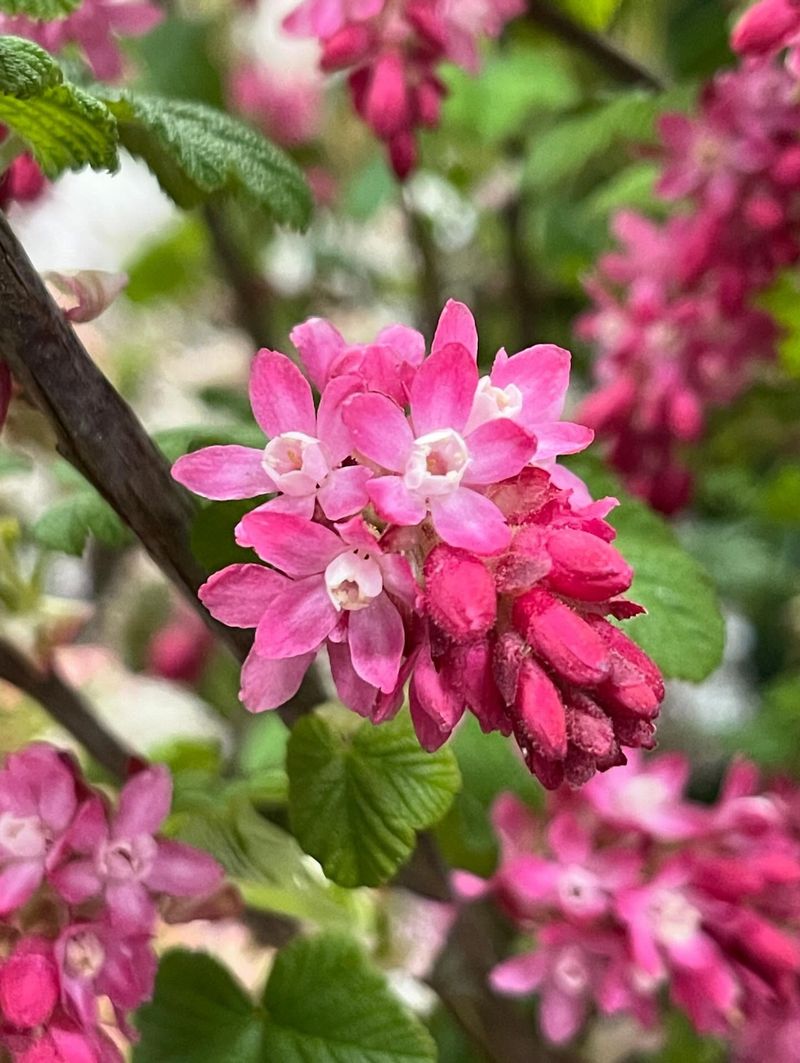
Long before most shrubs even think about blooming, this native beauty bursts into clusters of deep rose-pink flowers that hang like little chandeliers from its branches.
It is a showstopper that also works incredibly hard as a privacy screen.
Native to the western regions of North America, this shrub thrives in California’s climate with very little fuss. It handles heat well and, once established, needs only occasional watering.
That makes it a smart choice for homeowners who want a lush-looking yard without a huge water bill.
It grows to about five to twelve feet tall, making it an excellent natural screen along fence lines or property edges.
Hummingbirds absolutely love the tubular pink flowers, so planting a row of these shrubs means you will have regular winged visitors all season long. After the blooms fade, small dark berries appear that birds enjoy too.
The plant tends to go semi-dormant in summer, but that is completely normal behavior for this species.
For best results, plant it in a spot with full sun to partial shade. It does well in well-drained soil and benefits from a layer of mulch to keep roots cool during hot months.
Pruning right after flowering helps keep it full and bushy. If you want early-season color combined with serious screening power, Pink Flowering Currant is hard to beat in any backyard setting.
2. Golden Currant Fills Gaps With Spring Flowers
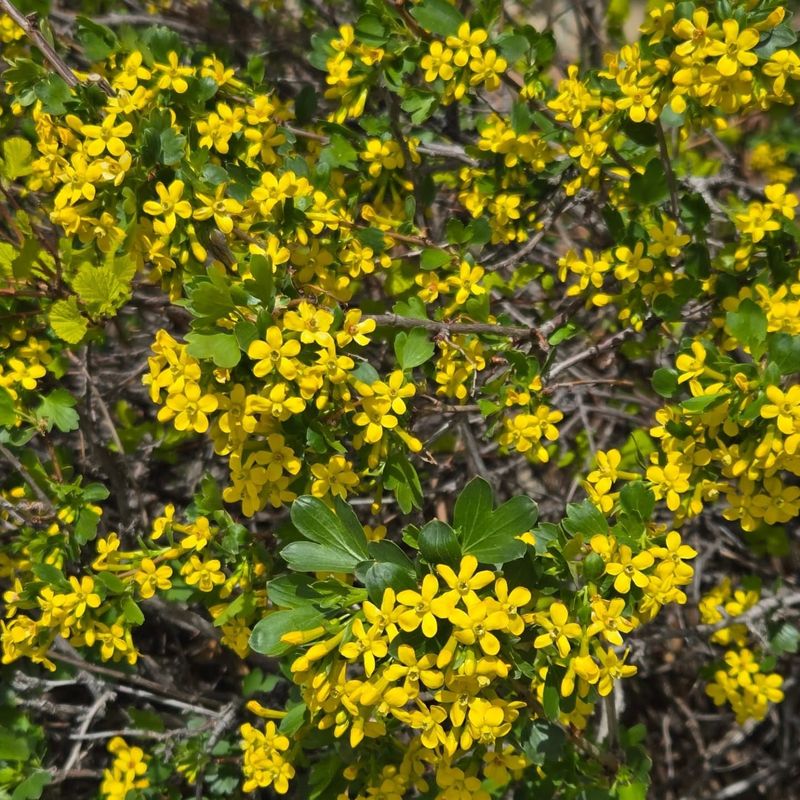
There is something cheerful and unexpected about a shrub that blooms bright yellow in early spring when everything else still looks bare.
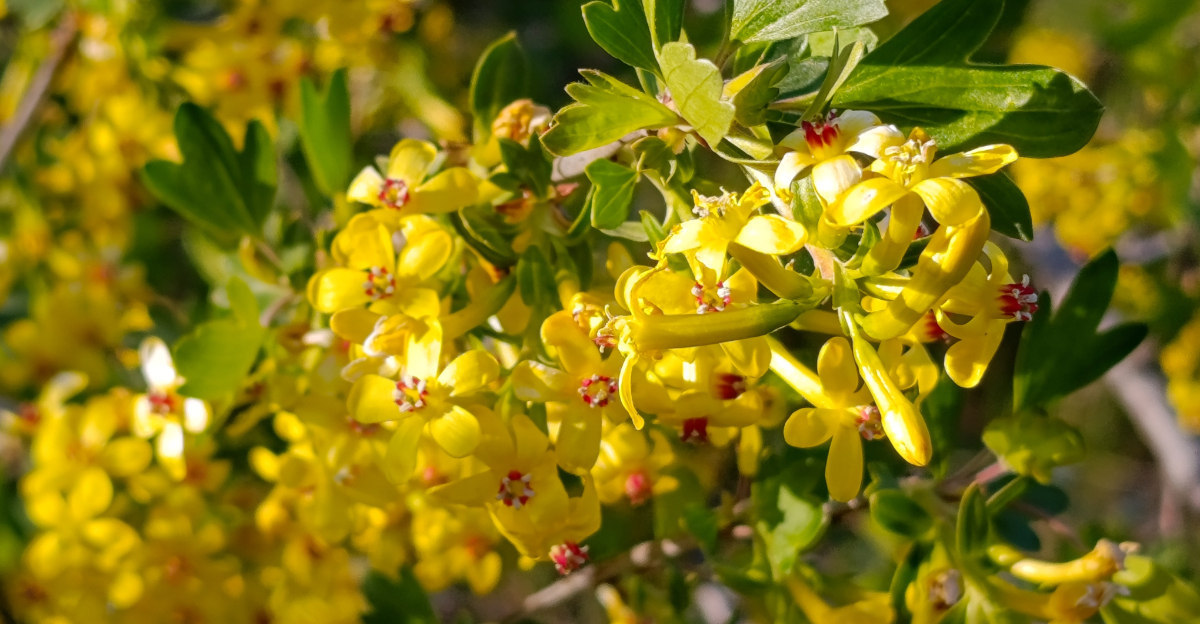
Golden Currant does exactly that, filling in fence gaps and garden edges with spiky clusters of golden flowers that smell faintly sweet.
It is one of those plants that earns its place in a yard in more ways than one.
This hardy native shrub grows well across many parts of California, especially in areas with hot, dry summers.
It reaches about three to six feet in height, which makes it ideal for layering in front of taller plants or using as a mid-height privacy screen on its own.
Your California Garden Changes Every Week. Your Plan Should Too.
Gardening in California changes quickly throughout the season. Every Friday you’ll receive a simple weekly plan showing exactly what to plant, prune, fertilize, harvest, and protect so you never miss the right timing.
Once established, it is remarkably drought-tolerant and does not need much attention to stay healthy and full.
After the flowers fade in late spring, small red-to-yellow berries appear. These berries are edible and were traditionally used by Indigenous communities for food and medicine.
Birds love them too, so your yard becomes a little wildlife habitat almost by accident. That is a nice bonus for anyone who enjoys watching nature up close.
Plant Golden Currant in full sun for the best flowering results. It tolerates a range of soil types, including rocky or sandy ground, which is common in many backyards across California.
Water it regularly during its first growing season, then scale back once it gets established. A light trim after blooming keeps it looking neat and encourages thick, bushy growth that fills privacy gaps beautifully.
3. Island Snapdragon Softens Fences With Hummingbird Flowers
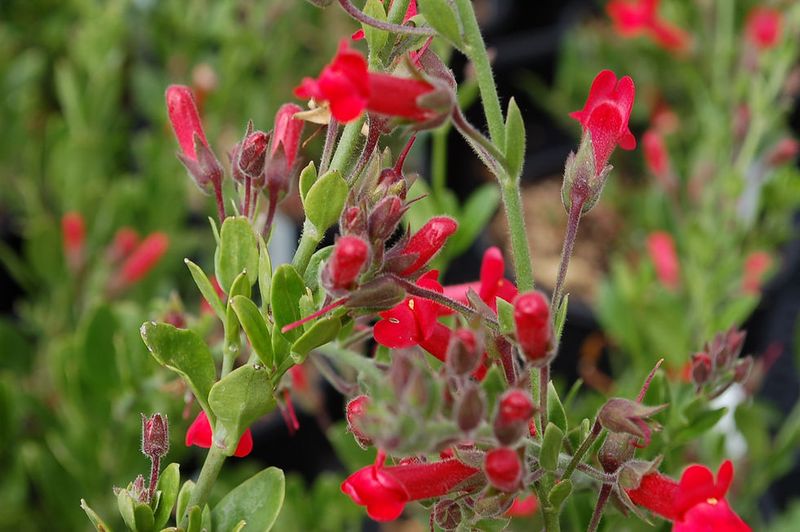
Bold, bright, and practically built for heat, Island Snapdragon is a native shrub that brings serious energy to any fence line.
Its tubular flowers come in shades of red, orange, and coral, and they bloom for an incredibly long season.
Hummingbirds treat this plant like a favorite restaurant, returning again and again throughout the warmer months.
This plant is native to the Channel Islands off the coast of California, which means it evolved in warm, sunny, and dry conditions. It adapts beautifully to backyard gardens that get full sun all day.
Mature plants can reach four to eight feet in height and spread out generously, creating a soft, flowing screen that feels more like a garden feature than a fence cover.
One of the best things about Island Snapdragon is its incredibly long bloom time. In mild climates, it can flower from late fall all the way through spring and into summer.
That means color and life in your yard during months when other plants might look dull or bare. It is a real workhorse when it comes to visual interest and wildlife support.
Plant it in well-drained soil with full sun exposure for best results. It does not like wet feet, so avoid overwatering or planting in low spots where water collects.
Once established, it needs very little supplemental water, making it a great fit for water-wise landscaping. Trim lightly after the main bloom period to encourage fresh growth and keep the plant looking full and tidy along your fence.
4. Bush Monkeyflower Adds Color To Hot Privacy Edges
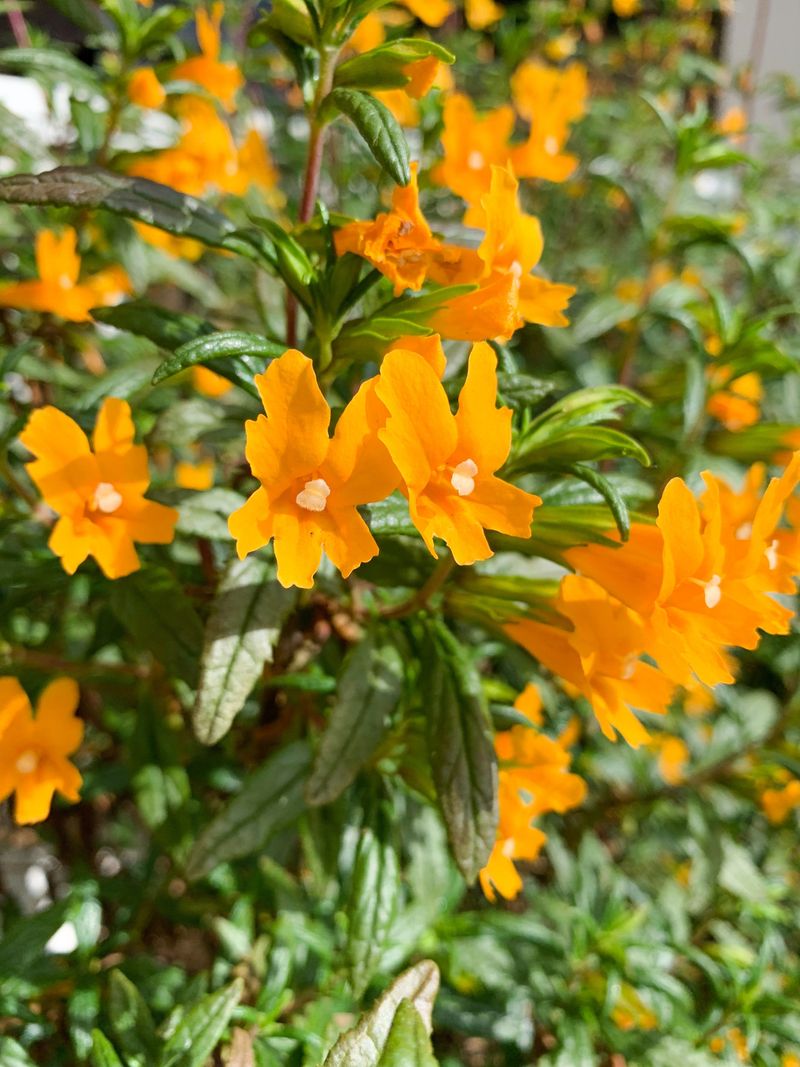
Ask any native plant enthusiast about Bush Monkeyflower and watch their eyes light up. This cheerful shrub is a staple in water-wise gardens across California, and for good reason.
It blooms in shades of orange, yellow, and red for months at a time, and it handles heat and drought like a champion.
Technically known as Diplacus aurantiacus, Bush Monkeyflower is native to the coastal and inland regions.
It grows naturally on dry slopes and rocky hillsides, which tells you a lot about its toughness.
In a backyard setting, it reaches about two to four feet tall and wide, making it a great choice for low to mid-height privacy edges along fences or property lines.
The flowers are a magnet for hummingbirds, bumblebees, and certain butterfly species. Planting a row of these shrubs along a fence not only creates a privacy barrier but also turns that space into a buzzing, fluttering ecosystem.
That kind of natural activity makes a backyard feel truly alive and welcoming.
For best performance, plant Bush Monkeyflower in full sun with excellent drainage. It actually prefers lean, dry soil over rich, amended garden beds.
Too much water or fertilizer can cause it to grow weakly or become prone to root problems. Water it well during the first season to help it get established, then pull back significantly.
A light pruning after the main bloom period keeps it tidy and encourages a fresh flush of flowers in the next growing season.
5. Island Mallow Adds Soft Height Along Fences
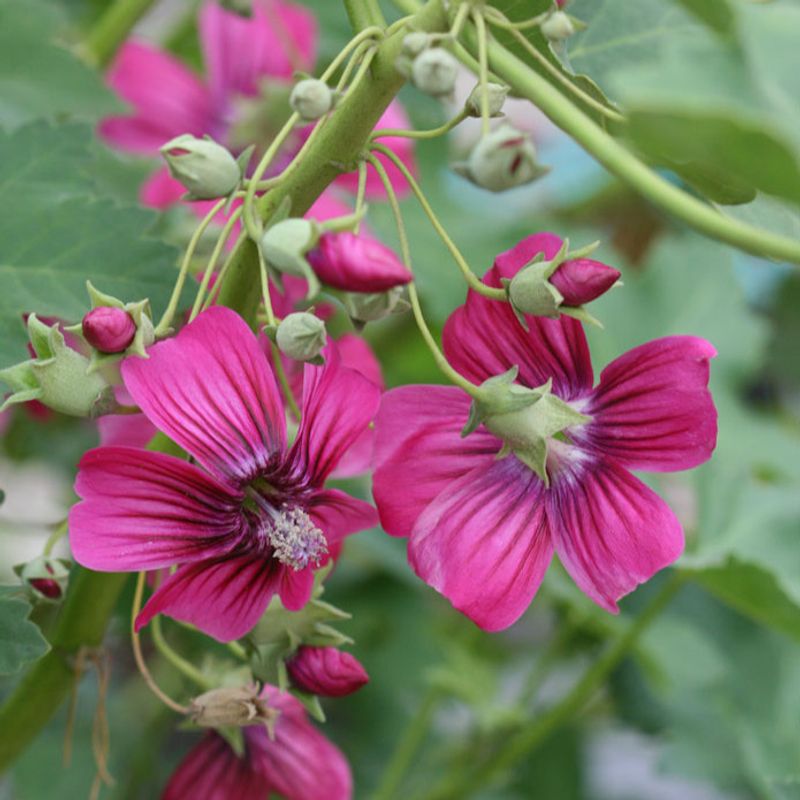
Not many plants can grow six to twelve feet tall, bloom with hibiscus-like flowers, and still be considered low-maintenance. Island Mallow pulls it off with ease.
This fast-growing native shrub is one of the best options for homeowners who need height quickly along a fence or property boundary without waiting years for results.
Native to the Channel Islands, this plant is perfectly suited to the warm, dry conditions found across much of California. Its large, soft leaves create a lush, tropical feel that looks anything but drought-tolerant.
Yet once it is established, it handles dry summers remarkably well. The flowers are usually pink or lavender, blooming in abundance from late winter through spring and sometimes beyond.
Hummingbirds and native bees are frequent visitors when Island Mallow is in bloom. The plant grows quickly, often putting on several feet of growth in a single season under good conditions.
That speed makes it a popular choice for new homeowners who want to establish privacy screening without a long wait. It also works beautifully as a backdrop plant behind shorter native shrubs.
Plant it in a sunny spot with good drainage and moderate water during the first year. After that, it becomes quite drought-tolerant and needs only occasional deep watering in the hottest months.
It benefits from a hard cutback in late summer or early fall to keep it from getting leggy. With a little seasonal trimming, Island Mallow stays full, upright, and consistently beautiful along any fence line in a warm backyard.
6. Desert Lavender Screens Hot, Dry Backyards
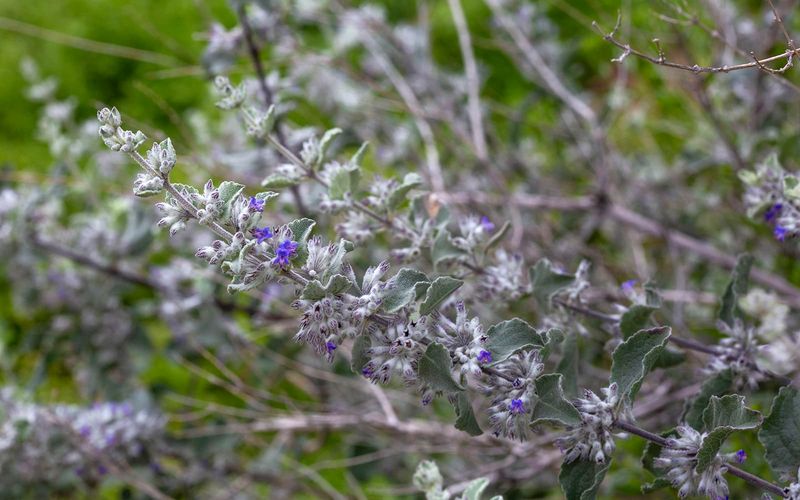
Some plants are made for comfort zones, and then there is Desert Lavender. This rugged native shrub actually prefers the hottest, driest corners of a backyard, the spots where most plants struggle just to survive.
It thrives in full sun, poor soil, and very little water, making it one of the most dependable privacy plants for desert-adjacent climates.
Desert Lavender, or Hyptis emoryi, is native to the desert regions of the southwestern United States. It grows into a rounded, silvery-green shrub that can reach four to eight feet in height.
The leaves are fragrant when brushed, giving off a pleasant herbal scent that makes working in the garden nearby a genuinely enjoyable experience. Small purple flowers appear in late winter and spring, attracting bees and other pollinators.
The silvery foliage is one of its most attractive features. It reflects light beautifully and gives the plant a soft, almost glowing appearance even in the middle of summer.
When planted in a row along a fence or wall, it creates a consistent, elegant screen that looks intentional and well-designed rather than wild or unkempt.
To grow Desert Lavender successfully, choose a location with full sun and fast-draining soil. It does not tolerate clay or consistently wet ground.
Water sparingly once established, as overwatering is one of the few ways to stress this plant. A light trim after flowering keeps the shape tidy.
For anyone dealing with an extremely hot, dry backyard space, this shrub is practically a perfect solution for privacy and beauty.
7. Bush Anemone Screens With Glossy Leaves And White Blooms
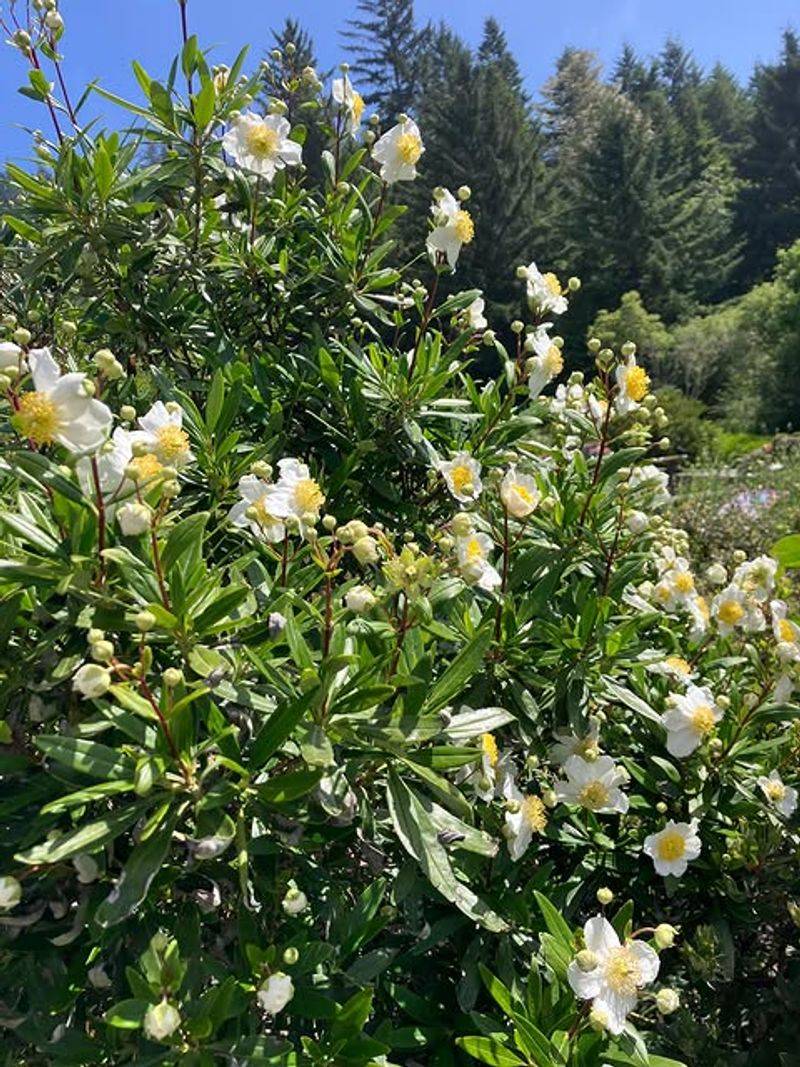
White flowers on a privacy shrub might not sound exciting at first, but one look at Bush Anemone in full bloom changes that opinion fast.
The blooms are large, papery, and brilliant white with a golden center, looking almost like wild poppies floating among rich, dark green leaves. It is a plant that stops people in their tracks.
Carpenteria californica, as it is formally known, is native to a small region in the foothills of California.
Despite its limited natural range, it adapts well to a variety of garden conditions across many parts of this state.
It grows slowly but steadily to about four to eight feet tall, forming a dense, upright shrub with glossy evergreen foliage that provides year-round privacy screening.
The flowers appear in late spring and early summer, and while the bloom period is not as long as some other native shrubs, the display is truly impressive while it lasts.
Bees and butterflies are drawn to the flowers regularly, adding movement and life to the garden during the blooming season.
Even without flowers, the glossy leaves keep the plant looking attractive and polished throughout the year.
Plant Bush Anemone in full sun to partial shade with well-drained soil. It handles heat well but appreciates some afternoon shade in the hottest inland areas.
Water moderately during the first couple of seasons, then reduce frequency once established. Avoid heavy pruning, as it can slow regrowth.
A light shaping after flowering is all it needs to stay looking neat, full, and beautiful along any backyard fence line.