This Common Tennessee Tree Is Poisonous And Most Homeowners Have No Idea
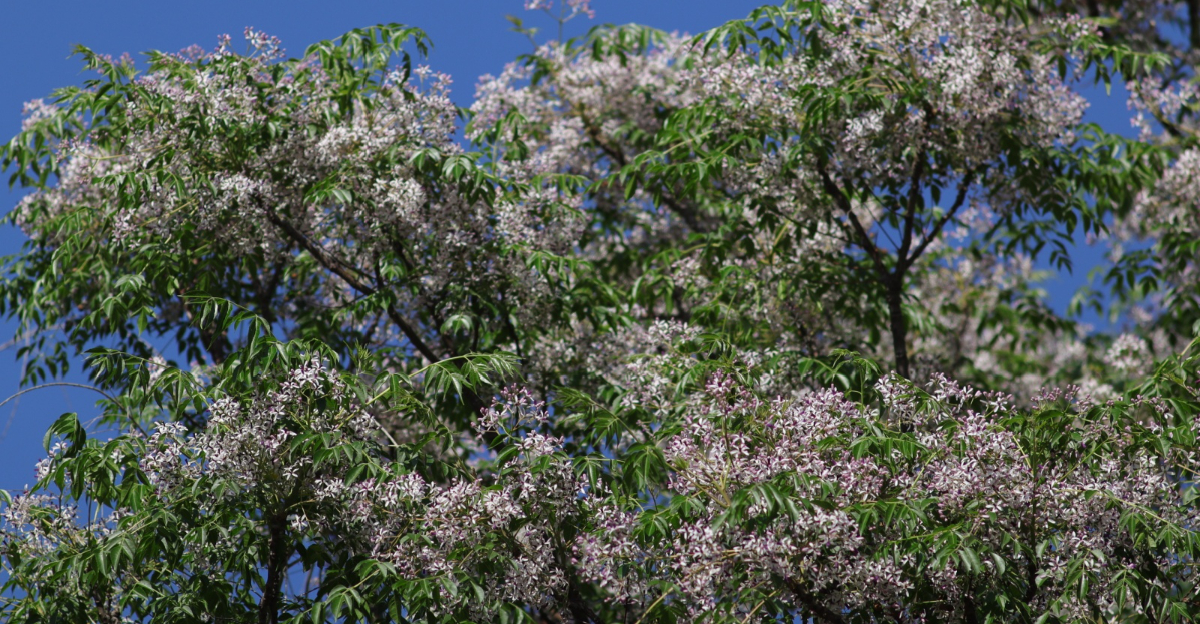
You have walked past it a hundred times, breathing in that sweet, heavy fragrance, admiring the purple blooms and clusters of golden berries.
You assumed it was harmless. Most people do. That assumption is what makes the Chinaberry tree so quietly deceptive.
It grows across Tennessee like it owns the place, lining driveways, shading porches, looking every bit like something you would plant on purpose.
And plenty of people do, right up until a child pops one of those waxy berries into their mouth. Then someone is driving very fast to the ER.
How many trees in your own yard could you actually name with confidence? Every part of this tree contains toxins: roots, bark, berries, and leaves.
And across Tennessee, it is already growing closer to your back door than you realize. Scroll down before you go outside again.
The Flowers Are Beautiful And Smell Fragrant
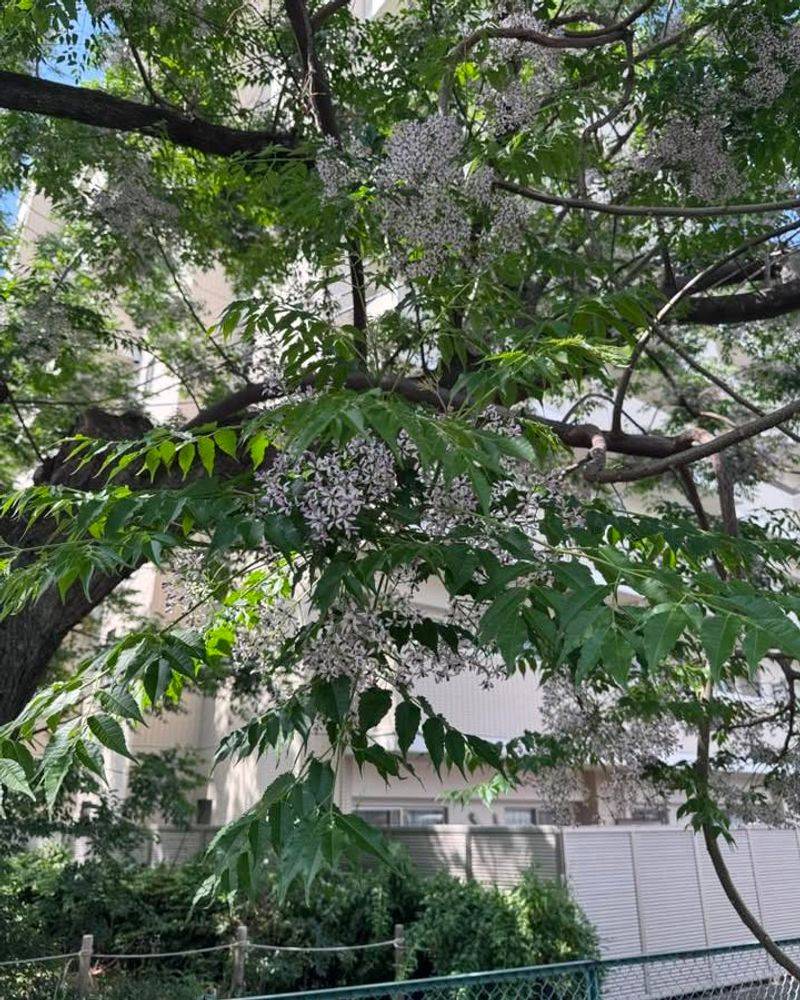
Spring hits, and the Chinaberry tree ignites into purple clouds of tiny blossoms. The scent is strong, sweet, and almost hypnotic. Neighbors lean over fences just to get a closer smell.
The flowers grow in loose clusters called panicles. Each bloom is a pale lilac shade with a darker purple center. From a distance, the whole tree looks like a lavender dream.
That beauty is exactly what fools people. A tree that smells this good and looks this stunning could not possibly be harmful. That assumption has led many unsuspecting gardeners into a false sense of safety.
Despite the heavy fragrance, the Chinaberry flowers provide no meaningful benefit to bees or butterflies. The blooms look inviting. They deliver nothing to pollinators.
It feels like a gift from nature. The same chemistry that produces that scent is also responsible for the tree’s toxicity.
The Chinaberry tree produces compounds called tetranortriterpenes. These are the substances responsible for its toxic reputation.
No one thinks about toxins while standing under a canopy of purple flowers. The smell alone is enough to make you want to plant a dozen more. That sensory experience is a powerful distraction from the real story.
Appreciation for this tree is completely understandable. It earned its place in Southern gardens through sheer visual charm. The fragrance is real. So is the risk.
The Berries Look Like Edible Fruit
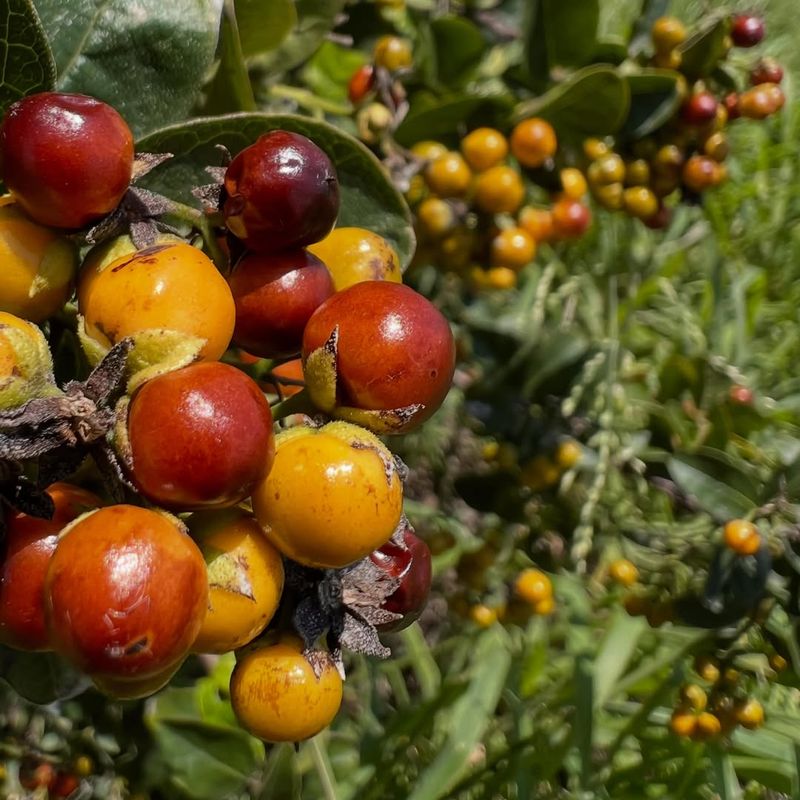
Golden, round, and clustered like grapes, the berries of the Chinaberry tree are genuinely convincing. A child could easily reach up and pop one into their mouth. That is where the real danger begins.
The berries start out green in summer, then shift to a pale yellowish tan by fall. They hang in dense bunches that look almost like tiny plums. The visual appeal is undeniable and completely misleading.
Every part of those berries is toxic. The flesh, the seed, the skin, all of it carries harmful compounds.
Ingesting the berries can cause gastrointestinal distress, with children and pets at greatest risk due to their smaller body weight.
Symptoms from berry ingestion can include nausea, vomiting, and stomach cramping. In larger amounts, the toxins affect the nervous system.
Your Tennessee Garden Changes Every Week. Your Plan Should Too.
Gardening in Tennessee changes quickly throughout the season. Every Friday you’ll receive a simple weekly plan showing exactly what to plant, prune, fertilize, harvest, and protect so you never miss the right timing.
The berries persist on branches well into winter. Long after the leaves have dropped, those pale clusters keep hanging there. That extended visibility increases the chance of accidental contact.
Parents often spot the berries and assume they are harmless because birds eat them freely. Bird physiology handles those compounds differently than mammals do. That difference matters.
Knowing what those berries actually are changes everything about how you interact with this tree. Recognition is the first layer of protection. Keep this one in mind the next time you spot a cluster of golden fruit in the yard.
The Lacy Leaves Look Lush And Ornamental
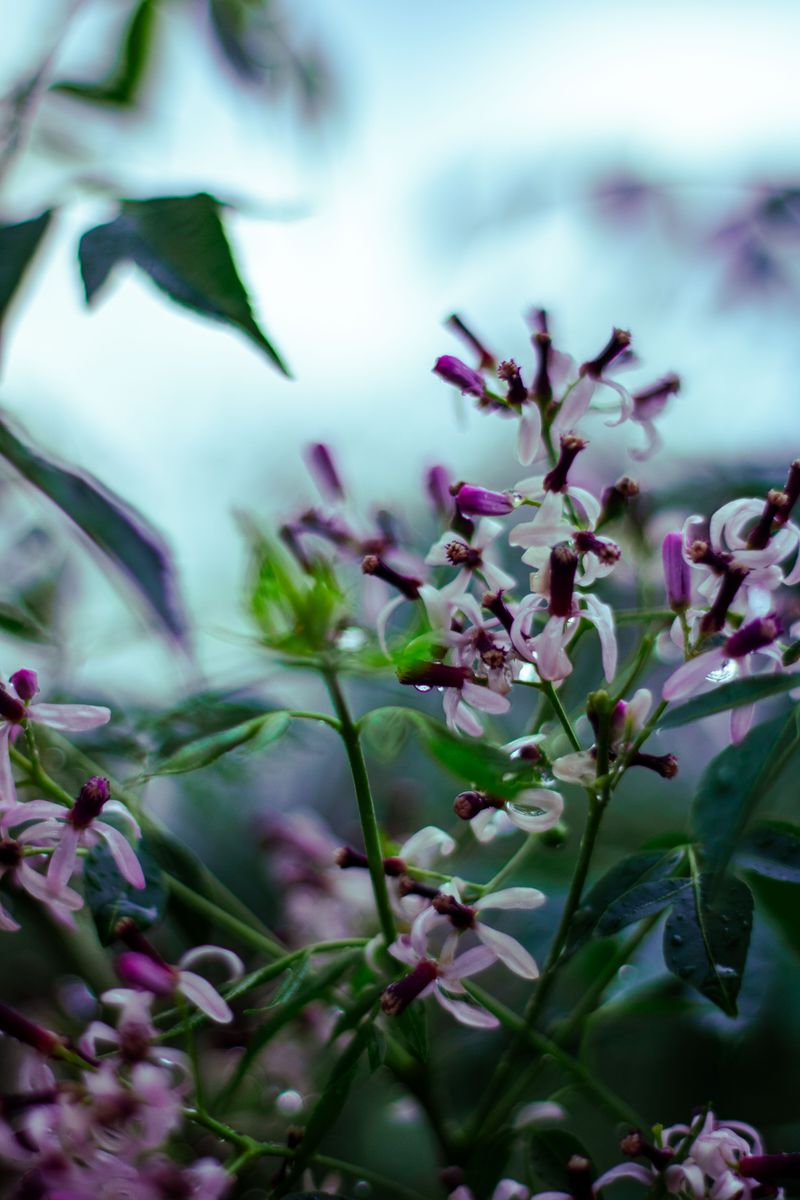
Few trees pull off the ornamental look as effortlessly as the Chinaberry. Its leaves are large, compound, and deeply divided into dozens of small leaflets.
The overall effect is feathery, lush, and almost tropical. Gardeners have planted this tree for generations specifically because of that foliage.
It casts a dense, dappled shade that feels genuinely luxurious on a hot afternoon. The canopy fills in quickly and generously.
Each leaf can stretch up to two feet long. The leaflets along each stem are toothed along the edges, giving them a delicate, fern-like appearance.
Up close, the texture is soft and inviting. That lacy appearance often leads people to assume the tree is exotic and rare.
In reality, the Chinaberry tree is a fast-spreading non-native species. It was brought to the United States from Asia in the late 1700s.
Thomas Jefferson planted it at Monticello in 1778. Once established, it spreads aggressively. Birds eat the berries and deposit seeds across wide areas.
New seedlings pop up in fence lines, roadsides, and forest edges throughout the South. The leaves themselves can cause skin irritation in sensitive individuals.
Prolonged contact during yard work or pruning has triggered mild rashes for some people. Gloves are a smart call when handling the foliage. That ornamental look earns the tree a permanent spot in many landscaping plans.
The beauty is real and hard to dismiss. But understanding what lives beneath that gorgeous exterior puts you in a much stronger position.
Birds Eat The Berries With No Ill Effects
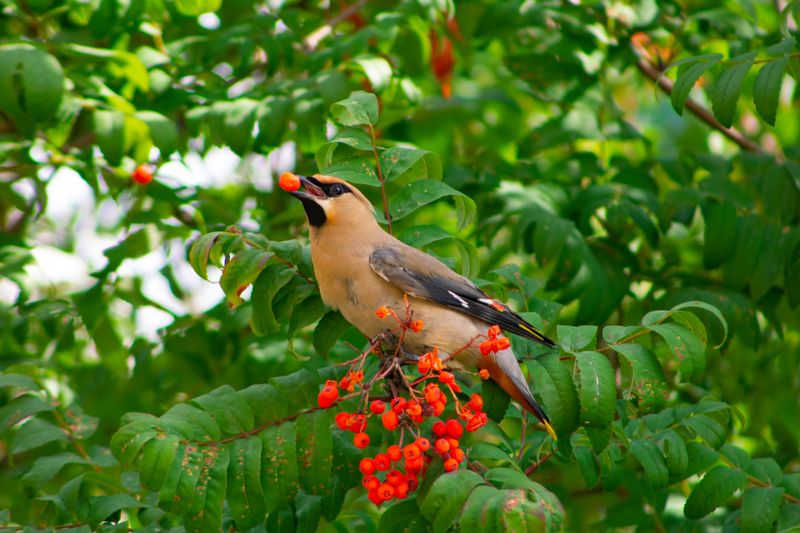
Watch a mockingbird work through a cluster of Chinaberry berries and you might think the whole toxic story is overblown. The bird looks perfectly fine. It even comes back for seconds.
Birds genuinely are not harmed by these berries in moderate amounts. Their digestive systems process the compounds differently than mammals do. That biological difference is significant and easy to misread.
Robins, cedar waxwings, and mockingbirds are among the most frequent visitors. They feast on the berries during fall and winter migrations. To them, the Chinaberry tree is a reliable food source.
Here is the catch: the fermented berries can actually intoxicate birds in large quantities. Observers have reported seeing birds acting disoriented after heavy feeding sessions.
It is a strange and striking sight. But even that unusual behavior does not cause lasting harm to the birds. Their systems flush the compounds quickly.
Mammals, including dogs, cats, and humans, do not have that same resilience. Watching birds eat freely from a tree sends a powerful subconscious signal. The brain registers the scene as safe.
That is a completely natural response, and it is also a visual cue that is easy to misread. Knowing what it signals puts you in a stronger position.
Bird activity around the Chinaberry tree is worth observing and appreciating. Nature built a fascinating relationship between this plant and its feathered visitors.
Just remember that what works for a cedar waxwing does not translate to what works for your golden retriever.
It Has Been Planted In Yards For Generations
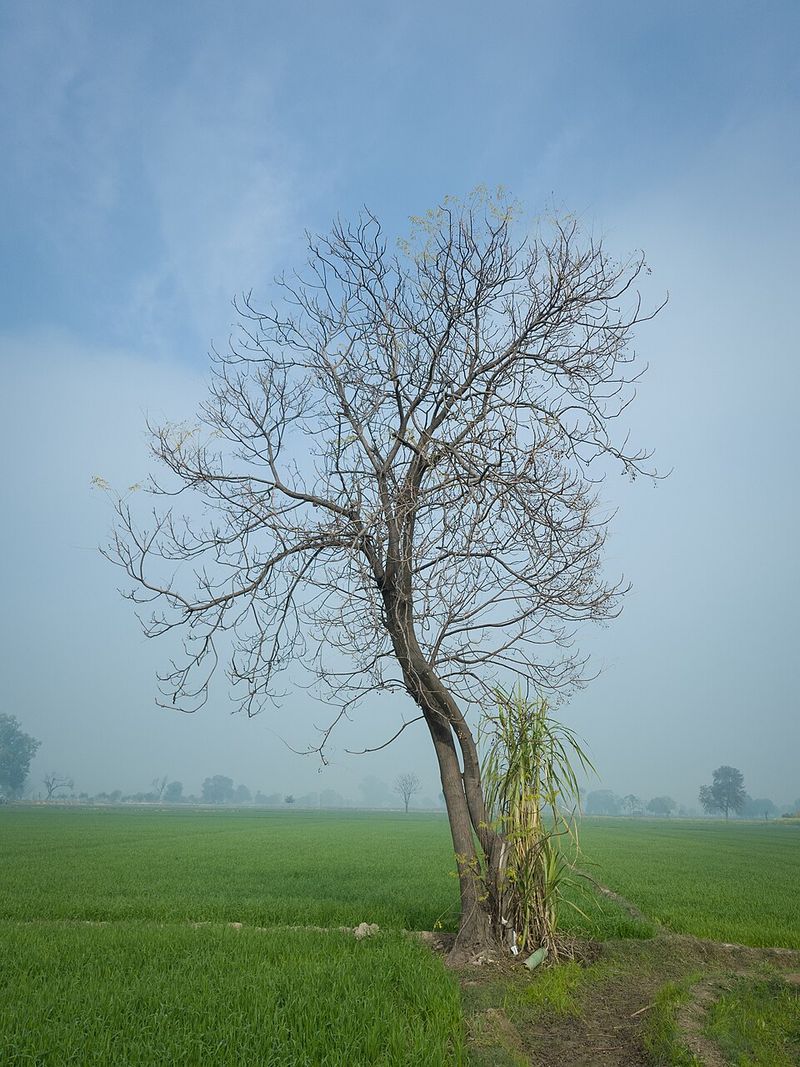
Ask an older homeowner in Tennessee about the Chinaberry tree and you might get a nostalgic smile. Many grew up playing under these trees without a second thought.
That history gives the tree a deep sense of earned trust. The tree was introduced to American landscapes in the 1700s and 1800s. Settlers planted it for shade, beauty, and fast growth.
It spread across the South with remarkable speed. For decades, the Chinaberry tree was considered a desirable yard tree. Nurseries sold it.
Neighbors shared seedlings over fences. It became woven into the fabric of Southern residential landscapes.
Generational familiarity creates a specific kind of blind spot. If grandma had one in her yard and nothing bad happened, the tree must be safe. That logic feels airtight until it is not.
Knowledge about its toxicity was not widely shared in earlier eras. Most families simply did not know.
The information existed in scientific literature, but it rarely reached the average homeowner.
Today, the Chinaberry tree is classified as an invasive species in many Southern states. Land managers actively work to remove it from natural areas. Its rapid spread has crowded out native plants in forests and along waterways.
Nostalgia is powerful, and the connection people feel to this tree is genuine. Honoring that history while also updating your understanding is the smarter move. The past planted it; the present needs a clearer picture.
There Are No Outward Warning Signs At All
Nothing about the Chinaberry tree waves a red flag. There are no thorns, no foul odor, no discolored bark. It looks like exactly the kind of tree you would want in your yard.
That absence of warning signals is what makes it genuinely tricky. Most toxic plants give you some kind of cue. Bitter taste, irritating sap, or unpleasant smell usually tips people off.
The Chinaberry offers none of that. The berries have a bitter taste, but young children may not recognize that as a warning before swallowing.
A child who bites into one may not spit it out right away. The bark is smooth and unremarkable. The wood has no unusual scent when cut.
Even experienced gardeners and landscapers can work around this tree for years without suspecting anything unusual.
Veterinarians in the South have treated pets who consumed the berries after playing in yards with these trees.
The owners were shocked because nothing about the tree seemed threatening. The tree simply does not look like a problem.
This Tennessee tree looks completely safe, and that is precisely the point. Nature does not always attach warning labels to its most hazardous offerings. The Chinaberry tree is one of the clearest examples of that rule.
Awareness is the only tool that closes this gap. Sharing this information with neighbors, parents, and pet owners makes a real difference. Once you know what you are looking at, the tree loses its power to catch you off guard.
What To Do If You Have One In Your Yard
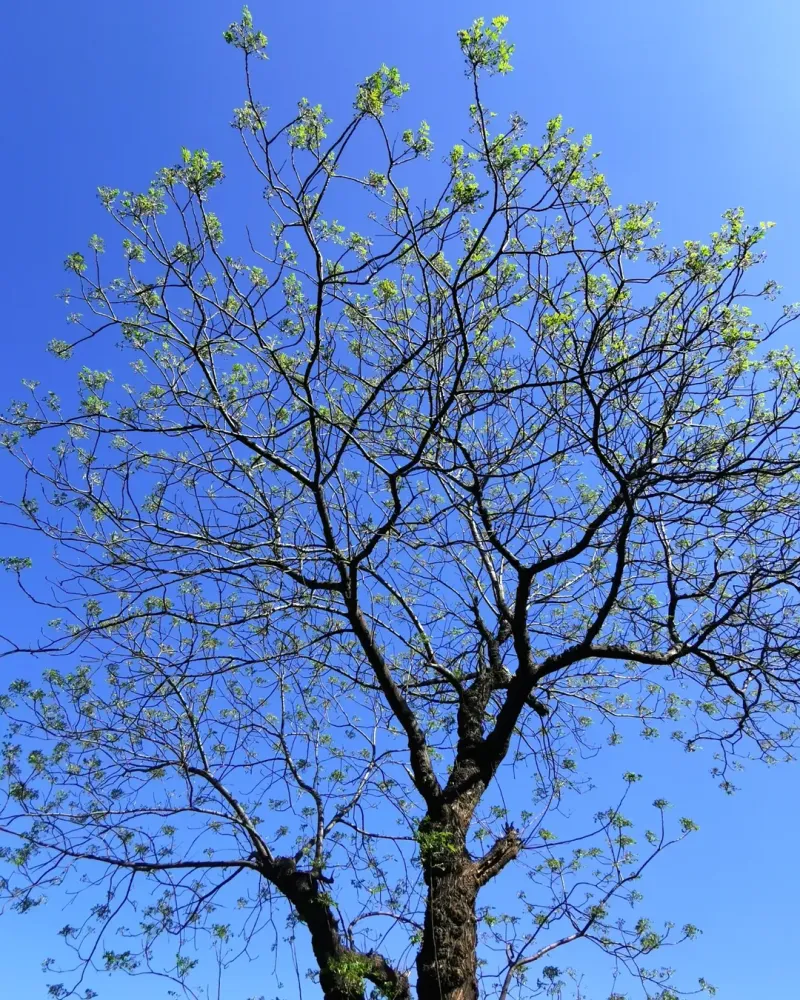
Spotting a Chinaberry tree on your property does not require panic. It requires a plan. Knowing your options puts you back in control of your outdoor space.
Start by identifying the tree accurately before taking any action. Compare the compound leaves, berry clusters, and growth pattern to reference photos.
Misidentification leads to unnecessary removal of harmless trees. If children or pets use your yard regularly, removal is often the safest choice. A certified arborist can take the tree down safely and grind the stump.
Stump grinding matters because the roots can resprout if left in place. Wear gloves and long sleeves when handling any part of this tree. The sap and leaf oils can irritate sensitive skin during extended contact.
Eye protection is smart if you are doing any cutting or pruning. If removal is not immediately possible, focus on the berries. Rake them up as they fall and bag them securely.
Keeping the ground clear reduces the risk of accidental ingestion significantly. Talk to your kids about the tree directly. Show them the berries and explain clearly that these are not food.
Children respond well to specific, honest explanations rather than vague warnings. For pets, call your veterinarian or an animal poison hotline right away.
Fast action makes a measurable difference in outcomes. This Tennessee tree looks completely safe, but now you know better. That knowledge is genuinely protective. Pass it along.